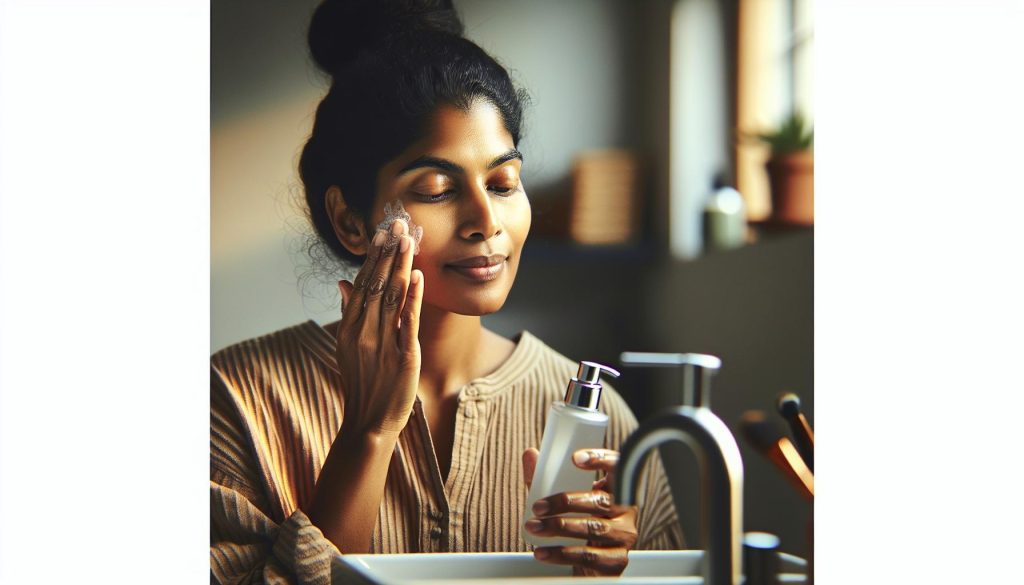
Did you know that failing to properly remove sunscreen can lead to clogged pores and breakouts? For many, incorporating sunscreen into their daily routine is a must for protecting against UV damage, yet the question remains: Can a gel cleanser effectively remove it? In this article, we’ll explore the truth about gel cleansers and their ability to dissolve not just everyday impurities, but also the waterproof and long-lasting formulations of sunscreen. Understanding how to effectively cleanse your skin is crucial for maintaining a clear complexion and getting the most out of your skincare regimen. So, let’s dive in to help you achieve that fresh-feeling skin you deserve!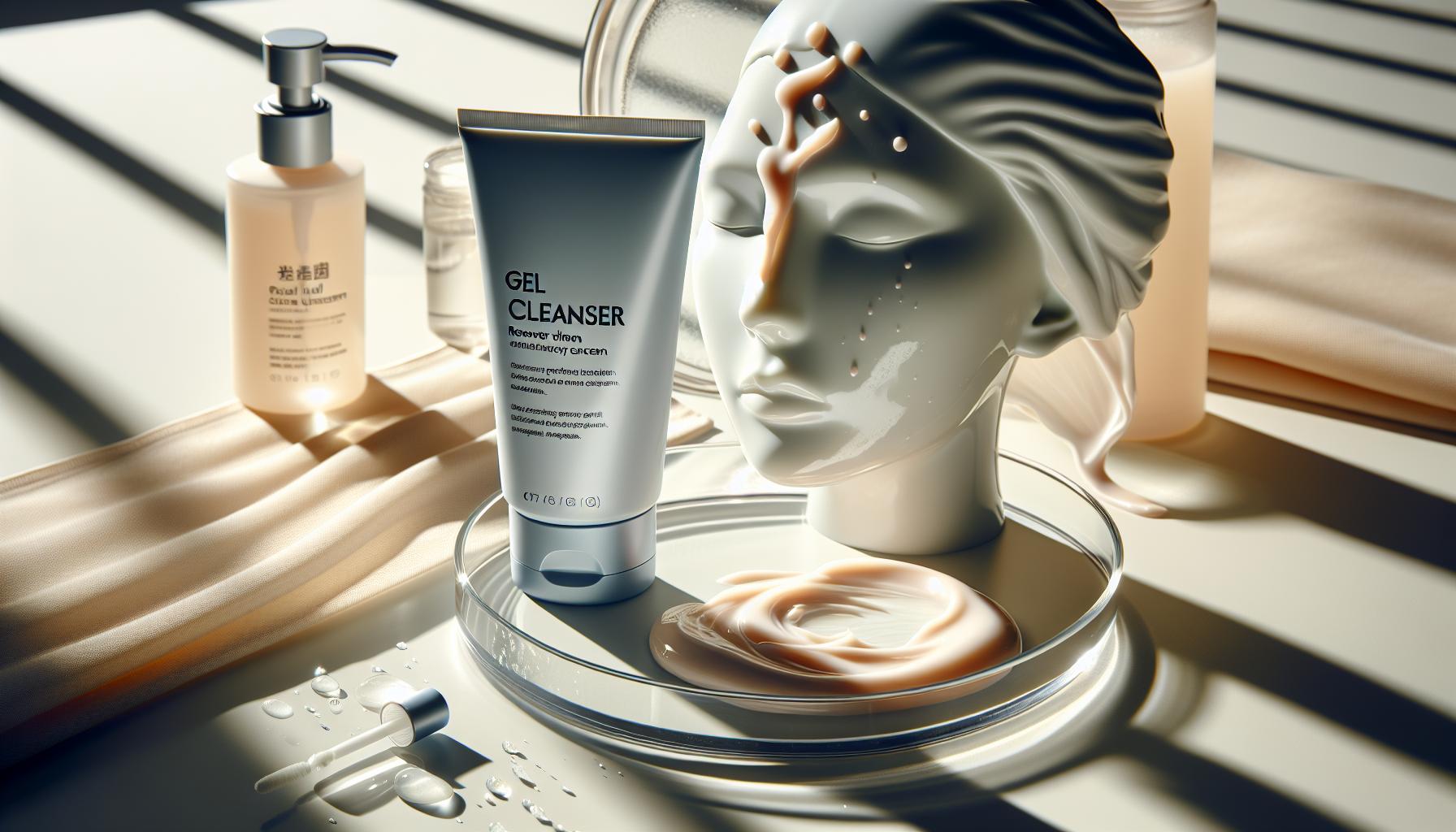
Understanding Sunscreen: Why It’s Essential for Skin Protection
Exposure to harmful UV rays can lead to skin damage, premature aging, and even skin cancer. This makes understanding sunscreen not just beneficial, but essential. Sunscreen serves as a vital barrier, absorbing or reflecting harmful UV radiation to protect your skin. When choosing a sunscreen, you want to look for key factors like SPF rating (ideally 30 or higher), and broad-spectrum protection, which shields against both UVA and UVB rays. UVA rays primarily penetrate deep into the skin layers, leading to premature aging, while UVB rays are responsible for sunburn and can increase the risk of skin cancer.
Applying sunscreen daily can significantly reduce your risk of skin ailments. It’s not just for beach days or summer outings; daily sunscreen application helps fend off the cumulative damage that occurs from day-to-day exposure, even during cloudy weather. Don’t forget to reapply every two hours, especially if you’re sweating or swimming.
The method of application is just as important as the product you choose. For optimal results, apply a generous amount-about a shot glass full for full-body coverage-using gentle, circular motions to ensure even distribution. This consistency creates an effective layer that can better protect your skin from sun damage.
An often-overlooked aspect is how well you can remove sunscreen at the end of the day. Given that many sunscreens are designed to be water-resistant and long-lasting, proper removal becomes crucial in preventing clogged pores and maintaining skin health. This is where the effectiveness of your cleanser, especially gel cleansers, comes into play-it needs to be sufficient to eliminate the sunscreen without disrupting your skin’s natural moisture balance. Adopting a comprehensive cleansing routine will not only enhance your skin’s health but will also optimize the protection provided by sunscreen.
Can Gel Cleansers Remove Sunscreen? The Science Explained
To effectively remove sunscreen, it’s essential to understand how gel cleansers work on a scientific level. Gel cleansers are formulated primarily with water and typically contain surfactants, which help break down and lift away oils and dirt from the skin’s surface. However, when it comes to sunscreen, especially those labeled as water-resistant or containing heavier formulations like mineral sunscreens, not all gel cleansers are equal.
Many sunscreens feature ingredients that create a barrier on the skin, such as zinc oxide or titanium dioxide for mineral options, or oils and emulsifiers for chemical types. These can be more challenging to fully dissolve and remove. Studies show that gel cleansers may struggle with heavy or waterproof sunscreens unless they’re specifically designed with strong emulsifying agents that target oil-based products. Therefore, the effectiveness of a gel cleanser largely depends on its formulation and the type of sunscreen you’ve used.
For best results, look for gel cleansers that list oil-banishing ingredients like cocamidopropyl betaine or sodium lauryl sulfoacetate. These components help loosen stubborn residues, making it easier to wash away sunscreen. To further enhance the removal process, apply the cleanser on dry skin first, massaging it gently for about 30 seconds, then wet your hands and continue to work it into a lather. Rinse thoroughly with warm water.
As a tip, if you often wear heavy sunscreen or makeup, consider using an oil-based cleanser or micellar water as a first step, followed by your gel cleanser to ensure all residues are completely eliminated. This two-step approach can be incredibly beneficial for maintaining clear pores and healthy skin. Remember, achieving clean skin after sunscreen application is vital for preventing breakouts and irritation.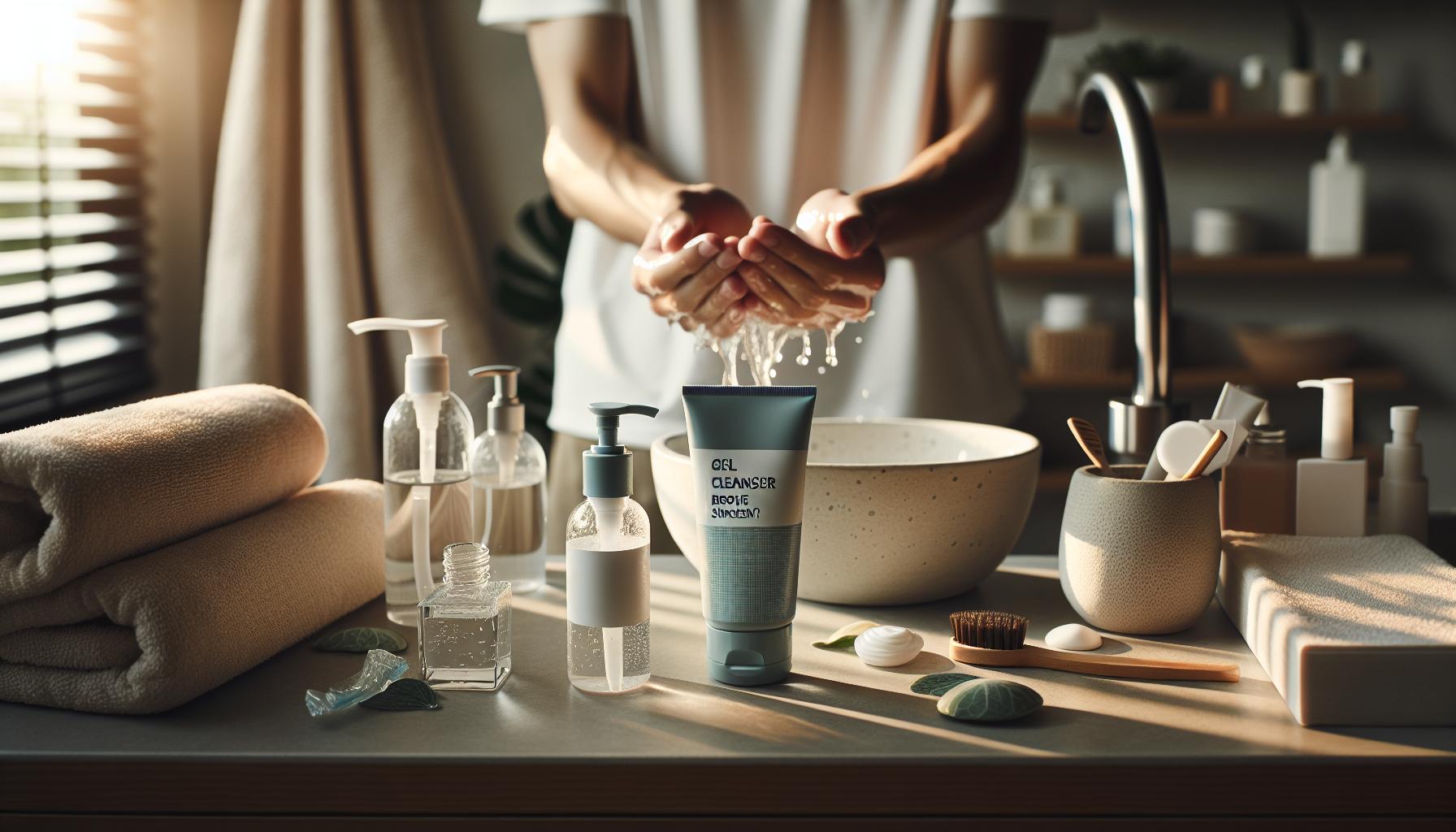
Key Ingredients in Gel Cleansers: What to Look For
Choosing the right gel cleanser can make all the difference when it comes to effectively removing sunscreen. Not all gel cleansers are created equal, especially when it comes to tackling the various formulations of sunscreen, whether they’re chemical, physical, or a waterproof version. As such, understanding key ingredients in gel cleansers can empower you to make smarter choices that fit your skincare routine.
When shopping for a gel cleanser, look for surfactants. These are special compounds that help break down the oils and waxes present in sunscreens. Strong options include cocamidopropyl betaine and sodium lauryl sulfoacetate, known for their ability to strip away heavy residues without irritating the skin. By incorporating surfactants that specifically target oiliness, a gel cleanser can more effectively lift away stubborn sunscreen remains.
Another essential ingredient to consider is glycerin. While it’s a humectant that helps keep the skin hydrated, it also plays well with surfactants to ensure that the cleansing process is not overly harsh. Gel cleansers enriched with glycerin can help maintain your skin’s moisture barrier while still providing a deep clean.
Additionally, plant extracts like aloe vera or chamomile can add soothing properties to your gel cleanser. These ingredients can help calm any irritation caused by the cleansing process, which is particularly beneficial after wearing strong sunscreens. Plus, they enhance your cleansing experience, making it feel more luxurious and gentle.
In summary, when seeking a gel cleanser that can effectively tackle sunscreen, focus on those containing powerful surfactants, hydrating agents, and soothing botanical extracts. This thoughtful selection will not only improve your sunscreen removal routine but also support your overall skin health, ensuring a fresh and clean slate for your skincare products to follow.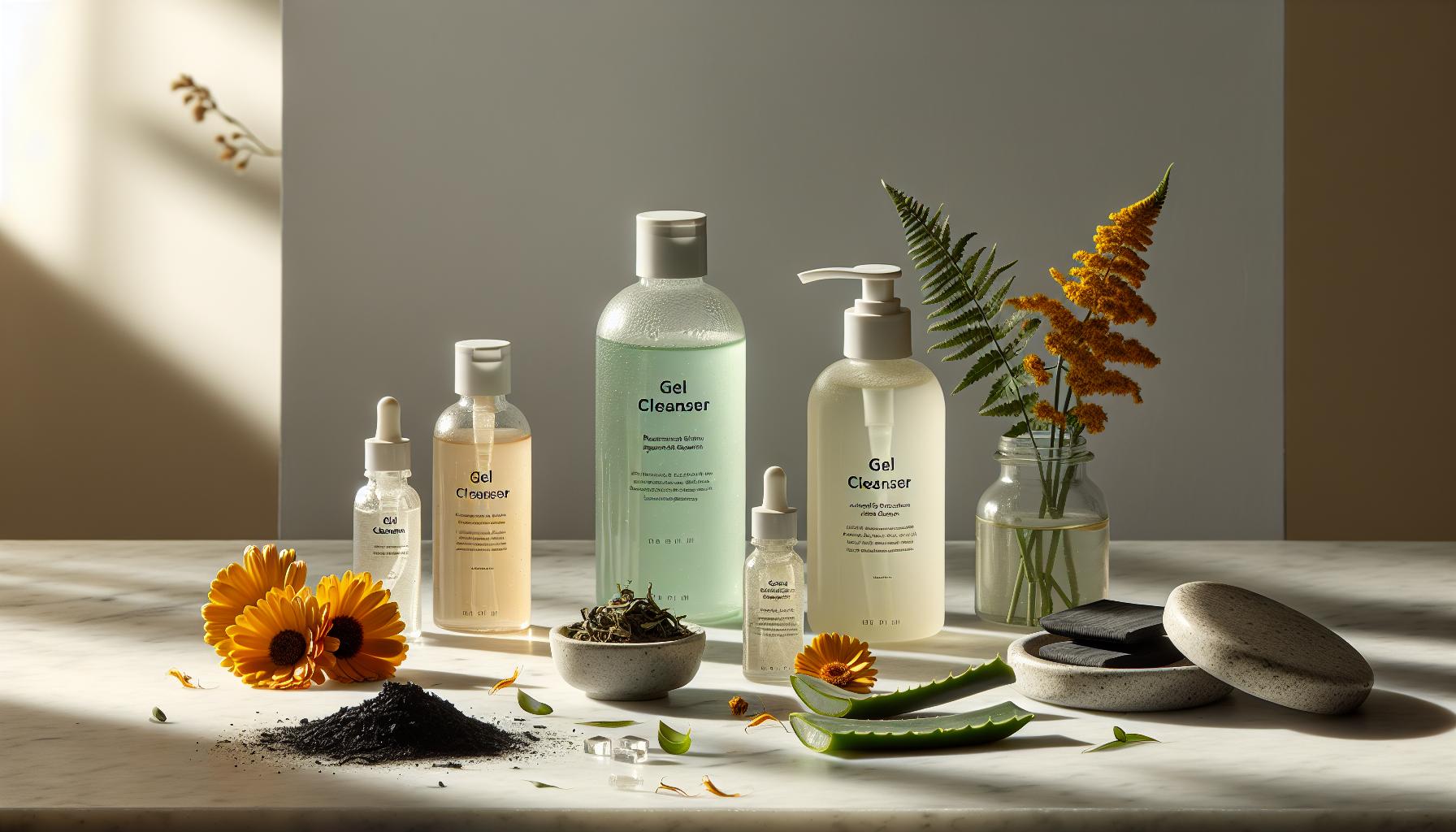
Sunscreen Removal Techniques: Beyond Just Cleansers
Removing sunscreen effectively involves more than just relying on gel cleansers. While a good gel cleanser plays an important role, there are additional techniques you can incorporate to ensure a thorough cleanse and maintain healthy skin. Let’s explore these methods that can enhance your routine and leave your skin feeling fresh and protected.
One effective method is the double cleansing technique, which combines an oil-based cleanser with your gel cleanser. Start by applying an oil cleanser to dry skin and gently massaging it in for about 30 seconds. This initial step helps to break down and dissolve the sunscreen, along with any makeup, sebum, and impurities. Follow it up with your gel cleanser to remove any leftover residue. This two-step process ensures that your skin is completely clean without stripping it of moisture.
Another technique to consider is using micellar water as a pre-cleanse step. Micellar water contains tiny oil molecules called micelles, which attract dirt and oils, making it effective at breaking down sunscreen. Soak a cotton pad with micellar water and gently wipe it over your face before continuing with a gel cleanser. This not only helps in lifting away sunscreen but also preps your skin for the following cleansing steps.
If you are dealing with stubborn waterproof sunscreens, steam can be your ally. Steaming your face for a few minutes before cleansing can help to open up your pores and loosen the grip of the sunscreen. After steaming, proceed with your double cleansing routine. This method is particularly beneficial for those with oily or acne-prone skin, as it helps in further unclogging pores.
Don’t forget the importance of gentle exfoliation in your routine, especially if you use sunscreen daily. Exfoliating once or twice a week can help remove dead skin cells and prevent product buildup. Consider using a chemical exfoliant, like AHA or BHA, which can penetrate deeper into the pores compared to physical scrubs. Always follow up with a hydrating toner and moisturizer to replenish your skin after exfoliation.
In summary, effective sunscreen removal extends beyond just the gel cleanser. Employing methods like double cleansing, using micellar water, incorporating steam, and gentle exfoliation can significantly improve your cleansing routine, making sure that your skin is not only clean but is also ready to absorb subsequent skincare products. Remember, taking these extra steps not only feels good but is essential for maintaining healthy, radiant skin.
How to Test Your Cleanser’s Effectiveness
Testing the effectiveness of your gel cleanser is crucial, especially when you’re working to remove stubborn sunscreen. Understanding whether your cleanser is doing its job can save your skin from buildup and potential irritation. One reliable way to assess your cleanser’s performance is through a simple visual test.
Start by applying a generous amount of sunscreen on your skin, allowing it to sit for a few hours. This will mimic real-life scenarios where sunscreen has been exposed to sweat, dirt, and other elements. After a designated time, take a clean cotton pad and wipe your skin to see how much sunscreen remains. Next, use your gel cleanser as directed. Rinse thoroughly, and then do another cotton pad test.
If you notice significant residue on the cotton pad after this process, it’s a clear indicator that your gel cleanser may not be effective on its own. You might consider incorporating a pre-cleansing step, like oil cleansing or micellar water, which can help break down the sunscreen and improve overall removal. Consistency is key; a cleaner face typically leads to healthier skin over time.
Another practical approach is to monitor how your skin feels after cleansing. If your skin feels slick or if you encounter breakouts consistently after using your gel cleanser, it could be a sign that it’s not entirely removing the sunscreen or other impurities. In that case, try using an exfoliating product a few times a week to help eliminate any leftover buildup and complement your cleansing routine.
Lastly, keep an eye on ingredient transparency. Look for gel cleansers that specify their effectiveness against water-resistant formulas, as these require different cleansing strategies. This information can often be found on the product’s label or manufacturer’s website, so don’t hesitate to do a little research. By employing these testing methods and strategies, you’ll ensure your skin is not just clean but healthy and vibrant, ready for whatever beauty routine comes next.
Common Mistakes When Removing Sunscreen
Many people underestimate the complexities involved in effectively removing sunscreen, which can lead to skin issues like clogged pores and irritation. A common pitfall is simply thinking that your gel cleanser alone will do the job without any additional steps. This misconception can create a cycle of frustration as you struggle to achieve that truly clean feel after cleansing.
One common mistake is rushing the cleansing process. Instead of quickly splashing some water on your face and lathering up, take the time to apply your gel cleanser to dry skin first. This method allows the cleanser to break down the thicker sunscreen barriers more effectively, especially if it’s water-resistant. Follow this with a gentle massage using circular motions for at least 30 seconds-this increases the cleanser’s effectiveness in lifting the sunscreen off your skin.
Another frequent error is not using enough product. A pea-sized amount might not be enough, especially if you’ve applied a generous layer of sunscreen. For a proper cleanse, aim to use a dime-sized amount or more, depending on your skin type and the sunscreen used. If it feels like you still have residue after cleansing, it’s a sign you should adjust the amount you use.
Additionally, many overlook the importance of rinsing thoroughly. Failing to rinse completely can leave behind remnants of both sunscreen and the cleanser itself, potentially leading to breakouts or irritation. Rinse with lukewarm water to ensure all residue is washed away, and consider following up with a gentle exfoliating product a few times a week to buff away any stubborn remnants.
Taking a few extra minutes and being intentional about each step can transform your cleansing routine. Remember, your skin deserves the best care, and a little extra effort in removing sunscreen properly can lead to a clearer, healthier complexion.
Tips for Achieving a Deep Cleanse After Sunscreen
Achieving a truly deep cleanse after wearing sunscreen is crucial for maintaining healthy skin. Many people think that simply washing their face with a gel cleanser is enough, but sunscreen often requires a bit more care due to its water-resistant properties and thick formulation. To effectively remove sunscreen and keep your skin clear and radiant, consider these simple yet effective tips.
Start by applying your gel cleanser to dry skin. This may seem counterintuitive, but applying it directly to dry skin allows the cleanser to penetrate and break down the sunscreen more effectively. Use a dime-sized amount of product and massage it gently in circular motions for at least 30 seconds. This technique helps lift the sunscreen off the skin without the need for vigorous scrubbing, which can irritate the skin.
Next, after massaging, it’s essential to rinse thoroughly with lukewarm water. Cold water might not dissolve the sunscreen effectively, while hot water can strip your skin of natural oils. Rinsing well ensures that no residue is left behind, which can lead to clogged pores and irritation. If you still feel remnants after rinsing, it may be an indication that your gel cleanser isn’t enough on its own.
Consider incorporating a second cleanse with an oil-based cleanser or micellar water. These products can break down stubborn sunscreen and makeup more efficiently. After using your gel cleanser, follow up with your second cleanser to ensure a complete cleanse. Finally, don’t forget about exfoliation; using a gentle exfoliating treatment a few times a week can help remove any lingering residue and dead skin cells, ensuring your skin feels fresh and clean.
In summary, a deep cleanse after sunscreen involves applying your gel cleanser to dry skin, using enough product, rinsing thoroughly, and possibly employing a double cleansing method. Taking these steps can transform your skincare routine, leaving your complexion clean and healthy.
The Role of Exfoliation in Skincare
Exfoliation is a key player in skincare, especially when it comes to effectively removing sunscreen and maintaining skin health. While gel cleansers are great for daily use, sunscreen can create a barrier on the skin that clogs pores and leads to issues like breakouts and dullness if not properly addressed. Exfoliating a few times a week works wonders by sloughing off dead skin cells and any leftover sunscreen residue, leaving your complexion fresh and revitalized.
Using exfoliation in tandem with your cleansing routine can elevate your skincare game. Daily cleansing might miss out on the buildup of products, environmental pollutants, and dead skin that accumulate over time. By incorporating a gentle exfoliant-such as a chemical exfoliant with ingredients like glycolic acid or a physical exfoliant that contains fine grains-you can achieve a deeper cleanse and enhance the effectiveness of your gel cleanser. Consider using these exfoliants 2-3 times a week, depending on your skin type and sensitivity.
When exfoliating, remember to be gentle. The goal is to renew and refresh your skin without causing irritation. For example, if you choose a scrub, apply it to damp skin and massage it lightly in circular motions for about 30 seconds, allowing the product to do its work without excessive force. For chemical exfoliants, follow product instructions, as leave-on treatments might require you to let the product sit for a set time before rinsing. This layered approach helps to ensure that your skin remains clear and healthy.
Ultimately, regular exfoliation not only aids in sunscreen removal but also supports a brighter, smoother complexion overall. It’s a simple yet effective step you can integrate into your routine to enhance skin clarity and comfort.
Alternatives to Gel Cleansers for Sunscreen Removal
When it comes to effectively removing sunscreen from your skin, gel cleansers have their merits, but they aren’t the only option. Exploring alternatives can provide you with greater flexibility and might even enhance your cleansing routine. Whether you’re looking for something more robust or tailored to your skin type, you’ve got several effective choices.
Oil-Based Cleansers
Oil-based cleansers are a popular alternative that can effortlessly break down sunscreen-especially water-resistant formulas. These cleansers work on the principle of “like dissolves like.” Simply apply a pump or two to dry skin, massage it in gently, and watch as the oil attracts the sunscreen molecules, allowing for an easy rinse. Following up with a water-based cleanser can ensure any remaining oil and impurities are thoroughly washed away, leaving your skin clean and refreshed.
Micellar Water
Micellar water offers a convenient option for those who prefer gentler cleansing methods. This solution contains tiny cleansing molecules (micelles) that attract dirt and oil. To use, soak a cotton pad with micellar water and gently swipe it across your skin. This method is especially effective for quick cleanups and is travel-friendly, making it a favorite for on-the-go lifestyles. Be sure to follow up with your regular cleanser to ensure your skin is completely clean.
Cleansing Balms
Similar to oil cleansers, cleansing balms are rich, solid formulas that melt into an oil upon application. They are perfect for breaking down stubborn sunscreen and are often infused with beneficial ingredients for the skin. To use, scoop out a small amount (about the size of a quarter) and rub it between your palms to warm it up before applying it to your face. Massage it in for a minute, then rinse with warm water. This approach not only removes sunscreen but also provides hydration, making your skin feel nourished.
Clay Cleansers
For those with oily or acne-prone skin, clay cleansers can be an excellent choice. Formulated with natural clays like bentonite or kaolin, these cleansers help absorb excess oil and impurities, including leftover sunscreen. Apply a thin layer to damp skin, allow it to sit for a few minutes, then rinse off. The result is a clearer complexion without stripping your skin’s natural moisture.
By incorporating these alternatives into your routine, you can sift through the variety of formulations that best suit your needs and preferences. Each offers unique benefits, making it easier to maintain a healthy skincare regimen while ensuring effective removal of sunscreen. Try mixing and matching based on your day-to-day activities and skin condition, and discover what feels best for you!
Maintaining Healthy Skin Post-Sunscreen Removal
Maintaining your skin’s health after removing sunscreen is crucial, as this step ensures your complexion remains balanced, protected, and nourished. After a day in the sun, your skin might feel a bit overwhelmed or dehydrated, especially if you’ve used a strong sunscreen or spent a lot of time outdoors. To help your skin recover and thrive, consider the following practical steps.
Firstly, always follow up your cleansing routine with a hydrating toner or essence. These products help restore your skin’s pH balance and provide an extra layer of moisture. Look for toners that include ingredients like aloe vera or rose water, both known for their soothing properties. Simply apply a few drops onto a cotton pad and gently sweep it across your face, or use your hands to pat it in.
Next, hydrating serums are your best friend. Opt for serums containing hyaluronic acid or glycolic acid. These ingredients attract moisture and can help plump up your skin, making it feel fresh and rejuvenated. A pea-sized amount gently massaged into your damp skin can make a world of difference. Remember, applying serums on slightly damp skin enhances absorption, so don’t skip the toner step!
Moreover, don’t forget about moisturization. Using a light moisturizer after your serum seals in hydration and creates a protective barrier. Choose a product formulated for your skin type-gel formulas for oily skin, and cream-based for dry skin. Apply a dime-sized amount and work it into your skin with upward motions for the best results.
Lastly, occasionally treat your skin to a nourishing overnight mask or a gentle exfoliation session to remove dead skin cells and promote cell turnover. Look for masks rich in antioxidants to help combat daily environmental stressors. Exfoliating once or twice a week with a gentle scrub can also enhance your skin’s texture and radiance, especially after frequent sunscreen use.
By following these steps, you’ll not only maintain healthy skin post-sunscreen removal but also prepare it to face another day. Keeping your routine simple yet effective will help you achieve a soft, hydrated, and vibrant complexion you can feel confident in!
The Importance of Follow-Up Skincare After Cleansing
After a long day under the sun, ensuring your skin feels fresh and rejuvenated goes beyond just cleansing. Many underestimate the importance of follow-up skincare, which plays a crucial role in maintaining your skin’s health, especially after applying sunscreen. This step is essential not only to remove any residual product but also to soothe, hydrate, and protect your skin from potential irritation caused by prolonged exposure to the sun and the ingredients in sunscreen.
Applying a hydrating toner or essence right after cleansing is a vital first step. These products help to restore your skin’s natural pH balance while delivering moisture. Look for ingredients like aloe vera or rose water to enhance that soothing effect. Simply apply a few drops onto a cotton pad and gently sweep it across your face, or you can use your hands to pat it in for a more direct infusion of hydration.
Next, consider incorporating a hydrating serum. Ingredients like hyaluronic acid are fantastic because they attract moisture to the skin. A pea-sized amount massaged into damp skin can provide significant benefits, as this helps lock in moisture more effectively. Remember, serums are best absorbed when the skin is slightly damp, so don’t skip the toner step.
Finally, sealing in all that hydration with a light moisturizer is crucial. Whether you choose a gel-based approach for oily skin or a creamier formula for dry skin, applying a dime-sized amount and working it into your skin with upward motions creates a protective barrier that retains moisture. Additionally, consider treating your skin to an overnight mask occasionally or using a gentle exfoliant weekly to promote cell turnover and keep your skin looking vibrant.
By prioritizing follow-up skincare, you set the stage for healthier, more balanced skin that can effectively combat the effects of sun exposure and harsh environmental factors. This tailored approach will not only keep your skin feeling fresh but will also prepare it for whatever challenges lie ahead, ensuring a soft, hydrated, and glowing complexion all year round.
Real User Experiences: Gel Cleansers in Action
It’s a common concern: after a long day in the sun, can a gel cleanser really cut through the layers of sunscreen and dirt? Many users report mixed results when relying solely on gel cleansers for effective sunscreen removal. The effectiveness often depends on the specific formulation of the cleanser and the type of sunscreen used.
Some users, for instance, have shared their experiences with gel cleansers that contain effective surfactants-ingredients designed to lift and wash away oils and residues. When applying, the key is to use enough product; a dime-sized amount massaged into damp skin for about thirty seconds can make all the difference. Those who have followed this method often note clearer skin and a refreshing feeling after cleansing, indicating that some gel cleansers can indeed perform well against stubborn sunscreen products.
However, it’s important to acknowledge that not all gel cleansers are created equal. Some reviewers emphasize the need for dual cleansing-starting with an oil-based cleanser followed by a gel. This method ensures that all traces of sunscreen are thoroughly removed, particularly for those who use water-resistant formulas that may cling to the skin more tenaciously. Users who adopt this routine typically report fewer breakouts and improved overall skin texture because they are not left with any residual product clogging their pores.
In summary, while gel cleansers can be effective, their true capacity often shines when paired with a methodical approach. For optimal results, try incorporating an oil cleanser first if you’ve been using heavy or water-resistant sunscreens. As always, listen to your skin and adjust your routine based on how well it responds.
Faq
Q: How do gel cleansers compare to oil cleansers for removing sunscreen?
A: Gel cleansers are effective but may not thoroughly remove heavy or water-resistant sunscreens like oil cleansers do. Oil cleansers dissolve and lift sunscreen more effectively due to their oil-based composition, which targets the oils in sunscreens. For best results, consider a double-cleansing method that starts with an oil cleanser followed by a gel cleanser.
Q: Can using a gel cleanser cause skin irritation when removing sunscreen?
A: Yes, using a gel cleanser can irritate sensitive skin if it contains harsh surfactants. To avoid irritation, choose a gentle gel cleanser with soothing ingredients like aloe vera or chamomile. Always patch test new products and follow with a moisturizer to soothe your skin post-cleanse.
Q: How can I tell if my gel cleanser is effectively removing sunscreen?
A: You can test your gel cleanser’s effectiveness by checking your skin for any residue after cleansing. If makeup wipes or a toner still pick up sunscreen residues, your cleanser may be inadequate. Additionally, you can observe how clean your skin feels and whether your pores appear clear after use.
Q: Is it necessary to use a separate product for removing sunscreen?
A: It is recommended to use a separate product, especially if you wear water-resistant or heavy sunscreens. A dedicated cleanser or makeup remover can ensure complete removal, preventing clogged pores and breakouts. Following with a gel cleanser can enhance your cleaning routine.
Q: What ingredients should I avoid in gel cleansers for sensitive skin?
A: Avoid gel cleansers with alcohol, fragrances, and strong exfoliants, which can irritate sensitive skin. Look for formulations labeled as hypoallergenic or designed for sensitive skin, focusing on soothing ingredients like glycerin and cucumber extract that provide hydration without irritation.
Q: How often should I cleanse my face when using sunscreen daily?
A: You should cleanse your face at least twice daily if you use sunscreen regularly-once in the morning and again before bed. If you’re using heavy or water-resistant sunscreen, consider a double-cleansing routine in the evening to ensure all product residue is thoroughly removed.
Q: Can gel cleansers remove physical (mineral) sunscreen effectively?
A: Gel cleansers can remove mineral sunscreen, but they may require more effort compared to chemical sunscreens due to the thicker texture of mineral formulations. To enhance removal, you might use a cleansing oil first or wet your face to help emulsify the product before applying the gel cleanser.
Q: Should I exfoliate my skin when using gel cleansers for sunscreen removal?
A: Yes, exfoliation can aid in removing leftover sunscreen and prevent buildup. However, limit exfoliation to 1-2 times a week to avoid damaging your skin barrier. Use gentle exfoliating products or methods to keep skin smooth and enhance cleansing efficacy without irritation.
Concluding Remarks
Now that you know the truth about how effectively gel cleansers can remove sunscreen, it’s time to put this knowledge into action! Remember, using a gel cleanser is often a fantastic choice for breaking down sunscreen, especially if it contains oil-fighting properties. For best results, follow up with a gentle exfoliator weekly to prevent any residue buildup.
Have more questions? Dive deeper into our related articles on “How to Choose the Right Cleanser for Your Skin Type” and “The Importance of Double Cleansing” for even more insights. Don’t forget to bookmark our page or sign up for our newsletter for regular tips on skincare routines that work for you. Engaging with your skincare routine not only enhances your glow but also boosts your confidence-let’s keep that momentum going!
And remember, staying informed is key! We’d love to hear your thoughts on this topic; share your experiences in the comments below. Together, we can tackle these beauty challenges head-on!
Get our latest guides, news, and insights highlighted in your Google Search & AI Overviews.