Are you struggling with stubborn acne or oily skin? You’re not alone! Many people seek effective solutions for clearer skin, and salicylic acid has become a popular choice for its exfoliating and pore-unclogging properties. But can you mix salicylic acid into your cleanser to boost its effectiveness at home? In this guide, we’ll explore the practicality and safety of adding salicylic acid to your daily skincare routine. It’s essential to understand the right techniques and proportions to ensure you get the most benefit without irritating your skin. Join us as we uncover how this simple adjustment might be the key to achieving that clearer, healthier complexion you’ve been dreaming about.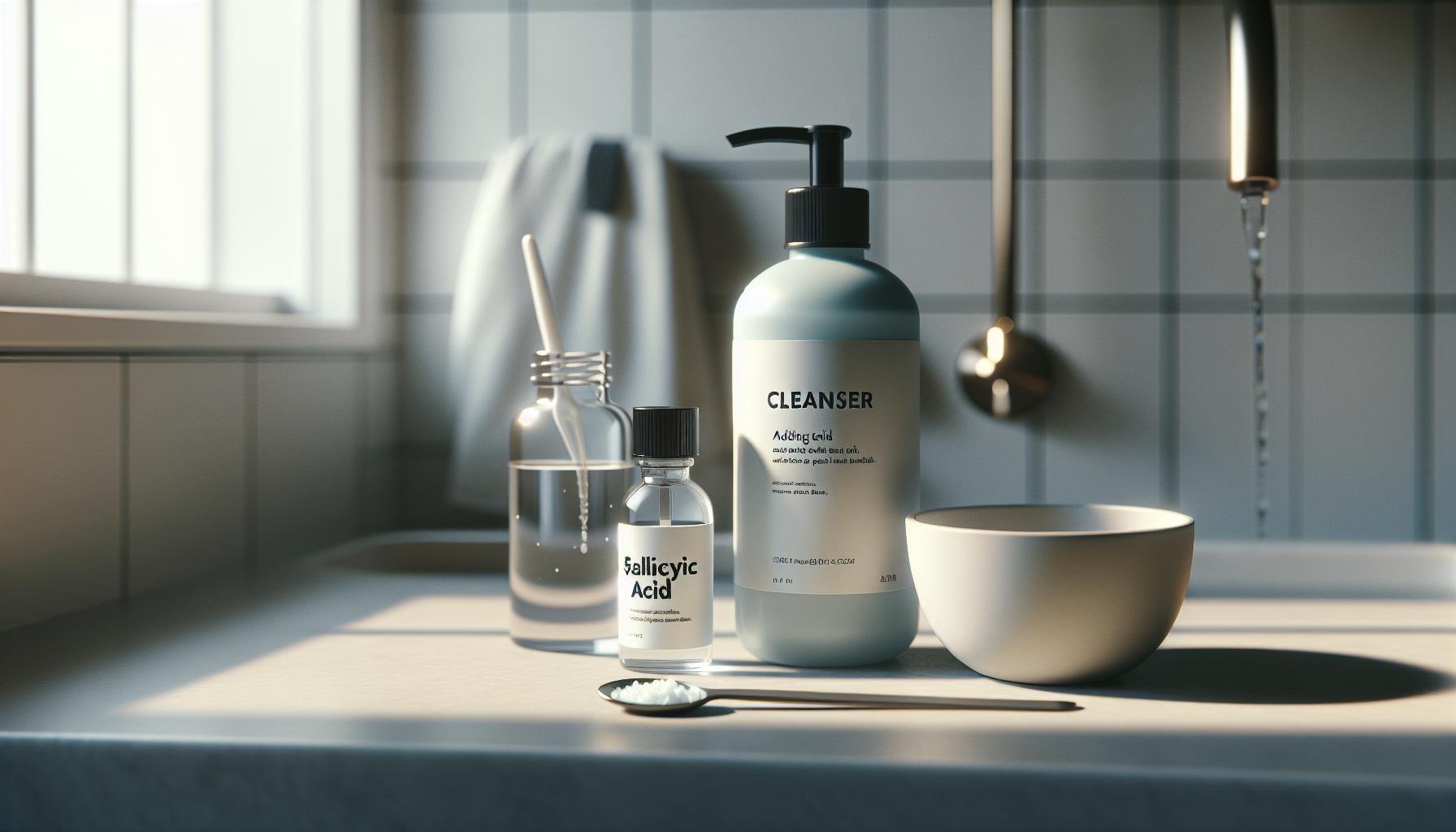
Can I Add Salicylic Acid to My Cleanser at Home?
Mixing salicylic acid with your cleanser at home can be an exciting way to customize your skincare routine, especially if you’re battling acne-prone skin. Salicylic acid is a powerful beta hydroxy acid (BHA) known for its ability to penetrate pores, exfoliate dead skin cells, and reduce inflammation. By adding it to your cleanser, you can enhance its pore-clearing efficiency and deliver the benefits of exfoliation with each wash. However, before you dive into DIY mixing, there are a few important things to keep in mind.
First, it’s crucial to choose the right concentration of salicylic acid. Over-the-counter formulations typically include salicylic acid concentrations up to 2%. Anything above that percentage should ideally come from professional advice or products designed for specific skin issues. When mixing, be cautious; adding too much could lead to irritation or disrupt your skin barrier. A safe approach is to start with a small amount of salicylic acid and gradually increase depending on how your skin reacts.
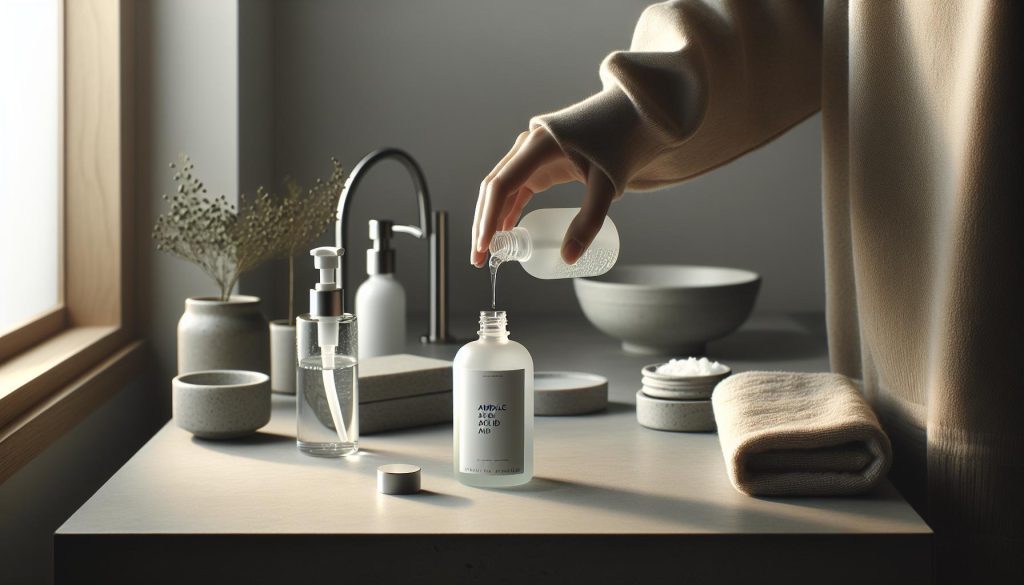
For those ready to mix, begin with a gentle cleanser as your base. Consider adding a few drops of a concentrated salicylic acid serum directly to your cleanser. Always follow up with a thorough rinse to ensure you’re not leaving excess product on your skin. Remember, the goal is to enhance your cleansing routine, not to replace it with a strong treatment. If you notice any redness or discomfort, it’s best to rethink your combination or reduce the frequency of use to avoid overwhelming your skin.
Incorporating salicylic acid into your routine can definitely yield positive results, but it’s about finding the right balance for your skin type. Always listen to your skin; if it feels irritated, it may be worth consulting with a dermatologist to tailor an approach that’s best for you.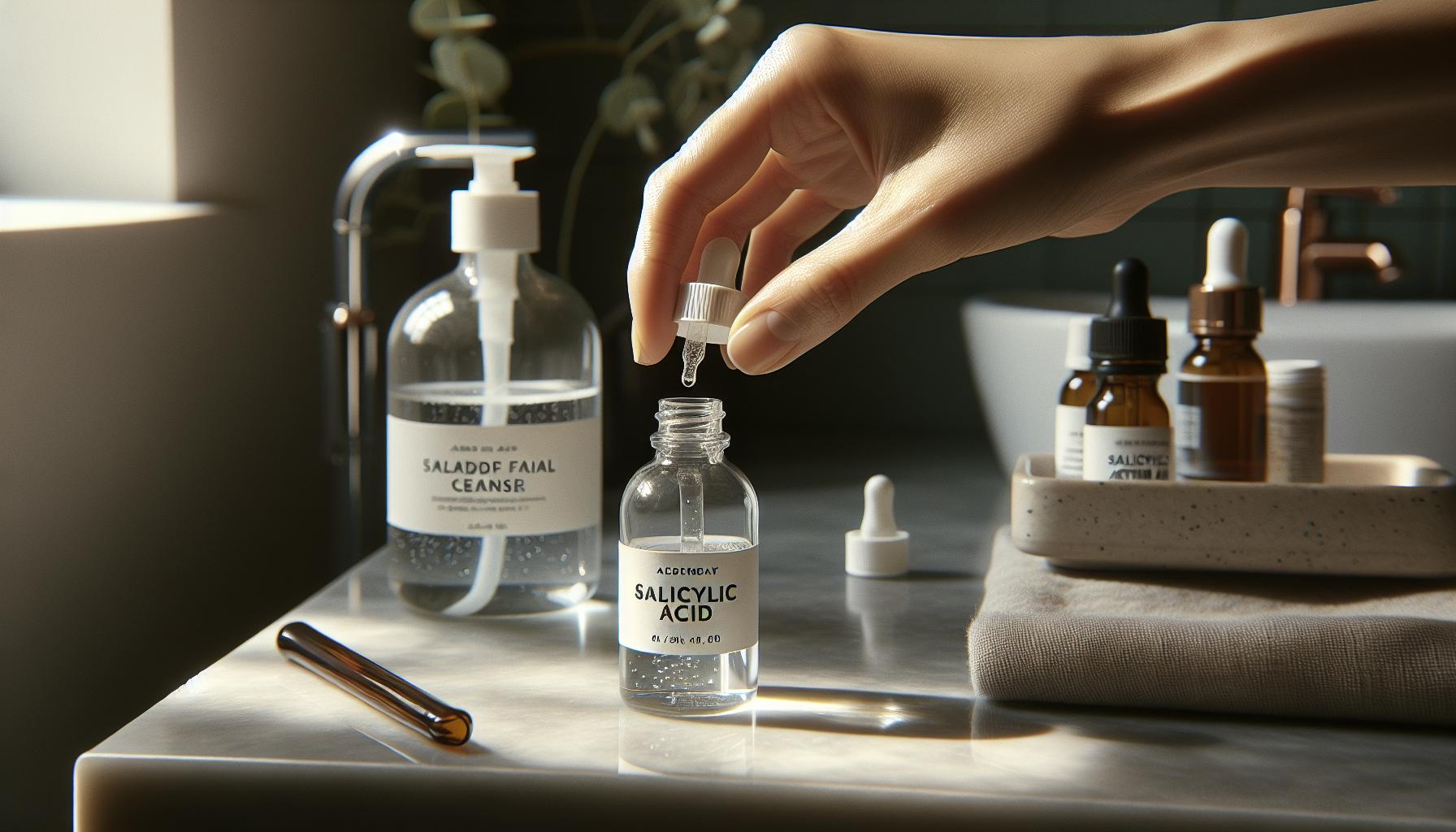
Understanding Salicylic Acid and Its Benefits
Salicylic acid has become a popular ingredient in skincare routines, especially for those struggling with acne and oily skin. This beta hydroxy acid (BHA) is renowned for its ability to penetrate pores deeply, effectively exfoliating the skin and unclogging debris, which can lead to breakouts. By incorporating salicylic acid into your cleanser, you not only enhance its acne-fighting properties but also create a versatile product that addresses multiple skin concerns in one step.
The benefits of salicylic acid extend beyond its exfoliation abilities. It acts as an anti-inflammatory agent, reducing redness and swelling associated with acne blemishes. This means that not only is it helping to clear existing breakouts, but it’s also working to prevent future ones from forming. Regular use can lead to a smoother complexion and a reduction in the frequency of breakouts over time. It’s particularly effective for those with oily skin types, as it helps control excess sebum and minimizes the appearance of enlarged pores.
When adding salicylic acid to your cleanser, it’s vital to understand its strength. Over-the-counter products usually contain concentrations of up to 2%, which is generally safe for daily use. This concentration allows for effective cleansing without overwhelming your skin. If you’re considering DIY mixing, always start with a smaller amount and adjust based on how your skin reacts. Its versatility makes it easy to incorporate into your routine, whether you’re suffering from occasional breakouts or chronic acne.
To sum up, salicylic acid is a powerful ally in your skincare routine. By understanding its benefits and using it wisely, you can create a customized cleansing experience that targets acne and supports overall skin health. Just remember to listen to your skin and adjust your usage accordingly, ensuring that you reap the full benefits while minimizing any potential irritation.
The Right Concentration: How Much to Use?
Understanding the correct concentration of salicylic acid when adding it to your cleanser at home is crucial for achieving maximum benefits while minimizing the risk of irritation. Salicylic acid is effective at concentrations typically up to 2%, which is the limit for over-the-counter products. This level is generally considered safe for daily use and can significantly help in tackling acne and oily skin issues.
When mixing salicylic acid into your cleanser, start with a concentration of around 0.5% to 1%. This lower concentration makes it easier to gauge how your skin reacts before increasing the amount. For instance, if you add a few drops of pure salicylic acid solution into a small amount of your favorite gel or foam cleanser, monitor your skin’s response. If you see improvements without irritation after a week or so, you might consider gradually increasing the concentration, but only to a maximum of 2%.
Here’s a quick guide for reference:
- 0.5%: Ideal for sensitive skin or beginners; provides mild exfoliation.
- 1%: Suitable for normal to oily skin; helps with breakouts and excess oil.
- 2%: Generally safe for most skin types, but use with caution; may be more irritating for sensitive skin.
Always remember to check the instructions on the salicylic acid product you are using, as formulations may vary. Pay close attention to how your skin reacts-it’s always better to err on the side of caution. By starting with a lower concentration and adjusting based on your experience, you can safely harness the power of salicylic acid to improve your skin’s health.
Step-by-Step Guide to Mixing Salicylic Acid with Your Cleanser
Mixing salicylic acid into your cleanser can be an effective way to boost its acne-fighting potential, but it’s important to do it carefully and thoughtfully. Here’s a straightforward guide to help you combine salicylic acid with your favorite cleanser while ensuring that you reap the benefits and minimize any potential irritation.
Start by gathering your supplies: a high-quality cleanser, salicylic acid solution (typically available in concentrations of 0.5% to 2%), a measuring spoon or dropper, and a small mixing container. If you’re unsure which cleanser to use, stick with gel or foam-based cleansers, as they tend to work well with salicylic acid.
Now, let’s mix! Begin by adding a small amount of your cleanser to the mixing container-around one teaspoon is a good starting point. Then, add a few drops of the salicylic acid solution. If you’re using a more concentrated form, aim for 0.5% to start. Mix gently until the solution is well combined. It’s wise to keep a notebook handy to jot down the proportions you used, which can be helpful to gauge effectiveness or make adjustments later.
Once your mixture is ready, perform a patch test on a small area of your skin, such as the inside of your wrist. This will help you identify any adverse reactions before applying the mixture to your face. If no irritation occurs after 24 hours, you can proceed to use the mixture. When washing your face, apply a dime-sized amount of the mixture to damp skin. Use gentle circular motions for about 30 seconds, then rinse thoroughly. This routine can typically be done once daily, but if you experience any dryness or irritation, consider reducing the frequency.
Finally, take note of how your skin reacts over the next week. If it appears to tolerate the mixture well with no signs of redness or peeling, you may decide to increase the salicylic acid concentration gradually, up to a maximum of 2%. Remember, it’s all about finding the right balance for your skin type.
Potential Risks and Considerations When DIY Mixing
Mixing salicylic acid into your cleanser can offer impressive results for combating acne, but it comes with its own set of challenges that are crucial to consider. Overuse or incorrect concentrations can lead to skin irritation or even damage. It’s important to remember that salicylic acid is a potent ingredient that works by exfoliating the skin and unclogging pores, which means that it’s not always the best fit for every skin type, especially sensitive skin.
One major risk is using too much salicylic acid. If you’re new to this ingredient, starting with a low concentration-ideally around 0.5%-is recommended. Over time, you can gradually increase this concentration, up to 2% if your skin responds well. However, make sure to monitor how your skin reacts in terms of dryness, redness, or peeling. Consistently using a stronger concentration than your skin can tolerate might lead to more severe irritation than the acne you’re trying to treat.
Additionally, combining salicylic acid with certain other ingredients can also pose risks. For instance, products that contain retinoids or benzoyl peroxide can amplify irritation if used together. Therefore, it’s essential to be mindful of the full range of products you are incorporating into your routine. To help mitigate these risks, adhere to a basic guideline: always perform a patch test before applying any new mixture to your entire face. This small step can save you from an adverse reaction that might push you back in your skincare journey.
Lastly, listen to your skin. If you notice it’s becoming excessively dry or irritated, pulling back on the frequency of your salicylic acid use or seeking a gentler formulation is key. Your skincare routine should be a source of health and confidence, not discomfort. Following these considerations will help ensure that your DIY mixing of salicylic acid is both safe and effective while you work toward clearer skin.
Skin Types and How They React to Salicylic Acid
Understanding how different skin types react to salicylic acid is essential for anyone considering adding it to their cleanser. This powerful ingredient is renowned for its ability to penetrate the pores and exfoliate the skin, making it particularly effective for treating acne. However, its effectiveness can vary significantly based on your skin type.
For those with oily or acne-prone skin, salicylic acid can be a game-changer. It helps reduce excess oil and prevents clogged pores, which are often the primary culprits behind breakouts. If you’re in this category, starting with a lower concentration, around 0.5% to 1%, can help your skin adjust without overwhelming it. You might notice improvements within a few weeks, but remember to monitor your skin for excessive dryness.
Dry or sensitive skin types, however, should proceed with caution. Salicylic acid can be drying and may lead to irritation or redness if used too frequently or in high concentrations. If you have this skin type and want to incorporate salicylic acid, consider starting with very mild formulations, perhaps around 0.5%, and mixing it into a gentle, hydrating cleanser to mitigate potential dryness. Be sure to follow up with a nourishing moisturizer to keep your skin barrier intact.
Those with combination skin can have a bit of both worlds. You might find that your T-zone (forehead, nose, chin) benefits from the salicylic acid while the dryer areas need more hydration. In this case, spot treatment could be effective, using harsher cleansers or salicylic acid-infused products only in oilier regions while using more soothing cleansers on the drier areas.
In summary, understanding your skin type will guide you in determining how to effectively use salicylic acid in your DIY cleansers. Always start with lower concentrations and pay attention to how your skin responds. By taking this mindful approach, you can enjoy the benefits of salicylic acid while minimizing the risk of irritation or dryness.
Best Practices for Using Salicylic Acid in Your Routine
Using salicylic acid effectively in your skincare routine can be transformative, particularly for those targeting acne and excess oil. As one of the most trusted ingredients in the skincare world, salicylic acid helps exfoliate the skin and clear clogged pores. However, to maximize its benefits without overwhelming your skin, it’s essential to adopt a thoughtful approach.
First and foremost, start slow. If you’re new to salicylic acid, integrate it gradually into your routine. Begin with a concentration of 0.5% to 1% mixed into your cleanser or as a standalone product. This helps your skin acclimate to the acid without causing irritation. It’s typically best to use it 2-3 times a week initially, observing how your skin responds. If all goes well, you can slowly increase usage based on your skin’s tolerance.
Consistency is key, but so is balance. Pair your salicylic acid regimen with hydrating products to combat any potential dryness. Look for gentle moisturizers with ingredients such as hyaluronic acid or glycerin, which will support your skin’s hydration levels. If you find that salicylic acid irritates your skin, be mindful of other active ingredients you’re using. For instance, avoid combining it with other strong exfoliants like AHAs (alpha hydroxy acids) or retinoids on the same days, as this can increase irritation.
Application Tips
When applying a salicylic acid cleanser, use a dime-sized amount. Massage it onto your damp skin in gentle, circular motions for about 30 seconds. Rinse thoroughly to ensure no residue remains, which can lead to dryness or irritation. Remember to follow up with a broad-spectrum sunscreen during the day, as salicylic acid can make your skin more sensitive to the sun.
Lastly, never underestimate the power of patch testing. Apply the product to a small area of skin, such as behind your ear or on your jawline, and monitor it for 24 hours. If you experience redness, itching, or swelling, reconsider using the product or adjust your mix. Taking these steps helps ensure that your journey with salicylic acid is both safe and effective, allowing you to enjoy its many benefits while keeping your skin healthy and balanced.
Alternative Ways to Incorporate Salicylic Acid
Incorporating salicylic acid into your skincare routine can be done in various ways beyond mixing it with your cleanser. This flexibility allows you to target specific skin concerns while adapting to your personal preferences. Understanding the options available can help you maximize the benefits of this potent ingredient.
One effective method is to use a salicylic acid facial mask. These masks, which can be applied once a week, typically come in concentrations around 1-2%. They provide a deeper cleanse and help exfoliate dead skin cells without the need for daily application. When choosing a mask, look for products that specify salicylic acid as a primary ingredient, ensuring you’re harnessing its full potential.
Another alternative is salicylic acid toners. These products usually contain a lower concentration of the active ingredient and can be used daily to help refine skin texture and minimize breakouts. When applying a toner, use a cotton pad to gently swipe it across your face after cleansing. This can enhance your overall routine, promoting clearer skin without adding additional steps.
For those seeking targeted treatment, consider spot treatments with salicylic acid designed specifically for blemishes. These usually contain a higher concentration, allowing you to treat individual spots without compromising your entire skincare routine. Apply a small amount directly onto blemishes after cleansing, ideally before bed, to let it work overnight.
Lastly, if you’re comfortable experimenting further, consider salicylic acid-infused serums. These can be incorporated into your routine after cleansing and toning but before moisturizing. Serums often penetrate the skin more deeply, providing enhanced effects. Select a serum with a concentration appropriate for your skin type and needs, and slowly introduce it into your routine to monitor your skin’s response.
Exploring these alternatives allows you to personalize your approach to incorporating salicylic acid, making your skincare routine more effective in addressing your unique concerns while minimizing irritation.
What to Do if You Experience Irritation
When incorporating salicylic acid into your cleansing routine, it’s normal to experience some irritation initially, especially if your skin isn’t used to it. If you notice redness, stinging, or dryness, don’t worry-there are effective steps you can take to soothe your skin and continue enjoying the benefits of this powerful ingredient.
First off, if you experience irritation, it’s crucial to step back and assess your routine. Start by reducing the frequency of application. Instead of daily use, try using your salicylic acid-infused cleanser every other day or even a couple of times a week. This allows your skin to acclimate without overwhelming it. Additionally, when you do use the product, make sure to apply a smaller amount-start with a pea-sized amount and gently massage it into your damp skin for about 30 seconds before rinsing.
Hydration is another essential component in remedying irritation. After cleansing, follow up with a gentle, alcohol-free moisturizer. Look for products that contain soothing ingredients like aloe vera, hyaluronic acid, or ceramides, which can help restore your skin’s barrier and reduce dryness. Applying a calming, fragrance-free moisturizer immediately after washing can create a protective layer that alleviates discomfort.
If irritation persists, consider pausing the salicylic acid application entirely for a few days. Allow your skin to recover before reintroducing the ingredient gradually. Begin with a lower concentration and monitor how your skin responds. It’s also beneficial to run a patch test before using new mixtures on your face-simply apply a small amount to a discreet area, and wait 24 hours to see how your skin reacts.
Ultimately, if irritation develops into severe redness, swelling, or blistering, it’s advisable to consult with a dermatologist for personalized advice. They can help you find alternative treatments or a suitable regimen that balances efficacy with comfort. Remember, skincare is a personal journey. Adjust your methods to what’s best for your skin, and don’t hesitate to take a gentler approach if needed. Your skin health is worth the patience!
Common Mistakes to Avoid When Combining Ingredients
While combining salicylic acid with your favorite cleanser at home can enhance your skincare routine, there are some common mistakes that can hinder your results or even irritate your skin. Awareness of these pitfalls is essential to ensure you safely and effectively incorporate this powerful ingredient into your regimen.
One frequent error is using excessive concentration. Many people think that more is better and may add too much salicylic acid, thinking it will yield faster results. However, most over-the-counter products contain a concentration of up to 2%, which is sufficient for treating acne without causing irritation. Mixing in extra salicylic acid can disrupt your skin’s balance, leading to dryness or peeling. Always measure your additions carefully, starting with a small amount, like 0.5% to 1%, to see how your skin responds.
Another mistake is inadequate mixing and application. If you simply pour a few drops of salicylic acid into your cleanser without thorough mixing, you risk uneven distribution. To ensure even coverage, mix the salicylic acid with your cleanser in a separate container before use. When applying the mixture, remember to use a small amount. A dime-sized portion is often enough to cleanse your face effectively. Gently massage it onto damp skin for about 30 seconds to give the salicylic acid time to work, then rinse thoroughly.
Ignoring skin type considerations can also lead to issues. Not all skin types react the same way to salicylic acid. For instance, those with sensitive or dry skin should approach it with caution, using lower concentrations and testing on a small area first. If your skin is oily, you might tolerate higher concentrations better, but overapplication can still lead to unwanted dryness or irritation. Understanding your skin’s specific needs and adjusting your use accordingly is key to avoiding negative reactions.
Lastly, don’t forget the importance of hydration after using salicylic acid. Many users may skip moisturizer, thinking the acid will be enough, but this can lead to a disrupted skin barrier. Always follow up with a hydrating, alcohol-free moisturizer to soothe and replenish your skin’s moisture levels. Look for products with hydrating ingredients like hyaluronic acid, glycerin, or ceramides to effectively support your skin post-cleansing.
By being mindful of these common mistakes, you can confidently add salicylic acid to your cleanser, ensuring that your skin reaps the benefits without unnecessary irritation. Remember, slow and steady wins the race in skincare, so take it one step at a time and listen to your skin.
How to Choose the Best Cleanser for Mixing
Choosing the right cleanser to mix with salicylic acid is essential for maximizing its benefits while ensuring your skin remains balanced and healthy. Not all cleansers are created equal, and the wrong choice can lead to irritation or ineffective treatment. Here’s what to consider when selecting the perfect cleanser.
Start by looking for a gentle, non-comedogenic cleanser. A good option is a gel-based or foaming cleanser that is designed for oily or acne-prone skin. These types typically contain fewer harsh ingredients and can help dissolve excess oil without stripping your skin’s natural moisture. Aim for cleansers with a pH balanced formula; they clean effectively while minimizing disruption to your skin barrier. It’s best to avoid heavy creams or products with alcohol, as they can exacerbate dryness and irritation when combined with salicylic acid.
Incorporating cleansers with soothing and hydrating ingredients like aloe vera, chamomile, or glycerin can also be beneficial. These components can help mitigate the potential drying effects of salicylic acid. When assessing a product, always check the ingredient list; the fewer the ingredients, the easier it is for you to pinpoint how your skin might react. Ideally, you should test the cleanser on a small area of your skin before fully committing to the mixture.
Finally, consider your specific skin concerns. If you frequently experience breakouts or are dealing with blackheads, a cleanser that lists active ingredients like tea tree oil or witch hazel may enhance the efficacy of salicylic acid. However, if you have sensitive skin, opt for formulations that prioritize mildness and are fragrance-free. Knowing your skin type and its needs can be a game-changer in selecting the right cleanser.
By carefully choosing your cleanser, you can create an effective duo with salicylic acid that targets your skin concerns without compromising its overall health. Remember, the right mix is key to unlocking clearer, healthier skin!
The Importance of Patch Testing Before Use
When incorporating salicylic acid into your skincare routine, it’s crucial to prioritize patch testing. This simple step can save you from potential irritation and allergic reactions, particularly when you’re mixing it with your regular cleanser at home. Even if you’ve used salicylic acid before, combining it with a new product can elicit unexpected responses from your skin.
To perform a patch test, apply a small amount of the mixture to a discreet area, such as your inner arm or behind your ear. Wait for 24 to 48 hours to observe how your skin reacts. Look for signs of redness, itching, or burning; these could indicate that the combination is too harsh for your skin. If you have a known sensitivity to any ingredients in your cleanser or salicylic acid, it’s even more critical to do this test.
Not only does patch testing help in identifying potential issues, but it also allows you to gauge how your skin tolerates salicylic acid and its effects over time. Once convinced that your skin can handle the mixture, you can gradually introduce it into your routine. Start by using it once or twice a week, monitoring how your skin responds before increasing frequency.
By taking the time to patch test, you empower yourself to make informed decisions about your skincare products, leading to a safer and more effective routine. Remember, healthy skin is a journey, and understanding your skin’s needs is essential for achieving your desired results.
Where to Find Quality Salicylic Acid Products
Finding quality salicylic acid products can significantly enhance your skincare routine, especially if you’re thinking about mixing it with your cleanser at home. With so many options available, it’s essential to know where to look and what to consider to ensure you’re getting a product that is effective and safe for your skin.
Start by visiting reputable online retailers that specialize in skincare. Websites like Ulta, Sephora, or drugstore chains are great places to find a variety of salicylic acid products, ranging from cleansers to spot treatments. Look for products that clearly list salicylic acid in the ingredients and specify its concentration, ideally between 0.5% to 2% for over-the-counter options. This range has been shown to balance effectiveness with skin tolerance for many users.
Your local pharmacy can also be a goldmine for quality salicylic acid products. Familiar brands like Neutrogena, Clearasil, and Paula’s Choice offer reliable formulations, each designed to target different skin types and concerns. Make sure to read the labels; for instance, if you have sensitive skin, you might prefer a product paired with soothing agents like aloe or chamomile.
Another option is to explore skincare-focused websites or small businesses that produce dermatologically tested products. These brands often prioritize transparency and quality, giving you access to formulations without unnecessary fillers or harsh additives. Reading customer reviews and ingredient lists can help you gauge which products might best suit your unique skin needs.
In conclusion, whether you’re shopping online or in-store, ensure that you choose salicylic acid products from reputable sources, check ingredient lists for proper concentration, and consider your specific skin type. Quality matters, and investing in the right products can make all the difference as you embark on your DIY mixing journey.
Faq
Q: Can I mix salicylic acid with any type of cleanser?
A: While you can mix salicylic acid with many cleansers, it’s essential to choose one that suits your skin type. Avoid harsh exfoliating cleansers as they may increase irritation. Opt for gentle, non-comedogenic formulas for the best results. Refer to the section on choosing the best cleanser for mixing for more details.
Q: How much salicylic acid should I add to my cleanser?
A: A safe concentration for DIY mixing is typically around 0.5% to 2% salicylic acid. Start with a lower amount and gauge your skin’s response. For exact measurements, consider using a scale or dropper for precision. For more on concentration levels, see the section on the right concentration in your routine.
Q: What should I do if my skin reacts poorly to the mixture?
A: If you experience irritation or an allergic reaction, stop using the mixture immediately. Rinse your face with cool water, and consider applying a gentle moisturizer. If symptoms persist, consult a dermatologist. For tips on dealing with irritation, check the article’s section on what to do if you experience irritation.
Q: Is it safe to use salicylic acid daily in a cleanser?
A: Daily use of salicylic acid is safe for most skin types, but it’s crucial to monitor your skin’s response. If you experience dryness or irritation, reduce frequency or temporarily stop use. Review the best practices for using salicylic acid in your routine for more guidance.
Q: Can I use other active ingredients with salicylic acid in my cleanser?
A: Combining salicylic acid with other active ingredients can be effective, but caution is necessary. Avoid mixing with strong actives like benzoyl peroxide or retinoids, as this may lead to irritation. Check the section on common mistakes to avoid when combining ingredients for further insights.
Q: How often should I patch test my salicylic acid cleanser?
A: It’s vital to patch test any new mixture before full application. Conduct a patch test every time you adjust the concentration or switch cleansers. Apply a small amount to the wrist and wait 24 hours. For guidance on patch testing, see our article’s section on the importance of patch testing before use.
Q: Can using salicylic acid in my cleanser help with acne scars?
A: While salicylic acid is effective for treating active acne and preventing new breakouts, it’s not primarily designed for acne scars. However, consistent use may help in the overall healing process. For scarring concerns, consider using specific treatments designed for that purpose. More details about acne treatment can be found in the section regarding salicylic acid’s benefits.
Q: How long can I store a homemade salicylic acid cleanser?
A: Homemade cleansers with salicylic acid should ideally be used within 2-4 weeks. Store in a cool, dark place to preserve effectiveness. Always check for changes in color or smell before using any mixture. For storage tips, refer to our article section on finding quality salicylic acid products.
Feel free to explore more about using salicylic acid effectively in your skincare routine!
Future Outlook
Are you ready to take your skincare game to the next level? Adding salicylic acid to your cleanser can be a game changer for treating acne and achieving clearer skin, but it’s essential to do it right. Remember, start slow-mix a few drops into your existing cleanser and see how your skin responds. If you’re looking for more tips on maximizing your skincare routine, check out our articles on how to choose the right products for different skin types and the benefits of exfoliation.
Don’t let skin concerns hold you back any longer! Dive into our other resources to enhance your beauty knowledge and discover practical solutions to everyday skincare challenges. Your journey doesn’t stop here, so consider subscribing to our newsletter for the latest insights and exclusive tips tailored just for you. If you have any lingering questions or personal experiences to share, we’d love to hear from you in the comments below. Your skin will thank you!
Get our latest guides, news, and insights highlighted in your Google Search & AI Overviews.