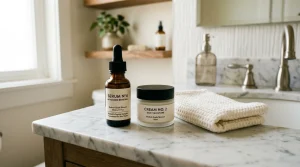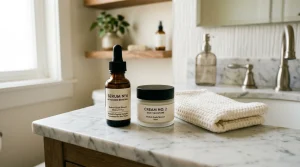
Have you ever wondered if storing your cleanser in the fridge could enhance its effectiveness? You’re not alone! Many beauty enthusiasts explore storage hacks to maximize the lifespan and performance of their favorite products. In this article, we’ll dive into the pros and cons of refrigerating your skincare products, including cleansers. You’ll discover how temperature can impact ingredient potency and texture, and what types of cleansers benefit most from a cool environment. So, let’s unpack these storage secrets together and elevate your skincare routine!
Benefits of Refrigerating Your Cleanser
Refrigerating your cleanser isn’t just a quirky trend; it can actually enhance your skincare routine in several beneficial ways. Firstly, the cooling effect of a refrigerated cleanser can be incredibly refreshing, especially during hot weather or after a workout. This sensation can help soothe irritation and reduce puffiness, providing instant relief to your skin. Secondly, certain ingredients, particularly those that are natural or have fewer preservatives, can benefit from the colder environment, which helps extend their shelf life. Many cleansers utilize botanical extracts and essential oils that may degrade or lose efficacy at higher temperatures; refrigeration helps maintain their integrity.
Moreover, cooling your cleanser can boost its effectiveness. For example, applying a chilled cleanser can help calm redness and inflammation, making it a great choice for those with sensitive or reactive skin. The cool temperature can also invigorate your senses, enhancing the overall experience and making your cleansing routine feel more luxurious and pampering.
To fully harness these benefits, consider how you typically store your products. If you have a cleanser that contains active ingredients such as aloe vera or certain vitamins, keeping it in the fridge can help preserve these agents, ensuring they remain potent when you’re ready to use them. Overall, refrigerating your cleanser can not only elevate your skincare routine but also ensure you’re getting the most out of your products, creating a refreshing and effective experience every time you cleanse.
Ideal Temperature for Storing Cleansers
Storing your cleanser at the right temperature can make a significant difference in its effectiveness. Ideally, most cleansers should be kept at a cool room temperature, around 68-72°F (20-22°C). This temperature range helps preserve the integrity of the ingredients while ensuring that the product remains stable and effective for an extended period. Storing cleansers in environments that are too warm or fluctuating drastically can lead to degradation of active ingredients, which may reduce their efficacy.
Refrigeration can be beneficial for certain types of cleansers, particularly those containing natural extracts or active ingredients that are sensitive to heat. Keeping these products in the fridge-as long as they are compatible with cold storage-can help maintain their potency. However, dragging any product below 50°F (10°C) may be excessive, affecting texture and application. Therefore, if you choose to refrigerate your cleanser, ensure it’s in the upper shelf of the refrigerator, a spot that typically maintains a milder temperature.
It’s also important to consider how long a product has been stored. While refrigeration can prolong the shelf life of some natural ingredients, it doesn’t compensate for products that are already close to their expiration date. Check for signs of separation or changes in texture, which can indicate that a product has gone bad, regardless of its storage conditions. Keeping cleansers in dark, air-tight containers can further protect them from light and oxidation, which also helps in maintaining their quality over time.
In summary, the optimal storage temperature for your cleansers revolves around maintaining a cool and consistent environment. Aim for a balance where cooling enhances the product’s benefits without compromising quality.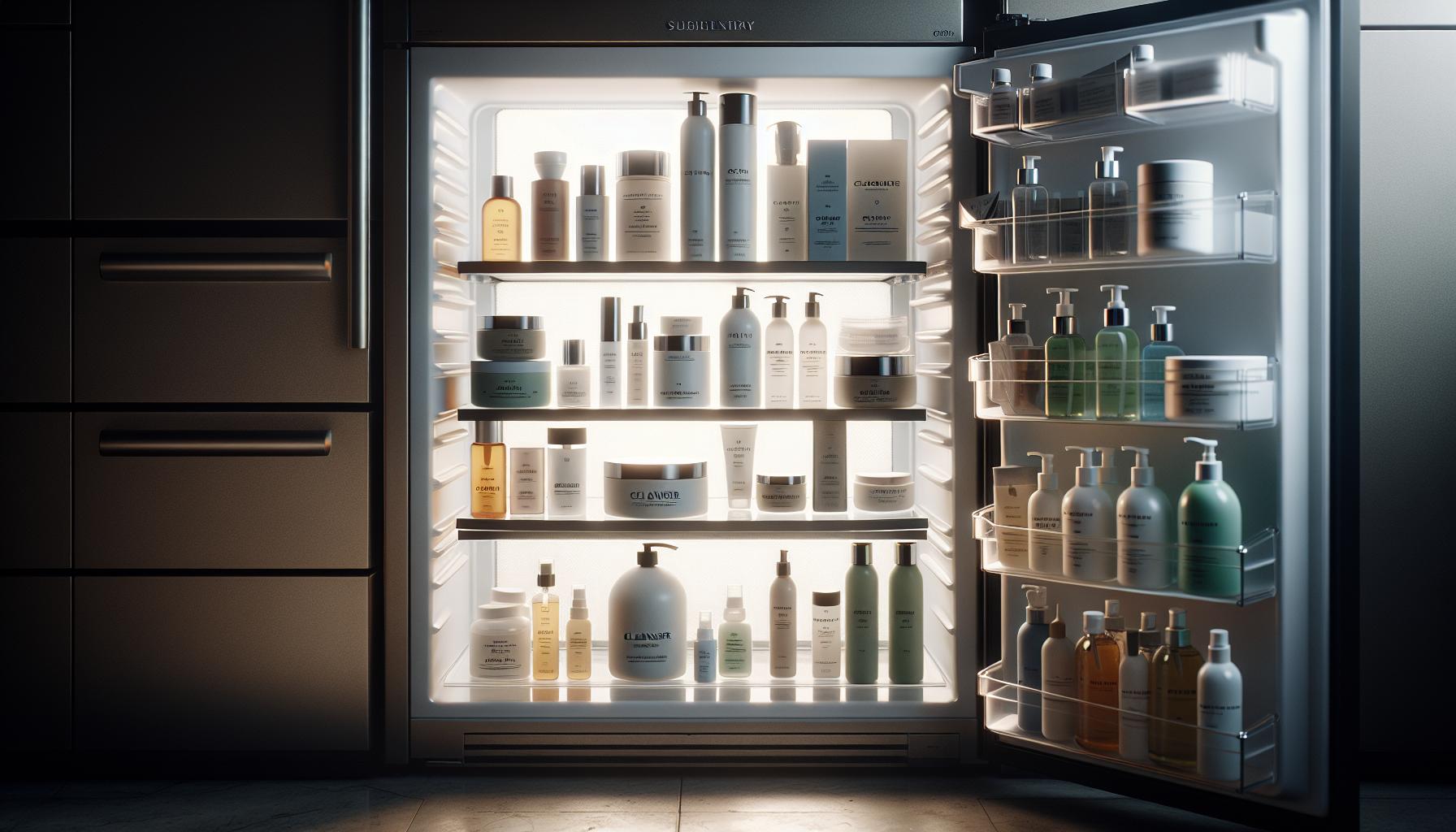
Types of Cleansers That Can Be Refrigerated
Refrigerating your cleanser can enhance its effectiveness and prolong its shelf life, but not all cleansers benefit from a cool environment. Knowing which types are suitable for refrigeration can help you maximize their potential while avoiding any unwanted texture changes or loss of efficacy.
Cleansers that often thrive in cooler temperatures include those formulated with natural extracts, particularly botanical or herbal-based products. These cleansers usually contain active ingredients sensitive to heat, such as aloe vera, cucumber, or green tea. Storing them in the fridge can help preserve their freshness and potency, resulting in a more soothing and revitalizing cleansing experience. For instance, a gel cleanser with green tea extract can feel incredibly refreshing after being chilled, making it perfect for morning use or hot days.
Another category that benefits from refrigeration includes gel-based or foaming cleansers. These products often have a light texture and provide a cooling sensation when applied, especially if they are stored at a temperature below room temperature. The cooling effect can help reduce any puffiness or inflammation on the skin during your cleansing routine, making those early mornings a little less daunting.
In contrast, cream or oil-based cleansers may not be ideal candidates for refrigeration. Cooling these types can change their consistency, making them harder to apply. It’s crucial to consider the product composition and your skin’s needs. Always check the storage recommendations on the labels, as some formulas might specify their ideal storage conditions. As a rule of thumb, if it feels soothing and refreshing to you, it’s likely a good candidate for the fridge.
In summary, opting to refrigerate specific types of cleansers can significantly enhance your skincare routine, particularly for gel and natural extract formulations. Make sure to be mindful of the product’s composition to achieve the best results and enjoy a more effective cleansing experience.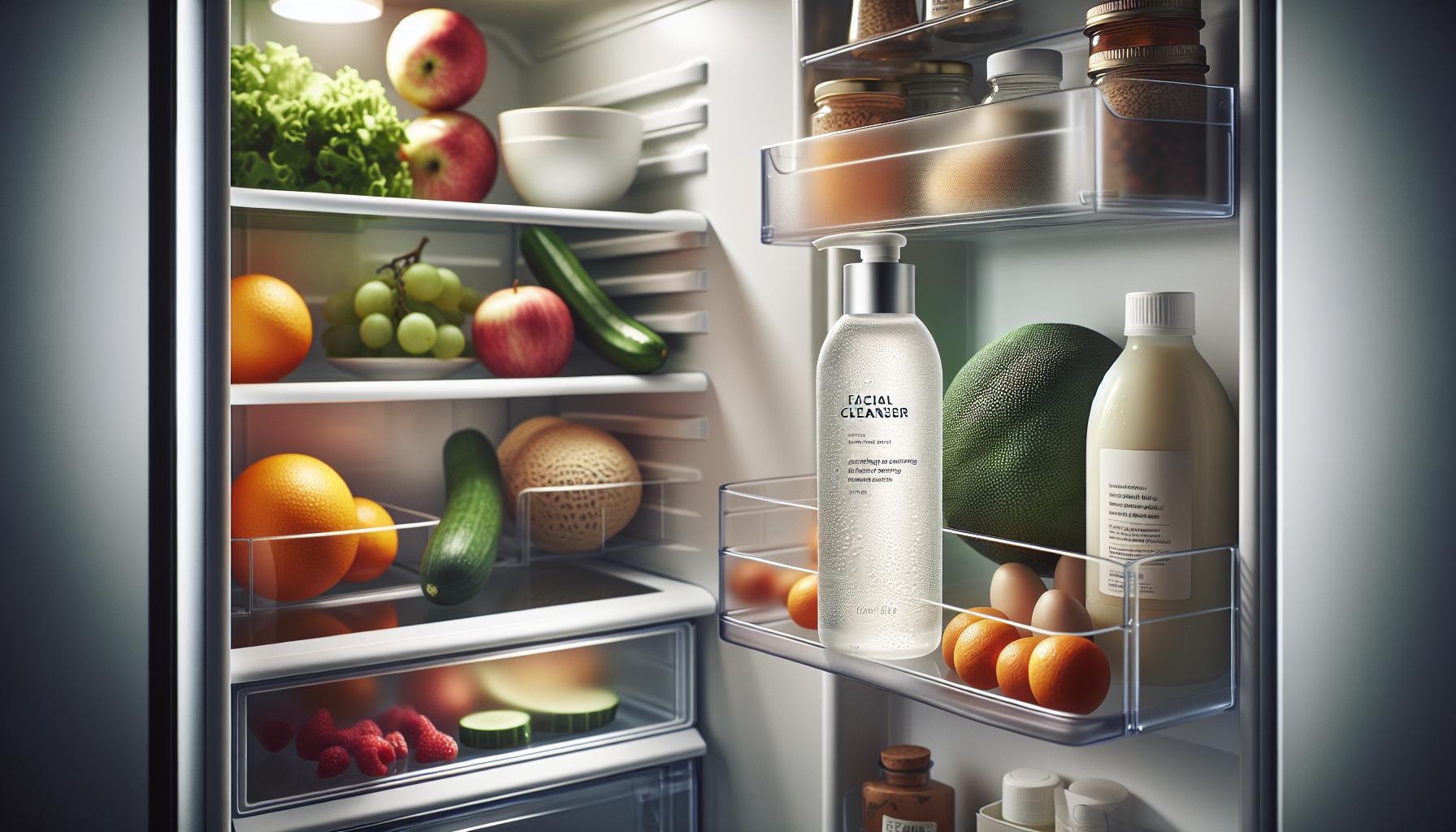
How to Properly Store Your Cleanser in the Fridge
When you decide to refresh your skincare routine by refrigerating your cleanser, it’s important to do so correctly. Proper storage not only enhances the product’s effectiveness but also extends its shelf life. First, make sure your cleanser is placed in a secure, cool area of your fridge, ideally at a temperature between 35°F to 45°F (1.6°C to 7.2°C). This range is optimal for maintaining the integrity of active ingredients without freezing them, which can alter their formulation.
To prevent contamination and ensure longevity, keep your cleanser tightly sealed. If it comes in a pump bottle, make sure the cap is firmly closed to avoid any unwanted exposure to moisture or bacteria. Consider storing it in a dedicated, easy-to-reach spot in the fridge away from items like vegetables or raw meats, which can introduce bacteria. If you’re using multi-use containers, use a clean spatula or your fingers (after washing them) to dispense the product. This helps minimize the risk of contamination.
For cream and oil-based cleansers, it’s wise to store them upright to prevent separation or changes in texture. If you notice any separation or if the product appears chunky after refrigeration, it might be best to limit its time in the fridge or switch to a more suitable cleanser type. On the other hand, gel-based cleansers and those with natural extracts will thrive in cooler temperatures and feel great upon application.
Remember, not every cleanser needs to go in the fridge. If you’re unsure, check the label for any specific storage instructions from the manufacturer. Products containing preservatives or those designed for room temperature should be kept as such, to maintain their intended consistency and effectiveness. By following these simple steps, you can enjoy a refreshing and effective cleansing experience every time.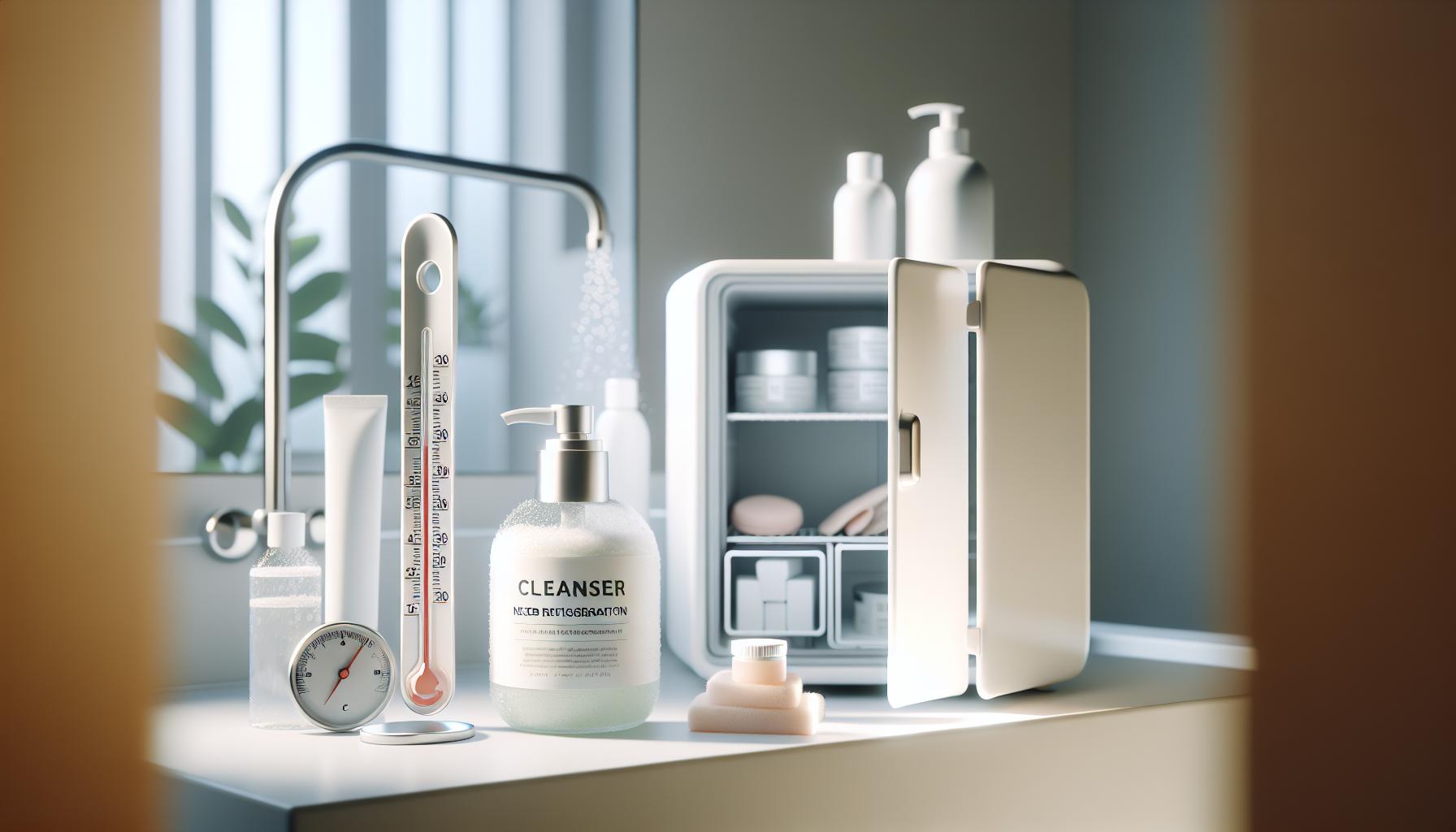
Signs Your Cleanser Needs Refrigeration
When considering whether to refrigerate your cleanser, it’s essential to be aware of certain indicators that suggest cold storage could be beneficial. One of the primary signs is a change in texture or consistency. If your cleanser begins to separate, becomes chunky, or develops an unusual smell, these are clear signals that the product may be degrading. Refrigerating it could help stabilize the formula, particularly for cream or oil-based cleansers that are prone to separation at higher temperatures.
Another telltale sign is your skin’s response to the cleanser. If you notice increased irritation, redness, or breakouts, it might be time to consider refrigeration. Cooling a cleanser can provide a soothing effect for sensitive or inflamed skin, making your cleansing routine a more comfortable experience. Additionally, if your cleanser contains natural ingredients or botanical extracts, refrigeration can prolong their efficacy by slowing down the degradation process that often occurs at room temperature.
Keep an eye on the expiry date as well. If your cleanser is approaching its expiration, refrigerating it may help extend its shelf life. While it won’t reverse any degradation that has already occurred, it can slow further deterioration, buying you more time to use the product effectively. Ultimately, the choice to refrigerate should be informed by your observations of the product’s performance and how well it aligns with your skin’s needs.
To summarize, watch for signs like texture changes, skin irritation, and nearing expiration dates as indicators that your cleanser might benefit from refrigeration. These proactive steps can enhance both the longevity of your cleanser and the overall effectiveness of your skincare routine.
Common Misconceptions About Storing Beauty Products
Many people harbor misconceptions about the ideal storage practices for beauty products, particularly cleansers. One prevalent belief is that all beauty products benefit from refrigeration. While certain items, like natural oils or gels with fresh ingredients, can thrive in a cooler environment, many cleansers are formulated to remain stable at room temperature. Placing these products in the fridge can sometimes disrupt their formulations, leading to alterations in texture and effectiveness.
Another common myth is that refrigeration is essential for extending the shelf life of all beauty products. While it is true that cooler temperatures can slow down deterioration for some ingredients, this isn’t a universal rule. For example, emulsions, like creams and lotions, may break down in cold temperatures, leading to issues like separation. Always check the product’s packaging or consult the manufacturer’s guidelines for optimal storage advice.
Additionally, there’s a misconception that refrigeration can enhance the potency of active ingredients in cleansers. While cold storage might feel refreshing and soothing, it doesn’t necessarily amplify the active components’ effectiveness. Instead, many ingredients are designed to perform best at regulated temperatures typical of bathroom storage. If you’re using products with a sensitive formulation, like certain acids or enzymes, subjecting them to the fluctuating temperatures of your refrigerator can diminish their benefits over time.
Understanding these myths can help you make informed decisions about your skincare routine. Instead of opting for a one-size-fits-all approach, consider the specific needs of your products and skin type. Rather than seeking out fridge space for every product, you might find more success in placing only those items that genuinely benefit from cooler temperatures, thus ensuring both the integrity and effectiveness of your skincare essentials.
The Best Storage Hacks for Your Skincare Routine
In the quest for the perfect skincare routine, storage often gets overlooked, yet it plays a key role in maximizing the efficacy of your products. One of the best storage hacks is to be intentional about where and how you keep your cleansers, ensuring they remain effective and long-lasting. Here are some proven strategies that can elevate your skincare game.
First, consider the environment. Keeping your cleansers in a dry, room-temperature spot away from direct sunlight is ideal. If you choose to refrigerate certain products, ensure they aren’t exposed to rapid temperature changes, which could alter their composition. This is especially true for cleansers that include natural ingredients or preservatives that can be sensitive to varying temperatures.
Organize Your Products Wisely
When storing your cleansers in the bathroom or vanity, utilize clear bins or labels to keep products organized. This helps prevent any mix-up and ensures that you reach for the right cleanser when needed. You can even designate a specific spot for products that are best kept in the fridge, separating them from those that are stable at room temperature.
Utilize the Right Containers
Some cleansers are better protected in airtight containers. If your cleanser comes in a pump or jar, consider transferring it into a smaller, airtight container once opened. This minimizes exposure to air and reduces the risk of contamination, ultimately prolonging your product’s shelf life.
Regularly Check Expiration Dates
Another important tip is to routinely assess your skincare collection. As a general rule, remember to use products, including cleansers, within a few months after opening. Stickers or labels with the date you opened the product can serve as reminders, and periodic cleaning can help you keep track of what’s still good to use and what needs to go.
With these simple yet effective storage hacks, you can ensure your cleansers-and, consequently, your skin-stay at their best. The right practices not only contribute to the longevity of your products, but they also enhance your overall skincare experience, making each application a moment of self-care.
Alternatives to Refrigeration for Your Cleanser
Keeping your cleanser fresh and effective doesn’t always mean putting it in the fridge. Many products can thrive outside of cold storage with just a little extra care. Understanding how to replace refrigeration with proper environmental controls can extend the life and efficacy of your cleansers.
One valuable alternative is to focus on dark, cool storage locations. A cabinet in a low-humidity bathroom or a drawer is ideal, as these spaces can protect your cleansers from light and fluctuating temperatures. You can enhance this method further by using insulated containers. For example, a stylish storage box designed for beauty products can help maintain a stable climate for your cleansers away from direct sunlight.
Another option is to consider using products with stabilizing ingredients. Some cleansers are formulated with preservatives that allow them to endure room temperature without degrading. Checking labels for ingredients like phenoxyethanol or ethylhexylglycerin ensures that your cleanser is less sensitive to temperature changes. Opting for air-tight containers can also help, especially for those that may be more vulnerable to oxidation; these prevent air exposure and keep product integrity intact.
Finally, if you’re particularly concerned about soothing or cooling effects that refrigeration offers, you can easily mimic this by storing your cleanser in a bowl of ice water for a quick chill before use. Simply submerge the closed container for a few minutes before dabbing some onto your skin. This way, you get the refreshing sensation without making refrigeration a must.
By maintaining these alternatives, you can confidently keep your cleansers effective even without dolling out fridge space. And remember, always stay informed about your product’s specific storage requirements-sometimes, simplicity is the best strategy!
Understanding Ingredients That Benefit from Cold Storage
Storing certain skincare ingredients in the fridge can significantly enhance their effectiveness and prolong their shelf life. Ingredients like vitamin C, a powerful antioxidant known for brightening skin, can degrade when exposed to heat and light. Cold storage helps maintain their stability, ensuring you reap the full benefits. Likewise, enzymes found in exfoliating cleansers can retain their potency and activity when kept cool, providing optimally gentle exfoliation.
Another group that benefits from cooler temperatures includes products containing probiotics. These live microorganisms are often sensitive to heat, and refrigeration can help maintain their viability, especially in cleansers designed for sensitive or acne-prone skin. Similarly, aloe vera and products with extracts from cucumber or green tea flourish in cooler environments, enhancing their soothing properties when applied to the skin.
Hormonal changes, seasonal weather variations, or even personal lifestyle factors can affect the stability and efficacy of your skincare products. It’s crucial to examine labels for specific ingredients known to thrive when chilled. Consider components like retinol or peptides, which experience increased effectiveness and may offer a refreshing application once cooled.
In conclusion, understanding how the temperature impacts your skincare ingredients allows you to optimize your routine. If you’re utilizing products with sensitive ingredients, such as those mentioned above, dedicate a small space in your fridge to keep them fresh and active, ensuring you always get the benefits they can provide. This simple tweak could elevate your cleansing game while extending the life of your favorite products.
Tips for Maximizing the Shelf Life of Cleanser
Storing your cleanser effectively can significantly extend its shelf life and maintain its potency, which is essential for getting the most out of your skincare routine. Here are some actionable tips to maximize the lifespan of your cleanser.
First, always keep your cleanser tightly sealed. Exposure to air can introduce contaminants which may alter the formula over time. Opt for pumps or squeeze bottles that minimize airflow instead of jars, which can allow bacteria to thrive. Next, maintain a consistent storage environment. If you decide to refrigerate your cleanser, avoid placing it in the door, as the temperature fluctuates more there. Instead, find a stable back shelf where it will stay cold and protected.
Check Expiration Dates
Regularly check the expiration date labeled on your cleanser. Most products have a shelf life of six months to a year after opening, but certain ingredients may degrade faster. If your cleanser changes in color, consistency, or scent, it’s a sign it’s time to replace it, regardless of the date.
- Keep Away from Heat: Avoid storing cleansers in warm places like near windows or above appliances.
- Use Clean Hands: When dispensing your product, ensure your hands are clean to prevent contamination.
- Avoid Direct Sunlight: Protect your cleanser from direct sunlight, which can degrade certain active ingredients.
Utilizing these tips can drastically improve the longevity of your skincare products. Not only will you enjoy fresher cleansers, but you’ll also enhance your daily skincare routine by ensuring you’re using products at their best.
Troubleshooting: What to Do if Your Cleanser Freezes
If your cleanser has frozen in the fridge, you might feel a tinge of panic. But don’t worry-this can happen more often than you think, especially if your refrigerator is set to an overly low temperature. The good news is that frozen cleansers often survive the chill just fine, although you should take certain steps to ensure their integrity is preserved.
To start, gently thaw your cleanser by removing it from the fridge and letting it sit at room temperature. Avoid using heat sources, like microwaves or direct sunlight, as they can degrade the ingredients or alter the formulation. Typically, this gentle thawing process takes about 20 to 30 minutes. After thawing, check the consistency and appearance of the product. If it has separated or has an unusual texture, it may no longer be effective and you should consider replacing it.
It’s wise to adjust how you store your cleansers to prevent freezing in the future. Place cleansers on a back shelf rather than the door where temperatures fluctuate more. You could also use a thermometer to monitor the temperature inside your fridge, aiming for a more moderate setting-ideally between 35°F and 40°F (1.6°C to 4.4°C). This way, you’ll maintain the freshness of your product without risking it freezing.
If you frequently access your fridge, ensure that you’re consistent about using your cleanser within its shelf life. Regularly checking expiration dates and monitoring for changes in consistency can help you maintain maximum efficacy. Staying aware of these details not only nurtures your skincare routine but also allows you to enjoy your products at their best.
Personalized Skincare: Choose What Works for You
When it comes to skincare, one size does not fit all, and the way you store your products can greatly impact their performance. Understanding the nuances of your individual skin type, lifestyle, and product formulations can help you make informed choices about whether to refrigerate your cleanser. For many, the fridge might seem like a beneficial place to keep cleansers cool, but personal preferences and the specific characteristics of your chosen products should guide your decision.
Consider your skin’s needs; if you have sensitive or reactive skin, the cooling effect of a refrigerated cleanser can provide immediate relief and reduce inflammation. A cleanser that contains soothing ingredients like aloe vera or cucumber extract may feel refreshing when stored in the fridge. On the other hand, if your cleanser is rich in active ingredients like retinol or vitamin C, it may be more effective when kept at room temperature, as extreme cold could alter its potency. It’s essential to read product labels and consult ingredient guides to determine the best storage conditions conducive to maintaining efficacy.
Above all, trust your instincts and experience. Some people love the invigorating sensation of applying a cold cleanser in the morning, while others may find it unnecessary or even too harsh. If you’re unsure about refrigeration, try storing a small amount of your cleanser in the fridge for a few days to gauge how you like it. Monitor your skin’s response and the product’s texture; if it feels uplifting and effective, you might have found a new part of your skincare routine. Ultimately, personalizing your skincare regimen means considering what feels best for your skin and adapting as needed.
To maximize your skincare experience, take note of the preferences that emerge from this experimentation. If you find certain products thrive in the fridge while others perform better outside, you can create a tailored skincare regimen that addresses your unique needs. Remember, skincare should be a delightful and personalized journey-enjoy the process of discovering what truly works for you!
FAQ
Q: Can refrigerating my cleanser extend its shelf life?
A: Yes, storing your cleanser in the fridge can help to extend its shelf life. The cooler temperatures slow down the degradation of active ingredients, ensuring the product remains effective for a longer period.
Q: What types of cleansers work best in the fridge?
A: Gel-based and cream cleansers often benefit from refrigeration, as they can enhance the refreshing experience on the skin. However, avoid refrigerating oil-based cleansers, which may not require cold storage and could thicken.
Q: How cold should my fridge be for storing skincare products?
A: The ideal fridge temperature for skincare products is between 35°F and 40°F (1°C to 4°C). This temperature range keeps products cool without freezing them, ensuring their efficacy.
Q: Is it safe to store cleansers with active ingredients in the fridge?
A: Yes, it is safe to store cleansers containing active ingredients like acids or retinol in the fridge. The cooler environment helps preserve these ingredients’ potency, allowing them to deliver better results over time.
Q: Can refrigerating my cleanser affect its texture?
A: Yes, refrigeration can change the texture of some cleansers, particularly if they are sensitive to temperature changes. Ensure you allow them to return to room temperature before use if there’s any change in consistency.
Q: How should I store my cleanser in the fridge?
A: Store your cleanser upright in a designated shelf in the fridge, ideally in a protective bag or container to prevent contamination and to keep it organized. This also helps avoid any spills that might occur.
Q: What are the benefits of using a skincare fridge?
A: A skincare fridge not only cools your cleansers but also helps to reduce puffiness and irritation and enhances the performance of tools like facial rollers. It keeps products away from light and humidity, promoting their longevity[2].
Q: What signs indicate my cleanser should be refrigerated?
A: If your cleanser has natural or sensitive ingredients, or if you notice a change in color or smell, it’s a sign it may benefit from refrigeration to maintain its quality and effectiveness.
Wrapping Up
Now that you know whether to store your cleanser in the fridge, it’s time to revamp your skincare routine! Keeping your products at the right temperature can enhance their effectiveness and bring a refreshing feel to your daily regimen. If you’re curious about how to best store other beauty essentials or want tips on choosing the perfect cleanser for your skin type, check out our guides on skincare storage hacks and cleanser recommendations.
Don’t let your questions stop here! Join our community by signing up for our newsletter, where we share exclusive beauty tips and product reviews. Have you tried refrigerating your cleanser? Share your experience in the comments below, and let’s continue the conversation! Your next step in your beauty journey is just a click away-explore more on our site to unlock the full potential of your skincare routine.
Get our latest guides, news, and insights highlighted in your Google Search & AI Overviews.