
Have you ever wondered if you can skip your cleanser, especially on those busy mornings or after a long day? It’s a common dilemma that many face, and understanding whether it’s okay to occasionally forgo this step can significantly impact your skin’s health. While some days might feel low-key, remember that skipping cleanser can lead to unwanted buildup of dirt, oil, and makeup, which can clog pores and cause breakouts. In this guide, we’ll explore when it’s truly okay to skip it-like during rest days or when you’re too tired to follow your routine-and when it’s absolutely necessary to stick to your cleansing ritual. Let’s help you make informed choices that align with your skincare goals, ensuring your routine remains both effective and adaptable. Read on to discover how to tailor your cleansing habits to fit your lifestyle without compromising skin health!
What Happens When You Skip Cleanser?
Skipping your cleanser occasionally might not seem like a big deal, but it can have various consequences that affect your skin’s health and appearance. Without regular cleansing, dirt, oil, and makeup can build up on your skin, leading to clogged pores and potential breakouts. This accumulation can also result in a dull complexion, making your skin look tired and lifeless. The role of a cleanser is crucial; it removes impurities that could otherwise lead to issues like excess oiliness or dryness, depending on your skin type.
If you skip cleansing, your skin may not be able to breathe as effectively, especially if you’re using heavier products like moisturizers or makeup. This can also lead to uneven texture and exacerbate conditions like acne or eczema. For those who wear sunscreen daily, skipping a cleanser means that the protective barrier on your skin can become clogged with remnants of those products, which may irritate your skin over time or provoke unwanted reactions.
However, it’s worth noting that not all skin types may suffer immediately from a skipped cleansing routine. Some individuals with very dry or sensitive skin might find that skipping a cleanser once in a while doesn’t result in significant irritation. It all depends on your skin’s unique needs and how it typically reacts to environmental factors. If you do choose to skip your cleanser, consider following it up with a gentle toner or hydrating mist to maintain moisture levels and help reset your skin until your next cleansing session.
The Benefits of Cleansing Your Skin

Cleansing your skin is more than just a routine; it’s a vital step in maintaining healthy, radiant skin. Every day, your face is exposed to pollution, debris, and various impurities that can accumulate, leading to dullness and potential skin issues. Regular cleansing not only removes dirt, oil, and makeup but also provides a clean canvas for the subsequent skincare steps. Think of it as priming your skin, enhancing the effectiveness of serums, moisturizers, and treatments that follow.
Another benefit of cleansing is its role in preventing breakouts. When the natural oils and dead skin cells build up, they can clog pores, creating an environment for acne to flourish. A proper cleansing process helps to balance your skin’s oil production and keep pores clear. By doing this, you’re also helping your skin “breathe” better, which is especially important if you use heavy products like sunscreen or makeup that could trap oil and dirt.
Additionally, cleansing is crucial for maintaining the overall health of your skin. The right cleanser can support your skin’s natural barrier, helping to retain moisture and protect against environmental aggressors. Look for mild, pH-balanced cleansers that cater to your skin type, whether it’s oily, dry, or sensitive. For example, a gel-based cleanser may be ideal for oily skin, while a cream-based formula may better suit dry or sensitive skin types.
Finally, don’t underestimate the therapeutic aspect of cleansing. Taking a moment to wash your face can be a calming ritual that helps you unwind at the end of the day. Incorporating this practice into your daily routine not only promotes a clear complexion but also nurtures a healthy relationship with your self-care habits. Remember, your skin deserves this daily attention!
When Is It OK to Skip Cleanser?
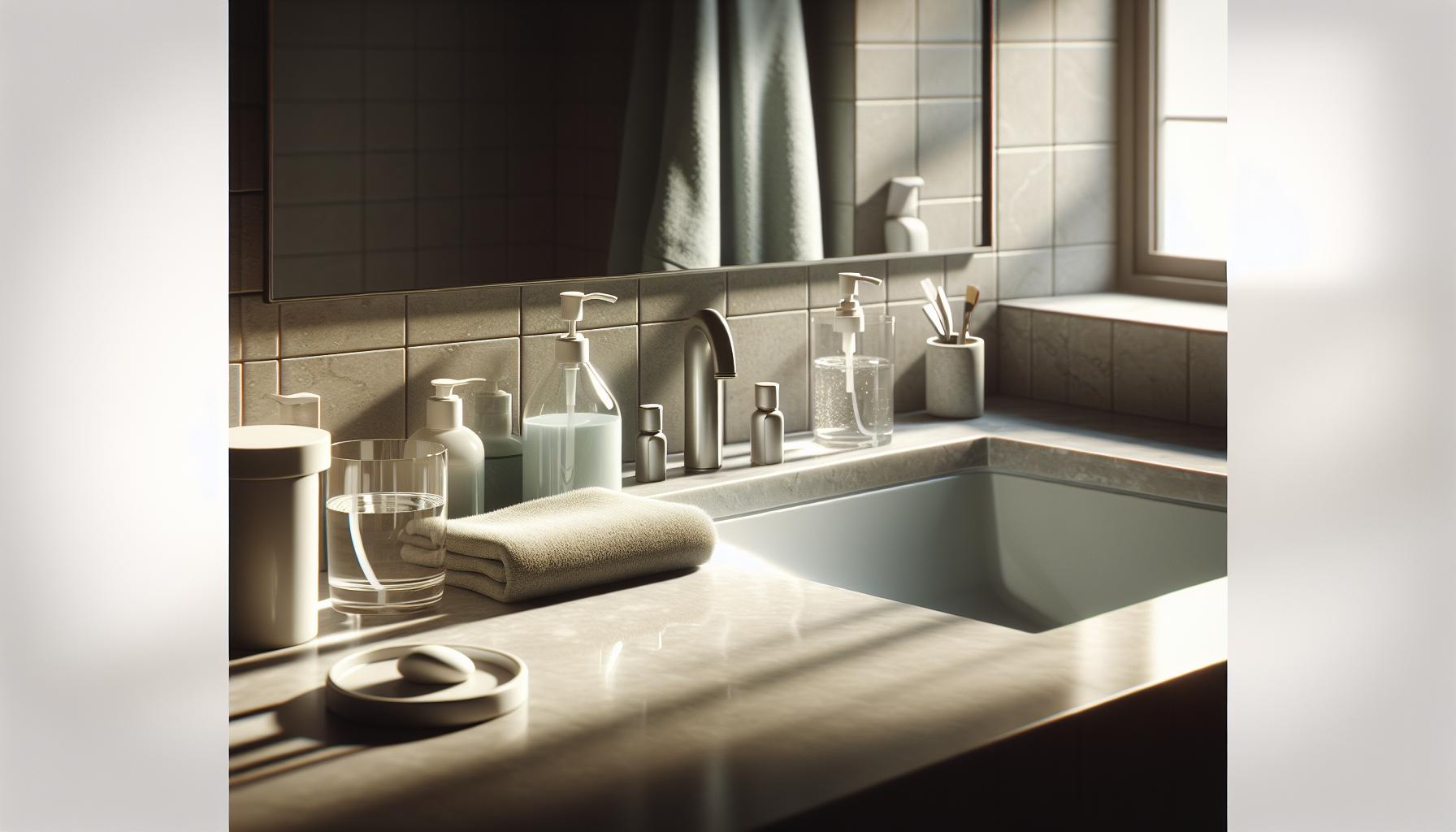
Sometimes life gets busy or you simply forget to cleanse your face at the end of the day. But is it ever okay to skip that step in your skincare routine? Yes, there are specific instances where you might consider skipping the cleanser without compromising your skin’s health.
If you’ve spent a day at home without wearing any makeup or sunscreen, you may not need a full cleansing routine. In cases where you’ve only applied light moisturizers or hydrating products, using just water to rinse your face may suffice. Likewise, if you have a very minimal skincare regimen and haven’t been exposed to environmental aggressors, you can afford to skip the cleanser occasionally. However, make sure to still wash your face if it feels oily or dirty, as residue can lead to breakouts even without makeup.
Another scenario where you might skip cleanser is during a very tired or late-night situation. If you’re at home and exhausted, consider just rinsing your face with water rather than forgoing cleansing altogether-this can help prevent excess oil buildup. Opting for a micellar water or a gentle face wipe can also be a quick fix; they clean without the need for rinsing or leaving a residue, effectively removing dirt and oil.
Always listen to your skin. For people with dry or sensitive skin, you might experience tightness or irritation from daily cleansing; in such cases, trying a no-cleanser day occasionally can be beneficial. Just ensure that you follow up with other moisturizing products to protect your skin barrier.
In summary, while there are times when skipping your cleanser is fine, it’s essential to consider your individual skin type, daily activities, and the products you have used. Aim to establish a balance that suits your lifestyle without jeopardizing skin health. Your skin will thank you for the attentiveness!
Different Skin Types and Cleansing Needs

Everyone’s skin is unique, and understanding your type is crucial for determining how essential a cleanser is in your routine. The key to achieving that healthy glow lies in tailoring your skincare practices to fit your skin’s specific needs. Here’s a breakdown of how different skin types react to cleansing and what you should consider before deciding to skip this important step.
Oily Skin
If you have oily skin, skipping cleanser is generally not recommended. Your skin tends to produce excess sebum, which can lead to clogged pores and breakouts if not properly cleansed. In this case, a gentle foaming or gel cleanser can help remove oil and impurities without stripping the skin. However, if you’re having a low-oil day-perhaps you stayed in or didn’t use heavy products-it might be perfectly fine to rinse with just water. Staying attentive to the texture of your skin can guide these decisions.
Dry or Sensitive Skin
For those with dry or sensitive skin, daily cleansing can sometimes exacerbate issues like tightness, irritation, or redness. In such cases, opting for a hydrating cleanser might be a better choice, as it can help maintain moisture levels. If your skin feels particularly sensitive, consider skipping cleanser occasionally but always follow up with a nourishing moisturizer to protect your skin barrier. Opting for rinsing with lukewarm water and keeping additional products simple can also help.
Combination Skin
Combination skin presents a unique challenge, as you may have oily areas (like the T-zone) and dry patches. This requires a balanced approach; you might choose to cleanse daily while allowing lighter days with just water in regions that typically feel drier. Try targeting oilier areas with a foaming or exfoliating cleanser while using a creamier product on sensitive spots.
Normal Skin
If you’re lucky enough to have normal skin, you might find that your cleansing routine is fairly straightforward. However, be mindful of the environment you’re in. If you’ve spent a day indoors with minimal product application, you could safely skip your cleanser occasionally. Just be sure to assess how your skin feels; if you find a new oiliness or impurities, it’s time to bring the cleanser back into action.
Listening to your skin and adapting your routine according to its needs is essential for harmonious skincare. Regularly assessing your skin’s condition-keeping track of factors like climate changes or product usage-can ensure your cleansing approach is effective, allowing you to enjoy a bright and healthy complexion without unnecessary irritation.
Alternatives to Traditional Cleansers
Exploring can open up new pathways for achieving healthy skin, especially on days when you feel like skipping a full cleansing routine. Whether you’re battling with dry, sensitive skin or simply want a lighter, more effortless approach, there are several options that can help maintain your skin’s balance without stripping it of its natural oils.
One popular alternative is to use micellar water, which is gentle enough to remove makeup and impurities without the need for rinsing. This watery formulation contains micelles-tiny oil molecules suspended in water-that draw out dirt and oil from the skin. To use, soak a cotton pad with the product and sweep it across your face in gentle motions, focusing on areas like the eyes and lips if they’re particularly dirty. This can be a perfect solution for those days when you want to refresh your skin without going through your entire cleansing routine.
Another option is to turn to oil cleansing. It might sound counterintuitive, but oil cleansing can effectively remove makeup and dissolve sebum build-up while balancing the skin’s natural oils. Look for oils like jojoba or olive oil-just apply a few drops to dry skin, massage gently for about a minute, and then rinse with water. This technique not only cleanses but also nourishes the skin, making it ideal for those with dry or combination skin types.
For those seeking simplicity, rinsing with lukewarm water can suffice on certain days, especially if you haven’t applied much product. It’s particularly helpful during warm weather when your skin may feel suffocated by heavy creams or makeup. After rinsing, follow up with a hydrating mist or moisturizing serum to keep your skin feeling fresh and plump.
Lastly, consider skipping soap altogether and using natural alternatives like honey or plain yogurt. These ingredients have mild antibacterial properties and can offer a light cleanse. Apply a thin layer to your face, allow it to sit for about 10 minutes, then rinse with warm water. This not only cleanses but also acts as a soothing mask, providing nourishment and hydration in one step.
Using these alternatives provides flexibility in your routine while still prioritizing skin health. Listen to your skin and adjust your cleansing approach, ensuring you only skip traditional cleansers when it’s truly appropriate for your skin type and condition.
How to Determine Your Skin’s Needs
Understanding your skin’s needs is crucial for a successful skincare routine. Every person’s skin is unique, influenced by factors like genetics, environment, and lifestyle. To determine what your skin requires, consider these essential aspects.
First, assess your skin type. Is it oily, dry, combination, or sensitive? A simple way to find out is by observing how your skin behaves throughout the day. For example, if you notice excess shine on your forehead and nose by midday, you likely have oily skin. Conversely, if your cheeks feel tight and dry, your skin might be dry. Combination skin often shows characteristics of both types, while sensitive skin may react with redness or irritation to certain products.
Next, consider your skin’s current state. Are you experiencing breakouts, dry patches, or irritation? Changes in your skin can signal that it needs particular care. For instance, if you’re dealing with acne, a gentle, non-comedogenic cleanser can help without causing further irritation. When your skin feels particularly dry and tight, you might want to use a hydrating cleanser rather than one that strips your skin of its natural oils.
Also, take into account your daily activities and environment. If you’re often outdoors, your skin might need extra protection from pollution and UV rays, so a good cleansing routine is vital to remove dirt and debris. On the other hand, if you primarily stay indoors, a light cleansing routine might suffice.
Lastly, listen to your skin’s responses. If you notice that skipping your cleanser leaves your skin feeling uncomfortably oily or congested, it’s a sign that you should stick to a cleansing routine. On days when you feel your skin is reacting positively, such as feeling balanced and fresh, it may be okay to lighten your routine.
By thoughtfully evaluating these factors, you’ll be better equipped to tailor your cleansing routine to meet your skin’s specific needs. Remember, skincare isn’t one-size-fits-all, and allowing for your skin’s unique requirements will lead to healthier, happier skin.
Signs You Should Never Skip Cleansing
Skipping your cleansing routine might seem tempting, especially after a long day, but there are specific situations where it’s a big no-no. When your skin feels overrun by oil or impurities, it’s crucial to stick to your cleansing habits. Neglecting to cleanse can lead to clogged pores, breakouts, and skin irritation, which can be frustrating and counterproductive to your skincare goals.
Indications that Cleansing is Essential:
- Post-Workout Glow: After exercising, your skin is often coated in sweat and bacteria. A good cleanse not only removes this grime but also helps prevent breakouts.
- Makeup Residue: If you’ve worn makeup, skipping cleansing can leave residues that might lead to clogged pores and dull skin. Always remove makeup thoroughly to keep your complexion clear.
- Excess Oil: If you have oily skin, skipping your cleanser can exacerbate oiliness and lead to shine, which may cause breakouts.
- Exposed to Pollution: For those in urban environments, your skin collects pollutants that can cause long-term damage. Cleansing helps restore balance and health to your skin.
- After Long Days: If you’ve had a taxing day, your skin deserves extra care. A proper cleanse at the end of the day helps remove dirt and allows for nighttime repair.
When your skin starts misbehaving-such as producing more oil or breaking out-it’s a clear signal that it craves cleansing. Keeping your routine consistent will help maintain your skin’s balance and overall health. Remember, a few minutes dedicated to cleansing pay off in fresh, radiant skin.
Cleansing Mistakes to Avoid
Skipping your cleanser can sometimes feel like a harmless decision, especially when you’re pressed for time or just too exhausted after a long day. However, there are common mistakes that can turn this seemingly small act into a major issue for your skin. Understanding these pitfalls will help you maintain a healthy and vibrant complexion while maximizing the benefits of your skincare routine.
One significant error is relying solely on makeup wipes or micellar water as your only cleansing method. While these products are handy for quick fixes, they often don’t remove all impurities thoroughly. Makeup wipes can leave behind residue, and micellar water might only lift surface grime without adequately cleansing the skin. Instead, consider them a pre-cleanse step, and follow up with a proper cleanser to ensure your skin is truly clean.
Another common mistake is over-cleansing, especially with harsh exfoliating cleansers. This can strip your skin of its natural oils, leading to irritation and breakouts. If your skin feels tight after washing, it might be a sign that you’re using a cleanser that’s too aggressive. Opt for gentle formulas that maintain your skin’s pH balance and focus on cleansing for about 30 seconds to effectively remove dirt without causing damage.
Lastly, don’t overlook the importance of adjusting your cleansing routine with the seasons and your skin’s current needs. For example, during colder months, your skin might require a more hydrating cleanser to combat dryness. Alternatively, in hot, humid climates, a lightweight, oil-free cleanser could be more appropriate. Regularly assess your skin to ensure that you’re using the right products for your environment and skin condition.
By avoiding these common cleansing mistakes and staying attuned to your skin’s needs, you’ll be better equipped to maintain a clear, healthy complexion. Remember, consistent and thoughtful cleansing is key to your overall skincare success.
Best Practices for a Simplified Routine
Having a streamlined skincare routine doesn’t mean sacrificing the health of your skin. In fact, simplifying your cleansing process can lead to a radiant complexion while saving you time and effort. The key is to focus on quality over quantity and make informed choices about the products you use.
Start with a gentle cleanser that suits your skin type. If you have oily skin, look for a foaming or gel cleanser that can break down excess oil effectively, while dry or sensitive skin types may benefit from cream or lotion-based cleansers that provide hydration. For a quick and efficient cleanse, consider a micellar water as a first step, especially after wearing makeup. However, always follow up with a proper cleanser to remove any remaining impurities thoroughly.
Consistency is crucial for a simplified routine. Aim to cleanse your face twice a day-once in the morning to remove overnight oils and again at night to wash away dirt and pollutants accumulated throughout the day. If you’re short on time in the evenings, splash your face with warm water and use a soft washcloth to gently wipe away grime before applying your skincare products. This allows you to maintain a basic level of cleanliness without reaching for a full cleansing routine daily.
To ensure your skin’s needs are met without overcomplicating your process, pay attention to how your skin reacts to different products and routines. Adjustments may be necessary during seasonal changes or after trying new products. Explore multi-functional products, like a cleanser with added exfoliating benefits, to reduce the number of steps and products in your regimen. By sticking to the essentials and being attuned to your skin’s response, you can create an effective, simplified cleansing routine that enhances rather than complicates your skincare journey.
The Role of Double Cleansing
Double cleansing has become a beloved routine in many skincare regimens, especially for those who want to achieve a deep, thorough cleanse. The concept is simple yet powerful: it involves using two different types of cleansers in succession to ensure that all traces of makeup, sunscreen, and daily impurities are effectively removed from the skin. This method is particularly beneficial if you wear makeup, SPF, or have been exposed to pollution during the day, as it helps prevent clogged pores and breakouts.
The first step generally includes an oil-based cleanser or micellar water, which is adept at dissolving makeup and sebum. For instance, a product containing natural oils, like jojoba or coconut oil, can easily lift away stubborn makeup, leaving your skin feeling clean and hydrated. Simply apply the oil cleanser to dry skin, massaging it in with gentle circular motions for about thirty seconds, then rinse off with warm water to emulsify the oils.
The second step involves a water-based cleanser that targets any remaining impurities. This could be a gel or foam cleanser tailored to your skin type-if you have oily skin, opt for a foaming cleanser to help control excess oil, while those with dry or sensitive skin may prefer a creamier, hydrating formula. When you apply this cleanser, do so on damp skin to lock in moisture, gently massaging it for another thirty seconds before rinsing it off. This two-step process not only purifies your skin but also provides a fresh canvas for your subsequent skincare applications.
By practicing double cleansing, you’re not just ensuring your skin is clean; you’re also enhancing the effectiveness of your other skincare products. Cleansed skin can absorb serums, moisturizers, and treatments more effectively, allowing their active ingredients to penetrate deeper and work better. Remember, though, while double cleansing is beneficial, it doesn’t mean you should skip daily cleansing altogether. Sticking to your routine of cleansing twice a day keeps your skin health intact.
In summary, double cleansing is a practical and effective way to ensure your skin is truly clean, allowing for optimal absorption of skincare products and helping to maintain a clear and healthy complexion.
What to Do After Skipping Cleanser
After skipping your cleanser, it’s essential to know how to effectively refresh your skin and maintain balance. While it might not seem like a big deal to occasionally miss this step in your skincare routine, taking the right actions afterward can help mitigate any potential negative effects on your skin.
First, consider giving your face a gentle rinse with lukewarm water. This step helps remove any surface dirt or excess oils that accumulated throughout the day without stripping your skin of essential moisture. Follow this rinse with a lightweight toner, which can help to soothe and prep the skin for further products. Look for alcohol-free toners enriched with hydrating ingredients like rose water or aloe vera, as they can provide a refreshing boost to your skin without causing irritation.
Next, your moisturizer becomes particularly important after skipping the cleanser. Apply a hydrating moisturizer that suits your skin type. If your skin feels dry or tight, opt for a richer cream containing ingredients like hyaluronic acid or ceramides to lock in moisture. For those with oily skin, a gel-based moisturizer can offer hydration without clogging pores. Make sure to apply it right after toning, as this ensures optimal absorption while your skin is still slightly damp.
To further enhance your skin’s recovery, consider incorporating a nourishing serum that targets your specific skin concerns. For example, if you’re dealing with dullness, a vitamin C serum can brighten your complexion, while a niacinamide serum can help regulate oil production and minimize the appearance of pores. Just remember to apply serums on clean skin for the best results.
Finally, don’t hesitate to adjust your skincare routine over the next few days to restore balance. Be mindful of how your skin reacts after skipping the cleanser; if you notice increased oiliness or breakouts, consider reintegrating your cleansing routine more diligently. Frequent evaluations of your skin’s needs will provide valuable insights on how to adapt your approach, ensuring your complexion remains healthy and radiant.
In summary, rinsing your face, applying a toner, hydrating with a suitable moisturizer, and using serums for specific concerns can go a long way in maintaining your skin’s health even after skipping cleanser. It’s all about being attentive and responsive to what your skin needs!
Skincare Myths: Cleansers and Breakouts
Many people believe that skipping a cleanser may lead to fewer breakouts, especially if they associate their acne with drying or harsh cleansing products. However, this myth can often do more harm than good. In reality, proper cleansing is a vital step in maintaining skin health, and avoiding it can lead to a variety of skin issues, including increased breakouts.
Understanding your skin’s needs is crucial. If you’ve experienced breakouts after using a particular cleanser, it might be due to the ingredients that are clogging your pores rather than the act of cleansing itself. Instead of skipping this critical step, consider switching to a gentler cleanser that effectively removes dirt, oil, and makeup without stripping your skin’s natural moisture. Look for products labeled as “non-comedogenic,” which means they are less likely to block pores.
Moreover, skipping your cleanser can actually lead to an accumulation of impurities on the skin, which can trigger breakouts. When your skin is not properly cleansed, oil, sweat, and environmental pollutants can build up, creating the perfect breeding ground for bacteria. This cycle can lead to inflammation and irritating clogged pores, ultimately exacerbating acne issues. Regular cleansing helps keep these impurities at bay and supports a balanced skin barrier.
To reinforce this understanding, consider the cleansing routine more as maintenance rather than a chore. Start with a mild cleanser suited to your skin type-whether it’s gel, foam, or cream-and use it twice daily. You might even find that introducing a double cleansing method, especially at the end of the day, can help remove makeup and impurities more effectively, resulting in clearer skin. Always remember, healthy skin starts with a solid cleansing habit that nourishes rather than disrupts your skin’s natural balance.
Frequently asked questions
Q: Can I skip cleanser if I have sensitive skin?
A: Yes, if you have sensitive skin, you can sometimes skip cleanser, especially after a day without heavy makeup or pollutants. Instead, consider rinsing with water or using a gentle micellar water to remove impurities without irritation. Always listen to your skin’s response to adapt your routine accordingly.
Q: What happens if I skip cleanser every day?
A: Skipping cleanser daily can lead to a buildup of dirt, oil, and makeup, potentially causing breakouts, dullness, and clogged pores. It’s crucial to assess your skin and cleanse it regularly to maintain its health and radiance. For more details on what happens when you skip cleansing, check out our section on the topic.
Q: Is it okay to skip cleanser before bed?
A: While it may be tempting to skip cleanser at night, it’s generally not recommended. Overnight, your skin repairs itself, and cleansing helps remove impurities that can block this process. For clearer skin, always cleanse your face before bed, especially if you’ve worn makeup or sunscreen.
Q: When should I use a cleansing wipe instead of a traditional cleanser?
A: Use cleansing wipes when you’re in a hurry or traveling, but they shouldn’t replace your regular cleansing routine. Wipes can effectively remove surface impurities but might not provide a thorough clean like a traditional cleanser. For detailed skin care tips, refer to our section on alternatives to traditional cleansers.
Q: What types of cleansers are best for skipping in specific situations?
A: Oil-based cleansers are ideal for skipping on non-makeup days, allowing your skin to breathe. Additionally, gel cleansers can be avoided after a day at home when your skin hasn’t been exposed to dirt or pollutants. Always assess your activities and adapt your cleansing method as needed.
Q: How can I tell if I need to cleanse my skin more often?
A: Look for signs such as increased oiliness, dull skin, or frequent breakouts. If you’re experiencing these, it may indicate that your skin needs more frequent cleansing. Consider adjusting your routine based on the conditions affecting your skin’s health.
Q: Are there any occasions when it’s absolutely necessary to cleanse?
A: Yes, after workouts or if your skin has been exposed to pollution, it’s essential to cleanse. Sweating can lead to clogged pores, and pollutants can damage skin barrier function. Make sure to cleanse thoroughly in these situations to maintain skin health.
Q: Can I skip my cleanser if I use a toner?
A: While toner can provide some cleansing benefits, it’s not a substitute for a full cleansing routine. Toners help balance skin pH and can remove leftover impurities, but they don’t remove all dirt and oil. Always start with a proper cleanser for optimum results.
Future Outlook
As we’ve explored, skipping cleanser can be okay in certain circumstances, but it’s essential to find what works best for your skin type and routine. Remember, integrating a gentle cleanser can enhance your skin’s health, leaving you refreshed and glowing. If you still have questions or want personalized advice, don’t hesitate to reach out or check out our related articles on “Best Cleansers for Every Skin Type” and “How to Build a Simplified Skincare Routine” for more insights.
Your skin deserves the best, so consider taking action today by exploring our recommended products or signing up for our newsletter to receive the latest tips and exclusive content straight to your inbox. Don’t just stop here-engage with us in the comments below! We’d love to hear your thoughts and experiences on skipping cleanser. Together, let’s find the perfect beauty solutions for your daily routine.
Get our latest guides, news, and insights highlighted in your Google Search & AI Overviews.