If you’re exploring the world of skincare, you might have wondered about the best way to incorporate vitamin C serum into your routine, particularly after cleansing. Vitamin C is renowned for its brightening and anti-aging properties, making it a top choice for achieving glowing skin. However, layering products correctly is essential to maximize their benefits. This guide will demystify the process, addressing common concerns and offering practical tips to seamlessly integrate vitamin C into your regimen. By the end, you’ll feel confident in how to use this powerful serum for optimal results, ensuring your skin receives all the nourishment it needs. Let’s dive in and uncover the best practices for layering your skincare products effectively!
Choosing the Right Cleanser for Vitamin C Application
Choosing the right cleanser before applying vitamin C serum is essential for maximizing its benefits and ensuring your skincare routine is effective. A good cleanser not only removes dirt and impurities but also prepares your skin to absorb the vitamin C more efficiently. When selecting a cleanser, consider your skin type and any specific concerns you might have.
For those with oily or acne-prone skin, a gel or foam cleanser works well. These types tend to remove excess oil without overly stripping the skin, which can help maintain balance while allowing vitamin C to penetrate effectively. Look for gentle exfoliating ingredients like salicylic acid or tea tree oil that can also support skin clarity.
If you have dry or sensitive skin, opt for a hydrating cream or lotion cleanser. These will clean your skin without disrupting its natural moisture barrier, preventing irritation when you apply the vitamin C. Ingredients such as glycerin or hyaluronic acid are excellent choices, as they help to lock in moisture and keep the skin feeling soft.
Regardless of your skin type, always ensure that your cleanser is free from harsh sulfates and fragrances, which can irritate the skin. Aim for a pH-balanced formula that won’t disturb your skin’s natural acidity, helping vitamin C maintain its efficacy. Remember, the right cleanser not only sets the stage for your serum but also enhances its ability to provide the radiant, youthful glow everyone desires.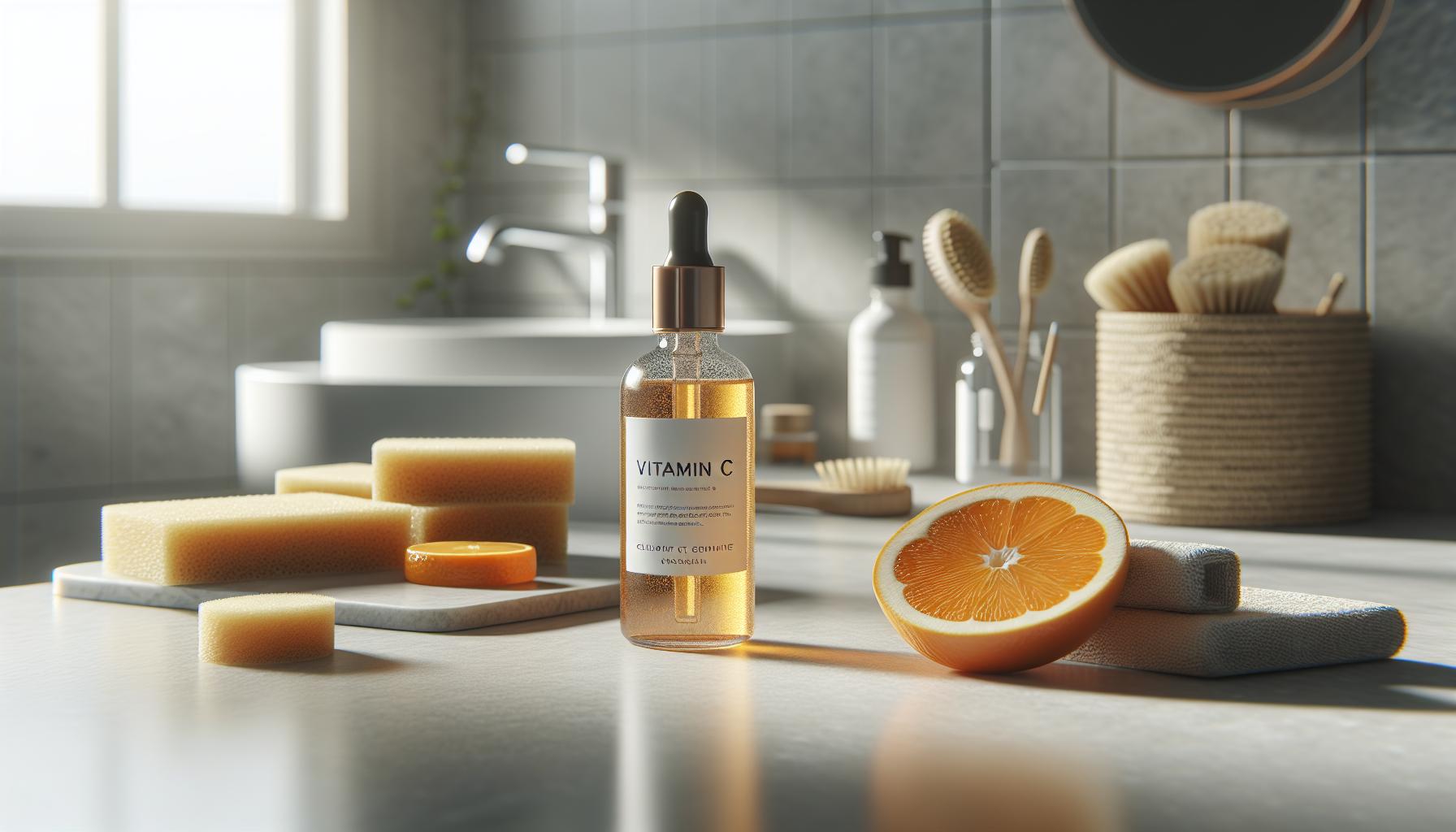
Benefits of Using Vitamin C Serum
Using a vitamin C serum can be a game changer for your skincare routine, delivering a powerful boost of radiance and youthful vitality to your complexion. This potent antioxidant is renowned for its ability to combat free radicals, which are unstable molecules that can damage skin cells and accelerate aging. By incorporating vitamin C into your daily regimen, you’re investing in brighter, more even-toned skin.
One of the standout benefits of vitamin C serum is its capacity to enhance collagen production. Collagen is a protein that keeps your skin firm and supple, but its natural levels decline with age. With regular use of vitamin C, you can help stimulate the production of this essential protein, leading to firmer and plumper skin. Additionally, vitamin C is effective in reducing the appearance of dark spots and hyperpigmentation. It works by inhibiting melanin production, helping you achieve a more uniform skin tone over time.
Another impressive benefit is vitamin C’s role in sun damage protection. While it shouldn’t replace sunscreen, using a vitamin C serum can provide added defense against UV damage, reducing the likelihood of issues like sunburn and premature wrinkles. This synergistic effect enhances your overall sun protection when layered correctly with SPF cream.
For the best results, make sure to apply your vitamin C serum on clean skin after using a gentle cleanser. A simple, effective method is to apply a few drops-about the size of a pea-onto your fingertips and gently massage it into your face and neck, allowing it to absorb fully before moving on to moisturizers or sunscreens. Keeping a consistent routine and being patient with your application will yield noticeable improvements in your skin’s appearance, helping you enjoy a more radiant and youthful glow.
How to Layer Skincare: Step-by-Step Guide
Establishing a solid skincare routine can transform your skin health and appearance, and understanding how to layer products effectively is a key part of this process. When it comes to incorporating a vitamin C serum into your regimen, following a systematic approach ensures you maximize its benefits while maintaining skin health.
First, start with a clean canvas. After cleansing your face with a gentle, sulfate-free cleanser, pat your skin dry with a clean towel. Remember, vitamin C serums are best absorbed on clean, slightly damp skin, as the moisture helps deliver the active ingredients more effectively.
Next, apply your vitamin C serum. Use about two to three drops, or roughly the size of a pea, and gently massage it into your skin using upward circular motions. Pay special attention to areas that may be prone to dark spots or uneven texture. Allow the serum to absorb fully-this usually takes about 1-2 minutes. Patience is key here, as rushing through this step can decrease the serum’s effectiveness.
Once the serum is absorbed, follow up with a moisturizer. This step locks in hydration and helps to create a barrier, maximizing the benefits of the vitamin C. Consider a moisturizer suited for your skin type; for those with oily skin, a lightweight gel formula may be ideal, while drier skin types may prefer a creamier formulation.
Finally, finish with sunscreen if you’re applying your vitamin C serum in the morning. This is crucial because, while vitamin C offers some protection from UV damage, it should never replace your regular sun protection routine. Always choose a broad-spectrum SPF of at least 30, applying it generously to all exposed areas.
In summary, effective layering of skincare products-starting with cleansing, followed by vitamin C, moisturizing, and then applying sunscreen-creates a routine that can dramatically improve your skin’s brightness and overall health. Each step has its purpose, enhancing the benefits of the next, so take the time to enjoy the process!
Best Practices for Applying Vitamin C Serum
After cleansing your face, applying vitamin C serum can be one of the most rewarding steps in your skincare routine. It’s crucial to approach this application methodically to ensure you maximize its benefits. Start by using a clean and slightly damp face, as this helps the serum penetrate deeper into the skin. It’s important to use a gentle, moisture-retaining cleanser that doesn’t strip your skin’s natural oils, leaving you fresh and ready for the active compounds in vitamin C.
When you’re ready to apply, dispense about two to three drops of serum – think of it as roughly the size of a pea. The next step is all about technique: gently massage the serum into your skin using upward circular motions, focusing on areas that are more prone to discoloration or uneven texture. This helps increase blood circulation and makes the serum work better. Allow the serum to absorb completely, which usually takes about 1-2 minutes. It’s worth noting that being patient here pays off; hurrying through this can compromise the serum’s effectiveness.
Once absorbed, follow up with a suitable moisturizer for your skin type to lock in hydration and create a barrier that enhances the vitamin C’s efficacy. For those with oily skin, a lightweight gel moisturizer works wonders, whereas cream-based formulas are better for drier skin types. Lastly, if you’re applying in the morning, finish your routine with sunscreen. This is non-negotiable, as it protects your skin from the sun’s harmful rays while allowing the vitamin C to work its magic against free radicals.
By adopting these best practices, you can ensure that your vitamin C serum application becomes a vital part of your skincare regimen, promoting a healthier, brighter complexion. Remember that consistency is key, so integrate this step into your daily routine to see the best results over time.
Timing Matters: When to Use Vitamin C
Getting the timing right for applying vitamin C serum can significantly enhance its effectiveness, ensuring that your skin reaps all the benefits this powerhouse ingredient offers. Most skincare experts recommend applying vitamin C in the morning for a couple of compelling reasons. First, it can provide a protective barrier against the damage caused by free radicals throughout the day. The antioxidant properties of vitamin C help neutralize these harmful molecules, especially when combined with a good sunscreen, creating a synergistic effect that shields your skin from environmental stressors like pollution and UV rays.
When you start your day, after your cleansing routine, you’re primed for applying a vitamin C serum. Aim to include this application in your morning ritual, ideally after cleansing and before moisturizing and applying sunscreen. This helps the vitamin C serum to absorb well into your skin, maximizing its brightening and collagen-boosting effects. You can simplify your routine by setting aside a few focused minutes each morning-applying two to three drops of serum gently to your face, taking care to target areas prone to discoloration.
That said, evening use is not out of the question; it can still be beneficial. For those who might notice sensitivity upon morning application or for individuals with specific skin concerns, using vitamin C at night can be just as effective. It provides your skin with all the antioxidant support it needs while you sleep, making it a great alternative for night owls or sensitive skin types.
No matter when you choose to apply your vitamin C serum, consistency is the key. Try to keep it as a regular part of your skincare routine, allowing for cumulative benefits over time. Remember, the goal is to find a routine that fits seamlessly into your lifestyle while making the most of this incredible skincare ingredient.
Combining Vitamin C with Other Skincare Ingredients
Introducing vitamin C serum into your skincare routine can transform your complexion, but combining it with the right ingredients can further enhance its effectiveness. Knowing which ingredients harmonize well with vitamin C-and which ones to avoid-can optimize your results and elevate your skincare game.
When it comes to pairing ingredients with vitamin C, ferulic acid is a standout companion. This antioxidant helps stabilize vitamin C, enhancing its skin-protective qualities. Together, they provide a powerful shield against environmental stressors, helping to minimize premature aging. You can also look for products that combine vitamin C with vitamin E, as this duo works synergistically to boost antioxidant protection while improving moisture retention in the skin.
Another excellent ingredient to consider is hyaluronic acid, which hydrates the skin and helps maintain its elasticity. When applied after vitamin C, hyaluronic acid can lock in moisture, resulting in plumper, more radiant skin. For an extra boost, using a peptide serum after your vitamin C can support collagen production, further enhancing skin firmness and reducing the appearance of fine lines.
However, not all ingredients pair well with vitamin C. Avoid combining it directly with alpha hydroxy acids (AHAs) or beta hydroxy acids (BHAs), as these can lower the pH level of vitamin C, potentially reducing its efficacy. Instead, consider using them at alternate times-like incorporating acids into your evening routine-to avoid any negative reactions on the skin while still enjoying the benefits of both.
In summary, effectively combining vitamin C with the right ingredients can amplify its skin-loving benefits. Pair it with powerful antioxidants like ferulic acid or vitamin E, incorporate hydrating elements like hyaluronic acid, and be cautious of potential incompatibilities with acids. This thoughtful approach will help you achieve optimal results, ensuring your skin stays vibrant and healthy.
Common Mistakes to Avoid with Vitamin C
Using vitamin C serum can be a game changer for your skincare routine, but many people make common mistakes that can hinder its effectiveness. By avoiding these pitfalls, you can maximize the potential of this powerful antioxidant.
One prevalent mistake is applying vitamin C serum to dry skin. For optimal absorption, apply the serum on slightly damp skin right after cleansing. This helps the product penetrate more deeply, enhancing its benefits. As a quick tip, you can gently pat your face with a towel, leaving it just a bit moist before applying the serum.
Another frequent error is layering vitamin C with ingredients that don’t play well together. For instance, using it alongside alpha hydroxy acids (AHAs) or beta hydroxy acids (BHAs) can lead to irritation or reduce the stability of the vitamin C. To sidestep this issue, consider using these acids in your evening routine while reserving vitamin C for your morning regimen.
Additionally, many users neglect to store their vitamin C products properly, which can affect their potency. Keep your serum in a cool, dark place and ensure the cap is tightly closed to prevent oxidation. If you notice any change in color or consistency, it’s a sign that the product has gone bad and should be discarded.
Finally, consistency is key. Skipping applications or not using enough product can lead to disappointing results. Aim for a dime-sized amount and apply it every day for the best outcome. By making these adjustments, you’ll be able to harness the full power of vitamin C and achieve a brighter, more radiant complexion.
Understanding pH Levels and Vitamin C Efficacy
Understanding the pH levels of your skincare products is crucial to unlocking the full potential of vitamin C serum. Vitamin C, particularly in its ascorbic acid form, thrives in a slightly acidic environment with a pH of around 3.5. When applied to skin with a higher pH, such as after using a harsh cleanser or certain topical treatments, its efficacy can diminish. This means you might not enjoy the brightening and anti-aging benefits you expect.
To ensure optimal absorption, choose a gentle, pH-balanced cleanser that won’t strip your skin’s natural acidity. Look for ingredients that nourish and soothe, such as aloe vera or chamomile, rather than harsh detergents or sulfates. After cleansing, pat your skin dry, leaving it slightly damp, which can help enhance the uptake of the vitamin C serum.
It’s also essential to consider the timing and order of your skincare routine. Applying vitamin C serum shortly after cleansing allows it to penetrate the skin effectively. If you use products with higher pH levels later in your routine, such as certain creams or toners, they might not only alter the skin’s pH but also affect the performance of the vitamin C you just applied. Therefore, layer with care: apply vitamin C serum first, followed by any specific treatments or moisturizers.
In summary, maintaining an environment that supports the acidity needed for vitamin C can significantly influence its effectiveness. By selecting compatible products and structuring your routine thoughtfully, you can maximize the benefits of your vitamin C serum and enjoy a brighter, healthier complexion.
Signs You Shouldn’t Use Vitamin C Serum
Some people may find that vitamin C serums aren’t suitable for their skincare routine, and recognizing the signs can save you from potential skin issues. It’s important to pay attention to how your skin responds after application, as it can guide your choices.
If your skin experiences irritation, such as redness, itching, or burning after using a vitamin C serum, it may indicate that the product is too strong or that your skin is sensitive to its formulation. This is especially common with formulations containing higher concentrations of L-ascorbic acid. You might also notice flaking or increased dryness, which can be a reaction to the acidity of the serum. In such cases, consider either reducing the frequency of application or opting for a milder formulation, such as a vitamin C derivative.
Individuals with certain skin conditions, such as eczema or psoriasis, should be cautious with vitamin C. These conditions often create a compromised skin barrier, making it more susceptible to irritation. If you’re unsure, consult a dermatologist before adding vitamin C to your routine.
Lastly, if your skincare routine is already packed with active ingredients like retinoids or alpha hydroxy acids (AHAs), layering them together can lead to over-exfoliation and compromised skin health. If you notice an increase in sensitivity or breakouts when combining these products, it could be a sign that your skin needs a break from vitamin C or a re-evaluation of your layering strategy.
Understanding your skin’s unique needs is key. If these signs resonate with you, don’t hesitate to rethink your vitamin C usage to maintain a healthy, balanced complexion.
Alternative Products to Pair with Vitamin C
Looking for effective partners to boost the benefits of your vitamin C serum? You’re in good company-many skincare enthusiasts are eager to maximize their routines without causing irritation. Combining the right ingredients with vitamin C can enhance its brightening effects, improve skin texture, and combat signs of aging.
Start by considering hydrating ingredients. Products containing hyaluronic acid are ideal companions because they attract moisture to the skin, helping to combat any dryness that could arise from vitamin C usage. For example, after applying your vitamin C serum, layer on a hydrating serum with hyaluronic acid to lock in moisture and create a plump, glowing complexion.
Another excellent partner for vitamin C is niacinamide, which can help reduce redness and irritation associated with vitamin C for some users. This ingredient not only brightens the skin but also strengthens the moisture barrier, making it a reliable addition to your morning routine. However, if using both simultaneously, try layering niacinamide after your vitamin C to see how your skin responds.
For evening routines, look to exfoliating acids like lactic or glycolic acid. Using these exfoliants at night can help slough off dead skin cells and prepare your face for the vitamin C application in the morning. Just remember to avoid over-exfoliating, as this can compromise your skin’s barrier.
Lastly, consider incorporating a broad-spectrum sunscreen in the morning. While this isn’t a direct ‘pairing,’ it’s crucial because vitamin C can enhance the protective effects of sunscreen against UV damage. To maximize protection, ensure that your vitamin C has fully absorbed before applying sunscreen.
By thoughtfully selecting products to pair with your vitamin C serum, you can enhance its benefits and maintain your skin’s health, achieving that enviable radiant glow!
How to Customize Your Routine for Skin Type
To truly harness the power of vitamin C in your skincare routine, it’s essential to customize its application based on your specific skin type. Whether you have oily, dry, combination, or sensitive skin, the way you incorporate vitamin C can significantly impact its effectiveness and your overall skin health.
For oily skin, a lightweight, gel-based vitamin C serum can work wonders. Look for formulations that combine vitamin C with niacinamide, as this combination can help control oil production while providing a brightening effect. After cleansing, apply a few drops of serum directly to the skin, allowing it to absorb fully before layering with a non-comedogenic moisturizer. This will prevent clogged pores while still delivering the skincare benefits you crave.
If your skin is on the dry side, consider using a vitamin C serum that includes hydrating ingredients like hyaluronic acid or glycerin. These components can help retain moisture and combat the potential dryness that some vitamin C products may cause. After cleansing, apply the serum to slightly damp skin to enhance absorption, then follow up with a rich moisturizer to lock in hydration.
For those with combination skin, finding balance is key. You might benefit from a versatile vitamin C serum that’s suitable for both oily and dry areas of your face. Consider alternating your application; use vitamin C in the morning on your oily zones and a heavier cream at night on the drier parts. This tailored approach lets you enjoy the brightening effects of vitamin C without overwhelming your skin.
People with sensitive skin should be cautious when introducing vitamin C into their routine. Choose a serum with a lower concentration of vitamin C or opt for a formula that includes soothing ingredients like aloe vera or chamomile. Apply the product on alternate days to allow your skin to adjust. Always conduct a patch test before full application, and don’t forget to follow with a gentle moisturizer to soothe and protect your skin barrier.
By thoughtfully considering your skin type and how it interacts with vitamin C, you can create a customized routine that not only brightens your complexion but also respects your skin’s unique needs.
FAQ
Q: Can I apply Vitamin C serum immediately after cleansing my face?
A: Yes, applying Vitamin C serum right after cleansing is ideal. Cleansing prepares your skin to absorb the nutrients effectively. Just ensure your skin is dry before application for optimal results. This method enhances the serum’s efficacy in brightening and protecting your skin.
Q: Should I wait after applying Vitamin C serum before using moisturizer?
A: It’s advisable to wait about 1-2 minutes after applying Vitamin C serum before applying moisturizer. This allows the serum to penetrate deeper into your skin, maximizing its benefits. This step boosts hydration while preventing the dilution of the serum’s active ingredients.
Q: Is it okay to use Vitamin C serum in the morning after cleansing?
A: Absolutely! Using Vitamin C serum in the morning after cleansing can enhance your skin’s defense against UV damage and environmental pollution. It’s a great addition to your morning routine and can be followed by sunscreen for added protection.
Q: Can I layer other products over Vitamin C serum?
A: Yes, you can layer other products over Vitamin C serum. After applying the serum and allowing it to absorb, follow up with a moisturizer or sunscreen. Just avoid layering it with retinol, as this combination can lead to irritation.
Q: What should I avoid after applying Vitamin C serum?
A: After applying Vitamin C serum, avoid using products containing retinol or alpha hydroxy acids (AHAs) immediately. These can counteract the serum’s benefits and irritate your skin. Instead, consider using them during your evening routine when the Vitamin C is not applied.
Q: Can I use Vitamin C serum if I have sensitive skin?
A: Yes, you can use Vitamin C serum if you have sensitive skin, but choose a formula designed for sensitive types, such as L-ascorbic acid in lower concentrations. Always perform a patch test first to check for any reactions, and consider consulting a dermatologist.
Q: When is the best time to use Vitamin C serum?
A: The best time to use Vitamin C serum is in the morning after cleansing to protect your skin from daily environmental damage. However, it can also be applied at night if it fits better with your routine. Consistency is key for long-term benefits.
Q: How often should I use Vitamin C serum for best results?
A: For best results, use Vitamin C serum once or twice daily, depending on your skin’s tolerance. Start with once a day, ideally in the morning, and monitor how your skin responds before increasing frequency. This helps in gradually incorporating it into your skincare routine.
Feel free to dive deeper into these tips to enhance your skincare routine!
Concluding Remarks
Now that you know how to effectively layer your skincare routine with Vitamin C serum after cleansing, it’s time to take action! Incorporating Vitamin C can significantly enhance your skin’s radiance and texture. Don’t wait-start your journey toward a brighter complexion today.
For further insights, check out our guides on “Best Practices for Layering Skincare” and “Finding the Right Vitamin C Serum for Your Skin Type.” These resources will equip you with everything you need to maximize your results. Remember, your skincare routine is all about consistency, so stay committed and observe your skin’s transformation.
If you have any questions or want to share your results, feel free to leave a comment below! We love hearing from you. Sign up for our newsletter for more expert tips and exclusive product recommendations tailored just for you. Embrace the glow today!