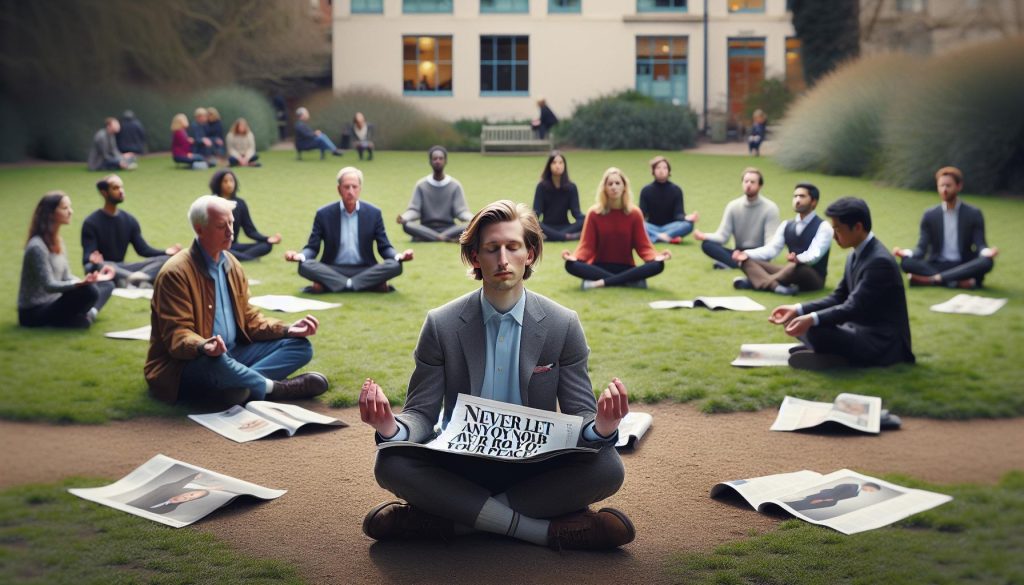
In today’s fast-paced world, it’s all too easy to feel overwhelmed and let external pressures disrupt your inner tranquility. Balancing work, relationships, and personal expectations can create a whirlwind of stress that clouds your peace of mind. “Never Let Anyone Rob You of Your Peace – Maintain Calm Daily” aims to empower you to reclaim that essential calm. This guide will equip you with practical strategies to foster resilience and cultivate a serene state of being, regardless of daily challenges. By prioritizing your peace, you set the stage for enhanced well-being and happiness. So, are you ready to transform chaos into calm and discover the freedom that comes with maintaining your inner peace? Let’s dive in!
Never Let Stress Steal Your Peace: Understand the Impact
It’s easy to underestimate the toll that stress can take on our lives, yet its impact is profound, affecting not just our mental clarity but also our physical health. Chronic stress keeps the body in a heightened state of alertness, which can lead to a host of health issues, including anxiety, depression, heart disease, and digestive problems. Understanding this connection empowers us to take action-after all, stress doesn’t just steal our peace; it compromises our overall well-being.
To combat stress effectively, it’s essential to recognize its signs. This can include irritability, fatigue, or difficulty concentrating. By identifying these early indicators, you can take proactive steps to mitigate stress before it escalates. Incorporating stress management techniques such as regular physical activity, deep breathing exercises, and ensuring adequate sleep can help recalibrate your body’s response to stress. Furthermore, cultivating resilience through mindfulness practices can shift your focus from the pressures of the day to the peace within the moment.
Taking the time to assess your daily stressors and their impacts is crucial in maintaining a state of calm. Whether it’s a demanding job, relationship challenges, or even internal pressures, acknowledging these stress points provides the insight needed to develop coping strategies. This understanding fosters an environment where you can prioritize your mental health, making conscious choices that lead to a more peaceful existence. By nurturing your awareness and responding to stress with intention, you set the foundation for a healthier, more balanced life.
Empowering Strategies to Maintain Daily Calm
Finding calm amid the chaos of daily life can feel like an uphill battle, but implementing empowering strategies can transform your approach to stress. It begins with acknowledging that everyone experiences stress, but not everyone knows how to manage it effectively. The good news is there are simple, actionable steps you can take to create a serene mindset each day.
Create a Daily Calm Ritual
Establishing a morning ritual can set a positive tone for your day. Consider incorporating practices like gentle yoga or meditation, which can take just 10-15 minutes. This time can be spent focusing on your breath, feeling the sensations in your body, or simply sitting in silence. You could also use this time to jot down your intentions for the day in a journal. This technique not only helps ground you but also prepares your mind to face the challenges ahead with a more balanced perspective.
Stay Physically Active
Regular physical activity is a key player in maintaining calmness. Aim for at least 30 minutes of moderate exercise, like brisk walking or cycling, most days of the week. Not only does this release endorphins-natural mood lifters-but it also helps reduce the negative impact of stress hormones. Find activities you enjoy, whether it’s dancing, swimming, or joining a local sports team. When you engage in physical activities that you love, it becomes easier to stick to your routine and derive joy from it.
Mind Your Mental Diet
Just as you pay attention to your physical nutrition, be mindful of what you consume mentally. Limit exposure to negative news and social media that can heighten anxiety or overwhelm you. Instead, curate a list of uplifting podcasts, empowering books, or inspiring documentaries that can fill your mind with positivity. Make a commitment to consume one piece of motivational content each day, and notice how your mindset shifts towards a calmer, more hopeful outlook.
Practice Gratitude
Integrating gratitude into your daily routine can profoundly influence your overall sense of peace. Each evening, take a moment to reflect on three things you’re grateful for. This practice shifts your focus from stressors to moments of joy and fulfillment. Keeping a gratitude journal can also be beneficial-write down your thoughts regularly, and over time, you’ll cultivate a habit of recognizing the good in your life amidst daily challenges.
Build Healthy Boundaries
Sometimes, maintaining daily calm requires saying “no.” Be clear about your limits and prioritize your own wellbeing without guilt. Whether it’s declining extra responsibilities at work or setting aside personal time, healthy boundaries are essential. Communicate these needs to others and don’t hesitate to prioritize your mental space.
Engage in Creative Outlets
Lastly, channeling your emotions through creative activities can be a powerful way to maintain calm. Consider painting, writing, crafting, or any form of creative expression that resonates with you. These activities provide a productive outlet for stress and can serve as a therapeutic means to unwind.
By integrating these strategies into your everyday life, you’ll not only build resilience against stress but also foster an enduring sense of calm that can transform your overall wellbeing. Remember, small, consistent changes can lead to significant improvements in how you navigate life’s ups and downs.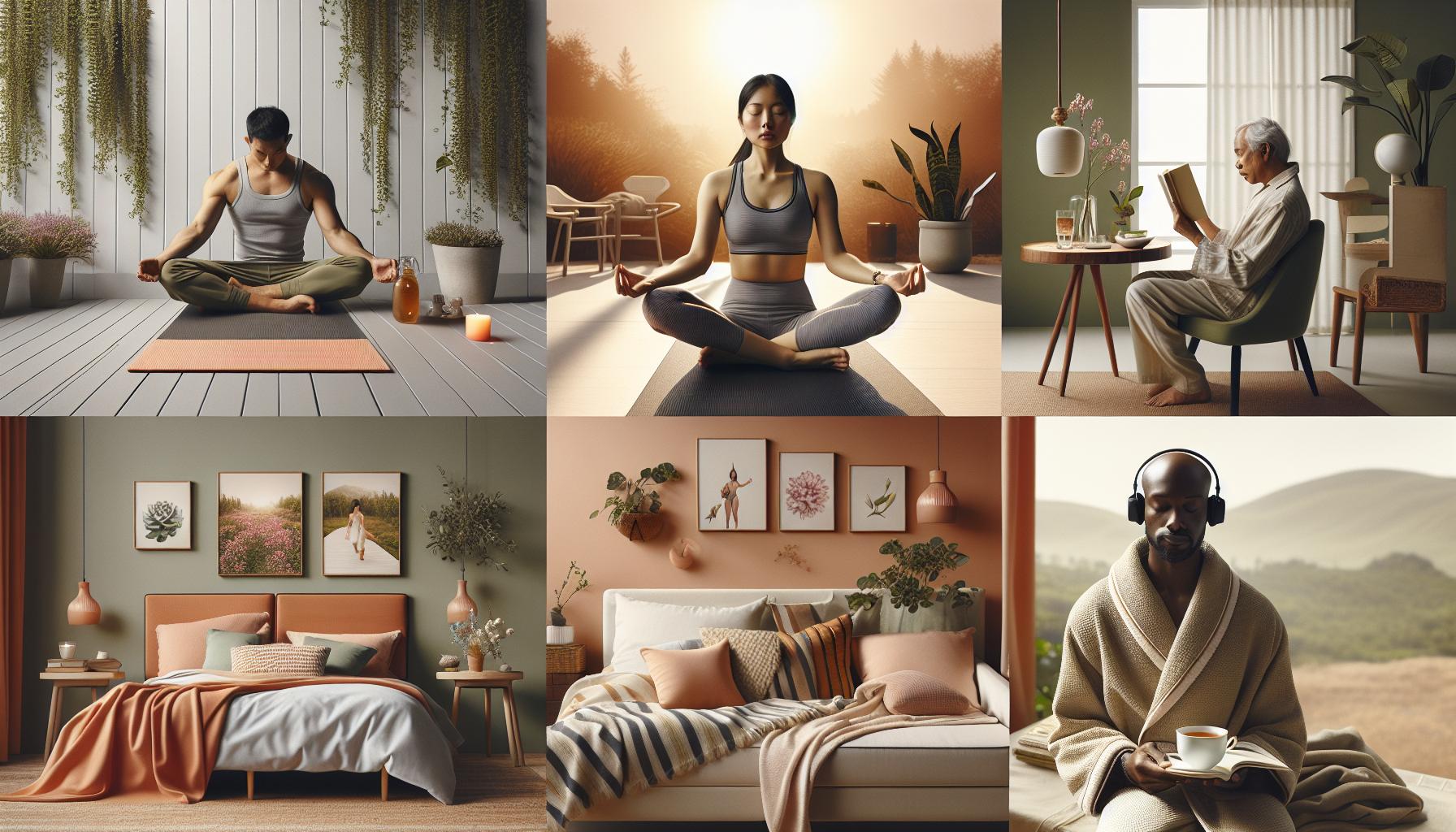
Five Simple Practices for Instant Relaxation
Finding moments of relaxation in a busy day can feel like an elusive goal, but it doesn’t have to be. Simple practices that integrate seamlessly into your routine can make a significant difference in how you experience stress. Whether you’re at home, in the office, or on the go, these straightforward methods will help you tap into instant relaxation and reclaim your peace of mind.
One effective technique is deep breathing, which you can do anywhere. Start by inhaling deeply through your nose for a count of four, holding that breath for a count of four, and then exhaling slowly through your mouth for another count of four. Repeat this cycle for several rounds. This practice not only calms your nervous system but also serves as a quick reset button for your mood.
For those who enjoy sensory experiences, aromatherapy can offer immediate relaxation. Invest in a diffuser or keep a roll-on essential oil on hand. Scents like lavender and chamomile are known for their calming properties. Simply inhale the aroma or apply it to your pulse points to enjoy a moment of peace. Creating a pleasant smell environment is a fast track to your tranquility.
Another wonderful instant relaxation practice is progressive muscle relaxation (PMR). To do this, find a quiet spot and start by tensing the muscles in your toes for a count of five, then release. Gradually work your way up through your body: calves, thighs, abdomen, and so on, all the way to your head. This method not only reduces muscle tension but also promotes a sense of overall calm and connectedness to your body.
Lastly, consider taking a mindful walk. This doesn’t have to be a long outing; even a five-minute stroll outdoors allows you to connect with the environment around you. Pay attention to the sights, sounds, and scents as you walk. With each step, feel the release of tension, allowing the rhythm of your movement to guide you into a more relaxed state. Remember, the goal is not to achieve fitness but to give yourself a mental break.
Incorporating these five simple practices into your daily life will provide quick, effective ways to maintain your calm and navigate through stress with greater ease. Embrace these moments as valuable assets in your emotional toolkit, and watch as they help you preserve your peace amidst life’s demands.
Creating a Peaceful Environment at Home
Creating a tranquil home environment is essential for maintaining daily calm amidst the chaos of life. Your surroundings directly influence your mood and mindset, so it’s worth taking the time to design spaces that promote peace and relaxation. By intentionally crafting your home into a serene sanctuary, you can shield yourself from stressors and foster an atmosphere that nurtures emotional well-being.
Start with decluttering your space. A tidy environment not only looks appealing but also reduces mental distractions. Consider the 30-day decluttering challenge, where you eliminate one item a day, gradually transforming your space into a clearer, calmer haven. Focus on high-traffic areas like your living room and kitchen, ensuring each item serves a purpose or brings you joy. A minimalist approach, where each piece is chosen mindfully, can drastically enhance your peace of mind.
Next, think about incorporating calming colors and materials. Soft blues, greens, and neutral tones tend to create a soothing atmosphere. You might repaint a bold wall or add light curtains-these small changes can evoke a sense of calm. Additionally, consider using natural materials like wood or stone, as they bring the tranquility of the outdoors into your home.
Don’t underestimate the power of lighting. Natural light can elevate your mood, so maximize it by keeping windows unobstructed during the day. In the evening, opt for soft, warm-toned lights to create a cozy ambiance. Adding candles or fairy lights can further enhance the soothing vibe. Consider using lamps with dimmers to adjust brightness according to your activities, making your space feel more inviting and relaxing.
Lastly, integrate elements that promote relaxation and mindfulness. A small indoor garden or even a few potted plants can improve air quality and reduce stress levels. Incorporate a dedicated relaxation corner with comfortable cushions or a meditation space that invites daily practice. You can add scents through essential oil diffusers or scented candles, using fragrances like lavender or eucalyptus, which are known for their calming properties.
In summary, transforming your home into a peaceful environment involves decluttering, choosing calming colors and materials, optimizing light, and incorporating elements of nature and mindfulness. By bringing these strategies into your daily life, you can create a retreat that fosters tranquility and resilience in the face of stressors.
The Art of Mindfulness: Focusing on the Present
In today’s fast-paced world, the ability to stay present can feel elusive, yet embracing mindfulness can be your best ally in preserving your peace. Mindfulness is more than just a trendy concept; it’s the practice of bringing your awareness to the present moment with intention and without judgment. Research shows that engaging in mindfulness can help reduce stress, anxiety, and even improve emotional resilience, making it essential for daily calm.
To begin focusing on the present, start with simple practices. One effective method is mindful breathing. Spend a few moments each day sitting quietly, closing your eyes, and taking deep breaths. Inhale for a count of four, hold for four, and exhale for six. This breathing pattern not only grounds you but also shifts your attention away from racing thoughts or distractions. You can enhance this practice by observing your surroundings with all five senses. What can you see, hear, smell, taste, and feel right now? This sensory check-in helps anchor you in the moment and cultivates a greater appreciation for your daily experiences.
Another effective mindfulness technique is to integrate it into routine activities. Whether you’re washing the dishes or taking a walk, do it with full attention. Notice the sensations, sounds, and movements involved in the task. This approach turns mundane chores into opportunities for mindfulness, allowing you to cultivate a calmer state of mind and practice being present.
Additionally, consider setting specific times throughout your day for mindfulness breaks. Even a 5-minute pause to stretch, breathe, or meditate can reset your mental state, helping you to confront challenges with a clearer outlook. Small consistent actions build a habit, making mindfulness an integral part of your life rather than a once-in-a-while event.
In summary, the art of mindfulness lies in its simplicity and accessibility. By consciously bringing your awareness to the present moment, whether through breathing, sensory experiences, or mindful routines, you equip yourself with powerful tools to maintain calm amidst the chaos. Remember, it’s about progress, not perfection; even small steps can lead to significant changes in your overall peace and well-being.
Turning Negative Thoughts into Positive Energy
Negative thoughts can creep in unexpectedly, leaving us feeling overwhelmed and anxious. However, transforming these thoughts into positive energy is not only possible but can significantly enhance your mental well-being. By adopting a proactive mindset and implementing practical techniques, you can harness the power of your thoughts to nurture peace rather than hinder it.
One effective method is to practice cognitive restructuring, a technique often used in cognitive behavioral therapy (CBT). This involves identifying negative thought patterns and challenging their validity. When a negative thought arises-like “I’ll never be good enough”-pause and ask yourself: Is this thought based on fact? What evidence do I have that contradicts it? Often, you’ll find that these thoughts are exaggerated or unfounded. By reframing them to something more positive, such as “I am constantly improving and learning,” you can shift your focus from limitation to potential.
Another strategy involves gratitude journaling. Taking the time each day to jot down three things you are grateful for can shift your focus from negativity to appreciation. It doesn’t have to be grand; even small joys, like a warm cup of coffee or a friendly smile, count. This practice not only cultivates positive energy but also creates a mental habit of recognizing good amidst challenges. Make it a routine-perhaps right before bed-to reinforce this positive outlook.
Engage in Positive Self-Talk
Your inner dialogue plays a crucial role in how you perceive the world. Try replacing critical thoughts with affirming statements. Instead of saying, “I can’t handle this,” try “I am capable of overcoming challenges.” Positive affirmations can serve as daily reminders of your strengths and capabilities, helping you build resilience against negative cues.
To further build your practice, combine mindfulness with these techniques. When you notice negative thoughts, take a moment to breathe deeply and bring your attention back to the present. This mindfulness approach helps detach from the thought itself, allowing you to observe it without judgment before deciding how to respond.
Incorporating these techniques into your daily life not only aids in combating negative thoughts but also fosters a sustained sense of inner peace. Remember, each small step contributes to a larger journey towards positivity, so be patient with yourself as you cultivate this empowering practice.
Building Emotional Resilience for Tough Days
Building emotional resilience is essential for navigating tough days and maintaining your peace. Resilience allows you to rise above challenges, adapting to stressors rather than being overwhelmed by them. A great way to start is by recognizing that setbacks are a natural part of life-they do not define who you are, but rather provide opportunities for growth.
Start by developing a robust support system. Surround yourself with positive influences, whether it’s friends, family, or communities that uplift you. Establishing open conversations about your feelings can significantly diminish the burden of stress. Simple check-ins or sharing experiences can strengthen these connections and remind you that you’re not alone in your struggles.
Another crucial step is to embrace self-compassion. Instead of harsh self-criticism during difficult moments, speak to yourself like you would a friend. Acknowledge your feelings, even the uncomfortable ones, and treat yourself with kindness. Practicing self-care can bolster this mindset-whether it’s taking time out for a warm bath, enjoying a favorite hobby, or simply resting.
Practical Techniques to Boost Resilience
- Set Realistic Goals: Break down big challenges into achievable steps. This not only makes obstacles feel more manageable, but also provides a sense of accomplishment as you check off each item.
- Practice Mindfulness: Engage in mindfulness techniques, such as meditation or deep breathing exercises. These practices can ground you in the present, reducing anxiety about the future.
- Reflect on Past Successes: When facing a new challenge, remind yourself of previous hardships you’ve overcome. Write them down if it helps-it can be empowering to visualize your strength and capacity to withstand adversity.
- Stay Active: Regular physical activity is a powerful antidote to stress. Aim for at least 30 minutes most days; it could be as simple as a brisk walk or a yoga session at home.
- Limit Exposure to Negativity: Whether it’s toxic relationships or distressing news, establish boundaries to limit negative influences. Curate your environment to foster positivity and growth.
Developing emotional resilience takes time, but the effort is well worth it. By nurturing these strategies, you not only fortify your ability to handle life’s challenges but also cultivate a more peaceful and centered existence. Embrace the journey, remind yourself of your strengths, and take it one step at a time.
Nurturing Healthy Boundaries with Others
Establishing healthy boundaries with others is a crucial component of maintaining your peace and overall wellbeing. When you have clear boundaries, you not only protect your mental health but also create a space where respectful relationships can flourish. Imagine a garden: without boundaries like fences or walls, it’s easy for weeds to invade and suffocate the flowers. Similarly, without strong boundaries, pressures and distractions from people can overshadow your ability to find calm.
To begin setting these boundaries, it’s essential to first identify your limits. Reflect on what types of interactions drain your energy or unnecessarily stress you out. It could be situations where you feel overwhelmed by someone else’s emotions, requests, or negativity. Once you understand your triggers, you can develop a clear and respectful way to communicate your needs. For instance, if a friend frequently overshares personal struggles during your hangouts, you might say, “I care about you, but I need to keep our conversations lighter for my own peace of mind.”
It’s also important to practice assertiveness. This isn’t about being rude or dismissive; it’s about being firm yet kind. You might find it helpful to rehearse specific phrases that assert your need for peace. Examples include, “I can’t help with that right now,” or, “I need some time to recharge.” Ultimately, your goal is to cultivate relationships that nourish you rather than deplete your emotional reserves.
Lastly, remember that it’s perfectly okay to enforce your boundaries even if others react negatively. People often resist change, especially when they’re used to a particular dynamic. Stay calm and grounded, reinforcing that your boundaries are not just for you; they’re important for ensuring healthier interactions. As you maintain these boundaries, you will gradually find it easier to keep your inner peace intact and uplift those who respect it, creating a more positive cycle in your relationships.
Daily Routines That Promote Inner Peace
Finding can transform how we navigate our hectic lives. Integrating small but meaningful habits into your day can create a less stressful environment and help you maintain calm, even amidst chaos. By consciously curating your daily schedule, you can cultivate a sense of tranquility that sticks with you long after the moment has passed.
One effective way to foster inner peace is through morning rituals. Start your day with a few moments of silence or contemplation. This could involve spending just five minutes focusing on your breath, practicing gratitude, or engaging in gentle stretching. These simple practices signal your mind and body to slow down, setting a peaceful tone for the hours to come. Consider incorporating activities such as journaling or reading something inspirational to further enrich your starting moments.
Another essential routine to consider is setting aside dedicated time for self-care. This doesn’t have to be an elaborate or time-consuming practice; even 10-15 minutes can make a big difference. Whether it’s enjoying a cup of herbal tea, taking a short walk in nature, or practicing a brief meditation session, these moments of self-care allow you to recharge. Consistency is key-aim to find a block of time each day that you commit to nurturing yourself. Over time, these self-care intervals become vital spaces for reflection and renewal.
Furthermore, make it a habit to engage in intentional digital breaks. In our technology-driven world, constant notifications and digital distractions can disrupt inner calm. Designating specific times to check emails or social media, rather than responding impulsively throughout the day, empowers you to regain control. Consider implementing a ‘digital detox’ period in the evenings, allowing your mind to reset and prepare for restful sleep.
Lastly, embrace mindful transitions between activities. When moving from work to personal time, take a moment to pause-perhaps with deep breaths or a few gentle stretches. Bringing awareness to these transitions helps clear mental clutter and enhances focus on the present moment. Integrating these steps into your daily routine can create a more peaceful mindset, encouraging you to maintain calm through life’s challenges.
With thoughtful routines tailored to your lifestyle, you can cultivate a profound sense of inner peace that supports you in every aspect of life.
The Role of Gratitude in Finding Calm
Gratitude is a powerful tool in maintaining a sense of calm amidst the chaos of daily life. Studies have shown that cultivating gratitude can lead to reduced stress and greater emotional resilience. When you focus on what you appreciate, whether it’s the warmth of the sun or a supportive friend, you actively shift your mental state from one of worry to one of contentment. This practice not only enhances your mood but also equips you to handle challenges with a more positive outlook.
Incorporating gratitude into your daily routine doesn’t require extensive time or effort. Start with simple practices, such as keeping a gratitude journal. Each evening, jot down three things you appreciate from your day. This exercise helps you refocus your mind on positive experiences, effectively creating a buffer against stress. Alternatively, you could share your gratitude with others; sending a quick thank-you note or expressing appreciation in person can deepen relationships and amplify your sense of calm.
Another effective method is to integrate gratitude into mindfulness practices. During your meditation or quiet moments, reflect on what you are grateful for. Visualizing these elements can evoke a sense of peace and ground you in the present moment. This creates a mental space where anxiety dissipates, and a feeling of stability takes its place.
Ultimately, gratitude acts as an anchor, enabling you to navigate life’s turbulence with grace. By consciously shifting your focus towards appreciation, you can enhance your emotional resilience and create a more serene environment around you. Embrace these practices, and watch how they transform your daily experience, making it richer and more fulfilling.
Engaging Activities to Boost Your Wellbeing
Engaging in activities that boost your well-being is essential for maintaining inner peace and combating the stressors of daily life. Whether it’s through creative outlets, physical movement, or social interactions, the right activities can help create a buffer against anxiety and enhance your overall quality of life. Here are some practical and enjoyable options to consider.
First, immersing yourself in creative arts can serve as a powerful stress reliever. Activities like painting, drawing, or crafting not only divert your focus but also provide a soothing sense of accomplishment. You don’t need to be an expert; simply expressing yourself through colors or materials can evoke feelings of serenity. Try setting aside an hour a week for a creative session, whether it’s doodling in a sketchbook or working on a DIY project.
Physical activity is another fantastic way to boost your mood and alleviate stress. Exercise releases endorphins, the body’s natural feel-good hormones. You don’t have to commit to an intense gym routine; even a brisk walk in nature can revitalise your spirit. Aim for at least 30 minutes of moderate activity most days of the week. Consider joining a local yoga class or dance group-being part of a community can enhance the benefits and keep you motivated.
Engaging in social activities also plays a crucial role in supporting mental health. Connecting with friends or loved ones for a game night or a simple coffee catch-up can uplift your spirits and provide emotional support. If you’re feeling lonely, consider joining clubs or volunteer groups that align with your interests, making it easier to meet new people.
Lastly, don’t underestimate the power of mindfulness and relaxation techniques. Activities like meditation, deep-breathing exercises, or even guided imagery can offer instant relief and rejuvenation. Try dedicating 5-10 minutes daily to these practices. Apps like Headspace or Calm provide accessible sessions that can fit easily into your routine.
Incorporating these engaging activities into your daily life not only nurtures your well-being but also reinforces the resilience needed to navigate life’s challenges. Explore what resonates with you, and give yourself permission to enjoy each moment. Remember, the goal is to cultivate a lifestyle that promotes peace and fulfillment, no matter how small the steps.
Frequently Asked Questions
Q: How can I maintain calm in stressful situations?
A: To maintain calm during stress, practice deep breathing and mindfulness techniques. Focus on grounding exercises, such as feeling the texture of an object in your hand. Incorporate regular breaks and calming activities into your daily routine to prevent stress buildup. For more strategies, see “Empowering Strategies to Maintain Daily Calm” in our article.
Q: What are some daily habits for inner peace?
A: Daily habits for inner peace include setting specific times for meditation, practicing gratitude journaling, and creating a peaceful morning routine. Additionally, connecting with nature and limiting exposure to negative news can enhance your sense of calm. Explore our section on “Daily Routines That Promote Inner Peace” for more details.
Q: Why is it important to set boundaries for my peace?
A: Setting boundaries is crucial for maintaining peace as it protects your emotional well-being. It allows you to prioritize personal time and energy, preventing burnout and resentment. Learning to say “no” when needed is a key aspect of nurturing healthy boundaries. Read about this in “Nurturing Healthy Boundaries with Others” for further insights.
Q: How does gratitude contribute to finding calm?
A: Gratitude helps in finding calm by shifting focus from stressors to positive aspects of life. It promotes a sense of well-being and enhances emotional resilience. Regularly acknowledging things you are thankful for can significantly reduce anxiety levels. Discover more in “The Role of Gratitude in Finding Calm.”
Q: When should I practice mindfulness for the best results?
A: Practicing mindfulness is effective anytime you feel overwhelmed or distracted. Incorporating it into your daily routine-such as during meals or while walking-can enhance its benefits. For practical mindfulness tips, check our section on “The Art of Mindfulness: Focusing on the Present.”
Q: What are quick relaxation techniques?
A: Quick relaxation techniques include deep breathing exercises, visualization, and progressive muscle relaxation. These methods can be employed in just a few minutes to help regain your calm. For more on instant relaxation, refer to “Five Simple Practices for Instant Relaxation.”
Q: How can I manage negative thoughts effectively?
A: Managing negative thoughts can be effectively done through cognitive restructuring-challenge and reframe negative thoughts into positive ones. Mindfulness practices can also help redirect your thinking. For more methods, see “Turning Negative Thoughts into Positive Energy.”
Q: What activities boost overall well-being and promote calm?
A: Engaging in activities like yoga, reading, or art can significantly boost well-being and promote calmness. Regular social interactions and hobbies also play an essential role in enhancing mood and reducing stress. Explore our “Engaging Activities to Boost Your Wellbeing” section for more ideas.
Key Takeaways
As we wrap up “Never Let Anyone Rob You of Your Peace – Maintain Calm Daily,” remember that maintaining your inner calm is a journey well worth the effort. By implementing the strategies we’ve discussed, you’ll not only enhance your everyday life but also empower those around you to embrace serenity. Don’t wait-start incorporating these techniques today and notice the positive shift in your mindset.
Looking for more insights? Dive into our related articles on mindfulness techniques and stress relief practices that can further support your quest for tranquility. Want to stay in the loop? Sign up for our newsletter for weekly tips right to your inbox, helping you cultivate calmness every day.
Take the first step now-your peace is worth protecting! Engage with us in the comments below; we’d love to hear your thoughts and any experiences you’d like to share. Together, let’s build a community that nurtures serenity and joy.