
Did you know that the right facial cleanser can be a game-changer for your skin? Cleansers do more than simply wash away the dirt and oil; they play a crucial role in unclogging pores and maintaining your skin’s natural moisture balance. With so many options available, it’s easy to feel overwhelmed. Whether you struggle with breakouts, dryness, or a dull complexion, understanding what a cleanser can do for your skin is essential. In this article, we’ll explore the vital benefits of cleansers and how they can help you achieve your skincare goals, so you can make informed choices that lead to radiant, healthy skin. Let’s dive in!
What Is a Cleanser and Why Is It Essential?

A cleanser is the cornerstone of any effective skincare routine, acting as the first line of defense against dirt, oil, and impurities that accumulate on our skin throughout the day. Imagine waking up in the morning or coming home after a long day; your skin has been exposed to pollution, sweat, and the products you use, which can lead to clogged pores and dull complexion. A good cleanser not only removes these unwanted elements but also prepares your skin to absorb the benefits of other products like toners, serums, and moisturizers, enhancing their effectiveness.
The importance of cleansing cannot be overstated. Failing to cleanse properly can lead to a buildup of excess oil and dirt, which can contribute to breakouts and skin irritation. By incorporating a suitable cleanser into your daily routine, you help maintain the skin’s natural balance, keeping it fresh, radiant, and healthy. It’s not just about looking good on the outside; a well-cared-for complexion can boost confidence and overall well-being.
When selecting a cleanser, consider your specific skin type-whether it’s oily, dry, combination, or sensitive-to ensure you choose a product that meets your needs. Each skin type has unique characteristics that a good cleanser can target. For instance, someone with oily skin may benefit from a foaming cleanser that controls excess oil without stripping essential moisture, while those with dry skin might find relief in a creamy, hydrating cleanser that nourishes while cleansing. This thoughtful approach transforms cleansing from a mundane task into a personalized skincare ritual that addresses your skin’s specific requirements.
How Cleansers Work: The Science Behind the Clean

When it comes to skincare, understanding how cleansers work opens the door to healthier skin. Cleansers operate on a fundamental principle: the interaction between water and oil. Our skin naturally produces oils (sebum) that help maintain its barrier, but these oils can trap dirt, makeup, and pollutants, resulting in clogged pores and lackluster skin. Effective cleansers are designed to dissolve these oils and impurities, leaving your skin clean and refreshed.
The science behind cleansing involves various ingredients that play specific roles. Most facial cleansers fall into two categories: surfactants and emulsifiers. Surfactants reduce surface tension, allowing water to mix with oil and dirt, which helps lift and wash away impurities. Emulsifiers help bind water with oils, making it easier to rinse off. For example, synthetic detergents (syndets) are often used in modern cleansers due to their lower skin irritation potential compared to traditional alkaline soaps, making them suitable for various skin types [1].
Choosing the right cleanser is crucial for your skin’s health. A good cleanser should respect the skin’s natural pH balance. Typically, the skin’s surface has a slightly acidic pH, ranging from 4.5 to 5.5. Using a cleanser with a pH close to this range helps maintain the skin barrier, preventing irritation and dryness. Those with oily skin may prefer foam-based cleansers to control excess oil, while individuals with dry or sensitive skin might benefit more from creamy or lotion-like cleansers that provide hydration [2].
In essence, a good cleanser does more than merely wash away dirt; it prepares your skin to absorb subsequent skincare products effectively. By integrating a suitable cleanser into your routine, you ensure that your skin remains balanced, radiant, and ready to face the day. Keep in mind that the right choice is tailored to your skin type and concerns, allowing you to enjoy the most significant benefits from your cleansing ritual.
Types of Cleansers: Finding the Right Match for Your Skin
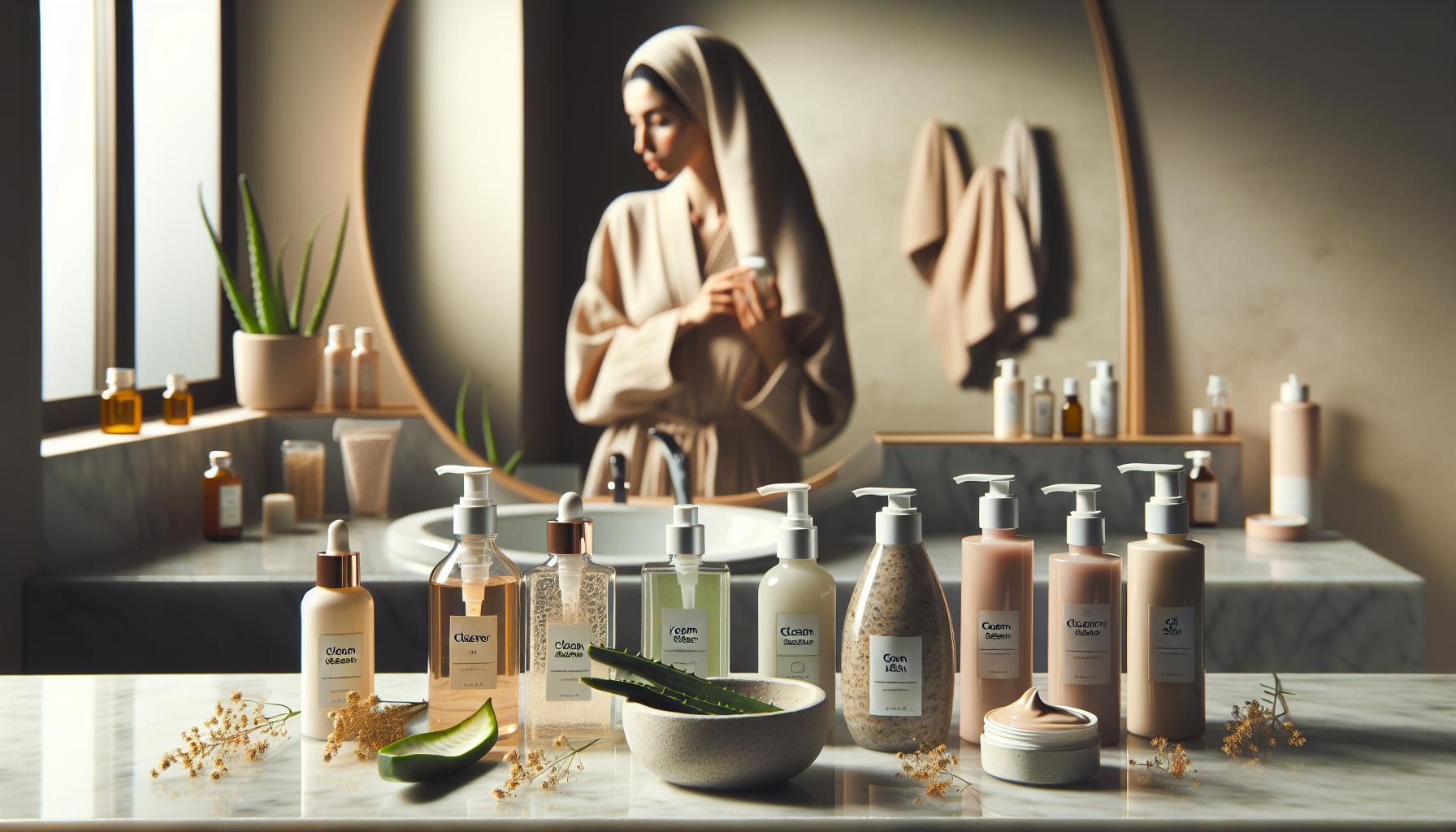
Selecting the right cleanser is essential for your skincare routine, as it can make all the difference in achieving healthy, radiant skin. Understanding the various types of cleansers available can help you find the ideal match for your skin type and concerns, ensuring that you effectively remove impurities without stripping away essential moisture.
Each cleanser is uniquely formulated to cater to specific skin needs. Here are some popular types:
Gel Cleansers
Ideal for oily and acne-prone skin, gel cleansers often contain ingredients like salicylic acid to help reduce excess oil and prevent breakouts. They work by deeply cleansing the pores while maintaining a light texture, making them refreshing and effective. A good example is a foaming gel that produces a light lather, which can be massaged into damp skin and rinsed away to leave the skin feeling clean without feeling tight.
Cream Cleansers
Particularly suitable for dry or sensitive skin, cream cleansers are rich and hydrating. They help to nourish the skin while gently removing makeup and impurities, making them perfect for those who often experience dryness after washing their face. When using a cream cleanser, a dime-sized amount applied with your fingertips in gentle, circular motions will suffice. This method not only cleanses but also enhances blood circulation in the skin.
Oil Cleansers
Oil cleansers are excellent for all skin types, including oily skin, as they dissolve makeup and sunblock effortlessly. They work on the principle of “like dissolves like,” meaning the oils will attract and remove the oils trapped on your skin. For an effective cleanse, massage the oil into dry skin first to break down impurities, then rinse with warm water for a refreshing finish.
Micellar Water
Perfect for on-the-go cleansing, micellar water contains tiny oil molecules (micelles) suspended in water. This gentle cleanser can remove makeup and impurities without the need for rinsing, making it ideal for quick touch-ups or travel. Simply saturate a cotton pad with micellar water and swipe it over the skin-no need to rinse, making it a quick and convenient option.
When deciding on your cleanser, consider your skin’s unique needs: if you have oily skin, a gel or foaming cleanser may suit you best, while dry skin might benefit from a creamy formulation. Always remember to test products on a small area first if you have sensitive skin to avoid irritation. Choosing the right cleanser can not only enhance your skin’s health but also ensure that your subsequent skincare products work effectively, paving the way for a glowing complexion.
Key Ingredients to Look for in Your Cleanser
A great cleanser goes beyond simply washing your face; it can feature a range of key ingredients that address specific skin concerns while providing nourishment. Understanding these ingredients can empower you to make better choices that suit your unique skincare needs. Here’s a closer look at vital components to seek in your ideal cleanser.
Active Ingredients for Your Skin Type
When selecting a cleanser, first consider your skin type and its needs. For those with oily or acne-prone skin, ingredients like salicylic acid are invaluable. This beta-hydroxy acid penetrates deep into pores, helping to dissolve excess oil and prevent breakouts, while also offering gentle exfoliation. On the other hand, if your skin tends to be dry or sensitive, hyaluronic acid is a must-have. It draws moisture into the skin and retains it, ensuring your cleanse feels hydrating rather than stripping.
Soothing and Nourishing Components
Look for ingredients that soothe and nourish your skin as well. Aloe vera is a fantastic addition, known for its calming properties. It can help reduce redness and irritation, making it ideal for sensitive skin types. Additionally, ceramides play a critical role in maintaining the skin’s barrier, preventing moisture loss and keeping your skin healthy and plump. These lipids are perfect for anyone looking to combat dryness in their cleansing routine.
Antioxidants for Protection
Integrating antioxidants like vitamin C or green tea extract can also elevate your cleansing game. These powerful ingredients fight free radicals that cause skin aging and damage, creating a protective shield as you cleanse. They’re especially beneficial for city dwellers or anyone exposed to environmental stressors.
Understanding pH Balance
Lastly, it’s essential to choose a cleanser with a pH level that aligns with your skin’s natural acidity, which typically falls between 4.5 and 5.5. Using a product with the right pH can help prevent your skin from becoming too oily or too dry. A balanced cleanser ensures that your overall skincare routine is effective and that subsequent products work well without irritation.
Incorporating these informed choices into your cleansing routine not only enhances your skin’s health but also sets a solid foundation for the rest of your skincare regimen. Remember, the right cleanser can make a world of difference, delivering the results you desire without compromising your skin’s integrity.
Common Cleanser Mistakes to Avoid for Healthy Skin
Common missteps in cleansing can detract from your skincare routine, leaving you with less-than-desirable results. Understanding these mistakes is vital in ensuring your skin stays healthy and glowing. Here are some common cleanser errors to watch out for:
Rushing the Process
Many people make the mistake of washing their faces too quickly. This hurried approach can prevent your cleanser from effectively breaking down dirt and oil. Take the time to gently massage a dime-sized amount of cleanser onto wet skin using circular motions for about 30 seconds. This not only ensures thorough cleansing but also allows the active ingredients to work effectively.
Using the Wrong Cleanser
Choosing a cleanser that doesn’t match your skin type is another frequent pitfall. For instance, using a harsh cleanser on dry skin can strip natural oils and cause irritation. Ideally, those with oily skin should opt for gel-based cleansers with salicylic acid, while dry skin types benefit from creamy cleansers containing hyaluronic acid. Always read labels and select a product designed for your specific skin needs.
Neglecting to Rinse Thoroughly
Leaving residue on your skin is a critical mistake that can lead to clogged pores and breakouts. Make sure to rinse your face thoroughly with lukewarm water after cleansing. A good rule of thumb is to ensure that no product remains on your skin-this creates a clean slate for any other skincare products you may apply after cleansing.
Over-Cleansing
Cleansing your face too often can be detrimental, particularly for sensitive or dry skin. Strive to cleanse twice a day-morning and night-as this balances removing impurities without compromising your skin’s barrier. If you’ve been sweating or wearing makeup, consider a gentle double cleanse approach, but be cautious not to overdo it.
Recognizing and correcting these common cleansing mistakes can greatly improve your skincare regimen. By approaching your cleansing routine with intention and care, you’ll be on the path to achieving healthier, more radiant skin.
The Role of Cleansers in Your Skincare Routine
Cleansers play a crucial role in achieving healthy, radiant skin. Think of your cleanser as the foundation of your skincare routine; just as a clean canvas is essential for a beautiful painting, starting with a clean face is vital for effective skincare. Whether you’re battling acne, overcoming dryness, or simply maintaining a fresh complexion, using the right cleanser can make all the difference. A good cleansing routine helps remove dirt, makeup, excess oils, and impurities that accumulate throughout the day, preparing your skin to better absorb the nourishing products that follow.
The cleansing step is about more than just aesthetics; it’s about maintaining your skin’s health over time. Cleansing regularly can help prevent issues like breakouts and dullness, which often stem from clogged pores and dead skin cells. It’s also important to note that not all cleansers are created equal. Different skin types require specific formulas-gentle, hydrating cleansers for dry skin, and foaming or gel cleansers for oily or acne-prone skin. Choosing the right product tailored to your individual skin needs ensures optimal results in your skincare routine.
Additionally, the method of cleansing is just as significant as the product you choose. For example, massaging the cleanser onto your skin allows for better distribution and effectiveness, removing impurities more thoroughly. Taking just a minute to focus on this step can ensure that your skin feels fresh and revitalized. Incorporating this diligent cleansing routine helps create a smooth base for the following products-serums, moisturizers, or treatments-allowing them to penetrate better and work their magic effectively.
To sum up, a well-formulated cleanser is an indispensable ally in maintaining not just a fresh face but also overall skin vitality. Investing in a quality cleanser and adopting a mindful cleansing routine is a simple yet powerful action you can take towards healthier skin. Remember, consistency is key, and making cleansing a priority will yield long-term benefits for your complexion.
How to Properly Use a Cleanser: Step-by-Step Guide
To effectively cleanse your skin, it’s important to follow a method that maximizes your cleanser’s benefits while minimizing any potential irritation. Here’s a step-by-step guide to make the most of your cleansing routine.
Start by wetting your face with lukewarm water. This temperature is ideal as it helps to open up the pores without causing irritation. Next, take a small amount of your chosen cleanser-usually about a dime-sized amount is sufficient. If you’re using a gel or foaming cleanser, it’s best to apply it to damp skin so it can lather up properly.
Gently massage the cleanser into your skin using circular motions for about 30 seconds. This not only helps to remove dirt and impurities effectively but also stimulates circulation. Be sure to cover all areas of your face, including the forehead, cheeks, chin, and the often-missed areas around the nose and jawline. If you’re wearing makeup, especially heavier formulations or sunscreen, consider using a makeup remover first for a thorough cleanse.
After massaging your cleanser, rinse your face well with lukewarm water. Make sure to wash away all traces of the product, as residual cleanser can lead to dryness or irritation. Pat your face dry with a clean towel-avoid rubbing, as this can disturb your skin’s natural barrier.
Finally, follow up with your regular skincare routine. Applying a toner, serum, or moisturizer immediately after cleansing can lock in hydration and continue addressing your skin’s specific needs. By incorporating this simple yet effective cleansing method, you set a solid foundation for your entire skincare regimen, allowing your products to work better and your skin to glow with health.
Cleansers for Specific Skin Concerns: A Tailored Approach
Choosing the right cleanser for your specific skin concerns isn’t just a matter of preference; it can significantly impact your skin health and appearance. Different skin types-whether oily, dry, sensitive, or combination-have unique needs that can be alleviated with the right cleansing product. Understanding these needs allows you to tailor your skincare routine effectively, ensuring your skin feels and looks its best.
For oily and acne-prone skin, gel or foaming cleansers often do the trick. These types of cleansers contain ingredients like salicylic acid or benzoyl peroxide, which help to remove excess oil and bacteria while unclogging pores. When choosing a product, look for one that is non-comedogenic, meaning it won’t contribute to future breakouts. A gentle exfoliating cleanser may also be beneficial, as it can help remove dead skin cells that could lead to clogged pores.
If you have dry or sensitive skin, you’ll want to opt for cream or oil-based cleansers. These products hydrate the skin while they cleanse, ensuring that your natural moisture barrier remains intact. Ingredients such as glycerin or hyaluronic acid can provide a soothing effect and replenish essential moisture. Avoid harsh exfoliants or alcohol-based products, which can strip the skin of its natural oils and exacerbate dryness or irritation.
For combination skin, balancing is key. A gentle foaming cleanser might work well for the oilier sections, but you could also look for a mild cream formulated to tackle dry patches. This could be a versatile cleanser that cleans without being overly harsh-look for one that has a balanced pH and includes nourishing ingredients like aloe vera or chamomile.
Ultimately, understanding your skin’s specific concerns and needs is essential. Always remember to patch test new products and observe how your skin reacts before fully incorporating them into your routine. By selecting the right cleanser tailored to your unique skin type, you can lay a healthy foundation for the rest of your skincare routine, allowing other products to work more effectively.
The Impact of Cleanser pH on Your Skin Health
Maintaining the right pH balance in your cleanser is crucial for skin health. The skin’s natural pH typically hovers between 4.5 and 5.5, which is slightly acidic. This acidity is vital for protecting your skin from harmful bacteria and environmental pollutants while promoting a healthy, youthful appearance. When you use a cleanser that maintains this optimal pH range, you help preserve the skin’s natural barrier, known as the acid mantle. Cleansers that are too alkaline can disrupt this balance, leading to dryness, irritation, or breakouts.
Using a low pH cleanser can enhance your skin’s ability to retain moisture and prevent water loss. For instance, cleansers formulated with gentle surfactants that respect this balance work effectively without stripping essential oils from the skin. Look for products that contain hydrating ingredients like glycerin or aloe vera, which not only cleanse but also help replenish moisture during the washing process. When cleansing too frequently or with inappropriate products, you risk damaging this delicate equilibrium, which could exacerbate conditions like acne, eczema, or rosacea.
Choosing the right cleanser based on its pH can make a considerable difference in your skincare routine. Ideally, opt for cleansers labeled as “pH-balanced” or those that specifically state their pH level. Conducting a patch test with new products can also help you gauge your skin’s reaction before committing to a full routine. As you explore different options, remember that a product designed to enhance your skin’s natural chemistry will generally lead to healthier skin.
In summary, always consider the pH of your cleanser as part of your daily routine. A balanced pH helps maintain the integrity of your skin barrier, ensuring it remains resilient against external aggressors and promoting an overall healthier complexion. By selecting the right cleanser, you invest in the foundation of a successful skincare regimen, allowing other products to perform at their best.
When to Consider Double Cleansing: Is It Necessary?
Double cleansing is a technique that has gained popularity, especially among those who wear makeup or use sunscreen regularly. The idea is simple: you start with an oil-based cleanser to lift away makeup and sebum, followed by a water-based cleanser to remove any remaining impurities. This two-step process can leave your skin feeling exceptionally clean and ready for the next steps in your skincare routine.
If you often find that your regular cleanser isn’t quite getting the job done, especially after a long day or after strenuous activities, double cleansing might be the answer. Oil-based cleansers adhere to oil and makeup, effectively breaking down stubborn products without resorting to harsh scrubbing. For example, applying a pump of oil cleanser on dry skin allows it to dissolve even waterproof makeup. Follow this with a gentle foaming or cream cleanser to wash away the remnants. The result? A fresh canvas without excess product that can lead to clogged pores or breakouts.
That said, double cleansing isn’t a necessity for everyone. If you have sensitive skin or if you don’t wear much makeup, a single cleansing step may suffice. It can also be beneficial on days when your skin feels particularly dry or irritated. Keeping a close eye on how your skin reacts is critical – if it feels stripped or tight after cleansing, consider simplifying the process.
Ultimately, the key is to listen to your skin’s needs. On days when you’ve applied heavier products or after a night out, consider giving double cleansing a try. For everyday use, stick to what feels best for your unique skin type, ensuring your cleansing game remains both effective and gentle.
The Benefits of Natural vs. Chemical Cleansers
Choosing between natural and chemical cleansers can feel overwhelming, but understanding the key differences will help you make an informed decision that suits your skin type and lifestyle. Natural cleansers typically contain plant-based ingredients, essential oils, and botanical extracts that are less likely to irritate sensitive skin. For example, a cleanser with chamomile or aloe vera can help soothe and hydrate your skin while gently removing impurities. On the other hand, chemical cleansers often use synthetic ingredients and specialized compounds designed for specific skincare concerns, such as alpha-hydroxy acids (AHAs) and beta-hydroxy acids (BHAs) that effectively slough away dead skin cells and unclog pores.
Natural cleansers can be a fantastic choice for those who prefer a more holistic approach to skincare. They boast benefits like being environmentally friendly and often free from harsh preservatives and artificial fragrances. However, their effectiveness can vary based on your skin’s needs. For example, if you’re dealing with acne, a natural cleanser may not penetrate deeply enough to address the underlying issues. Here, a chemical cleanser containing salicylic acid could be more beneficial, as it targets bacteria deep within pores and helps prevent future breakouts.
When it comes to usage, it’s essential to know your skin type and specific concerns. If you have oily or acne-prone skin, a chemical cleanser may provide a more tailored solution, delivering immediate and noticeable results. Conversely, if you have dry or sensitive skin, a natural cleanser might offer gentler care, promoting a healthy moisture barrier without stripping your skin of its natural oils.
Ultimately, the best cleanser is one that aligns with your skin’s needs and personal values. Consider testing both types to see how your skin reacts. You might find that a combination works best-using a natural cleanser in the morning to refresh and a chemical-based one at night to thoroughly cleanse after a long day. Embrace the journey of discovering what makes your skin feel clean, balanced, and happy!
Debunking Myths: What You Really Need to Know About Cleansers
Many myths surround facial cleansers, and it’s important to separate fact from fiction to ensure you’re giving your skin the best care possible. One common misconception is that all cleansers are created equal; however, this couldn’t be further from the truth. Each cleanser is formulated to achieve specific results, making it crucial to understand which type suits your skin’s unique needs. For instance, people often think that a foaming cleanser will always provide a deeper clean, but this can vary based on the formula’s ingredients. A gentle cream-based cleanser might effectively remove impurities without stripping your skin of essential moisture, particularly for those with dry or sensitive skin.
Another myth frequently encountered is the belief that your cleanser should leave your skin feeling tight and dry to be effective. In reality, skin that feels tight after cleansing is often a sign of irritation or over-drying, indicating that the cleanser may be too harsh. Instead, your skin should feel comfortable and refreshed. If it doesn’t, consider switching to a milder or hydrating formula that better suits your skin type. Ingredients like glycerin or hyaluronic acid are excellent for maintaining moisture levels and should be prioritized if your skin tends to be dry or tight after washing.
Additionally, there’s a widespread notion that using more cleanser means cleaner skin. This is a myth that can lead to damage rather than benefits. Over-cleansing can disrupt the skin’s natural barrier, potentially leading to breakouts, redness, or irritation. It’s important to remember that a small amount-typically a dime-sized amount-is usually sufficient. Applying it gently with circular motions and rinsing well is often all you need to achieve a clean, healthy complexion.
Understanding these myths provides clarity and empowers you to make informed decisions about your skincare regime. Embrace the journey of finding the right cleanser for you, and remember that what works wonders for one person may not suit another. By prioritizing your skin’s needs over industry trends or common misconceptions, you can foster a healthy, glowing complexion that feels as good as it looks.
Faq
Q: What is the primary function of a cleanser in skincare?
A: The primary function of a cleanser is to remove impurities, dirt, and excess oil from the skin. This essential step prepares your skin for further skincare products, helping to enhance their effectiveness and promote a clearer, healthier complexion.
Q: How often should I use a facial cleanser?
A: You should use a facial cleanser twice a day, once in the morning and once before bedtime. This routine helps to remove daily build-up and prevent clogged pores, ensuring your skin remains fresh and vibrant.
Q: Can a cleanser help with acne?
A: Yes, a cleanser can help with acne by removing excess oil and dirt that may clog pores. Look for cleansers containing salicylic acid or benzoyl peroxide, as they are effective in treating and preventing acne breakouts.
Q: What are the signs that my cleanser is not working?
A: Signs that your cleanser is not working may include persistent breakouts, dry or irritated skin, or a dull complexion. If your skin feels tight or looks congested after cleansing, it may be time to reconsider your product.
Q: Should I use warm or cold water when cleansing my face?
A: Use lukewarm water when cleansing your face. It effectively helps to dissolve dirt and oil without stripping your skin of its natural moisture, unlike hot water, which can be drying.
Q: Do I need a separate cleanser for my eye area?
A: Yes, it’s best to use a gentle eye makeup remover for the delicate eye area. Regular facial cleansers can be too harsh and may irritate this sensitive skin, so opt for products specifically designed for eyes.
Q: Is double cleansing beneficial for all skin types?
A: Double cleansing is beneficial for many skin types, especially those with heavy makeup or excess oil. However, if you have very dry or sensitive skin, a single, hydrating cleanser may be sufficient to avoid irritation.
Q: How do I choose the right cleanser for my skin type?
A: To choose the right cleanser, identify your skin type. For oily skin, look for gel-based cleansers with salicylic acid. For dry skin, creamy or hydrating cleansers are best. Normal or combination skin types can benefit from gentle foaming cleansers. Always consider the ingredients to suit your specific needs.
The Way Forward
Now that you understand the vital role a cleanser plays in your skincare routine, it’s time to take action! Remember, a good cleanser not only removes dirt and impurities but can be the foundation for healthier, glowing skin. If you’re still unsure about which cleanser suits your skin type, don’t hesitate to check out our guides on choosing the right cleanser for oily or dry skin.
Explore our in-depth articles on skincare routines for different skin types and the benefits of exfoliation to enhance your regimen. Your skincare journey doesn’t stop here; sign up for our newsletter to receive monthly tips directly to your inbox!
We’d love to hear from you-what cleanser do you use? Share your thoughts in the comments below! Remember, the first step to amazing skin starts with cleansing, so make sure you’re prioritizing it in your daily routine.