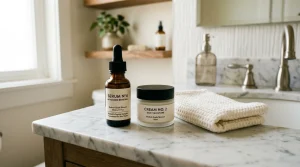
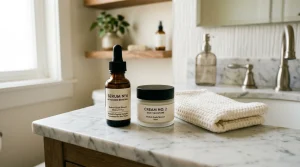
Did you know that oil cleansers can be a game-changer in your skincare routine? If you’re struggling with whiteheads, you may be wondering if these unique products can help clear your skin while nourishing it at the same time. Many people face the frustration of stubborn whiteheads that just won’t budge, leading to a cycle of ineffective treatments. In this article, we’ll explore how oil cleansing works, what you can realistically expect in terms of results, and tips for incorporating it into your skincare routine. By the end, you’ll have a clearer understanding of whether oil cleansers can be your secret weapon against whiteheads, helping you achieve that smooth, radiant complexion you desire. Let’s dive in!
Does Oil Cleanser Really Work on Whiteheads?
Using an oil cleanser may seem counterintuitive when trying to tackle whiteheads, but many people find that it can be surprisingly effective. Oil cleansing works on the principle that “like dissolves like”-the oils in the cleanser can help breakdown and lift away excess sebum, dirt, and makeup from your skin, which can contribute to whiteheads. Unlike harsh cleansers that strip the skin of its natural oils, oil cleansers maintain moisture, allowing your skin’s natural balance to be preserved.
When it comes to whiteheads, which are essentially clogged pores filled with sebum and dead skin cells, oil cleansers can help by breaking down the oils in the clogged pores. Ingredients like jojoba oil and grapeseed oil are excellent choices as they closely resemble the natural oils produced by your skin. This compatibility allows them to penetrate the pores more effectively, aiding in the removal of blockages while keeping your skin hydrated.
While you might not see instantaneous results, consistent use of an oil cleanser can lead to a noticeable reduction in the appearance of whiteheads over time. Many users report smoother skin and fewer breakouts after incorporating oil cleansing into their skincare routine. Just remember, the key is to choose a non-comedogenic oil-this means it won’t clog your pores-so you can reap the benefits without exacerbating your whitehead issue. Keep your expectations realistic, as results may vary based on your skin type and other factors, but many have found oil cleansing to be a gentle yet effective solution.
The Science Behind Oil Cleansing

In the world of skincare, the principle of “like dissolves like” plays a pivotal role in understanding how oil cleansing can effectively tackle whiteheads. This means that oils can help dissolve and lift away the excess oil, makeup, and impurities that contribute to clogged pores. Unlike traditional cleansers, which often strip the skin of its natural oils (leading to irritation and more oil production), oil cleansers gently cleanse while maintaining the skin’s moisture barrier. This is especially important for those dealing with whiteheads, as keeping the skin hydrated can help prevent further blockage and breakouts.
Oil cleansers are particularly beneficial in addressing the root causes of whiteheads. Whiteheads form when excess sebum (oil) and dead skin cells clog hair follicles. By using non-comedogenic oils-those formulated not to clog pores-such as jojoba oil or grapeseed oil, you can effectively break down and help remove the sebum trapped in your pores. These oils are chemically similar to the natural oils produced by your skin, which allows them to penetrate deeply and facilitate the clearing of impurities without overwhelming your pores.
When incorporating oil cleansing into your routine, consistency is key. While some users may notice improvements in skin texture and a reduction in whiteheads shortly after starting, it could take several weeks for more significant changes to manifest. It’s also vital to apply the oil cleanser correctly-massaging a dime-sized amount into damp skin in gentle circular motions can optimize effectiveness. This not only helps to dissolve impurities but also encourages circulation, promoting healthier skin overall.
In summary, is rooted in its ability to break down impurities without drying out the skin, making it an effective approach for those struggling with whiteheads. By selecting the right oil and using consistent techniques, you can establish a calming and effective cleansing routine that promotes clearer, healthier skin.
How Oil Cleansers Remove Impurities

When it comes to removing impurities from your skin, oil cleansers are a game-changer. One of the most compelling aspects of oil cleansing is that it operates on the principle of “like dissolves like.” This means that oil can effectively break down and wash away other oils, including the excess sebum and buildup that contribute to whiteheads. Unlike traditional foaming cleansers that can be harsh and strip your skin of its natural moisture, oil cleansers work gently, helping to maintain your skin’s barrier while effectively lifting dirt, makeup, and oils from your pores.
When you apply an oil cleanser, you’ll experience a soothing and smooth texture that glides over your skin, allowing it to attach to impurities. As you massage it in, the oil penetrates deeply into the pores, drawing out excess oil and dead skin cells that may be clogging them. This process is crucial for combating whiteheads, which often form when sebum and dead skin cells block hair follicles. By using oils such as jojoba or grapeseed oil, which are non-comedogenic (meaning they won’t block your pores), you can help clear out what’s trapped inside without adding to the problem.
To maximize the cleansing effect, it’s important to adopt a proper technique. Apply a dime-sized amount of oil cleanser to damp skin and use gentle circular motions for about 30 seconds. This not only ensures that you’re effectively breaking down impurities but also promotes circulation, giving your skin a healthy glow. After you’re done, rinse with warm water or use a damp cloth to wipe away the oil, revealing a refreshed complexion.
In summary, oil cleansers can be your best friend in the battle against whiteheads. They not only remove impurities effectively but also work to keep your skin moisturized. By incorporating oil cleansing into your skincare routine regularly, you can experience smoother, clearer skin while minimizing future breakouts.
Understanding Whiteheads and Their Causes
Understanding the nuances of whiteheads can significantly enhance your skincare routine and help you tackle breakouts more effectively. Whiteheads, a type of acne, occur when hair follicles become clogged with excess oil (sebum) and dead skin cells. When this blockage is close to the surface of the skin, it remains white as it is covered by a thin layer of skin, making it distinct from other types of acne like blackheads.
Several factors contribute to the formation of whiteheads. Hormonal fluctuations, such as those experienced during puberty, menstrual cycles, or hormonal therapies, can increase oil production, leading to clogged pores. Additionally, lifestyle choices, such as diet, stress, and lack of proper skincare routines, also play a vital role. Foods high in sugars and dairy can exacerbate acne conditions for some individuals, while stress can trigger hormonal changes that further increase oil production in the skin.
Another important aspect is understanding the skin’s natural barrier. When this barrier is compromised due to harsh treatments or improper cleansing methods, skin can become more prone to acne, including whiteheads. Thus, facilitating gentle and effective cleansing routines, like using an oil cleanser, can help maintain skin balance by effectively removing impurities without stripping away natural oils.
To combat whiteheads, it’s essential to adopt a proactive skincare regimen. This includes regular exfoliation, which helps remove the build-up of dead skin cells, while also ensuring proper hydration to keep skin healthy without overproducing oil. By understanding the causes behind whiteheads and adjusting your skincare accordingly, you empower yourself to maintain clear and healthy skin.
Choosing the Right Oil Cleanser for You

Selecting the perfect oil cleanser can feel daunting, especially with the myriad of options available. However, understanding your skin type and the specific characteristics of various oils can simplify the process and enhance your experience in removing whiteheads effectively. The ideal oil cleanser should not only suit your skin’s unique needs but also complement your overall skincare routine to tackle those pesky breakouts.
Start by identifying your skin type: oily, dry, combination, or sensitive. For oily skin, look for lighter oils like grapeseed, jojoba, or sunflower oil, which help regulate sebum production while maintaining hydration. Conversely, if you have dry skin, heavier oils such as avocado or olive oil offer a nourishing experience and help restore moisture without leaving a greasy residue. It’s equally important to note any sensitivities you may have; in such cases, non-comedogenic oils (those that won’t clog pores) like safflower oil can be a gentle yet effective choice.
Knowing your skincare goals also plays a crucial role. If you’re struggling with acne-prone skin, oils infused with essential ingredients like tea tree oil or rosehip oil can provide antibacterial benefits while promoting cell renewal. Meanwhile, if you wish to enhance your glow, oils rich in antioxidants, such as argan oil, will help rejuvenate your skin. Look for products that feature natural ingredients and minimal additives to ensure you’re treating your skin with care.
Finally, consider the texture and scent of the oil cleansing product. Many brands offer a variety of formulas, from light and fluid to thicker, luxurious oils. It’s worth trying different textures to see what feels most comfortable during application while also being mindful of any fragrances, as these can irritate sensitive skin.
In summary, the right oil cleanser can significantly impact your ability to manage whiteheads and maintain healthy skin. Focus on your skin type, desired results, and ingredient preferences to choose an oil cleanser that matches your needs. By making informed choices, you empower yourself to achieve clearer, more balanced skin while enjoying the benefits of oil cleansing.
Step-by-Step: How to Use Oil Cleanser

To effectively use an oil cleanser for removing whiteheads, it’s essential to follow a simple yet effective method that harnesses the cleansing power of oils. This approach not only helps to clear impurities but also nourishes your skin, making it a delightful ritual.
Start by applying a generous amount of oil, around a quarter-sized amount, to dry hands. Warm the oil between your palms for a few seconds; this helps to enhance absorption when you apply it to your skin. Next, gently massage the oil onto your dry face using circular motions. Focus on areas prone to whiteheads like your forehead, nose, and chin. This step should last about 1 to 2 minutes, allowing the oil to dissolve makeup, dirt, and sebum effectively.
After massaging, it’s time to emulsify the oil. Wet your fingertips with warm water and continue to massage your face. This helps the oil emulsify, turning it milky and ensuring that it lifts away impurities. Spend another minute doing this; the warmth of the water opens your pores more, enhancing the cleansing effect.
Finally, rinse your face with warm water to remove the oil completely. For a thorough cleanse, you might want to follow up with a gentle foaming cleanser suitable for your skin type. This two-step process ensures that your skin remains clean without feeling stripped of its natural oils. Pat your skin dry with a soft towel and follow up with your usual toner and moisturizer.
Remember, doing this 1-2 times a week can significantly reduce whiteheads and improve your skin’s overall texture. Don’t forget to listen to your skin; if you notice irritation or excessive oiliness, adjusting the frequency or the type of oil used can help!
Common Myths About Oil Cleansing
Many people assume that using oil on their skin will only lead to more breakouts, especially when it comes to those pesky whiteheads. However, this belief is often rooted in common myths that can deter you from experiencing the true benefits of oil cleansing. One widespread misconception is that oil will clog your pores and exacerbate acne. In reality, oil cleansing can actually help dissolve the excess sebum that contributes to whiteheads and other forms of acne. When you apply oil to your skin, it binds to the oil in your pores, effectively dislodging impurities and allowing for a more thorough cleanse.
Another myth is that oil cleansers are only suitable for those with dry skin. In fact, people with all skin types, including oily and combination skin, can benefit from oil cleansing. The key is choosing the right oil. For instance, lighter oils like jojoba or grapeseed can work wonderfully for those with oilier skin types because they mimic your skin’s natural sebum and can help regulate oil production. On the other hand, heavier oils like coconut might be better suited for drier skin, providing extra hydration while cleansing.
Many individuals also believe that oil cleansing requires elaborate, time-consuming routines. The truth is, it can be as simple or as detailed as you want it to be. A basic routine could involve just a few minutes of massaging oil onto your face, emulsifying it with water, and rinsing. This can be easily integrated into your skincare regimen 1-2 times a week without feeling like a massive undertaking.
As with any skincare regimen, it’s crucial to have realistic expectations. While oil cleansing can significantly help reduce whiteheads, it won’t erase them overnight. Consistency and patience are key, as with any skincare approach. By debunking these myths and understanding the realities of oil cleansing, you can more confidently embrace this method as a valuable part of your journey toward clearer, healthier skin.
What to Expect After Using Oil Cleanser
After incorporating an oil cleanser into your skincare routine, you may wonder what changes to anticipate in your skin’s condition. Understanding the effects can help manage expectations and enhance your overall experience with this cleansing method.
Initially, you may notice a soft and hydrated feel to your skin. This is a direct result of the nourishing properties of many oils, which help to restore moisture without stripping the skin of its natural oils. It’s common to feel a slight film on your skin after rinsing, especially if it’s your first time using an oil cleanser. This sensation is typically a sign that the oil has done its job in breaking down impurities and makeup, setting the stage for a thorough clean.
Over time, consistent use of an oil cleanser can lead to a reduction in the appearance of whiteheads and other forms of acne. This happens because oil cleansers help to maintain the skin’s balance, preventing excessive dryness that can lead to overproduction of oil. Remember, however, that results are not instantaneous; patience is essential. It may take several weeks to see noticeable improvements in your skin texture and the reduction of whiteheads.
While transitioning to oil cleansing, some users might experience an initial breakout, often referred to as a “purging” phase. This occurs as your skin starts to adjust, releasing trapped impurities that were previously blocked by makeup or dead skin cells. If you encounter this, don’t be discouraged-it’s a temporary phase that many people experience. Stick with your routine, and you should start to see clearer skin in the weeks that follow.
Always tailor your expectations to your skin type and specific concerns. Different oils cater to various needs; for example, those prone to breakouts might find lighter oils like jojoba beneficial, while drier skin types may prefer heavier oils such as olive or avocado. Ultimately, oil cleansing can create a foundation for healthy skin over time, making it a worthy addition to your skincare arsenal.
Best Practices to Prevent Whiteheads
To keep pesky whiteheads at bay, it’s essential to adopt a few best practices that cater to your skin’s health and help maintain its balance. Just like any well-oiled machine, your skin thrives on a routine that combines gentle cleansing, moisture, and the right products. Here are some practical steps you can take:
Start by incorporating a consistent cleansing routine. Use a mild oil cleanser to dissolve makeup, dirt, and excess sebum without stripping your skin of its natural oils. Aim to cleanse your face twice a day-once in the morning and once before bed. This habit helps remove impurities that can lead to clogged pores, effectively reducing the chance of whiteheads forming.
Next, don’t underestimate the power of exfoliation. Gentle exfoliants, such as those containing salicylic acid or glycolic acid, can help slough off dead skin cells that trap oil and lead to blockages. Try exfoliating 1-3 times a week, adjusting frequency based on your skin’s sensitivity. Just remember, over-exfoliating can irritate your skin and exacerbate problems, so moderation is key.
Hydration is crucial. Use a lightweight, non-comedogenic moisturizer to keep your skin hydrated without clogging pores. Ingredients like hyaluronic acid offer moisture without the grease, making them perfect for all skin types. Moisturizing helps maintain your skin barrier, reducing the likelihood of oil overproduction that can trigger whiteheads.
Lastly, don’t overlook your diet and lifestyle. Staying hydrated by drinking plenty of water and maintaining a balanced diet rich in fruits, vegetables, and omega-3 fatty acids can positively impact your skin’s health. Regular exercise also boosts circulation, enhancing your skin’s glow and reducing stress, which can contribute to breakouts.
By integrating these actionable tips into your daily skincare routine, you’ll empower yourself to combat whiteheads effectively and pave the way for clearer, healthier skin. Remember, change takes time, so be patient and stay dedicated to your regimen.
When to Seek Professional Help
It’s not uncommon to struggle with stubborn whiteheads, and while oil cleansers can be effective for many, there are times when seeking professional help becomes essential. If you’ve diligently followed your skincare routine-using a suitable oil cleanser, exfoliating regularly, and maintaining hydration-but find that your whiteheads persist or worsen, it might be time to consult a dermatologist or esthetician. They can offer personalized advice and identify any underlying skin conditions that could be contributing to your breakouts.
Additionally, if you experience painful cystic acne or inflammation alongside your whiteheads, it’s a clear sign that professional intervention is needed. Conditions like hormonal acne or acne vulgaris may require targeted treatments, such as prescription medication or specialized facial therapies, which can provide relief and restore your skin’s balance. A professional evaluation can also help differentiate between types of acne, ensuring you receive the most effective treatment tailored to your skin type.
It’s also wise to reach out for professional guidance if you notice changes in your skin that are unusual-like increased sensitivity, redness that persists, or breakouts that appear suddenly and in clusters. These symptoms could be signs of an allergic reaction or a reaction to a product you’ve been using, which a skincare expert can help address.
Lastly, remember that it’s perfectly okay to seek help. Skin health can be complex, and professional insights can empower you to tackle issues effectively. Embrace your journey to clearer skin with the reassurance that you’re taking proactive steps toward your goals.
Are There Alternatives to Oil Cleansers?
While oil cleansers are popular for their ability to dissolve makeup and unclog pores, they aren’t the only players in the skincare game when it comes to tackling whiteheads. If you find that oil cleansing isn’t for you, or if you’re looking to mix things up, several effective alternatives can help keep your skin clear and healthy.
One excellent option is a water-based gel cleanser, which is particularly effective for oily and combination skin types. These cleansers cleanse without stripping the skin’s natural oils, making them suitable for daily use. Look for gel cleansers with ingredients like salicylic acid, which penetrates pores to clear away dead skin cells and excess oil-key contributors to whitehead formation.
Another alternative is a micellar water, a gentle yet effective option for those who prefer a no-rinse solution. Micellar water contains tiny micelles that attract dirt and oil, lifting them away from the skin. It’s perfect for quick cleansing sessions or as a first step in a double cleansing routine.
If you’re dealing with stubborn whiteheads, consider exfoliating cleansers that combine cleansing with gentle exfoliation. Products containing alpha hydroxy acids (AHAs) or beta hydroxy acids (BHAs) can help prevent buildup in the pores, reducing the chances of whitehead formation. Regular exfoliation, about 1-2 times per week depending on your skin’s sensitivity, can rejuvenate your skin by removing dead cells and promoting cell turnover.
For those seeking a more natural approach, clay cleansers can be a game-changer. Clay has oil-absorbing properties that draw impurities from the skin and can help reduce the appearance of pores. Additionally, using enzyme-based cleansers that involve fruit-derived ingredients can gently digest dead skin cells, leaving your complexion bright and clear without harsh scrubbing.
Choosing the right alternative often depends on your skin type and personal preferences. Observing how your skin responds to different cleansers will empower you to find the best fit for achieving a clearer complexion without relying solely on oil cleansers.
Real Users Share Their Experiences
Many users have shared their journeys with oil cleansers, particularly regarding their effectiveness in tackling whiteheads. One common sentiment is that while oil cleansing works wonders for makeup removal and general skin nourishment, the results can vary significantly when it comes to preventing whiteheads.
For example, a user named Jamie reported initial excitement after introducing an oil cleanser into her routine. She found that it effectively dissolved makeup and dirt, leaving her skin feeling soft. However, after a week, she noticed an increase in whiteheads around her chin. This led her to experiment with different oils, ultimately finding success using a jojoba oil-based cleanser, which mimicked the natural oils of her skin and helped to balance oil production.
Other users advise a careful approach: they suggest starting with oil cleansing only a few times per week rather than daily. Alex, another skincare enthusiast, shared that switching to a lighter oil cleanser reduced breakouts for him. He noted, “It took some trial and error, but when I found the right oil for my skin type-something that didn’t clog my pores-I saw a difference.”
It’s also important to combine oil cleansing with other strategies. For instance, Amanda highlighted the benefit of incorporating gentle exfoliation into her routine after using an oil cleanser. She explains, “I use a mild AHA exfoliant once a week after cleansing with oil. It helped eliminate dead skin buildup, which made a noticeable difference in reducing whiteheads.” This combination seems to enhance the overall effectiveness of oil cleansing for many users.
Ultimately, while many have found success using oil cleansers, it typically comes down to individual skin types and preferences. Everyone’s skin is unique, and what works for one person may not work for another. Experimentation and patience are key, and many users agree that it’s essential to listen to your skin and adjust your routine accordingly.
FAQ
Q: Can oil cleansers completely remove whiteheads?
A: Oil cleansers can effectively help remove whiteheads by dissolving excess oil and impurities in the pores. However, they may not completely eliminate stubborn whiteheads. Regular use in combination with other skincare steps, such as exfoliation, is recommended for best results.
Q: What ingredients should I look for in an oil cleanser for whiteheads?
A: Look for oil cleansers containing non-comedogenic oils like jojoba, grapeseed, or tea tree oil. These ingredients can help balance oil production and prevent clogged pores, which are key in reducing whiteheads.
Q: How often should I use an oil cleanser to combat whiteheads?
A: For effective results, use an oil cleanser 1-2 times a day. Cleanse your skin gently, allowing the oil to break down impurities without over-drying, which can lead to more oil production and worsen whiteheads.
Q: Will using an oil cleanser make my skin more oily?
A: Not necessarily. While it may seem counterintuitive, oil cleansers can help balance oil production by removing excess sebum without stripping the skin. Choose a lightweight, non-comedogenic oil for best results.
Q: How do I use an oil cleanser to target whiteheads specifically?
A: To target whiteheads, apply a dime-sized amount of oil cleanser to dry skin, massaging gently in circular motions for about 30 seconds, especially on problem areas. Follow up with a water-based cleanser to ensure all residue is removed.
Q: What should I do if oil cleansing doesn’t improve my whiteheads?
A: If oil cleansing doesn’t yield results, consider integrating exfoliation into your routine, either chemically with AHAs/BHAs or physically with gentle scrubs. Also, evaluate if your skincare products are suitable for your skin type.
Q: Are there any side effects of using oil cleansers on the skin?
A: While generally safe, some users may experience breakouts or irritation if they use the wrong oil type or have sensitive skin. It’s crucial to patch test first and choose non-comedogenic oils that suit your skin type.
Q: Can oil cleansers be used on all skin types?
A: Yes, oil cleansers can be used on all skin types, including oily, dry, or combination. It’s essential to select an oil cleanser that matches your skin type and concerns for optimal results.
Concluding Remarks
Now that you understand how oil cleansers can effectively help remove whiteheads, it’s time to consider incorporating one into your skincare routine. Remember, consistency is key! If you’re still curious about which products to choose or how to apply them, check out our guides on “Top Oil Cleansers for Clear Skin” and “Perfecting Your Double Cleansing Technique.”
Don’t hesitate to share your experiences or any questions in the comments below-we love hearing from you! For more tips and tools tailored to your skincare journey, subscribe to our newsletter and stay in the loop. You deserve to feel confident in your skin, and with the right products and knowledge, you’re well on your way. Explore, experiment, and embrace your beauty journey today!
Get our latest guides, news, and insights highlighted in your Google Search & AI Overviews.