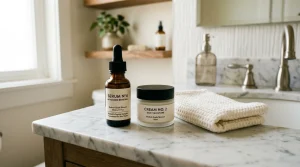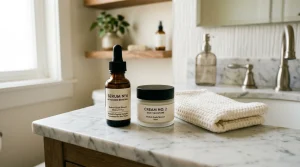
When it comes to facial cleansing, using the right amount of cleanser is crucial for maintaining healthy skin. Did you know that using too much can strip your skin of its natural oils, leading to dryness or irritation? Conversely, not using enough might leave dirt and makeup behind. The balance is key, and understanding how much to use based on your skin type and product formulation can make all the difference in your skincare routine. In this guide, we’ll explore practical tips on how to determine the ideal amount of cleanser for your needs, ensuring that your skin feels refreshed and cared for. So, whether you’re new to cleansing or looking to refine your approach, read on to discover the secrets to getting it just right!
Understanding Your Skin Type: Why It Matters
Understanding your skin type is crucial for achieving healthy, radiant skin. Each skin type-whether oily, dry, combination, or sensitive-has unique characteristics and needs. By taking the time to recognize what type of skin you have, you can select a cleanser that will effectively remove impurities without stripping away essential moisture or causing irritation.
For example, those with oily skin benefit from foaming cleansers that deeply cleanse and help control excess oil, while individuals with dry skin should look for hydrating cleansers rich in moisturizing ingredients like ceramides and hyaluronic acid. Understanding your skin type allows you to tailor your cleansing routine, ensuring that the products you use work synergistically with your skin’s natural functions.
Moreover, identifying your skin type can help prevent common cleansing mistakes. Using the wrong type of cleanser-like a harsh soap on dry skin-can exacerbate issues such as flakiness or breakouts. By choosing a product formulated for your particular skin needs, you not only support its health but also enhance the overall effectiveness of your skincare regimen. Ultimately, knowing your skin type empowers you to make informed decisions, setting the foundation for a balanced, effective cleansing routine that enhances your natural beauty.
The Ideal Amount of Cleanser for Different Skin Types
Determining the right amount of cleanser to use can make a significant difference in your skincare routine. Using too much can leave your skin feeling tight, dry, or irritated, while using too little might not remove all impurities, leaving your skin unclean. The ideal amount varies by skin type, so understanding what works best for you is key.
For those with oily skin, a general guideline is to use about 1 to 2 pumps of a gel or foaming cleanser. This should provide enough product to effectively break down excess oil and debris without overstripping your skin. If you’re using a bar cleanser, aim for a dime-sized amount lathered in your hands before applying. Those with combination skin can use a similar approach-focus on cleansing oily areas with a bit more product, while using a gentler touch on drier zones.
If you have dry or sensitive skin, less is often more. Typically, a nickel-sized amount of a cream or hydrating cleanser should suffice. Look for cleansers with moisturizing ingredients like hyaluronic acid or ceramides, which help retain skin’s moisture while still cleansing adequately. Remember, the goal here is to hydrate and cleanse without stripping essential oils from the skin.
Additionally, if you’re transitioning to a new cleanser or product, it’s wise to start with a smaller amount, such as a pea-sized portion, and gradually increase until you find the sweet spot for your skin’s needs. Reassessing your routine periodically will ensure that you’re using the right amount as your skin responds to changes in climate, hormonal shifts, or lifestyle adjustments. Finding that balance is key to maintaining healthy, happy skin.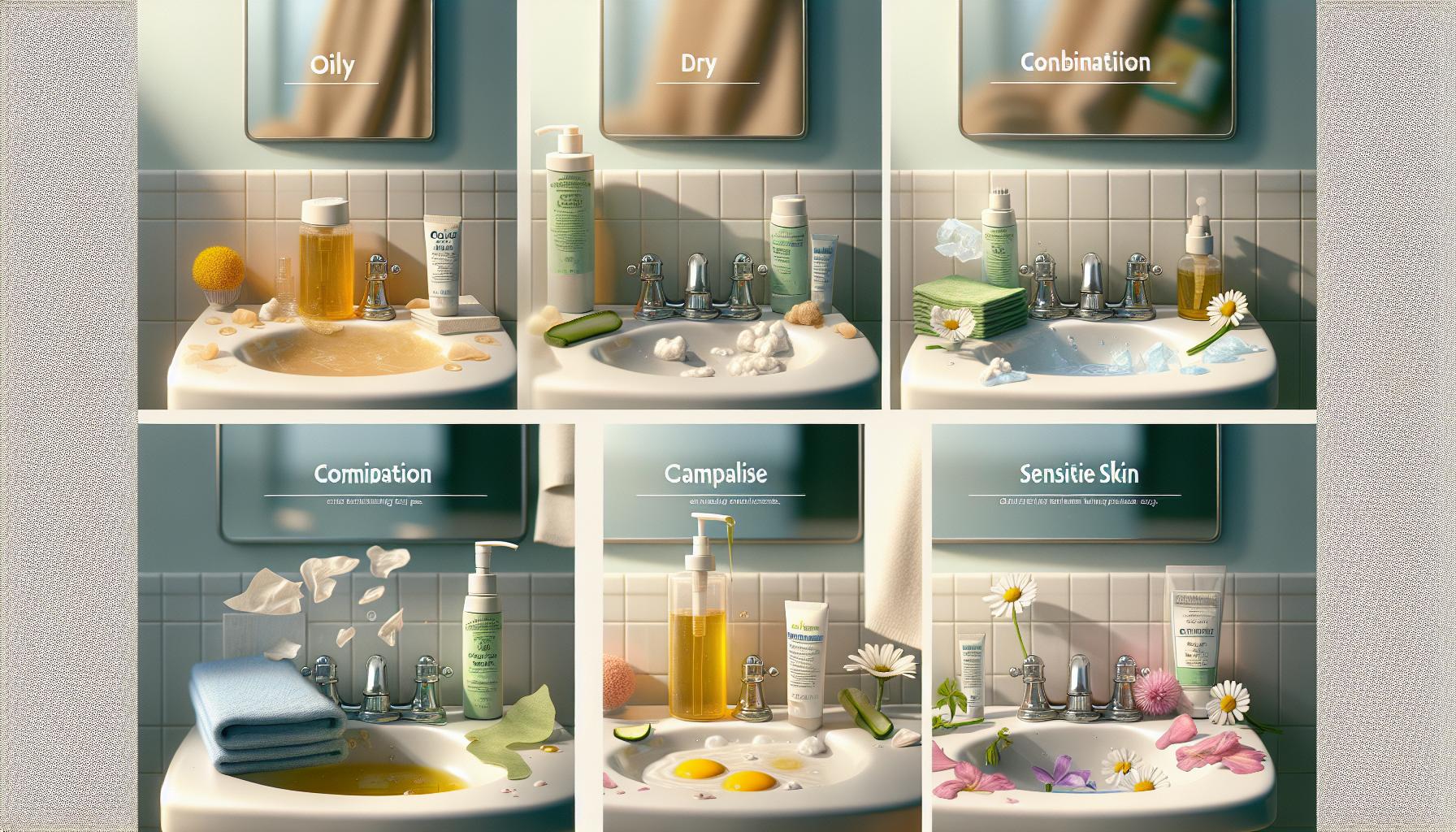
How to Measure the Perfect Cleanser Amount
Determining the right amount of cleanser to use may seem straightforward, but many people either end up using too much or too little. The perfect measurement often hinges on personal preference, skin type, and the formulation of the product. Understanding how to measure your cleanser can optimize your skincare routine, enhance the benefits, and prevent common issues like dryness or breakouts.
When measuring your cleanser, a good rule of thumb is to start with small amounts and adjust based on your skin’s response. For gel or foaming cleansers, typically, about one to two pumps is sufficient for most skin types, particularly for those with oily skin, as this will adequately break down excess oil and impurities without stripping your skin. If you’re using a bar cleanser, aim for a dime-sized amount worked into a lather in your hands before applying it to your face.
For those with sensitive or dry skin, you might find that starting with a nickel-sized amount of a cream or hydrating cleanser is appropriate. The goal is to cleanse without overly depriving your skin of moisture. As an example, after wetting your face, gently massage this amount into your skin using circular motions for about 30 seconds; this allows the formula to work effectively while nurturing your skin.
As you experiment, consider keeping track of how your skin reacts-both in terms of feel (tightness or softness) and any breakouts. Over time, you can hone in on the ideal amount that works specifically for you, allowing your skincare to be as effective as possible. If you ever change products, starting with a pea-sized amount and adjusting as needed can help you find that sweet spot again. Remember, consistency is key in skincare, so measuring your cleanser can greatly enhance your overall skin health.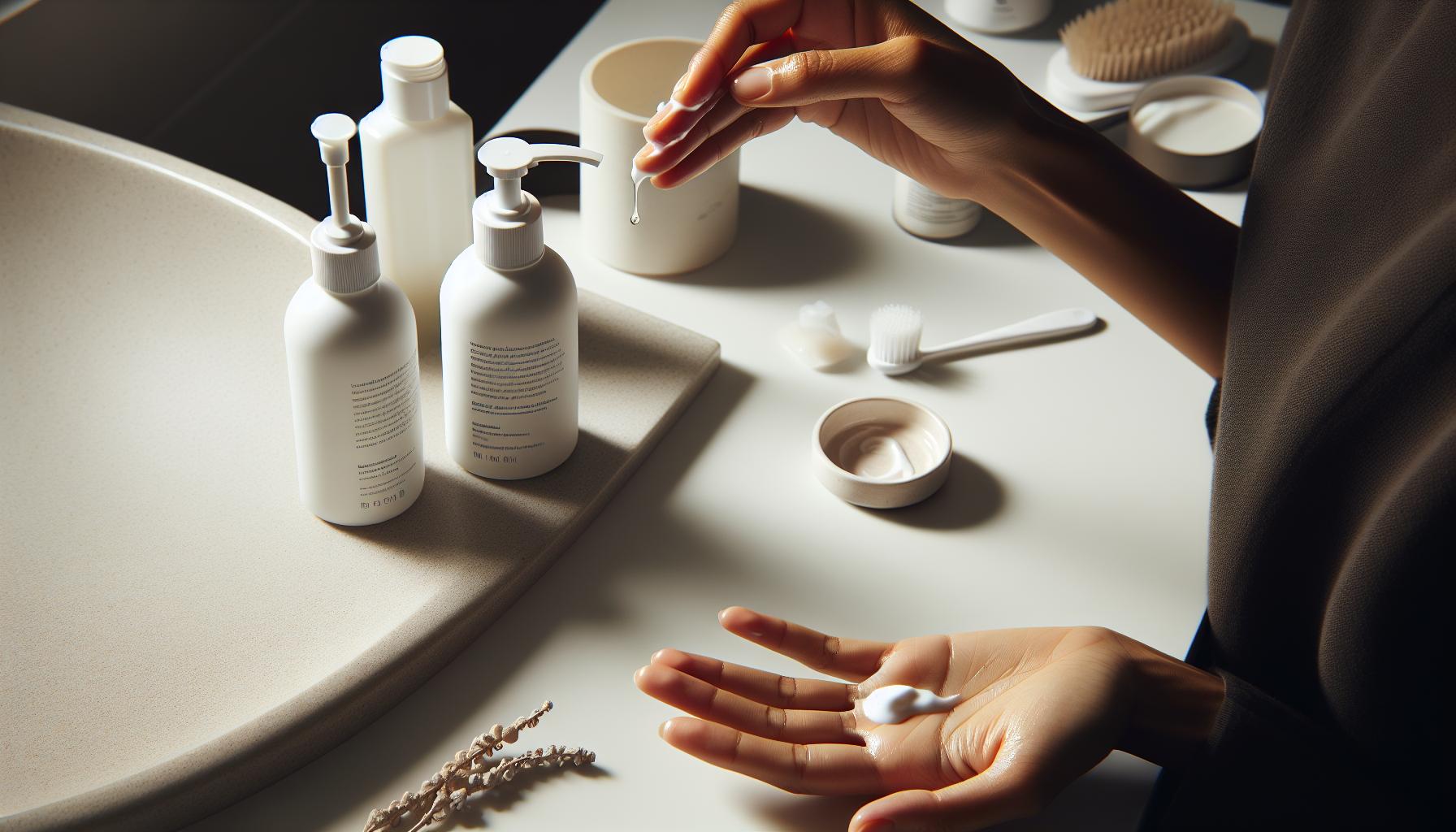
Common Mistakes: Using Too Much or Too Little Cleanser
Using the right amount of cleanser is crucial not just for effective cleansing, but also for maintaining the health and balance of your skin. One common mistake many people make is using excessive product, assuming that more means cleaner. However, slathering on too much cleanser can actually strip the skin of its natural oils, leading to dryness, irritation, or even breakouts. If you find your skin feeling tight or uncomfortable after washing, chances are you’re using too much.
On the flip side, skimping on cleanser can be equally problematic. A lack of sufficient product might not adequately remove dirt, oil, or makeup, which can contribute to clogged pores and a dull complexion. The ideal amount often depends on your specific skin type and the product formulation. For example, using just one pump of gel or foam for oily skin can effectively cleanse without over-drying. In contrast, if you’re using a creamy or hydrating cleanser, a nickel-sized amount is usually enough to nourish and clean dry or sensitive skin types.
Finding that sweet spot where your skin feels clean but not stripped might take a little experimentation. It’s beneficial to start with small amounts and adjust based on how your skin reacts. Remember to observe your skin after cleansing; if it feels oily shortly after, you may need more product, while persistent dryness suggests you might be using too much. Consistency and mindfulness in how you cleanse can make a significant difference in achieving that healthy glow.
Ultimately, treating your cleansing routine with care is key. Be mindful of your skin’s unique needs, and don’t hesitate to reassess the amount of cleanser you use, especially after switching products or as seasons change. The right approach will help keep your skin clear, healthy, and balanced.
Key Ingredients to Look for in Your Cleanser
Choosing the right cleanser goes beyond just finding a product that smells nice; it’s about understanding the key ingredients that will work best for your skin type and concerns. Knowing what to look for can make all the difference in how your skin feels after cleansing, as well as how well it performs in your overall skincare routine.
When searching for a cleanser, consider these significant ingredients based on your skin type:
- For Oily Skin: Look for cleansers with salicylic acid or tea tree oil. Salicylic acid penetrates pores to help reduce excess oil and prevent breakouts, while tea tree oil has natural antibacterial properties that can help combat acne.
- For Dry Skin: Opt for creamy cleansers containing hydrating ingredients like glycerin or hyaluronic acid. These ingredients attract moisture to the skin, ensuring that you cleanse without stripping your skin of its essential oils.
- For Sensitive Skin: Gentle cleansers with soothing ingredients such as aloe vera, chamomile, or calendula can be beneficial. These ingredients reduce inflammation and calm the skin, making them perfect for those prone to redness or irritation.
- For Combination Skin: A balancing cleanser with ingredients like witch hazel or cucumber can help regulate oil production in the T-zone while hydrating drier areas. These gentler astringents can provide a nice balance without causing excessive dryness.
Additionally, it’s crucial to watch out for ingredients that can irritate your skin. Avoid cleansers with harsh sulfates, alcohol, or artificial fragrances, as these can disrupt your skin’s natural barrier, leading to irritation and even breakouts.
Why Ingredients Matter
The ingredients in your cleanser do more than just clean; they impact how your skin feels and behaves throughout the day. For instance, a gentle pH-balanced cleanser ensures that your skin’s protective barrier remains intact, avoiding that tight, squeaky-clean feeling that often leads to dryness. This is especially important in colder months when your skin is more prone to dryness.
In summary, understanding the key ingredients in your cleanser empowers you to make informed choices that align with your skin’s unique needs. By selecting a product tailored to your skin type, you’ll effectively cleanse without compromising your skin’s overall health, paving the way for a radiant complexion.
Daily Cleansing Routines: Finding Your Balance
Finding the right balance in your daily cleansing routine is essential for maintaining healthy skin. A well-structured routine ensures that your skin is clean without being stripped of its natural oils, avoiding any irritation and promoting overall radiance. As a general guideline, it’s best to start with a modest amount of cleanser-about the size of a dime-adjusting based on your skin’s specific needs.
To make the most of your cleansing ritual, consider your skin type. For instance, if you have oily skin, you might benefit from a gel-based cleanser with salicylic acid; this helps control excess oil without over-drying. For those with dry skin, a creamy cleanser infused with moisturizing ingredients like glycerin or hyaluronic acid can effectively cleanse while providing hydration. This mindful approach can help you avoid the dilemma of over-cleansing, which often leads to that tight, uncomfortable sensation post-wash.
It’s important to establish a cleansing frequency that resonates with your lifestyle and skin condition. A common recommendation is to cleanse twice daily-morning and night-allowing your skin to recover and retain moisture during the night while also preparing it for the day ahead. However, if you have sensitive skin or a more active lifestyle, reconsidering this frequency might be beneficial. For example, washing your face at night to remove makeup and pollutants while opting for a quick rinse in the morning may suffice.
Remember, finding your balance may take a little trial and error. Pay attention to how your skin reacts; if you notice any irritation or increased dryness, adjust your cleanser amount or type. Additionally, consider seasonal changes that may affect your skin’s needs-colder months might call for a creamier cleanser to combat dryness, while hotter months may benefit from lighter, gel-based options. The key is to listen to your skin and enjoy the process of discovering what feels best for you.
Adjusting Cleanser Amounts for Seasonal Changes
As the seasons shift, so do the needs of your skin, and this includes how much cleanser you should be using. Skin can react differently to temperature changes, humidity levels, and environmental factors. Recognizing these shifts is crucial for maintaining that healthy glow without overdoing it or falling short in your cleansing routine.
In colder months, skin often becomes drier due to lower humidity levels. This is the time to consider using a slightly richer cleanser-like a cream or oil-based formulation-that can hydrate while effectively removing impurities. You might find that a quarter-sized amount feels just right for removing the product buildup often led by heavier winter skincare routines. In contrast, during the warmer months, when sweat and oil production may increase, switching to a gel-based or foaming cleanser can help manage excess oil without stripping your skin. Here, a dime-sized amount might suffice, allowing for a fresher, lighter feel.
- Dry Months (Fall/Winter): Use creamier, hydrating cleansers.
- Oily Months (Spring/Summer): Opt for lighter, gel-based cleansers.
Ultimately, how you adjust your cleanser amount is profoundly personal and may require a bit of experimentation. Taking note of how your skin reacts after cleansing can guide you-but keep in mind that it’s completely normal for your skin’s needs to fluctuate with the seasons. Try to remain mindful and adaptable, adjusting your routine as needed, perhaps aiming for slightly more or less cleanser when the weather changes. Remember, the goal is to cleanse without causing irritation or dryness, so keep tuning into your body’s signals for the best results.
Expert Tips for Cleanser Application Techniques
Understanding how to effectively apply your cleanser can significantly enhance your skincare routine, ensuring that you not only cleanse your skin but also prepare it for further treatment. The technique behind application is just as crucial as the amount and type of cleanser you use, so here are some expert tips to help you get the most from your cleansing regimen.
Start by wetting your face with lukewarm water, which helps to open up your pores and allows the cleanser to penetrate better. Then, dispense an appropriate amount of cleanser-generally, a dime-sized amount is sufficient for most formulas. Apply this cleanser to your fingertips and gently massage it onto your skin using circular motions. Aim for at least thirty seconds of this gentle massage, focusing on areas where impurities tend to accumulate, like the nose and forehead. This not only ensures you remove dirt and makeup effectively but also promotes circulation, contributing to a healthier complexion.
Remember to avoid using hot water, as it can strip your skin of its natural oils, leading to dryness and irritation. Instead, if you prefer a more invigorating cleanse, consider alternating between warm and cool water when rinsing. Cool water can help close pores and prep your skin for moisturizers afterward. After thoroughly rinsing, always pat your face dry with a clean towel rather than rubbing it, as this minimizes irritation and helps retain moisture.
Maintaining a clean and effective skincare routine is essential, but adaptability is key. Integrating tools like microfiber cloths or cleansing brushes can enhance your cleansing ritual, especially if you wear makeup regularly. These tools can provide a deeper clean but should be used with caution-aim to incorporate them once or twice a week to prevent overstimulation. Finally, keeping track of how your skin feels after each cleansing session allows you to adjust your technique as needed, ensuring you’re always meeting your skin’s unique demands.
When to Reassess Your Cleanser Quantity
When it comes to skincare, finding the right amount of cleanser can often feel like a guessing game. Many people settle into a routine without reassessing their cleanser usage, leading to potential missteps in their skincare journey. It’s crucial to check in with your cleansing routine regularly to ensure that your skin receives the care it deserves, adapting to its changing needs.
You should consider reassessing your cleanser quantity in several scenarios. For example, if you experience changes in your skin’s texture or condition-such as increased oiliness, dryness, or sensitivity-it might be time to adjust how much product you’re using. If you notice that your skin feels tight or parched after washing, you might be over-cleansing or using too much product. Conversely, if you feel like your skin is still dirty or looks dull, it may indicate you’re not using enough cleanser to remove impurities effectively.
Another important moment for reflection is during seasonal transitions. Your skin’s needs can fluctuate with the weather; for instance, cooler months often require gentler cleansing formulas and less product to prevent dryness, while warmer months may call for more potent cleansers to handle increased sweat and oil. Similarly, if you’ve switched up your skincare routine or added new products, it’s essential to evaluate how those changes affect your cleansing needs.
Finally, don’t forget to tune into your skin on a regular basis. Spending a minute after cleansing to assess how your skin feels- soft, tight, clean, or irritated-will give you valuable feedback. If you’re ever in doubt, start with a small amount of cleanser and gradually adjust based on your skin’s response, ensuring you strike the right balance for a happy, healthy complexion.
Understanding the Impact of Cleanser on Skin Health
The way you cleanse your skin plays a pivotal role in its overall health and appearance. A cleanser does more than wash away makeup and grime; it sets the stage for your entire skincare routine. Choosing the right cleanser and applying it in the right amount can significantly impact your skin’s balance, hydration, and clarity.
Using too much cleanser can strip the skin of its natural oils, leading to dryness and irritation. On the other hand, not using enough can prevent you from effectively removing dirt, oil, and makeup, leaving your skin vulnerable to breakouts and dullness. As a general rule, a dime-sized amount is often adequate, but this can vary depending on your skin type and the product’s formulation. The goal is to thoroughly cleanse without overdoing it, ensuring your skin’s protective barrier remains intact.
Moreover, the ingredients in your cleanser can either support or compromise your skin’s health. Look for gentle, hydrating ingredients like glycerin and hyaluronic acid if your skin tends to be dry. Conversely, those with oily or acne-prone skin may benefit from cleansers containing salicylic acid or tea tree oil, which can help manage excess oil and prevent breakouts. Always prioritize what feels right for your skin, as personal comfort and response are key indicators of your cleanser’s effectiveness.
Understanding the impact of your cleansing routine extends beyond just the immediate effects. Over time, the right cleanser can enhance your skin’s resilience and texture, helping it adapt to environmental stressors and prevent premature aging. Regularly reevaluating your cleansing method, especially during seasonal shifts or after introducing new products, keeps your skin thriving and balanced. Always remember to listen to your skin’s needs-it’s your best guide in achieving a clear and healthy complexion.
Traveling with Cleanser: Dos and Don’ts
Packing your skincare for travel can be a daunting task, especially when it comes to your cleanser. Using the right amount of cleanser is crucial, as it helps maintain your skin’s health even while on the go. Here are some dos and don’ts to keep in mind when traveling with your cleanser, ensuring your skincare routine stays effective without taking up too much space.
Dos:
- Choose travel-friendly sizes: Opt for mini versions of your favorite cleansers or decant them into refillable travel containers. This not only saves space in your bag but also adheres to TSA liquid restrictions.
- Measure out your cleanser: As a rule of thumb, a dime-sized amount should suffice. Use this measurement to avoid overpacking and wasting product, especially if your cleanser is highly concentrated.
- Prioritize efficacy: Bring along a product that suits your skin type and travel conditions. If your skin tends to dry out during flights or in different climates, a hydrating cleanser with ingredients like glycerin or hyaluronic acid can be beneficial.
- Protect your products: To prevent leaks, seal the cap with plastic wrap or place your cleanser in a ziplock bag. This step can save you from messy luggage!
Don’ts:
- Skip heavy exfoliants: While it might be tempting to bring that exfoliating cleanser for a fresh face, stick to gentler options while traveling. Your skin may react differently due to stress or changes in environment.
- Don’t bring everything: Resist the urge to pack multiple cleansers for different occasions. One versatile cleanser should be enough for your trip, keeping your routine simple and effective.
- Avoid products with unfamiliar ingredients: Travel can throw your skin off balance; introducing new products while away might lead to irritation. Limited ingredients are safer when you’re away from home.
- Neglect post-cleansing care: After washing your face, remember to follow up with a moisturizer. Travel often disrupts your routine, and keeping your skin hydrated post-cleansing is essential.
By keeping these dos and don’ts in mind, you can ensure your skincare routine remains effective while traveling. Remember, a little planning goes a long way in maintaining your skin’s health and balance, no matter where your adventures take you.
Frequently Asked Questions
Q: How much cleanser should I use for normal skin?
A: For normal skin, a pea-sized amount of cleanser is typically sufficient. Apply it to damp skin using gentle, circular motions for about 30 seconds. This ensures effective cleansing without over-drying your skin. Check out the section on “The Ideal Amount of Cleanser for Different Skin Types” for more tailored advice.
Q: Is it better to use more cleanser if I wear makeup?
A: No, using too much cleanser can strip your skin of natural oils. Instead, try using a makeup remover or cleansing oil before your cleanser. This gentle approach ensures effective removal without the need for excess product. Refer to “Common Mistakes: Using Too Much or Too Little Cleanser” for further insights.
Q: Can I use the same cleanser amount in winter?
A: While you can start with the same amount, adjusting your cleanser’s quantity in winter may be necessary due to drier air. Consider using a slightly larger amount if your skin feels tight after cleansing. Learn more in the “Adjusting Cleanser Amounts for Seasonal Changes” section.
Q: How do I know if I’m using too much cleanser?
A: Signs of using too much cleanser include dryness, tightness, or irritation after washing. If you notice these symptoms, consider reducing your cleanser amount and paying attention to the recommended amounts based on your skin type.
Q: Should I use a different amount of cleanser for the morning and evening?
A: Generally, the same amount of cleanser can suffice for both morning and evening routines. However, consider slightly increasing it in the evening if you wear makeup or sunscreen, as these products may require more thorough cleansing.
Q: What happens if I don’t use enough cleanser?
A: Not using enough cleanser may leave dirt, oil, and residual makeup on your skin, potentially causing breakouts or irritation. Ensure you follow the suggested amounts based on your skin type for optimal cleansing results.
Q: Can the type of cleanser affect the amount I should use?
A: Yes, different types of cleansers, like foaming or gel-based products, might require varying amounts. Always start with a small amount and adjust based on your experience and skin’s response. Refer to “Key Ingredients to Look for in Your Cleanser” for guidance on choosing the right type.
Q: Should I adjust my cleanser amount based on my skin’s condition?
A: Absolutely! If your skin feels drier or oilier than usual, consider adjusting the cleanser amount. For instance, if experiencing dryness, use a slightly smaller amount of a gentler cleanser to avoid stripping your skin’s moisture.
Key Takeaways
Now that you know the right amount of cleanser to use for your skin type, don’t let your skincare routine stop here! Remember, the key to a glowing complexion lies in consistency and proper technique. So, grab your cleanser, and make it a daily habit to pamper your skin with the right amount.
Feeling curious? Explore our articles on “How to Choose the Best Cleanser for Your Skin” and “The Essential Steps to a Perfect Skincare Routine” for more insights. And if you still have questions or specific concerns, don’t hesitate to drop a comment below. We love hearing your thoughts!
Ready to elevate your skincare game? Be sure to subscribe to our newsletter for the latest tips and tricks straight to your inbox! Your skin deserves the best, so take that next step today!
Get our latest guides, news, and insights highlighted in your Google Search & AI Overviews.