As a new or expectant parent, your skincare choices become even more significant, especially when you’re navigating the myriad of recommendations for safe products during pregnancy. Have you considered if the popular CeraVe SA Cleanser fits the bill? This cleanser, celebrated for its ability to combat acne with salicylic acid, raises questions about its safety for pregnant individuals. In this guide, we’ll explore expert opinions to address your concerns and help you make informed decisions about your skincare routine. Your skin deserves care that’s not just effective, but also safe for you and your baby. Let’s uncover the facts and ensure you know what’s best for your skin during this crucial time.
Is CeraVe SA Cleanser Pregnancy-Safe? Understanding the Basics
Understanding your skincare routine during pregnancy can feel overwhelming, especially when it comes to choosing the right cleansers. When it comes to CeraVe SA Cleanser, many expecting mothers have concerns about what ingredients they are using on their skin. The good news is that CeraVe SA Cleanser is formulated to be gentle while effectively cleansing the skin, specifically designed to remove dirt and impurities without stripping the skin of its essential moisture.
This cleanser contains salicylic acid (SA), which exfoliates the skin and can help with acne-an issue that may arise or worsen during pregnancy due to hormonal changes. However, the safety of salicylic acid in skincare during pregnancy can vary, making it essential to consult with your healthcare provider. In general, formulations that feature lower concentrations of salicylic acid are often considered safe, but your individual circumstances and skin’s sensitivity should guide your choice.
When evaluating whether this cleanser is right for you during pregnancy, consider how your skin typically responds to various ingredients. It’s not uncommon for expectant mothers to find changes in their skin, making it even more critical to use products that offer both safety and efficacy. As always, incorporate new products one at a time, so you can determine how your skin reacts, and prioritize seeking advice from a dermatologist or healthcare professional for personalized guidance.
Key Ingredients in CeraVe SA Cleanser: Are They Safe?
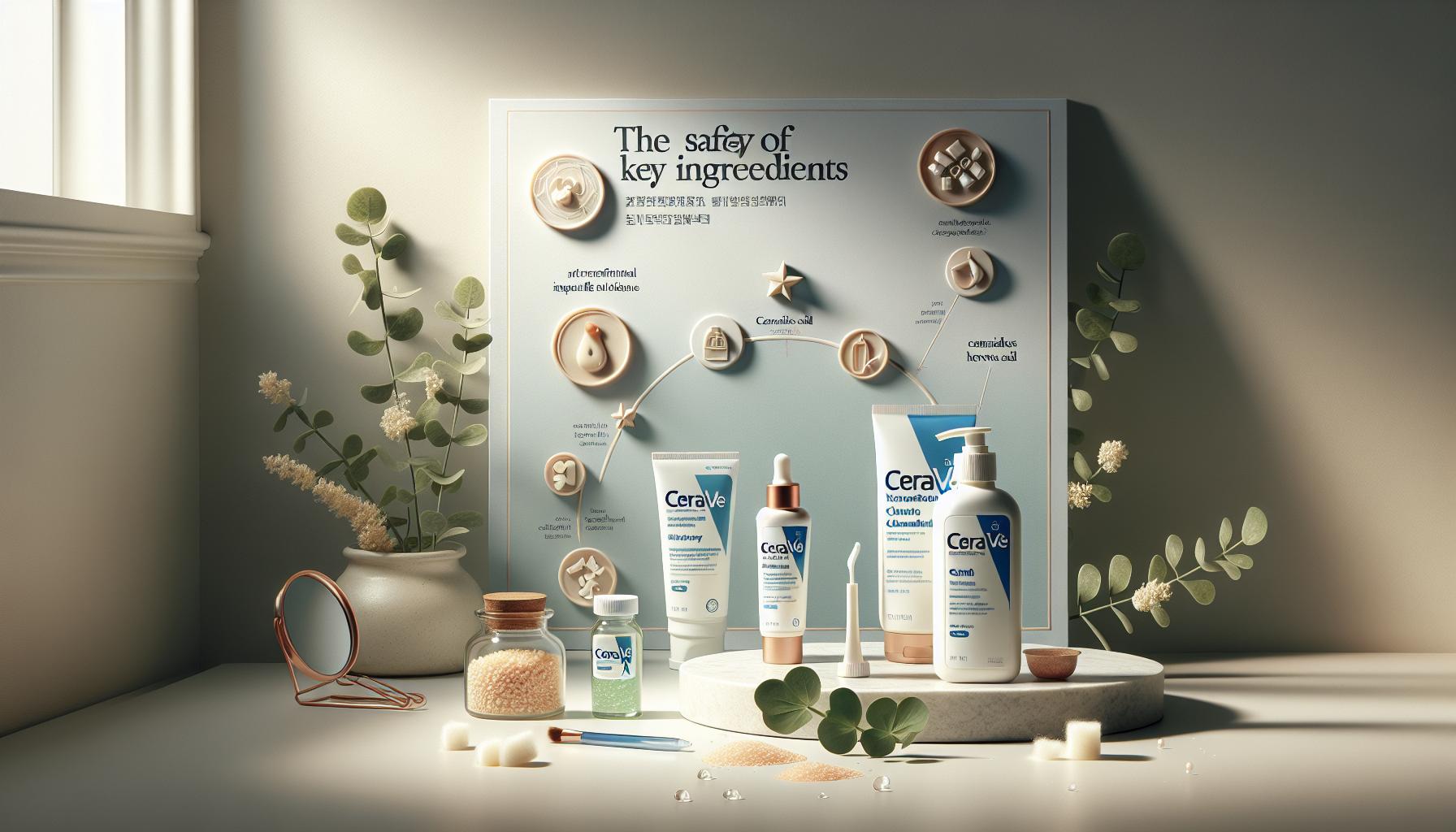
When navigating the world of skincare during pregnancy, the ingredients in your products can make all the difference. CeraVe SA Cleanser stands out with its combination of effective components like salicylic acid, ceramides, and hyaluronic acid, each playing a crucial role in its formulation. Understanding whether these ingredients are suitable for use during pregnancy is essential for expectant mothers seeking safe skincare options.
Salicylic acid (SA) is a beta hydroxy acid renowned for its ability to exfoliate and prevent acne. While it can be beneficial in managing hormonal acne, the safety of salicylic acid during pregnancy has led to mixed opinions. Many experts suggest that lower concentrations (typically less than 2%) are generally considered safe for the skin when used topically. However, it’s important to monitor your skin’s reaction, as sensitivity can increase during pregnancy.
CeraVe SA Cleanser also contains ceramides, which are essential lipids that help restore and maintain the skin’s natural barrier. These ingredients are particularly advantageous for expectant mothers, as they promote hydration and protect against dryness-a common issue during pregnancy. Additionally, hyaluronic acid provides intense moisture and helps plump the skin, making it a great option for keeping your complexion radiant amid hormonal changes.
Ultimately, while CeraVe SA Cleanser features ingredients that many dermatologists consider safe and effective, individual sensitivities can vary. Always consult with your healthcare provider before introducing new products to your skincare routine, particularly during pregnancy. Understanding your unique skin needs and preferences will empower you to make informed choices that prioritize both safety and self-care.
Expert Opinions: Dermatologists Weigh In on Safety

When it comes to skincare during pregnancy, the opinions of dermatologists carry significant weight, especially regarding the safety of active ingredients in products like CeraVe SA Cleanser. Experts typically emphasize the importance of understanding each component to ensure safety and effectiveness. Many dermatologists agree that while certain ingredients-like salicylic acid-are generally safe in low concentrations, caution should always be exercised. A common recommendation is to stick to formulations with salicylic acid concentrations below 2%, which can help manage acne without posing risks to you or your baby.
Dermatologists also highlight the benefits of the other components in CeraVe SA Cleanser. The inclusion of ceramides is particularly advantageous as these lipids help restore the skin’s barrier, which is often compromised during pregnancy. This is a crucial point, as a strong skin barrier not only enhances hydration but also protects against environmental stressors that can exacerbate skin issues. As a result, using a product like CeraVe SA Cleanser, which contains both ceramides and hyaluronic acid, may help maintain skin health amidst hormonal changes.
However, individual reactions can vary significantly during pregnancy. Sensitivity to different products may increase due to hormonal fluctuations, prompting dermatologists to advise observational practices. For many, this means patch testing a new product before full application, as well as being vigilant about any unusual skin reactions. Consulting with a dermatologist is a proactive approach; they can provide tailored advice based on your skin type and specific concerns.
In summary, while CeraVe SA Cleanser can be a suitable option for many expectant mothers, experts advocate for personalized skincare strategies. Always prioritize your unique needs, and when in doubt, seeking professional guidance can ensure your skincare routine supports both your health and your skin’s well-being during this special time.
Alternatives to CeraVe SA Cleanser During Pregnancy
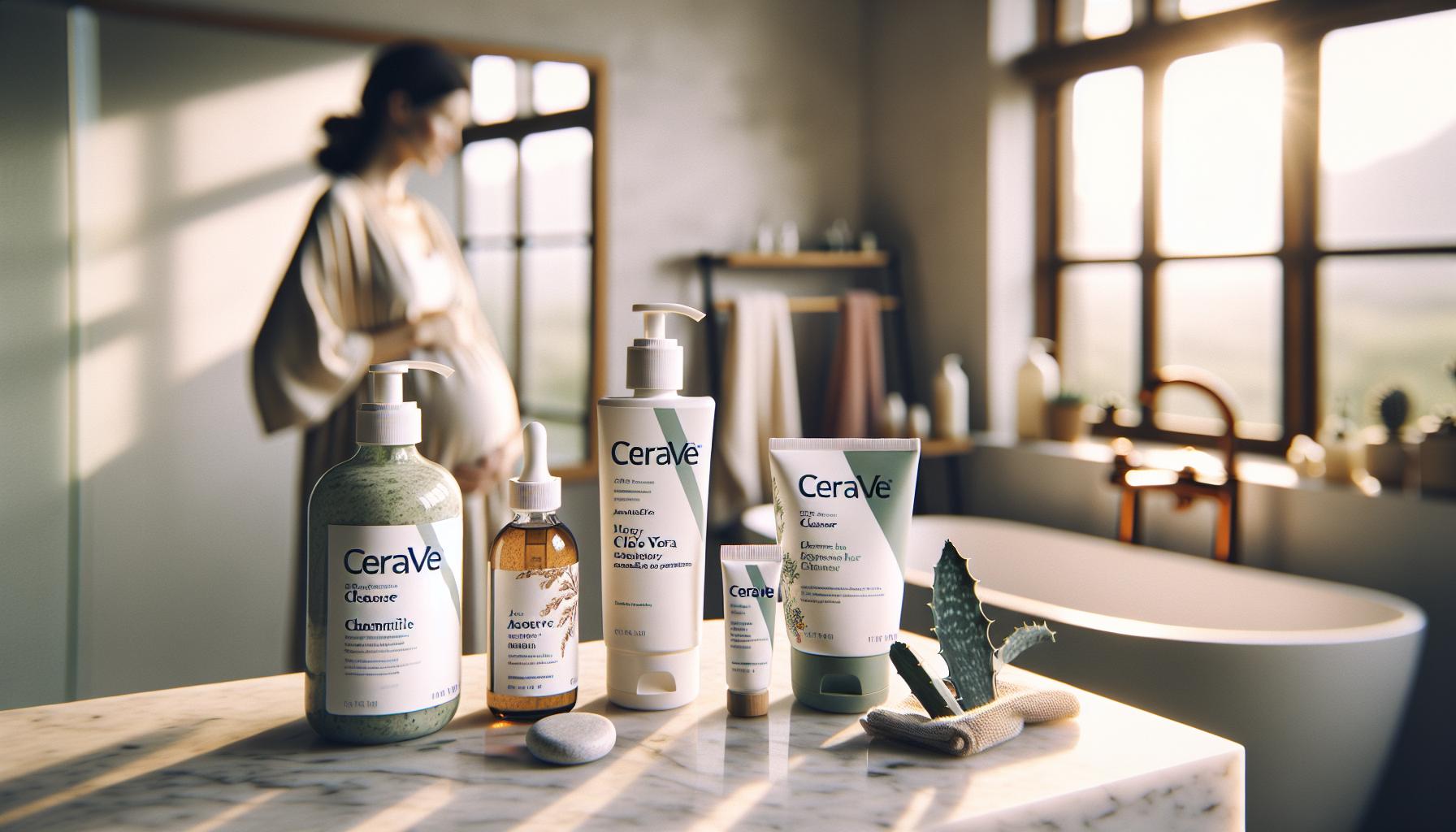
Alternatives to your current skincare routine can be crucial during pregnancy, especially if you’re concerned about the ingredients in products like CeraVe SA Cleanser. Thankfully, there are plenty of gentle, pregnancy-safe options that can provide effective cleansing without the use of potentially irritating ingredients such as salicylic acid.
One great alternative is micellar water, which works to lift away dirt and makeup without the need for rinsing. Look for brands like Bioderma Sensibio H2O or Garnier SkinActive Micellar Cleansing Water, both of which are known for their gentle, soothing formulations suitable for all skin types, including sensitive skin often encountered during pregnancy.
Another solid choice is a cream-based cleanser, which can help hydrate while cleansing. Products like Cetaphil Gentle Cleansing Lotion and First Aid Beauty Face Cleanser utilize soothing ingredients that maintain the skin’s moisture barrier, making them ideal for the hormonal changes that often lead to dryness and irritation while pregnant.
For those seeking a more organic approach, try a simple oil cleanser made from natural oils like jojoba or sweet almond oil. These oils break down makeup effectively and can leave skin feeling soft and nourished. DHC Deep Cleansing Oil is a popular option that’s free of harsh chemicals, making it a candidate for those looking to keep their skincare routine as natural as possible.
When selecting alternatives, consider setting a priority on hypoallergenic and fragrance-free options to avoid triggering any unexpected skin sensitivities. Always check for non-comedogenic labels to prevent breakouts, especially if you’re prone to acne during pregnancy.
In summary, there are many gentle and effective cleansing alternatives available that can keep your skincare routine safe during this special time. Remember to patch test any new products and consult your dermatologist if you have specific skin concerns-your skin will thank you!
Benefits of Using Gentle Cleansers for Expecting Mothers
Using gentle cleansers during pregnancy is not just a choice; it’s a thoughtful decision rooted in the unique changes your body undergoes during this time. Your skin can become more sensitive, prone to irritation, and react differently to products you may have used before. As a result, opting for mild, soothing formulations can help maintain your skin’s health while minimizing any adverse reactions. Gentle cleansers are designed to cleanse without stripping the skin of its natural oils, which is particularly important as hormonal fluctuations can lead to increased dryness and sensitivity.
Additionally, gentle cleansers often contain hydrating ingredients that can provide added comfort for your skin. Look for formulas with nourishing botanicals and minimal synthetic components. These ingredients can act as a balm for your changing skin, helping to alleviate discomfort and support the integrity of the skin barrier. Plus, using products devoid of harsh chemicals reduces the likelihood of inflammation or breakouts, making it easier to manage pregnancy-related skin changes.
Incorporating a gentle cleanser into your daily skincare routine can also set a calming tone for your day. Taking a moment to cleanse your face with a soft, effective product can become a small act of self-care during what can sometimes feel like a hectic time. When you treat your skin gently, it not only feels good but also helps you maintain a positive mindset about your body and its transformations.
Ultimately, the benefits of using gentle cleansers are clear: they promote skin health, enhance hydration, and create a peaceful daily ritual. By prioritizing these gentle options, you’re choosing to nurture your skin and yourself through every stage of pregnancy.
How to Choose Pregnancy-Safe Skincare Products
Choosing skincare products during pregnancy can feel overwhelming, especially with the influx of information about what ingredients are safe and what to avoid. A good rule of thumb is to prioritize simplicity and transparency in the products you select. Look for labels that clearly state their ingredients, allowing you to research or understand how each component might affect you and your baby.
Start by avoiding harsh chemicals commonly found in many skincare products. Ingredients like retinoids, salicylic acid, and certain essential oils may not be recommended during pregnancy. Instead, opt for products formulated with safe, gentle ingredients. Natural oils, aloe vera, and hyaluronic acid can be great alternatives, as they hydrate without overwhelming sensitive skin. Always check for fragrance-free options, as added fragrances can lead to irritation.
It’s also wise to seek out brands that specialize in pregnancy-safe skincare. Many companies produce lines specifically designed for expecting mothers, emphasizing the use of safe ingredients. For example, hypoallergenic and dermatologically tested products are typically better suited for your changing skin needs. Reading user reviews from other pregnant individuals can provide insights into how well a product performs while being safe.
Lastly, remember that everyone’s skin reacts differently. Before committing to a new product, perform a patch test by applying a small amount to a discreet area of your skin. If you experience any adverse reactions, it’s best to avoid that product. Always consult your healthcare provider or dermatologist if you have any questions about specific products, especially if you have pre-existing skin conditions or concerns. Making informed choices will help you maintain your skincare routine and keep your skin healthy during this transformative time.
Skincare Tips for Pregnancy: What to Avoid
During pregnancy, taking care of your skin is essential, but it’s equally important to know what to avoid. Certain ingredients in skincare products can pose risks or cause unwanted reactions, especially as your body undergoes significant changes. When selecting your skincare, like the CeraVe SA Cleanser, it’s crucial to prioritize safety and gentleness above all.
Firstly, steering clear of products containing salicylic acid, often found in acne-fighting cleansers, is recommended. While low concentrations may be considered safe, it’s best to err on the side of caution during this sensitive time. Similarly, retinoids and beta hydroxy acids (BHAs) should be avoided altogether. These ingredients, while effective for anti-aging and acne treatment, can affect fetal development and are best substituted with gentler options.
Another point to consider is fragrance-a common culprit for skin irritation. Many products, even those marketed towards sensitive skin, may contain synthetic fragrances that could trigger allergic reactions or sensitivity. Opt for fragrance-free alternatives to minimize the risk of irritations. Additionally, watch out for strong essential oils, as some can be not safe during pregnancy. It’s wise to consult with a healthcare provider before using any new essential oil products.
Lastly, consider avoiding products with alcohol, especially denatured alcohol, which can severely dry out the skin. During pregnancy, your skin can be more sensitive and prone to dryness, so choose hydrating ingredients like hyaluronic acid or glycerin that can provide moisture without harsh effects.
By focusing on gentle, non-irritating products, you can maintain a healthy skincare routine that supports you and your baby’s well-being. Always remember to check labels carefully and lean towards brands that are known for providing pregnancy-safe options.
User Reviews: Expecting Mothers Share Their Experiences
Navigating skincare during pregnancy can feel overwhelming, but many expecting mothers have shared their personal journeys with products like CeraVe’s SA Cleanser-and their insights can be incredibly valuable. Users often express relief at finding a cleanser that feels gentle yet effective, especially when their skin becomes more sensitive. Many reviews highlight that they appreciate the absence of strong fragrances, noting that the non-irritating formula had a calming effect on their skin.
Expecting mothers frequently mention how important it is for a product to tackle both dryness and acne without harshness. Some users reported experiencing hormonal breakouts and were thankful that the CeraVe SA Cleanser didn’t exacerbate their skin issues. For instance, one mother shared how she used the cleanser once a day during her pregnancy, combining it with a soothing moisturizer, which helped maintain her skin’s barrier while effectively cleansing away impurities.
A common theme in user reviews is the adaptability of the cleanser-many noted that it worked well for various skin types, from oily to dry. They recommend taking a moment to monitor how the skin reacts after using the product, suggesting that others do a patch test if they’re unsure about sensitivities. Several mothers advised starting slowly, perhaps using the cleanser every other day initially, to ensure it meshes well with one’s changing skin during pregnancy.
In conversations about alternatives, some expectant mothers echoed similar sentiments about prioritizing gentle, pregnancy-safe options. They express a mix of hope and caution, often emphasizing the importance of reaching out to healthcare providers when in doubt about new products. Ultimately, the shared experiences of these mothers illustrate a community finding solutions and support in navigating the sometimes tricky terrain of pregnancy skincare.
Consulting with a Dermatologist: When to Seek Advice
Navigating the world of skincare during pregnancy can indeed feel daunting, especially with fluctuating skin sensitivities and concerns. Consulting with a dermatologist can be a pivotal step in ensuring that your skincare routine remains safe and effective throughout this transformative time. They can provide tailored guidance, helping you sort through which products, like the CeraVe SA Cleanser, are suitable for your unique skin needs during pregnancy.
It’s especially important to seek advice if you experience any new or concerning skin changes. Conditions like hormonal acne, increased dryness, or heightened sensitivity are common during pregnancy, and a dermatologist can recommend specialized treatments or alterations to your routine that will be safe for both you and your baby. Even simple questions about ingredient safety or product compatibility can be addressed during a consultation, ensuring you keep your skincare regimen simple yet effective.
Moreover, if you’re considering introducing new products or if you have a history of skin reactions, having an expert weigh in can provide peace of mind. Dermatologists have the resources and experience to identify which ingredients are not only effective but also safe during pregnancy. They can help dispel myths and provide you with evidence-based recommendations tailored to your skin type and concerns.
In essence, prioritizing your skin health during pregnancy is crucial, not just for you but for your growing baby as well. Establishing an open line of communication with a dermatologist can empower you to confidently navigate your skincare choices, equipping you with the knowledge to adapt as your pregnancy progresses. Whether you’re wondering about specific ingredients, product use, or how to effectively address new skin issues, a dermatologist’s guidance can be invaluable, helping you maintain both your skin’s health and your overall well-being during this special time.
Understanding Pregnancy-Related Skin Changes
Pregnancy often brings a whirlwind of changes, not only in your body but also in your skin. Understanding the common skin changes that occur during this time can help you navigate your skincare routine effectively. Many individuals experience increased oil production or dry patches due to hormone fluctuations, making it crucial to choose products that cater to these shifting needs.
Hormonal changes, especially elevations in estrogen and progesterone, can lead to skin conditions like melasma, characterized by dark patches, often described as the “mask of pregnancy.” Additionally, some may find themselves battling unexpected acne because of these same hormonal shifts. Increased blood circulation can also trigger a beautiful pregnancy glow for some, yet for others, it can lead to conditions like eczema or heightened sensitivity.
It’s essential to listen to your skin throughout this journey. Keep a close eye on how products react with your skin; for instance, if a new lightweight moisturizer suddenly feels too heavy or causes irritation, it may be time to switch gears. Gentle cleansers, like the CeraVe SA Cleanser, are often recommended, but assessing their compatibility with your sensitive skin is key. Always prioritize hydration, as many expectant mothers experience increased dryness, particularly during the third trimester.
In summary, pregnancy-related skin changes can be varied and unexpected, necessitating an adaptable skincare strategy. Stay informed, consult with professionals when necessary, and be gentle with yourself and your skin as it navigates this transformative period.
How to Build a Pregnancy-Safe Skincare Routine
Building a pregnancy-safe skincare routine can feel overwhelming, but it doesn’t have to be. By embracing simplicity and focusing on essential products, you can care for your skin effectively during this special time. The goal is to keep your routine both gentle and effective while avoiding potentially harmful ingredients.
Start with a gentle cleanser. Opt for products that are free from harsh sulfates and strong active ingredients, especially in the early stages of pregnancy. While the CeraVe SA Cleanser is popular due to its salicylic acid content, many dermatologists suggest that pregnant women should approach salicylic acid with caution. Instead, consider a mild, hydrating cleanser like CeraVe Hydrating Cleanser or other gentle formulations that are free of active exfoliants. This will help maintain your skin’s moisture barrier without exacerbating sensitivity.
Next, incorporate a hydrating moisturizer. Look for products that contain safe ingredients like hyaluronic acid, glycerin, and ceramides, which can help bind moisture to the skin and combat dryness. Applying a soothing moisturizer twice daily can make a significant difference in maintaining hydration throughout your pregnancy.
When it comes to sunscreen, choose a mineral-based formula with zinc oxide or titanium dioxide. These ingredients sit on the skin’s surface and are less likely to irritate sensitive skin compared to chemical sunscreens. Sunscreen should be applied every morning, even on cloudy days, as your skin may be more susceptible to sun damage during pregnancy.
Finally, don’t forget about targeted treatments. If you’re dealing with specific concerns like hyperpigmentation or acne, seek advice on safe products that can address these issues without using harmful ingredients. It’s important to consult with your healthcare provider or a dermatologist when introducing any new products into your routine.
In summary, building a pregnancy-safe skincare routine revolves around choosing gentle, hydrating products while avoiding harsh chemicals. Listen to your skin, and don’t hesitate to adjust your routine as your needs change throughout your pregnancy journey. Prioritize kindness towards yourself and your skin, and remember that simplicity often yields the best results.
The Importance of Patch Testing During Pregnancy
When navigating skincare during pregnancy, ensuring the safety and compatibility of products is crucial, making patch testing a vital step. As hormonal changes occur, skin can become more reactive and sensitive, heightening the risk of adverse reactions to new products. Patch testing helps you identify any negative responses before applying a product to larger areas, allowing for a tailored approach to your skincare routine.
To perform a patch test, apply a small amount of product, such as CeraVe SA Cleanser, on an inconspicuous area of skin, like the inner forearm or behind the ear. Wait for 24 to 48 hours to observe any signs of irritation, such as redness, itching, or swelling. If no reaction appears, it is generally safe to proceed with using the product on your face or body. This simple, proactive step can help avoid potential discomfort or irritation, particularly when dealing with a dynamic skin condition during pregnancy.
Always remember that ingredients like salicylic acid, found in CeraVe SA Cleanser, may be of concern to some expecting mothers, prompting the need for precaution. Patch testing is even more critical if you have a history of sensitive skin or allergic reactions. If you experience any adverse effects during your patch test, it’s best to steer clear of the product and consult a dermatologist for alternatives that are safe for your skin and your baby. Keeping your skincare routine as nurturing and gentle as possible is essential during this transformative time.
Faq
Q: Is CeraVe SA Cleanser safe for pregnant women?
A: Yes, CeraVe SA Cleanser is generally considered safe for pregnant women. It contains gentle ingredients and is non-irritating, but it’s always advisable to consult your healthcare provider before introducing new products into your skincare routine during pregnancy.
Q: What ingredients in CeraVe SA Cleanser should I be cautious of during pregnancy?
A: Most ingredients in CeraVe SA Cleanser, such as salicylic acid, are used at low concentrations and are deemed safe. However, discussing any concerns about specific ingredients with your dermatologist is wise to ensure they’re appropriate for your individual skin type during pregnancy.
Q: Are there any potential side effects of using CeraVe SA Cleanser while pregnant?
A: While CeraVe SA Cleanser is typically safe, some pregnant women may experience increased skin sensitivity. If you notice irritation or breakouts, it’s best to discontinue use and consult a dermatologist for alternatives tailored to sensitive skin during pregnancy.
Q: How does CeraVe SA Cleanser compare to other pregnancy-safe cleansers?
A: CeraVe SA Cleanser is known for its hydrating properties and gentle formulation. Comparatively, other pregnancy-safe cleansers, like those labeled as “fragrance-free” or “sensitive skin,” can also be effective but may lack exfoliating properties, which CeraVe offers.
Q: What skincare routines should I avoid during pregnancy?
A: During pregnancy, it’s best to avoid harsh exfoliants, products with high concentrations of retinoids or benzoyl peroxide, and any chemicals that are not recommended by your healthcare provider. Opt for gentle, simple routines instead to keep your skin balanced.
Q: Can I use CeraVe SA Cleanser when experiencing pregnancy-related skin changes?
A: Yes, many women find CeraVe SA Cleanser helps manage skin changes, like acne or dryness, due to its hydrating and gentle exfoliating properties. Always listen to your skin and modify your routine based on how your skin reacts during pregnancy.
Q: Why is it important to consult a dermatologist during pregnancy?
A: Consulting a dermatologist during pregnancy is crucial because they can provide personalized advice based on your skin type and any pregnancy-related changes. They can help you navigate product safety and recommend suitable alternatives to ensure your skin remains healthy.
Q: How can I build a pregnancy-safe skincare routine?
A: To create a pregnancy-safe skincare routine, focus on gentle, fragrance-free products. Include a mild cleanser like CeraVe SA Cleanser, a hydrating moisturizer, and sunscreen. This minimizes the risk of irritation while addressing common pregnancy skin concerns.
To Conclude
When it comes to the safety of CeraVe SA Cleanser during pregnancy, the consensus is that it can be a suitable choice for many expecting mothers, thanks to its gentle formulation. Always consider individual skin needs and consult with your dermatologist to address any lingering concerns specific to your situation. If you’re on a journey of understanding skincare routines during pregnancy, check out our article on “Pregnancy-Safe Skincare Ingredients” and explore tips in “Essential Skincare During Pregnancy” that can enhance your routine.
Don’t forget to subscribe to our newsletter for the latest updates on personal care tips and product reviews tailored for you. By staying informed, you can make educated choices that benefit both you and your baby. Have questions or experiences to share? We encourage you to comment below and join our community of readers exploring the best in beauty and wellness. Remember, your skin deserves the best care, especially during this special time!
Get our latest guides, news, and insights highlighted in your Google Search & AI Overviews.