
Did you know that some people find relief from the sharp pain of proctalgia fugax through a delightful treat-ice cream? This surprising connection sparks curiosity about how soothing cold sensations and creamy textures can potentially ease discomfort during those sudden, intense episodes. For many, these distressing attacks can disrupt daily life, leaving a desire for both immediate comfort and effective solutions. In exploring whether ice cream truly offers respite, we’ll delve into its potential benefits, why cold foods might help, and practical tips for those seeking relief. Keep reading to discover if indulging in this frozen favorite could be your new go-to remedy!
What Is Proctalgia Fugax and Its Symptoms?
Proctalgia fugax is a condition characterized by sudden, brief episodes of severe pain in the rectum. This pain typically strikes without warning and can last anywhere from a few seconds to several minutes. While the exact cause remains unclear, it is often associated with muscle spasms in the pelvic floor or rectal area. This condition is more common in individuals between the ages of 30 and 60 and can affect anyone, regardless of gender.
The symptoms of proctalgia fugax primarily revolve around the acute pain experienced during episodes. Many people describe this pain as sharp, cramp-like, or stabbing, and it may be accompanied by a feeling of urgency, as if one needs to have a bowel movement. These episodes can vary in frequency, with some individuals experiencing them only once in a blue moon, while others may have them several times in a week. Although the condition can be alarming and uncomfortable, it is typically benign and does not indicate a severe underlying health issue.
Understanding proctalgia fugax is crucial, especially when considering various relief methods. Many people seek out home remedies or treatments, like ice cream, to help soothe the discomfort. Incorporating knowledge about this condition aids individuals in managing their symptoms effectively and confidently navigating their health concerns.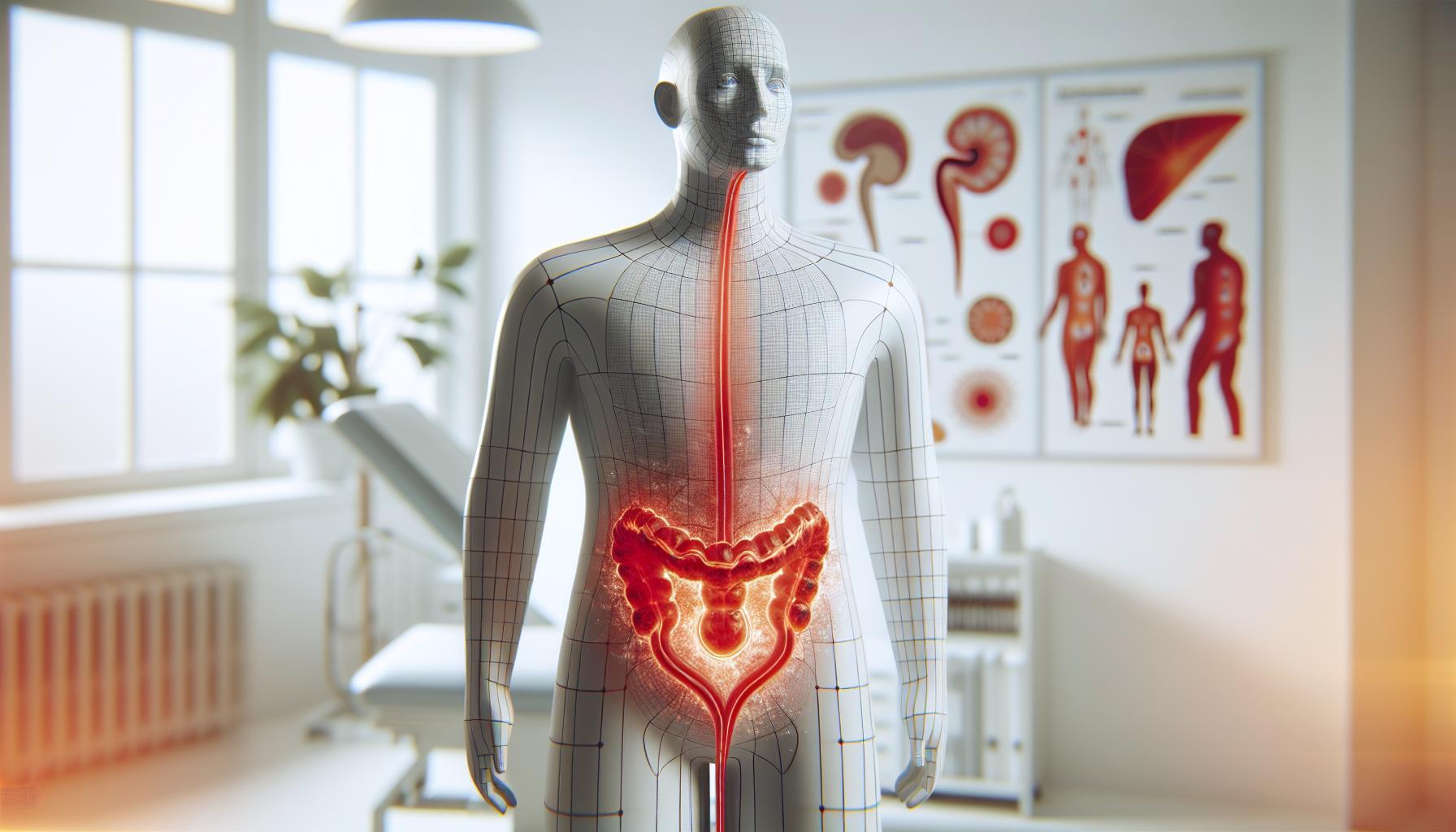
How Can Ice Cream Provide Relief?
When dealing with the sharp, sudden discomfort of proctalgia fugax, the quest for relief can lead many to unconventional remedies, including something as delicious as ice cream. Many people swear by this sweet treat for not just its comforting nature but also for its potential soothing effects on acute pain episodes. The cold temperature of ice cream might help numb the sensation temporarily, providing a sense of immediate relief that can be both comforting and enjoyable.
The idea behind using ice cream as a remedy ties into a broader principle: cold therapy. Applying cold to an area can constrict blood vessels and reduce inflammation, which may be beneficial during a painful episode. Although ice cream isn’t a clinical treatment for proctalgia fugax, its creamy texture and coolness can serve as a temporary distraction from pain. For individuals experiencing sharp, cramping sensations in the rectum, this treat may provide the comfort they need to help ease their discomfort both physically and psychologically.
For those who wish to experiment with ice cream as a relief method, a few tips can enhance its soothing potential. Opt for ice cream varieties that are lower in sugar and artificial additives, as heavy ingredients may irritate the gastrointestinal tract. Enjoying it in moderation can also ensure that this indulgence remains a joyful experience rather than an added source of discomfort. Lastly, consider pairing your ice cream ritual with a warm blanket and some deep breathing exercises to elevate the sense of relaxation and pain relief.
In summary, while ice cream may not be a scientifically validated treatment for proctalgia fugax, its cooling qualities and comfort can offer a pleasant respite during painful episodes. Using it as a soothing agent can be part of a broader self-care strategy, contributing to a more positive experience while managing this challenging condition.
The Science Behind Cold Comforts for Pain Relief
Cold therapy, often associated with reducing inflammation and numbing acute pain, plays a fascinating role in how we perceive discomfort and seek relief. When considering remedies for proctalgia fugax, understanding the physiological mechanisms behind cold application can shed light on why something seemingly simple, like ice cream, can provide comfort during painful episodes.
When cold packs or ice are applied to an area, blood vessels constrict in a process known as vasoconstriction. This can reduce swelling and limit the transmission of pain signals to the brain. Ice cream, while not a medical treatment, offers a similar cold effect due to its temperature. The creamy texture combined with coolness can provide immediate physical relief, making it a delightful distraction during intense discomfort.
Moreover, there’s a psychological aspect to this as well. Engaging in a comforting ritual, such as enjoying ice cream, can elevate mood and provide a form of emotional relief. This is particularly valuable during episodes of proctalgia fugax, where the sharp pain can cause anxiety and discomfort. A simple treat can act as a grounding technique, allowing individuals to redirect their focus and momentarily forget about their symptoms.
In summary, the science behind using cold comforts like ice cream for pain relief revolves around both physiological processes and emotional well-being. While it’s not a substitute for clinical treatment, incorporating cold items can enhance the quality of life for those dealing with proctalgia fugax, providing a sweet, soothing option amid discomfort.
Other Home Remedies for Proctalgia Fugax
Finding effective relief for proctalgia fugax can often feel like a personal journey; what works for one person might not work for another. Fortunately, there are several home remedies that might help alleviate discomfort during those unpredictable episodes.
One approach to consider is the use of warm baths. Soaking in a warm tub for about 15 to 20 minutes can help relax the pelvic muscles and provide soothing relief from pain. Adding Epsom salts to your bath can enhance the relaxing effect, as it may help reduce inflammation.
Another effective method is the application of heat to the affected area. A heating pad or a hot water bottle placed on the lower abdomen can stimulate blood flow and relax tense muscles. Aim to apply heat for 15-30 minutes at a time, making sure it’s at a comfortable temperature to avoid burns.
Gentle stretches and yoga poses can also provide relief by promoting muscle relaxation. Poses like Child’s Pose or Reclined Bound Angle Pose are especially beneficial for easing pelvic tension. Spend a few minutes each day focusing on your breath and relaxing your body to see if this helps alleviate symptoms.
Stay hydrated and maintain a high-fiber diet to promote regular bowel movements and prevent constipation, which may contribute to proctalgia fugax episodes. Incorporate whole grains, fruits, and vegetables into your meals. Consider keeping a food diary to identify if any specific foods might trigger your symptoms.
Lastly, stress management techniques such as meditation and deep breathing should not be overlooked. The mind-body connection can be powerful, and finding effective ways to manage stress may reduce the frequency and intensity of pain episodes. Try practicing mindfulness or meditation for a few minutes daily to promote relaxation and improve your overall well-being.
Each of these remedies serves to target different aspects of discomfort associated with proctalgia fugax. Give them a try, and remember that it’s always best to consult with a healthcare provider for tailored advice, especially if your symptoms persist or worsen.
When to Seek Professional Help
Seeking professional help is an essential step for anyone dealing with recurrent pain associated with proctalgia fugax. If your episodes are frequent or severe, or if they lead to significant distress, consulting a healthcare provider can provide clarity and direction. Persistent or escalating symptoms may indicate a more serious underlying condition that needs attention, so don’t hesitate to reach out-your health deserves attention.
When to consider a visit to your doctor:
- Worsening Symptoms: If the level of pain becomes unbearable or the duration of episodes increases, this can signal a need for professional evaluation.
- Accompanying Symptoms: Keep an eye out for additional symptoms such as bleeding, changes in bowel habits, or unexplained weight loss. These signs should prompt immediate medical attention.
- Impact on Daily Life: If the discomfort interferes with your daily activities, sleep, or emotional well-being, it’s crucial to seek help. Pain that disrupts your life is not something you should endure alone.
- Ineffective Home Remedies: If you’ve tried various home remedies without experiencing any relief, your healthcare provider can suggest alternative treatments or medications that may be more effective for your situation.
Each individual’s pain management journey is unique, and a healthcare professional can help tailor a plan specific to your needs. Remember, you are not alone in this, and seeking help is a strong and positive first step toward finding lasting relief.
Preventing Proctalgia Fugax Episodes
Managing proctalgia fugax can feel daunting, but there are effective strategies to help reduce the frequency and severity of episodes. One key aspect of prevention lies in understanding your body’s triggers and making simple lifestyle adjustments. Recognizing what might provoke your symptoms, such as certain foods or stress, can empower you to take proactive steps to minimize discomfort.
One of the most impactful changes you can make is to incorporate relaxation techniques into your daily routine. Stress and anxiety are known culprits for triggering proctalgia fugax, so methods like deep breathing exercises, yoga, or meditation can be incredibly beneficial. Aim for just 10-15 minutes a day to start-creating a calm environment can help you connect with your body and reduce tension.
Diet also plays a vital role in preventing episodes. Keeping a food diary can help you identify any problematic foods that might be exacerbating your condition. High-fiber foods are generally recommended to support digestive health, which may ease rectal spasms. Stay hydrated, too; drinking plenty of water aids digestion and can prevent constipation, which can contribute to discomfort.
Lastly, consider establishing a regular bowel routine. This can involve going to the bathroom at the same time each day, which can help train your body to anticipate and create a more relaxed experience during bowel movements. By maintaining awareness of your body and prioritizing these prevention strategies, you can significantly improve your quality of life and reduce the occurrences of proctalgia fugax.
Dietary Considerations for Reducing Discomfort
Diet can play a crucial role in managing the discomfort associated with proctalgia fugax. Eating the right foods can help alleviate symptoms and minimize the frequency of painful episodes. It’s essential to focus on a balanced diet that emphasizes fiber-rich foods, hydration, and mindful eating habits.
One effective dietary adjustment is increasing your intake of high-fiber foods. Fiber helps promote regular bowel movements, which can ease rectal spasms and reduce discomfort. Consider incorporating sources like whole grains, fruits, vegetables, and legumes into your meals. Examples of high-fiber foods include:
- Oats
- Brown rice
- Beans and lentils
- Fresh fruits like apples and pears
- Vegetables such as broccoli and carrots
In addition to fiber, staying well-hydrated is key. Drinking plenty of water throughout the day helps maintain digestive health and can prevent constipation, which is a common trigger for proctalgia fugax. Aim to drink at least 8 glasses (about 64 ounces) of water daily, adjusting based on your activity level and climate.
Beyond fiber and hydration, keeping a food diary can be beneficial. This practice allows you to track your eating habits and pinpoint any foods that might trigger discomfort. If you notice specific items that coincide with painful episodes, consider reducing or eliminating them from your diet.
By approaching your diet mindfully and making these adjustments, you can take proactive steps to manage your symptoms. A balanced diet supporting digestive health not only helps in alleviating pain but also enhances your overall well-being. Remember that consistency is vital, and small changes can lead to significant improvements over time.
Expert Insights: What Doctors Say About Ice Cream
When discussing potential remedies for proctalgia fugax, ice cream might seem like a delightful solution, especially given its soothing, cold nature. Many doctors note that cold treatments can help mitigate pain and provide a sense of relief. Ice cream, being both cold and creamy, may temporarily numb the discomfort in the rectal area and offer psychological comfort due to its associations with indulgence and childhood.
However, expert opinions vary about the efficacy of ice cream specifically for proctalgia fugax relief. Some healthcare professionals suggest that while the cold sensation may numb pain temporarily, ice cream’s ingredients-particularly dairy-can be problematic for some individuals. For those sensitive to lactose, consuming ice cream might lead to further digestive issues, potentially exacerbating discomfort rather than alleviating it. Hence, it’s essential to consider the individual’s dietary sensitivities and how they react to dairy products.
If you are contemplating using ice cream as a remedial option, it’s advisable to take a mindful approach. Opt for lactose-free varieties or alternatives such as sorbet, which can deliver the cold sensation without the risk of dairy-related discomfort. Listening to your body and observing how it reacts after consuming ice cream will be crucial. Remember, while the creamy texture and cold relief might provide immediate comfort, maintaining a balanced diet and discussing long-term strategies with your healthcare provider will yield the best results in managing proctalgia fugax effectively.
In conclusion, while ice cream might offer quick, temporary relief for some, it’s important to weigh the benefits against potential downsides. Engaging healthcare providers in discussions about this can help ensure that you’re making the most informed choices regarding your comfort and dietary habits.
Personal Anecdotes: Stories from Proctalgia Fugax Sufferers
Finding relief from proctalgia fugax can sometimes feel like a personal journey, with each individual’s experience shaping their approach to managing discomfort. For many, the quick fixes often evoke fascinating stories that blend humor, nostalgia, and practicality.
One sufferer, Sarah, shares her experience: “When an episode strikes, I’ve found that a few scoops of ice cream feel like a cool hand on a fevered forehead. It’s not just the flavor that brings comfort; it’s that childhood memory of sitting on the porch, savoring a cone on a hot day. It’s almost like the cold numbs the pain, but I also watch what I eat afterward to ensure I don’t upset my stomach even more.” Sarah’s experience highlights how personal memories and emotional connections can enhance the soothing effect of certain foods like ice cream.
Another individual, Mike, recalls a distinctly different encounter with ice cream: “The first time I tried it for proctalgia, it worked like magic! But then came the stomach ache, and I realized I’d overdone it with a whole pint. Now, I stick to just a couple of spoonfuls of lactose-free options. They help take the edge off, but I’m careful not to overindulge-it’s about balance!” Mike’s anecdote serves as a reminder that moderation is essential; while ice cream can be appealing, listening to your body is key to finding lasting relief.
For those exploring remedies, it’s crucial to note how individual stories can influence outcomes. Another user, Lisa, mentions, “I’ve found sorbet to be more effective than ice cream for me. The sweetness and the chill help without making my belly feel bloated.” This underscores the importance of tailoring comfort foods to personal tolerances-what works for one person might not for another.
As these experiences illustrate, the quest for relief from proctalgia fugax can be enriched by personal anecdotes. While ice cream may serve as a go-to comfort food for some, it’s essential to stay mindful of how different ingredients and their quantities affect individual symptoms. Whether it’s a scoop of ice cream or a sorbet, each story reinforces the need for a proactive and personalized approach to managing discomfort.
Understanding the Emotional Connection to Pain Relief
There’s a comforting connection between food and emotional well-being, and when dealing with the discomfort of proctalgia fugax, this bond becomes even more significant. Ice cream, with its creamy texture and cold temperature, can transport us back to simpler times, evoking memories of childhood and carefree days. This emotional nostalgia can play a vital role in pain relief. Much like a warm hug, the act of enjoying something sweet can distract from the discomfort and create a positive mental space.
Strong emotional responses to food are not uncommon. For example, the pleasure derived from savoring ice cream can stimulate the release of endorphins, the body’s natural pain relievers. This pleasurable feeling isn’t just about the flavor; it’s also tied to the memories and experiences that come with it. When someone recalls a joyous moment while enjoying ice cream, they may find solace and relief during painful episodes. Thus, the psychological aspect of consuming comforting foods shouldn’t be overlooked when managing discomfort.
Additionally, finding relief in ice cream often comes from how it makes individuals feel about themselves and their bodies. Those suffering from proctalgia fugax may experience anxiety or embarrassment surrounding their condition. Indulging in a treat like ice cream can serve as an act of self-care, allowing individuals to reclaim a sense of control and normalcy in their lives. Balancing indulgence with moderation is essential, as positive associations with food can help navigate through painful moments without leading to additional discomfort later on.
In understanding this emotional connection, it becomes clear that addressing pain is not just about the physical symptoms but also about fostering a supportive and comforting environment. By embracing the holistic relationship between food, emotion, and pain relief, those experiencing proctalgia fugax can better manage their episodes and cultivate a more compassionate approach to their wellness journey. In this regard, ice cream can be more than just a treat; it can be a source of comfort and strength.
Dos and Don’ts: Managing Proctalgia Fugax Effectively
Experiencing proctalgia fugax can be an uncomfortable and puzzling journey, but understanding how to effectively manage it can make a significant difference. Here are some essential dos and don’ts to help navigate through those unexpected episodes of pain.
Dos:
- Stay Hydrated: Drinking plenty of water is crucial for digestive health, which may help reduce the frequency of episodes. Aim for at least 8 glasses a day, adjusting based on your activity level and climate.
- Try Cold Treatments: Applying an ice pack wrapped in a towel to the affected area can provide immediate relief during painful episodes. Use it for 10-15 minutes to numb discomfort.
- Practice Relaxation Techniques: Stress can exacerbate the condition, so incorporate mindfulness or deep-breathing exercises into your routine. Techniques like yoga or meditation can help create a sense of calm and reduce anxiety surrounding the pain.
- Maintain a Healthy Diet: Focus on a balanced diet rich in fiber. Foods like fruits, vegetables, and whole grains can help prevent constipation, thereby reducing strain during bowel movements which can trigger pain.
Don’ts:
- Don’t Ignore the Pain: While episodes can be fleeting, it’s important to recognize and address your discomfort rather than brushing it off. Keeping a pain diary can help identify triggers and effective relief strategies.
- Avoid Processed Foods: High-fat, sugary, or heavily processed foods can lead to digestive issues. Minimize these in your diet to support your overall gut health.
- Don’t Strain or Rush Bowel Movements: Take your time in the bathroom, and never force a bowel movement. Listen to your body and allow it to act naturally.
- Don’t Self-Diagnose or Delay Seeking Help: If episodes persist or worsen, consult a healthcare professional. Early intervention can often make a significant difference in managing symptoms effectively.
Ultimately, managing proctalgia fugax is a personalized journey where proactive care and mindful practices make all the difference. Through understanding your body’s signals and adjusting your lifestyle, you can find a balance that minimizes discomfort and enhances your quality of life.
Exploring Alternative Treatments and Therapies
Experiencing sudden, sharp pain can be incredibly distressing, especially when it strikes unexpectedly. For those dealing with proctalgia fugax, seeking relief is often a top priority. While ice cream has gained attention for its potential soothing effects, it’s important to explore a range of alternative treatments and therapies that might provide additional comfort.
One common approach is heat therapy. Applying a warm compress or heating pad to the lower back or pelvic area can help relax the muscles and alleviate tension, which may reduce the intensity of pain episodes. Aim to apply heat for about 15-20 minutes, taking care not to use it directly on the skin to avoid burns.
Another interesting option is biofeedback. This technique involves using sensors that connect to your body to teach you how to recognize and control physiological functions, such as muscle tension and pain perception. By gaining awareness of bodily signals, individuals can learn to manage stress and anxiety, both of which can contribute to proctalgia fugax episodes.
Additionally, practicing gentle stretching and yoga can promote relaxation and flexibility in the pelvic region. Poses that focus on releasing tension in the hips and lower back, like the child’s pose or seated forward bend, are particularly beneficial. Consider dedicating 10-15 minutes a day to gentle stretching to help alleviate discomfort over time.
Don’t overlook the power of conversation and support. Talking with friends, family, or a support group can help alleviate some of the emotional burden associated with chronic pain. Sharing experiences not only normalizes your struggles, but can also lead to valuable insights on coping strategies from those who understand what you’re going through.
Ultimately, combining these alternative treatments with traditional approaches can create a comprehensive plan for managing proctalgia fugax. Experimenting with various methods allows you to discover what works best for you, ensuring a more balanced and peaceful approach to this challenging condition.
Faq
Q: Can ice cream help relieve pain from proctalgia fugax?
A: Yes, ice cream may provide temporary relief from proctalgia fugax due to its cold temperature, which can numb nerve endings and reduce discomfort. It’s important to consume it in moderation to avoid digestive issues, as excessive dairy can sometimes lead to bloating or discomfort.
Q: What are other cold foods that might soothe proctalgia fugax?
A: Besides ice cream, other cold foods such as yogurt, frozen fruit bars, or smoothies can also provide soothing effects. The cold helps in numbing pain and may relieve symptoms, similar to ice cream. Always monitor how your body reacts to different foods.
Q: How does cold temperature alleviate proctalgia fugax symptoms?
A: Cold temperature numbs pain receptors and can reduce inflammation in the affected area. This can create a soothing effect that alleviates the sharp pain associated with proctalgia fugax, making it a practical option for relief during episodes.
Q: Are there any risks to using ice cream for proctalgia fugax relief?
A: While ice cream can provide temporary relief, it may also cause digestive discomfort for some individuals, particularly if lactose intolerant. Moderation is key; consider non-dairy alternatives if lactose is a concern.
Q: How often can I use ice cream for proctalgia fugax relief?
A: Ice cream can be consumed occasionally during flare-ups for relief. However, it’s crucial to balance it with other treatments or remedies and not rely solely on ice cream, as it should not replace medical advice or ongoing treatment.
Q: Should I consult a doctor about using ice cream for proctalgia fugax?
A: Yes, if you find yourself frequently relying on ice cream for relief, it’s a good idea to consult a doctor. They can provide advice on managing symptoms and suggest more effective treatments tailored to your condition.
Q: Can other home remedies complement ice cream for proctalgia fugax relief?
A: Absolutely! Other remedies include warm baths, heat packs, and over-the-counter pain relievers. Combining these methods with ice cream may provide a more comprehensive approach to managing pain episodes.
Q: How can dietary changes help prevent proctalgia fugax episodes?
A: Dietary changes such as increasing fiber intake and staying hydrated can significantly help prevent proctalgia fugax episodes. Understanding food sensitivities and maintaining a balanced diet are crucial in managing this condition effectively.
Concluding Remarks
While ice cream may provide temporary relief from the discomfort of proctalgia fugax due to its soothing properties, it’s essential to understand the underlying causes and explore all possible solutions. If you found this information helpful, consider exploring our related articles on soothing home remedies for digestive discomfort or tips for managing rectal pain.
Don’t hesitate to share your experiences in the comments below; your insights could help others facing similar challenges! For more guidance, be sure to sign up for our newsletter, where we share practical advice and the latest trends in wellness and personal care. Remember, taking proactive steps today can lead to greater comfort and well-being tomorrow. Keep exploring our resources, and let’s work together towards a more comfortable lifestyle.
Get our latest guides, news, and insights highlighted in your Google Search & AI Overviews.