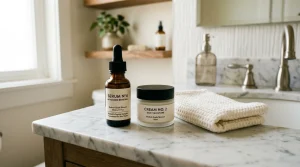
If you’re grappling with acne or oily skin, you may have heard about salicylic acid cleansers touted as a miracle solution. These cleansers are renowned for their ability to gently exfoliate and unclog pores, making them a go-to for many skin care routines. But is it truly safe to use them every day? Balancing effectiveness with skin health is key, especially as overuse can lead to irritation or dryness. In this article, we’ll explore the pros and cons of daily salicylic acid use, helping you determine whether this popular ingredient can fit seamlessly into your regimen or if moderation is the way to go. Stick around to uncover expert advice and practical tips that can elevate your skincare game!
Is Salicylic Acid Right for Daily Use?
Using salicylic acid daily can be a game changer for many, but whether it’s the right choice for you depends on several factors, including your skin type and sensitivity. Salicylic acid is praised for its ability to penetrate pores and dissolve excess oil and dead skin cells, which can help prevent breakouts and promote clearer skin. However, it also has potent exfoliating properties, which might make daily use too harsh for some, particularly those with sensitive or dry skin.
For individuals with oily or acne-prone skin, incorporating a salicylic acid cleanser into your daily routine can lead to significant benefits. It works effectively to reduce the buildup of sebum and dead skin, ultimately helping to prevent the appearance of acne. However, if you experience irritation, excessive dryness, or peeling, it may be a sign that daily use is too aggressive. In such cases, consider reducing frequency or choosing a lower concentration product.
Finding Your Balance
Consider starting with a couple of times a week, then gradually increase usage if your skin tolerates it well. Keeping an eye on how your skin responds will guide you-every skin type is unique! It’s always wise to listen to your skin; if it feels tight or looks red, scale back and consult a dermatologist for personalized advice.
Ultimately, it’s about understanding your skin’s needs. If salicylic acid feels too harsh, don’t hesitate to explore alternatives or incorporate soothing ingredients that complement its benefits without overwhelming your skin.
The Benefits of Daily Salicylic Acid Cleansers

Regularly using a salicylic acid cleanser can be transformative for many skin types, especially for those battling acne or oiliness. This powerful ingredient works by deeply penetrating the pores to dissolve excess oil and remove dead skin cells, making it a go-to solution for preventing breakouts and promoting clearer, healthier skin. Daily use can lead to visibly improved texture and tone, helping to minimize the appearance of blemishes over time.
One of the standout benefits of a daily salicylic acid cleanser is its ability to control excess oil production. For those with oily or combination skin, this means fewer shine issues throughout the day, helping to maintain a fresh and matte appearance. Moreover, it not only combats acne but also addresses associated problems like blackheads and whiteheads by preventing clogged pores. By consistently exfoliating the skin, salicylic acid helps reduce the buildup that leads to these stubborn imperfections.
In addition to its acne-fighting properties, a salicylic acid cleanser can enhance the overall effectiveness of your skincare routine. When used daily, it allows for better penetration of subsequent products, such as serums and moisturizers, which can work more effectively on clean, smooth skin. This holistic approach leaves your skin feeling rejuvenated and ready to absorb the benefits of your entire regimen.
However, it’s crucial to choose the right formulation and concentration for your skin type. A lower concentration might be more suitable for sensitive skin, while higher concentrations can be beneficial for those with more resilient skin. Always remember, it’s about finding what works best for you, and listening to your skin is key. If you experience excessive dryness or irritation, adjusting the frequency or formulation may be necessary.
Potential Risks of Using Salicylic Acid Everyday

Using salicylic acid daily can seem appealing, especially if you’re striving for clear, healthy skin. However, with its potent exfoliating properties come certain risks that are important to consider. This powerful beta hydroxy acid can provide remarkable improvements but using it too frequently or in high concentrations might lead to unwanted side effects.
One of the most common concerns with daily salicylic acid use is skin irritation. Symptoms like redness, peeling, and dryness can arise, particularly if your skin is on the sensitive side. Many users report that after an initial period of clarity, their skin becomes reactive, developing dryness or even a rash. To mitigate these risks, it’s wise to start slow. Consider using a milder formulation or incorporating it into your routine just a few times a week, gradually increasing as your skin adjusts.
Additionally, overuse of salicylic acid can disrupt your skin’s natural barrier, which is crucial for maintaining hydration and overall health. This may lead not only to dryness but also to an increase in oil production as your skin tries to counteract the dryness. Hence, it’s essential to hydrate your skin properly, using a nourishing moisturizer after cleansing, to maintain balance.
Before jumping into daily application, assess your skin type and concerns carefully. If you’re already facing issues like eczema or rosacea, daily use could exacerbate your condition. Always listen to your skin’s needs and don’t hesitate to talk to a dermatologist if you’re uncertain about how often to use products containing salicylic acid. Remember, finding the right balance is key to achieving and maintaining healthy skin without unnecessary irritation.
How to Incorporate Salicylic Acid in Your Routine
Incorporating salicylic acid into your skincare routine can be a transformative step towards clearer skin, but it’s essential to do so mindfully. Start by selecting a product that suits your skin type. If you have oily or acne-prone skin, look for a cleanser or toner with salicylic acid as a key ingredient. For sensitive or dry skin, consider a gentler formula with a lower concentration to minimize irritation while still benefiting from its exfoliating properties.
When you first introduce salicylic acid, begin slowly. Use it two to three times a week initially, giving your skin time to adjust. Apply a small amount-about a dime-sized quantity-to damp skin, gently massaging it in circular motions for about 30 seconds. This ensures an even application without harsh scrubbing, which can lead to irritation. After rinsing, follow up with a hydrating moisturizer to help maintain your skin’s barrier and prevent dryness.
As your skin acclimates, you can gradually increase the frequency. Some may find using it daily works wonders, while others may need to stick to a few times a week to avoid excessive peeling or irritation. Always pay attention to how your skin responds; if you notice increased sensitivity or redness, pull back on usage. It’s important to balance your routine with nourishing products that support your skin’s health.
Finally, consider layering products wisely. If you’re using other active ingredients, such as retinoids or alpha hydroxy acids, be cautious about how they interact. It may be beneficial to alternate these with your salicylic acid days to avoid overwhelming your skin. Regularly reassess your routine based on seasonal changes, hormone fluctuations, or stresses that may impact your skin’s health. Remember, the journey to clear skin is often about experimentation, patience, and finding what perfectly fits your individual needs.
Signs You Should Not Use Salicylic Acid Daily
Using salicylic acid daily can yield incredible results for some, but it’s essential to recognize when it might not be the best choice for you. If your skin starts showing any signs of distress, it’s crucial to pull back. Redness, excessive dryness, or irritation are clear indicators that your skin is overwhelmed. When you notice these symptoms, it’s a signal from your skin saying “I need a break!” Listening to these warnings can help you maintain a healthy and balanced complexion.
Additionally, if you have a pre-existing skin condition like rosacea, eczema, or overly sensitive skin, daily use of salicylic acid might exacerbate your issues instead of resolving them. These skin types require gentler care, and incorporating strong active ingredients too frequently can lead to flare-ups or increased sensitivity. It’s best to consult with a dermatologist to tailor a regimen that better suits your skin’s unique requirements.
Another key factor is your skincare layering. If you’re using other potent actives such as retinoids or vitamin C, introducing salicylic acid on a daily basis could overlap and lead to irritation or decreased effectiveness. Opting to rotate products, rather than layering them, might yield better results without stressing your skin.
Lastly, pay attention to environmental factors such as seasonal changes or humidity levels. The need for oil control or exfoliation can vary, and adapting your routine to your skin’s current state can prevent unwanted side effects. Remember, skincare is not a one-size-fits-all, and being in tune with your own skin will lead to the best outcomes.
Alternatives to Daily Salicylic Acid Cleansers
For those who find that daily use of salicylic acid cleansers can be too harsh on their skin, there are plenty of gentle yet effective alternatives to consider. It’s essential to pay attention to your skin’s needs, especially if you’re experiencing irritation or dryness from frequent exfoliation. Here are some alternatives that can help maintain a clear complexion without compromising your skin’s health.
Gentle Cleansers
Switching to a gentle, non-comedogenic cleanser can help you cleanse your skin without the strong effects of salicylic acid. Look for products containing soothing ingredients like aloe vera, chamomile, or cucumber extract, which can help hydrate and calm your skin. These cleansers allow you to wash away impurities without over-exfoliating, making them ideal for daily use. Your skin will still feel fresh and clean while maintaining its natural barrier.
Exfoliating Acids
Instead of relying solely on salicylic acid, consider incorporating other exfoliating acids into your routine. Lactic acid, for example, is a gentler AHA (alpha hydroxy acid) derived from milk that helps to exfoliate and hydrate. It can promote cell turnover and improve skin texture without the potential irritation that can come from stronger actives. Another option is glycolic acid, also an AHA, known for its ability to brighten skin while being milder than salicylic acid. Look for products that contain these acids and use them a couple of times a week instead of daily.
Natural Exfoliants
If you prefer more natural alternatives, consider using physical exfoliants like sugar or oatmeal scrubs that can help remove dead skin cells gently. Create your own scrub by mixing brown sugar with honey or yogurt to form a paste that you can use once or twice a week. This way, you can enjoy exfoliation without the harshness that might accompany synthetic ingredients.
Hydrating and Soothing Masks
Incorporating hydrating and soothing masks into your weekly routine can provide your skin with essential moisture and nutrients. Look for masks with ingredients like hyaluronic acid, honey, or avocado. These masks will not only hydrate but can also soothe irritation from any previous exfoliation. Using a mask once a week can give your skin a refreshing boost and maintain balance.
Consulting with a Dermatologist
If you’re uncertain about which products or routines work best for you, don’t hesitate to consult with a dermatologist. They can recommend alternatives tailored to your skin type and issues, ensuring you find a regimen that promotes health and prevents breakouts without the downsides of daily acid use.
By exploring these alternatives, you can maintain a gorgeous glow while giving your skin the gentleness it needs. Balancing effective cleansing and exfoliation with hydration is key to keeping your skin vibrant and healthy!
Tips for Finding the Best Salicylic Acid Cleanser
Finding the right salicylic acid cleanser can be a game-changer for your skincare routine, especially if you’re looking to manage acne or excess oil. With so many options available, it’s essential to know what to look for to ensure you choose a product that suits your skin type and concerns. Start by identifying your specific skin needs-whether you have oily, combination, or sensitive skin-as this will influence which formulation is best for you.
When shopping for a cleanser, focus on the concentration of salicylic acid. For daily use, a lower concentration (typically around 0.5% to 2%) is often sufficient and less likely to irritate your skin. Keep an eye out for formulations that also include soothing ingredients like aloe vera or green tea that can help alleviate any potential dryness or redness accompanying salicylic acid. It’s also wise to avoid harsh exfoliants in your cleansing product, as combining multiple active ingredients can lead to skin sensitivity.
Texture matters too-cream-based or gel cleansers can provide different sensations during application. Gels often feel refreshing and are great for oily skin types, while cream cleansers can be more hydrating, making them a good choice for those with dry skin. No matter the texture, apply a small amount-typically a dime-sized dab-on damp skin, massaging gently in circular motions for about 30 seconds to allow the salicylic acid to work effectively.
Lastly, consider reading user reviews or consulting with a dermatologist for recommendations tailored to your skin type. User experiences can provide valuable insights into how a product performs in real-world scenarios, helping you feel more confident in your choice. By being thoughtful about your selection, you can find a salicylic acid cleanser that not only fits your skin’s needs but also enhances your complexion without causing irritation or imbalance.
How to Apply Salicylic Acid for Best Results
Using salicylic acid in your daily skincare routine can be highly beneficial, especially if you’re battling breakouts or oily skin. However, applying it correctly is key to maximizing its effectiveness and minimizing potential irritation. Here are some straightforward steps for applying salicylic acid for the best results.
Start with a clean foundational step by rinsing your face with lukewarm water. This prepares your skin for the active ingredients in your cleanser. Then, take a dime-sized amount of your salicylic acid cleanser and apply it to damp skin. Using your fingertips, gently massage the product in circular motions across your face for about 30 seconds. This not only ensures that the cleanser penetrates deeply into your pores but also keeps your skin from drying out.
After cleansing, rinse your face thoroughly with cool water. This helps to close the pores and gives your skin a refreshing feel. Following up with a gentle moisturizer is crucial, even if you have oily skin. Moisturizers containing soothing ingredients like aloe vera or hyaluronic acid can help counteract any dryness that salicylic acid might cause.
It’s also wise to be mindful of how often you use salicylic acid. If you’re just starting out, consider using it every other day to give your skin time to adjust. Pay attention to how your skin responds-if you notice increased dryness or irritation, you may need to reduce your frequency or switch to a lower concentration product. Always remember that consistency is vital in skincare, but so is listening to your skin’s needs.
Understanding Skin Types and Salicylic Acid
Understanding your skin type is essential when deciding whether to incorporate a salicylic acid cleanser into your daily routine. This potent ingredient works wonders, but the way it interacts with your skin can vary significantly based on your unique skin characteristics.
For those with oily and acne-prone skin, daily use of salicylic acid can be beneficial. This ingredient helps unclog pores and reduce excess oil, which can significantly improve the appearance of breakouts. If your skin leans toward this type, starting your day and ending your evening routine with a salicylic acid cleanser might help control shine and prevent new blemishes from forming. Many users report noticeable improvements in their skin clarity and texture after consistent use.
On the other hand, individuals with dry or sensitive skin need to approach salicylic acid with caution. While it can provide exfoliating benefits, it may lead to excessive dryness or irritation if used too frequently. To navigate this, consider using the cleanser a few times a week instead of daily, and always follow up with a deeply hydrating moisturizer. Products that contain soothing ingredients, like aloe vera or glycerin, can help mitigate dryness and protect your skin barrier.
Combination skin is often a balancing act between oily and dry areas. If you fall into this category, you might benefit from spot treatments with salicylic acid or using it only on your oily zones. This targeted approach allows you to manage breakouts without compromising moisture in dryer areas. Always remember to listen to your skin and adjust your routine based on how it reacts; everyone’s skin is different, and what works for one person may not work for another.
In summary, tailoring your use of salicylic acid to your skin type can maximize its benefits while minimizing any potential drawbacks. By understanding your unique skin needs, you can better decide how often and in what form to integrate this powerful ingredient into your daily skincare routine.
Expert Opinions on Daily Salicylic Acid Use
When it comes to using salicylic acid daily, expert opinions vary, but most agree that it’s about finding the right balance for your skin type. Dermatologists often highlight that this powerful ingredient excels in targeting acne due to its ability to penetrate pores and dissolve excess oil. For individuals with oily or acne-prone skin, daily use can help maintain clearer skin and prevent breakouts. Experts suggest starting with a lower concentration (around 0.5% to 2%) and observing how your skin reacts before committing to a daily regimen.
However, professionals also caution that overuse can lead to dryness or irritation, especially for those with sensitive or dry skin types. Many recommend a more moderate approach, such as using salicylic acid cleansers two to three times a week while integrating hydrating and soothing products into your routine. Incorporating gentle, non-comedogenic moisturizers containing ingredients like hyaluronic acid or ceramides can help repair the skin barrier, providing hydration without clogging pores.
It’s also essential to listen to your skin. If you start experiencing redness, peeling, or increased sensitivity, it’s a sign to scale back. Experts advise keeping an eye on how your skin feels and looks. For some, alternating between salicylic acid and a gentle, hydrating cleanser can be an effective way to enjoy the benefits of both without compromising skin health.
Taking the time to understand your own skin and consulting with a dermatologist can provide personalized guidance, ensuring that you’re using salicylic acid effectively without risking irritation. Remember, successful skincare is all about balance and understanding your unique needs.
User Experiences: Feedback on Daily Use
Everyday use of salicylic acid has sparked a myriad of user experiences, with feedback ranging from unwavering endorsements to cautionary tales. Many users with oily or acne-prone skin rave about the benefits of daily cleansing with salicylic acid. They often report noticeable reductions in breakouts and a clearer complexion. For instance, one user shared that incorporating a salicylic acid cleanser into their morning routine significantly helped minimize the frequency of their acne flare-ups. This user started with a gentle 2% concentration and found that their skin responded positively, enabling a daily application that felt invigorating rather than harsh.
However, it’s essential to recognize that everyone’s skin is unique. Some users recount experiences of dryness or irritation after daily use. For them, the initial excitement faded into discomfort, leading them to re-evaluate their routine. A common piece of advice among those who faced such issues is to alternate days or integrate lighter exfoliating products to maintain balance without overstressing the skin. One individual noted that switching to using salicylic acid every other day, while incorporating hydrating products like moisturizers with hyaluronic acid, allowed them to sustain their skin’s health without sacrificing the cleansing benefits.
Moreover, community forums are filled with discussions regarding the importance of understanding one’s own skin type. Users with sensitive or combination skin frequently emphasize their trial-and-error journeys before landing on a balanced regimen. They found success by combining salicylic acid with soothing ingredients like aloe vera or calendula, which helped mitigate irritation. Importantly, listening to their skin became a crucial mantra; positive changes were noted when they paid attention to signs like redness or flakiness and adjusted accordingly.
In sum, while daily use of salicylic acid can be a game-changer for many, personal experiences underscore the necessity of a tailored approach. Embracing a flexible skincare routine that adapts to individual skin responses not only fosters clearer skin but also reinforces overall skin health. Keep these insights in mind to carve out a routine that’s effective and compassionate to your unique skin needs.
When to Consult a Dermatologist About Salicylic Acid
Using salicylic acid can be a great addition to your skincare routine, especially for those grappling with acne. However, understanding when to seek professional help can drastically improve your skin health and overall experience. If you notice persistent irritation or dryness-especially signs like severe redness, peeling, or an uncomfortable burning sensation-it might be time to consult a dermatologist. They can help determine if your skin is reacting negatively to salicylic acid or if you need a different formulation or concentration that better suits your unique skin needs.
Additionally, if you observe that breakouts are getting worse rather than better despite consistent use of salicylic acid, don’t hesitate to reach out for professional advice. This situation could indicate an underlying issue that may need a different treatment approach or a combination of therapies. Also, if you’re unsure about incorporating salicylic acid into a regimen with other active ingredients-like retinoids or benzoyl peroxide-having a dermatologist guide you can ensure you’re not accidentally causing irritation or diminishing the effectiveness of your products.
For those who are pregnant or breastfeeding, it’s particularly important to discuss salicylic acid use with your dermatologist, as they can provide personalized recommendations that align with your health needs and safety concerns. Understandably, navigating skincare can feel overwhelming, but you’re not alone. Seeking professional guidance can empower you to make informed choices for your skin while avoiding potential setbacks that could hinder your skincare goals.
In summary, while salicylic acid is beneficial for many, recognizing the signs that signal it may not be right for you is crucial. Consulting a dermatologist can be a valuable step toward achieving clearer and healthier skin, providing you with tailored advice and treatment options that are safe and effective.
Frequently asked questions
Q: Can I use salicylic acid cleanser every day?
A: Using a salicylic acid cleanser daily is generally safe for most people, especially those with oily or acne-prone skin. However, monitor your skin for signs of over-drying or irritation. For balanced results, you might alternate with a gentle cleanser every other day.
Q: What are the benefits of using salicylic acid cleanser daily?
A: Daily use of a salicylic acid cleanser can help to unclog pores, reduce acne, and minimize excess oil production. Additionally, it has exfoliating properties that help to improve skin texture and prevent breakouts over time.
Q: What should I do if my skin becomes irritated from daily use?
A: If you experience irritation from using a salicylic acid cleanser daily, reduce usage to every other day or switch to a lower concentration. Always follow with a soothing moisturizer to help calm your skin and restore hydration.
Q: How long does it take to see results from a salicylic acid cleanser?
A: You may start to see improvements in your skin within 4 to 6 weeks of consistent use. Individual results can vary based on skin type and the severity of the condition being treated.
Q: Is it necessary to use sunscreen when using salicylic acid?
A: Yes, using sunscreen is essential when using salicylic acid, as it can increase your skin’s sensitivity to sunlight. Apply a broad-spectrum SPF product daily to protect your skin from UV damage.
Q: Can salicylic acid be used with other skincare ingredients?
A: Yes, salicylic acid can be used with many other ingredients, but avoid combining it with strong exfoliants like glycolic or lactic acids, as this may lead to irritation. Always introduce new products gradually to assess how your skin reacts.
Q: Are there any specific skin types that should avoid daily salicylic acid use?
A: Those with very dry or sensitive skin should be cautious with daily use of salicylic acid, as it may exacerbate dryness and irritation. It’s advisable to consult with a dermatologist for personalized recommendations.
Q: What are good alternatives to a daily salicylic acid cleanser?
A: Good alternatives include gentle cleansers with hydrating ingredients like glycerin or hyaluronic acid. For some, mild exfoliating toners containing ingredients like witch hazel may also provide benefits without the harshness of daily salicylic acid use.
To Wrap It Up
In conclusion, using a salicylic acid cleanser daily can be a powerful step toward clearer, healthier skin when done correctly. Remember to listen to your skin-if you notice irritation, it may be wise to scale back. Explore our in-depth guides on salicylic acid benefits and best practices to optimize your skincare routine.
Don’t miss out on valuable tips; subscribe to our newsletter for exclusive insights and recommendations tailored to your skincare needs. Have lingering questions or experiences to share? We invite you to comment below! Your journey to radiant skin starts now, so take action today and unlock the full potential of your skincare routine with salicylic acid. For further reading, check out our articles on acne management and personalized skincare routines to dive even deeper into maintaining your beautiful complexion!
Get our latest guides, news, and insights highlighted in your Google Search & AI Overviews.