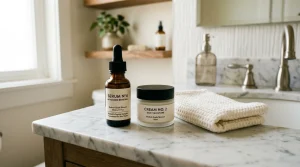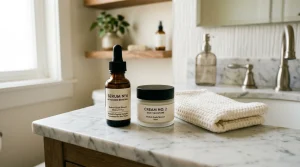
Navigating the world of skincare can be overwhelming, especially when it comes to understanding the roles of different products. You might be wondering, “Is toner simply another form of cleanser, or do I really need both?” While cleansers wash away dirt and impurities, toners serve a unique purpose by refining and balancing your skin. This distinction is key to achieving a healthy complexion. By unraveling these differences, you can tailor your routine to your specific needs, enhancing your skincare effectiveness. If you’re eager to optimize your routine for radiant skin, keep reading to discover how to make the most of both toner and cleanser!
What is the Purpose of Toner in Skincare?
Toners have evolved significantly from their original formulations, and understanding their purpose can transform your skincare routine. At their core, toners serve as an essential bridge between cleansing and moisturizing, preparing your skin to absorb subsequent products more effectively. They help balance the skin’s pH after cleansing, removing any residual dirt, oil, and makeup that may have been missed during washing, leading to a cleaner and more refreshed complexion [[1]].
In addition to enhancing cleanliness, toners can target specific skin concerns. For instance, individuals with dry or sensitive skin benefit from hydrating toners rich in soothing ingredients [[2]]. Likewise, toners formulated with antioxidant properties can address issues like dullness and uneven texture, making them an excellent multi-purpose tool in your skincare arsenal. This multifaceted approach makes toners valuable for most skin types, allowing personalization based on individual needs.
It’s crucial to note that toners should not be mistaken for cleansers. Cleansers are specifically designed to remove impurities from the surface of the skin, whereas toners complement this by refining and prepping the skin for better absorption of treatments like serums and moisturizers [[3]]. By using both products in harmony, you can maximize their benefits, leading to a healthier and more radiant complexion overall. To experience these advantages fully, it’s essential to integrate toner into your daily routine right after cleansing, ensuring your skin is in prime condition to receive hydration and nutrients from subsequent products.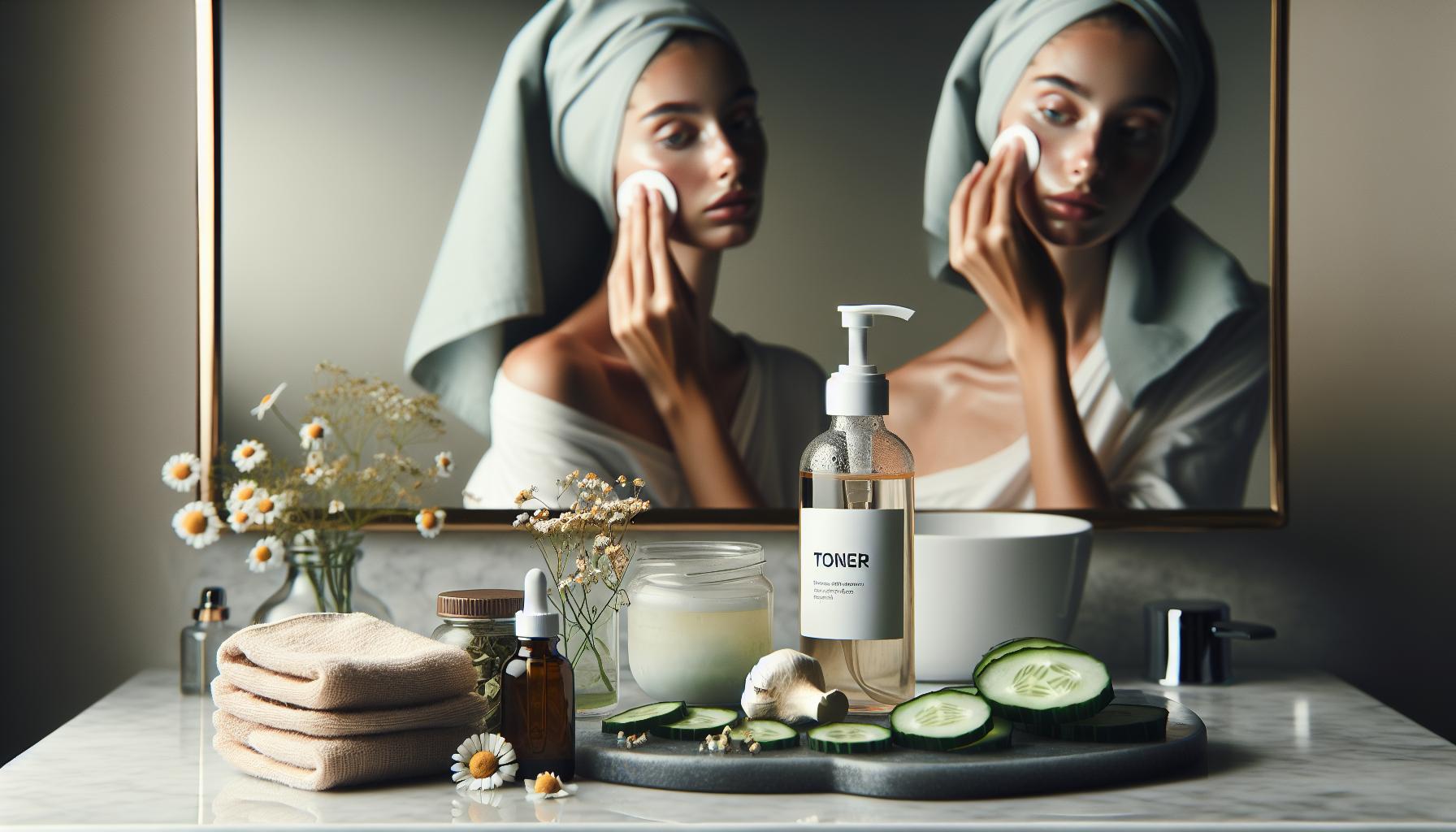
Understanding the Role of Cleansers
Cleansers are the foundation of any effective skincare routine, serving a vital role in maintaining healthy skin. Think of cleansing as the first line of defense against dirt, oil, and makeup that accumulate on your skin throughout the day. These products are specifically formulated to gently dissolve impurities, allowing your skin to breathe and function properly. By removing these unwanted particles, cleansers help prevent breakouts and keep your complexion looking fresh.
There are many types of cleansers tailored to different skin types. For instance, a gel or foam cleanser might work wonders for oily skin by helping to eliminate excess oil, while cream-based cleansers can provide hydration for those with dry or sensitive skin. To use a cleanser effectively, wet your face with lukewarm water, then dispense a small amount (usually a dime-sized amount) onto your fingertips. Gently massage the product into your skin in circular motions for 30 seconds, making sure to cover all areas, including your forehead, cheeks, and chin, before rinsing it off.
In addition to their basic cleansing function, many modern formulations include skin-beneficial ingredients like antioxidants and hydrating agents. These components can help enhance your skin’s overall health and appearance while providing a deeper clean. For example, cleansers with added salicylic acid can target blemishes, whereas those infused with hyaluronic acid can help retain moisture, making them excellent choices for dry skin types.
Ultimately, understanding the purpose of your cleanser is key to achieving that healthy glow. Cleansers lay the groundwork by prepping your skin and removing barriers so that when you follow up with toner and other treatment products, they can work more effectively. This foundational step ensures that your subsequent skincare routine is optimally effective, leading to a more vibrant and youthful complexion over time.
Are Toners and Cleansers Interchangeable?
Cleansers and toners serve distinct purposes in a skincare routine, and understanding their unique roles is essential for achieving healthy skin. Many people wonder if these products are interchangeable or if you need both. The short answer is that they are not the same and should not be used interchangeably, as each addresses different skin care needs.
Cleansers are designed to remove dirt, oil, and makeup from your skin’s surface. They work by dissolving impurities, allowing your skin to breathe and function optimally. On the other hand, toners provide additional benefits. They can help to balance your skin’s pH after cleansing, remove any residual impurities that may have been left behind, and prepare your skin for better absorption of subsequent treatments like serums and moisturizers. Using a toner after cleansing can enhance the overall effectiveness of your skincare routine.
If you have sensitive skin, a gentle, hydrating toner can offer relief after cleansing, while those with oily or acne-prone skin might benefit from toners with astringent properties that help reduce the appearance of pores and control oil. A common misconception is that toner can replace a cleanser; however, they complement each other rather than substitute one for the other. Always consider your skin type and specific needs when deciding whether to incorporate one or both products into your routine.
In summary, while both cleansers and toners are critical components for healthy skin, they fulfill different roles. A well-rounded skincare routine typically benefits from both-a good cleanser to cleanse and purify, and a toner to refine and prepare your skin for the next steps. Embracing this duo can lead you to the radiant, healthy complexion you’re striving for.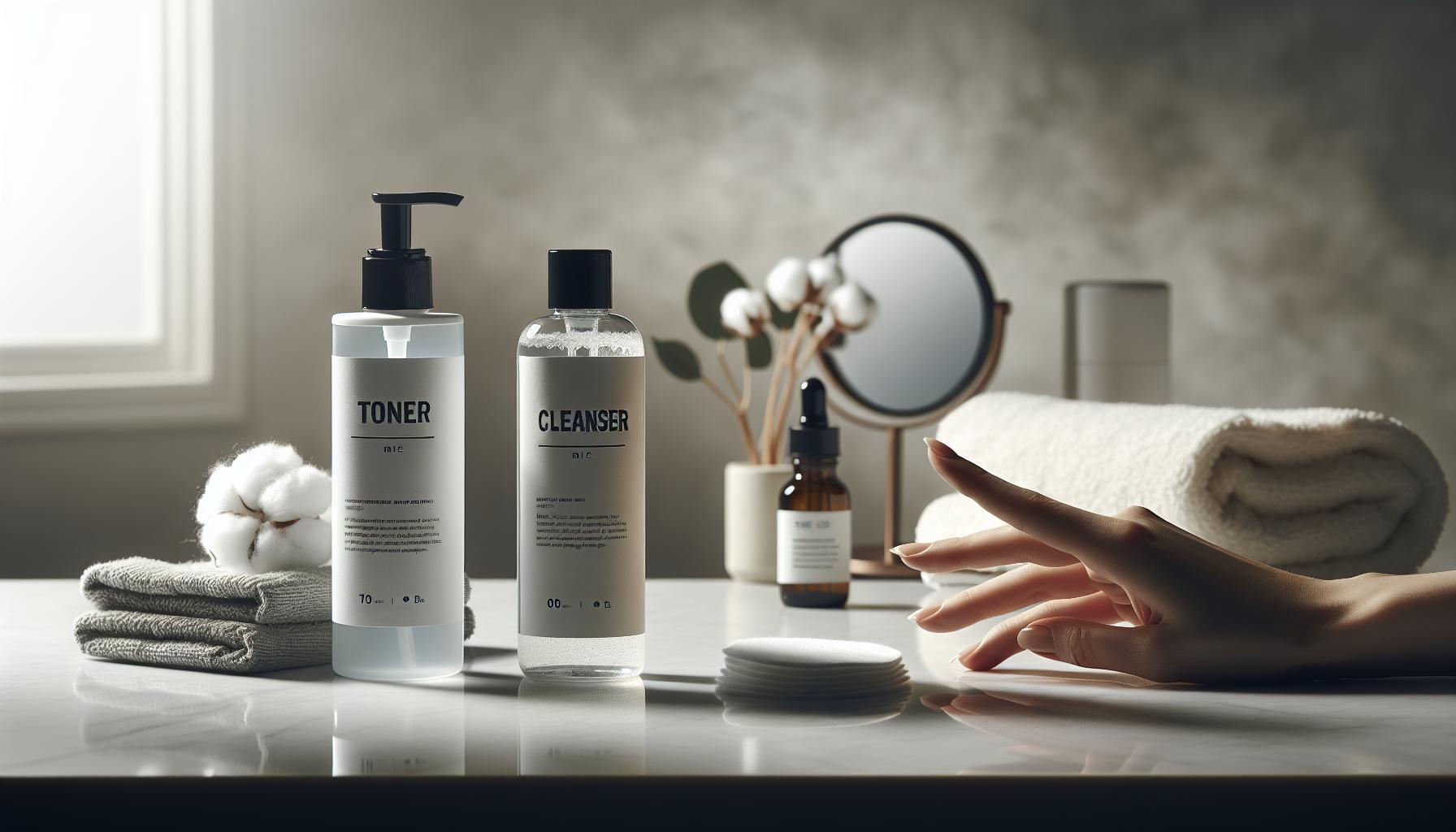
Key Differences: Toner vs Cleanser
Cleansers and toners may seem similar at first glance, but they serve distinct purposes in your skincare routine that can dramatically impact your skin’s health. Understanding these differences is key to optimizing your regimen and achieving that luminous complexion you have always desired.
Cleansers are your first line of defense against dirt, makeup, and excess oil. They dissolve impurities, allowing you to wash them away. This thorough cleaning ensures your skin can breathe and function properly. For example, a creamy cleanser might work best for dry skin, while a gel cleanser could provide a refreshing clean for those with oily skin. The formulation of your cleanser can make a significant difference depending on your skin type and concerns.
On the flip side, toners come into play after cleansing and are designed to enhance your skincare routine. They help restore your skin’s pH balance, remove any leftover traces of cleanser or impurities, and prep your skin for better absorption of serums and moisturizers. Additionally, toners can offer targeted benefits – for instance, a hydrating toner with rosewater may soothe sensitive skin, while a toner containing witch hazel can help minimize the appearance of pores for those grappling with oily skin.
In essence, the key distinction lies in their functions: cleansers primarily remove impurities from the skin’s surface, while toners refine and prepare your complexion for subsequent products. Rather than viewing these products as interchangeable, consider them complementary allies in your journey to healthier skin. Embracing the unique roles of both cleansers and toners ensures a comprehensive approach to skincare, ultimately leading to improved texture and glow.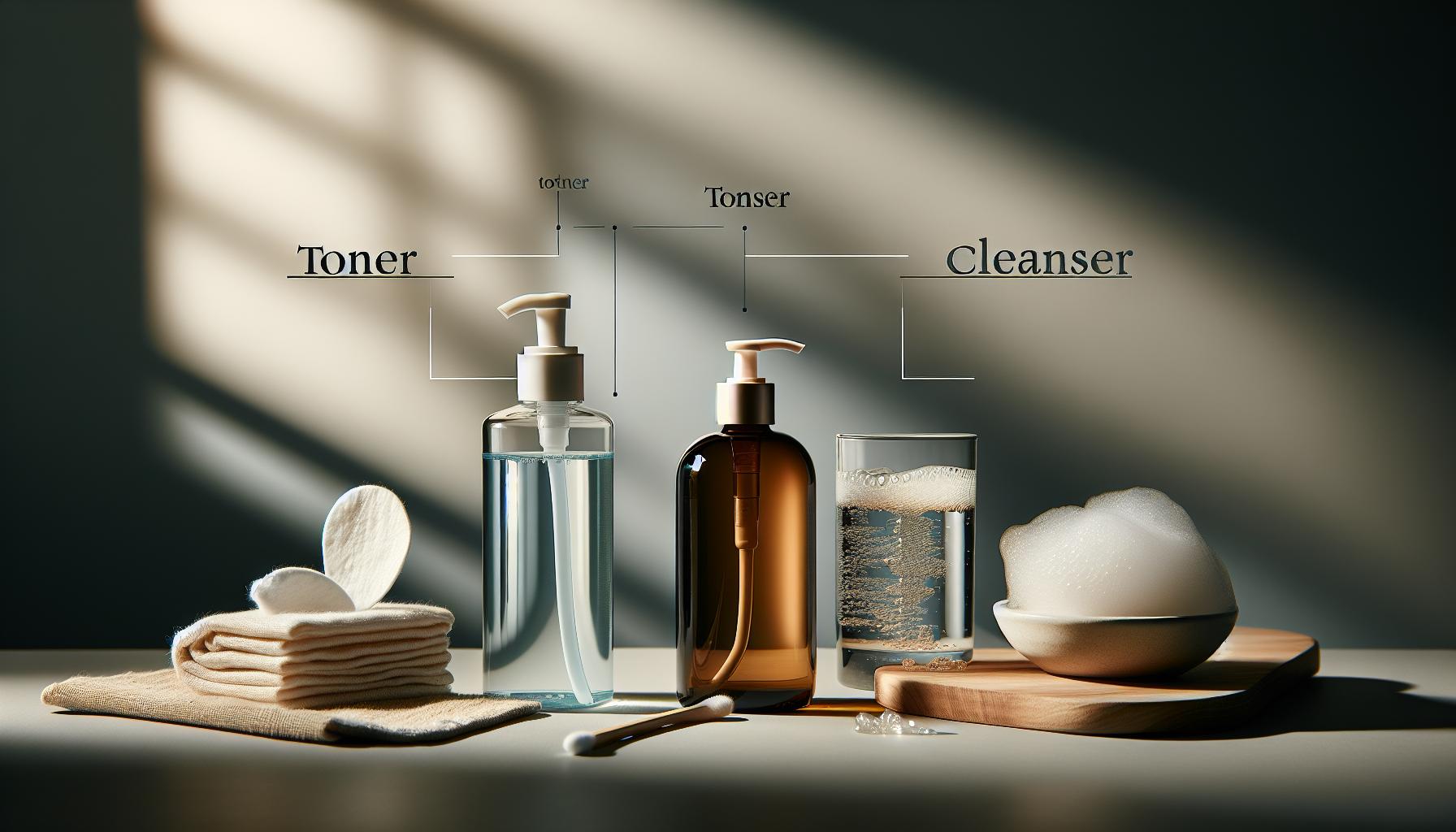
Do You Need to Use Both?
If you’re wondering whether you really need both a cleanser and a toner in your skincare routine, you’re not alone. Many people are curious about how essential these products are, especially when it feels like there are endless options on the market. The truth is that while a cleanser and a toner serve different purposes, using both can significantly enhance your skincare efforts.
A cleanser acts as your skin’s primary defense duo, efficiently washing away dirt, makeup, and excess oil. Think of it as the first step in achieving a fresh canvas-without proper cleansing, any subsequent products like moisturizers or serums may not absorb effectively. On the other hand, toner steps in post-cleansing to refine and balance your skin. It removes any residues left behind and can provide targeted benefits depending on its formulation, such as hydration or pore minimization. So, while they can be used separately, their combined use can lead to a more comprehensive skincare experience.
Many people benefit from the complementary effects of using both products. If you have oily or acne-prone skin, a toner with witch hazel can help tighten pores after cleansing, while those with dry skin might find comfort in a hydrating toner that soothes and replenishes moisture. This balance could lead to improved skin texture, tone, and overall appearance over time. Ultimately, while it’s not impossible to have a skincare routine with just one of these products, incorporating both can elevate your routine and provide tailored benefits reflective of your individual skin needs.
In summary, consider using both a cleanser and a toner to maximize your skincare results. By understanding their unique roles, you’ll pave the way for a fresh-faced, glowing complexion that feels as good as it looks.
How to Choose the Right Toner for Your Skin Type
Choosing the right toner for your skin type can make a significant difference in your overall skincare routine. With so many options on the market, it can feel overwhelming, but understanding your skin’s needs is the first step to making an informed choice. The key is to focus on your specific skin concerns-whether it’s oiliness, dryness, sensitivity, or aging-and select a toner that addresses those issues effectively.
For oily or acne-prone skin, look for toners that include ingredients like salicylic acid or witch hazel. These components work to control excess oil production and minimize the appearance of pores. A toner with glycolic acid can also help by gently exfoliating the skin, promoting a brighter complexion. On the other hand, if you have dry or sensitive skin, opt for a hydrating toner containing soothing ingredients like rose water, aloe vera, or hyaluronic acid. These toners will replenish moisture and provide a calming effect while balancing your skin’s pH levels.
To help you further, here’s a quick guide:
| Skin Type | Recommended Ingredients | Avoid |
|---|---|---|
| Oily/Acne-Prone | Salicylic acid, Witch hazel, Tea tree oil | Alcohol-based products |
| Dry/Sensitive | Hyaluronic acid, Aloe vera, Rose water | Fragrances, Astringents |
| Combination | Glycolic acid, Lactic acid | Heavy oils |
| Aging | Antioxidants, Peptides, Retinol | Harsh exfoliants |
It’s also essential to consider any allergies or sensitivities you might have when selecting a toner. Always perform a patch test before applying a new product to your entire face. And remember, the goal of a toner isn’t to strip your skin but to enhance hydration and prepare it for the next steps in your skincare routine. By understanding your skin type and selecting a toner that suits its unique needs, you can effectively support your overall skincare goals.
Best Practices for Combining Toner and Cleanser
To achieve a glowing and healthy complexion, understanding how to effectively combine your toner and cleanser is essential. While cleansers remove dirt and impurities from your skin, toners play a vital role in preparing your skin for subsequent products, helping to restore pH balance and enhance hydration. By following a few best practices, you can optimize the benefits of both products and elevate your skincare routine.
A good cleansing routine starts with selecting the right cleanser for your skin type-whether it’s a creamy lotion for dry skin or a foaming gel for oily skin. Make sure to cleanse your face gently to avoid irritation; use lukewarm water and massage the cleanser into your skin for about 30 seconds before rinsing it off. Next, apply your toner while your skin is still slightly damp. This helps lock in moisture and allows the toner to penetrate more effectively. Pour a few drops of toner onto a cotton pad or your palms, and gently swipe or pat it across your face, avoiding the eye area.
Timing is key when incorporating both products. Aim to cleanse your skin twice daily-once in the morning and once at night-followed by toning. This routine not only clears away impurities but also prepares your skin for serums and moisturizers, maximizing their effectiveness. For those with sensitive skin, introducing your toner gradually can be beneficial; start by using it every other day to see how your skin reacts before increasing the frequency.
Finally, considering your skin’s changing needs is vital. Different seasons, hormonal shifts, or lifestyle factors can necessitate a switch in your products. Listen to your skin-if it feels dry, a hydrating toner with ingredients like aloe vera or rose water might be ideal. By staying attuned to your skin’s condition and adjusting your regimen accordingly, you can maintain a healthy, vibrant complexion.
Common Misconceptions About Toners
Many people assume that toners are just glorified astringents or water that can replace cleansers, but that couldn’t be further from the truth. One common misconception is that toners alone can clean your skin. While toners can remove any leftover residue from your cleanser and help tighten pores, they are not designed to be a substitute for your regular cleansing routine. Cleansers work to fully remove makeup, dirt, and oils from the skin, while toners balance your skin’s pH and prepare it for subsequent skincare products.
Another prevalent myth is that all toners are harsh and drying. Historically, many toners contained high levels of alcohol, which led to this stereotype. However, today’s market offers a variety of gentle, hydrating toners infused with soothing ingredients like rose water, chamomile, and hyaluronic acid. These modern formulas address hydration and nourishment, suitable even for sensitive skin types. It’s essential to read labels carefully and choose toners that align with your skin’s needs.
Furthermore, some believe that toners are unnecessary for skincare routines. In reality, while they are not mandatory, they can greatly enhance your overall regimen. Toners help to restore your skin’s natural barrier after cleansing and can boost the effectiveness of serums and moisturizers applied afterward. Think of a toner as a preparatory step that primes your skin, ensuring it’s better able to absorb the goodness that follows.
Lastly, there’s the misconception that toners can be skipped altogether. Your skin may benefit from the added hydration and balance that a toner provides, especially if you’re using products that might disrupt its natural state, such as exfoliants or acne treatments. Incorporating a toner that fits your skin type can make a noticeable difference, making your skincare routine more effective and refreshing.
The Benefits of Using a Toner
Using a toner in your skincare routine can offer a multitude of benefits that go beyond just refreshing your skin. In fact, incorporating a toner can significantly enhance your overall skincare regimen. Not only is a toner effective at removing any residue left behind after cleansing, but it also plays a crucial role in balancing your skin’s pH levels. After cleansing, your skin’s surface can become temporarily unbalanced, making it essential to restore its natural state before applying other products. This pH balancing helps ensure that your skin is prepared to absorb serums and moisturizers more effectively, enhancing their overall effectiveness.
One of the greatest advantages of using a toner is its ability to hydrate and nourish the skin. Today’s toners are often packed with beneficial ingredients such as hyaluronic acid, aloe vera, or botanical extracts like rose water and chamomile. These soothing components not only improve hydration but can also calm irritated skin, making toners suitable for a variety of skin types, including sensitive skin. For instance, applying a gentle, hydrating toner can help reduce redness and promote a more even skin tone.
Moreover, toners can assist in minimizing the appearance of pores. By tightening the skin and providing a refreshed feel, a toner can create the illusion of smaller pores, leading to a smoother complexion. This is particularly beneficial for those who struggle with oily or combination skin, as a well-formulated toner can help control excess oil production without stripping your skin of necessary moisture.
Finally, using a toner can aid in preparing the skin for subsequent treatments. Think of it as a primer for your skincare routine. After cleansing and toning, applying your treatment products like serums or moisturizers can feel more effective, allowing your skin to better absorb the active ingredients. This simple step can elevate your skincare game, helping you achieve the healthy, radiant skin you desire.
In summary, adopting a toner into your daily routine can offer hydration, balance, and enhanced absorption, transforming your skincare approach from ordinary to extraordinary.
When to Use Toner in Your Skincare Routine
Incorporating a toner into your skincare routine can be a game-changer, and knowing when to use it is key to maximizing its benefits. The best time to apply toner is right after cleansing your face, while your skin is still slightly damp. This timing is crucial as it allows the toner to effectively remove any leftover impurities, such as traces of makeup or dirt, that might linger after washing. By using toner immediately after cleansing, you set the stage for your skin to absorb serums and moisturizers more efficiently, enhancing their effectiveness.
Applying toner can be a very straightforward process. Simply pour a small amount onto a cotton pad or your hands, then gently dab or swipe it across your face. Remember, the goal is to treat your skin kindly, so use soft motions and avoid excessive rubbing. If you prefer, you can even mist a hydrating toner directly onto your face for a refreshing boost, especially after prolonged exposure to dry air or screens.
For those with specific skin concerns, the timing of your toner can vary slightly. If you experience oiliness or breakouts, consider using a toner both in the morning and evening to help control excess oil and keep pores clear. Conversely, if your skin tends to be dry or sensitive, you might only need to use a toner once a day, or you may choose a toner specifically formulated with soothing ingredients that won’t compromise your skin’s moisture barrier.
Ultimately, finding the right rhythm for incorporating toner into your routine may take a little experimentation. Pay attention to how your skin responds. If it feels balanced and hydrated after use, you’re on the right track. By making toner a consistent part of your post-cleansing ritual, you can help maintain optimal skin health, ensuring that your skincare products work as effectively as possible.
DIY Toner Recipes for Specific Skin Concerns
Creating your own toner at home can be a fun and effective way to target specific skin concerns while also ensuring that you know exactly what goes into your skincare routine. DIY toners allow you to customize ingredients to suit your skin type, whether you’re seeking hydration, oil control, or soothing properties. Here are some simple recipes tailored for common skin issues.
Hydrating Rose Water Toner
If you have dry or sensitive skin, rose water can provide the hydration your skin craves. This toner is soothing and helps maintain moisture levels without irritating.
Ingredients:
- 1 cup of distilled water
- 1/2 cup of rose water
- 1 teaspoon of glycerin (optional for added moisturization)
Instructions:
- Combine all the ingredients in a clean spray bottle.
- Shake well to mix.
- After cleansing, mist your face lightly or apply it using a cotton pad. Use this toner once or twice daily to keep your skin hydrated.
Green Tea Toner for Oily Skin
Green tea is packed with antioxidants and has anti-inflammatory properties, making it an excellent choice for oily or acne-prone skin. It helps balance oil production and fight breakouts.
Ingredients:
- 1 cup of brewed green tea, cooled
- 1 tablespoon of apple cider vinegar (for pH balancing)
Instructions:
- Brew the green tea and let it cool completely.
- Mix in the apple cider vinegar.
- Store in a bottle and apply with a cotton pad after cleansing, ideally twice a day. Be mindful of the apple cider vinegar’s strength; if it’s too intense, dilute it further with water.
Brightening Citrus Toner
Citrus fruits like lemons and oranges are known for their brightening effects on the skin. This toner can help improve skin tone and clarity, perfect for dull or uneven skin.
Ingredients:
- 1 cup of distilled water
- Juice of 1/2 lemon (or 1 orange)
- 1 tablespoon of witch hazel (optional, for added toning)
Instructions:
- Mix the lemon juice and distilled water in a container.
- Add witch hazel if using, which can help tighten pores.
- Apply with a cotton pad after cleansing, taking care to avoid the eyes. Use this toner no more than once a day because of the citric acid, which can make your skin sensitive to sunlight.
Cooling Cucumber Toner
For a refreshing, cooling effect, especially during hot weather, a cucumber toner is a delightful choice. It offers hydration and helps reduce puffiness.
Ingredients:
- 1 cucumber, blended
- 1/2 cup of distilled water
Instructions:
- Blend the cucumber until smooth and strain it to extract the juice.
- Mix the cucumber juice with distilled water.
- Store in a spray bottle and apply after cleansing. This toner is gentle and can be used daily for a refreshing lift.
These DIY toner recipes not only help cater to specific skin concerns, but they also encourage you to embrace your skin’s unique needs. Remember to perform a patch test on a small area of skin before applying a new toner to your face to avoid any adverse reactions. Enjoy experimenting, and note how your skin reacts to find the perfect fit!
Expert Tips for Effective Cleansing and Toning
When it comes to maximizing your skincare routine, integrating effective cleansing and toning practices can be transformative for your skin. Understanding how to properly cleanse and tone not only clears away dirt and impurities but also prepares your skin to absorb subsequent products better. Here are some expert tips to enhance your cleansing and toning process.
Start by choosing the right cleanser for your skin type. For instance, if you have oily or acne-prone skin, a foaming or gel cleanser can help remove excess oil without over-drying. On the other hand, if your skin is dry or sensitive, look for a cream or milk cleanser that provides moisture while cleansing. Be mindful of the application technique: gently massage a dime-sized amount onto damp skin using circular motions for about 30 seconds to ensure maximum efficacy, then rinse thoroughly.
Once you’ve cleansed your face, it’s time to apply toner. This essential step not only helps balance your skin’s pH but also removes any leftover residue from your cleanser. Use a cotton pad to apply your toner, sweeping it across your face and neck. If you prefer a misting toner, spray it about six inches away from your face and allow it to dry naturally. Incorporating toner into your daily routine-ideally both morning and night-can significantly enhance hydration and skin texture.
Finally, remember to listen to your skin. If it feels tight or irritated after cleansing and toning, you may need to adjust the products you’re using or the frequency of their application. Finding the right balance can take time, so keep experimenting until you discover the perfect combination for your skin’s unique needs. Remember, the primary goal is to create a routine that leaves your skin feeling refreshed and nourished.
Q&A
Q: What is the primary function of toner in skincare?
A: The primary function of toner is to remove any residual impurities left on the skin after cleansing. It also helps to balance the skin’s pH levels, hydrate, and prepare the skin for further treatments like serums or moisturizers.
Q: Can you use toner as a cleanser?
A: No, toner should not be used as a cleanser. While it can remove leftover traces of makeup and dirt, it lacks the cleansing agents necessary to thoroughly wash the skin. Cleansers are specifically formulated to remove dirt, oil, and other impurities.
Q: What are the benefits of using both a cleanser and a toner?
A: Using both a cleanser and a toner enhances your skincare routine. The cleanser removes the bulk of impurities while the toner addresses any leftover residue and tightens pores, providing added hydration and preparing the skin for further products.
Q: When should you apply toner in your skincare routine?
A: Toner should be applied immediately after cleansing your face. Use it on a cotton pad or with clean fingertips to ensure that your skin is properly prepped for serums and moisturizers that follow.
Q: Can you skip toner if you have oily skin?
A: While some people with oily skin might choose to skip toner, it’s beneficial to include one to help remove excess oil and tighten pores. Look for an alcohol-free toner to avoid excessive drying effects.
Q: How does toner help with skin hydration?
A: Toner hydrates the skin by delivering a layer of moisture that helps to lock in hydration. Many modern toners contain hydrating ingredients like aloe vera, glycerin, or hyaluronic acid, providing a refreshing boost post-cleansing.
Q: Are there specific skin types that benefit more from toner?
A: Yes, toner can be particularly beneficial for people with oily or acne-prone skin, as it can help control oil production and minimize the appearance of pores. However, alcoholic toners should generally be avoided for sensitive and dry skin types.
Q: What ingredients should I look for in a toner based on my skin condition?
A: For oily or acne-prone skin, look for toners with salicylic acid or witch hazel. For dry or sensitive skin, opt for hydrating ingredients like rosewater or chamomile to soothe. Tailoring toner to your skin’s needs improves effectiveness.
Insights and Conclusions
In conclusion, understanding the distinction between cleansers and toners can significantly enhance your skincare routine. While cleansers wash away dirt and makeup, toners refine pores and prep your skin for further treatments. If you’re still unsure whether you need both, consider your skin type and concerns-a combination might be your best bet for achieving a radiant complexion!
Ready to dive deeper into the world of skincare? Check out our guides on the best cleansing practices and the benefits of different toner types[[2]](https://www.katesomerville.com/blogs/news/cleanser-vs-toner-which-one-is-better?srsltid=AfmBOoq4nXVBOZ9rQzL2J2zELaKl7D3i4TYh_8jeF-kZBV9vyOYNoFHI) or explore product recommendations that fit your needs. Don’t forget to subscribe to our newsletter for the latest tips and exclusive offers, ensuring your skincare journey stays on track!
Have questions or want to share your experience? Comment below-we’d love to hear from you! Remember, achieving healthy skin is a journey, and we’re here to walk alongside you every step of the way.
Get our latest guides, news, and insights highlighted in your Google Search & AI Overviews.