
Have you ever felt sluggish or bloated and wondered if a colon cleanse could help? Colon cleansers have gained popularity for their potential benefits in promoting digestive health, aiding weight loss, and eliminating toxins. Though the idea of cleansing your colon might seem daunting, many people are intrigued by the promise of a fresher start and improved well-being. In this article, we’ll explore the various benefits and uses of colon cleansers, helping you understand their significance in your wellness routine. Whether you’re seeking to enhance your digestion or just curious about how a clean colon might make you feel, you’ll find useful insights here that can guide your health journey. Let’s dive deeper into whether a colon cleanse is the right choice for you.
Benefits of Using Colon Cleanser for Digestive Health
Using a colon cleanser can offer several benefits for digestive health, especially for those seeking to enhance their overall well-being. While some of the benefits of colon cleansing are often talked about in wellness circles, understanding how these cleansers can positively impact your digestive system is essential. Let’s explore just a few key advantages.
One significant benefit is improved digestion. Regular use of colon cleansers may help eliminate waste buildup, which can lead to better digestive function. By flushing out old waste material, individuals often report feeling lighter and experiencing less bloating. This occurs as the colon is the final stage of the digestive tract, and a clean colon contributes to more efficient nutrient absorption from the foods we consume.
Another appealing aspect is the potential for enhanced energy levels. When the colon is functioning optimally, the body can process nutrients more effectively, leading to a natural boost in energy. Many people find that after a cleansing regimen, they feel invigorated and less sluggish. This increase in energy can improve overall mood and productivity, making day-to-day activities more manageable and enjoyable.
Furthermore, using a colon cleanser might support weight management. Although most weight loss from cleansing is temporary due to water loss and the removal of waste, individuals may initially notice a difference on the scale. This can be psychologically motivating for those on a weight loss journey. However, it is important to approach this as a part of a comprehensive plan that includes a balanced diet and regular exercise.
To summarize, while colon cleansing can offer benefits like improved digestion, increased energy, and potential support for weight management, it’s essential to consider it as part of a broader approach to health. As with any health-related decision, individuals should consult with healthcare providers to ensure that colon cleansing is suitable for their specific circumstances.
How Colon Cleansing Works: A Simple Explanation
Colon cleansing operates as a digestive detoxification method, aiming to flush out accumulated waste from the colon. At its core, the process involves either using over-the-counter products, natural ingredients, or professional irrigation techniques to soften and eliminate fecal matter. Many people wonder how exactly this works, and understanding the mechanics behind it can help clarify its potential effects on digestive health.
When a colon cleanser is ingested, its ingredients-often a blend of natural herbs, fibers, or specific acids-begin to stimulate the digestive system. The herbs may enhance gut motility, which is the ability of the intestines to move waste along. Meanwhile, ingredients high in fiber can bulk up stool, making it easier to pass. For those using a colonic irrigation method, warm water is gently introduced into the rectum, helping to soften and eliminate accumulated waste effectively. Many users report feelings of relief and lightness post-use, as the body can more efficiently perform its natural functions.
It’s important to note that colon cleansing doesn’t necessarily mean that you are “cleaner”; rather, it can support your body’s natural detoxification process. Your body continually works to eliminate toxins and waste through the liver, kidneys, and intestines. Therefore, while colon cleansing can assist with waste removal and potentially improve digestive function, it should complement a balanced diet and healthy lifestyle for the best results.
For those considering a colon cleanse, it’s beneficial to do so with realistic expectations. The process can offer immediate relief from bloating and discomfort, but these effects often vary from person to person. Always consult healthcare professionals to tailor the approach to your individual health needs and to ensure safety throughout the cleansing process.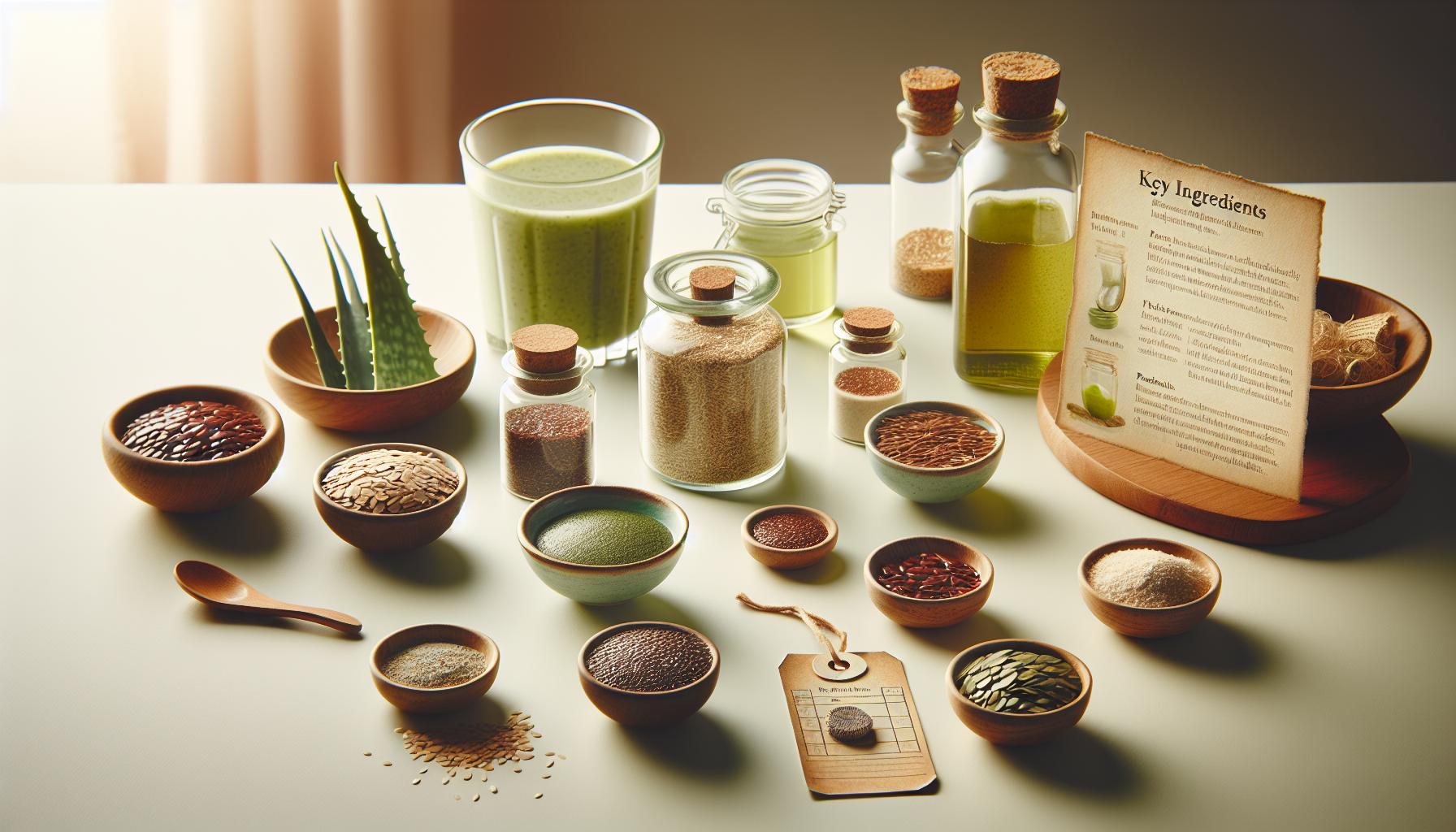
Key Ingredients in Colon Cleansers and Their Effects
Certain ingredients in colon cleansers play pivotal roles in promoting digestive health and enhancing the body’s natural detoxification processes. Familiarizing yourself with these components can empower you to make informed choices when selecting a colon cleanser.
Many colon cleansers contain fibers, such as psyllium husk or flaxseed, which are known for their bulk-forming properties. These soluble fibers absorb water and swell, resulting in a gel-like consistency that adds bulk to your stool, making it easier to pass. This added bulk can stimulate the walls of the intestines, enhancing gut motility and reducing constipation.
Another common ingredient is herbal extracts, like senna or cascara sagrada, which have natural laxative effects. These herbs contain compounds that stimulate the intestines, encouraging movement through the digestive tract. It’s important to use them according to directions, as excessive use can lead to dependency or cause discomfort.
Probiotics, often included in some colon cleansing products, are beneficial bacteria that help maintain a healthy gut flora. By balancing gut microbiota, probiotics can improve digestion and bolster the immune system. Opting for a colon cleanser with probiotics can offer dual benefits: not only cleansing your colon but also restoring a healthy bacterial balance.
Additionally, ingredients like magnesium citrate may be used for their osmotic properties, drawing water into the intestines to soften stool and promote bowel movements. It’s a quick-acting ingredient often found in pre-colonoscopy cleansers, but should be approached with caution for regular use.
Ultimately, understanding these key ingredients and their effects can help you tailor your approach to colon cleansing effectively. Look for products that balance natural fibers, herbal extracts, and probiotics to enhance both cleanliness and overall digestive health. Remember to consult a healthcare professional before starting any new regimen, particularly if you’re trying colon cleansers for the first time.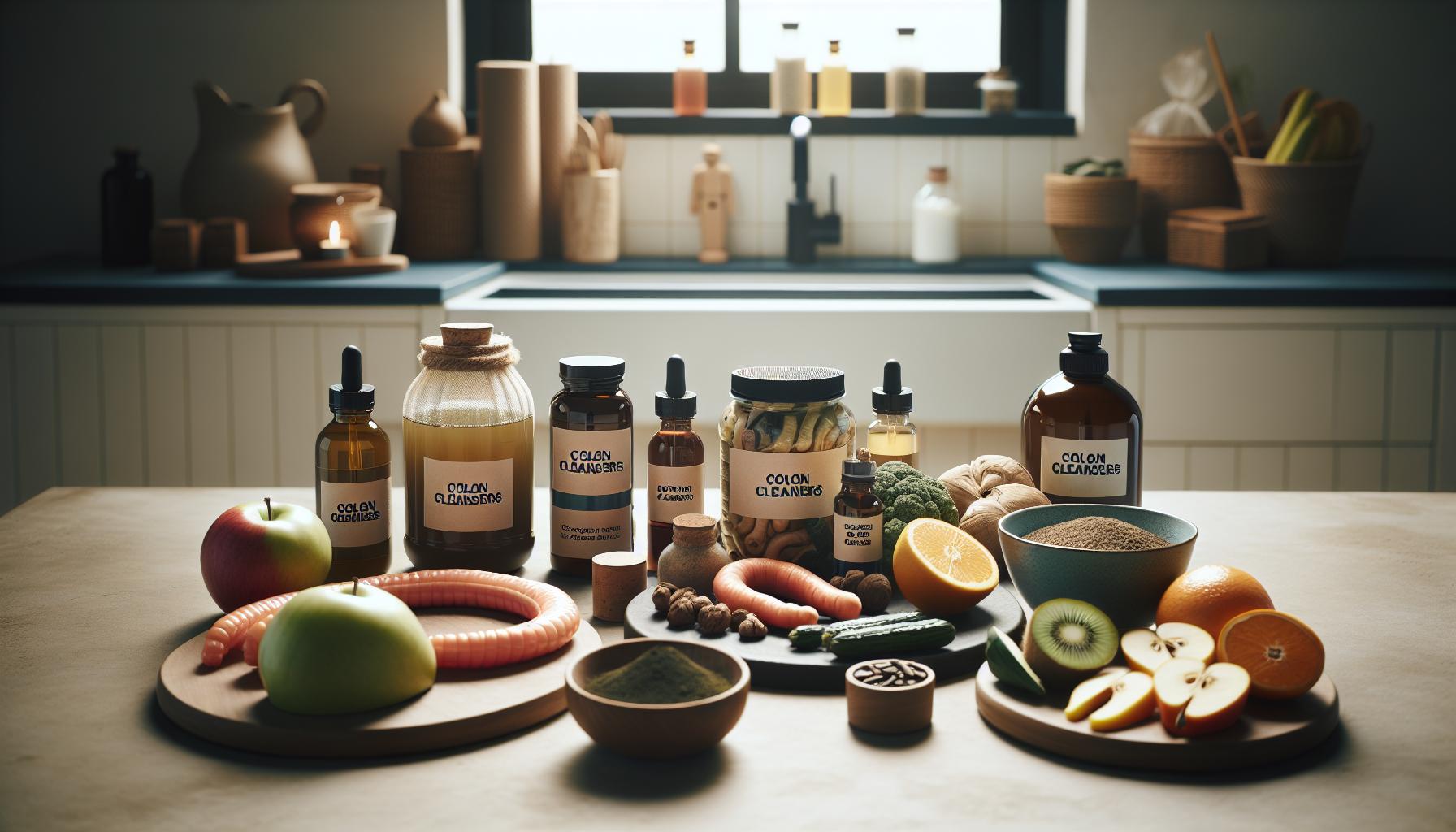
Different Types of Colon Cleansers Explained
Understanding the various types of colon cleansers available can empower you to choose the right one for your specific needs and health goals. Each type offers different mechanisms and benefits, making it crucial to match your choice with your digestive health objectives.
One common category is fiber-based cleansers. These products harness the natural power of soluble fibers like psyllium and flaxseed. When ingested, these fibers absorb water, swell up, and create bulk within the intestines. This not only softens stool but also stimulates intestinal walls, encouraging regular bowel movements. Fiber cleansers are particularly beneficial if you’re looking to combat occasional constipation or improve overall gut health.
Another type is herbal cleansers, which utilize natural laxative ingredients such as senna and cascara sagrada. These herbs contain compounds that trigger the intestines to push stool through the digestive tract more rapidly. While they can provide more immediate relief for constipation, it’s important to use them as directed to avoid dependence or digestive discomfort. Herbal cleansers can be advantageous before significant life events, such as preparing for a medical examination that requires a clean colon.
Liquid colon cleansers, often used before medical procedures, are designed to efficiently flush out the intestines. These products typically include combinations of electrolytes and osmotic agents like magnesium citrate, which draw water into the intestines. This method is effective in creating a thorough cleansing effect but is generally not recommended for regular use outside of medical guidance due to its potency.
In addition, probiotic-promoting cleansers are gaining popularity. These supplements contain beneficial bacteria that not only support cleansing the colon but also help restore and maintain healthy gut flora. They are ideal if your focus is not just on cleansing but on improving digestion and enhancing your immune system too.
Choosing the right colon cleanser is about understanding your body and aligning your choice with your goals. Whether it’s for regular maintenance, alleviating occasional constipation, or preparing for a medical procedure, being informed about these types can lead you to a safe and effective solution tailored to your digestive health needs.
Potential Health Risks of Colon Cleansing
Colon cleansing has gained popularity as a method to clear out the intestines and promote digestive health, but it’s important to recognize that this practice comes with potential risks. Many people approach colon cleansing with the hope of feeling lighter and more energetic, but it’s essential to be aware of how these cleanses might affect your body.
One of the most significant concerns is dehydration. Cleansing products, especially those containing laxatives, can lead to substantial fluid loss, which may result in symptoms like dizziness, weakness, and even kidney issues if fluids aren’t adequately replenished. If you’re using strong cleansing agents or liquids like magnesium citrate, it’s vital to drink plenty of water.
Additionally, frequent use of colon cleansers can disrupt the natural balance of gut bacteria. Your intestines harbor a complex ecosystem of microorganisms that aid in digestion and support your immune system. Over-reliance on colon cleansing can lead to an imbalance, potentially causing digestive complaints or increasing vulnerability to infections. This is particularly problematic with herbal cleansers that can have powerful effects on intestinal function.
Moreover, there’s a risk of dependence on colon cleansers for bowel movements. If your body becomes accustomed to these products for regular elimination, it may struggle to function normally on its own. This could lead to chronic constipation if the cleansers are suddenly stopped. For many, this could spiral into a cycle of repeated use, leading to further complications.
Finally, individuals with certain medical conditions, such as inflammatory bowel disease or rectal prolapse, should avoid colon cleansing altogether unless advised by a healthcare professional. Even generally healthy individuals should consult with a healthcare provider before starting a cleansing regimen, especially those who are pregnant or have existing health concerns.
Overall, while colon cleansers can have benefits for some, being mindful of these potential risks ensures that you prioritize both your digestive health and overall well-being. Always approach cleansing with caution and knowledge.
Who Should Consider Using a Colon Cleanser?
Considering a colon cleanse? You’re not alone! This practice can appeal to those seeking to improve their digestive health, but it’s essential to evaluate whether it’s right for you. Many individuals may find benefits in using a colon cleanser, especially those experiencing specific digestive issues, preparing for medical procedures, or who feel a general sense of sluggishness.
People suffering from conditions like occasional constipation or bloating might benefit from a cleanse as it can help eliminate built-up waste and promote regular bowel movements. If you resonate with feeling uncomfortable after meals or notice irregularity in your digestion, exploring a colon cleanse could provide a sense of relief and refreshed vitality.
Moreover, pre-medical procedures, such as a colonoscopy, often require individuals to cleanse their bowels thoroughly. In these cases, following a prescribed colon cleansing regimen is essential for ensuring clear results during the examination.
However, it’s worth noting that those with existing health conditions, particularly gastrointestinal disorders like inflammatory bowel disease, should approach colon cleansing with caution. Consulting a healthcare professional before proceeding is crucial to ensure safety and efficacy.
Ultimately, if you’re keen on trying a colon cleanse, starting with a gentle approach and being mindful of how your body responds can help you navigate this process positively. Always listen to your body and prioritize your health and well-being on this journey.
Best Practices for Safe Colon Cleansing
Before diving into the world of colon cleansing, it’s essential to arm yourself with informed practices that prioritize safety and effectiveness. A well-planned approach can maximize the benefits while minimizing potential risks, ensuring your experience is both positive and beneficial.
Start by selecting a colon cleanser that suits your needs. Look for products with natural ingredients like psyllium husk, aloe vera, and probiotics, which can help promote healthy digestion without harsh side effects. Ensure you read the labels carefully to understand what you’re ingesting. It’s crucial to follow the recommended dosage or instructions on the product, as overusing cleansers can lead to unwanted side effects.
Staying hydrated is another key practice during a colon cleanse. Adequate water intake helps facilitate the cleansing process and can alleviate any discomfort such as cramping or bloating. Aim for at least 8-10 glasses of water per day. Incorporating herbal teas can also provide additional soothing benefits and hydration.
Listen to your body throughout the process. Everyone’s digestive system is different; what works for one person may not work for another. If you experience significant discomfort, cramping, or other adverse effects, it’s a signal to stop the cleanse and consult with a healthcare professional. They can provide guidance tailored to your individual health situation and help you determine the best steps forward.
Lastly, consider combining your colon cleansing routine with a healthier diet rich in fiber. Foods like fruits, vegetables, and whole grains not only support colon health but also promote regular bowel movements. By adopting these best practices, you can engage in a safe and effective colon cleansing experience that supports your overall digestive health.
How Often Should You Use a Colon Cleanser?
The frequency with which you should use a colon cleanser can vary significantly based on your individual digestive health, diet, and any specific health concerns. While many people might be tempted to cleanse regularly for ongoing health benefits, moderation is essential to prevent potential complications and maintain the natural balance of your digestive system.
For most individuals, a colon cleanse is typically recommended only once every few months. This timeframe allows your body ample time to restore its natural flora and function without becoming overly dependent on cleansing products. If you find that you’re frequently experiencing issues like constipation or bloating, consider focusing on dietary changes, such as increasing your fiber intake through fruits, vegetables, and whole grains, rather than resorting to frequent cleansing.
When to Consider Cleansing
It’s crucial to listen to your body. If you’re preparing for a medical procedure like a colonoscopy, your healthcare provider may suggest a specific cleansing schedule. Similarly, if you’re feeling a general sense of sluggishness or discomfort, a well-timed cleanse can sometimes help. However, these events should be exceptions rather than a regular habit.
Signs Your Body Needs a Break
If you notice signs like persistent cramping, diarrhea, or a lack of appetite after a cleanse, it’s advisable to pause and reassess your approach. These symptoms can indicate that your colon is grateful for a gentle break rather than being continually stimulated.
Ultimately, the key takeaway is that while colon cleansers can provide short-term relief or a reset for your digestive system, a balanced, fiber-rich diet and healthy hydration should be your primary focus for long-term digestive health. Prioritize stability in your routine, and give yourself the space to determine what frequency feels right for you.
Natural Alternatives to Chemical Colon Cleansers
Exploring can be a game-changer for your digestive health. Many people are discovering that gentle, natural methods can often be just as effective, if not more so, in promoting healthy bowel function without the side effects associated with harsh chemical ingredients. These alternatives not only support your digestive system but also align with a more holistic approach to wellness.
One of the most straightforward methods is increasing your fiber intake through dietary changes. Foods rich in fiber, such as fruits, vegetables, whole grains, and legumes, can significantly improve digestion by adding bulk to your stool and promoting regularity. Consider incorporating foods like chia seeds, oats, and beans into your meals. For instance, starting your day with a bowl of oatmeal topped with fresh berries can provide a nutritious and effective way to support your gut health.
Staying adequately hydrated is also crucial for digestive health. Water helps to soften stool, making it easier to pass, which can alleviate issues like constipation. Aim for at least 8 glasses (about 2 liters) of water daily, and consider adding herbal teas like peppermint or ginger, known for their soothing digestive properties, to your routine. These natural beverages can enhance digestion while providing additional hydration.
Light, regular physical activity is another powerful natural tool for promoting digestive health. Activities such as walking, yoga, or cycling help stimulate the intestines and can reduce bloating and promote regular bowel movements. Even a brisk 20-minute walk after meals can work wonders for your digestion.
Lastly, exploring natural supplements can also be beneficial. Probiotics, found in foods like yogurt, kefir, or fermented vegetables, support a healthy gut microbiome, which plays a crucial role in digestion. If you’re considering supplements, look for options that contain live cultures and talk to a healthcare provider for tailored advice.
Incorporating these natural alternatives can lead to a healthier digestive system while minimizing the risks associated with chemical colon cleansers. By focusing on what you eat, how much you hydrate, and your activity levels, you can create a more balanced approach to digestive wellness.
Success Stories: Real People and Their Results
Many individuals have embarked on their colon cleansing journeys and experienced remarkable transformations that have positively impacted not only their digestive health but also their overall well-being. For example, Sara, a 34-year-old nurse, struggled with bloating and irregular bowel movements for years. After trying a gentle colon cleanse method that involved dietary adjustments and fiber supplements, she found relief. “Within days, I felt lighter and more energetic,” she shared. This shift empowered her to maintain a fiber-rich diet, incorporating fruits, vegetables, and whole grains, and she’s now more attuned to her digestive health.
Similarly, Mark, a 45-year-old teacher, faced recurring digestive discomfort and fatigue. Skeptical yet hopeful, he decided to try a natural colon cleansing approach using herbal teas and probiotics. “After a week of consistent use, I noticed my energy levels soared, and I was no longer experiencing that heavy feeling after meals,” he remarked. Mark now prioritizes regular intake of probiotics through yogurt and fermented foods, which not only support his gut but also enhance his mood. His success illustrates how targeted approaches can yield significant benefits in digestion and overall health.
Furthermore, these personal stories highlight the unique benefits individuals can gain from colon cleansers. Many report increased regularity, improved skin clarity, and even weight management as a side effect of cleansing. Each success story emphasizes the importance of finding a method that works for you, through either dietary changes or more direct cleansing techniques. Listening to your body is key. As you explore colon cleansing, remember that each journey is personal, and the right approach can lead to lasting health benefits.
Common Myths About Colon Cleansing Debunked
Many people are drawn to colon cleansing because of the various claims surrounding its benefits, but it’s essential to separate fact from fiction. One popular myth is that colon cleansers are necessary for detoxifying the body. In reality, your body – particularly the liver and kidneys – is quite capable of detoxifying itself without the need for extreme measures. Instead of focusing on cleansers, consider adopting a balanced diet rich in fiber to support natural body functions.
Another common misconception is that colon cleansing can lead to significant weight loss. While you might see a temporary reduction in weight due to the elimination of waste, this is not a sustainable or healthy way to manage weight. The long-term effects of cleansers can sometimes lead to bloating and discomfort. Focus on whole foods and regular physical activity for lasting results.
Additionally, some believe that regular colon cleansers can prevent serious conditions like colon cancer. However, there is no substantial evidence to support this claim. Instead, regular screenings and a fiber-rich diet have proven more effective in promoting colon health. The marketing behind colon cleanses sometimes plays on fear, but knowledge and prevention through lifestyle choices are far more beneficial.
Lastly, many people think all colon cleansers are safe and natural. It’s crucial to understand that some products can carry risks, such as dehydration or electrolyte imbalances. Always consult with a healthcare provider before starting any cleanse regimen to ensure it’s appropriate for your health needs. Remember, informed choices lead to better health outcomes!
FAQs About Colon Cleanser Use and Effectiveness
When considering colon cleansers, it’s common to have questions about their effectiveness and safety. Many people wonder whether these products deliver on their promises or if they might be more hype than help. Here’s a comprehensive look at the most frequently asked questions surrounding colon cleansers to help you make informed choices.
What are the primary benefits of using a colon cleanser? Users often seek out colon cleansers for purported benefits such as improved digestion, increased energy, and even weight loss. Some also believe that these products can help detoxify the body. However, it’s crucial to recognize that while some people report feeling lighter or more energized after a cleanse, these effects might be temporary and linked to the immediate loss of waste and water weight, not necessarily long-term health benefits [[2](https://www.healthline.com/health/digestive-health/pros-cons-colon-cleanse)].
How often should you use a colon cleanser? Moderation is key. Most healthcare professionals recommend against frequent use of colon cleansers, suggesting that they should be used sparingly-perhaps once every few months-if at all. Regularly employing these cleansers may disrupt the natural balance of your digestive system and lead to issues like dehydration or electrolyte imbalances [[3](https://www.health.com/colon-cleanse-7724744)].
Are there risks associated with colon cleansing? Yes, potential risks include dehydration, bowel perforation, and imbalances in electrolytes. These risks are especially pertinent for individuals with existing health conditions or those taking certain medications. Always consult with a healthcare provider to address any health concerns before starting a cleanse [[1](https://www.mdanderson.org/cancerwise/colon-cleanse–health-or-hype.h00-159778812.html)].
Can natural alternatives be effective? Absolutely. Many people find that dietary changes-such as increasing fiber intake through fruits, vegetables, and whole grains-can aid in maintaining healthy digestion without the need for commercial cleansers. Staying hydrated and incorporating regular physical activity into your lifestyle can also support your digestive health naturally [[3](https://www.health.com/colon-cleanse-7724744)].
By understanding the answers to these common questions, you can navigate the world of colon cleansers more confidently and make choices that support your overall health and well-being. It’s essential to focus on a balanced diet and consult healthcare professionals when considering any form of cleansing.
Frequently Asked Questions
Q: What are the main benefits of using a colon cleanser?
A: The primary benefits of a colon cleanser include improved digestion, reduction of bloating, and enhanced energy levels. Many users report feeling lighter and experiencing less gastrointestinal discomfort, which can lead to an overall sense of well-being and vitality.
Q: How often should you use a colon cleanser for optimal results?
A: It’s recommended to use a colon cleanser every three to six months, depending on individual needs and health goals. Regular use can help maintain digestive health, but it’s essential to consult with a healthcare professional before starting.
Q: Are there natural alternatives to chemical colon cleansers?
A: Yes, natural alternatives include dietary changes such as increasing fiber intake, consuming probiotic-rich foods, and staying hydrated. Herbal teas and certain fruits and vegetables can also promote natural cleansing of the colon, providing a gentler approach.
Q: What are the risks associated with colon cleansing?
A: Potential risks include dehydration, electrolyte imbalances, and damage to the intestinal lining. Overuse can disrupt the natural gut flora and lead to dependency on laxatives. It’s critical to follow instructed guidelines and consult a healthcare provider beforehand.
Q: Can a colon cleanser aid in weight loss?
A: Colon cleansing may lead to temporary weight loss due to the removal of waste and excess water. However, lasting weight loss primarily depends on a balanced diet and regular exercise rather than solely on cleansing methods.
Q: What ingredients should I look for in a good colon cleanser?
A: Effective colon cleansers often include ingredients like fiber, magnesium, and herbal extracts such as senna or cascara sagrada. Look for products with natural ingredients that promote gentle cleansing without harsh effects on the digestive system.
Q: How does colon cleansing affect the immune system?
A: While some claims suggest colon cleansing can boost immune function by removing toxins, scientific evidence is limited. A healthy gut microbiome, supported by a balanced diet and probiotics, is vital for a robust immune response more than cleansing alone.
Q: What should I do before starting a colon cleansing regimen?
A: Before beginning a colon cleanse, consult with a healthcare professional to ensure it’s appropriate for your health status. Additionally, prepare by drinking plenty of water, reducing processed foods, and gradually increasing fiber intake to ease the transition.
In Summary
Ready to take charge of your digestive health with a colon cleanse? As we’ve discussed, this practice is touted for various benefits such as improved digestion, increased energy, and potential weight loss due to the elimination of waste and toxins. If you’re still unsure about whether it’s right for you, don’t hesitate to consult with a healthcare professional to address any specific concerns.
For more on maintaining gut health, check out our articles on natural ways to support digestion and the benefits of probiotics. While you’re exploring, why not subscribe to our newsletter for tips and resources straight to your inbox? Not only will you discover strategies for a healthier lifestyle, but you’ll also gain insights into effective products and practices that align with your wellness goals.
Don’t wait! Your path to better health starts now, and we’re here to help every step of the way. Share your thoughts or any questions in the comments below; we love hearing from you!
Get our latest guides, news, and insights highlighted in your Google Search & AI Overviews.