
If you’ve ever battled dry skin, you know how challenging it can be to find the right products that hydrate without causing irritation. One unexpected solution that’s gaining popularity is oil cleansers. These gentle, nourishing formulas can effectively cleanse your skin while providing moisture, making them an appealing option for those with dryness. But is using an oil cleanser truly beneficial for dry skin, or could it worsen your condition? In this article, we’ll explore the surprising benefits and considerations of incorporating oil cleansers into your skincare routine, helping you make an informed choice that aligns with your skin’s needs. Get ready to discover how this simple switch might just transform your cleansing ritual!
Should Dry Skin Use Oil Cleanser? Understanding the Basics
Using an oil cleanser can be particularly beneficial for those with dry skin, as it works to hydrate while effectively removing makeup and impurities. Unlike traditional cleansers that can strip the skin of its natural oils, oil cleansers rely on the principle of “like dissolves like,” meaning that the oils in the cleanser will bind to and wash away the excess oil and dirt on your face without disrupting your skin’s moisture barrier. This gentle approach can leave your skin feeling clean, supple, and nourished rather than tight and dry.
When selecting an oil cleanser, it’s important to consider your skin type and the specific ingredients in the product. Look for formulations that include nourishing oils such as jojoba, avocado, or almond oil, which can provide hydration and help bolster the skin’s moisture levels. Additionally, choosing an oil cleanser that is free from synthetic fragrances and harsh chemicals will help reduce the risk of irritation, which is especially crucial for sensitive dry skin.
For those hesitant about switching from traditional cleansers to oil-based options, it’s worth mentioning that oil cleansing can indeed complement your daily skincare regimen without causing breakouts or greasiness, provided you choose the right products tailored to your skin’s needs. Embracing oil cleansing could be a game changer for achieving a healthy, glowy complexion.
The Benefits of Oil Cleansing for Dry Skin
Using oil cleansers can transform your skincare routine, especially if you struggle with dry skin. At first glance, it might seem counterintuitive to use oil on skin that feels parched or tight. However, the science behind oil cleansing reveals its remarkable ability to hydrate while effectively removing impurities. This method harnesses the principle of “like dissolves like,” allowing the oils in the cleanser to dissolve makeup and excess sebum without stripping the skin of its natural moisture barrier.
One of the greatest benefits of oil cleansing for those with dry skin is the nourishing effect it offers. When you use an oil cleanser, you’re not just cleansing; you’re also providing your skin with essential fatty acids and vitamins. Ingredients like jojoba oil and safflower oil can help to replenish lost moisture and enhance the skin’s natural lipid barrier. This can lead to softer, more supple skin over time, reducing the flakiness often associated with dryness.
Moreover, oil cleansers can help balance your skin’s moisture levels. Traditional cleansers may leave your skin feeling tight and irritated, while oil cleansers provide a soothing experience. After using an oil cleanser, many people report feeling as if their skin has been pampered, rather than stripped. By promoting a more natural balance, oil cleansing can even help mitigate the onset of other issues like breakouts or irritation, making it an excellent choice for those with sensitive dry skin.
Incorporating an oil cleanser into your routine can also make the cleansing process more enjoyable. Instead of a rushed wash with a foamy cleanser, you can indulge in the sensory experience of massaging a rich oil into your skin. This not only adds a moment of self-care to your day but also helps increase circulation, leaving your complexion looking radiant and fresh. Embracing oil cleansing could be your key to achieving that dewy, healthy glow that we all seek!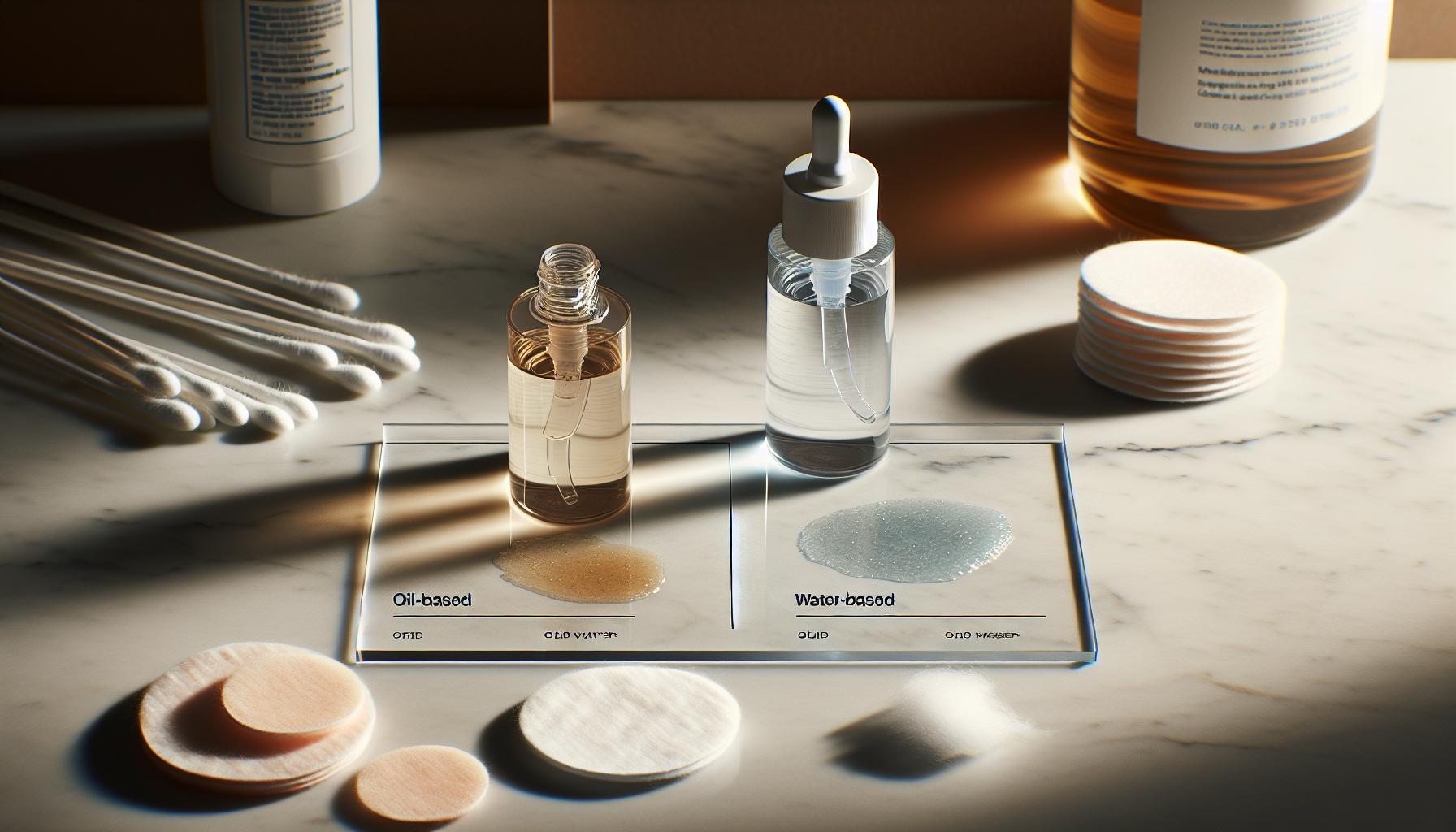
Debunking Myths: Oil vs. Water-Based Cleansers
The debate between oil cleansers and water-based cleansers can sometimes feel overwhelming, especially when you’re searching for the best solution for dry skin. Many people believe that using oil on an already dry complexion will exacerbate the issue, but this is a common misconception that deserves to be unpacked. In reality, oil can be a healing and restorative component of your skincare routine.
One myth is that oil cleansers leave your skin greasy or oily, which can deter those with dry skin from giving them a try. In fact, a well-formulated oil cleanser works by dissolving the dirt and sebum on your skin without stripping away its natural moisture. Think of it this way: oil and water don’t mix, so by using an oil cleanser, you’re allowing the ingredients to bond with and remove impurities without the harshness that often comes with water-based products. Many users find that after using oil cleansers, their skin feels hydrated rather than oily.
Additionally, some might argue that water-based cleansers are better suited for removing makeup or SPF. While it’s true that many water-based cleansers are formulated to break down makeup, they can sometimes leave behind residues, leading to the cycle of dryness where you feel the need to wash your skin again. This could result in irritation over time. By contrast, using an oil cleanser can effectively eliminate makeup and debris in one gentle step, allowing you to cleanse without that repetitive scrubbing that can further irritate dry skin.
In summary, while both oil and water-based cleansers serve their purpose in skincare, the choice really depends on your skin’s needs. For dry skin, an oil cleanser can provide hydration and nourishment while still effectively cleansing. If you’ve been hesitant to try an oil cleanser due to myths or fears, give it a chance-the benefits might surprise you!
How to Choose the Right Oil Cleanser
Choosing the right oil cleanser can seem daunting, especially with so many options on the market. However, the key to finding one that suits your dry skin lies in understanding your specific skin needs and the formulation of the product. Start by looking for a cleanser that lists lightweight oils as its primary ingredients. Oils like jojoba, sunflower, and argan are excellent choices as they mimic the skin’s natural sebum and provide hydration without feeling heavy or greasy.
When selecting an oil cleanser, it’s essential to consider your skin’s sensitivities and conditions. For instance, if you have reactive skin, avoid products with fragrances or harsh additives that could irritate. Instead, opt for gentle formulations labeled as non-comedogenic, which means they won’t clog your pores. Additionally, check for the presence of beneficial ingredients such as antioxidants or essential fatty acids, which can help nourish and repair the skin barrier.
Moreover, think about your cleansing routine. If you wear heavy makeup or sunscreen, you may benefit from a thicker oil that can perform as a makeup remover as well. On the other hand, for minimal makeup wearers, a lighter oil might suffice and even be refreshing during your cleansing process. Experimenting with different oil textures can help you discover what feels best for your skin.
Lastly, don’t hesitate to read user reviews or seek recommendations from trusted sources. Real user experiences can provide insights into a product’s effectiveness and skin compatibility, helping you make a more informed decision. Remember, the right oil cleanser should leave your skin feeling clean, hydrated, and refreshed without any residue.
Ingredients to Look for in an Oil Cleanser
Choosing the right ingredients in an oil cleanser can make all the difference for those with dry skin. When selecting an oil cleanser, focus on ingredients that provide hydration, nourishment, and gentle cleansing properties to avoid exacerbating dryness. The beauty of oil cleansing lies in its ability to attract and dissolve impurities, all while offering moisture, but this can only happen if you choose the right components.
Start by looking for lightweight oils that mimic your skin’s natural sebum. Jojoba oil is a fantastic option because it’s similar to the oils your skin produces, making it less likely to clog pores while effectively moisturizing. Sunflower oil is another excellent choice, packed with vitamins A, C, and E which can help restore hydration and improve the skin barrier. Argan oil delivers essential fatty acids that nourish the skin and can help improve its elasticity.
Additionally, consider oils that contain anti-inflammatory properties. Oils like hemp seed oil and rosehip oil not only provide hydration but also help reduce redness and irritation, which is crucial for dry skin types. You’ll also want to steer clear of oils that are too heavy or comedogenic (pore-clogging), such as coconut oil, particularly for those with very dry or sensitive skin types.
Lastly, don’t forget to look at the formulation as a whole. Ingredients like antioxidants (think vitamins C and E) can enhance the oil cleanser’s benefits by protecting your skin from environmental stressors. Additives like essential fatty acids and botanical extracts also support hydration and maintain your skin’s overall health. Always check the label and opt for cleansers free from harsh additives or fragrances, as these can irritate dry skin and negate the moisturizing effects of the oils.
In summary, effective oil cleansers for dry skin should contain lightweight, non-comedogenic oils, anti-inflammatory agents, and nourishing ingredients to provide hydration while ensuring the skin barrier remains intact. This thoughtful approach to selecting ingredients will elevate your oil cleansing experience, leaving your skin clean, hydrated, and healthy.
The Step-by-Step Guide to Oil Cleansing
To effectively use an oil cleanser, especially for dry skin, following a clear, step-by-step process can enhance your cleansing routine and ensure optimal results. A gentle, yet thorough oil cleansing method not only removes impurities but also provides hydration, making it particularly beneficial for those struggling with dryness.
Start by choosing the right amount of oil. You typically need about a dime-sized amount; adjust based on your skin type and the amount of makeup or sunscreen you wear. Begin with dry hands and dry skin. Apply the oil directly onto your face, using your fingertips to gently massage it in. Focus on areas where makeup, dirt, or oil tends to accumulate-this includes your forehead, nose, and chin. The massage should last around 30 seconds to one minute, allowing the oil to dissolve impurities and makeup without dragging or irritating your skin.
After massaging, it’s essential to emulsify the oil. Wet a soft washcloth or your hands with warm water and then gently apply it to your face. This step helps to break down the oil further, making it easier to rinse away. Use gentle circular motions to help lift the oil from your skin. You can do this for another 30 seconds to ensure all impurities are effectively removed.
Once you’ve completed this step, thoroughly rinse your face with lukewarm water. If desired, follow up with a gentle water-based cleanser to ensure that any residue is washed away, particularly if you wear heavy makeup. Finish your routine with a toner or moisturizer suited for dry skin, as this will help to lock in the hydration you’ve just provided.
By incorporating these steps into your cleansing routine, you’re not just cleansing your skin; you’re nurturing it. The process can be a delightful ritual that leaves your skin feeling refreshed and hydrated, setting the stage for your skincare products to work more effectively.
Common Mistakes When Using Oil Cleansers
Using oil cleansers can transform your skincare routine, especially for those with dry skin, but common mistakes can undermine their effectiveness. Many people may be hesitant or unsure about how to integrate oil cleansing into their regimen. By identifying and avoiding these missteps, you can enjoy the full benefits that oil cleansing has to offer.
One prevalent mistake is not using enough product. Many assume that a smaller amount will suffice, which can lead to inadequate cleansing and leave residue behind. For optimal results, start with about a dime-sized amount of oil. This ensures that you have enough to properly massage into the skin, breaking down makeup and impurities without pulling at the skin.
Another issue is skipping the emulsification step. Simply rinsing off the oil with water can leave your skin feeling greasy instead of clean. Always take the time to wet your hands or a washcloth with warm water and gently apply it to your face after massaging in the oil. This will help to emulsify, or mix, the oil, making it easier to lift away dirt and makeup effectively. Think of it as transitioning your cleansing method from oil to a rinse-off experience.
Lastly, some individuals don’t consider their skin’s specific needs when choosing an oil cleanser. It’s essential to select an oil that complements your skin’s condition. For dry skin, look for lighter oils like sunflower or jojoba oil, which hydrate without feeling heavy. If you have sensitive skin, consider avoiding essential oils that might irritate your complexion. Always read labels and pay attention to ingredients to ensure your choice aligns with your skin type.
By focusing on these key areas-using the right amount, emulsifying properly, and choosing suitable products-you can enhance the efficacy of your oil cleansing routine, leaving your skin clean, hydrated, and balanced.
When to Avoid Oil Cleansers: Conditions to Note
Using an oil cleanser might seem like a universal solution for everyone, especially those grappling with dry skin. However, there are specific situations where opting for an oil-based product may not be the best choice. Understanding these conditions can help you maintain a balanced skin regimen and avoid irritation or unwanted clogged pores.
If you have very oily or acne-prone skin, using oil cleansers can potentially exacerbate these issues. The primary concern is that while oil can help dissolve makeup and impurities, it may also leave behind excess residue if not emulsified properly. This residue can clog pores, leading to breakouts. Look for oil products labeled as “non-comedogenic,” which means they are formulated not to clog pores, but it’s wise to consult with a dermatologist if your skin is particularly reactive.
Those with certain skin conditions, such as rosacea or eczema, might also want to avoid oil cleansers. These conditions affect the skin barrier and can make the skin more sensitive to various products. Applying oils can sometimes lead to inflammation, so it’s crucial to be cautious. Instead, consider products specifically formulated for sensitive skin, which may offer a more suitable risk-to-benefit ratio.
Additionally, if you’re regularly using powerful acne treatments like retinoids or benzoyl peroxide, mixing these with oil cleansers may lead to irritation. Oil can interfere with the absorption of these potent ingredients, potentially diminishing their effectiveness. It’s best to use gentle, water-based cleansers in tandem with these targeted treatments to maximize their benefits without causing unnecessary irritation.
In summary, while oil cleansing has numerous benefits, it’s essential to recognize when it’s not appropriate. By paying attention to your skin type, existing conditions, and the products you’re using, you can better navigate your cleansing routine to ensure that it meets your skin’s specific needs. Always listen to your skin and adjust your approach if you notice any adverse reactions.
Expert Recommendations for Best Oil Cleansers
Choosing the right oil cleanser can feel overwhelming, especially with so many options available. However, it’s crucial to select one that caters specifically to the needs of dry skin. An effective oil cleanser should gently dissolve makeup and grime while providing a moisturizing effect, rather than stripping your skin of its natural oils. Here are some top expert recommendations to help you make the best choice for your cleansing routine.
Top Picks for Oil Cleansers
When looking for the ideal oil cleanser for dry skin, consider products that are rich in nourishing ingredients. Here are some highly recommended options:
- Garnier SkinActive Micellar Cleansing Water with Coconut Oil – This unique blend contains coconut oil, which hydrates while effectively removing makeup, leaving your skin feeling clean and moisturized.
- Clinique Take The Day Off Cleansing Balm – A rich, buttery balm that transforms into a soothing oil upon application. It’s formulated to dissolve even the most stubborn makeup while keeping skin hydrated.
- Neutrogena Hydro Boost Cleansing Gel – While technically a gel, this cleanser contains hyaluronic acid, a hydrating hero that leaves the skin feeling fresh without the dry tightness.
- Josie Maran Argan Oil Cleansing Oil – Packed with pure argan oil, this product is excellent for dry skin. It nourishes while effectively removing dirt and makeup.
Each of these options has been praised for its ability to cleanse lightly without leaving any greasy residue, making them particularly suitable for dry skin types.
What to Look For
When selecting an oil cleanser, keep an eye out for certain key ingredients that enhance hydration. Here are some beneficial components to consider:
- Jojoba Oil – Similar in composition to your skin’s natural oils, jojoba can help regulate sebum production while adding moisture.
- Sunflower Oil – Known for its emollient properties, sunflower oil can soothe irritation and protect the skin barrier.
- Argan Oil – Rich in vitamins and essential fatty acids, it’s fantastic for hydrating and nourishing dry, flaky skin.
- Essential Fatty Acids – Ingredients like linoleic acid found in oils such as grapeseed can help strengthen the skin’s moisture barrier while improving texture.
Expert Tips
To maximize the effectiveness of your oil cleanser, consider the following tips:
- Double Cleansing: If you’re wearing heavy makeup or sunscreen, consider pairing your oil cleanser with a gentle water-based cleanser afterward. This method ensures a thorough cleanse without irritating dry skin.
- Application Technique: Apply the oil cleanser to dry skin, using gentle circular motions for about 30 seconds. This allows the oil to break down makeup and dirt effectively. Rinse with lukewarm water to avoid stripping moisture.
- Patch Test New Products: If you’re trying a new oil cleanser, perform a patch test on your wrist to ensure your skin does not react adversely before applying it to your face.
By choosing the right product and applying it correctly, you can effectively support your skin’s health and hydration while enjoying the benefits of oil cleansing. Remember, your skin is unique, so don’t hesitate to experiment with different products to find your perfect match!
User Experiences: Testimonials on Oil Cleansing
Many individuals with dry skin have discovered the transformative benefits of oil cleansing, often sharing their positive experiences with this method. A common sentiment among users is the relief from tightness and irritation that conventional cleansers often cause. One user, Sarah, noted that switching to an oil cleanser like the Josie Maran Argan Oil Cleansing Oil not only gently removed her makeup but also left her skin feeling hydrated and nourished. “I used to dread washing my face, but now it feels like a pampering ritual that actually helps my skin,” she shared.
Another user, Mike, shared his initial skepticism about using oil on his dry skin. However, after trying Clinique’s Take The Day Off Cleansing Balm, he was pleasantly surprised. “It melts away my sunscreen and makeup without leaving a greasy layer behind. I actually feel my skin breathing afterwards,” he said. His experience highlights a key aspect of oil cleansing: it can effectively dissolve impurities without disrupting the skin’s moisture barrier-a critical concern for those with dry skin.
Some users, like Angela, emphasize the importance of incorporating a double cleansing method, especially if heavy makeup is involved. “I use an oil cleanser, rinse it off, and follow with a gentle foaming cleanser. It ensures my skin is clean but not stripped,” she explained. This combo reinforces the idea that oil cleansing can work harmoniously with other products to enhance skin hydration and cleanliness.
Overall, whether through social media testimonials or discussions in beauty forums, the positive feedback echoes a central theme: oil cleansing is not just a trend; it’s a game-changer for those battling dry skin. The key takeaway is to experiment with different oil cleansers to find the formula that best suits your individual skin needs. Each person’s skin reacts differently, so being open to trying new products is essential.
Customizing Your Routine: Oil Cleanser and Moisturizer Tips
To achieve the best results for dry skin, harmonizing your oil cleanser with the right moisturizer can transform your skincare routine into a soothing and effective ritual. Using an oil cleanser can deeply cleanse the skin while preserving its natural moisture. However, pairing it thoughtfully with a moisturizer is crucial to ensure your skin remains hydrated and nourished.
Firstly, consider the timing of your moisturizer application. Following your oil cleansing routine, gently pat your face dry and apply your moisturizer while the skin is still slightly damp. This technique locks in moisture and helps your skin absorb the product more effectively. Aim for a moisturizer rich in emollients like hyaluronic acid, glycerin, or shea butter, which can help to seal in hydration and create a protective barrier against environmental stressors.
Another key tip is to look for complementary ingredients in both your oil cleanser and moisturizer. For instance, if your oil cleanser features nourishing oils like jojoba or rosehip, choose a moisturizer that includes similar ingredients for a synergistic effect. This will enhance your skin’s nourishment, leading to an improved texture and overall glow.
When selecting a moisturizer, pay attention to the consistency. For those with dry skin, cream-based moisturizers can offer the richest hydration, whereas lightweight lotions might suit oily or combination skin better. A good rule of thumb is to go for thicker creams or ointments, particularly in colder months when skin tends to lose moisture more rapidly.
Lastly, don’t forget to listen to your skin. Everyone’s skin is unique, so it’s wise to monitor how your skin reacts after trying new products or techniques. If you notice increased dryness or irritation, consider tweaking product combinations or application methods. Emphasizing communication with your skin ensures a routine that not only cleanses but nurtures it.
In summary, effective customization of your skincare routine involves:
- Moisturizing on damp skin to lock in hydration.
- Choosing products with complementary ingredients.
- Selecting the right consistency based on your skin type.
- Listening to your skin’s needs and adjusting as necessary.
By thoughtfully combining an oil cleanser with a suitable moisturizer, you will be well on your way to maintaining a balanced and hydrated complexion, even in the driest conditions.
The Science Behind Oil Cleansing and Skin Health
Oil cleansing has gained popularity as a method to maintain healthy skin, especially for those dealing with the challenges of dryness. The concept is based on the principle that “like dissolves like,” meaning the oils in the cleanser can bind to impurities and excess sebum, effectively lifting them away from the skin without stripping it of essential moisture. This is particularly beneficial for dry skin types, as many traditional cleansers containing harsh detergents can inadvertently exacerbate dryness by disrupting the skin’s natural barrier.
When you use an oil cleanser, you’re not only removing dirt and makeup but also nourishing your skin. The oils also help in maintaining the skin’s lipid barrier, which is crucial for keeping moisture locked in. Ingredients such as jojoba oil and argan oil closely mimic the skin’s own sebum, providing hydration and promoting elasticity. This dual action-cleansing and hydrating-makes oil cleansers excellent for dry skin, providing a gentle yet effective way to preserve the skin’s integrity.
Moreover, oil cleansing can support the overall health of your skin microbiome. Your skin is home to countless beneficial bacteria that help protect against pathogens and maintain balance. Harsh cleansers can disrupt this microbiome, leading to further issues like irritation or even increased oiliness. By using an oil-based cleanser, you’re supporting these good bacteria, creating an environment where your skin can thrive.
To maximize the benefits of oil cleansing, consider your application technique. Gently massaging the oil onto dry skin in circular motions for about 30 seconds not only allows the oil to penetrate deeper but also boosts circulation, which can enhance the overall health and appearance of your skin. Following this with a warm cloth to remove the oil helps open up pores, making way for either a second cleanse or a moisturizer to really lock in hydration.
In essence, oil cleansing can serve as a transformative step in your skincare routine, particularly for those with dry skin. It’s about understanding your unique skin needs, and when done correctly, it can lead to a radiant and hydrated complexion.
Q&A
Q: Can oil cleansers help with acne on dry skin?
A: Yes, oil cleansers can help with acne on dry skin. They remove excess oil without stripping moisture, balancing skin’s natural oils. Look for non-comedogenic oils like jojoba or grape seed oil, which won’t clog pores. Refer to our section on how to choose the right oil cleanser for more details.
Q: How often should I use oil cleansers if I have dry skin?
A: For dry skin, using an oil cleanser 1-2 times a day is ideal. This helps remove impurities without over-drying. Adjust based on your skin’s response; if it feels tight or irritated, consider using it less frequently. Check our step-by-step guide for application tips.
Q: Are there any oils that should be avoided for dry skin?
A: Yes, avoid heavy oils like coconut oil if you have extremely dry or sensitive skin, as they can be comedogenic. Instead, seek lighter oils such as olive or argan oil. Our section on ingredients to look for in oil cleansers can provide additional guidance.
Q: What is the difference between oil cleansing and traditional cleansing methods for dry skin?
A: Oil cleansing dissolves makeup and impurities without stripping moisture, which is crucial for dry skin. Traditional cleansers often contain sulfates that can dry out skin further. Read more about the benefits of oil cleansing in our article.
Q: How can I tell if an oil cleanser is right for my dry skin?
A: Look for oil cleansers containing hydrating ingredients like hyaluronic acid or essential fatty acids. A patch test on a small skin area can also help determine compatibility. For more on choosing the right product, see our dedicated section.
Q: Can oil cleansing lead to breakouts on dry skin?
A: If you choose the wrong oil or use it too infrequently, it may clog pores and cause breakouts. Opt for non-comedogenic oils and cleanse regularly. Our article outlines common mistakes when using oil cleansers to avoid this issue.
Q: Should I follow oil cleansing with a moisturizing routine?
A: Yes, following oil cleansing with a moisturizer is essential for dry skin. It helps lock in moisture and keeps skin hydrated. Consult our tips on customizing your routine with oil cleansers and moisturizers for the best results.
Q: Can oil cleansing help with skin conditions like eczema or psoriasis?
A: Oil cleansing can benefit those with eczema or psoriasis by providing hydration and reducing irritation. However, it’s best to consult a dermatologist for tailored advice. Check our section on when to avoid oil cleansers for more insights.
The Conclusion
As we explored, using an oil cleanser can surprisingly benefit those with dry skin, helping to hydrate rather than strip away essential moisture. If you’re curious about finding the right product for your skin type, check out our guide on the Best Oil Cleansers for Dry Skin. Remember, it’s essential to choose a product that aligns with your skin’s unique needs, and conducting a patch test can help ease any concerns.
Don’t hesitate-try incorporating an oil cleanser into your routine today and see the difference for yourself! For additional support, consider signing up for our newsletter for more expert tips on skincare and wellness. Have questions or experiences to share? We’d love to hear from you in the comments below! Explore related topics like “How to Hydrate Dry Skin” to deepen your understanding and enhance your skincare routine.
Get our latest guides, news, and insights highlighted in your Google Search & AI Overviews.