
I Will Never Let Anyone Hurt Me Again – Build Emotional Armor

Transform your life today! Discover how to build emotional armor and never let anyone hurt you again. Take control of your happiness and heal now!
Is Centella Soothing Cream Fungal Acne Safe?

Is Centella Soothing Cream fungal acne safe? Discover the truth about this popular cream and learn how it can soothe your skin without causing breakouts!
Never Let Anyone Rob You of Your Peace – Maintain Calm Daily

Discover how to Never Let Anyone Rob You of Your Peace-maintain daily calm and reclaim your joy! Learn essential strategies for lasting tranquility today.
What Is The Best Hyaluronic Acid Serum for Soothing Skin?
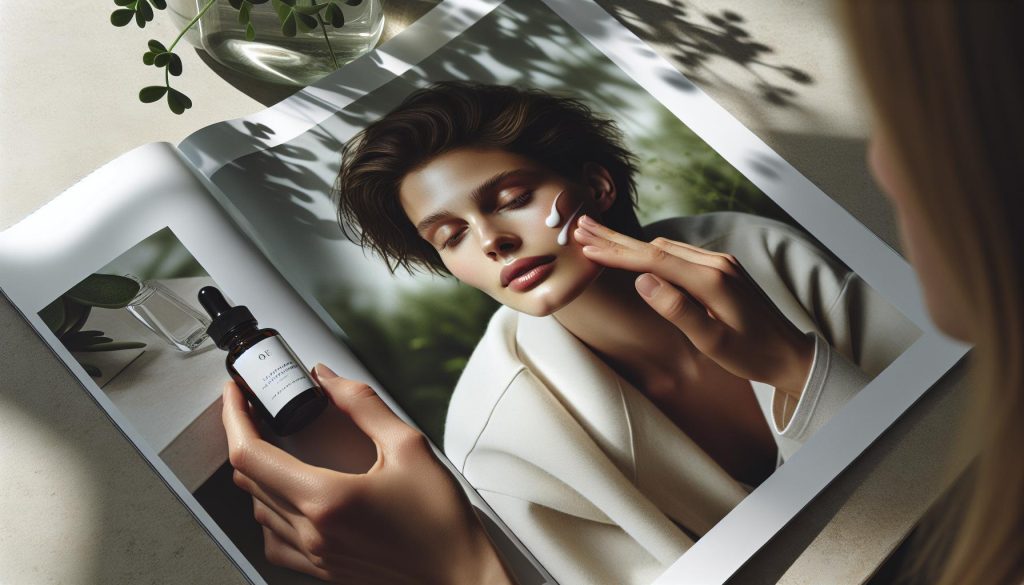
Discover the best hyaluronic acid serum for soothing skin! Restore comfort and hydration today-your skin will thank you. Click to find your perfect match!
How to Use Azulene Soothing Cream for Maximum Benefits

Discover how to use Azulene Soothing Cream for maximum benefits! Learn expert tips to alleviate irritation and achieve healthier skin effortlessly.
Is Cosrx Aloe Soothing Sun Cream a Physical Sunscreen?

Discover if Cosrx Aloe Soothing Sun Cream is a physical sunscreen! Uncover its unique benefits and see why it’s a must-have for your skincare routine.
Is Acure Seriously Soothing Cleansing Cream Safe?

Discover if Acure Seriously Soothing Cleansing Cream is safe for your skin! Uncover its soothing benefits and find out why it could be your next must-have.
Can I Use Aloe Vera After Cleanser? Soothing Routine Hack
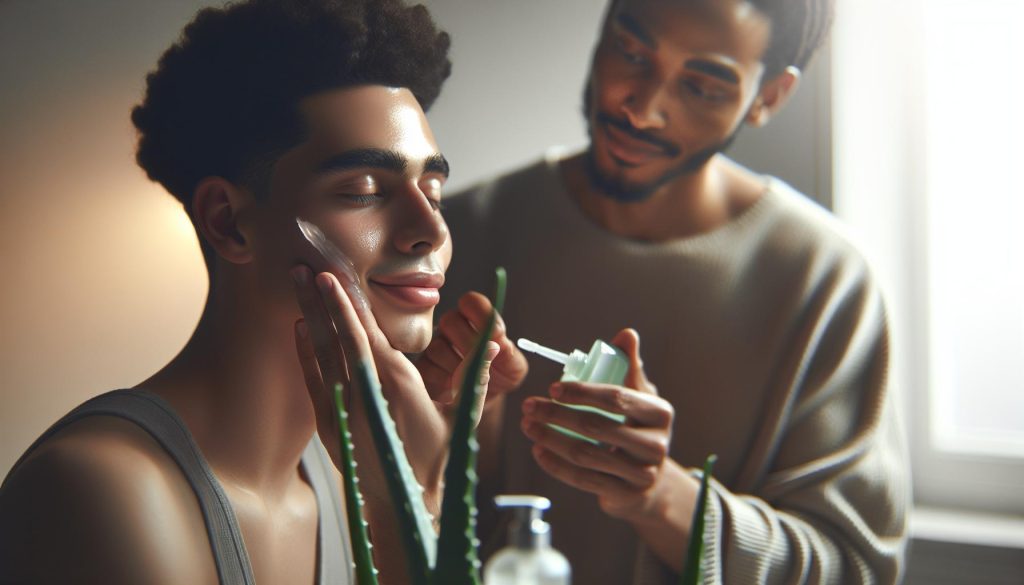
Can I use aloe vera after cleanser? Discover this soothing routine hack to calm your skin and enhance hydration-get glowing today!
Does Aveeno Baby Soothing Relief Cream Have Vitamin E?

Discover if Aveeno Baby Soothing Relief Cream contains Vitamin E! Uncover its soothing benefits and why it’s perfect for your baby’s delicate skin today!
Never Let Anyone Steal Your Peace – Maintain Inner Tranquility

Discover the secrets to inner tranquility with “Never Let Anyone Steal Your Peace.” Learn practical steps for maintaining calm and fostering resilience today!
Foundational Pillars (Start Here)
Is Centella Soothing Cream Fungal Acne Safe?
Detailed analysis covering technique, safety benchmarks, and optimal results for this grooming topic.
What Is The Best Hyaluronic Acid Serum for Soothing Skin?
Detailed analysis covering technique, safety benchmarks, and optimal results for this grooming topic.
How to Use Azulene Soothing Cream for Maximum Benefits
Detailed analysis covering technique, safety benchmarks, and optimal results for this grooming topic.
Is Cosrx Aloe Soothing Sun Cream a Physical Sunscreen?
Detailed analysis covering technique, safety benchmarks, and optimal results for this grooming topic.
Neurogenic Inflammation & Barrier Homeostasis: Phyto-Compounds & Lipid Restoration
Cutaneous reactivity—manifesting as persistent flushing, burning, contact dermatitis, or rosacea flare-ups—is driven by neurogenic inflammation and epidermal barrier deficiency. When the protective cornified envelope is compromised by environmental aggression, harsh chemical peels, or over-exfoliation, sensory C-fibers in the upper dermis become exposed, releasing neuropeptides (substance P and calcitonin gene-related peptide) that trigger vascular dilation and edema.
Soothing dermatological formulations intervene at molecular checkpoints to suppress these inflammatory cascades. Botanical bio-actives—notably Centella Asiatica (rich in madecassoside, asiaticoside, and madecassic acid), colloidal oatmeal (avenanthramides), and bisabolol—actively inhibit pro-inflammatory enzymes (COX-2, iNOS) and downregulate TNF-alpha cytokine expression. When combined with biomimetic lipid complexes containing ceramides, cholesterol, and free fatty acids, soothing skincare restores epidermal structural integrity and re-establishes immunological tolerance.
| Soothing Active Ingredient | Molecular / Botanical Origin | Primary Anti-Inflammatory Mechanism | Clinical Indication |
|---|---|---|---|
| Centella Asiatica (Cica) | Triterpenoid saponins (Madecassoside, Asiaticoside) | Inhibits NF-kB pathway, stimulates Type I collagen synthesis | Erythema, compromised barrier, post-acne inflammatory marks |
| Colloidal Oatmeal | Finely milled Avena sativa containing Avenanthramides | Histamine release inhibition, anti-pruritic polysaccharide film | Eczema, acute itching, contact irritation, dry dermatitis |
| Panthenol (Pro-Vitamin B5) | Alcohol analog of pantothenic acid | Enhances fibroblast proliferation, accelerates re-epithelialization | Wound healing, peeling skin, raw chapped skin surfaces |
| Allantoin | Diureide of glyoxylic acid (Comfrey root derivative) | Keratolytic desquamation with cellular proliferation support | Sensitive skin softening, micro-tear soothing, calming aftershave |
Achieving luminous, healthy skin requires harmonizing targeted active ingredients with the barrier restoration cycle. By understanding molecular delivery systems and respecting the cellular regeneration timeline, individuals can cultivate radiant cutaneous health with long-term resilience.
Topic Directory & Methodologies
Essential Formulations & Guides
Advanced Treatments & Reviews
- How to Pick Out a Dressing for a Wound - Safe Healing Guide
- Can Dry Skin Use Foaming Cleanser Without Getting Worse?
- When to Use Soothing Cream in Your Skincare Routine
- A Derma Rheacalm Light Soothing Cream: Your Guide
- A Derma Sensiphase Soothing Cream: Complete Guide
- What Is The Ordinary Soothing and Barrier Support Serum For?
Frequently Asked Questions
What is the difference between dry skin and a damaged skin barrier?
Dry skin is a skin type characterized by low genetic sebum production. A damaged skin barrier is an acquired condition where the lipid matrix is breached, causing stinging when applying basic moisturizers, persistent redness, and sudden reactivity to previously tolerated products.
Why is Centella Asiatica (Cica) so popular for reactive skin?
Centella Asiatica contains potent triterpenoid compounds (madecassoside and asiatic acid) that suppress inflammatory cytokine signaling, reduce transepidermal water loss, and accelerate the natural wound-healing response of damaged skin.
Can you use active ingredients like vitamin C or AHAs while using soothing skincare?
When your skin is actively stinging, red, or compromised, all exfoliating acids, retinoids, and high-strength L-ascorbic acid serums should be paused. Stick exclusively to a gentle cleanser, soothing hydrating serum, and ceramide barrier cream until tolerance is restored.
What is fungal acne (malassezia folliculitis), and does soothing cream cause it?
Malassezia folliculitis is a fungal infection of hair follicles triggered by an overgrowth of yeast that feeds on specific fatty acids and lipids. People prone to fungal acne must ensure their soothing creams contain exclusively fungal-safe ingredients (avoiding polysorbates and oils).