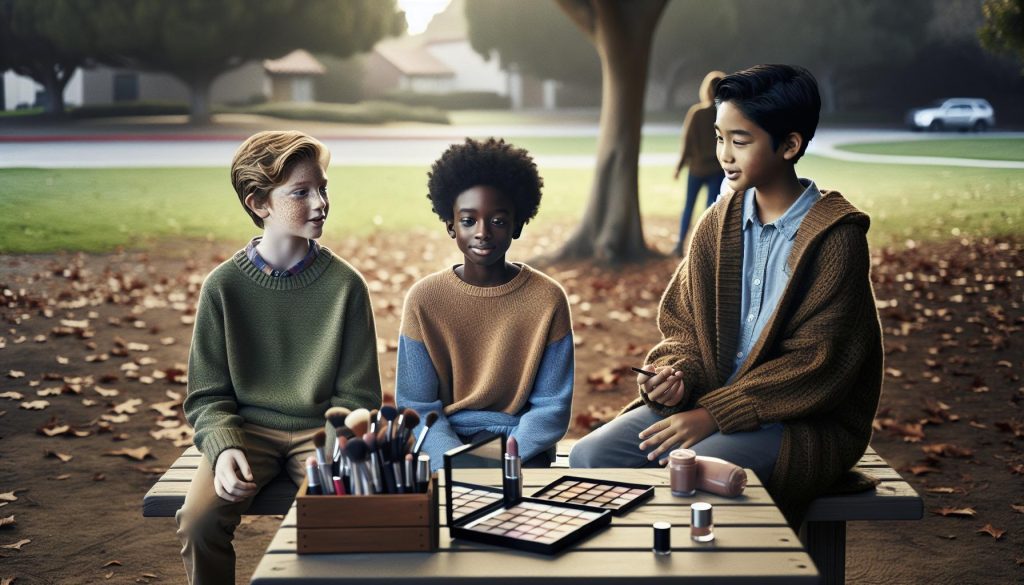
As a parent, the question of whether children should wear makeup can stir up mixed feelings. While it may seem harmless or even fun, there are significant health risks associated with allowing children to don cosmetics. From sensitive skin issues to exposure to potentially harmful chemicals, the effects can be concerning. In this article, we’ll explore the reasons why it’s best to keep the makeup kit closed for young ones and what parents need to consider for their children’s health and well-being. Understanding these risks can help guide your decisions and ensure a safe, nurturing environment for your child as they grow and express themselves. Let’s dive deeper into this important topic!
Why Is Makeup Harmful for Kids’ Skin?
Makeup may seem like a fun way for kids to express themselves, but it can pose significant risks to their delicate skin. Children’s skin is thinner and more sensitive than that of adults, making it particularly vulnerable to irritation and allergic reactions. When makeup products are applied, they can clog pores or introduce harmful chemicals that may lead to breakouts, dryness, or rashes.
Many conventional makeup products contain synthetic fragrances, preservatives, and other harsh ingredients. These substances can cause reactions in sensitive skin, resulting in redness or itching. Additionally, applying makeup often promotes habits like forgetting to wash it off at night, potentially leading to more severe skin issues. Over time, these products can disrupt the skin’s natural barrier, leading to both immediate discomfort and long-term skin concerns.
Parents should also consider the psychological effects of allowing makeup at an early age. While some might argue that it fosters creativity, it may inadvertently convey messages about self-worth tied to appearance. Instilling a healthy perspective on beauty and self-acceptance is crucial during formative years. Instead of focusing on covering flaws, it’s more beneficial to emphasize the beauty of natural skin and encourage confidence without relying on makeup.
In short, exposing children’s skin to makeup can have harmful effects both physically and psychologically. Prioritizing skin health and promoting a positive self-image should come first. By understanding these risks, parents can make more informed choices about when and how to introduce makeup to their children.
Understanding the Common Health Risks of Makeup
Makeup may seem like a fun and creative outlet for kids, but there are several health risks that parents should be aware of before allowing their children to use cosmetics. Children’s skin is inherently more delicate than that of adults, making it susceptible to various issues that could arise from makeup application. For instance, many makeup products contain ingredients that can clog pores, potentially leading to breakouts and skin irritation. In particular, heavy foundations or powders can trap oils and dirt, creating an environment ripe for acne.
Moreover, allergic reactions are a significant concern. Many makeup items include synthetic fragrances, preservatives, and dyes that could provoke reactions in sensitive skin, showing up as redness, itching, or even rashes. This is especially pronounced in children, whose skin tends to be thinner and more reactive. For example, a simple application of scented lip balm might be harmless for adults, but children might develop an allergic response or dermatitis after just one use.
Additionally, the habit of leaving makeup on overnight can exacerbate skin problems. When makeup is not removed properly, it can lead to clogged pores and more severe skin conditions like irritant contact dermatitis or bacterial infections. Encouraging good skincare habits is vital; children need to learn the importance of cleansing their skin thoroughly after wearing makeup.
Another critical factor to consider is the long-term implications of early makeup use. Beyond immediate physical effects, it can influence children’s psychological perceptions of beauty and self-worth. They may come to associate their appearance with acceptance or value, particularly in social settings. Addressing these health risks with empathy and understanding will equip both parents and children with the knowledge needed to navigate the complexities of makeup use responsibly.
Age-Appropriate Makeup: When Is It Okay?

For many children, experimenting with makeup can feel like a rite of passage, a way to express creativity and individuality. However, knowing when it’s appropriate for children to start using makeup can greatly influence their experience and safety. Generally, age-appropriate makeup use often depends on the child’s maturity and understanding of cosmetic application and hygiene.
A good guideline is to introduce makeup during special occasions or events. For example, if a child is invited to a birthday party or holiday celebration, they might enjoy wearing a bit of lip gloss or fun face stickers. These light, temporary products can be a great starting point. At around age 10-12, many children start showing interest in makeup trends or peer influence. At this stage, it’s essential to encourage them to use products that are gentle on their skin. Choose natural or hypoallergenic options specifically designed for young users; these items tend to be formulated without harsh chemicals and are less likely to cause irritation or allergic reactions.
As children transition into their teenage years, they may want to explore more traditional makeup such as foundation, blush, and mascara. This can be an excellent time to educate them about proper skincare routines, including cleansing their face daily and removing makeup before bed. Explain the importance of moderation-rather than going for a full face of makeup daily, suggest a natural look emphasizing features like a hint of blush or tinted lip balm for everyday wear.
Ultimately, it’s about balance and fostering a healthy relationship with beauty products. Encourage open discussions about why they want to wear makeup and how it makes them feel. Establishing a set of guidelines about when and how much makeup is appropriate can help kids enjoy this form of self-expression while keeping their skin and self-esteem in check.
Key Takeaways:
- Introduce makeup during special occasions for a fun experience.
- Choose gentle, hypoallergenic products designed for kids.
- Teach proper skincare habits alongside makeup use.
- Maintain open communication about beauty and self-image.
The Impact of Makeup on Child Development

As children begin to explore the world of makeup, it’s essential to consider how this practice can affect their development. Makeup can serve both a creative outlet and a mechanism for self-expression. However, it can also pose potential challenges that impact a child’s self-image, social interactions, and emotional growth. The temptation to emulate older peers or media figures can put undue pressure on young children, leading to a skewed understanding of beauty and self-worth.
When children wear makeup, they may start associating their appearance with acceptance and approval. This association can be particularly concerning during formative years, as it may foster a reliance on external validation. If a child’s self-esteem becomes too entwined with their makeup choices, they may feel inadequate without it, which can lead to anxiety and body image issues. Encouraging children to appreciate their natural beauty and strengths, rather than solely focusing on aesthetics, helps build resilience against these pressures.
Moreover, the use of makeup can shift a child’s focus from essential developmental milestones to appearance-based goals, potentially stunting their emotional growth. Engaging in play and exploration, rather than concerning themselves with aesthetics, allows children to develop vital social skills and creativity. Encouraging unencumbered playtime can help maintain the balance needed for healthy personal development.
In addition, discussions about beauty standards can inadvertently emphasize certain traits over others, teaching children to view diversity in beauty through a narrow lens. It’s crucial to nurture an inclusive environment that celebrates all appearances. This not only helps reinforce positive self-image but also encourages acceptance of others, fostering empathy and understanding.
Incorporating these discussions at home can empower children to question societal norms, promoting a sense of agency and independence that is vital in their developmental journey.
Key Takeaways:
- Makeup can create pressure to conform to beauty standards, impacting self-esteem.
- Encourage children to focus on their natural beauty and strengths.
- Promote play and exploration over appearance-based goals for emotional growth.
- Foster conversations about diversity in beauty to build empathy and acceptance.
Skin Sensitivity: Why Children Are at Risk

Children’s skin is particularly delicate and sensitive, making them more prone to adverse reactions from makeup products. With thinner epidermis and a higher permeability compared to adults, children’s skin can easily absorb chemicals, which may lead to irritation, rashes, or allergic reactions. This is why careful consideration of what they apply to their skin is crucial.
The ingredients commonly found in makeup-like fragrances, preservatives, and colorants-are frequent culprits of skin issues. For instance, a popular brand’s bright eyeshadow may be enticing, but the synthetic dyes and parabens used can provoke contact dermatitis, a condition characterized by itchy, inflamed skin. Thus, understanding product ingredients and opting for hypoallergenic or fragrance-free options can mitigate risks. Always performing a patch test on a small area of skin before full application is a wise practice, especially for children.
Additionally, the act of removing makeup can pose hazards itself. Many makeup removers contain alcohol or other harsh chemicals that can strip the skin of its natural oils, leading to dryness or irritation. If children practice makeup, it is essential to use gentle, soothing removers and to follow up with a good moisturizer to maintain their skin’s health.
To safeguard sensitive skin, here are some practical tips:
- Choose products designed specifically for children’s skin, as they are often formulated with gentler ingredients.
- Encourage proper hygiene: wash hands before applying makeup and remove it before bedtime.
- Monitor for redness, itching, or discomfort after application, which could indicate a reaction.
- Introduce makeup gradually, starting with simple, washable products, to gauge how their skin responds.
Being mindful of these aspects will not only protect children’s sensitive skin but also foster a healthier relationship with beauty and self-expression.
Chemical Ingredients in Makeup to Avoid

To ensure the safety and health of children’s delicate skin, it’s crucial to be aware of specific ingredients commonly found in makeup that can be harmful. Children may have heightened sensitivities and a greater risk of allergic reactions, which makes ingredient awareness essential.
Firstly, parabens, widely used as preservatives in cosmetics, can disrupt hormonal processes. Products containing parabens may lead to skin irritation, particularly in younger users whose bodies are still developing. Another group of ingredients to avoid is fragrances. These can be comprised of synthetic compounds that can trigger allergic reactions or dermatitis. Choosing fragrance-free options is wise to minimize potential risks.
Additionally, artificial colorants, especially those derived from coal tar, such as FD&C dyes, are known to cause allergic reactions. These ingredients can provoke skin irritation and, in some cases, long-term health concerns. Opting for products with natural pigments can be a safer alternative.
Another common ingredient to avoid is sodium lauryl sulfate (SLS), a surfactant used to create lather. While effective in cleansing, SLS can be harsh, stripping natural oils away from the skin and leading to dryness and irritation. Instead, look for gentler cleansing agents formulated specifically for sensitive skin.
For parents, understanding how to read product labels is empowering. Focus on the ingredient list and look for items specifically marked as “hypoallergenic” or “suitable for sensitive skin.” Patch tests can also help gauge how a child’s skin might react to new products. By paying close attention to what goes on their skin, you can help your child enjoy the fun of makeup without compromising their health.
Remember, the goal is to foster a safe experience with makeup that encourages creativity rather than risk; opting for safer alternatives can make all the difference in protecting their skin and overall well-being.
How Makeup Can Affect Children’s Confidence
The relationship between makeup and a child’s self-esteem can be as intricate as the colors in a palette. For children, the allure of makeup can often symbolize fun, creativity, and even maturity. However, it’s essential to navigate this excitement carefully. While some makeup can indeed boost confidence by allowing kids to express themselves, it can also perpetuate unrealistic beauty standards and fuel insecurities.
Research indicates that early exposure to beauty culture may shape a child’s self-image. When children apply makeup, they might believe they’re enhancing their appearance in a positive way, fostering confidence in their creativity and personal style. Nonetheless, dependence on makeup for confidence can have the opposite effect, as it may lead them to feel inadequate without it. It’s crucial for children to learn that their worth is not determined by their appearance but by their character and abilities.
Additionally, peer pressure plays a significant role. Children might use makeup to fit in or gain acceptance among their peers, which can be harmful if they feel judged or compared to others. Open conversations with children about beauty standards and self-acceptance can help mitigate these pressures. Encouraging self-expression through other mediums, such as art or sports, can also promote a healthy sense of identity.
In fostering a supportive environment, parents and guardians can guide children towards understanding the importance of inner beauty and self-confidence. Instead of solely emphasizing external appearances, affirming their qualities, talents, and intelligence can build a foundation of self-esteem that isn’t reliant on makeup or societal beauty standards. By doing so, we empower children to embrace their natural beauty and capabilities, making them feel confident both with and without makeup.
Alternatives to Traditional Makeup for Kids
Kids often see makeup as a fun tool for creativity and self-expression, but there are some great alternatives that can allow them to play with color and design without the potential health risks associated with traditional cosmetics. These options can be just as enjoyable while promoting a healthier approach to beauty.
One popular choice is face paint, which is designed specifically for skin safety, making it a great substitute for traditional makeup. Face paint comes in vibrant colors and can be easily removed with soap and water. It’s perfect for creative play during parties or themed events, and kids can express their imagination through designs like animals, superheroes, or fantastical creatures.
Another fun and safe alternative is colorful body glitter or shimmers. Look for cosmetic-grade glitter that’s safe for skin use, as it’s typically made from non-toxic materials. These can add sparkle and excitement to any outfit without exposing kids to the harsh chemicals found in many makeup products. Just remember to apply it lightly and help your child wash it off thoroughly afterward to avoid irritation or allergic reactions.
Temporary tattoos are another engaging option. They let children experiment with designs and styles without the need for makeup application. You can find a variety of themes, from animals to favorite characters, allowing for personalized expression. Plus, they wash off easily with soap and water.
When it comes to skin hydration, introducing kids to tinted lip balms made from natural ingredients provides a splash of color while nourishing their lips. Opt for products that are free from synthetic dyes and fragrances to ensure they are gentle on young skin.
Each of these alternatives not only nourishes creativity but also fosters a sense of play without the harmful effects of traditional makeup. Encourage your child to showcase their personalities through these safer options, allowing them to indulge in fun while instilling a foundation of skin health and safety. Remember, it’s all about balancing creativity with care; understanding the products used on their skin will empower them to make healthier choices in the future.
Educating Kids About Makeup Safety
When it comes to makeup safety, knowledge is your best ally. Kids might be drawn to the colorful and fun aspects of cosmetics, but understanding the implications of using makeup on their sensitive skin is vital for their health and well-being. Start by having open conversations about why certain products are not suitable for them. Explain that children’s skin is different from adults’, being thinner and more susceptible to irritation and allergic reactions.
To make learning engaging, you could conduct a mini-experiment with safe products. For example, take a look at the ingredient labels on different cosmetics and discuss which components could be harmful. This educates them on how to read labels and make informed decisions. Encourage them to recognize what’s safe and what’s not, guiding them toward safer alternatives like natural or homemade products, which can be as enjoyable and vibrant as commercial makeup.
In addition to discussing ingredients, emphasize the importance of hygiene when it comes to makeup application. Teach children to always wash their hands before touching their faces or applying any products. A simple rule like “if it goes on your face, it needs to be clean” can reinforce the idea that cleanliness is critical. You can even demonstrate proper ways to remove makeup at the end of the day, underscoring the need for good skincare habits.
Lastly, remind children that beauty is more than skin-deep. Share messages about self-esteem and confidence that reinforce the notion that they don’t need makeup to feel good about themselves. Celebrate their natural beauty and encourage creative expression through non-cosmetic means like art or fashion. By instilling these principles, you’re not just promoting safety; you’re empowering them to embrace their true selves.
Parenting Tips: Setting Boundaries for Makeup Use
Establishing boundaries around makeup use for children can be a delicate balancing act, especially as they become more curious and influenced by social media and peer interactions. Understanding that children’s skin is particularly sensitive and more prone to irritation and allergic reactions is crucial. Setting clear, age-appropriate guidelines not only nurtures their curiosity but also protects their delicate complexions and fosters a healthier relationship with beauty.
Start by having open discussions about the reasons behind these boundaries. Explain how some makeup products contain harsh chemicals that might harm their skin. You might say something like, “Our skin is like a sponge; it absorbs everything, and we want to be careful about what we put on it.” This approach not only helps them understand but also empowers them to make informed decisions as they grow older.
A good practical step is to establish specific times for makeup use. Relate it to special occasions such as birthdays, family events, or school performances. This creates excitement around the idea of makeup and teaches moderation. You could also encourage them to use makeup as a form of artistic expression rather than a daily necessity. For instance, allow them to explore different looks using non-toxic, kid-friendly products-perhaps something like face paint for a fun dress-up day.
Moreover, involve your children in the conversation about what types of makeup are suitable for them. Use this opportunity to guide them towards safer alternatives, such as natural or hypoallergenic products. Create a “makeup safety checklist” together, listing ingredients to avoid and fun, safe products to try. This not only educates them but also makes them feel included in making choices about their beauty routines.
Lastly, always emphasize that beauty is not dependent on makeup. Celebrate their natural features and encourage self-expression through various channels, such as art or fashion. By instilling these habits and values, you create a healthy framework that honors their interests while protecting their skin and self-esteem.
Signs of Allergic Reactions to Watch For
Allergic reactions to makeup can pose significant risks, especially for children whose sensitive skin may react differently than adults. It’s essential to be vigilant about any signs that may indicate a reaction, as early detection can prevent more severe complications. Knowing what symptoms to look for not only helps protect your child’s skin but also fosters a safer exploration of makeup.
Watch for common indicators such as redness, itching, or swelling around the application area. Rashes can also develop, which may appear as small bumps or hives. In some cases, children might experience a burning sensation or painful irritation where the makeup was applied. These reactions can happen immediately after application or may develop over a few hours, so keeping track of when makeup was used can help identify potential triggers.
Additionally, pay attention to other symptoms that may seem unrelated to skin issues. For instance, if your child complains about a headache or feels dizzy after using a particular cosmetic, this could signal an allergic reaction. Sometimes, sneezing or a runny nose can also indicate a sensitivity to ingredients in makeup, especially those with strong fragrances or preservatives.
If any of these signs arise, it’s crucial to promptly remove the makeup and cleanse the affected area with a gentle cleanser. You can apply a soothing, fragrance-free moisturizer to help calm the skin. In severe cases, such as difficulty breathing or swelling of the lips and eyes, seek immediate medical attention. By keeping an eye on these signs and maintaining open communication about makeup usage, you can ensure a safer experience for your child while navigating the world of beauty.
Building Healthy Self-Esteem Without Makeup
Fostering healthy self-esteem in children is essential for their overall development, and it can thrive without the presence of makeup. Interestingly, many experts argue that the real beauty lies in authenticity. By celebrating natural appearance and encouraging children to appreciate their unique traits, parents can cultivate a positive self-image that lasts a lifetime. Instead of relying on makeup as a confidence booster, teach kids to value their inherent qualities and talents.
One effective way to enhance self-esteem is through engaging activities that promote self-expression. Encourage your child to participate in art, sports, or theater-any outlet that allows them to showcase their individuality and creativity. For instance, joining a dance class can not only improve physical skills but also provide a supportive environment where children feel valued for their effort rather than their appearance. This shift in focus helps build their internal confidence and self-worth.
Additionally, affirmation plays a crucial role in building self-esteem. Regularly verbalize appreciation for who your child is beyond their looks. Compliment their kindness, creativity, or intelligence. You might say, “I love how you helped your friend today” or “You have such a creative mind!” This practice reinforces the message that their value comes from their character, not external enhancements.
Enhancing self-image without makeup isn’t just about encouragement; it’s also about helping children understand and navigate societal pressures. Talk openly about media portrayals and the unrealistic beauty standards that can create insecurities. Using real-life examples, you can guide them to think critically about what they see and how it contrasts with the reality of beauty in diversity.
By nurturing an environment where unique qualities are celebrated, and confidence stems from within, children can grow into self-assured individuals who embrace their natural beauty-making them less likely to equate their worth with makeup or outward appearances.
FAQ
Q: Why is it harmful for children to wear makeup?
A: Makeup can disrupt children’s sensitive skin, leading to breakouts or allergic reactions. The skin of children is more permeable, making them susceptible to harmful chemicals found in cosmetics, potentially affecting their overall health and skin development.
Q: What are the health risks associated with makeup for kids?
A: Health risks include allergic reactions, skin irritation, and exposure to toxic ingredients like heavy metals and preservatives. These can cause rashes, acne, or long-term skin conditions, making it crucial for parents to monitor makeup use.
Q: At what age is it safe for kids to start wearing makeup?
A: While it varies, most experts recommend waiting until pre-teens (around age 12) for basic makeup. By this age, children can generally understand and manage the potential risks associated with makeup use and skin care.
Q: Can wearing makeup affect a child’s self-esteem?
A: Yes, makeup can create unrealistic beauty standards, impacting a child’s self-esteem. Children may feel pressured to conform to these ideals, which can lead to body image issues and mental health challenges.
Q: What should parents know about makeup safety for kids?
A: Parents should check labels for harmful ingredients, opt for hypoallergenic products, and supervise makeup application. Teaching children about skin care and the risks of cosmetics is essential for safe makeup practices.
Q: How can I tell if my child has an allergic reaction to makeup?
A: Symptoms of an allergic reaction include redness, swelling, itching, and rashes on the skin. If these signs appear after makeup use, discontinue the product immediately and consult a healthcare professional.
Q: Are there safe alternatives to traditional makeup for children?
A: Yes! Consider using natural or organic products specifically designed for children, such as mineral makeup or DIY recipes using safe, edible ingredients like coconut oil and beet juice for color.
Q: What educational strategies can help kids understand makeup safety?
A: Discuss the importance of skin health, educate them on harmful ingredients, and create open dialogues about beauty standards. Encourage children to express their creativity without relying on makeup for confidence.
The Way Forward
As we’ve discussed, allowing children to wear makeup poses various health risks that shouldn’t be overlooked, from skin irritation to the psychological impacts of beauty standards. Protecting their skin and self-esteem is essential, so consider exploring safer alternatives, like nurturing skincare routines, instead. If you’re curious about more child-friendly beauty and wellness practices, check out our articles on “Safe Skincare for Kids” and “Understanding Beauty Standards for Young Minds.”
Don’t forget to share your thoughts in the comments below; your experiences can help other parents navigate this sensitive topic. For more insights directly to your inbox, sign up for our newsletter, and stay informed about practical tips that prioritize your child’s well-being. Remember, knowledge is power-arm yourself with the best choices for your children’s health today!
Get our latest guides, news, and insights highlighted in your Google Search & AI Overviews.