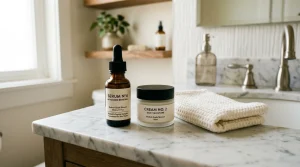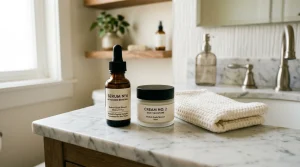
If you struggle with fungal acne, you know how challenging it can be to find the right products that soothe without exacerbating the issue. Centella Soothing Cream, renowned for its calming properties, may seem like a perfect choice, but is it truly safe for fungal acne-prone skin? This cream is valued for its ability to reduce inflammation and hydrate, potentially providing relief for sensitive skin. However, understanding how its ingredients interact with fungal acne is crucial. By exploring whether Centella Soothing Cream meets your skin’s needs, you can make informed choices that will not only enhance your complexion but also foster your confidence. Let’s dive deeper into this topic to ensure your skincare routine is effective and safe.
Understanding Fungal Acne: What You Need to Know

Fungal acne, often mistaken for regular acne, is a condition caused by an overgrowth of yeast on the skin, specifically Malassezia. This type of acne tends to appear as small, itchy bumps that can proliferate on the face, back, and shoulders, particularly in warm and humid environments. Unlike traditional acne, which is typically treated with products containing salicylic acid or benzoyl peroxide, fungal acne requires different management strategies that focus on controlling yeast growth.
One essential aspect of managing fungal acne is understanding the importance of using non-comedogenic and lightweight products that allow the skin to breathe. The skin’s barrier function can easily become compromised with harsh chemicals, leading to more irritation and flare-ups. For those considering Centella Soothing Cream, it’s vital to note that Centella Asiatica, the key ingredient in this cream, has properties that can help soothe inflammation and promote healing, making it a potentially beneficial option for those struggling with fungal acne.
Furthermore, individuals dealing with fungal acne should pay close attention to their skincare routines. Avoiding heavy creams or oils that can exacerbate the condition is crucial. Centella Soothing Cream is typically well-tolerated, but as with any new product, it’s advisable to perform a patch test to ensure no adverse reactions occur. Understanding the specific needs of fungal acne can empower individuals to make informed choices about their skincare, leading to better results and healthier skin overall.
Is Centella Soothing Cream Safe for Fungal Acne?
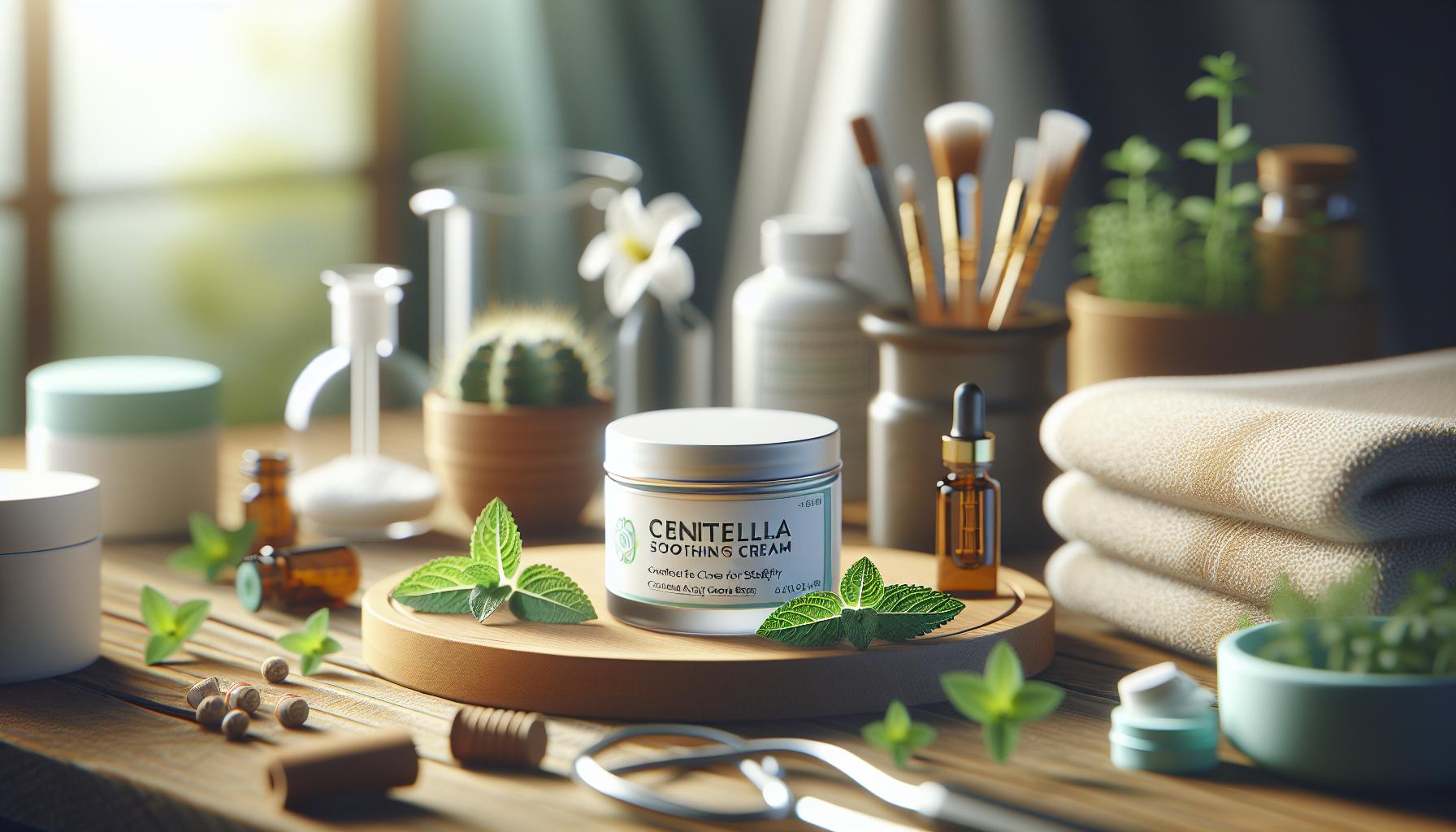
Centella Soothing Cream is often hailed as a miracle worker for its calming properties, but if you’re dealing with fungal acne, you may be wondering if it’s truly safe to use. One of the main ingredients in this cream, Centella Asiatica, is renowned for its ability to soothe inflammation and promote healing, making it an appealing choice for those with sensitive or irritated skin, including those experiencing fungal acne.
When selecting products for fungal acne, it’s crucial to choose non-comedogenic options that won’t clog your pores. Centella Soothing Cream not only fits this criteria, but its lightweight formula is designed to hydrate without overwhelming the skin or exacerbating yeast growth caused by Malassezia. However, despite its benefits, individual reactions can vary. It’s always wise to conduct a patch test on a small area of skin before fully incorporating a new product into your routine-simply apply a small amount to your forearm and observe for any adverse reactions over 24 hours.
In terms of safety, many users report positive experiences with Centella Soothing Cream while managing fungal acne. Its soothing properties may help reduce redness and irritation, and the cream can assist in repairing the skin’s barrier. For optimal results, use it as part of a comprehensive skincare routine that includes gentle cleansing and other fungal acne-friendly products. Remember to avoid heavy oils or alcohol-based products that could irritate your skin further. If you’re already using other treatments targeted for fungal acne, such as anti-fungal washes or creams, check with a dermatologist to ensure the combination of products is appropriate for your skin type.
In conclusion, Centella Soothing Cream generally offers a reassuring option for individuals dealing with fungal acne, provided it’s used cautiously and judged against your skin’s specific needs. Building a skincare regimen that prioritizes lightweight and soothing ingredients is key to managing and alleviating the symptoms of fungal acne effectively.
Key Ingredients in Centella Soothing Cream
Centella Soothing Cream features a blend of potent ingredients that make it a versatile ally for managing skin concerns, particularly for those dealing with fungal acne. At the heart of this formulation is Centella Asiatica, a powerhouse herb known for its remarkable anti-inflammatory and healing properties. This plant not only soothes irritated skin but also promotes collagen production, helping to strengthen the skin barrier-an essential factor for those with compromised skin due to acne.
In addition to Centella Asiatica, the cream often contains madecassoside, which further enhances its calming effects by reducing redness and irritation. Madecassoside is a specific compound derived from Centella that has been shown to aid in wound healing and improve the skin’s overall texture. This is particularly beneficial for preventing post-inflammatory hyperpigmentation that can result from breakouts.
Another common ingredient is hyaluronic acid, renowned for its ability to provide intense hydration. Keeping the skin hydrated is crucial, especially when managing fungal acne, as it helps to prevent over-drying, which can lead to an increase in oil production-potentially exacerbating the issue. Hyaluronic acid draws moisture into the skin, making it feel plump and refreshed.
Moreover, you might find niacinamide in the formula; this ingredient helps to regulate oil production and reinforces the skin’s barrier function. Niacinamide is also known for its ability to brighten the skin and improve uneven skin tone, which is a common concern for those struggling with persistent acne.
To summarize, the work synergistically to calm inflammation, promote healing, and maintain hydration without clogging pores. With these well-researched components, this cream is designed to be gentle yet effective, making it a thoughtful choice in the skincare arsenal against fungal acne. Embracing these carefully selected ingredients can help support your journey toward clearer and healthier skin.
Benefits of Using Centella for Fungal Acne
For anyone grappling with fungal acne, the search for effective skincare can feel overwhelming, but Centella Asiatica offers a promising solution. This remarkable herb, often found in soothing creams, has gained popularity for its powerful anti-inflammatory properties, making it particularly beneficial for those experiencing the discomfort of fungal acne. Its ability to calm irritation and reduce redness is crucial for creating a more even skin tone and improving overall skin texture.
One of the standout benefits of using Centella in skincare is its capacity to promote wound healing and bolster the skin barrier. For individuals dealing with fungal acne, maintaining a strong skin barrier is vital, as it helps protect against external irritants and reduces the likelihood of further breakouts. The active compounds in Centella, such as madecassoside, work to enhance the healing process, allowing existing blemishes to recover more efficiently and reducing the risk of irritation-induced scarring.
In addition to its healing properties, Centella Asiatica aids in hydration. A well-hydrated skin barrier is essential when managing fungal acne, as it prevents excessive dryness that can ironically lead to increased oil production; this creates an environment conducive to fungal growth. Formulations that incorporate Centella often include hydrators like hyaluronic acid, which draws moisture into the skin. This dual action of calming and hydrating helps maintain skin balance, providing a more resilient surface that can withstand common triggers.
Moreover, Centella’s versatility makes it a relatable ally for everyone, regardless of skin type. Whether oily, dry, or combination, the soothing nature of this herb ensures that it caters to diverse skincare needs without the risk of clogging pores-a key consideration for those prone to acne. Overall, integrating a Centella soothing cream into your routine not only addresses the immediate concerns associated with fungal acne but also supports long-term skin health. This holistic approach fosters a clearer, calmer complexion, encouraging you on your journey towards healthier skin.
How to Properly Use Centella Soothing Cream
For those navigating the challenges of fungal acne, using Centella soothing cream can be an effective way to support skin health and comfort. Getting the application process right is crucial to reaping its full benefits. To start, ensure your face is clean by washing it with a gentle, sulfate-free cleanser. Pat your skin dry with a clean towel, but leave it slightly damp; this helps in better absorption of the soothing cream.
When applying the cream, a dime-sized amount is usually sufficient. Gently spread the cream over your face using your fingertips or the palm of your hand. Employ soft, circular motions without applying too much pressure, which could irritate the skin further. Focus on areas where you experience the most irritation or breakouts, ensuring every part of your face gets some attention. Allow the cream to absorb for at least 30 seconds before proceeding with your usual makeup or sunscreen. For optimal results, it’s best to use the cream twice daily-once in the morning and once at night-after cleansing.
While using Centella soothing cream, it’s also important to monitor your skin’s reactions. If any irritation occurs, reduce the frequency of application and consult with a dermatologist if needed. Pairing it with other calming ingredients, like hyaluronic acid or niacinamide, can enhance its effects without compromising your skin’s delicate needs. Always patch-test any new product on a small area of your skin before full application to prevent unwanted reactions.
In summary, correctly applying Centella soothing cream involves cleansing, using a small amount of product, and ensuring gentle application to maximize benefits while minimizing irritation. Consistency and careful observation of your skin will lead to better outcomes as you work towards managing fungal acne effectively.
Possible Side Effects and Considerations
When considering Centella soothing cream for managing fungal acne, it’s essential to be aware of potential side effects and other considerations. While many users praise its calming properties and skin-soothing effects, individual reactions can vary significantly. This is particularly true for those with sensitive skin or specific allergies, highlighting the importance of a patch test prior to full application.
A common side effect to keep in mind is the risk of irritation, especially if you apply the cream on already inflamed or damaged skin. Start by using a small amount, perhaps a dime-sized dollop, and monitor your skin’s reaction over the course of several days. If redness, itchiness, or an unusual warmth occurs, it’s advisable to discontinue use and consult with a dermatologist. Allergic reactions, although rare, can also happen, typically presenting as localized swelling or redness.
Moreover, while Centella is known for its natural anti-inflammatory properties, it is still crucial to avoid over-layering products that might further irritate the skin. For example, combining it with strong actives like retinoids or direct acids (like glycolic or salicylic acid) without adequate spacing might overwhelm your skin, leading to rebound irritation.
Another factor to consider is the formulation of the specific Centella product you’re using. Ingredients like added scents or preservatives may trigger sensitive skin reactions. Always read labels carefully and opt for formulations specifically designed for acne-prone or sensitive skin. By understanding these considerations and keeping a close eye on your skin’s responses, you can use Centella soothing cream more safely and effectively while managing fungal acne.
Comparing Centella with Other Acne Treatments
Fungal acne can be particularly stubborn and frustrating, leading many to seek effective treatments and remedies. Among the myriad of options available, Centella soothing cream has carved a niche for its natural healing properties. But how does it stack up against other popular acne treatments, especially those aimed at combating fungal acne? Let’s break it down.
First, it’s important to distinguish Centella from traditional acne treatments, like benzoyl peroxide and salicylic acid. While these ingredients are effective at treating bacterial acne, they can sometimes exacerbate fungal conditions. For instance, benzoyl peroxide works by killing bacteria and reducing oil, but it doesn’t address yeast overgrowth that often characterizes fungal acne. Conversely, Centella, derived from the Centella Asiatica plant, is renowned for its anti-inflammatory and healing properties. It soothes irritated skin and helps restore the skin barrier, making it a gentle option for those suffering from fungal acne without the harsh side effects typically associated with stronger actives.
Moreover, when comparing it to other natural remedies like tea tree oil, it’s noteworthy that tea tree oil can be quite potent and may cause irritation for sensitive skin types. Centella soothing cream, however, offers a more hydrating approach without aggressive drying or irritation, which can be particularly beneficial if your fungal acne is already inflamed or sensitive. Its ability to calm redness and promote healing makes it a contender worth considering.
Then there’s the prescription route, such as topical antifungals or retinoids. While these can be effective, they often come with a list of potential side effects and may require a dermatologist’s oversight. Centella, on the other hand, can be easily incorporated into your skincare regime without the need for a prescription, appealing to those looking for a more accessible solution.
In summary, while traditional treatments might target specific types of acne, Centella soothing cream stands out for its gentle, restorative approach. It is particularly well-suited for those battling fungal acne, helping to soothe, heal, and bolster the skin’s natural defenses without risking further irritation or complications. Remember, the best choice ultimately depends on your individual skin type and needs, and listening to your skin is key to finding what works for you.
User Reviews: Centella Soothing Cream Experiences
User experiences with Centella soothing cream for fungal acne reveal a mix of healing success and cautious optimism. Many users highlight the cream’s gentle formulation, which is formulated from Centella Asiatica-an herbal powerhouse known for its soothing properties. Those who previously battled with harsher anti-acne treatments such as benzoyl peroxide have found a sense of relief with Centella, as it doesn’t exacerbate their skin’s sensitivity.
Feedback frequently underscores its hydrating qualities; users remark how the cream helps restore moisture without leaving a greasy residue, making it suitable for both oily and dry skin types. A common praise is its ability to calm redness and inflammation, often within just a few days of consistent use. Some share that they experienced a significant reduction in breakouts and irritation after incorporating it into their skincare routines, allowing them to feel more confident in their skin.
However, it’s essential to approach these reviews with realistic expectations. While many find success, results can vary. Some users caution that while Centella soothing cream aids in healing existing lesions, it may not entirely prevent new fungal acne formation if other underlying factors-like hormonal imbalances or a dietary link-are at play.
For those interested in trying the cream, users suggest starting with a patch test on a small area of skin to gauge any reaction before full application. A typical user recommendation is to apply a dime-sized amount to clean, damp skin and gently massage it in using circular motions. Regular use may not yield overnight miracles, but patience and consistency are frequently cited as key factors in achieving clearer, healthier skin.
In summary, the general consensus reveals that many have found Centella soothing cream a beneficial addition to their skincare regime against fungal acne. With its calming and restorative effects, it provides a promising natural alternative to more abrasive treatments, helping users achieve a balanced complexion with grace and gentleness.
Frequently Asked Questions About Centella and Fungal Acne
If you’re navigating the complex world of fungal acne and considering incorporating Centella Soothing Cream into your routine, you’re probably eager for answers. Many people wonder whether this gentle, plant-derived ingredient can help with their specific acne concerns, especially since fungal acne requires a careful balance to avoid irritation. Centella Asiatica, often heralded for its healing properties, is known to calm inflammation and promote skin barrier recovery, making it a popular choice among those with sensitive skin.
One of the most common questions is whether Centella is safe for fungal acne. The good news is that many users report positive results. Centella’s soothing characteristics can reduce redness and improve moisture retention without excessive oiliness, which is crucial for managing fungal acne. However, it’s essential to remember that individual reactions can vary. While many find relief, some may not see significant results, especially if underlying triggers like hormonal factors are at play.
Another frequent inquiry revolves around how to use Centella Soothing Cream effectively. A practical approach is to start with a patch test on a small area of skin. If no adverse reactions occur within 24 hours, proceed to apply a dime-sized amount on clean, damp skin. Gently massage the cream in using circular motions for about thirty seconds. This not only enhances absorption but also allows your skin to benefit from Centella’s anti-inflammatory properties with each application.
Off-label uses for Centella are also a point of interest. Some users have successfully used it alongside other treatments, such as salicylic acid or dedicated antifungal products. If you plan on layering products, apply Centella after your active treatments but before heavier moisturizers or occlusives. Consistency is key here; regular use-as recommended-helps achieve clearer, healthier skin over time.
In summary, while Centella Soothing Cream is generally regarded as safe and beneficial for those dealing with fungal acne, it’s important to be mindful of your unique skin type and other factors that might influence your results. As with any skincare journey, patience and careful observation of your skin’s responses are vital.
Tips for Maintaining Healthy Skin with Fungal Acne
Navigating the challenges of fungal acne can feel overwhelming, but there are effective strategies you can incorporate into your skincare routine to maintain healthy skin. One of the key approaches is to focus on a balanced regimen that prioritizes hydration while also being conscious of oil production. Since fungal acne thrives on excess oil, it’s crucial to choose products that moisturize without clogging pores. Centella Soothing Cream is a great option here, as it hydrates and calms irritation without adding unnecessary oils to your skin.
To keep your skin in optimal condition, consider adopting a gentle cleansing routine. Use a mild, non-comedogenic cleanser to wash your face twice daily, which helps remove excess sebum and impurities without causing irritation. Look for cleansers containing ingredients like salicylic acid or tea tree oil, known for their antifungal properties. After cleansing, ensure to apply your Centella Soothing Cream while your skin is still damp. This not only enhances absorption but also locks in moisture effectively. Apply a dime-sized amount, massaging gently into your skin in circular motions for about thirty seconds.
In addition to your topical routine, lifestyle tweaks can also make a significant difference. Stay hydrated by drinking enough water throughout the day, helping to maintain skin’s elasticity and overall health. Pay attention to diet; incorporating foods rich in antioxidants, like fruits and vegetables, can bolster your skin’s defenses. Foods high in omega-3 fatty acids, such as fatty fish and flaxseeds, may also combat inflammation and promote healthy skin. Lastly, don’t forget the importance of stress management; practices like yoga or meditation can help lower cortisol levels, potentially reducing the factors that contribute to fungal acne.
In summary, maintaining healthy skin while dealing with fungal acne involves a blend of thoughtful product choices, a consistent cleansing routine, and beneficial lifestyle habits. With a little patience and care, you can support your skin in the journey to clearer and healthier skin.
Frequently Asked Questions
Q: Is Centella soothing cream effective for treating fungal acne?
A: Yes, Centella soothing cream can be effective for treating fungal acne. Its anti-inflammatory properties help calm irritated skin and reduce redness. Make sure to choose a formula that is free from occlusive ingredients that might worsen fungal acne.
Q: What ingredients should I avoid in skincare if I have fungal acne?
A: Avoid ingredients like oils (coconut oil, shea butter) and fatty alcohols, as they can feed the fungus responsible for fungal acne. Always check product labels and opt for non-comedogenic and lightweight formulations.
Q: How does Centella Asiatica help with acne treatment?
A: Centella Asiatica helps with acne treatment by promoting healing of damaged skin and reducing inflammation. Its antioxidants also support skin barrier function, making it a suitable choice for acne-prone skin [2].
Q: Can using Centella soothing cream cause any side effects?
A: Centella soothing cream is generally well-tolerated, but for some, it may cause mild irritation or allergic reactions. It’s best to perform a patch test before applying it to larger areas, especially if your skin is sensitive.
Q: How should I incorporate Centella soothing cream into my skincare routine?
A: For the best results, apply a dime-sized amount of Centella soothing cream to clean, damp skin twice daily. Gently massage it in using circular motions to enhance absorption and soothe irritated areas.
Q: Is it safe to use Centella soothing cream with other acne treatments?
A: Yes, you can use Centella soothing cream alongside other acne treatments. Its soothing properties can complement active ingredients like benzoyl peroxide or salicylic acid, but start slowly to monitor your skin’s reaction.
Q: When should I expect results from using Centella soothing cream on fungal acne?
A: Most users can expect to see improvement within 2-4 weeks of consistent use. However, individual results can vary based on skin type and severity of the fungal acne, so patience is key.
Q: Are there any specific brands of Centella soothing cream recommended for fungal acne?
A: While there are many brands available, look for options that emphasize non-comedogenic and lightweight formulas. Brands like SKIN1004, known for high-quality Centella products, may be worth exploring for their soothing properties [1].
Future Outlook
As we wrap up our exploration of whether Centella Soothing Cream is safe for fungal acne, remember that this cream can be a gentle ally in your skincare routine, especially if you’re dealing with sensitive or irritated skin. Many users report significant relief from redness and irritation, making it a compelling choice for those navigating the challenges of fungal acne. If you’re still unsure, consider patch testing or consulting with a skincare professional.
For more insights on how to optimize your skincare routine, check out our guides on the best ingredients for acne-prone skin and understanding fungal acne treatment options. These resources can empower your journey toward clearer skin. Don’t forget to sign up for our newsletter for updates on the latest skincare trends and tips! Your skin deserves the best care, and we’re here to help every step of the way. Share your thoughts and experiences in the comments below; we love hearing from you!