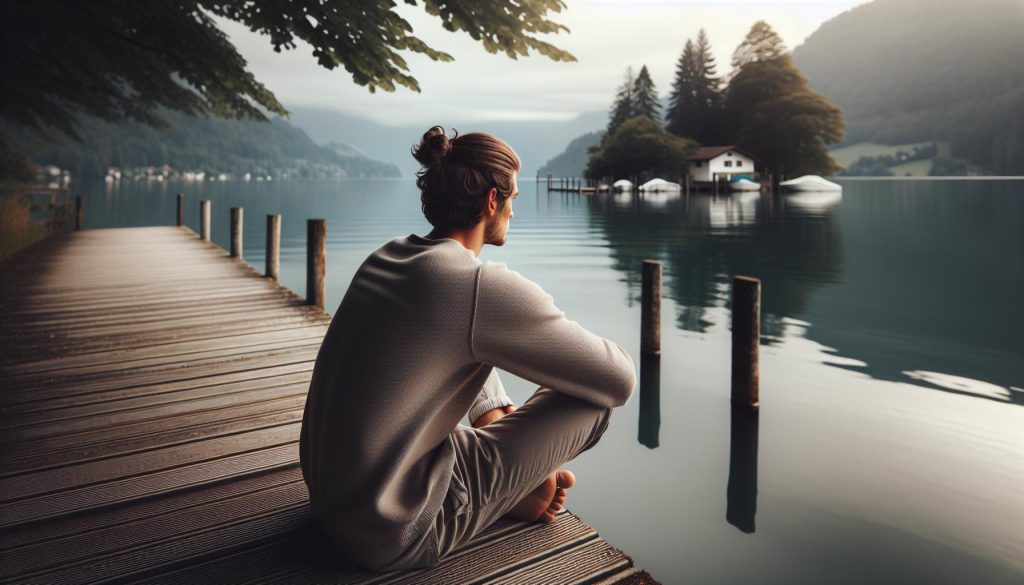
In today’s fast-paced world, maintaining your inner tranquility can often feel like an uphill battle. Stress, distractions, and the opinions of others can easily disrupt your peace, leaving you overwhelmed. However, achieving and preserving a calm, centered state is not only possible-it is essential for your overall well-being. “Never Let Anyone Steal Your Peace – Maintain Inner Tranquility” addresses this crucial topic, offering practical strategies to guard your serenity against external influences. By understanding how to cultivate inner peace, you empower yourself to lead a more fulfilling, balanced life. So, if you’re ready to reclaim your calm and discover actionable tips for lasting tranquility, keep reading and unlock the secrets to a peaceful mindset.
Never Let Negativity Disrupt Your Peace
Negativity can seep into our daily lives, often without us even realizing it. Left unchecked, it can become a major barrier to our inner peace, distorting our perceptions and making us more reactive to stress. To prevent negativity from disrupting your tranquility, it’s essential to adopt proactive strategies that shield your mental space.
One effective approach is to cultivate self-awareness. Regularly check in with your thoughts and feelings throughout the day. Are you dwelling on critical comments or stressful situations? Notice when your mind strays toward negativity, and consciously redirect it towards gratitude or positive affirmations. For instance, if you find yourself fixating on a setback, try to reframe it: “What can I learn from this?” By consistently practicing this technique, you create a resilience that acts as a buffer against external negativity.
Surrounding yourself with positivity is another key strategy. This could mean spending time with uplifting friends, curating a social media feed filled with inspiring content, or consuming books and articles that motivate you. Moreover, consider the impact of your environment; decluttering your space can lead to a clearer mind. A clean, organized area reduces stress and enhances your ability to focus on what truly matters.
Lastly, set firm boundaries. Learn to say no to situations that drain your energy or fill your life with unnecessary negativity. Prioritize activities that contribute positively to your well-being. By consciously managing who and what influences you, you safeguard your peace and foster a life filled with serenity and contentment. Remember, the journey to maintaining inner tranquility is continuous, and every small step counts.
Understanding Inner Tranquility and Its Benefits
Finding a state of inner tranquility can significantly enhance your overall well-being, creating a reliable sanctuary amidst life’s chaos. When you experience inner peace, you unlock a multitude of benefits-emotionally, mentally, and physically. Not only does this tranquility help mitigate stress and anxiety, but it also fosters a greater capacity for joy, resilience, and connection with others.
One essential aspect of inner tranquility is the ability to maintain a balanced perspective. For instance, when faced with challenges, instead of feeling overwhelmed, you can approach them with clarity and calmness. This mindset allows you to respond thoughtfully rather than react impulsively, supporting healthier interactions and better decision-making. Moreover, feeling at peace within yourself translates to improved relationships. When you radiate calmness, you naturally attract positivity and support from those around you.
Practicing techniques aimed at nurturing inner serenity, such as deep breathing, journaling, or spending time in nature, can yield immense benefits. These practices not only promote relaxation but also encourage self-reflection and mindfulness-skills that are invaluable for navigating daily stresses. For example, simply taking a few moments to breathe deeply when feeling anxious can ground you and shift your focus back to the present moment, enhancing your emotional stability.
Incorporating these practices into your routine paves the way for a life where peace is a priority. As you commit to this journey, you’ll likely notice a decrease in tension and an increase in your overall happiness. Cultivating inner tranquility is not just about escaping life’s challenges; it’s about building a strong foundation that empowers you to face them with grace and confidence. Embrace this process with an open heart, and you’ll find that the benefits extend far beyond individual moments of calm-it can transform your entire life experience.
The Impact of Stress on Your Well-Being
Stress often sneaks into our lives like an uninvited guest, and its impact can be more profound than we realize. Chronic stress doesn’t just affect our mental state; it can ripple through every aspect of our well-being. From feelings of anxiety and irritability to fatigue and physical health issues, stress can disrupt our inner tranquility, making it essential to understand its effects and actively combat them.
When stress levels escalate, your body reacts through a fight-or-flight response, triggering hormones like cortisol and adrenaline. These changes can lead to a host of health problems, such as high blood pressure, weakened immune response, and digestive issues. You might notice yourself feeling overwhelmed, unable to focus, or struggling with sleep disruptions-common challenges that arise when stress takes the driver’s seat. This physical manifestation of stress serves as a reminder that maintaining peace requires diligence and proactive strategies.
To mitigate the effects of stress, it’s crucial to embrace habits that promote well-being. Consider incorporating practices like regular physical activity-just 30 minutes of moderate exercise can boost your mood and reduce anxiety. Additionally, nourishing your body with a balanced diet rich in fruits, vegetables, whole grains, and lean proteins not only fuels your energy levels but also supports mental clarity. Prioritize hydration, as even mild dehydration can impact your mood and cognitive function.
Another effective way to handle stress is by fostering connections with others. Whether through casual chats with friends or deeper conversations with trusted loved ones, sharing your feelings can have a cathartic effect. Establishing a support network creates a buffer against stress, reminding us that we are not alone in our challenges. Ultimately, understanding empowers you to take actionable steps toward nurturing your inner peace and resilience.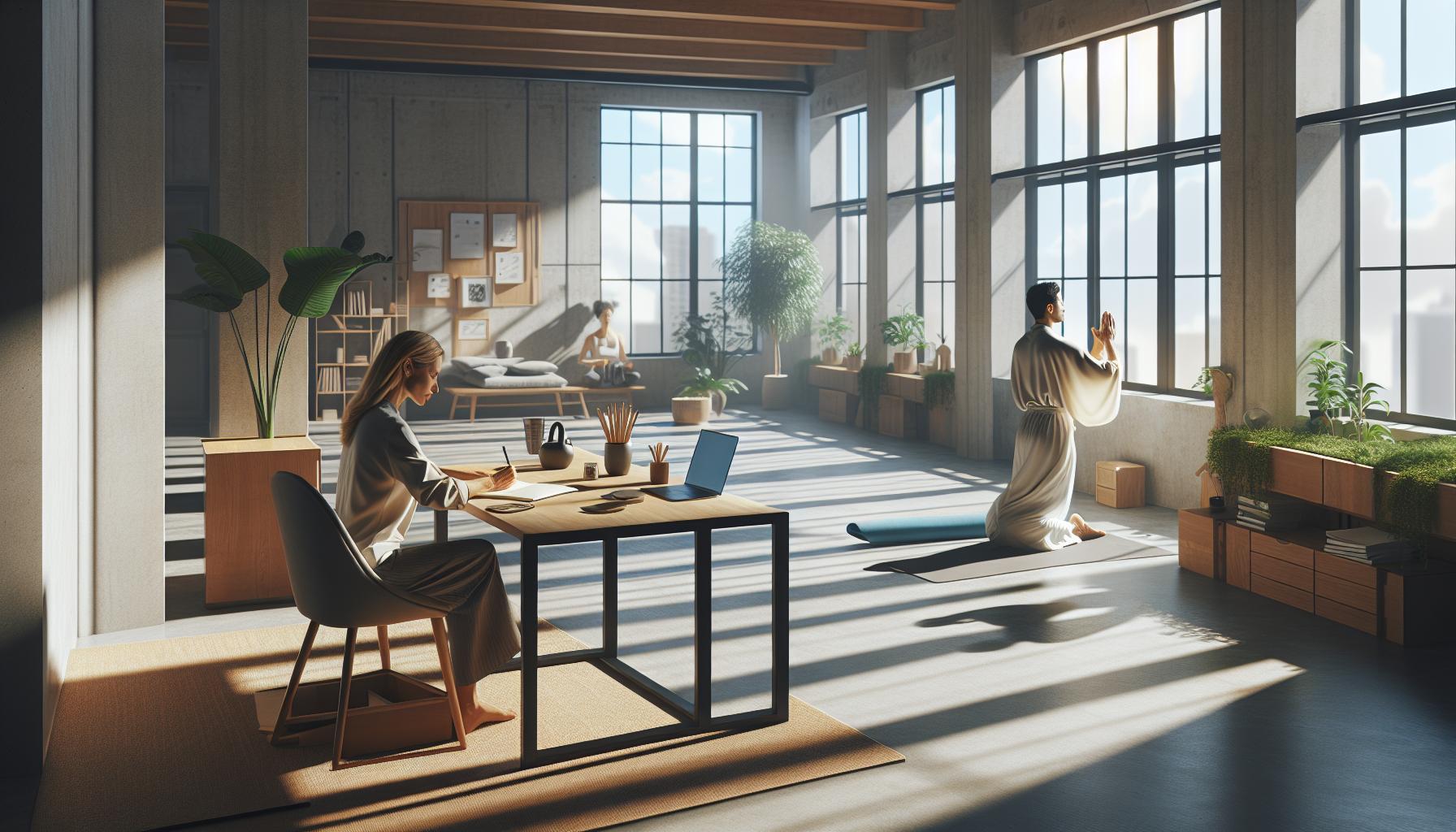
Practical Tips to Cultivate Daily Calmness
Finding moments of calm in a hectic world is essential for maintaining your peace and inner tranquility. By integrating simple practices into your daily routine, you can cultivate a sense of calmness that permeates your life, reducing stress and enhancing your well-being.
One effective strategy is to start your day with intentional mindfulness. Whether it’s a brief session of deep breathing, stretching, or even a quiet cup of herbal tea, dedicating just ten minutes to yourself before the day begins can set a peaceful tone. Mindfulness exercises can help ground you; focus on your breath, observing it as it flows in and out, bringing your awareness to the present moment. This practice not only calms the mind but also sharpens your focus throughout the day.
Incorporating movement into your life is equally crucial. Activities such as yoga or even a brisk walk significantly enhance mental clarity and reduce feelings of anxiety. Aim for at least 30 minutes of moderate exercise daily. This doesn’t mean hitting the gym; dance to your favorite songs at home or try an online workout video. The key is to find activities that you enjoy-this will make it much easier to stick with them.
Creating a serene environment also contributes to a calmer mindset. Your surroundings can greatly influence your mood. Consider decluttering your space; helping to clear your mind as well. Adding elements like plants or calming colors can transform your home into a peaceful retreat. Use soft lighting and soothing scents-like lavender or chamomile-to enhance this tranquil atmosphere.
Lastly, consider developing a nighttime routine that promotes rest. Limit screen time an hour before bed, instead engaging in calming activities such as reading or gentle stretching. This prepares your mind and body for restful sleep, which is vital for maintaining your overall peace. Creating a consistent sleep schedule will enhance your natural circadian rhythm and improve your emotional resilience.
Incorporating these simple yet effective practices into your daily life can help cultivate a lasting sense of calmness. By prioritizing mindfulness, movement, a peaceful environment, and restorative rest, you’ll empower yourself to rise above daily stressors and nurture your inner tranquility.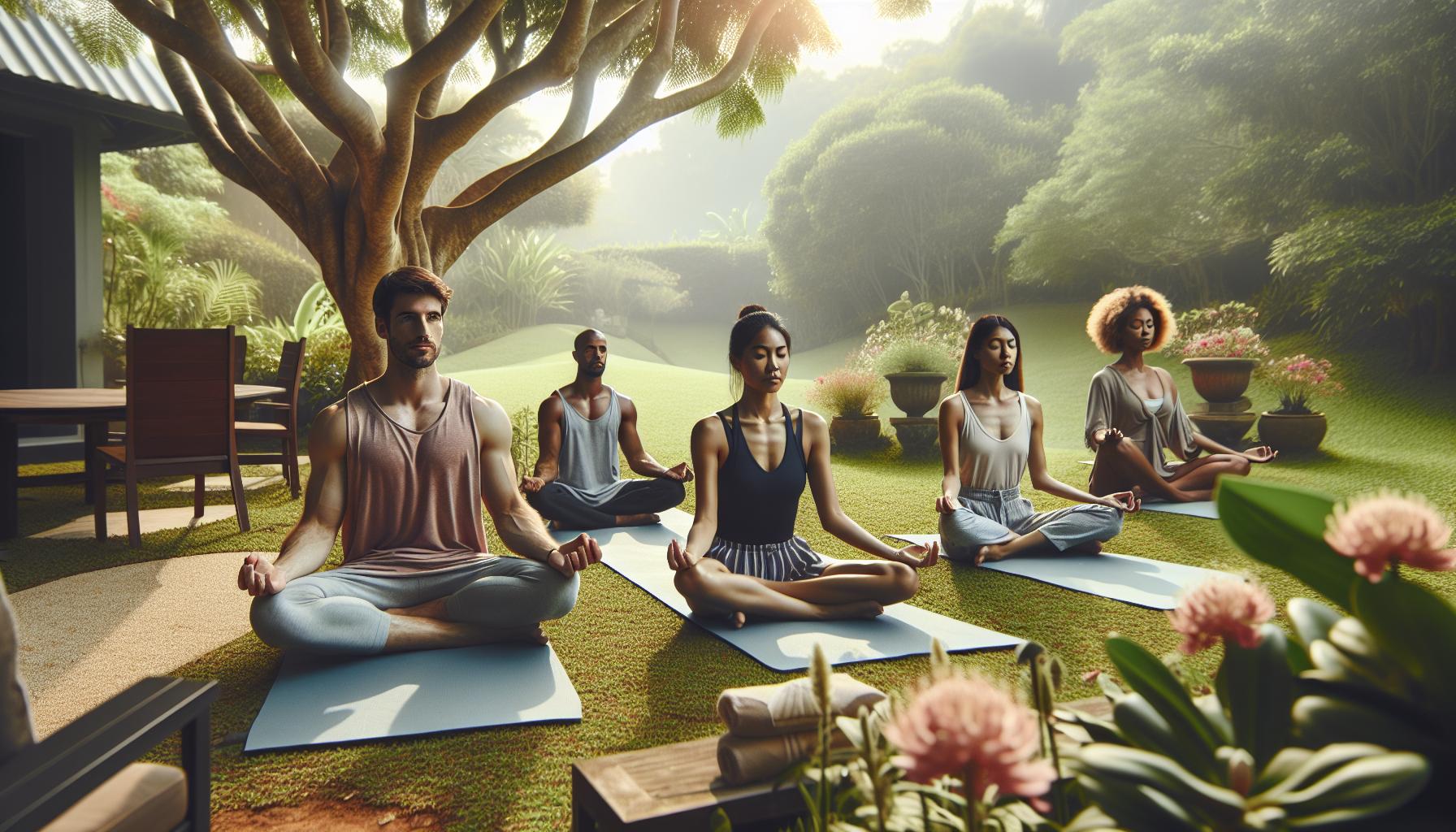
Mindfulness Techniques for Lasting Peace
Finding lasting peace in our increasingly chaotic world often feels like an elusive goal, but incorporating mindfulness techniques into your daily routine can bridge that gap. Mindfulness is not just about meditation; it is a practical approach to living that encourages you to immerse yourself fully in the present moment. With each mindful practice, you enhance your ability to respond to stressors without losing your inner tranquility.
One effective method is breath awareness. Set aside five minutes each day to focus purely on your breath. Find a comfortable seated position, close your eyes, and take a deep inhale through your nose while expanding your belly. Hold for a brief moment, then exhale slowly through your mouth. Repeat this process, gradually allowing your breath to return to its natural rhythm, while noticing how each breath feels. This simple yet profound technique not only calms the mind but also reduces anxiety and improves emotional regulation.
Another powerful practice is the body scan, which involves mentally checking in with each part of your body, starting from your toes and working up to your head. Lying down comfortably, close your eyes and bring awareness to your toes. Notice any sensations-tension, warmth, or relaxation-without judgment. Slowly move your attention up through your feet, legs, torso, arms, and face. This exercise helps to cultivate body awareness and release physical tension, providing a sense of grounding and relaxation.
Mindful movement can also help you maintain peace. Activities like yoga or tai chi encourage a connection between body and mind. These practices promote not only physical flexibility but also mental clarity and emotional stability. Even a simple walk in nature can be a form of mindful movement-focus on the sensation of your feet touching the ground, the sounds of the environment, and the rhythm of your breath. Engaging fully in these moments can help you reset and recharge throughout your day.
Incorporating these mindfulness techniques consistently allows you to develop a toolkit for navigating life’s challenges with greater ease. By giving yourself permission to embrace each moment without distraction, you lay a solid foundation for lasting peace and inner tranquility.
Creating a Peaceful Environment at Home
Creating a tranquil space at home is essential for maintaining your inner peace amid life’s chaos. Did you know that the environment around you can significantly influence your mood and stress levels? By thoughtfully curating your home space, you can create a sanctuary that encourages relaxation and tranquility. Here are some actionable tips to help you cultivate a peaceful atmosphere in your living environment.
Begin by decluttering your space. An organized home can lead to a clearer mind. Take a moment to assess your surroundings-remove items that no longer serve you or bring joy. Implement the “one in, one out” rule: for every new item you bring into your home, let go of another. This practice not only minimizes clutter but also fosters a sense of control and calm.
Next, focus on the colors and elements in the room. Soft, neutral tones, like light blues and greens, can create a soothing ambiance. Consider adding natural elements such as plants, which not only purify the air but also enhance the room’s vibrancy. Simple houseplants, like peace lilies or succulents, require minimal upkeep and can be a lovely addition to any space.
Additionally, sensory elements play a crucial role. Introduce calming sounds and scents into your environment. For instance, gentle background music or nature sounds can make the atmosphere feel more serene. Using essential oils or scented candles, like lavender or chamomile, can also contribute to a peaceful vibe. These scents are known for their relaxing properties, perfect for unwinding after a long day.
Lastly, consider the arrangement of your furniture. Create a layout that promotes comfort and flow, allowing energy to move freely throughout your home. Position seating areas to encourage conversation and connection, whether with family or friends. By focusing on these elements, you’ll create a peace-promoting environment that supports your journey towards inner tranquility.
Transitioning to a peaceful home isn’t an overnight task; it’s about making small, intentional changes that can profoundly impact your overall well-being. So take the time to cultivate a space that reflects serenity, allowing you to conquer daily stresses with greater ease.
Setting Boundaries to Protect Your Energy
Maintaining inner tranquility often hinges on the boundaries we set in our lives. When we fail to establish these boundaries, we can easily find ourselves drained by the demands and negativity of others. Strong boundaries are essential for protecting your energy and ensure that you’re dedicating enough time to self-care and positive experiences.
One effective method is to practice saying no. It’s perfectly acceptable to decline invitations or requests that overwhelm you or don’t serve your interests. Start small; if someone asks for your time or assistance and you’re feeling stretched too thin, respond with grace but firm honesty. For example, you could say, “I really appreciate you thinking of me, but I can’t take that on right now.” This empowers you while also respecting your own limits.
Establishing Clear Communication
Communicate your boundaries clearly and assertively. This doesn’t mean being harsh or unkind; rather, it’s about being honest about your needs. Utilize “I” statements to express how certain behaviors make you feel. For instance, “I feel stressed when there are unexpected interruptions during my work hours, so I need to focus without distractions.” This approach not only clarifies your stance but opens the door for mutual respect in relationships.
Creating Physical and Emotional Space
Consider physical and emotional spaces as parts of your boundary-setting strategy. Designate specific areas in your home where you can recharge, free from distractions. Inform those around you when you’re in these spaces that you’re off-limits for a while. Additionally, practice emotional distancing from negative influences, whether it’s through limiting interactions or altering your reaction to them. This may involve recognizing when someone is draining your energy and stepping back, giving yourself the necessary space to recover.
In summary, effective boundary setting is vital for maintaining peace within yourself. By practicing assertiveness, communicating clearly, and creating both physical and emotional spaces, you can safeguard your well-being. Remember, the goal is to cultivate environments-both internal and external-that nurture your inner tranquility and allow you to thrive.
The Role of Meditation in Finding Peace
Meditation offers a transformative sanctuary for those seeking peace amid the chaos of daily life. By providing a structured time for reflection, it empowers you to step back from stressors and reconnect with your inner self. The practice isn’t just about quieting your mind; it’s about cultivating a deeper awareness and understanding of your thoughts and feelings, allowing you to nurture a sense of calm that can be summoned at any time.
One of the greatest benefits of meditation is its ability to shift your focus from external pressures to internal peace. Regular practice fosters emotional resilience, equipping you to handle stress better and respond to challenges with a clearer mindset. For starters, consider incorporating just five minutes of meditation into your day. Find a quiet spot, close your eyes, and breathe deeply. Focus on your breath’s rhythm, letting go of distracting thoughts as they arise. This simple act can create a profound shift in your overall mood and perspective.
Choosing the Right Meditation Technique
There are various styles of meditation, each catering to different preferences and needs. Whether you gravitate towards mindfulness, loving-kindness, or transcendental meditation, the key is finding what resonates with you. For beginners, mindfulness meditation is an excellent starting point. It encourages you to remain present, acknowledging your thoughts without judgment. Consider apps like Headspace or Calm, which can guide you through your sessions and help you build a consistent practice [2].
Creating a Consistent Practice
Integrating meditation into your daily routine can dramatically enhance your ability to maintain peace. Aim for a specific time each day, associating it with a regular activity-perhaps early in the morning or just before bed. This consistency trains your mind to seek peace at those moments. Gradually increase your meditation time. Start with five minutes and work your way up to 20 or 30 minutes, allowing your mind to adapt and deepen its practice.
In summary, meditation serves as a powerful tool in preserving inner tranquility. Through consistent practice, you can strengthen your ability to remain calm, manage stress more effectively, and protect your energy. Embrace meditation not just as a practice but as a lifestyle shift toward cultivating lasting peace and resilience in your life.
Harnessing Nature for Inner Serenity
Embracing the great outdoors is one of the most effective ways to cultivate inner serenity. Nature has a unique ability to soothe the mind, reduce stress, and promote a sense of well-being. Studies have shown that spending just a few minutes in a natural setting can significantly reduce cortisol levels, the hormone associated with stress. Whether it’s a stroll through a park, a hike in the woods, or simply sitting in your backyard, immersing yourself in nature can ground you and restore your peace.
To harness the calming effects of nature, try to incorporate time spent outdoors into your daily routine. Start with short bursts of exposure to natural environments. For instance, a 10-minute walk during your lunch break can work wonders. While you’re outside, pay attention to your surroundings: notice the vibrant colors of the leaves, listen to the rustling of the wind, and feel the warmth of the sun on your skin. Engaging your senses helps to anchor you in the present moment, reinforcing mindfulness and a sense of calm.
Creating Nature-Inspired Rituals
Integrating nature into your life can be as simple as creating rituals that celebrate its beauty. Consider establishing a morning ritual that includes time outside-perhaps sipping your coffee on the porch or doing gentle stretches in your backyard. You could also create a nature corner in your home filled with plants, stones, or natural elements that remind you of serene landscapes.
Additionally, try activities like gardening, which allows you to connect physically with the earth. Working with your hands in soil fosters a unique bond with nature and can be a meditative practice. If you don’t have a garden, even small houseplants can bring tranquility to your space. As you tend to them, practice mindfulness by focusing on their growth and how they thrive under your care.
Reconnecting with Nature
Lastly, strive to disconnect from technology while you’re in nature. Leave your phone behind or switch it to airplane mode to avoid distractions. Use this time to reflect or meditate outdoors. You might find that the combination of fresh air and natural beauty provides an unparalleled backdrop for achieving mental clarity and peace. As you strengthen your connection with the environment, you’ll likely find it easier to carry that inner tranquility into your everyday life.
Incorporating nature into your routine not only enhances your emotional well-being but also helps to solidify your commitment to maintaining peace. Remember, it’s all about nurturing that connection, allowing you to find solace and serenity whenever you need it most.
Building Resilience Against Daily Challenges
Building resilience is essential for navigating the challenges that life throws our way, especially if you want to maintain inner peace amidst chaos. Resilience isn’t just about bouncing back; it’s about developing a robust mental toolkit that empowers you to face obstacles without letting them steal your tranquility. One significant way to cultivate resilience is by reframing negative thoughts. Instead of viewing setbacks as failures, try to see them as opportunities for growth. This shift in perspective can make a world of difference in how you handle stress and adversity.
Additionally, nurturing your support network is crucial. Surround yourself with positive, uplifting people who encourage you and respect your boundaries. Engage in meaningful conversations with friends or family members who can offer perspective and understanding when you’re feeling overwhelmed. Regularly sharing your experiences and feelings can lighten emotional burdens and reinforce your resilience.
Engaging in self-care practices also plays a vital role in building resilience. By prioritizing your physical, emotional, and mental well-being, you equip yourself with the strength needed to confront challenges. Consider integrating practices like regular exercise, balanced nutrition, and adequate sleep into your daily routine. Even simple acts, such as dedicating time each day for relaxation or pursuing hobbies, can significantly enhance your emotional fortitude.
Finally, embrace the power of mindfulness and gratitude. Practicing mindfulness can help you remain present, reducing anxiety about the future and regrets about the past. Likewise, cultivating gratitude can shift your focus from what’s lacking to the abundance that exists in your life. Start a gratitude journal, writing down a few things you’re thankful for each day, which can help foster a more positive outlook. By combining these strategies, you’ll build a more resilient mindset, making it easier to protect your inner peace in the face of life’s inevitable challenges.
Maintaining Peace During Difficult Times
When life throws challenges your way, maintaining your peace can feel like an uphill battle. It’s during these difficult times that your inner tranquility is often tested, leading to feelings of stress and anxiety. However, with the right strategies, you can safeguard your mental state against turmoil and emerge stronger on the other side.
Begin by acknowledging your feelings; it’s natural to experience a mix of emotions during tough times. Rather than suppressing them, allow yourself to feel and process these emotions fully. You might find journaling helpful – jot down your thoughts and feelings for clarity, which can lighten your mental load. This simple act can transform overwhelming worries into manageable pieces, making it easier to navigate challenges.
Another essential practice is staying connected with others. Don’t hesitate to reach out to friends or family members who are supportive and understanding. Sharing your experiences can provide relief and perspective, reminding you that you’re not alone in your struggles. Engaging in conversations, whether in person or virtually, can foster a sense of belonging and support that aids your emotional health.
Additionally, consider integrating calming practices into your routine. Techniques such as deep breathing exercises or yoga can create a moment of pause amidst chaos. For example, practicing a five-minute breathing exercise can soothe the nervous system; simply inhale deeply for four counts, hold for four counts, and exhale for six counts. Repeat this several times to restore a sense of calm and focus.
Lastly, maintaining a balanced lifestyle during stressful times is crucial. Ensure you’re eating well, getting enough sleep, and allowing time for physical activity. Even short walks in nature can re-center your mind and promote feelings of peace. By prioritizing your well-being, you enhance your ability to tackle challenges head-on while preserving your inner tranquility.
In summary, requires a combination of emotional awareness, connectivity, calming practices, and self-care. Embrace these strategies as tools to help you strengthen your resilience and protect your mental well-being, reminding yourself that it’s perfectly okay to struggle – it’s how you navigate those struggles that will define your path to peace.
Celebrating Your Journey to Inner Tranquility
Recognizing the milestones in your journey towards inner tranquility is essential for maintaining a sense of peace amidst daily challenges. Each small success you commemorate contributes to a greater overall sense of well-being, reinforcing your commitment to nurturing a calm interior life. Reflection can serve as a powerful tool here; take time periodically to acknowledge what has helped you grow. This could be as simple as writing down three achievements-whether it’s a meditation practice you maintained or a difficult situation you navigated with poise.
Practices such as gratitude journaling not only celebrate your progress but also cultivate a disposition of appreciation. Consider setting aside a few minutes each evening to write down things you are thankful for. This can shift your focus from stressors to the positives in your life, fostering a deeper sense of peace. Remember, it’s important to celebrate your unique path; everyone’s journey towards tranquility will look different, and that’s perfectly okay.
Engaging in community can also amplify your celebration of inner peace. Surround yourself with supportive friends or like-minded individuals who cherish similar values. Join a local meditation group or participate in wellness workshops. Sharing experiences allows for collective growth and reinforces your commitment to maintaining your inner tranquility. Remember, these connections can be a source of inspiration and motivation as you navigate through life’s ups and downs.
Ultimately, celebrating your journey is not about perfection but rather the ongoing process of seeking peace. By acknowledging your achievements, expressing gratitude, and building a supportive community, you create a sustainable framework that nurtures your inner tranquility. Allow each step-big or small-to energize your commitment to living a life filled with peace.
Frequently Asked Questions
Q: How can I maintain inner peace amidst chaos?
A: To maintain inner peace in chaotic situations, practice grounding techniques like deep breathing or visualization. You can also prioritize self-care and downtime to recharge, helping you stay centered even in stress. Additionally, create a peaceful environment at home to support your tranquility journey. Explore more in the section on practical tips.
Q: What role does mindfulness play in achieving tranquility?
A: Mindfulness is essential for achieving tranquility as it helps you stay present and focused. By integrating mindfulness exercises, such as meditation or mindful walking, you can cultivate a state of calm and reduce anxiety. Discover various mindfulness techniques to enhance your peace in our dedicated section.
Q: Why is it important to set boundaries to protect my peace?
A: Setting boundaries is crucial to protect your energy and maintain inner peace. It allows you to prioritize your needs and limits exposure to negativity. By communicating your limits effectively, you foster healthier relationships while safeguarding your mental well-being. Learn more about establishing boundaries in our article.
Q: How does nature contribute to inner serenity?
A: Nature greatly contributes to inner serenity by providing calming stimuli that reduce stress and enhance mood. Spending time outdoors or incorporating natural elements into your space can elevate your sense of peace. For insights on harnessing nature for tranquility, refer to our relevant section.
Q: What are the best meditation practices for lasting peace?
A: Effective meditation practices for lasting peace include guided meditations, mindfulness meditation, and loving-kindness meditation. These techniques help calm the mind, increase focus, and cultivate compassion, promoting overall well-being. Check out our section on the role of meditation for detailed methods and tips.
Q: How can I build resilience to protect my inner peace?
A: Building resilience involves developing coping strategies that enable you to manage stress and overcome challenges effectively. Key practices include maintaining a positive mindset, seeking support from loved ones, and engaging in regular self-reflection. Explore methods to strengthen resilience in our article’s resilience section.
Q: When should I seek professional help for stress management?
A: Consider seeking professional help for stress management if you experience persistent feelings of overwhelm, anxiety, or hopelessness. A therapist can provide tailored strategies to enhance your coping skills and help restore your inner peace. Discover additional resources and support options in our related article sections.
Q: How can celebrating small victories enhance my tranquility?
A: Celebrating small victories enhances tranquility by promoting gratitude and positive reinforcement. Acknowledging even minor achievements boosts your mood and fosters a sense of accomplishment, reducing stress. For more on celebrating personal growth, check our section on the journey to inner tranquility.
The Conclusion
Maintaining your inner tranquility is a journey worth taking. Remember, protecting your peace isn’t just about avoiding negativity-it’s about actively cultivating a serene environment that supports your wellbeing. If you found value in our discussion, consider exploring our articles on mindfulness practices and calming routines to further enhance your peace, such as “Five Quick Techniques to Instantly Calm Your Mind” and “The Power of Journaling for Stress Relief.”
Don’t hesitate to take the next step; subscribe to our newsletter for weekly tips straight to your inbox, ensuring you’re always equipped with the best strategies for maintaining your calm. We’re here for you, ready to support you in your quest for peace. Share your thoughts in the comments below or reach out if you have questions about your personal journey. Your tranquility matters, and taking action today can lead to a more serene tomorrow.
Get our latest guides, news, and insights highlighted in your Google Search & AI Overviews.