Wounds are more than just skin-deep; they represent a critical aspect of our health and healing. Choosing the right dressing for a wound can significantly impact your recovery time and overall well-being. With the multitude of options available, it can feel overwhelming to know which type truly suits your needs. Whether it’s a minor cut or a more serious injury, selecting an appropriate dressing is essential to promote healing and prevent infection. In this guide, we’ll walk you through the key factors to consider, helping you make informed choices that ensure safe and effective healing. Join us as we explore the best practices for picking out a dressing that works for you, and gain the confidence to care for your wounds properly. Your journey to better healing starts here!
Choosing the Right Wound Dressing for Safe Healing
Choosing the right dressing for a wound is crucial for effective healing and infection prevention. Selecting the proper type not only ensures comfort but also enhances the healing process by providing the right environment. With various options available, it can be overwhelming to decide which one suits your needs best, but it doesn’t have to be complicated.
To start, consider the type of wound you’re dealing with. For shallow cuts and abrasions, a simple adhesive bandage may suffice. However, for more severe wounds, such as those with exudate (fluids), you might opt for advanced dressings like hydrocolloid or foam dressings. These specialized dressings maintain moisture and help facilitate healing by creating an optimal wound environment.
Another important factor to assess is the location and size of the wound. Larger or more complex wounds may require a dressing that can absorb excess moisture and protect surrounding skin. Additionally, if your wound is located in an area prone to movement, a flexible dressing that allows for some range of motion, like a silicone-based product, may be more appropriate.
It’s also essential to evaluate any allergies or sensitivities. For individuals with sensitive skin, hypoallergenic options help prevent irritation while treating the wound. Always remember that the goal is to keep the wound clean, protected, and optimally moist without causing discomfort or more harm.
In summary, when choosing a wound dressing, consider the wound type, size, location, and your skin’s sensitivities. By aligning these factors with the right dressing, you pave the way for safe and effective healing.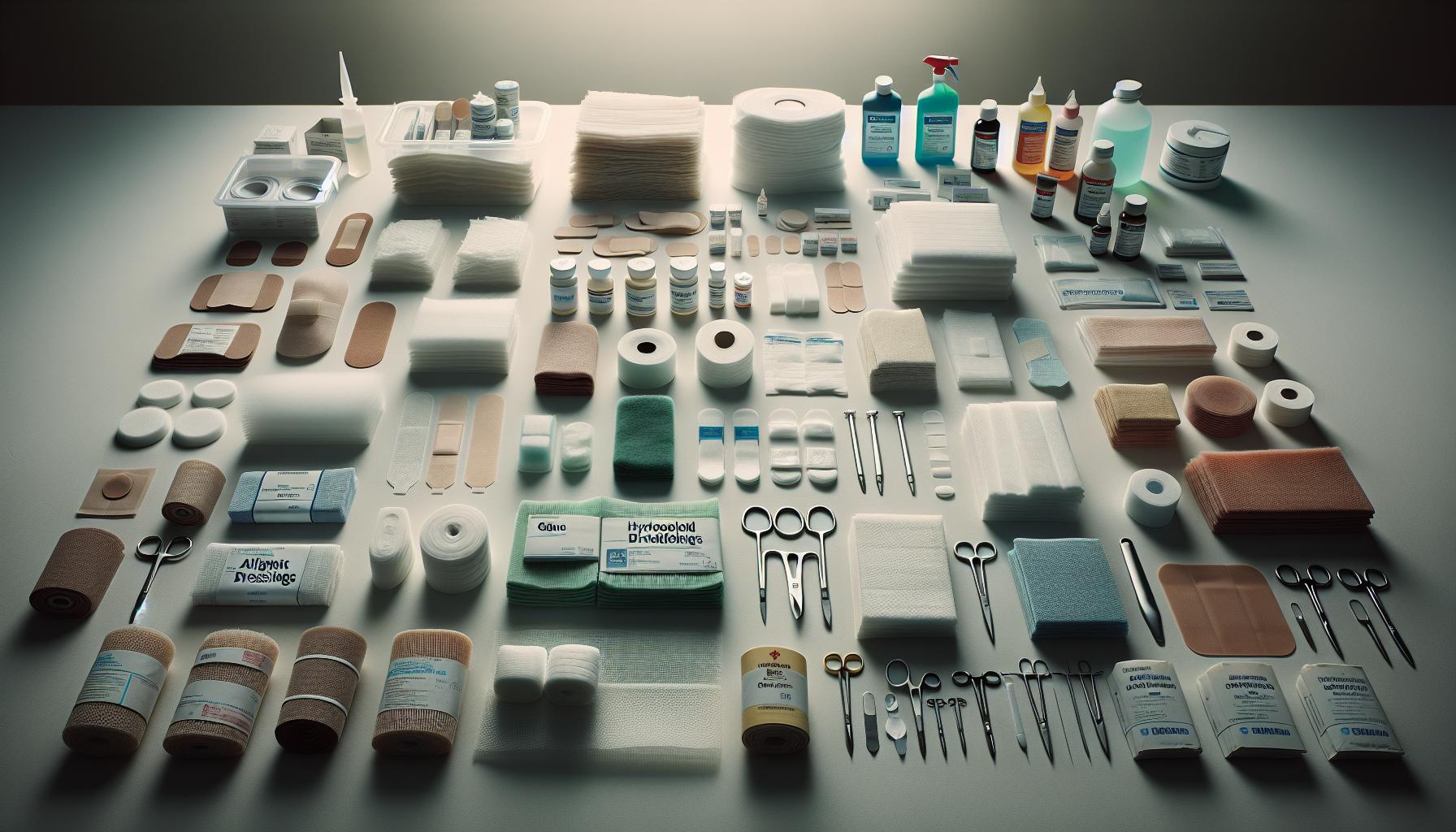
Understanding Different Types of Wound Dressings
Different wound dressings serve unique purposes and selecting the right one can significantly impact the healing process. Understanding these various types allows you to make informed decisions that can enhance recovery and provide comfort.
To begin, it’s essential to recognize the common types of wound dressings:
- Adhesive Bandages: Ideal for minor cuts and scrapes, these are typically waterproof and protect the wound from dirt and bacteria.
- Hydrocolloid Dressings: These moisture-retentive dressings are excellent for moderate to heavily exuding wounds. They help to maintain a moist environment conducive for healing while providing cushioning.
- Foam Dressings: Known for their absorbency, foam dressings are suitable for wounds with significant exudate. They provide comfort and help in reducing pain during the healing process.
- Alginates: Made from seaweed, these dressings are absorbent and promote healing through their gel-forming ability when in contact with wound exudate. They’re great for deep wounds and those with heavy drainage.
- Transparent Film Dressings: Transparent and breathable, these dressings are best for clean, dry wounds. They allow for easy monitoring without removing the dressing and are useful for securing other dressings in place.
- Hydrogels: These are water-based gels that can provide moisture to dry wounds and help in tissue regeneration. They’re especially beneficial for burns or dry leg ulcers.
Choosing the right dressing not only promotes healing but also caters to the specific needs of your skin type and the wound’s characteristics. For example, if you find yourself dealing with overly moist wounds, opting for a more absorbent dressing like foam or alginate can prevent further complications. Conversely, if the area is dry or crusted, a hydrogel can help hydrate the site and encourage healing.
Keep in mind your personal sensitivity and any allergies when selecting a dressing as well. Options like hypoallergenic or silicone-based dressings are designed to minimize irritation and can be a safer choice for individuals with sensitive skin. By matching the right dressing to the wound type, location, and your skin’s needs, you’ll set the stage for safe healing and a smoother recovery process.
How to Assess Your Wound for Dressing Needs
Assessing the specific needs of your wound is essential for effective healing. Understanding its characteristics-such as the type, depth, and moisture level-guides you in choosing the most suitable dressing. For instance, if you’re caring for a minor cut, a simple adhesive bandage might suffice. However, if your wound has significant exudate (fluid), you’ll want to opt for a more absorbent option like a foam or alginate dressing to prevent leakage and maintain a clean environment.
Begin by examining the wound closely. Look for signs such as:
- Exudate Amount: Is your wound producing a lot of fluid? More exudate generally requires dressings that can absorb this moisture.
- Wound Depth: Is it a superficial scrape or a deeper cut? Deeper wounds often need specialized dressings that support healing from the inside out.
- Location and Movement: Consider where the wound is located. Areas that bend or stretch may benefit from flexible and durable dressings that can move with the skin.
- Infection Signs: Be vigilant for any redness, swelling, or unusual odor, which may be indicators of infection requiring immediate attention and possibly a different dressing.
As you assess, think about the overall condition of your skin and any sensitivities you might have. For example, if you tend to react to adhesives, choosing a hypoallergenic dressing can help reduce irritation. The goal is to create an optimal healing environment while ensuring your comfort. Keep in mind that as the wound evolves, so may your dressing needs; reassessing regularly, especially after any significant changes, will aid in maintaining effective care.
In summary, a clear understanding of your wound’s characteristics will empower you to select the best dressing, ultimately promoting faster and more efficient healing.
Step-by-Step Guide to Applying a Dressing
When it comes to applying a dressing to a wound, proper technique is crucial for effective healing. Whether you’re tending to a minor cut or a more serious injury, following a step-by-step process can help ensure that the wound is protected and set up for recovery. Here’s how to do it right.
Start by gathering all necessary supplies. You’ll need a clean dressing, adhesive tape (if your dressing isn’t self-adhesive), scissors, antiseptic wipes, and, ideally, gloves. Before you touch anything, wash your hands thoroughly with soap and water to prevent introducing bacteria to the wound.
Next, prepare the wound. Gently clean the area around the injury using an antiseptic wipe, which helps eliminate germs. Be sure to pat it dry with a clean, lint-free cloth. If the wound is deep or bleeding, you might need to apply gentle pressure to stop the bleeding. Once the area is clean and dry, it’s time to apply the dressing.
Carefully peel the backing off the dressing. If you’re using a large dressing, ensure it is adequately sized to extend beyond the edges of the wound to secure it in place. Place the dressing directly over the wound and press down firmly but gently so it adheres well. If it’s not self-adhesive, use tape to secure the edges, again ensuring not to place tape directly on the wound.
Finally, make a note of when you applied the dressing and when it should be changed. Many dressings will need to be replaced daily or whenever they become wet or soiled. Regularly check the wound for signs of infection, such as increased redness, swelling, or warmth. If you notice any of these signs, seek professional help immediately.
In summary, applying a dressing correctly involves preparation, cleanliness, and attention to detail. These steps not only promote healing but also minimize the risk of infection, ensuring a smoother recovery process. Always remember that if you’re unsure or if the wound looks concerning, don’t hesitate to reach out to a healthcare professional for guidance.
Best Practices for Wound Dressing Change Frequency
Changing your wound dressing correctly is essential for promoting effective healing and preventing infection. The frequency of these changes can depend on several factors, including the type of wound, the dressing used, and the wound’s condition. Generally, it’s a good rule of thumb to change your dressing at least once a day or as needed if it becomes wet or soiled. This helps to ensure a clean environment for healing and minimizes the risk of complications.
To establish a more tailored approach, consider the following factors:
- Type of Wound: For minor cuts and scrapes, a daily change may be sufficient. More significant wounds, like surgical incisions or deep lacerations, may require more frequent changes, especially in the initial days post-injury.
- Type of Dressing: Modern dressings often have specific instructions regarding wear time. Some can remain in place for several days, while others, like hydrocolloid dressings, are designed to help create a moist environment and may need less frequent changing.
- Signs of Absorbency: If your dressing is soaking through with exudate (fluid that leaks from the wound), it’s time to change it. This not only facilitates healing but also prevents skin irritation or maceration around the wound.
Additionally, using your senses can be incredibly helpful. If the dressing starts to smell foul, appears discolored, or if you observe increased redness or swelling around the wound, these could be signs of infection. In such cases, it’s crucial to change the dressing immediately and consider consulting a healthcare professional.
In summary, paying careful attention to these factors will help you determine the best frequency for changing your wound dressing. By doing so, you support your body’s natural healing processes effectively while keeping potential complications at bay. Remember, each wound is unique, so adjust your approach as needed and never hesitate to seek professional advice if you’re unsure.
Signs of Infection: When to Change Your Dressing
Infections are a serious concern when dealing with wounds, as they can impede healing and lead to more severe complications. It’s vital to recognize the signs that may indicate an infection, so you can take appropriate action. Keeping a close watch on your wound not only aids in monitoring its health but also sets you on the path to faster recovery.
Look out for the following signs of infection, which should prompt you to change your dressing immediately:
- Increased Redness: If the area surrounding your wound becomes increasingly red or the redness spreads beyond the immediate site of the injury, this may indicate that infection is setting in.
- Swelling: While some swelling can be normal during healing, significant swelling that worsens over time could suggest an infection.
- Persistent Pain: If the pain around your wound escalates or persists despite treatment, it could be a sign that something isn’t right.
- Unpleasant Odor: A foul smell emanating from the dressing or the wound itself is a red flag. This could signify that bacteria are present and multiply, necessitating immediate attention.
- Exudate Changes: Pay attention to the fluid coming from your wound. If it changes color, becoming cloudy or discolored, that’s a clear sign to change the dressing and assess for further action.
- Fever or General Malaise: Systemic symptoms like fever, chills, or a feeling of being unwell can sometimes accompany localized wound infections, indicating the infection may be spreading.
If you observe any of these indicators, clean the wound thoroughly, apply a new dressing, and consider consulting a healthcare provider. They may recommend additional treatments or even antibiotics, depending on the severity of the infection.
Promptly addressing signs of infection not only helps in managing your wound effectively but also supports your overall well-being. Remember, listening to your body and trusting your instincts when it comes to your health is always important-never hesitate to seek help if you’re uncertain.
Natural Remedies to Enhance Wound Healing
Enhancing wound healing can often be supported by various natural remedies that not only complement traditional treatments but also foster a more holistic recovery. Many individuals are curious about the options available to them when it comes to leveraging nature’s gifts for better healing outcomes. Here are some effective remedies you can consider incorporating into your wound care regimen.
Honey is not just a sweet treat; it’s a potent healer. Its natural antibacterial properties can help prevent infection, making it an excellent choice for wounds. To use honey, simply apply a thin layer over the clean wound before dressing it. Ensure the honey is medical-grade or raw to reap its full benefits. This can create a moist environment that promotes faster healing and reduces scarring.
Another powerful ally in wound healing is aloe vera. Renowned for its soothing properties, aloe vera can aid in reducing inflammation and promoting skin repair. You can use fresh aloe vera gel from the plant by slicing the leaf open and applying the gel to the wound. Its cooling effect can be particularly comforting for more painful injuries. Apply it two to three times daily, ensuring that it is clean and free from contaminants.
Essential Oils are also worth considering. Oils such as lavender and tea tree are often celebrated for their antimicrobial and healing properties. Dilute a few drops of either oil in a carrier oil like coconut oil and gently massage it around the wound area. Be cautious and perform a patch test first to ensure there are no adverse reactions, especially if you have sensitive skin.
Key Tips for Natural Healing
- Keep it Clean: No matter the remedy you choose, ensure that the wound is cleaned thoroughly before application to avoid trapping bacteria.
- Monitor Closely: Watch for any signs of irritation or infection as you use natural remedies, and don’t hesitate to consult a healthcare professional if concerns arise.
- Stay Nourished: Lastly, your body heals best when it has the right nutrients. Incorporate a balanced diet rich in vitamins and minerals, particularly vitamin C and zinc, to support skin regeneration.
By integrating these natural remedies into your wound care, you’re taking proactive steps toward ensuring safe and effective healing. However, remember that every wound is unique, and it’s essential to consider professional medical advice when necessary to tailor the best approach for your specific situation.
Top Recommended Wound Dressings for Common Injuries
When it comes to wound care, choosing the right dressing can significantly impact your healing journey. The ideal dressing not only protects a wound from infection but also creates a moist environment that promotes faster healing. With an array of options available, understanding which type best suits common injuries can empower you to make informed decisions.
For minor cuts and scrapes, adhesive bandages are a staple in every first aid kit. These dressings are convenient and easily applied, offering a protective barrier against contaminants while still allowing the wound to breathe. Look for breathable fabrics that prevent maceration, and choose sizes that cover the entirety of the wound without folding over or coming loose.
For larger cuts or surgical incisions, foam dressings are an excellent choice. They are absorbent and provide cushioning against impact, which can be helpful for wounds located on areas exposed to friction, like elbows or knees. These dressings are typically waterproof and allow for a snug fit, protecting against external moisture.
Burns require special consideration. Hydrogel dressings are especially beneficial for partial-thickness burns as they provide soothing relief and moisture to the affected area, minimizing pain and promoting healing. These dressings can be left in place for several days, making them a low-maintenance option. Ensure that the dressing does not adhere to the wound, which can complicate changes.
For wounds at risk of infection or with already apparent signs of infection, antimicrobial dressings infused with silver or honey compounds can be incredibly helpful. These options not only provide protection but actively assist in reducing bacterial growth, minimizing the risk of further complications. Always check the dressing for proper application and fit to maximize its benefits.
Lastly, for chronic wounds like pressure ulcers, alginate dressings made from seaweed are highly absorbent and promote a moist wound environment, facilitating debridement and healing. They can handle significant amounts of exudate, making them suitable for wounds that produce considerable fluid.
Choosing a dressing isn’t just about the injury type; it’s about gauging the wound’s condition and your lifestyle needs. Remember to keep an eye on your wounds and consult healthcare professionals when in doubt about how often to change your dressing or if you notice changes that could signal infection. By taking these steps, you can enhance your recovery experience and promote optimal healing.
Preventing Scarring: Tips After Dressing Removal
After removing a dressing, it’s crucial to focus on methods that can help reduce the likelihood of scarring. While it’s natural to want to ensure your skin heals perfectly, remember that scarring is a common concern that many people face during the healing process. Fortunately, there are several strategies you can adopt to minimize scars and support your skin’s recovery.
First, keeping the area moisturized is vital. Applying a gentle, fragrance-free moisturizer or a silicone gel can create a protective barrier that supports hydration and skin repair. Use a small amount-about the size of a pea-and gently massage it into the healing skin. This can help the skin rebuild its moisture barrier, making it more elastic and less likely to scar.
Protecting Your Skin
Another key aspect to consider is protecting your healing skin from sunlight. UV exposure can darken scars, making them more noticeable. During the healing process, cover the area with clothing or use a broad-spectrum sunscreen with at least SPF 30 if the wound has closed. This not only helps prevent hyperpigmentation but also supports overall skin health.
Additionally, avoid picking or scratching at the wound, as this can lead to increased inflammation and damage to the skin. If you feel itchiness, try tapping gently around the area or using cool compresses to soothe discomfort without irritating the wound.
Healthy Lifestyle Choices
Incorporate healthy dietary choices that support skin health, such as foods rich in vitamins C and E, as well as omega-3 fatty acids. Foods like citrus fruits, nuts, and fatty fish provide nutrients that can boost your body’s natural healing processes. Staying hydrated is equally important; drink plenty of water to keep your skin and body functioning optimally.
In summary, while some scarring may occur despite your best efforts, these practical steps can help promote healing and minimize the appearance of scars. Staying consistent with moisturizing, protecting your skin from sun exposure, and embracing a healthy diet will support your journey to clearer, healthier skin. Remember, patience is key-optimal healing takes time, but with care, you can enhance the results.
Caring for Specific Wounds: Burns, Cuts, and Scrapes
When it comes to managing wounds, understanding how to care for specific types-like burns, cuts, and scrapes-is crucial for effective healing. Each type of wound may require different approaches to ensure the skin recovers properly and minimizes discomfort and scarring. Below are tailored strategies for each type.
Caring for a cut starts with proper cleaning. Rinse the area gently with mild soap and water to remove any dirt or debris. After patting it dry, using an appropriate dressing is essential. Hydrocolloid dressings are excellent for minor cuts as they maintain moisture and promote healing while protecting against contamination. Change the dressing daily or when it gets wet or dirty.
For scrapes, the goal is similar: keep the area clean and protected. A saline solution can help remove any dirt, and applying a thin layer of antibiotic ointment before dressing can prevent infection. Use non-stick gauze or adhesive bandages that allow the skin to breathe. If the scrape is large or continues to ooze, consider covering it with a larger sterile dressing and change it at least once a day or when it appears soiled.
Burns, especially minor ones, require a different approach. First, cool the burn under running water for at least 10 to 15 minutes-this helps reduce pain and prevent further skin damage. After cooling, gently pat the area dry and apply a specialized burn ointment or gel, which can help relieve pain and keep the area moist. Cover the burn with a sterile, non-adhesive dressing to protect it from infection but ensure that the dressing does not stick to the wound. It’s essential to change the dressing daily and watch for any signs of infection, like increased redness or pus.
Key Takeaways:
- For cuts, clean gently and use hydrocolloid dressings.
- Scrapes require saline cleaning and non-stick gauze to protect the area.
- For burns, cool under water, apply burn ointment, and cover with sterile dressings.
By tailoring your approach to the specific type of wound you’re dealing with, you’ll not only promote faster healing but also reduce the risk of complications. Remember to observe the healing process and consult a healthcare professional if you notice any signs of infection or if the wound does not improve.
Expert Tips for Wound Dressing at Home
Did you know that the right dressing can significantly speed up the healing process of your wounds? When you’re tending to cuts, scrapes, or minor burns, it’s essential to choose the appropriate dressing that not only protects the area but also promotes healing. Here are some tips to help you navigate the world of wound dressings from the comfort of your home.
First, always start with cleanliness. Wash your hands thoroughly with soap and water or use hand sanitizer before handling your wound or dressing. Then, apply a gentle cleanser to the wound-using a saline solution is often ideal because it removes debris without the irritation that harsh soaps can cause. After cleaning, dry the area gently with a clean towel-this prevents moisture from getting trapped under the dressing, which can lead to infection.
Next, selecting the right type of dressing is crucial. For minor cuts, a hydrocolloid dressing is helpful as it creates a moist environment that aids healing while keeping bacteria out. For larger abrasions or scrapes, opt for non-stick gauze or adhesive bandages that allow the skin to breathe yet still provide a barrier against contaminants. It’s essential to secure the dressing adequately but avoid wrapping it too tightly, as this could impede circulation.
Changing Your Dressings
You’ll need to change your dressings regularly to keep the wound clean and prevent infection. A good rule of thumb is to check the dressing daily, and change it if it becomes wet, dirty, or shows any signs of wear. To change a dressing, gently remove the old one, clean the area again, and apply a fresh dressing using clean hands. If you notice any increased redness, swelling, or discharge from the wound, it’s a sign that infection may be present, and you should consult a healthcare professional.
Remember, healing is a process, and while home care is essential, don’t hesitate to seek professional help if your wound doesn’t show signs of improvement in a few days. Following these simple steps can ensure your wounds heal correctly and minimize discomfort, allowing you to get back to your daily activities with confidence.
When to Seek Professional Help for Wound Care
When it comes to caring for your wounds, knowing when to involve a healthcare professional is crucial for your safety and health. A wound that seems manageable at first can quickly escalate into a more serious issue if not monitored properly. If you notice any alarming changes in your wound’s appearance or feel, it’s essential to seek help without delay.
Look for signs such as increased redness, swelling, or warmth around the wound, as these may indicate an infection. Persistent pain that worsens rather than improves is another critical sign. Discharge may also signal trouble; if it becomes yellow, green, or has a foul odor, don’t hesitate to contact a healthcare provider. Additionally, if your wound fails to show signs of healing after several days, or if the healing process causes unusual discomfort, professional guidance might be necessary.
Other factors warranting a trip to the clinic include wounds that have deep cuts or jagged edges, human or animal bites, or those resulting from accidents where debris or dirt is embedded in the skin. In cases where you notice these characteristics, remember that neglect can lead to complications such as chronic wounds or systemic infections. It’s always better to err on the side of caution; if you’re uncertain, reach out for professional advice.
Lastly, if you have underlying health conditions, such as diabetes or a weakened immune system, your risk for complications increases. In such instances, regular consultations with your healthcare provider can ensure that you receive tailored instructions for wound care, enhancing your healing process and overall health. Don’t put your well-being at risk-trust your instincts, and don’t hesitate to seek help when needed.
Faq
Q: What factors should I consider when choosing a dressing for my wound?
A: When selecting a wound dressing, consider the wound type (open or closed), size, depth, and level of exudate (drainage). Assess whether the wound is infected or at risk, and choose a dressing that promotes healing while offering protection from external contaminants. Refer to the section on understanding different types of wound dressings for more details.
Q: How do I know if my wound needs a specific type of dressing?
A: Determine if your wound is moist or dry. For moist wounds, use hydrogels or foam dressings to retain moisture. For dry wounds, opt for gauze or film dressings. Assessing your wound characteristics helps in selecting the most appropriate dressing to enhance healing.
Q: Can I use regular band-aids for all types of wounds?
A: No, regular band-aids are suitable for minor cuts and scrapes but may not provide adequate protection for deeper or larger wounds. For significant injuries, explore advanced dressings that offer better absorbency and infection control as outlined in our article on top recommended wound dressings.
Q: When should I change my wound dressing?
A: You should change your dressing if it becomes wet, soiled, or if you notice signs of infection. As a general rule, dressings can often be replaced every 2-3 days, but refer to the section on best practices for change frequency to tailor this to specific wound types.
Q: How can I tell if my wound dressing is causing irritation?
A: Signs of irritation include redness, swelling, itching, or a burning sensation around the dressing. If these symptoms occur, consider switching to a hypoallergenic or different dressing type. Always monitor your wound and consult our expert tips for addressing skin reactions.
Q: What should I avoid when selecting a dressing for a wound?
A: Avoid using dressings that may stick to the wound, as they can cause pain during removal. Steer clear of non-sterile materials that could introduce bacteria. Consult our article on assessing your wound for further insights on dressing selection pitfalls.
Q: Is it safe to use adhesive dressings on sensitive skin?
A: Adhesive dressings can irritate sensitive skin, leading to discomfort or allergic reactions. Opt for non-adhesive dressings or those designed for sensitive skin. Explore our section on caring for specific wounds for suitable options.
Q: How do environmental factors affect wound dressing choices?
A: Environmental factors such as humidity and temperature can impact wound healing and also dictate dressing choice. In humid conditions, choose breathable moisture-wicking dressings, while in dry climates, select those that provide moisture retention. Refer to the healing process in our article for more insights.
Final Thoughts
Now that you have a solid understanding of how to choose the right dressing for a wound, don’t let this knowledge go to waste. Remember, the right dressing can significantly affect healing outcomes. If you’re still unsure or have specific concerns, consider consulting with a healthcare professional to ensure you’re making the best choice for your needs.
For more insights, check out our articles on “4 Stages of Wound Healing” and “Common Wound Care Mistakes to Avoid.” These resources will further enhance your understanding and equip you with essential tips for safe healing.
Your journey to mastering wound care doesn’t stop here. Subscribe to our newsletter for the latest expert advice and tips, and stay informed as you explore more ways to take charge of your health and wellness. Every step you take in learning matters-let’s keep this momentum going!
Get our latest guides, news, and insights highlighted in your Google Search & AI Overviews.