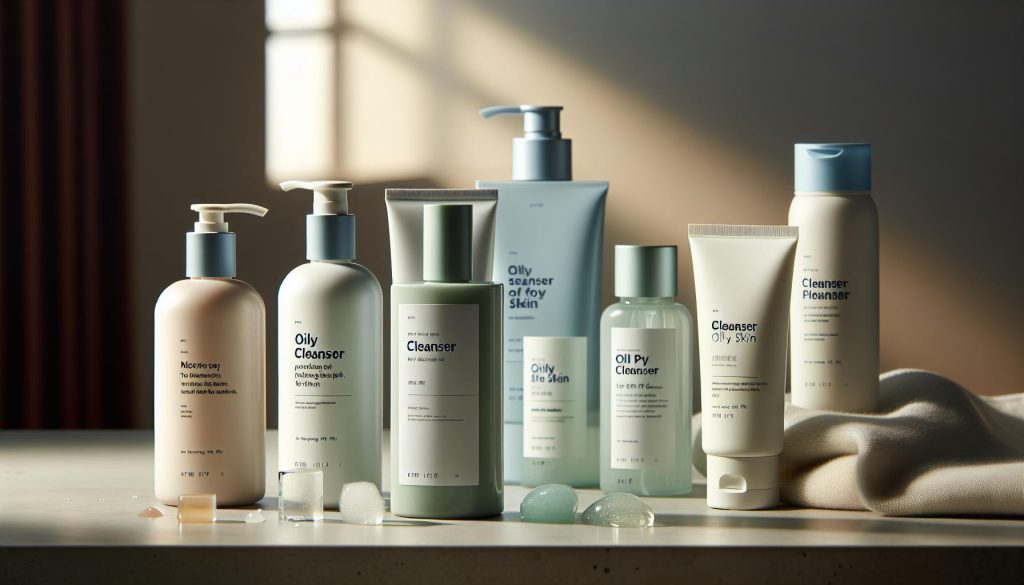
Finding the right cleanser for oily skin can feel like a never-ending struggle. Did you know that using the wrong cleanser might actually exacerbate oiliness? It’s crucial to select a product that effectively removes excess oil without stripping your skin of its natural moisture. In this guide, we’ll explore the best cleansers specifically designed for oily skin, focusing on those that balance oil production and keep your skin feeling fresh and clean. Whether you experience occasional shine or more persistent oiliness, the right cleanser can make all the difference in achieving a clear, radiant complexion. Read on to discover our top five picks that not only address these concerns but also fit seamlessly into your daily routine!
Understanding Oily Skin: Causes and Characteristics
Understanding why skin becomes oily can help demystify the challenges you face and guide you towards effective skincare. Oily skin is primarily caused by overactive sebaceous glands, which produce excess sebum-an oily substance that helps to keep your skin moisturized. While sebum is essential for maintaining skin health, too much of it can lead to a shiny appearance and contribute to acne and blemishes. Factors like hormonal fluctuations, genetics, diet, and even environmental conditions can influence the oiliness of your skin.
Characteristics of oily skin often include enlarged pores, a greasy sheen, and the propensity for blackheads and acne breakouts. You may notice that your skin feels more slick or sticky, especially in warmer months or after strenuous activities. Interestingly, this skin type can also be susceptible to dehydration; when skin lacks moisture, it can go into overdrive, producing even more oil. Thus, it’s crucial to balance oil production by using appropriate cleansers and skincare products.
To effectively manage oily skin, it’s essential to recognize these traits and understand that not all oil is bad. Oil plays a protective role, but when it’s excessive, targeted cleansing is vital. Adapting your skincare routine to address the specific characteristics and needs of oily skin can lead to a clearer, healthier complexion. Look for indicators, like the times of day your skin feels oiliest, and adjust your cleaning regimen accordingly to find what helps you feel your best.
Essential Ingredients for Oily Skin Cleansers

Finding the right cleanser for oily skin can feel like searching for a needle in a haystack, but focusing on specific ingredients can significantly simplify the process. The ideal cleanser should effectively manage excess oil without over-drying your skin, and there are several key components that can help achieve that balance.
Start by looking for salicylic acid, a powerful beta-hydroxy acid (BHA) known for its ability to penetrate and exfoliate inside the pores. It helps to break down excess sebum and dead skin cells, effectively preventing breakouts and reducing inflammation. This ingredient is particularly beneficial for those who struggle with acne since it targets the root cause of many blemishes.
Another important ingredient is niacinamide. This form of vitamin B3 helps regulate oil production, enhances the skin’s barrier function, and improves overall texture. It’s gentle enough for sensitive skin types and can also reduce the appearance of enlarged pores-a common concern for oily skin.
Additionally, seek out clay-based cleansers. Ingredients like kaolin and bentonite clay are excellent at absorbing excess oil and impurities. They provide a detoxifying effect and leave your skin feeling fresh and clean without stripping away necessary moisture.
Also consider tea tree oil, which boasts natural antibacterial properties. It can help combat acne-causing bacteria while soothing inflammation, making it an excellent choice for oily and acne-prone skin.
Finally, avoid harsh sulfates in your cleanser, as they can lead to over-drying and irritate your skin, prompting it to produce even more oil as a defense mechanism. Instead, opt for sulfate-free formulas that cleanse effectively without compromising your skin’s moisture barrier.
Using cleansers with these beneficial ingredients can transform your routine and maintain the balance your oily skin craves. By understanding what to look for, you can break free from the cycle of excess oil and achieve a clearer, healthier complexion.
Top 5 Cleanser Picks for Oily Skin

Finding the right cleanser for oily skin can be a transformative step in achieving a clearer and healthier complexion. Here are five highly recommended cleansers that effectively manage excess oil while keeping your skin balanced and hydrated.
CeraVe Foaming Facial Cleanser
This gentle foaming cleanser is a favorite among many for its ability to remove excess oil without stripping the skin’s natural moisture. Enriched with ceramides and hyaluronic acid, it helps to restore the skin barrier while maintaining hydration. Just apply a dime-sized amount to damp skin and massage in circular motions for about 30 seconds before rinsing thoroughly.
Neutrogena Oil-Free Acne Wash
Formulated with salicylic acid, this classic cleanser targets breakouts right where they begin-in the pores. It not only cleanses deeply but also helps to prevent future acne flare-ups. For best results, use this product twice daily to keep oil production in check without over-drying your skin.
La Roche-Posay Effaclar Purifying Foaming Gel
Ideal for those with sensitive skin, this sulfate-free gel cleanser uses cleansing agents that help remove impurities and excess oil without upsetting the skin’s pH balance. It’s particularly effective in controlling shine without feeling harsh. Apply to wet skin, lather, and rinse off for a refreshing clean.
Youth to the People Superfood Cleanser
Packed with kale, green tea, and spinach, this cleanser offers a unique blend of antioxidants. Besides addressing excess oil, it promotes overall skin health. Its gel formula effectively removes makeup and impurities while keeping the skin’s moisture barrier intact. Gently massage a small amount onto wet skin, then rinse for a refreshing finish.
Biore Charcoal Acne Cleanser
Activated charcoal in this cleanser draws out impurities while helping to absorb excess oil. Formulated specifically for acne-prone skin, it features salicylic acid to combat breakouts. Use it once or twice daily; apply to damp skin, work into a lather, and then rinse to reveal clearer skin.
Each of these cleansers can help tackle the unique challenges of oily skin. Finding the one that feels right for you may take some experimenting, but these options are a great starting point. Remember to follow your cleansing routine with suitable moisturizers and sun protection to maintain balance and protect your skin.
How to Choose the Right Cleanser for Your Skin Type

Choosing the right cleanser for oily skin is essential in maintaining a balanced complexion and preventing breakouts. Oily skin tends to produce excess sebum, leading to a shiny appearance and potential acne flare-ups. Therefore, selecting a cleanser that effectively removes grime, manages oil production, and respects your skin’s barrier is crucial.
Start by considering your skin’s specific needs. If you experience regular breakouts, look for a cleanser with salicylic acid-an exfoliating ingredient that penetrates the pores to help prevent blemishes. For those with sensitive skin, opt for gentle, sulfate-free cleansers that won’t strip the skin of necessary moisture. An example is the La Roche-Posay Effaclar Purifying Foaming Gel, which is soft yet effective in controlling excess shine and impurities.
Another important factor is texture. Foam and gel-based cleansers are often ideal for oily skin as they provide a deep clean without leaving a heavy residue. The CeraVe Foaming Facial Cleanser is a great choice; it not only cleanses but also hydrates. If you prefer something with a little more grit, consider a scrub that features exfoliating beads, just make sure not to overdo it-two to three times a week is usually sufficient to avoid irritation.
Finally, always check for non-comedogenic labels, which indicate that the product is formulated not to clog pores. This feature is vital for anyone with oily or acne-prone skin, ensuring that your cleansing routine helps improve skin clarity rather than contributing to breakouts. By understanding your skin’s unique characteristics, you can tailor your cleansing approach to find the perfect match for a healthier, clearer complexion.
Daily Cleansing Routine: Tips for Oily Skin

To keep oily skin in check, establishing a daily cleansing routine is essential. Oil overproduction can lead to clogged pores and breakouts, but with the right approach, you can maintain a fresh, healthy complexion. A consistent routine not only helps clear away excess grease and grime but also prepares your skin for other products in your skincare lineup.
Begin by washing your face twice a day-once in the morning and once before bed. This routine helps control excess oil throughout the day and removes impurities collected overnight. For the morning cleanse, use a gentle foam or gel cleanser that refreshes the skin without over-drying it. For instance, a product like the CeraVe Foaming Facial Cleanser allows you to cleanse deeply while maintaining moisture balance.
When it’s time to cleanse in the evening, focus on removing makeup, sunscreen, and the day’s buildup. You might want to use a two-step cleansing method: first, a micellar water or cleansing oil to break down stubborn products, followed by your gel or foaming cleanser to ensure your skin is thoroughly clean. Pay special attention to areas prone to breakouts, like your forehead and chin, using gentle circular motions for about thirty seconds.
Don’t forget to splash your face with lukewarm water during cleansing to help open pores for an effective clean, and always follow up with a lightweight, oil-free moisturizer to prevent dryness. This will help maintain your skin’s moisture barrier, ensuring it doesn’t compensate by producing even more oil. Remember, it’s all about balance!
The Role of Exfoliation in Oily Skin Care
To effectively care for oily skin, understanding the role of exfoliation is paramount. Regular exfoliation helps to eliminate dead skin cells that can clog pores, which is crucial for those dealing with oily skin and breakouts. By removing this buildup, you’re not just promoting a clearer complexion but also enhancing the absorption of your cleansers and other skincare products. For oily skin, select exfoliants that contain ingredients like salicylic acid or glycolic acid, which penetrate deep into the pores and help to dissolve excess oil and sebum.
Including exfoliation in your skincare routine doesn’t mean overdoing it; frequency and gentleness are key. For most, incorporating exfoliation 2-3 times a week is adequate. You can choose between physical exfoliants, like scrubs with gentle micro-particles, and chemical exfoliants, which dissolve skin cells. When using a physical scrub, apply a small amount to damp skin and gently massage in circular motions for about 30 seconds, then rinse thoroughly. If opting for a chemical exfoliant, look for formulations that specify they are suitable for oily skin to avoid aggravation.
Keep an eye out for common missteps; over-exfoliating can lead to irritation and increased oil production as your skin compensates for lost moisture. Always listen to your skin’s needs and adjust accordingly. Following exfoliation, it’s beneficial to apply a lightweight, oil-free moisturizer to keep your skin hydrated without contributing to excess oil.
By understanding and implementing the right exfoliation techniques, you can maintain a smooth, healthy complexion that is essential for an effective oily skin cleansing routine.
Natural vs. Chemical Cleansers: What to Know
Choosing between natural and chemical cleansers can feel overwhelming, especially when trying to find the best products for oily skin. Understanding these two categories is crucial for ensuring your skincare routine not only cleanses effectively but also supports your skin’s health without unnecessary irritation.
Natural cleansers typically contain plant-based ingredients, oils, and extracts that can gently cleanse the skin without stripping it of its natural oils. They often have soothing properties, making them ideal for sensitive skin types. For instance, a cleanser with ingredients like aloe vera or chamomile can reduce inflammation and provide hydration, while gentle oils, such as jojoba oil, help to dissolve excess sebum without clogging pores. However, it’s essential to note that “natural” doesn’t always mean “safe for everyone.” Some may find certain plant extracts irritating, so it’s wise to perform a patch test before integrating new products into your routine.
On the other hand, chemical cleansers use synthetic ingredients designed to target specific skin concerns. Common components include salicylic acid, which is effective for exfoliating and controlling oil production, and glycolic acid, which helps to clear pores and improve skin texture. These ingredients can provide more intensive results, especially for oily skin that is prone to breakouts. While chemical cleansers can be highly effective, they may cause irritation if used excessively or if you have particularly sensitive skin, so it’s important to start slowly and observe how your skin responds.
When selecting the right cleanser for your oily skin, consider your specific concerns. If you prefer gentler options and have sensitivities, natural cleansers might be your go-to. However, if you’re battling persistent oiliness or acne, a chemical cleanser with targeted ingredients could be more beneficial. Always read ingredient labels, be informed about what works for your skin type, and don’t hesitate to consult with a skincare professional when in doubt.
Ultimately, the best choice depends on your skin’s unique needs and how it reacts to different ingredients. Finding the perfect fit may require some experimentation, but with a mindful approach, your cleansing routine can pave the way for a clearer, healthier complexion.
Common Mistakes in Oily Skin Cleansing
Many people with oily skin struggle to find the right cleansing routine, but common mistakes can worsen the problem. One key pitfall is over-cleansing, which might seem intuitive when combating excess oil. Washing your face multiple times a day strips natural oils and can trigger your skin to produce even more oil. Instead, aim for a gentle cleanse twice a day-once in the morning and once before bed. This method keeps your skin balanced while effectively removing impurities.
Another frequent error is using overly harsh products. Many oily skin cleansers contain strong ingredients like alcohol or sulfates, believing that harsher means cleaner. However, these can lead to irritation, increased dryness, and sensitivity in the long run. Seek out formulas specifically designed for oily skin that include milder ingredients like salicylic acid, which helps manage oil production without causing irritation.
Failing to follow a consistent routine can also sabotage efforts. Skincare efficacy builds over time, and switching products too frequently may confuse your skin and prevent it from benefiting fully from specific treatments. Stick to a selected cleanser for at least a few weeks before deciding if it works for you or not.
Lastly, don’t forget the importance of hydration. Oily skin can give the false impression that it doesn’t need moisturizing, but every skin type benefits from hydration. Choose lightweight, non-comedogenic moisturizers that won’t clog pores but will still provide necessary moisture to help balance your skin.
By avoiding these common mistakes and adopting a mindful cleansing routine, you can help support your skin’s health while managing oiliness effectively.
User Reviews: Real Experiences with Oily Skin Cleansers
Navigating the world of cleansers for oily skin can feel overwhelming, but real experiences from users can shed light on the effectiveness of different products. Many individuals share that finding a product that balances oil control without stripping their skin is essential. For example, one user praised a cleanser featuring salicylic acid, highlighting how it effectively reduced breakouts and kept their complexion clearer without causing irritation. This positive feedback reflects a common theme: the right ingredients can make all the difference.
Users often express appreciation for cleansers that are gentle yet effective. A recurring sentiment points to the efficacy of gel-based cleansers that help to control shine without over-drying. A specific user mentioned that after switching from a foaming cleanser laden with sulfates to a gel cleanser with niacinamide, their skin not only felt softer but also appeared less oily throughout the day. This highlights the importance of scrutinizing ingredient lists and choosing formulas that nourish rather than strip the skin.
On the flip side, some reviewers caution against products that promise extreme oil control but end up being too harsh. For instance, a user shared their disappointing experience with a cleanser that contained alcohol, noting that while it initially felt refreshing, it led to increased oil production and sensitivity over time. This serves as a valuable reminder that the goal is to achieve a balanced routine rather than to chase aggressive oil reduction.
Ultimately, user reviews emphasize the need for patience and experimentation. Many recommend sticking with a new cleanser for several weeks to truly gauge its effects, as skin can take time to adjust. With consistent application, many users reported finding not only a reduction in oiliness but also clearer skin, reinforcing the idea that the right product can truly transform your skincare routine. Don’t forget to consider these personal insights when choosing the right cleanser for your oily skin journey; what works for one may not work for all, but thoughtful research and real-world testing can guide your path to healthier skin.
When to Seek Professional Skin Care Help
Knowing when to consult a professional can be a game-changer in your skincare journey, especially if you’re dealing with oily skin. While many products promise to control oil and prevent breakouts, there are signs that indicate it might be time to seek expert advice. Persistent issues like severe acne, persistent irritation, or consistent feelings of discomfort after using cleansers warrant a closer look.
If you’ve tried multiple over-the-counter products without success, it might be time to consult a dermatologist. For example, if you notice inflamed cysts, painful acne, or excessive redness that doesn’t respond to your current routine, a professional can help identify the underlying causes and recommend appropriate treatments. This could include prescription medications, tailored skincare regimens, or even advanced treatments like chemical peels or laser therapy, which are often more effective for stubborn skin conditions.
Your skin’s characteristics also matter; if you experience significant changes like increased sensitivity or if your oily skin suddenly becomes overly dry or flaky, this could signal an underlying issue that needs professional evaluation. A dermatologist can help you navigate these fluctuations and adjust your skincare routine accordingly.
Finally, if you’re often overwhelmed by the plethora of products available and find that your oily skin issues are negatively impacting your self-esteem or daily life, don’t hesitate to reach out for support. A skincare professional can provide tailored advice that addresses your specific concerns, ensuring you don’t have to go through this journey alone. Remember, seeking help is a proactive step toward healthier skin!
Frequently Asked Questions
Q: What ingredients should I look for in a cleanser for oily skin?
A: Look for ingredients like salicylic acid, tea tree oil, and glycolic acid. These components help control excess oil, unclog pores, and reduce breakouts. Avoid heavy, creamy formulas that can exacerbate oiliness. For detailed ingredient benefits, check the section on Essential Ingredients for Oily Skin Cleansers.
Q: How often should I wash my face if I have oily skin?
A: It’s best to wash your face twice a day-once in the morning and once before bed. This routine helps remove excess oil and dirt without over-drying your skin. For more cleansing tips, refer to our Daily Cleansing Routine: Tips for Oily Skin.
Q: Are natural cleansers effective for oily skin?
A: Yes, natural cleansers can be effective, especially those containing clay or botanical extracts that absorb oil. However, ensure they are formulated without harsh oils that might clog pores. Explore our Natural vs. Chemical Cleansers: What to Know section for more insights.
Q: Can using the wrong cleanser worsen oily skin?
A: Absolutely! Using a cleanser that is too harsh can strip your skin, prompting it to produce more oil. Opt for gentle foaming or gel cleansers designed for oily skin to maintain balance. For common issues, see Common Mistakes in Oily Skin Cleansing.
Q: What symptoms indicate that I need a different cleanser?
A: If you experience increased breakouts, excessive dryness, or irritation, it may be time to try a different cleanser. A review of your cleansing routine can also help-check User Reviews: Real Experiences with Oily Skin Cleansers for guidance.
Q: Is it necessary to exfoliate if I have oily skin?
A: Yes, exfoliating regularly helps remove dead skin cells and prevents clogged pores. However, limit exfoliation to 1-2 times a week to avoid irritation. For more about this, see The Role of Exfoliation in Oily Skin Care in our article.
Q: What is the best way to remove makeup from oily skin?
A: Use a gentle makeup remover or cleansing oil before applying your cleanser. This approach ensures that all makeup, particularly waterproof formulas, is fully removed without overworking your skin. For effective routines, refer to our Daily Cleansing Routine: Tips for Oily Skin.
Q: How do I know if a cleanser is suitable for my oily skin type?
A: Check the product label for “oil-free” and “non-comedogenic” claims. Additionally, opt for gel-based or foaming cleansers that have exfoliating ingredients. Our article on How to Choose the Right Cleanser for Your Skin Type offers more advice on selecting products.
In Summary
Now that you know the top five cleansers for oily skin, it’s time to take action! Choosing the right product can be the key to achieving that fresh, balanced complexion you’ve been hoping for. Remember, consistency is essential-stick to your cleansing routine for the best results. If you’re still unsure which cleanser suits your unique skin type, check out our comprehensive guide on identifying your skin needs or explore more skincare tips in our related articles.
Don’t miss out on exclusive content! Sign up for our newsletter for the latest beauty hacks and product reviews tailored to your skincare goals. Have questions or experiences to share? We’d love to hear from you-leave a comment below or connect with us on social media! Keep exploring our site for more valuable resources to support your beauty journey. Your path to clearer skin starts now!
Get our latest guides, news, and insights highlighted in your Google Search & AI Overviews.