If you’re struggling with dry, cracked feet, you’re not alone. Many of us experience this common issue, especially after long days on our feet or during colder months. Aquaphor Foot Masks are designed to provide intensive hydration and repair, promising to restore the softness and smoothness your feet deserve. In this review, we’ll explore the effectiveness of these nourishing treatments, looking at key ingredients like shea butter and avocado oil that help heal and rejuvenate tired skin. Whether you’re preparing for sandal season or simply want to pamper yourself after a long week, understanding how these foot masks work can make all the difference. Join us as we delve into the benefits of Aquaphor Foot Masks and discover if they can truly transform your foot care routine!
Understanding the Benefits of Aquaphor for Feet
Using a highly acclaimed product like Aquaphor for foot care can be a game-changer, especially for those struggling with dry, cracked skin on their feet. This brand’s Advanced Therapy Repairing Foot Masks are designed to deliver intense hydration in just a matter of minutes, making them an ideal choice for individuals who desire quick and effective results without a complicated routine. The hydrating formula penetrates deeply, helping to restore softness and smoothness to rough skin, which is often exacerbated by environmental factors like cold weather or excessive dryness.
One of the key benefits of using Aquaphor is its ability to create a protective barrier on the skin. This barrier not only locks in moisture but also helps shield the feet from external irritants. For those who frequently find their feet in harsh conditions-whether due to work, lifestyle choices, or certain health conditions-this extra layer of protection can be vital to maintaining skin integrity. Furthermore, the masks are mess-free and easy to use; simply apply them for 10 minutes to enjoy a spa-like treatment in the comfort of your own home.
Users often report a noticeable difference in their foot skin’s texture and hydration levels after just one treatment. That’s because Aquaphor’s formulation includes skin-loving ingredients that provide not only immediate relief but also long-term benefits with regular use. For those with concerns about sensitivity, it’s reassuring to know that these foot masks are fragrance-free, making them suitable for even the most delicate skin types.
Ultimately, incorporating Aquaphor Foot Masks into your foot care routine can help elevate your self-care game, providing both relief and rejuvenation. Regular use can make a significant difference, especially when combined with other best practices in dry foot care, ensuring your feet not only look good but feel good too.
How to Use Aquaphor Foot Mask Effectively
To get the most out of your Aquaphor Foot Mask experience, it’s important to follow a few straightforward steps that ensure effectiveness and comfort. One of the beauties of Aquaphor’s Advanced Therapy Repairing Foot Masks is their simplicity of use, allowing for a rejuvenating treatment right at home.
Start by preparing your feet. Soak them in warm water for about 5-10 minutes. This not only cleanses your feet but also opens up the pores, which helps the mask ingredients penetrate deeply. After soaking, gently towel-dry your feet, ensuring they’re not dripping wet but still slightly damp to enhance moisture absorption.
Next, it’s time to apply the foot masks. Open the pouch and carefully slip your foot into the mask, making sure it’s snug but not too tight. Seal the mask securely around your ankle to prevent any slipping. The recommended time to keep the mask on is 10 to 20 minutes, during which you can relax and let the hydrating formula work its magic. For added comfort, consider sitting down with a good book or watching your favorite show. This not only helps you unwind but also distracts from any potential awkwardness of wearing foot masks.
Once the time is up, gently remove the masks and massage any remaining product into your feet. You’ll likely notice a silky feel right away! If desired, a light layer of your regular foot cream can be applied afterwards for extra hydration. It’s best to avoid washing your feet immediately after the treatment to allow the ingredients to continue working.
Lastly, keep a consistent routine. Using the mask once a week can make a substantial difference in the overall softness and hydration of your feet. Over time, you’ll likely see improvements in how your skin feels and looks-so remember to be patient and embrace this new self-care ritual.
User Experiences: Real Aquaphor Foot Mask Reviews
Many users have shared their transformative experiences with Aquaphor’s foot masks, often highlighting a remarkable improvement in the texture and overall health of their feet after just a few uses. One common theme is the immediate softness felt after the first application. Users report that the masks are not only easy to use but also provide deep hydration, making them feel pampered after a long day. Comments such as “My feet felt like silk!” and “I couldn’t believe the difference overnight!” resonate with many who struggle with dry or cracked feet.
For those with specific concerns, like calluses or cracking, feedback suggests that the masks are effective for prevention as well as recovery. One user shared that after using the mask weekly for a month, their calluses decreased significantly, allowing for more comfortable shoe wear. This is particularly encouraging for anyone who spends a lot of time on their feet or has previously avoided foot treatments due to time constraints.
Moreover, some users appreciate the versatile application of Aquaphor products, combining the foot masks with regular practices like soaking their feet or applying a moisturizer afterward. Many have emphasized that incorporating a foot mask into their self-care routine felt like indulging in a mini spa day at home. With comments illustrating the relaxing experience, such as “I love pairing my foot masks with a good book,” it’s clear that users deeply value this time to unwind.
Lastly, while the majority of reviews are glowing, it’s important to note that some users suggest a bit of patience is key. Results may vary based on individual foot conditions and how frequently the masks are used. For those just beginning their journey with foot care, it’s helpful to remember that consistency and care will lead to lasting results. Embracing the habit of regular pampering can truly elevate the wellness of your feet, turning dry, cracked skin into a softer, healthier look and feel.
The Science Behind Healing Dry, Cracked Feet
To truly understand how Aquaphor can revive dry, cracked feet, we first need to look at the ingredients that make this product stand out. Aquaphor Healing Ointment is primarily composed of petrolatum, which is a powerful occlusive agent. This means it works by forming a protective barrier on the skin, preventing moisture loss while allowing the skin to heal from within. When applied to the feet, this barrier locks in hydration, which is crucial for tissues that are often exposed to harsh conditions.
Our feet endure a lot-whether it’s the pressure from standing or walking all day or the drying effects of environmental factors like extreme temperatures or harsh soaps. This constant wear and tear can lead to cracks and calluses. The healing process begins with creating a hydrated environment. By sealing moisture in, Aquaphor not only helps prevent further damage but also assists in repairing existing cracks. Over time, users report that they experience softer, smoother skin because the ointment accelerates the natural regeneration process of skin cells.
To get the most benefit from Aquaphor, consider using it as part of your nightly foot care routine. After a warm soak to soften the skin, pat your feet dry and apply a generous layer of Aquaphor. Slip on a pair of cotton socks to enhance the moisture retention overnight. This method is effective because the occlusive nature of Aquaphor prevents evaporation, which is especially important for dry, thickened skin on the feet.
Remember, patience is essential. While some users see results quickly, others may need to consistently use the foot mask or Aquaphor multiple times a week to achieve their desired outcome. This careful approach can yield significant improvements, turning dry, cracked feet into supple, healthy skin. Embracing a few simple habits, grounded in science, can enhance your overall foot health dramatically.
Comparing Aquaphor to Other Foot Care Products
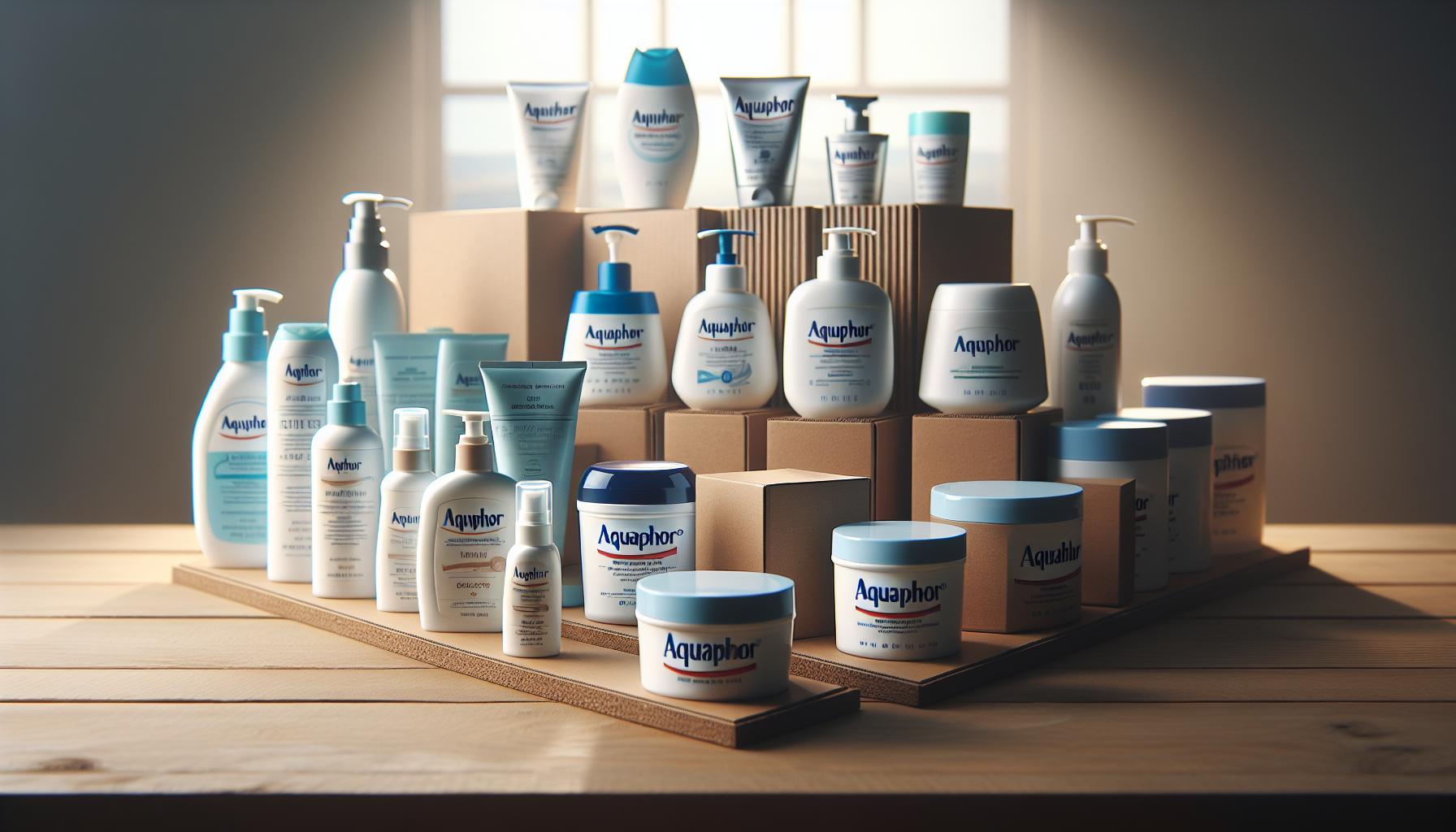
When it comes to foot care, selecting the right product can be overwhelming, with so many options on the market promising miraculous results. Aquaphor Healing Ointment, known for its occlusive properties, stands out among the crowd, but how does it measure up against other popular foot treatments? Understanding the differences can help you make an informed choice tailored to your specific needs.
Firstly, consider the classic combination of foot creams and lotions. Many of these products contain hydrating ingredients like shea butter or glycerin, aiming to provide moisture to dry skin. However, they often lack the occlusive qualities of Aquaphor. While creams can nourish the skin, they might not seal in moisture as effectively, which is vital for deeper healing of cracked skin. If your feet suffer from severe dryness, you might find Aquaphor more beneficial due to its ability to create a protective barrier that locks in hydration.
Then there are exfoliating foot masks, which typically contain ingredients such as glycolic acid or urea to remove dead skin cells. These products are excellent for addressing thick, rough patches but may leave your skin feeling parched afterward. In this case, following up with Aquaphor can enhance the results, not only soothing the freshly treated skin but also reintroducing moisture. Using both in tandem-starting with an exfoliating treatment and sealing it with Aquaphor-can lead to a softening effect that many users rave about.
It’s also worth mentioning natural remedies and oils like coconut oil or olive oil. While these options provide moisturizing benefits and are free from harsh chemicals, they tend to absorb quickly without forming that crucial protective layer. For individuals dealing with very dry or cracked feet, Aquaphor’s longer-lasting barrier can be a game changer. A simple experiment involves applying coconut oil and Aquaphor side by side; while both improve hydration, many find Aquaphor holds its moisture better over time.
Ultimately, the best approach often combines various techniques. Starting with a thorough cleaning and exfoliation, followed by either a nourishing cream or oil, and then sealing with Aquaphor before bed can create a comprehensive foot care routine. This layered approach not only addresses immediate hydration needs but also works toward ongoing skin health. Remember, everyone’s feet are unique; it may take some experimentation with different products to find your perfect solution.
In summary, while Aquaphor is a standout choice for intense moisture retention and protection, comparing it with other options like foot creams, exfoliating masks, and natural oils can help tailor your routine to suit your feet’s specific needs. Embrace a thoughtful mix of products and techniques, and you’ll be well on your way to soft, healthy feet.
Tips for Maximizing Foot Mask Results

To truly unlock the potential of an Aquaphor foot mask, it’s essential to follow some strategic steps that can enhance your results and leave your feet feeling revitalized. By combining careful application with smart timing, you can make the most of this powerful moisturizer.
Start with clean, exfoliated feet. Before applying Aquaphor, gently scrub your feet in warm water to remove dead skin. This step not only smooths the surface but also prepares your skin to absorb moisture more effectively. Consider using a foot scrub containing natural exfoliants like sugar or salt. Once your feet are clean, pat them dry with a towel, maintaining a bit of moisture to help deepen the absorption of the Aquaphor.
When it comes to application, a little goes a long way. Use a dime-sized amount of Aquaphor for each foot. Warm the product in your hands for a few seconds to improve its spreadability, then apply it generously using gentle, circular motions. Focus on particularly dry areas and any cracked spots for extra care. Covering your feet completely will ensure that moisture is locked in and sealed effectively.
To maximize the hydration effects, consider wearing socks after application. This helps trap the moisture and prevent evaporation, allowing the Aquaphor to penetrate deeper into the skin. For best results, try this overnight-your feet will benefit from several hours of concentrated care while you sleep. If you’re looking to add an extra boost, apply the foot mask after a warm foot soak, as warmth can enhance the skin’s receptiveness to moisture.
Lastly, establish a consistent routine. For the best outcomes, apply Aquaphor regularly-ideally once a day, especially in colder months when skin tends to dry out. Keeping a pair of Aquaphor-treated socks by your bed can serve as a reminder, making it easier to turn foot care into a nightly habit.
By integrating these tips, you can elevate the efficacy of your Aquaphor foot mask and enjoy softer, healthier feet. Remember, self-care is an ongoing journey, and consistency will yield the best results.
Common Misconceptions About Foot Mask Treatments

Many people turn to foot masks like Aquaphor hoping for instant relief and transformation for their tired feet. However, there are numerous misconceptions that can cloud expectations and effectiveness. Clarifying these can enhance your experience and lead to better outcomes.
One common myth is that foot masks are a one-time solution for severely dry or cracked feet. While a good foot mask can provide significant hydration, building a sustainable foot care routine is crucial. Just as your skin needs consistent moisture, so do your feet. Regularly applying Aquaphor, paired with exfoliation and hydration, can lead to lasting improvements rather than relying on occasional treatments alone.
Another misunderstanding revolves around the idea that thicker application guarantees better results. In reality, slathering on excessive Aquaphor can hinder absorption and create a greasy layer that prevents your skin from breathing. Instead, applying a dime-sized amount and massaging it in gently can maximize penetration and efficacy. This allows the skin to absorb moisture more efficiently while avoiding the feeling of being weighed down by product.
Many believe that using a foot mask will eliminate all foot issues overnight. It’s important to manage expectations; while you may notice improvement after just one use, truly transforming dry, cracked feet often requires time and patience. Regular use, especially during colder months or after prolonged exposure to elements that dry out the skin, can significantly enhance the health of your feet over time.
Ultimately, remember that foot masks serve as part of a larger self-care regimen. Incorporate practices such as soaking your feet, wearing breathable footwear, and maintaining a consistent moisturizing routine to achieve the best results. By debunking these myths, you can approach your foot care journey with a clearer perspective and more effective strategies for nurturing your feet to their soft, supple best.
Best Practices for Dry Foot Care at Home

Taking care of your feet is essential, especially if you’re fighting against dryness and cracks. Just like the skin on the rest of your body, your feet need regular attention and hydration. A consistent foot care routine, inclusive of the right products, can make a significant difference. Whether you’re standing all day, exercising, or simply walking around, neglecting foot care can lead to discomfort and even more serious issues over time.
To ensure the healthiest conditions for your feet, follow these reliable practices:
- Exfoliate Regularly: Start by exfoliating your feet 1-2 times a week to remove dead skin cells. You can use a foot scrub or a pumice stone after soaking your feet in warm water. This process not only smooths the skin but also prevents the buildup of rough patches that can lead to cracks.
- Create a Hydration Routine: After exfoliating, apply Aquaphor or another suitable moisturizer to your damp feet. A dime-sized amount massaged in gently helps lock in moisture. Focus on areas prone to dryness, like the heels and sides.
- Wear Breathable Footwear: Choose shoes that allow your feet to breathe. Tight shoes can cause added pressure and contribute to dryness, so opt for breathable materials, especially in warmer weather.
- Implement a Nightly Ritual: Before bed, apply a thicker layer of Aquaphor to your feet and wear cotton socks. This overnight treatment allows the ointment to deeply penetrate the skin while you sleep, maximizing hydration.
- Stay Hydrated: Don’t forget about your overall hydration. Drinking enough water throughout the day supports your skin’s moisture levels from the inside out.
These practices not only promote hydration but also comfort and overall foot health. If you consistently follow these recommendations, you should see an improvement in the softness and texture of your feet over time. It’s all about finding a routine that works for you and making your foot care as integral as any other personal grooming habit. Remember, just as you wouldn’t skip moisturizing your face, don’t skip your feet-they deserve the same attention!
When to Consider Professional Treatment Options
Ignoring persistent foot issues can lead to complications down the line, so knowing when to seek professional help is crucial for maintaining foot health. If you’ve been treating your feet at home with products like Aquaphor, and still find yourself struggling with dry, cracked skin, it may be time to consult a specialist.
Start by looking for signs of severe dryness or cracking. If your skin doesn’t improve after several weeks of routine care-including exfoliation, moisturizing, and wearing appropriate footwear-the situation might be more than just a lack of moisture. Similarly, if you notice deep cracks that bleed, or experience pain while walking, these are strong indicators that professional treatment may be necessary.
You should also consider consulting a healthcare provider if there are signs of infection, such as redness, warmth, swelling, or discharge. These symptoms can be serious, especially if you have underlying conditions like diabetes that can complicate foot health. A podiatrist can provide tailored advice, prescription treatments, or interventions that over-the-counter products simply can’t offer.
Lastly, if foot conditions stem from underlying health issues-like eczema, psoriasis, or circulatory problems-an expert’s insight is essential for proper management. Taking these steps can not only lead to more effective care but also guide you towards long-term relief and healthier feet.
Exploring Natural Alternatives for Foot Moisturization
Natural alternatives for foot moisturization can effectively complement products like Aquaphor, especially for those seeking holistic methods to nourish dry and cracked feet. Nature offers a range of ingredients that are not only kind to your skin but also deeply hydrating and healing. Some options are well-known in the beauty community for their moisturizing properties, while others might surprise you with their effectiveness.
One powerhouse ingredient is coconut oil. This natural oil is rich in fatty acids, making it excellent for hydration. To use coconut oil, warm a small amount in your hands and massage it gently onto clean, dry feet, focusing on cracked areas. Not only does it moisturize, but it also has antimicrobial properties that can help prevent infections. Another fantastic option is shea butter. Known for its thick consistency and rich texture, shea butter provides a deep moisture barrier. Apply it generously at night and cover your feet with socks to enhance absorption while you sleep.
For those who enjoy a bit of DIY fun, consider creating a natural foot scrub. Combine equal parts sugar and olive oil for an exfoliating treatment that can slough away dead skin while deeply moisturizing. Use the scrub in the shower, then follow up with your favorite lotion or oil for enhanced effects. Additionally, aloe vera, a staple in many skincare routines, is not only soothing but also hydrating. Applying pure aloe vera gel can provide relief to irritated skin, helping restore moisture balance.
Finally, essential oils like lavender and tea tree oil can add therapeutic benefits to your foot care regimen. Mix a few drops with a carrier oil (like jojoba or sweet almond oil) and massage into your feet for both moisture and a relaxing aromatic experience. These natural alternatives not only promote foot health but also encourage a self-care routine that’s nurturing and restorative.
By integrating these natural products into your foot care routine, you can enhance the effectiveness of Aquaphor and achieve softer, healthier feet. Remember, the key to maintaining soft skin is consistency, so make foot care a regular part of your self-care rituals for lasting benefits.
Frequently asked questions
Q: What is Aquaphor Foot Mask and how does it work for dry, cracked feet?
A: Aquaphor Foot Mask is a moisturizing treatment designed to soften and heal dry, cracked feet. It creates an occlusive barrier that locks in moisture, helping to restore hydration and promote skin healing. Regular use can improve foot texture and alleviate discomfort from dryness.
Q: How effective is Aquaphor Foot Mask compared to other foot care products?
A: Aquaphor Foot Mask is often praised for its occlusive properties, making it more effective in sealing moisture than typical lotions. While it provides intense hydration, it’s essential to compare it with other products based on personal needs, such as additional exfoliation or scent preferences.
Q: How often should I use the Aquaphor Foot Mask for the best results?
A: For optimal results, use the Aquaphor Foot Mask 1-2 times a week. This frequency allows enough time for your skin to absorb moisture and rejuvenate effectively. Adjust usage based on the severity of dryness or personal comfort levels.
Q: Can I apply the Aquaphor Foot Mask overnight for deeper hydration?
A: Yes, applying the Aquaphor Foot Mask overnight can enhance hydration. For best results, wear socks over the mask to keep it in place and maximize absorption while you sleep. This technique helps to deeply nourish and repair the skin overnight.
Q: Are there any side effects of using Aquaphor Foot Mask?
A: Generally, Aquaphor Foot Mask is safe for most skin types. However, some users may experience mild irritation or allergic reactions. It’s advisable to perform a patch test before full application. If irritation occurs, discontinue use and consult a dermatologist.
Q: Is Aquaphor Foot Mask suitable for all skin types?
A: Yes, the Aquaphor Foot Mask is suitable for all skin types, including sensitive skin. Its gentle, fragrance-free formulation helps to hydrate without causing irritation. However, those with specific allergies should check the ingredient list.
Q: How long does it take to see results from the Aquaphor Foot Mask?
A: Many users report noticeable improvements within a few days of regular use. For severe dryness, consistent application over a week or two may be necessary to achieve optimal results. Keep in mind that results can vary based on individual skin conditions.
Q: What are some tips to enhance the effectiveness of the Aquaphor Foot Mask?
A: To enhance effectiveness, exfoliate feet before application to remove dead skin cells, ensuring better absorption of the mask. Additionally, moisturizing consistently and wearing socks can help lock in hydration. Incorporating these practices can lead to healthier feet over time.
Feel free to explore more about the benefits and usage tips in our sections on Understanding the Benefits of Aquaphor for Feet and Tips for Maximizing Foot Mask Results in the main article!
To Conclude
Now that you’ve explored our Aquaphor Foot Mask reviews, it’s clear that this product is your go-to solution for healing dry, cracked feet. With its potent moisturizing properties, it can give your feet the nourishment they desperately need. Don’t wait-treat your feet to the hydration they deserve today!
If you’re curious about other ways to care for your skin, check out our articles on “Best Practices for Winter Foot Care” or “Top Moisturizers for Dry Skin.” These resources will equip you with additional tips and tricks to keep your skin glowing and healthy all year round.
Remember to share your thoughts in the comments below! Your journey to smoother feet doesn’t have to end here; subscribe to our newsletter for the latest in skincare tips and product reviews. Join our community, and let’s keep the conversation going!
Get our latest guides, news, and insights highlighted in your Google Search & AI Overviews.