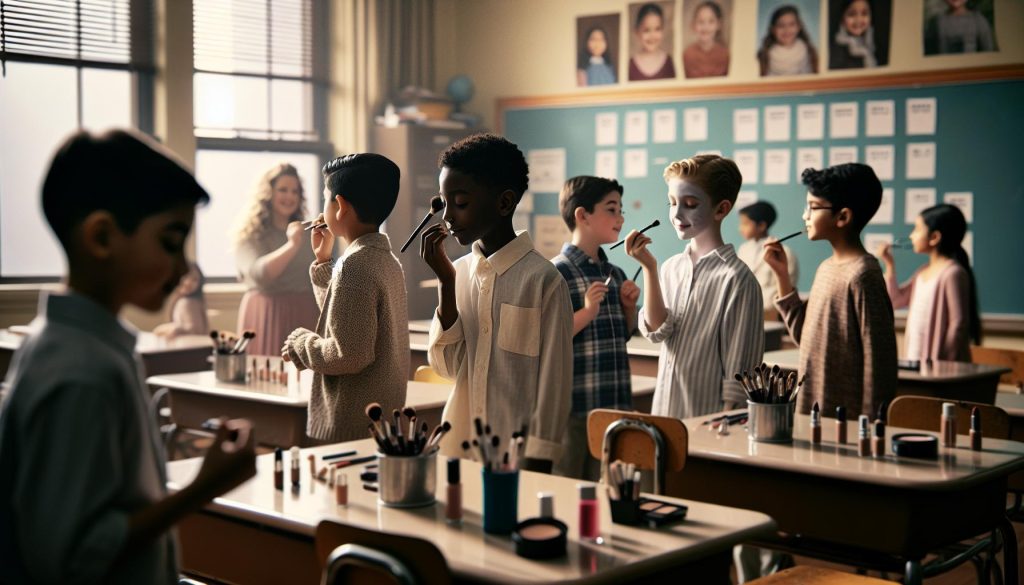
As the world of beauty and self-expression evolves, many kids are eager to explore the art of makeup. However, a pressing question arises: are kids allowed to wear makeup at school? This policy guide dives into the rules surrounding makeup in educational settings, highlighting the significance of understanding school policies and their impact on student self-confidence and creativity. Whether you’re a parent looking to navigate this territory or a student curious about your school’s stance, this guide provides the insights you need to make informed decisions. We’ll unravel the reasons behind varying policies, discuss common concerns, and share practical tips to support your beauty journey in a school-friendly way. So, if you’re ready to learn how to balance self-expression with school norms, keep reading!
Are Schools Really Restricting Makeup?
Navigating the world of school makeup policies can feel like wading through a sea of rules and perceptions. While some schools have made strides towards inclusivity and self-expression, others maintain strict regulations, creating confusion for students and parents alike. Ultimately, many institutions aim to promote a learning environment centered on education rather than personal appearance. However, this doesn’t mean all schools approach makeup uniformly; the degree of restriction can vary significantly.
Many schools enforce rules that limit the use of products like bold lip colors or heavy eye makeup to maintain a standard of appearance. This often stems from a desire to minimize distractions and foster a professional atmosphere. Yet, the challenge lies in balancing this desire with students’ needs for self-expression. For instance, some schools may allow natural makeup or the use of light foundation while explicitly prohibiting items such as glitter or dramatic eyeliner.
Additionally, schools might handle makeup policies based on the age group of the students. Younger children may face stricter limits compared to high school students, where makeup is more commonly accepted as a tool for self-expression. The real conversation often extends beyond mere rules; it raises questions about the influence of societal norms and the students’ feelings around self-identity in educational settings.
As discussions around these policies evolve, it’s important for schools to consider the voices of students and parents. Engaging in open dialogues can lead to more balanced policies that respect individual expression while contributing to a focused educational environment. Understanding the underlying reasons behind makeup restrictions can also help demystify these policies, paving the way for potentially more inclusive practices in the future.
Understanding School Makeup Policies
Navigating makeup policies in schools can sometimes feel like trying to solve a puzzle with missing pieces. In recent years, educational institutions have increasingly recognized the importance of self-expression among students. However, many still maintain strict makeup guidelines that can leave students and parents feeling uncertain about what is permissible. These policies typically aim to create a focused learning environment while balancing individual expression, but the approach can vary greatly from one school to another.
One common reason for makeup restrictions is the desire to maintain a certain standard of appearance. Schools often believe that less distracting makeup choices contribute to a professional and conducive educational atmosphere. However, this rationale can sometimes clash with students’ personal identities and their desire to express themselves through makeup. For instance, some schools allow neutral or naturally toned products while restricting bright colors or extravagant styles. This creates a landscape where students must navigate their self-expression within the confines of perceived decorum.
Another important aspect is how these policies differ across grade levels. Younger students often face stricter makeup guidelines compared to their high school counterparts, where makeup may be more accepted as a form of self-identity. This pattern raises important questions about the developmental appropriateness of these policies and whether they reflect the needs of students at different life stages.
Engaging in open dialogues with students and parents can be vital in shaping inclusive makeup policies. By listening to feedback, schools can create guidelines that respect individual expression while upholding educational objectives. Understanding the intent behind makeup restrictions can lead to more thoughtful discussions about what constitutes an appropriate appearance in a learning environment.
The benefits and Drawbacks of Makeup for Kids
In today’s world, many kids are expressing themselves through makeup at earlier ages, and this can spark heated debates among parents, educators, and students alike. The benefits of allowing kids to wear makeup can be profound, contributing to their confidence, self-expression, and sense of individuality. For instance, a subtle gloss or light blush can boost a child’s self-esteem, allowing them to feel more prepared and optimistic as they socialize or participate in school activities. Furthermore, makeup can serve as a creative outlet, encouraging artistic skills and personal style development from a young age.
However, the flip side must also be considered. Exposure to makeup at a young age may inadvertently pressure kids to conform to certain beauty standards, which can lead to issues with body image and self-worth. Some children might feel inadequate if they don’t adhere to their peers’ makeup choices or the societal trends depicted in media. Additionally, schools might be wary of how makeup is perceived within the context of professionalism and distraction; they may fear that certain products could disrupt the learning environment or detract from serious academic engagement.
In balancing these benefits and drawbacks, open communication between parents, educators, and students is essential. Setting clear guidelines on what types of makeup are appropriate for school can help manage expectations while still allowing for personal expression. Encouraging makeup usage as an occasional activity rather than a daily necessity can also help mitigate the risks of dependency on makeup for self-esteem. Ultimately, establishing a supportive environment where students are comfortable with their choices can lead to healthier attitudes about beauty and self-expression.
Age Restrictions for Makeup Use in Schools
Navigating the world of makeup policies in schools can sometimes feel like wandering through a maze, especially for parents and students eager to understand what’s acceptable. Many schools set specific age restrictions for makeup use, often reflecting broader concerns like maturity and the need to maintain a focused learning environment. Surprisingly, some schools adopt a flexible approach, allowing younger students to use minimal makeup, while others may impose strict rules, limiting the use of any cosmetics until a certain grade.
Understanding these age-based guidelines is important. Generally, for younger students-especially those in elementary schools-schools may recommend or even require a natural, makeup-free look. This is based on the belief that fostering self-confidence should come from within, allowing children to embrace their natural beauty. In contrast, middle and high school students often enjoy more freedom, as they are typically held to higher standards of maturity and responsibility. For these older students, light makeup might be encouraged, as it can be an avenue for self-expression without being overly distracting.
Schools often outline clear policies in handbooks that address essential questions regarding makeup: Who can wear it? What types are permitted? Are there any restrictions during particular events, like exams or presentations? By checking these guidelines, parents and students can ascertain what’s appropriate and create a respectful dialogue with school staff if questions arise.
As students transition into higher grades, there’s a wonderful opportunity to educate them about responsible makeup use, including selecting age-appropriate products and understanding when and how to apply them. Open discussions at home about these policies can help students feel empowered and informed, ensuring that their self-expression through makeup aligns with school expectations.
Ultimately, while it can be challenging to navigate these policies, understanding age restrictions can lead to positive experiences where students learn to express themselves confidently, authentically, and within the framework of their educational environment.
What Types of Makeup Are Typically Allowed?
When navigating the world of school makeup policies, it’s essential to know what’s typically allowed, as this can vary widely from one school to another. Generally, schools promote a focus on learning and may restrict the use of makeup to ensure students remain focused on their education. However, many have embraced guidelines that allow for a bit of self-expression while maintaining decorum.
For younger students, especially in elementary grades, makeup usage is often discouraged or limited to minimal products. This typically includes items like clear lip balm to keep lips hydrated or a light tinted moisturizer for those who might have skin sensitivity but want a touch of color. Schools emphasize natural looks that foster self-acceptance and confidence without the influence of cosmetics.
As students progress to middle and high school, the acceptance of makeup usually broadens. Commonly allowed products include:
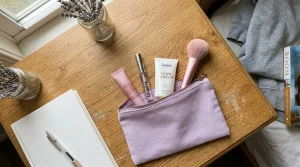
- Foundation or BB Cream: Lightweight and skin-friendly options are popular for even skin tone.
- Concealer: Useful for covering blemishes or dark circles without being too heavy.
- Powder: Setting powder or blush for a natural flush can be deemed appropriate.
- Mascaras: A subtle application may allow for definition without dramatic effects.
- Clear or Tinted Lip Gloss: Adds a touch of shine, often encouraged for all grades.
- Neutral Eyeshadows: Light shades that enhance without overwhelming are often welcome.
It’s key to review the school’s specific policies, as some might have restrictions on vivid colors, like bright reds or blues, and for special occasions such as exams or formal presentations, a more subdued look is often expected.
Ultimately, the goal of these guidelines is to create an environment where students can feel free to express themselves while maintaining the focus required for learning. If you’re unsure about what’s allowed, initiating an open conversation with school staff can clarify any uncertainties and foster understanding.
Navigating Cultural Differences in Makeup Policies
Navigating makeup policies in schools can often feel like walking a tightrope, especially in culturally diverse environments. The way makeup is perceived and allowed can vary dramatically across different cultures, affecting policies that schools implement. For instance, in many Eastern cultures, makeup may be seen as a form of art and self-expression, while Western practices may lean more toward natural aesthetics, particularly for younger students. Understanding these cultural nuances is essential for both parents and educators as they advocate for or against specific makeup guidelines.
In some schools, the emphasis on minimal makeup might align with a cultural standard that values natural beauty and self-acceptance, while others might allow more freedom, reflecting a culture that views makeup as an integral part of identity and personal expression. For example, students from cultures where makeup holds significant cultural importance, such as during festivals or significant life events, may find strict school policies particularly stifling. It is vital for schools to recognize and consider these cultural backgrounds when crafting their makeup policies.
Clearly defining what constitutes acceptable makeup can aid in bridging these cultural divides. A straightforward approach is to categorize makeup types: allowing products that promote skin health or a natural look, while remaining flexible with more expressive forms under certain circumstances, such as themed days or cultural events. This not only validates students’ diverse backgrounds but also encourages an inclusive environment where all students can feel represented.
Moreover, fostering communication between school staff and parents can help navigate these differences. Schools might consider hosting forums or creating surveys that engage parents and students alike in discussions about makeup policies. This approach ensures that everyone’s voice is heard and that cultural sensitivities are respected. Ultimately, creating a dialogue not only enriches the educational experience but also promotes understanding and acceptance across diverse communities.
Parental Involvement in Makeup Decisions
Involving parents in the conversation about makeup decisions in schools can create a supportive environment that respects students’ needs while honoring school policies. Parents bring valuable insights into their children’s maturity levels, individual preferences, and cultural backgrounds, which can significantly influence how makeup is perceived and used. Open dialogue between parents and school officials can help forge policies that both encourage self-expression and maintain a focus on educational priorities.
One effective way for parents to engage in this discussion is by participating in school meetings or forums focused on policies related to makeup and personal expression. Sharing personal stories and concerns about their children’s experiences can lend context to abstract policy guidelines. For example, a parent might talk about a child who feels more confident when using minimal makeup, while another might emphasize the importance of cultural practices surrounding makeup in their community. Such perspectives can help educators appreciate the diverse reasons behind students’ choices.
Additionally, parents should advocate for clear, inclusive guidelines that allow for age-appropriate makeup while addressing issues like allergies to certain products or concerns about classroom distractions. Schools might adopt flexible rules that permit light makeup for special occasions, cultural celebrations, or as part of themed events. By proposing specific guidelines, parents can help shape a balanced approach that acknowledges both self-expression and appropriate school decorum.
Ultimately, creating a collaborative relationship between parents and school authorities not only supports students in exploring their identities but also fosters a learning environment that values individual differences. Parents can play a critical role in shaping policies that empower students while ensuring compliance with school standards. By championing open discussions and proposing thoughtful policies, they can help their children navigate the complexities of makeup use in schools confidently.
How Makeup Can Impact Student Confidence
Feeling confident can significantly impact a student’s overall experience at school, and makeup is often tied to how young people express themselves. The use of makeup can either bolster self-esteem or, if restricted, lead to feelings of being unheard or unvalidated. For many students, a touch of makeup is not just an aesthetic choice but a means of self-expression and a tool that can enhance their confidence.
When students feel that they look good, their confidence levels can soar. A simple application of lip gloss or a bit of concealer can transform not only their appearance but also their mindset. This boost in self-assurance can lead to greater participation in class, improved social interactions, and a higher likelihood of stepping out of their comfort zones. For example, a student who applies subtle makeup may feel more prepared to present in front of peers, knowing they put their best face forward.
However, restrictions on makeup can have the opposite effect. Students may feel marginalized if their desire to use makeup for self-expression is stifled. This can create a culture of conformity that may not align with their personal identity. Emphasizing open discussions about makeup policies within schools can help students feel recognized. Encouraging a balance between personal expression and school decorum allows students to harness their individuality while respecting communal guidelines.
In fostering an environment where students can discuss and negotiate makeup policies, schools can play a pivotal role in enhancing student confidence. When policies are understanding and inclusive, students are likely to feel valued for who they are. Parents and educators should collaborate to create guidelines that acknowledge the significance of makeup in boosting confidence, ensuring every student feels empowered to express themselves authentically within the school space.
Addressing Makeup Misconceptions Among Educators
While educators often mean well in attempting to enforce makeup rules, there are several misconceptions that can influence their policies and decisions. Understanding these misconceptions is essential for fostering an environment where students feel both confident and respected.
Many educators believe that makeup is inherently distracting or that it encourages superficiality among students. However, it’s crucial to recognize that for many young individuals, makeup serves as a form of self-expression and personal identity. Rather than detracting from their learning experience, the ability to express themselves through makeup can actually enhance their confidence, allowing them to engage more fully in academic and social activities.
Another common misconception is that students who wear makeup are not as serious about their studies. In fact, numerous studies indicate that self-presentation can greatly influence a student’s confidence, which subsequently impacts their academic performance. When students feel good about how they look, they are more likely to participate actively in class discussions and collaborative projects, contributing positively to the classroom environment.
To address these misconceptions, schools should foster open dialogues between educators, students, and parents. Organizing workshops or forums can allow students to voice their perspectives on makeup and self-expression, helping educators understand its role in fostering self-esteem. Furthermore, focusing on the idea that makeup guidelines can coexist with respect for personal expression can lead to balanced policies that cater to students’ needs while maintaining a conducive learning environment.
In summary, recognizing and addressing misconceptions about makeup in schools is a crucial step toward creating an inclusive atmosphere. By prioritizing student voices and understanding the complexities of self-expression, educators can help build a supportive environment where every student feels valued and confident.
Creative Alternatives for Self-Expression in School
Exploring creative alternatives for self-expression can empower students who may feel limited by strict makeup policies in schools. It’s essential to acknowledge that self-expression is not confined to makeup alone. Students can explore various forms of art and fashion that allow them to showcase their individuality while adhering to school rules.
For instance, fashion choices can be a powerful means of self-expression. Students can play with colors, styles, and accessories that reflect their personalities. Layering different clothing pieces or incorporating unique patterns can create a distinctive look that allows students to express themselves without makeup. Encourage students to think beyond conventional norms-vintage accessories, custom pins, or themed clothes can narrate personal stories and stand out as a form of identity.
Another enriching avenue is through creative arts. Schools can encourage expressive workshops-like drama, painting, or writing-that let students channel their feelings and ideas. For example, creating a mural or expressing thoughts through poetry can provide a meaningful outlet. By participating in arts programs or after-school clubs, students can find community while expressing themselves in ways that are engaging and fulfilling.
Moreover, hair styling offers another way to express individuality without needing to use makeup. Simple changes, such as experimenting with different hairstyles, accessories, or colors (within school policies), can make a significant impact. Hair bands, clips, or temporary hair chalk can be fun ways to add a splash of personality to an outfit and can be easily adjusted to comply with school guidelines.
In summary, while some policies may limit makeup use, students have a wealth of alternative avenues for expressing themselves creatively. By exploring fashion, arts, and hairstyles, students can showcase their unique identities and build confidence in ways that align with school regulations. These alternatives not only allow for personal expression but also foster a sense of community and creativity among peers.
Tips for Discussing Makeup Policies with School Staff
Navigating the conversation around makeup policies in schools can feel daunting, especially when opinions vary widely. Understanding that makeup can play a significant role in self-expression, it’s crucial to approach school staff with respect, empathy, and constructive intentions. Do your homework before the discussion: familiarize yourself with the current policy, its rationale, and any specific concerns from students and parents. This background knowledge will help you engage in a meaningful dialogue and demonstrate that you are informed and balanced in your perspective.
One effective strategy is to first express appreciation for the hard work that school staff put into maintaining a positive learning environment. Acknowledging their efforts sets a collaborative tone. Then, share specific examples or anecdotes that illustrate how makeup can enhance student confidence and self-expression rather than detract from it. For instance, you might refer to cases where students felt more empowered or engaged when allowed to express their individuality through makeup. These personal stories make the conversation relatable and less abstract.
During your discussion, consider proposing alternatives or compromises that could satisfy school rules while allowing for personal expression. Instead of a blanket allowance for all types of makeup, suggest a guideline that permits certain products-like light foundation or lip balm-while restricting more elaborate cosmetics. This not only addresses concerns about distractions but also acknowledges students’ desires for self-expression. Framing your suggestions as solutions rather than demands can foster a more receptive environment for dialogue.
Be prepared to listen actively to the concerns of school staff. They may have valid reasons for the existing policies, ranging from issues of safety to fairness among students. Understanding their viewpoint will allow you to respond thoughtfully and perhaps adjust your suggestions in a way that resonates with their concerns. By approaching the conversation with openness, empathy, and viable solutions, you can help bridge the gap between students’ needs for self-expression and the school’s desire for a focused learning environment.
Choosing the Right Makeup Products for School
can seem overwhelming, especially when considering school policies and the desire for self-expression. The key is to select items that enhance natural beauty while adhering to guidelines that many schools have in place. For younger students, opting for minimal products can make the morning routine easier and align with most school rules.
Start with a good hydrating moisturizer to create a smooth base; this not only prepares the skin but also keeps it healthy throughout the day. Follow this with a tinted moisturizer or a BB cream that evens out the complexion without being too heavy or noticeable. Apply a small amount-think about a dime-sized dollop-and blend it gently with your fingers for a natural finish.
For a fresh look, consider lip balms with a hint of color, which are often more acceptable than traditional lipsticks. They provide hydration while adding just the right touch of brightness. When it comes to eyes, mascara can be a great option for those who want to define their lashes without looking overly made up. A single coat can open up the eyes without being distracting in class.
Choosing Safe and Skin-Friendly Options
It’s also crucial to choose products that are safe for the skin and can address any specific concerns like sensitivity or breakouts. Look for products labeled as non-comedogenic (won’t clog pores) and hypoallergenic (less likely to cause allergic reactions). Checking the ingredients can shield young skin from harsh chemicals, ensuring comfort throughout the school day.
In addition, always check the school’s makeup policy before selecting products. Many schools will allow simple and natural products while restricting heavier makeup styles. By choosing light and natural-feeling products, students can express themselves without running the risk of conflict with school rules.
In sum, the right makeup products for school should focus on light application, skin health, and adherence to school guidelines. With thoughtful choices, makeup can be a fun way for students to express themselves while remaining respectful of their educational environment.
Q&A
Q: Are schools allowed to have makeup policies?
A: Yes, schools can establish makeup policies to maintain an environment conducive to learning. These policies often aim to prevent distractions and ensure that students dress appropriately. Check your specific school’s guidelines for detailed rules regarding makeup.
Q: What should I do if my school’s makeup policy seems unfair?
A: If you feel your school’s makeup policy is unfair, start by discussing your concerns with a teacher or counselor. Gathering opinions from peers can strengthen your case. You may also consider proposing a meeting with school administrators to discuss potential revisions.
Q: How can makeup affect a student’s classroom experience?
A: Makeup can boost a student’s confidence and self-expression, positively impacting their classroom experience. However, it may also lead to distractions or peer pressure. Finding a balance is essential for both students and schools.
Q: Are there any specific makeup products banned in schools?
A: While specific bans vary by institution, many schools restrict products that are overly dramatic, like heavy eyeliners or colorful face paints. It’s best to refer to school guidelines to identify any specific restrictions.
Q: How do parents influence their kids’ makeup choices for school?
A: Parents play a significant role in shaping their children’s makeup choices through discussions about appropriateness, values, and self-expression. Encouraging open dialogue can help align expectations with school policies.
Q: When is it appropriate for kids to start wearing makeup to school?
A: The appropriate age for kids to start wearing makeup varies by cultural and family standards. Generally, many children begin experimenting with light makeup around middle school. It’s important to consider both personal and school policies when making this decision.
Q: Can makeup be a distraction in the classroom?
A: Yes, makeup can be a distraction if it takes focus away from learning. Schools often enforce policies to minimize such distractions, allowing students to express themselves while maintaining an educational atmosphere.
Q: How can students express themselves if makeup is restricted?
A: Students can explore alternatives like hairstyles, clothing choices, and accessories to express themselves within the school’s guidelines. Engaging in creative arts or clubs can also foster self-expression outside of makeup.
In Summary
As you navigate the policies surrounding makeup in schools, remember that understanding the rules can empower both you and your child. Always check with your school’s guidelines to ensure compliance while fostering self-expression. If you found this guide helpful, dive deeper into our related articles on “Navigating School Dress Codes” and “Promoting Positive Self-Image in Teens” for more insights.
Don’t hesitate to share your thoughts or experiences in the comments below; your input could help others on their journey. Plus, subscribe to our newsletter for the latest tips and resources to enhance your family’s beauty and grooming practices. Together, we can create a supportive environment that encourages healthy choices and informed discussions about makeup and self-expression in schools. Your voice matters-let’s keep the conversation going!
In High School Do Kids Wear Makeup and Do Some Kids Not Wear Makeup? Reality vs Perception
A common question among incoming freshmen and parents is: in high school do kids wear makeup and do some kids not wear makeup? The reality of modern high school culture is diverse and nuanced. While social media often highlights intricate full-face routines, high school campuses feature a wide spectrum of personal choices.
Roughly half of high school students wear subtle, minimalist makeup daily (such as tinted sunscreen, mascara, and lip gloss), while another substantial portion wears zero makeup at all. Factors such as morning sports practice, personal comfort, skincare treatments, and individual self-confidence dictate whether a student chooses to wear cosmetics on any given day.
Navigating High School Beauty Standards Without Pressure
- No Universal Expectation: There is no mandatory standard. Students who prefer a natural, bare-faced look are just as common as those who enjoy cosmetic experimentation.
- Focus on Skin Health: Many students prioritize acne treatment, gentle cleansing, and sun protection over foundation layers during busy school weeks.
- Event Versatility: It is common for students who go makeup-free Monday through Friday to enjoy dressing up with creative makeup for Friday night football games, dances, and weekend events.
Get our latest guides, news, and insights highlighted in your Google Search & AI Overviews.