As parents, we often want the best for our children, ensuring their safety in every aspect of their lives-even in beauty routines. With the growing popularity of kids’ makeup, understanding whether these products are regulated is crucial. This article explores the FDA safety standards that determine how children’s cosmetics are evaluated, shedding light on what ingredients are safe and what potential risks may exist. You’ll not only learn about the regulations in place but also gain insights on how to choose products that prioritize safety without compromising fun. Let’s dive into this important topic to ensure our little ones can enjoy their makeup playtime worry-free.
Are Kids’ Makeup Products Safe to Use?
Kids’ makeup products can be a fun and creative way for children to express themselves, but you might be wondering about their safety. Unlike traditional cosmetics intended for adults, makeup formulated for children often uses gentler ingredients and is designed with sensitive skin in mind. However, not all kids’ makeup is created equal, and understanding the safety standards and regulations governing these products is crucial for informed decisions.
The FDA does not specifically regulate cosmetics as strictly as it does other products like food and drugs. This means that while the manufacturers of kids’ makeup are responsible for the safety of their products, there is less oversight than you might expect. It’s essential to look for brands that prioritize safety and adhere to stringent testing standards. This often includes using non-toxic, hypoallergenic ingredients and avoiding harmful additives like parabens, phthalates, and synthetic dyes, which can irritate sensitive skin.
When choosing makeup for kids, consider products labeled as “dermatologist-tested” or “hypoallergenic.” Always perform a patch test by applying a small amount of the product on your child’s wrist and waiting 24 hours to see if any irritation occurs. Notably, many brands offer makeup lines specifically geared toward children, ensuring that their formulas are safe, playful, and suitable for young skin. By remaining diligent and scrutinizing labels, you can help your child enjoy makeup without compromising their health.
Understanding FDA Regulations for Kids’ Makeup
Despite the colorful packaging and fun designs that attract children to makeup, understanding the framework around its safety is paramount. The U.S. Food and Drug Administration (FDA) treats cosmetics, including kids’ makeup, differently than food and pharmaceuticals. While foods must pass rigorous safety standards before hitting the shelves, cosmetics are often self-regulated by manufacturers. This means that brands are responsible for ensuring their products are safe, but the FDA does not have the authority to approve these cosmetics before they are marketed, leading to significant implications for parents.
Manufacturers are required to ensure their products are free from harmful substances, yet the lack of stringent pre-market testing means that questionable ingredients can slip through. As a parent, it’s essential to particularly look out for terms like “hypoallergenic” or “dermatologist-tested,” which can offer some reassurance about a product’s safety. However, these labels are not always foolproof-it’s essential to conduct your research. Checking for potential irritants such as synthetic dyes, parabens, or phthalates is crucial, given that children’s skin is usually more sensitive than adults’. For instance, many kids’ makeup lines intentionally forgo these harsh chemicals, promoting safer alternatives.
Moreover, if you find yourself unsure about a particular product, consider doing a patch test. Simply apply a small amount of the makeup to a discreet area, like the inside of your child’s wrist, and wait 24 hours to check for any reaction. This not only provides peace of mind but also instills a sense of responsibility in kids as they start their makeup journey. Engaging them in conversations about why certain ingredients are avoided fosters a more informed future generation that values safe products.
In conclusion, while the FDA’s loose regulations around kids’ makeup may seem concerning at first, proactive measures can equip parents with the tools they need for safe choices. Emphasizing education and careful selection can pave the way for enjoyable and secure exploration of makeup for young ones.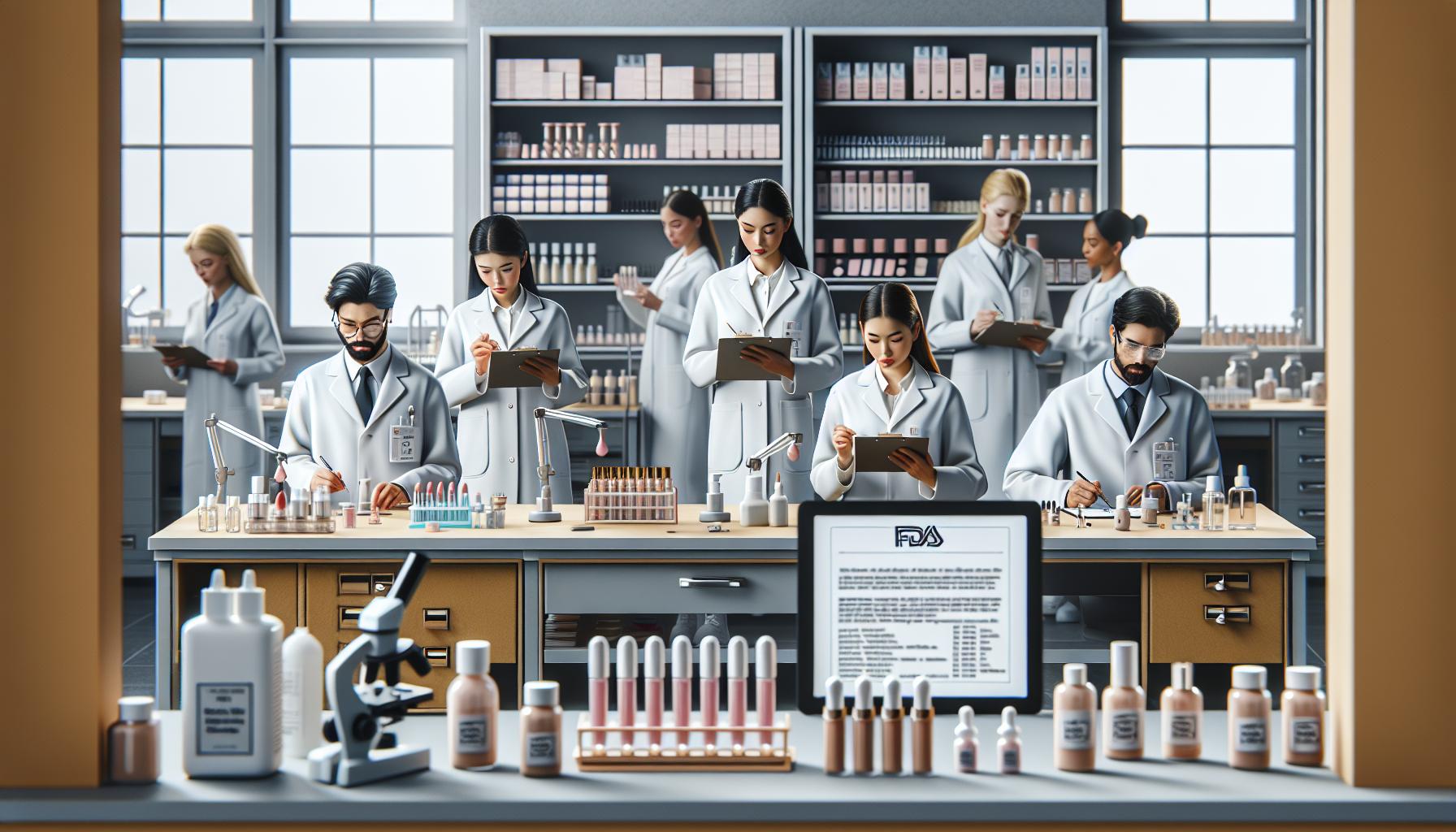
Top Concerns: Safety and Ingredients in Children’s Makeup
While children might enjoy the vibrant colors and playful designs of makeup, parents often worry about the safety and ingredients that are in these products. One major concern is that many children’s makeup products are not regulated as strictly as those meant for adults. Since the FDA treats cosmetics differently, manufacturers self-regulate; this means they are responsible for ensuring the safety of their products, but there’s no mandatory pre-market approval for cosmetics. This lack of oversight can lead to problematic ingredients that may not be suitable for a child’s delicate skin.
When evaluating kids’ makeup, it’s crucial to be aware of common harmful ingredients. Products can contain synthetic dyes, parabens, and phthalates, which might irritate sensitive skin or lead to other health concerns. Always check the ingredient list; if a product claims to be “hypoallergenic,” remember that this doesn’t guarantee safety-it’s worth doing your own research. Instead, opt for makeup brands that specifically market themselves as safe for children and avoid harsh chemicals outright.
Another practical strategy is to engage children in the selection process. Discussing why certain ingredients are avoided not only educates them but also empowers them to make informed choices in the future. Moreover, conducting a patch test by applying a small amount of product on a less visible area, like the wrist, can help detect any adverse reactions. This simple step ensures a safer experience as they begin their makeup journey, giving both parents and children peace of mind regarding their choices.
In summary, while the regulatory landscape for kids’ makeup can be alarming, being proactive and informed can lead to safer options. Always prioritize researching brands, understanding ingredient lists, and involving your child in the decision-making process to cultivate a sense of responsibility toward their own beauty choices.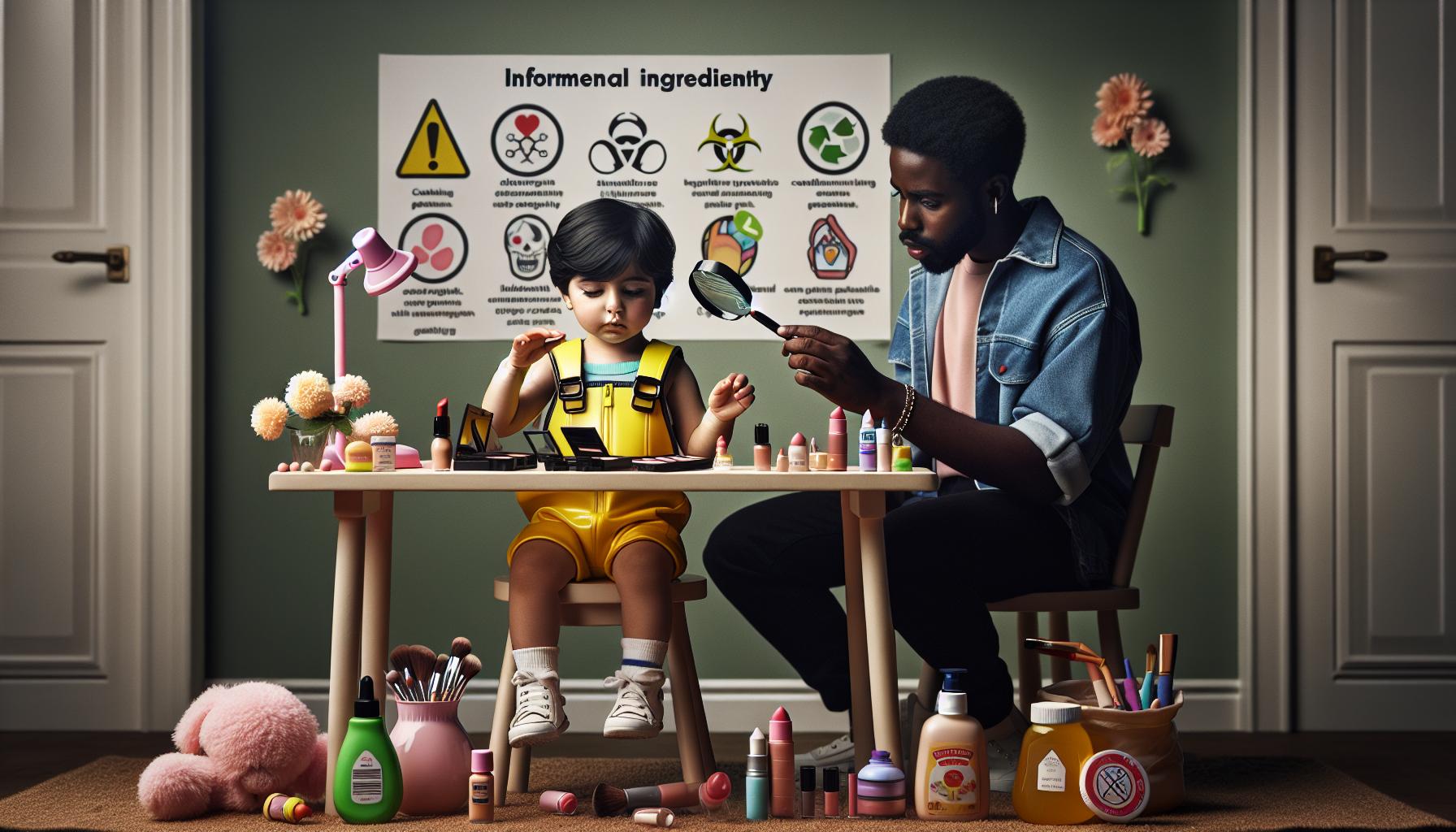
What to Look for in Kid-Friendly Makeup Brands
When exploring makeup options suitable for children, it’s essential to understand what constitutes a kid-friendly brand amidst a market that isn’t strictly regulated. The right products can empower young ones to express themselves while ensuring their delicate skin remains safe. Here are key factors to consider when choosing makeup for kids.
First, focus on brands that explicitly label their products as non-toxic and safe for children. Look for certifications or seals from trusted organizations, indicating rigorous testing for safety and hypoallergenic properties. Ingredients matter tremendously, so always check for the absence of harmful substances like parabens, phthalates, and synthetic fragrances that can irritate sensitive skin. Brands that use natural or organic ingredients, such as mineral-based pigments, are often preferred, as they pose fewer risks.
Consider Texture and Ease of Use
Kid-friendly makeup should be easy to apply and remove. Cream formulas may be more suitable for little hands learning to apply makeup, while easily washable products help prevent skin issues. Look for items that specifically describe themselves as “washable” or “removable with water.” This ensures you can easily take off the makeup without harsh scrubbing, which can irritate the skin.
Another valuable aspect is the variety of shades and types available. Brands that offer a fun range of colors can encourage creativity. However, always encourage moderation and guide young ones to use these products as tools for playful expression rather than overwhelming piles of makeup.
Engaging Kids in the Process
Involving children in the selection process can instill confidence and knowledge about what they’re using. Ask your child what colors or products they are drawn to and explain why specific ingredients are best avoided. This not only democratizes the experience but also fosters responsibility.
In summary, when searching for kid-friendly makeup brands, prioritize those that commit to safe, non-toxic ingredients, offer user-friendly products, and engage your child in the selection process. By making informed choices, you can ensure that makeup is a joyful and safe experience for your little ones.
Common Myths About Makeup for Young Children
Makeup for young children often remains shrouded in misconceptions that can lead parents to make uninformed choices. One common myth is that all children’s makeup is inherently safe simply because it is marketed for kids. In reality, many products can still contain harmful ingredients. It’s crucial to do your research and select brands that prioritize safety and transparency in their ingredient lists.
Another prevalent misunderstanding is that using makeup on children will lead to poor skin health or damage their skin barrier. While using makeup in moderation can be fine, the focus should be on using non-toxic and hypoallergenic products. Look for items labeled as “dermatologist-tested” or “suitable for sensitive skin.” Educating your child on proper skincare, such as cleansing their face before and after makeup application, helps mitigate potential risks and keeps their skin healthy.
Parents often hear that makeup encourages vanity or negative body image in children. However, when approached positively, makeup can foster creativity and self-expression. Engaging children in the process of applying makeup can also become a bonding experience. Teaching them about moderation and the importance of natural beauty can help them develop a healthy relationship with their appearance.
Lastly, it is a myth that all makeup doesn’t need to be removed thoroughly. Even kid-friendly products should be properly cleaned off the skin after use to prevent breakouts and irritation. Parents should help children establish a routine that includes gentle cleansing to remove any residue, setting the stage for good skincare habits from an early age. By debunking these myths, you empower your child to enjoy makeup safely and responsibly, ensuring it remains a fun and creative outlet rather than a source of anxiety.
The Impact of Unregulated Makeup Products on Kids
The world of children’s makeup can be deceptively appealing, with vibrant packaging and imaginative themes designed to attract young users. However, the reality is that a significant portion of these products exists in a largely unregulated space, raising concerns about their safety and impact on children’s health. Unlike regular cosmetics, which are often subject to more stringent safety regulations, many kids’ makeup products are not thoroughly tested for harmful ingredients or allergic reactions.
When makeup products are unregulated, it means that manufacturers don’t always have to adhere to safety standards that could protect your child’s delicate skin. This lack of oversight can lead to the inclusion of harmful substances such as heavy metals, synthetic fragrances, and certain preservatives, which may provoke skin irritations or allergic reactions in sensitive children. Reports of allergic reactions range from mild redness and rashes to more severe symptoms requiring medical attention. This reality underscores the importance of parents being vigilant about what products they choose.
To mitigate these risks, it’s crucial to engage in informed decision-making regarding kids’ makeup. Choosing brands that are transparent about their ingredients and follow stringent safety testing can significantly reduce the risk of negative reactions. Parents should look for products that are labeled as “non-toxic,” “hypoallergenic,” and “dermatologist-tested.” It might also be wise to perform patch tests on a small area of skin before allowing full application, especially with new products.
Educating children about the potential dangers of using unregulated products can also empower them to make safer choices as they grow. Discussing the ingredients in their makeup and emphasizing the importance of choosing products designed specifically for young, sensitive skin can cultivate a responsible and informed approach toward beauty and self-expression. By taking these proactive steps, parents can help ensure that makeup remains a fun and safe form of creativity rather than a source of health concerns.
How to Choose Non-Toxic Makeup for Kids
Choosing safe and non-toxic makeup for kids can feel daunting, especially in a market where many products lack strict regulations. By taking a proactive approach, you can ensure that your child’s experience with makeup is not only fun but also safe and nurturing for their delicate skin. Here are some key steps to guide you in selecting the best options.
Start by looking for products that are clearly labeled as non-toxic, hypoallergenic, and dermatologist-tested. These labels can provide a level of assurance that the products have undergone some level of safety evaluation. Additionally, check for certifications like the ECOCERT or USDA Organic labels, which indicate that the ingredients meet specific environmental and safety standards.
Next, familiarize yourself with the common harmful ingredients found in some cosmetics. These may include parabens, sulfates, and certain synthetic dyes and fragrances. For instance, synthetic fragrances often contain allergens that can trigger skin irritations, while parabens are preservatives linked to hormone disruption. Searching for brands that use natural ingredients, such as plant-based pigments and nourishing oils, can lead to healthier choices.
Another helpful practice is to perform a patch test before using a new product extensively. Apply a small amount to a discreet area of skin-like the inside of the wrist-and wait 24 hours to check for any adverse reactions. This simple step can help prevent unpleasant surprises and ensure the product is suitable for your child’s skin type.
Also, consider the texture and application of the makeup. Cream-based products are often less irritating than powders, as they don’t contain additional preservatives to keep them dry. Additionally, using tools like a makeup sponge or soft brush can help apply the product gently and evenly, minimizing the risk of skin friction or irritation.
By prioritizing safe, non-toxic options, you not only protect your child’s skin but also teach them valuable lessons about making informed choices regarding personal care. Engaging them in this process can help foster their understanding of health and wellness as they enjoy their creative expression through makeup.
Signs of Skin Reactions from Kids’ Makeup
Understanding how children’s skin can react to makeup is crucial for ensuring a safe and enjoyable experience. Kids have more sensitive skin than adults, making them more susceptible to irritations or allergic reactions. If you’re applying makeup to your child, be vigilant about any signs indicating a possible skin reaction, and act promptly to address any issues.
Common signs to watch for include:
- Redness or Inflammation: If you notice any redness on the areas where makeup is applied, it could be a sign of irritation.
- Rashes or Hives: The appearance of raised bumps or rashes may indicate an allergic reaction to specific ingredients.
- Itching or Burning: Complaints about itchy or burning sensations can suggest that the product is not well-suited for your child’s skin.
- Peeling or Dryness: Excessive dryness or peeling skin can be a reaction to harsh chemicals often found in makeup.
- Swelling: Any swelling in the area where the makeup was applied can indicate a more serious reaction that should be treated immediately.
If your child exhibits any of these symptoms, it’s important to remove the makeup right away and wash the area with mild soap and water. Observe the skin’s response over the next few hours. If symptoms persist or worsen, consider consulting a pediatrician or dermatologist for advice tailored to your child’s specific situation.
To prevent adverse reactions in the first place, always conduct a patch test before introducing new makeup products. Apply a small amount of the product on the inside of your child’s wrist and wait 24 hours to see if irritation occurs. Additionally, choosing makeup designed specifically for children and free from harsh chemicals can significantly reduce the likelihood of negative reactions. By staying attentive to your child’s skin and proactive about product choice, you can foster an enjoyable and safe makeup experience.
Tips for Safe Makeup Application for Children
When it comes to applying makeup on children, a thoughtful approach can transform the experience from daunting to delightful. Children’s skin is delicate, requiring special attention to ensure their safety and comfort while allowing them to enjoy the artistry of makeup. Here’s how to make the application as safe and fun as possible.
Start by selecting the right products. Always choose makeup specifically formulated for children, as these items typically avoid harsh chemicals and irritants. Look for labels that indicate “hypoallergenic” and “non-toxic” to minimize the risk of reactions. Ingredients like paraben-free and fragrance-free can also help keep their skin from becoming sensitized.
Before applying any product, conduct a patch test. Place a small amount of makeup on the inside of your child’s wrist and wait for 24 hours to check for any irritation. If there’s no reaction, you can proceed confidently. When it’s time to apply, use clean tools-like brushes and sponges-to keep bacteria at bay. Remember to apply the product lightly. For example, using a clean fingertip or a soft brush, apply a tiny amount of foundation (about the size of a pea) and blend gently. This technique ensures that the makeup is applied evenly while respecting their sensitive skin.
While applying, engage your child in the process. Explain what you’re doing each step of the way, fostering a sense of inclusion and excitement. Use fun colors and let them pick their favorites. Always make it clear that makeup is optional and should enhance their natural beauty rather than mask it. Additionally, encourage breaks during application so they can check in with how the makeup feels on their skin.
Lastly, proper removal is just as essential as application. Teach your child the importance of washing their face thoroughly after wearing makeup. Use a gentle cleanser suited for young skin, and ensure they rinse well to remove all traces of makeup. These simple practices not only promote safety but also instill good skincare habits early on.
By approaching makeup application with care and creativity, you can cultivate a joyful experience that prioritizes your child’s well-being while allowing them to explore their artistic side.
Exploring Alternatives to Traditional Kids’ Makeup
Imagine your little one excitedly experimenting with colors and textures, embodying their favorite characters in play without the concerns that come with traditional makeup. As the exploration of alternatives grows, many parents are turning to creative, safe, and fun options that capture the joy of makeup without the potential hazards of conventional products.
Natural alternatives to traditional kids’ makeup can often be found right in your kitchen. For example, beet juice makes an excellent natural blush or lip tint, imparting a rosy hue while being completely safe to use. Another vibrant option is using food-grade glitter combined with a light moisturizer or aloe vera gel to create shimmery body art that washes off easily with soap and water. These choices not only provide a burst of color but also encourage kids to embrace their creativity in a wholesome way.
When it comes to more refined options, many brands are now emerging with products specifically designed for little ones, utilizing organic and skin-friendly ingredients. Look for products labeled as “edible” or “food-grade,” like lip glosses made from coconut oil and flavored with fruit extracts. These are often free from harmful chemicals, ensuring that even if they end up getting a taste, there’s nothing to worry about. Engaging with brands that prioritize natural ingredients can open up a world of options infused with fun and safety.
Lastly, environmentally friendly and DIY approaches are fantastic for fostering creativity and connection. Encouraging your child to create their own makeup using basic ingredients not only provides a fun activity but also instills the importance of knowing what goes onto their skin. Whether it’s making a lip balm with beeswax and coconut oil or crafting sparkly body powders using cornstarch and natural colorants, these alternatives allow your child to enjoy the world of makeup in a safe, regulated manner. By exploring these playful options, you can nurture their artistic spirit while ensuring their safety.
The Role of Parents in Kids’ Makeup Choices
Understanding the impact of makeup on children raises important questions about safety and appropriateness, placing parents in a crucial role. Parents are not only responsible for selecting products but also for educating their children about makeup and its uses. By taking an active interest in the types of makeup being used, parents can help ensure that their children enjoy creative expression without compromising their safety.
One of the primary actions parents can take is to research ingredients in children’s makeup products. Many traditional cosmetics contain harmful substances that could irritate sensitive skin or cause allergic reactions. Parents should look for brands that prioritize natural and food-grade ingredients, as these products typically avoid dangerous chemicals and are designed specifically with children in mind. For instance, lip glosses made from coconut oil and natural coloring can provide fun options that are also safe to lick.
Furthermore, it’s essential for parents to engage in open discussions with their children about makeup. Explaining why certain products are chosen over others can help instill an understanding of safety and personal choice. Encouraging children to create their own makeup using simple, non-toxic ingredients can also promote creativity while fostering awareness about what touches their skin. Providing hands-on experiences, such as making a homemade lip balm, not only enriches the parent-child bond but also empowers children to make informed choices about their beauty practices.
Ultimately, is to create a nurturing environment where creativity thrives alongside safety. By actively guiding their children and modeling safe practices, parents can help instill lifelong habits that prioritize health without sacrificing fun.
Future Trends in Kids’ Makeup Regulations
As the conversation around children’s safety in cosmetics gains more attention, the landscape of kids’ makeup regulations is evolving. Many parents are becoming increasingly vigilant about what products their children are using, prompting a growing demand for safer, non-toxic makeup options. Regulatory bodies, including the FDA, are being called to action, leading to a potential shift in how makeup products for kids are formulated and marketed.
Stricter guidelines may soon be imposed, emphasizing the importance of natural ingredients and the transparency of product labeling. Parents can expect to see brands taking proactive measures, such as obtaining certifications to ensure their products meet safety standards. This shift not only reassures consumers but also encourages manufacturers to innovate and create formulas that prioritize safety and skin health.
In addition, there is a rising trend in the formulation of kids’ makeup that aims to avoid controversial chemicals altogether. This includes a focus on allergen-free and cruelty-free standards, appealing to environmentally conscious consumers. Parents can look forward to products that are not just fun and appealing to children but also safe and considerate to the planet-a combination that supports holistic wellness.
As awareness increases, we might even witness community-led movements pushing for policy changes that enhance the regulation of cosmetic products specifically designed for children. Such initiatives could include requiring more extensive safety testing before products reach the market, potentially leading to a future where kids’ makeup is universally recognized as safe and enjoyable. This potential paradigm shift reflects a broader societal understanding of the importance of prioritizing children’s health in every aspect of their lives, including the cosmetics they use.
Frequently asked questions
Q: Are makeup products for kids regulated?
A: Kids’ makeup is not as strictly regulated as adult cosmetics in the U.S. The FDA does not approve cosmetics before they hit the market, which means safety relies heavily on manufacturers to adhere to voluntary guidelines. Parents should choose brands that prioritize safety and transparency.
Q: What safety standards should I look for in children’s makeup?
A: When selecting children’s makeup, look for brands that use non-toxic, hypoallergenic ingredients and avoid harmful substances like parabens and phthalates. Certifications such as cruelty-free or vegan can also indicate safer products. Always check the ingredient list before purchase.
Q: What are the common harmful ingredients in kids’ makeup?
A: Common harmful ingredients found in some kids’ makeup include talc, fragrances, synthetic dyes, and parabens. These can irritate sensitive skin or pose health risks. Opt for products labeled as non-toxic and check the ingredient list carefully for safer alternatives.
Q: How can I tell if a kid’s makeup brand is safe?
A: To determine if a kid’s makeup brand is safe, look for transparency in ingredients, adhere to eco-friendly practices, and check for certifications from safety organizations. Research customer reviews and consider brands specifically designed for children’s use.
Q: What skin reactions should I watch out for with kids’ makeup?
A: Watch for signs like redness, itching, or rash when using kids’ makeup. If you notice any adverse reactions, discontinue use immediately and consult a pediatrician. It’s essential to perform a patch test before applying new makeup products.
Q: Should I apply makeup on my child?
A: Applying makeup on your child is a personal choice. If you decide to do so, ensure it’s done safely by using kid-friendly products and maintaining proper hygiene. Teach your child about the importance of makeup choices and skin health.
Q: What are the alternatives to traditional children’s makeup?
A: Alternatives to traditional children’s makeup include using natural face paints, DIY makeup with safe kitchen ingredients, or opting for makeup specifically formulated for kids. These options often contain fewer chemicals and are designed with children’s safety in mind.
Q: Can using kids’ makeup lead to long-term skin issues?
A: Regular use of unregulated or harmful kids’ makeup can potentially lead to long-term skin issues, such as allergies, irritations, or photosensitivity. It’s crucial to monitor your child’s skin health and choose products responsibly to minimize risks.
In Conclusion
As we’ve explored, understanding the regulation of kids’ makeup is crucial for parents concerned about safety. The FDA’s guidelines offer some reassurance, but always remember to read labels and look for trusted brands. If you’re feeling uncertain, don’t hesitate to check out our detailed guides on the best makeup practices for children and safe product recommendations.
For more insights on grooming and wellness, consider subscribing to our newsletter for updates on the latest in beauty safety and advice tailored to your family. Your feedback matters-share your thoughts in the comments or reach out with any lingering questions you might have. Let’s keep the conversation going, and empower each other with knowledge to make informed, safe choices for our young ones!
Get our latest guides, news, and insights highlighted in your Google Search & AI Overviews.