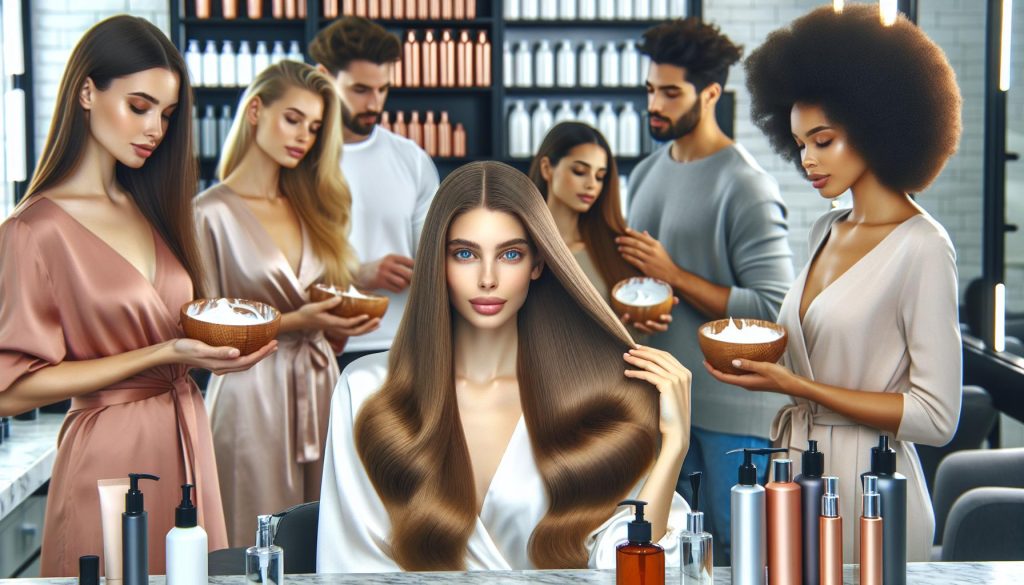
If you struggle with frizzy hair, you’re not alone-many of us are on a quest for smooth, manageable locks. The good news is that the right hair mask can transform your hair, providing deep hydration and taming unruly strands. In this guide, we’ll explore the best hair masks specifically designed for frizz control, helping you to achieve that sleek, polished look you desire. Whether you’re battling humidity, heat damage, or dryness, these products can make a significant difference. Join me as we delve into the most effective solutions to keep your hair smooth, shiny, and beautifully under control, so you can confidently show off your style.
Choosing the Right Hair Mask for Frizz Control
Choosing the right hair mask can be a game changer in your battle against frizz. With numerous options available, it’s essential to look for specific qualities that address your hair’s unique needs. For instance, if your hair is porous or prone to dryness, you’ll want to choose a mask rich in moisture and nourishing oils. Ingredients like shea butter and argan oil hydrate and seal in moisture, reducing frizz effectively. On the other hand, if your hair tends to be oily, a lighter formula with ingredients such as aloe vera or tea tree oil can offer hydration without adding excess weight.
When evaluating hair masks, pay attention to the texture and consistency. Creamy masks tend to provide deeper conditioning, while gel-based masks might offer a lighter touch suitable for finer hair types. Always consider your hair’s texture and porosity; thicker, coarser hair often benefits from richer, more emollient products, while fine hair requires something more lightweight to prevent it from feeling greasy.
It’s also wise to choose products that are sulfate-free and free from harsh chemicals, as these can strip essential moisture from your hair. Look for masks with added proteins if your hair is damaged or chemically treated. These can help strengthen your strands while simultaneously addressing frizz.
Ultimately, the best way to find the right mask is through trial and exploration. Don’t hesitate to mix and match products until you discover the perfect fit for your unique hair type and frizz concerns. Your journey to silky, smooth hair is just a mask away!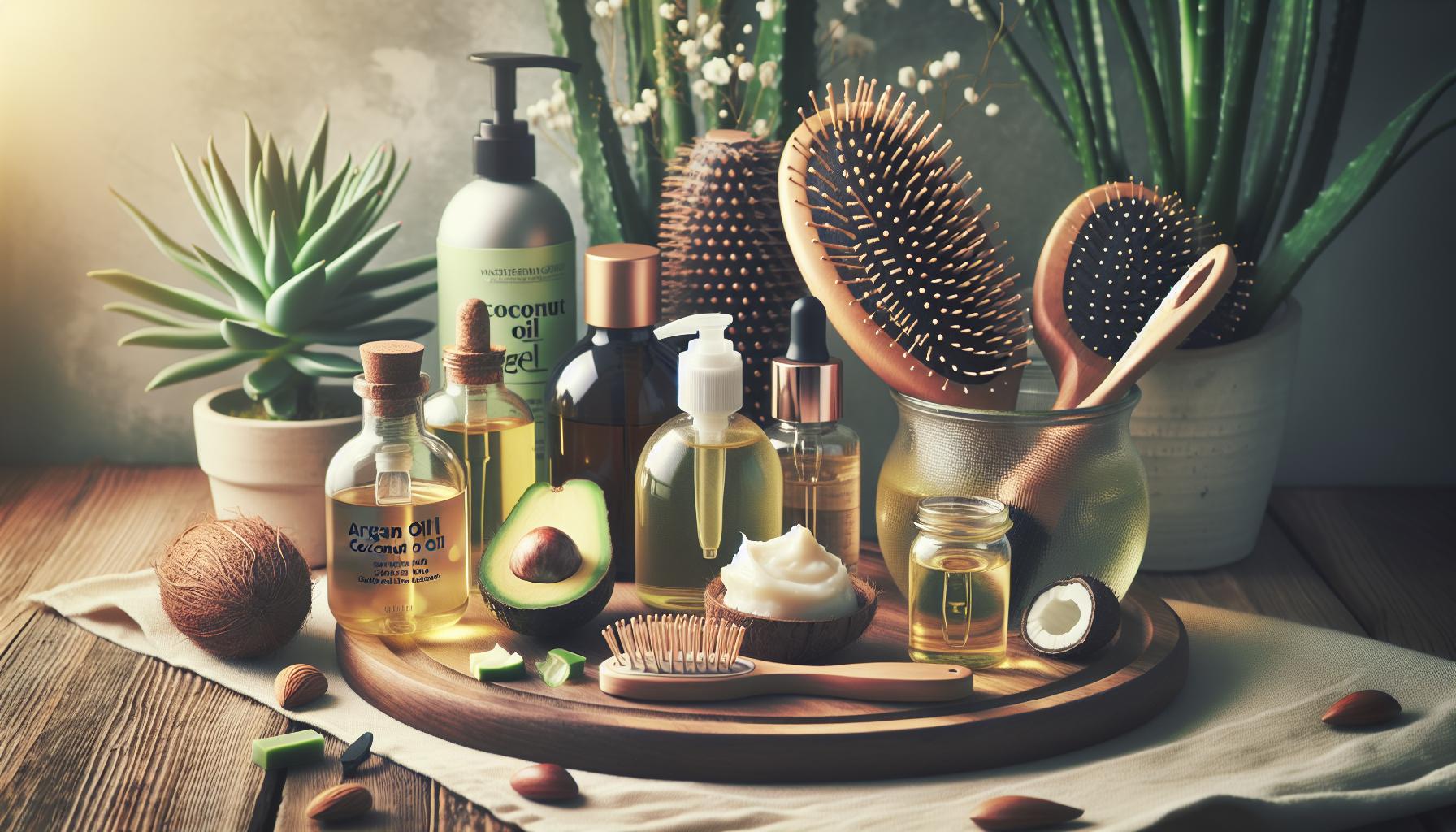
Key Ingredients for Smoothing Frizzy Hair
Frizzy hair can be a daily struggle, but knowing which ingredients to look for in a hair mask can transform your hair care game. The right components not only tackle frizz but also nourish and protect your strands, helping to keep them sleek and manageable.
To effectively smooth frizz, focus on these powerful ingredients:
Hydrating Oils
Natural oils like argan oil, coconut oil, and jojoba oil are fantastic for providing moisture. These oils penetrate deep into the hair shaft, sealing in hydration and preventing the cuticles from lifting, which is what often leads to frizz. Argan oil, in particular, is rich in antioxidants and essential fatty acids that not only moisturize but also give your hair a radiant shine.
Butters for Extra Moisture
Shea butter and mango butter are emollients that work wonders for dry, frizzy hair. They create a protective layer around each strand, locking in moisture and smoothing the cuticle. Incorporating a mask with these butters can help transform coarse, unmanageable hair into soft, touchable locks.
Proteins for Strength
If your hair is chemically treated or damaged, look for masks containing hydrolyzed silk, keratin, or wheat protein. These proteins not only provide strength and resilience but also help to alleviate frizz by fortifying weak strands, preventing breakage. Stronger hair can better withstand humidity and environmental damage, keeping your style intact.
Humectants to Attract Moisture
Glycerin and aloe vera are fantastic humectants. They draw moisture from the environment into your hair, ensuring it remains hydrated. This can be especially helpful in areas where humidity can influence frizz, as these ingredients create a barrier that helps maintain hydration levels.
In summary, selecting hair masks with the right blend of hydrating oils, nourishing butters, strengthening proteins, and moisture-attracting humectants is key to conquering frizz. By understanding these ingredients, you can make informed choices that cater to your unique hair needs, leading to a smoother and more manageable finish.
Top 5 Hair Masks for Frizz: In-Depth Reviews
The right hair mask can be a game changer in the battle against frizz, providing not only immediate smoothness but also long-term nourishment. Here’s a look at five exceptional hair masks that stand out for their ability to transform unruly hair into sleek and shiny strands.
1. Olaplex No. 3 Hair Perfector
Olaplex No. 3 is revered in the hair care community for its powerful bond-building properties. While primarily known for repairing damage from chemical treatments, it’s also excellent at reducing frizz. This treatment works by reconnecting broken disulfide bonds in the hair, leading to a smoother texture. Use it once a week by applying a generous amount to damp hair, letting it sit for at least 10 minutes before rinsing. You’ll notice a significant improvement in manageability and shine after just one use.
2. Briogeo Don’t Despair, Repair! Deep Conditioning Mask
Packed with a blend of rosehip oil, algae extract, and B vitamins, this mask focuses on deep hydration and repair. It’s perfect for those with dry, frizzy hair. Apply it to clean, damp hair and leave it on for about 10 to 30 minutes to allow the nourishing ingredients to penetrate. Users often rave about how this mask makes their hair feel softer and less frizzy after one application, plus it smells delightful!
3. SheaMoisture Raw Shea Butter Restorative Hair Masque
An affordable option that doesn’t compromise on quality, this mask combines shea butter with argan oil and sea kelp. It’s designed to moisturize, restore, and strengthen dry, damaged hair. For best results, apply it generously and cover with a shower cap to create heat, which allows the ingredients to absorb better. After leaving it in for 30 minutes, your hair should feel incredibly soft and frizz-free.
4. Kerastase Discipline Maskeratine
Ideal for those seeking ultimate smoothness, the Kerastase Discipline line is formulated specifically for frizzy hair. This mask smooths the hair fiber while providing moisture and discipline to rebellious strands. When using this treatment, apply a small amount to damp hair, focusing on the lengths and ends, then let it sit for 5 to 10 minutes. The results are instantly visible, leaving hair undeniably sleek and luxurious.
5. Garnier Whole Blends Smoothing Mask with Coconut Oil & Cocoa Butter
This drugstore favorite offers a budget-friendly way to combat frizz. Enriched with coconut oil and cocoa butter, it deeply nourishes and softens hair. Apply the mask to wet hair, leave it on for 10 minutes, then rinse thoroughly. Users report that this mask not only tames frizz but also adds a noticeable sheen to their locks while being gentle enough for all hair types.
Choosing the right hair mask is crucial for combating frizz effectively. Look for masks that cater to your specific hair needs, whether it’s deep conditioning, damage repair, or moisture retention. Each of these products has proven success stories, so don’t hesitate to find the one that resonates with your hair care goals. Remember, consistent use will yield the best long-term results in maintaining smooth, frizz-free hair.
DIY Hair Masks: Natural Solutions for Frizz
Natural solutions can be a fantastic way to tackle frizz without the need for chemical treatments or store-bought products. If you’re eager to embrace DIY hair masks, you’ll discover that common kitchen ingredients can provide your hair with ample hydration and nourishment, making it smoother and less frizzy.
To start, consider crafting a mask from ingredients like avocado, which is rich in healthy fats and vitamins. Simply mash one ripe avocado with a tablespoon of olive oil and a bit of honey. Apply the mixture to clean, damp hair, focusing on the ends where frizz tends to accumulate. Leave it on for 30 minutes before rinsing thoroughly. This mask not only moisturizes but also adds shine, leaving your hair feeling vibrant and soft.
Another powerhouse for frizz control is coconut milk. Full of nourishing properties, it helps to hydrate and tame unruly hair. Mix half a cup of coconut milk with the juice of one lemon and two tablespoons of honey for a hydrating treatment. Apply to your hair in sections, and let it sit for 45 minutes before washing it out. This mask can help define curls and give your hair the moisture it craves.
If you’re looking for a more straightforward solution, a banana mask might be your answer. Bananas are not only easy to blend but also packed with potassium and natural oils that can help with frizz. Blend one ripe banana with two tablespoons of plain yogurt. After applying it to your hair, let it sit for 20 minutes. This mask smooths the hair cuticle and leads to a noticeable reduction in frizz.
Lastly, you can make a simple aloe vera and bentonite clay mask. Mix two tablespoons of bentonite clay with equal parts of aloe vera gel and water to create a smooth paste. This combination not only helps draw out impurities but also provides deep conditioning for your hair. Apply it on damp hair and leave it on for about 30 minutes before rinsing. The result? Smoother, more manageable hair that resists frizz throughout the day.
These DIY hair masks are not only budget-friendly but can also be surprisingly effective in controlling frizz. Remember that consistency is key-try incorporating these masks into your weekly routine to see significant improvements in your hair’s texture and manageability.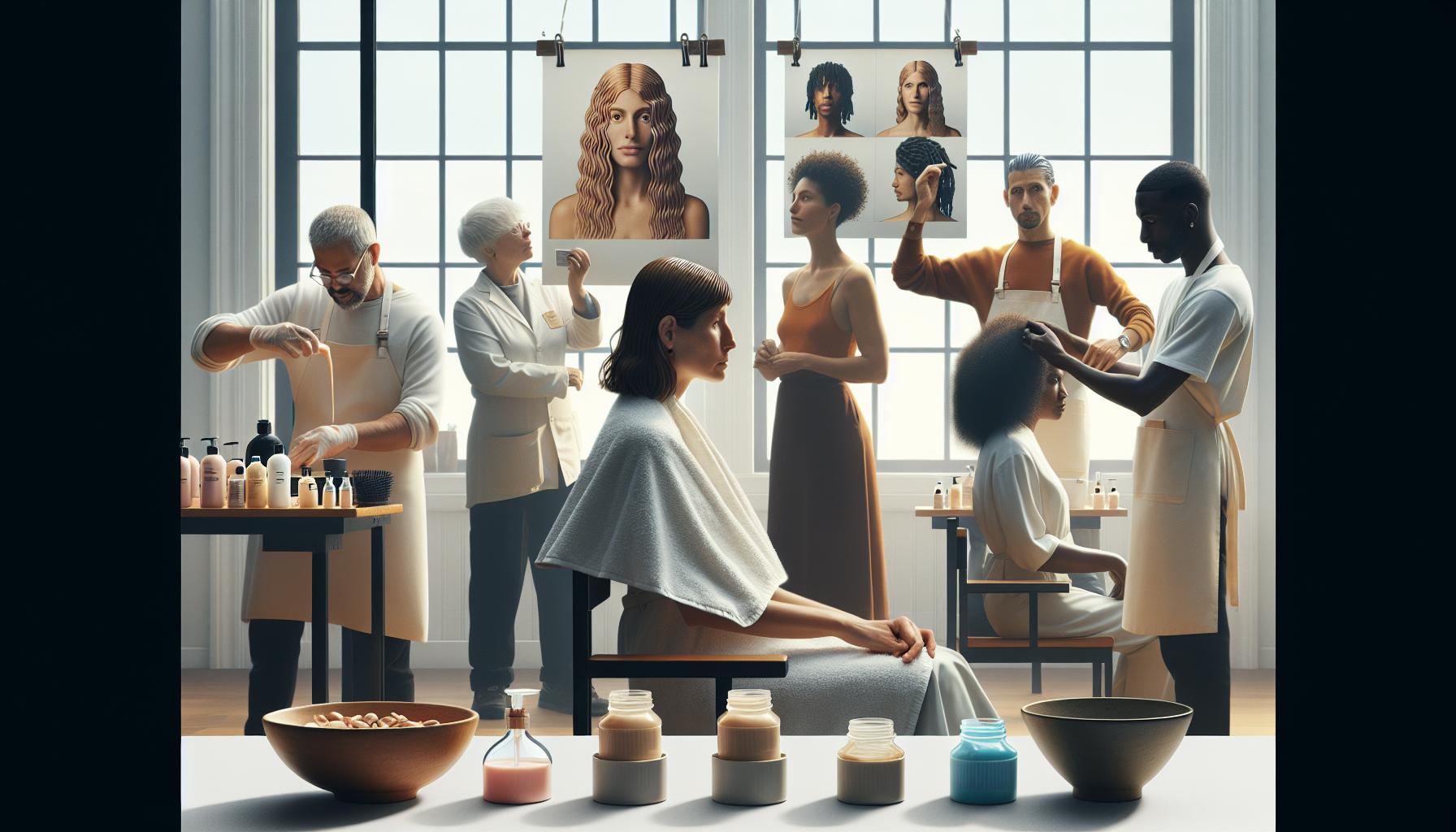
How Often Should You Use a Hair Mask?
Incorporating hair masks into your routine can profoundly enhance the health and appearance of your hair, especially if you’re battling frizz. But how often should you indulge in this pampering ritual? The frequency with which you use a hair mask can depend significantly on your hair type, its current condition, and your individual goals for hair health.
For most people, using a hair mask once a week can yield excellent results. This regularity provides sufficient nourishment without overwhelming your hair with product. However, if your hair is severely damaged, dry, or particularly prone to frizz, you might consider using masks 2-3 times a week. This frequency allows hair to absorb the essential nutrients it needs to regain its strength and shine. On the other hand, if you have fine or oily hair, a bi-weekly treatment may be ample, as more frequent applications could weigh your hair down and lead to greasiness.
Listening to Your Hair
Taking note of how your hair responds can guide you in adjusting your routine. If your strands feel soft and manageable, then your current regimen is likely working. Conversely, if you notice buildup or greasiness, it may be beneficial to cut back on frequency.
Additionally, hair masks can be seasonal. For instance, if you’re in a humid climate, you might need more moisture to combat frizz, while in drier months, a lighter routine may suffice. Remember, the ultimate goal is to maintain healthy, frizz-free locks without overloading your hair with products.
In summary, while once a week is a great starting point for most, feel free to tailor your mask usage to your hair’s unique needs. Pay attention to how your hair behaves and adjust accordingly to find your perfect balance.
Tips for Applying Hair Masks Effectively
Applying hair masks can be a transformative experience for your locks, especially when it comes to taming frizz. However, effective application is key to maximizing their benefits. Start with damp hair, as this allows the mask to penetrate more deeply. Use a wide-tooth comb to ensure your hair is free of tangles before application; this simple step can help the mask distribute evenly.
When applying the mask, use a generous amount. For medium-length hair, a dollop about the size of a golf ball usually works well. Focus on the ends first, which typically require the most moisture, and then work your way up to the roots. Avoid applying too close to your scalp, as this can weigh down your hair and make it look greasy. For added effectiveness, consider using a shower cap after application. This traps heat and creates a mini-steam treatment that enhances absorption.
As you leave the mask on, follow the recommended time on the product label. Most masks suggest anywhere from 10 to 30 minutes, but experimenting with a little longer can yield better hydration if your hair is particularly parched. Finally, rinse thoroughly with lukewarm water to remove any product buildup. Cold water at the end can help seal the hair cuticle and add shine, giving your hair that smooth finish you’re aiming for.
With these tips, the next time you reach for your hair mask, you’ll be well-equipped to make the most out of it, resulting in beautiful, frizz-free hair that feels as good as it looks. Remember, patience and consistency are your allies in this journey toward healthier hair!
Understanding Different Hair Types and Frizz
Understanding how your hair type affects frizz is crucial in choosing the right hair mask and achieving smooth, manageable locks. Different hair types respond uniquely to humidity, styling, and the products we use, making it essential to tailor your hair care routine accordingly.
For instance, curly hair is naturally drier and often more prone to frizz due to the structure of the hair strand, which makes it harder for natural oils to travel down the hair shaft. In contrast, straight hair tends to be oilier at the roots but can experience frizz if it lacks moisture at the ends. Wavy hair sits somewhere in between; it can be smooth but becomes frizzy when the cuticle-the outer layer of the hair-lifts due to humidity or dryness. Understanding these differences helps in selecting ingredients that will be most beneficial for your hair type.
Identifying Your Hair Type
Recognizing your hair type involves assessing its texture, porosity, and thickness. Here’s a quick guide to help you:
- Texture: Is your hair straight, wavy, curly, or coily? Each texture requires different moisturizing and nourishing methods.
- Thickness: Is your hair fine, medium, or thick? Thicker hair often requires heavier products, while fine hair benefits from lighter formulas.
- Porosity: Can your hair easily absorb moisture (high porosity), or does it tend to repel water (low porosity)? High porosity hair often needs protein-rich masks to fill gaps in the hair cuticle.
Choosing the Right Products
When selecting a hair mask, look for specific ingredients that cater to your unique needs. For example:
- If you have curly or coily hair, opt for masks rich in shea butter or coconut oil to provide intense moisture and definition.
- For wavy hair, try a lightweight mask containing aloe vera or argan oil to enhance shine without weighing it down.
- Those with straight hair might benefit from proteins such as keratin or silk amino acids to strengthen and smooth the cuticle.
By choosing the right masks for your specific hair type, you’ll not only combat frizz but also improve the overall health and appearance of your hair. Tailoring your hair care to fit your unique characteristics allows for real, noticeable results that can boost your confidence and enhance your daily routine.
Post-Mask Care: Maintaining Smoothness
After treating your hair with a nourishing mask, the next crucial step lies in post-mask care. This period is vital for ensuring the benefits of the mask last as long as possible and helps maintain that smooth, frizz-free finish you desire.
Start by rinsing out the mask thoroughly with lukewarm water. Hot water can strip away moisture, while cold water may not remove the mask entirely. A balanced temperature allows for effective cleansing without compromising your hair’s hydration. Gently squeeze excess water from your hair before applying any post-care products; this minimizes breakage.
Once your hair is damp, consider using a leave-in conditioner or a lightweight serum. Look for products containing ingredients like argan oil or jojoba oil, which help lock in moisture and provide additional smoothing. Apply a small amount to your palms and distribute evenly through your hair, focusing on the tips where frizz usually occurs. This step is essential for sealing the cuticle and preventing future frizz caused by humidity.
If you’re planning to style your hair afterward, use a heat protectant spray before applying any heat based tools. Protectants create a barrier between your hair and the heat, reducing damage that can lead to frizz and lackluster hair in the long run.
Finally, try to avoid touching your hair too frequently or brushing it vigorously when it’s dry. These actions can disrupt the cuticle and create more frizz. Instead, opt for a wide-toothed comb while your hair is still damp to detangle gently. This method minimizes breakage and keeps your strands aligned for a smoother appearance.
For optimal results, regularly schedule your hair mask treatments based on your hair’s needs-typically once a week or every two weeks-while incorporating these post-mask care tips into your routine. Adopting this regimen will foster a lasting smoothness, ensuring your hair remains beautiful, healthy, and frizz-free.
User Testimonials: Real Results with Hair Masks
The experiences of real users can shine a powerful light on the effectiveness of various hair masks for frizz control. Many have found incredible results, transforming their unmanageable locks into sleek, smooth strands they proudly flaunt. For instance, one user named Sarah shared her journey battling frizz due to her thick, curly hair. After trying a popular, silicone-free mask enriched with natural oils and proteins, she noted a remarkable difference: “My curls felt more defined and less frizzy. I can finally wear my hair down without the fear of it puffing up in the humidity!”
Others have highlighted the immediate, noticeable impact of incorporating hair masks into their weekly routine. Mark, an avid swimmer, struggled with dry, frizzy hair from chlorine exposure. He started using a deeply hydrating mask with coconut oil and shea butter. “Not only did it help reduce frizz, but it also brought my hair back to life,” he exclaimed. “I’ve received so many compliments since I started using it, and I can actually run my fingers through my hair again!”
Feedback also reveals the importance of consistent use for lasting results. Jessica, who initially used a hair mask sporadically, shared that her frizz was only managed temporarily. However, after committing to a regular weekly application, she observed a significant change: “It was like a lightbulb switched on! I noticed less frizz, and my hair felt softer and more manageable. Keeping up with my routine has truly made a difference.”
These testimonials serve as inspiring reminders that while results can vary depending on personal hair types and treatment routines, many have successfully diminished frizz and revived their hair’s health through the right hair masks. Regular use, along with understanding your hair’s specific needs, appears to be the key to unlocking frizz-free, beautiful locks.
Common Mistakes to Avoid with Hair Mask Use
Using hair masks can transform frizzy hair, but many people fall into common traps that limit their effectiveness. One prevalent mistake is overusing a hair mask. While it might seem that applying a mask every day would yield miraculous results, this can actually lead to buildup and greasy hair, especially for those with finer textures. It’s essential to find a routine that suits your hair type; generally, using a mask once a week is ideal for most.
Another frequent misstep is neglecting the application technique. Slathering the mask on without sectioning hair can leave many strands untreated. Instead, take the time to apply the mask in small sections, ensuring it covers all areas evenly. Start by applying a quarter-sized amount to damp hair, focusing on the ends where dryness is often most prominent. This approach ensures that the mask deeply penetrates where it’s needed most, maximizing its benefits.
Many users also underestimate the importance of rinsing thoroughly. Leaving residue can weigh hair down and keep it looking flat and lifeless. Spend a couple of extra minutes ensuring all product is washed out, allowing your hair to feel light and airy post-treatment.
Lastly, don’t forget to consider your specific hair needs. Not all masks are created equal-some are better suited for dry, coarse hair, while others work wonders for fine, straight types. By choosing a product tailored to your hair’s unique characteristics and using it correctly, you can unlock truly frizz-free, smooth strands.
Cost vs. Benefits: High-End vs. Drugstore Options
When it comes to hair masks for frizz control, the choice between high-end products and drugstore options can significantly affect your wallet and your hair’s health. Many might assume that spending more guarantees better results, but that’s not always the case. Understanding these two categories can empower you to make informed decisions tailored to your unique hair needs.
High-end hair masks often boast premium ingredients and luxurious formulas designed to deliver intensive nourishment and results. Brands like Olaplex or Moroccanoil use high-quality oils, proteins, and innovative technology to target dryness and frizz effectively. These products typically provide immediate, noticeable results, which can be particularly beneficial if you struggle with highly textured or damaged hair. The downside? They can range anywhere from $30 to $80 or more, which may not be feasible for everyone, especially if you’re looking to maintain regular use.
On the other hand, drugstore options like SheaMoisture or Garnier provide remarkable alternatives at a fraction of the price-often between $5 and $20. Many of these products incorporate solid ingredients, such as shea butter and coconut oil, known for their smoothing properties. While they may not feature the same advanced formulations, plenty of users report effectiveness in smoothing frizz and providing hydration. The key is to look for formulations that target your specific hair type and frizz concerns.
Ultimately, the choice isn’t just about cost; it’s about what fits your hair’s unique needs and your budget. If you’re unsure where to start, consider alternating between a high-end and a drugstore product. This way, you can indulge in a luxury experience while balancing your spending. Remember, healthy, manageable hair is the goal, and sometimes the best solutions come at the best prices.
Maintaining Frizz-Free Hair Beyond Masks
Maintaining the sleek, frizz-free hair you achieve with masks requires a solid upkeep routine that extends beyond the treatment itself. While hair masks are fantastic for delivering a concentrated dose of moisture, the key to lasting smoothness lies in your daily hair care practices.
Start by choosing the right hair products that complement your mask’s benefits. Look for shampoos and conditioners specifically formulated for frizz control. These products often contain smoothing agents like silicones or natural oils that help seal the hair cuticle, locking in moisture and preventing flyaways. Aim to wash your hair less frequently-two to three times a week is ideal-since overwashing can strip natural oils and exacerbate frizz. When you do wash, use lukewarm water rather than hot, which can dry your hair out further.
Another essential step is to incorporate leave-in conditioners or serums into your routine. After towel-drying your hair, apply a dime-sized amount of a lightweight leave-in product, focusing on the mid-lengths to ends. This additional layer of hydration not only helps to smooth the hair but also acts as a barrier against humidity, which is a major frizz instigator. For instance, products containing argan oil or coconut oil can provide both nourishment and protection.
It’s also crucial to protect your hair from heat styling. If you must use heated tools, always apply a heat protectant spray beforehand. This insulated layer minimizes damage from high temperatures and further aids in frizz prevention. Lastly, consider a silk pillowcase and regularly scheduled trims; both can minimize friction during sleep and eliminate split ends, respectively.
Incorporating these simple practices into your hair care routine will help maintain the smooth, manageable hair that your masks create, ensuring that you enjoy the benefits without constant reapplication or excessive damage. By treating your hair with the care it deserves every day, you can achieve lasting results that keep frizz at bay.
Faq
Q: What is the best hair mask for frizzy hair?
A: The best hair mask for frizzy hair should contain moisturizing ingredients like argan oil, shea butter, or coconut oil. Look for masks that specifically target frizz and provide hydration. User reviews often mention products that leave hair soft, smooth, and easier to manage.
Q: How often should I use a hair mask for frizz control?
A: For optimal frizz control, use a hair mask once a week. If your hair is particularly dry or damaged, you might benefit from using it twice a week. Always ensure to follow with a conditioner to seal in moisture.
Q: Can DIY hair masks help with frizz?
A: Yes, DIY hair masks can effectively tame frizz! Ingredients like honey, olive oil, and yogurt are excellent for hydrating and smoothing hair. Mix equal parts and apply for 30 minutes for noticeable results.
Q: Why is my hair still frizzy after using a mask?
A: If your hair remains frizzy after using a mask, it may be due to using the wrong product for your hair type or insufficient application. Consider trying a different mask or ensure you’re following mask instructions exactly for best results.
Q: Are high-end hair masks worth the investment for frizzy hair?
A: High-end hair masks often contain more concentrated ingredients, which can deliver quicker and more dramatic results for frizzy hair. However, many drugstore options perform well too, so assess your budget and ingredient preferences before choosing.
Q: What ingredients should I avoid in hair masks for frizz?
A: Avoid hair masks with alcohol, sulfates, or harsh fragrances, as they can strip moisture and exacerbate frizz. Look for products with natural ingredients that deeply nourish hair for better outcomes.
Q: How can I make my hair mask more effective?
A: To enhance your hair mask’s effectiveness, apply it to damp hair and use a shower cap to trap heat. This helps the product penetrate better. Additionally, follow up with a leave-in conditioner for lasting results.
Q: How can I maintain smooth hair after using a mask?
A: To maintain smoothness after using a hair mask, incorporate a silk pillowcase into your routine and limit heat styling. Regular trims and using a lightweight serum can also help keep frizz at bay. For more tips, check out our section on post-mask care.
The Way Forward
Ready to transform your frizzy locks? The best hair mask for frizzy hair can be your secret weapon for achieving smooth, manageable tresses. Remember, consistent use will yield the best results, so why not try one today? If you’re still unsure which product suits your specific hair type or needs, check out our comprehensive guides on selecting the perfect hair care products and mastering the art of DIY hair masks for personalized results.
For more tips on maintaining healthy, frizz-free hair, explore our articles on essential hair care routines and styling techniques. Don’t forget to share your experiences and questions in the comments below; we love hearing from you! And if you found this review helpful, sign up for our newsletter to stay updated on the latest beauty trends and product recommendations. Take the first step towards a more confident you-your hair will thank you!
Get our latest guides, news, and insights highlighted in your Google Search & AI Overviews.