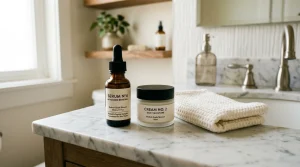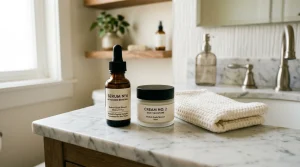
Many people wonder whether it’s okay to leave cleanser on their face for a little longer, thinking it might provide extra cleansing benefits. However, the truth is that leaving cleanser on your skin can lead to irritation and disrupt your skin’s natural barrier. Understanding the importance of proper cleansing can make a significant difference in your skincare routine, helping you achieve the healthy, glowing skin you desire. In this article, we’ll explore why it’s essential to rinse off your cleanser promptly and how doing so can protect your skin while maximizing the benefits of your overall regimen. By the end, you’ll feel empowered to make informed decisions about your cleansing habits and elevate your skincare game!
Why Leaving Cleanser on Your Face is Harmful
Leaving cleanser on your face might seem like an innocuous habit, but it can lead to potential harm for your skin. Cleansers are formulated to remove dirt, makeup, and excess oils, but they also contain active ingredients designed for short-term application. When left on the skin, these compounds can disrupt your skin’s natural barrier, leading to irritation or even allergic reactions. This is particularly true for cleansers with exfoliating properties or strong actives, which can prematurely slough off the skin’s surface or provoke a sensitivity response.
Moreover, not rinsing properly can leave behind residue that clogs pores, creating a breeding ground for bacteria. Over time, this can exacerbate issues like acne, breakouts, or uneven texture. Your skin thrives when it’s clean, balanced, and hydrated. The longer the cleanser remains on the skin, the less effective your skincare routine becomes, as the residue can interfere with the absorption of serums and moisturizers applied afterwards.
Maintaining a consistent routine that involves rinsing off your cleanser ensures that your skin receives a clean slate to properly absorb beneficial products. Aim to develop a habit of cleansing gently and thoroughly, ensuring you wash away the cleanser completely to support your skin’s health and vitality. Remember, your skin deserves the best care, so give it a pampering cleanse that leaves it refreshed rather than compromised.
The Importance of Proper Cleansing Techniques

It might be surprising, but proper cleansing is the cornerstone of effective skincare. Many people underestimate the importance of taking a few extra moments to ensure their skin is truly clean and ready for other products. When you cleanse your skin correctly, you help to remove dirt, pollutants, makeup, and excess oils, which is crucial for preventing breakouts and maintaining a healthy complexion. However, the method you use to cleanse can significantly impact your skin’s overall health and balance.
The technique you apply during your cleansing routine is just as important as the products you choose. A gentle approach is key; instead of scrubbing vigorously, opt for light, circular motions with your fingertips. This not only helps to dislodge dirt and makeup but also promotes better circulation in the skin. For instance, using lukewarm water rather than hot can prevent the skin from drying out, allowing your natural oils to stay intact. After applying your cleanser, be sure to rinse thoroughly to wash away any residue, as leaving a cleanser on can disrupt your skin’s protective barrier.
Understanding the timing and manner of your cleansing routine can elevate your skincare game. For instance, double cleansing-starting with an oil-based cleanser followed by a water-based one-can effectively remove stubborn makeup and impurities without stripping your skin. Following this with a gentle exfoliation a few times a week can further enhance your cleansed state, as it removes dead skin cells and encourages cell turnover. Incorporating these practices into your routine can ensure that your skin is prepped to absorb serums and moisturizers more effectively, enhancing the benefits of the products you use afterwards.
In summary, proper cleansing techniques are not just an optional step-they are vital for maintaining a vibrant complexion. By taking the time to choose the right products, applying them gently, and ensuring a thorough rinse, you can lay a solid foundation for the rest of your skincare routine. Prioritize these practices, and you’ll be well on your way to achieving healthier, glowing skin.
Understanding Different Types of Cleansers

Different types of cleansers serve unique functions in our skincare routines, catering to various skin types and concerns. Understanding these differences can significantly enhance your cleansing process, helping you choose the right products to maintain your skin’s health.
Oil-based cleansers are a popular choice, especially in routines that incorporate the double cleansing method. They effectively dissolve makeup and excess oils, making them ideal for those who wear heavy makeup or have oilier skin. When used first, oil-based cleansers can break down stubborn products before a second, more purifying cleanser is applied. For application, massage a small amount onto dry skin for about 30 seconds, then rinse off with water.
Foam and gel cleansers are another option, particularly suited for oily or acne-prone skin. These types often contain ingredients like salicylic acid, which help to clear pores and reduce breakouts. Foam cleansers create a lather when mixed with water, providing a refreshing feel on the skin. Using a nickel-sized amount, work into a lather and massage onto the skin for about 30 seconds, ensuring thorough coverage before rinsing.
For (cream and lotion cleansers), these are perfect for individuals with dry or sensitive skin. They are usually formulated with moisturizing ingredients, helping to hydrate the skin while cleansing. To use, apply a generous amount onto the skin, massage gently for a minute, and then wipe away with a damp cloth or rinse with water. This method is effective at maintaining moisture levels while ensuring a clean surface.
Overall, understanding the purpose of each cleanser type can empower you to select products that align with your skin’s needs. Incorporate cleansers that suit your unique concerns, and always remember to rinse thoroughly, as leaving any cleanser on your skin may disrupt its natural barrier and lead to irritation.
What Happens if You Don’t Rinse Off Cleanser?

Not rinsing off your cleanser may seem like a small oversight, but it can have unexpected repercussions for your skin’s health. Imagine applying a thorough skincare product with hopes of reducing breakouts or enhancing glow, only to unknowingly trap residues on your face. This can lead to several issues, primarily disrupting your skin’s natural barrier and pH balance.
When you don’t rinse off cleanser, remnants of active ingredients and surfactants can irritate the skin. The skin’s outer layer, known as the stratum corneum, relies on a balanced environment to function properly. Without rinsing, leftover components can create a film that clogs pores and prevents the absorption of beneficial products you may apply afterward. This can lead to increased oiliness, breakouts, or even dryness if you’re using a foaming or stripping cleanser that requires rinsing.
Additionally, different cleansers have distinct formulations, and those designed for rinsing often contain ingredients that can be harsh if left on the skin. For example, a gel cleanser aimed at oil control may include salicylic acid, which, while effective for clearing breakouts, can cause redness and peeling when left untreated on the skin. The byproduct of this neglect is not just minor irritation; it can escalate into more severe skin conditions like contact dermatitis or exacerbating existing sensitivities.
To avoid these pitfalls, always rinse your cleanser thoroughly with lukewarm water, as this helps remove dirt and makeup without stripping natural oils. If you’re tempted to leave cleanser on for a while, consider the intention behind it. Instead, look for specialized leave-on products like serums or moisturizers formulated to provide prolonged benefits without risking irritation. Remember, a clean face is not just the first step in your skincare routine-it’s foundational for achieving healthy, radiant skin.
Signs You’re Using Cleanser Incorrectly

It’s important to recognize when your cleansing routine may not be quite right-using your cleanser incorrectly can lead to various skin troubles that can be easily avoided. Are you experiencing unexpected dryness, irritation, or breakouts? These could be signs that your cleanser routine needs a little adjustment. Here are some key indicators to watch for:
One of the most evident signs you’re not using your cleanser correctly is if your skin feels tight or stripped after cleansing. This sensation indicates that the cleanser is too harsh for your skin type or that you’re using a follow-up product that conflicts with your cleanser’s balance. A gentle cleanser should leave your skin feeling refreshed, not parched. If you’re left with a tight feeling, consider switching to a hydrating cleanser or shortening your cleansing time.
Another red flag is persistent redness or irritation post-cleansing. If you notice your skin reacting negatively, it could mean you’re using a product with harsh ingredients or leaving it on for too long. Always follow the manufacturer’s instructions, which typically recommend rinsing off within a specific timeframe. Pay attention to the ingredient list; avoid cleansers with aggressive actives like sulfates or astringents if you have sensitive or reactive skin.
Also, keep an eye on the frequency of your cleansing. Over-cleansing-washing your face multiple times a day-can disrupt your skin’s natural barrier and lead to issues like excess oil production or breakouts. On the flip side, not cleansing enough can result in clogged pores and dull skin. Aim for a balanced approach: once in the morning and once in the evening is generally sufficient for most skin types.
Lastly, if you’re applying leave-on skincare products like creams or serums and not seeing results, it might be due to a cleanser residue. Ensure you’re washing thoroughly and rinsing completely with lukewarm water to help your skin absorb those beneficial ingredients optimally. Following these pointers can make a significant difference in the health and appearance of your skin, setting you on the path to a harmonious cleansing routine.
The Role of pH Balance in Skincare
The skin’s natural pH level plays a crucial role in maintaining its health and function. Our skin is slightly acidic, with an ideal pH of around 5.5. This acidity helps form a barrier against harmful bacteria and environmental stressors while supporting natural oil production for hydration. When we use cleansers, it’s important to select products that respect this delicate balance. Leaving a cleanser on your face, especially if it disrupts this pH level, can lead to various problems, including dryness, irritation, and increased sensitivity.
A cleanser that is too alkaline can strip the skin of its natural oils, resulting in an elevated pH that weakens the skin’s barrier function. This not only leaves the skin vulnerable to irritants but can also trigger a compensation response, leading to excess oil production and potential breakouts. Conversely, overly acidic cleansers can cause irritation and discomfort, especially for those with sensitive skin. It’s critical to choose a cleanser that is pH-balanced or falls close to 5.5 to ensure it cleanses without causing disruption.
Additionally, if a cleanser is left on the skin longer than recommended, it has the potential to mix with environmental pollutants and impurities, further complicating your skin’s condition. The interaction of these residues can create a breeding ground for bacteria, leading to issues like acne or inflammation. Always ensure that you rinse cleansers thoroughly, as this simple step helps maintain your skin’s health and vitality.
In summary, understanding and respecting the pH balance in skincare is essential for optimal skin health. By choosing the right cleansers and ensuring they are thoroughly rinsed off, you maintain a protective barrier, reduce the risk of irritation, and promote a clear, healthy complexion.
When to Use Leave-On Products Safely
Using leave-on products can be a game changer for your skincare routine, but it’s crucial to apply them at the right time and in the right way. Many people wonder if it’s safe to leave cleansers on their skin, and the answer is generally no. However, understanding when and how to use leave-on products can help maximize their benefits without risking skin irritation or damage.
Consider incorporating serums, moisturizers, or treatment creams designed for extended wear after properly cleansing and drying your skin. For instance, after cleansing your face, gently pat your skin dry with a clean towel, then apply a targeted treatment-like a vitamin C serum or a hydrating moisturizer-using a small amount, approximately a dime size. This application should follow the cleansing process, allowing you to leave these beneficial ingredients on your skin without the worries that come from leaving a cleanser on, which could disrupt your skin’s pH balance.
It’s also essential to be mindful of layering. For example, if you’re using multiple products, such as an exfoliating serum and a moisturizer, always apply the lighter-textured product first. Your skin will absorb it better, creating a more effective barrier on the surface for heavier creams that follow. In practical terms, after washing your face, ensure it’s completely dry before layering on treatments for the best results.
Remember, timing is everything. Leave-on treatments should be used after cleansing and before applying any occlusive products, like thicker creams or oils, which trap moisture and nutrients close to the skin. This sequence offers your skin the best chance to benefit from each product effectively while maintaining a healthy complexion.
By prioritizing how and when you use leave-on products, you can enhance your skincare routine and avoid potential issues that arise from leaving a cleanser on your face. Always listen to your skin; if it feels tight or irritated, reevaluate your routine for optimal health and radiance.
Alternatives to Extended Cleanser Use
Leaving a cleanser on your face may seem innocuous, but it can lead to numerous skin issues, from irritation to disrupted pH balance. Instead of this risky approach, consider alternative practices that can deliver better results without the downsides associated with leaving a cleanser on your skin.
One effective alternative is to invest in a good quality toner. After thoroughly cleansing your face, applying a toner can help to restore your skin’s natural pH level. Look for products that contain soothing ingredients like aloe vera or chamomile, which can calm any irritation and prep your skin for further treatment. Apply toner using a cotton pad or your hands, gently patting it into your skin for optimal absorption.
If you’re looking for a quick fix on days when you might not have time for a full cleansing routine, try micellar water. This versatile product acts as both a cleanser and a toner, lifting dirt and oils without the need for rinsing. Simply soak a cotton pad with micellar water and sweep it across your face. It’s an excellent option for nights when you’re too tired to go through your usual cleansing process.
Moreover, consider double cleansing as a more thorough alternative. This involves using an oil-based cleanser first to dissolve makeup and impurities, followed by a water-based cleanser to eliminate residual traces. This combination ensures that your skin is left clean and refreshed without the need to leave any product on for long periods. Double cleansing is especially beneficial for those with heavier makeup or those exposed to urban pollution, as it effectively removes grime and buildup.
Lastly, if you seek hydrating effects, opt for hydrating serums or essences designed to be left on the skin. Look for formulations containing hyaluronic acid, glycerin, or niacinamide, which not only moisturize but also provide additional skin benefits like improved elasticity and a brighter complexion. These products should be layered on clean, dry skin after your cleansing routine, allowing your skin to soak up the beneficial ingredients without the risks that come with keeping a cleanser on.
By adopting these alternatives, you can maintain healthy, glowing skin while minimizing the potential risks associated with leaving a cleanser on for too long. Always remember to listen to your skin and adjust your routine accordingly for the best results.
Tips for Enhancing Your Cleansing Routine
To maximize the effectiveness of your cleansing routine, consider these practical tips that will help you achieve clean, radiant skin without falling into the trap of leaving cleansers on too long.
Start with the right temperature. Using lukewarm water is ideal for cleansing as it helps to open up your pores without causing irritation. Cold water may not cleanse effectively, while hot water can strip your skin’s natural oils, leading to dryness. When wetting your face, aim to splash it with lukewarm water for several seconds before applying your cleanser.
Next, pay attention to the amount and method of application. Use a dime-sized amount of your cleanser and apply it to damp skin with gentle, circular motions. Spend about 30 seconds massaging it in. This not only helps to remove dirt and makeup but also stimulates blood circulation, promoting healthier skin overall. Remember to wash your hands before applying any product to avoid transferring oils and bacteria from your hands to your face.
Choose the Right Cleanser for Your Skin Type
Selecting a cleanser tailored to your skin type can make a world of difference. For oily or acne-prone skin, look for gel-based or foaming cleansers that can effectively remove excess oil. If your skin is dry or sensitive, cream-based or hydrating cleansers with soothing ingredients like chamomile or aloe vera are the way to go. Understanding your skin type enables you to choose cleansers that enhance, rather than compromise, your skin’s health.
Also, don’t underestimate the power of double cleansing, especially if you wear makeup or sunscreen daily. Start with an oil-based cleanser to dissolve makeup and impurities, followed by a gentle water-based cleanser for a thorough clean. These two steps ensure that you remove everything without leaving any residues, which can cause breakouts or dullness.
Finally, integrate toners and serums into your routine after cleansing. A good toner can help restore pH balance, especially if you’ve used a more astringent cleanser. Look for ingredients like rose water or witch hazel that can soothe and refresh your skin. After toning, apply a hydrating serum that suits your needs for moisture or targeted treatment, leaving your skin prepped and ready for the day ahead.
By incorporating these tips, you not only enhance your cleansing routine but also set the stage for healthier, more vibrant skin. Taking the time to effectively cleanse can yield great rewards, ensuring your skin feels clean, balanced, and ready to absorb the nourishing products that follow.
Expert Recommendations for Healthy Skin
It’s a common misconception that leaving cleanser on longer will yield better results, but the opposite is often true. Cleansers are designed to remove dirt, oil, and impurities, not to be left on the skin for extended periods. When you leave a cleanser on your face, especially if it’s formulated with active ingredients like acids or sulfates, you risk irritating your skin. This can lead to dryness, redness, or even breakouts due to the disruption of your skin’s natural barrier, which is essential for keeping moisture in and harmful elements out.
To ensure a healthy cleansing routine, experts recommend washing your face for no more than 30 seconds to 1 minute. This timeframe is usually sufficient to effectively remove impurities while minimizing the risk of irritation. It’s crucial to choose products suitable for your skin type-whether that’s gel, cream, or oil-based-and avoid harsh cleansers that strip your skin of its natural oils. Gentle products with soothing ingredients can help hydrate and protect your skin, preventing issues that may arise from aggressive cleansing.
Additionally, consider incorporating a toner and a hydrating serum into your post-cleansing routine. Toners can help restore pH balance, especially after using more potent cleansers, while serums tailored to your skin’s needs provide extra nourishment and hydration. Always apply these products after ensuring your skin is clean and dry, as this maximizes their effectiveness.
In summary, prioritize short, thorough cleansing sessions using the right products for your skin type, and follow up with the right treatments to maintain a healthy, glowing complexion. Remember, your skin thrives on balance and gentleness!
Common Misconceptions About Cleansing
Many individuals fall victim to the misconception that leaving cleanser on the face for an extended duration enhances its efficacy. This idea stems from a desire for deeper cleaning, but it could not be further from the truth. Cleansers are specifically formulated to remove impurities and dirt, not to act as masks or treatment products. When left on the skin, particularly those with active ingredients like acids, the potential for irritation increases significantly. Over time, this can strip the skin of its natural oils, leading to dryness, redness, and even breakouts, which can undermine your skincare goals.
Another common belief is that scrubbing harder or longer will yield better results. In reality, aggressive scrubbing can irritate the skin barrier, causing micro-tears and inflammation. Instead, a gentle approach is paramount. Aim for a cleansing session of about 30 seconds, using light circular motions. This method effectively cleans your skin without causing damage. Remember, a product’s active ingredients are most beneficial when used as directed-rinsing them off after cleansing is essential for maintaining skin health.
Some might think that more foam or lather indicates a better cleanser. However, many foaming agents, particularly sulfates, can be overly drying and harsh on delicate skin. Opt for cleansers that suit your skin type-whether creamy, gel-based, or oil-based. The right product should cleanse effectively without stripping away essential moisture. Choosing the right cleanser is integral to a successful skincare routine.
Lastly, let’s address an increasingly prevalent myth about the function of toners. Many believe that a good cleanser negates the need for toner. In fact, a toner can be beneficial for restoring the skin’s pH balance after cleansing, especially if the cleanser is potent. Pairing a gentle toner with your cleanser can help prepare your skin for the next steps of your regimen, leaving it refreshed and vibrant.
By understanding these misconceptions, you can refine your skincare routine and achieve healthier skin more effectively. Now, let’s focus on what works: a proper cleansing technique using the right products allows your skin to thrive without compromise.
Real-Life Consequences of Neglecting Skincare
Neglecting to properly rinse off your cleanser may seem like a minor oversight, but the real-life consequences can accumulate quickly and significantly affect your skin’s health. When cleansers are left on the skin, especially those containing active ingredients like salicylic acid or glycolic acid, irritation is often the first response. These ingredients are designed to target specific skin concerns but can become harsh and unmanageable when not rinsed away. This can lead to redness, peeling, or even an uncomfortable stinging sensation, which can be particularly distressing for sensitive skin types.
Furthermore, ignoring proper cleansing can disrupt the skin’s natural barrier. Your skin requires a delicate balance of moisture and oil to stay healthy. By leaving cleanser on, you may strip the skin of its natural oils, exacerbating dryness and leading to further issues like flaky patches or dermatitis-a condition characterized by red, itchy skin. Over time, this barrier disruption can make your skin more susceptible to environmental stressors like pollution and UV damage, leading to premature aging and other long-term skin issues.
Another pressing consequence of neglecting to wash off your cleanser is the increased likelihood of breakouts. When a cleanser is not removed, it can mix with dirt, sweat, and sebum, clogging pores and creating a breeding ground for acne. This can be especially challenging for those who already struggle with breakouts, as the cycle of using more treatments without proper cleansing can lead to a frustrating battle with skin health.
In summary, the repercussions of leaving a cleanser on your skin extend beyond mere discomfort; they can lead to significant skin concerns, including irritation, barrier disruption, and breakouts. To maintain healthy skin, always ensure you rinse thoroughly. Take the time to nourish your skin properly, and it will reward you with a clearer, more radiant complexion.
FAQ
Q: Can leaving cleanser on my face cause breakouts?
A: Yes, leaving cleanser on your face can lead to breakouts. Most cleansers contain ingredients that are not meant to remain on the skin long-term. They can disrupt your skin’s natural barrier, leading to irritation and clogged pores. It’s essential to rinse thoroughly to remove residue.
Q: What ingredients should I avoid in cleansers if I have sensitive skin?
A: Avoid cleansers with fragrances, alcohol, and harsh sulfates if you have sensitive skin. Instead, look for gentle, hydrating ingredients such as glycerin or aloe vera. These help cleanse without stripping the skin’s natural moisture barrier, which is crucial for maintaining skin health.
Q: How long should I leave cleanser on my face?
A: You should leave cleanser on your face for about 30 seconds to a minute. This allows it to effectively break down dirt and oils without causing irritation. Always follow up with a thorough rinse to remove all product and keep your skin balanced.
Q: Is it better to use a foaming or cream cleanser for dry skin?
A: A cream cleanser is better for dry skin as it tends to be more hydrating and less stripping than foaming cleansers. Foaming cleansers can remove natural oils, worsening dryness. Choose a cream formula that nourishes while cleansing for a balanced approach.
Q: What should I do if I accidentally leave cleanser on my face overnight?
A: If you leave cleanser on your face overnight, rinse it off immediately when you realize. Follow with a gentle moisturizer to help restore hydration and minimize irritation. Monitor your skin for any adverse reactions in the following days to take appropriate action.
Q: Can I use a cleanser that contains acids as a leave-on product?
A: No, it’s not recommended to use a cleanser containing acids as a leave-on product unless specified. While some leave-on products are designed for prolonged skin contact, standard cleansers should be rinsed off to prevent irritation and maintain pH balance.
Q: What are the signs that I’m using cleanser incorrectly?
A: Signs of incorrect cleanser use include persistent dryness, irritation, or breakouts. If your skin feels tight or looks red after cleansing, it may indicate that the product is too harsh or you are not rinsing adequately. Reassess your cleansing technique and product choice.
Q: How can I tell if my cleanser is affecting my skin’s pH balance?
A: If your skin often feels tight, dry, or irritated after cleansing, it may indicate a disrupted pH balance. Healthy skin should feel clean and comfortable. Consider switching to a pH-balanced cleanser and observe if your skin improves over time.
To Wrap It Up
Now that you understand why leaving cleanser on your face is a no-go, it’s time to take the next step in your skincare routine. Remember, proper usage of your cleanser-like applying a dime-sized amount to damp skin and rinsing thoroughly-helps maintain a healthy, glowing complexion. If you have lingering questions, consider diving into our guide on “Choosing the Right Cleanser for Your Skin Type” for personalized product recommendations.
Don’t forget to share your thoughts in the comments below, and feel free to check out our skincare tips for maintaining that fresh-faced look all day long! Subscribe to our newsletter for the latest updates and expert advice tailored just for you. Your skin deserves the best care possible, so let’s journey together towards brighter, healthier skin!
Get our latest guides, news, and insights highlighted in your Google Search & AI Overviews.