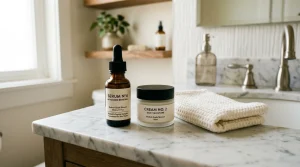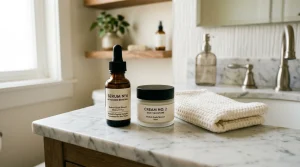
Navigating the world of skincare can feel overwhelming, especially when it comes to combining effective ingredients like azelaic acid and salicylic acid. Many people wonder, “Can I use azelaic acid after a salicylic acid cleanser?” Understanding how these powerful acids interact is essential for achieving clear, healthy skin. Azelaic acid is known for its gentle exfoliating and anti-inflammatory properties, while salicylic acid is celebrated for its ability to penetrate pores and address stubborn blemishes. However, using them together can raise concerns about irritation and effectiveness. In this article, we’ll explore whether it’s safe and beneficial to layer these two ingredients, helping you make informed decisions for your skincare routine. Whether you’re battling acne or just looking to enhance your skin texture, this knowledge will empower you to achieve your skincare goals with confidence.
Can I Use Azelaic Acid After Salicylic Acid Cleanser?
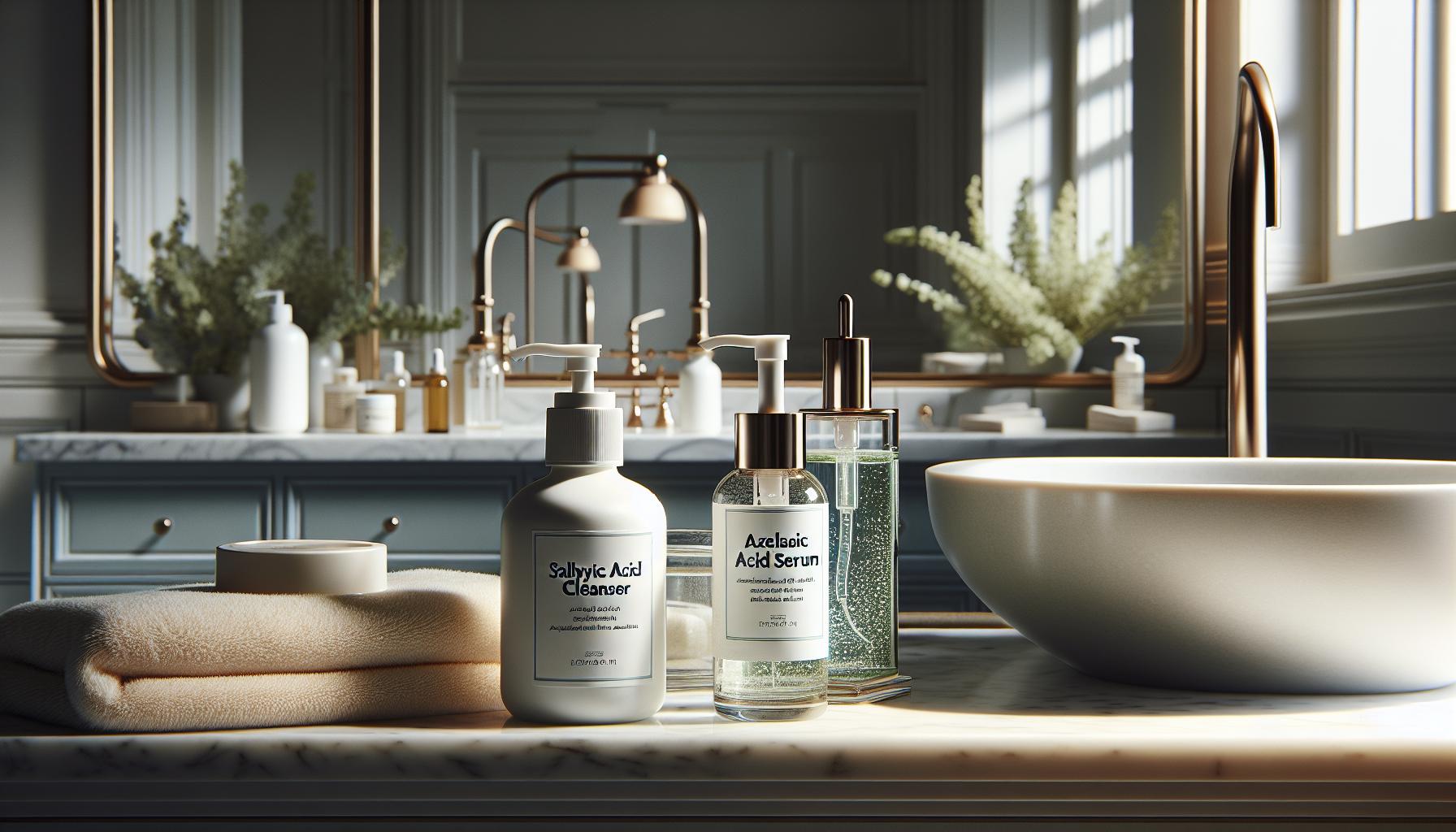
Using azelaic acid after a salicylic acid cleanser is a topic of interest for many seeking clearer skin. The good news is that you can combine these two powerful ingredients effectively. Salicylic acid, a beta hydroxy acid (BHA), works by exfoliating the skin and helping to unclog pores, making it particularly beneficial for those with acne-prone skin. On the other hand, azelaic acid is known for its anti-inflammatory properties and ability to reduce redness, bumps, and hyperpigmentation.
To safely incorporate azelaic acid after using a salicylic acid cleanser, it’s crucial to follow a few best practices. First, ensure that your skin is completely dry before applying azelaic acid. This reduces the risk of irritation, as both acids can be potent. It’s advisable to start with a lower concentration of azelaic acid (around 10%) to gauge how your skin reacts before moving to a higher concentration, like 20%.
Here is a simple step-by-step approach you can follow:
- Cleanse your face: Use a salicylic acid cleanser as you normally would, massaging it into your damp skin for about 30 seconds.
- Rinse and dry: Thoroughly rinse off the cleanser with lukewarm water and gently pat your skin dry with a clean towel.
- Apply azelaic acid: Once your skin is dry, apply a dime-sized amount of azelaic acid using gentle, circular motions. Make sure to cover areas prone to redness or breakouts.
Remember to monitor your skin for any excessive redness or irritation, especially when you first start using these products together. If irritation occurs, consider spacing out the application or limiting the use of one of the acids.
In summary, using azelaic acid after a salicylic acid cleanser can complement your skincare routine and target multiple concerns effectively. By taking it slow and watching how your skin reacts, you can enjoy the benefits of both without compromising your skin’s health.
Understanding Azelaic Acid and Its Benefits
Azelaic acid is a gem in the skincare world, celebrated for its multifaceted benefits, particularly for combating acne. This powerhouse ingredient works through multiple mechanisms; it not only helps to unclog pores but also reduces inflammation, making it a fantastic ally for those battling skin issues like rosacea and hyperpigmentation. If you’ve struggled with sensitive skin, you’ll find azelaic acid especially appealing as it’s generally well-tolerated and less likely to cause irritation when compared to stronger treatments.
One of the standout features of azelaic acid is its ability to inhibit the growth of bacteria that contribute to acne. This makes it effective in treating both inflammatory acne and preventing future breakouts. Furthermore, its exfoliating properties promote cell turnover without the harshness commonly associated with some other acids, allowing it to brighten skin and improve texture over time. Many users find that using azelaic acid leads to a more even skin tone and reduced redness.
Incorporating azelaic acid into your skincare routine can provide a sense of balance when paired with other potent ingredients like salicylic acid. While salicylic acid is great for exfoliating and deep cleaning pores, azelaic acid’s soothing and healing qualities can help mitigate any dryness or irritation that salicylic may cause. This combination can be particularly beneficial for those with acne-prone skin, as it tackles multiple aspects of skin health at once.
To maximize the benefits of both ingredients, consider starting slowly-use azelaic acid a few times a week and see how your skin responds after cleansing with salicylic acid. This way, you can build a routine that respects your skin’s sensitive nature, ensuring a balanced approach to clear, healthy skin without excess irritation.
Salicylic Acid: The Key to Clear Skin
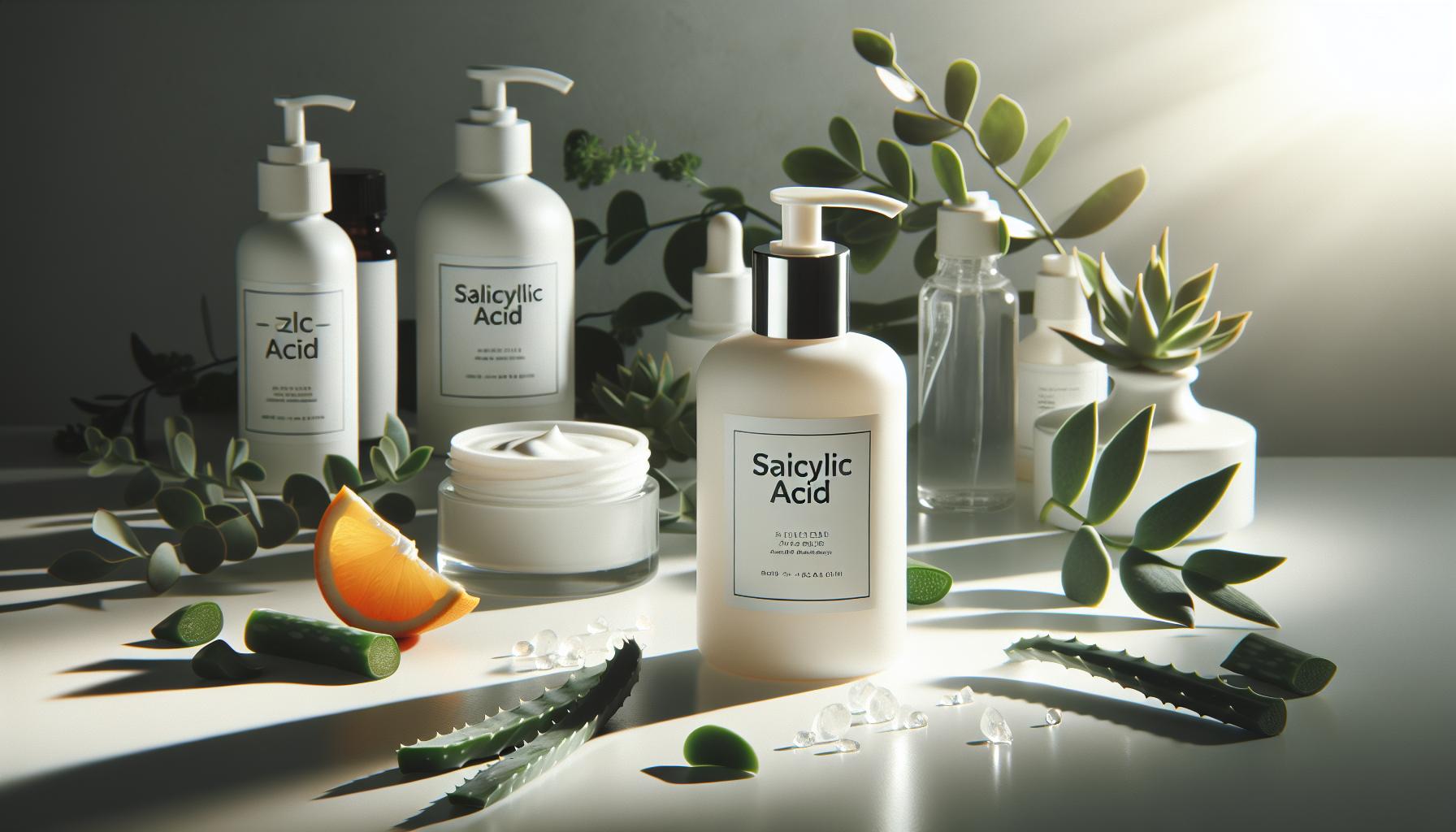
Salicylic acid is often hailed as a cornerstone in the regimen for clearer skin, particularly for those prone to breakouts. Known for its exceptional ability to penetrate pores deeply, it goes beyond surface exfoliation to dissolve the debris and oil that can clog pores and lead to acne. By effectively deep-cleaning the skin, it plays a crucial role in preventing future breakouts and reducing existing blemishes.
One of the standout benefits of salicylic acid is its anti-inflammatory properties. This means it not only helps clear away impurities but also helps calm the redness and irritation associated with acne. For those with oily or combination skin types, incorporating a salicylic acid cleanser can significantly improve skin clarity and texture, offering a smoother, more polished complexion.
For optimal results, using salicylic acid in your routine should be paired with complementary products that support skin health. After cleansing with a salicylic acid cleanser, following up with azelaic acid can amplify your efforts. While salicylic acid works to unclog pores and exfoliate the skin, azelaic acid can soothe and nurture, addressing inflammation without causing excessive dryness or irritation.
When incorporating salicylic acid into your skincare routine, it’s generally advisable to start slow, especially if your skin is sensitive. Begin with using it a few times a week, gradually increasing as your skin builds tolerance. This approach helps ensure that you reap the benefits without overwhelming your skin, creating a balanced regimen that leads to clearer, healthier skin.
In summary, salicylic acid serves as a powerful ally in the quest for clear skin, effectively tackling acne at its source while paving the way for smoother, more radiant skin. When combined thoughtfully with other ingredients like azelaic acid, it creates a comprehensive strategy to combat skin concerns-enhancing overall skin health and resilience.
How to Safely Combine Azelaic and Salicylic Acids
Combining azelaic acid with salicylic acid can be a game-changer for your skincare routine, but it’s essential to do it safely to avoid irritation. Both ingredients work effectively on different levels of the skin-salicylic acid targets clogged pores and exfoliates, while azelaic acid soothes and brightens. When layered correctly, they can complement each other beautifully, leading to clearer and healthier skin.
To start, it’s important to use products that suit your skin type. If you have sensitive skin, consider using a gentle salicylic acid cleanser first, then allow your skin to dry completely before applying azelaic acid. This helps minimize any potential irritation. Typically, you might want to wait about 15 to 20 minutes after cleansing. Applying azelaic acid afterward can help calm any inflammation and provide a soothing effect. Keep in mind, a pea-sized amount of azelaic acid is generally enough to cover the face without overwhelming your skin.
It’s also wise to introduce these acids gradually. Begin by using the salicylic acid product every other day, and once your skin adjusts, you can add azelaic acid into the mix-potentially starting with every third day. This slow integration allows your skin to build tolerance without experiencing adverse reactions. Monitor how your skin responds and adjust the frequency as needed.
Remember, hydration is key. Moisturize after applying azelaic acid to help lock in moisture and further support your skin barrier. If you experience any redness or discomfort, it may be a sign to scale back on usage or to consult a dermatologist. This tailored approach ensures that both azelaic and salicylic acids work together to boost your skincare regime safely and effectively, promoting a balanced and glowing complexion.
Best Practices for Layering Skin Products
Layering skin products can feel a bit like assembling a puzzle-getting the pieces to fit together without overwhelming your skin is essential for achieving the best results. When considering how to effectively layer azelaic acid after using a salicylic acid cleanser, the timing and technique are key. This approach not only maximizes the benefits of these powerful ingredients but also minimizes the risk of irritation, which is common when using active skincare ingredients.
To start, always cleanse first with your salicylic acid product, which helps remove impurities and excess oil. After cleansing, allow your skin to air dry completely for about 15 to 20 minutes. This brief waiting period is essential, as it helps to avoid any potential irritation when you apply azelaic acid afterward. Once your skin feels dry, take a pea-sized amount of azelaic acid and apply it gently to your face using your fingertips. Use gentle circular motions to ensure even distribution without tugging on your skin, which can be sensitive after cleansing.
It’s also vital to consider your overall skincare routine. If you’re new to using these acids, introduce them slowly. You might start by using the salicylic acid cleanser daily while incorporating azelaic acid every third day. This gradual integration allows your skin to adjust without significant irritation. Stay hydrated by applying a moisturizer after the azelaic acid, as this helps to lock in moisture and support your skin barrier, essential for maintaining healthy skin.
Lastly, pay close attention to how your skin responds. If you notice any signs of redness or irritation, don’t hesitate to cut back on usage or even consult a dermatologist for personalized advice. By following these , you can cultivate a skincare routine that not only enhances your complexion but also makes the most of the benefits that salicylic and azelaic acids offer together.
Potential Side Effects of Mixing Ingredients
Mixing skincare ingredients can sometimes feel like walking a tightrope; while you’re aiming for glowing, clear skin, the risk of irritation can quickly tip the balance. When using azelaic acid after a salicylic acid cleanser, it’s essential to be aware of potential side effects that can arise from their combination, even when both ingredients are known for their skin benefits.
First, redness and irritation are the most common side effects when layering these active ingredients. Salicylic acid is a beta hydroxy acid (BHA) that exfoliates and penetrates deep into pores, which can be sensitizing to the skin. When you follow this with azelaic acid, which can also cause mild irritation, the result may be redness or a burning sensation, particularly in sensitive skin types. To prevent this, it’s crucial to allow your skin to fully dry and stabilize for 15 to 20 minutes after using your salicylic cleanser before applying azelaic acid.
Additionally, combining these acids might lead to an imbalance in your skin’s moisture levels. Over-exfoliation can compromise your skin barrier, resulting in dryness or flakiness. To mitigate this, ensure your skincare routine includes a good moisturizer that helps to lock in hydration after applying active ingredients. Also, consider scaling back the frequency of use if you notice signs of peeling or excessive dryness.
For those with sensitive skin, you may want to start by alternating between the two products rather than using them together daily. For instance, you might cleanse with salicylic acid in the morning and use azelaic acid at night, allowing your skin time to recover. Always listen to your skin; if discomfort occurs, consult a dermatologist who can provide personalized advice and recommend adjustments tailored to your skin’s needs. By approaching this combination thoughtfully, you can enjoy the benefits while minimizing adverse effects.
Skin Types That Benefit from This Combination
Individuals with certain skin types can particularly benefit from the combined use of azelaic acid and salicylic acid, creating a powerful duo for tackling skin concerns.
For those dealing with acne-prone skin, this combination offers a top-notch solution. Salicylic acid acts as a deep-cleaning exfoliant, penetrating pores to dissolve excess oil and dead skin cells, making it excellent for unclogging pores. Following with azelaic acid can help soothe inflammation while targeting acne-causing bacteria, making it highly effective for reducing breakouts without excessive dryness.
Oily skin types also stand to gain from this mix. As salicylic acid helps control excess sebum production, azelaic acid can balance the skin and reduce the appearance of enlarged pores. Users often find this combination helpful in managing shine throughout the day while keeping skin clearer.
Even those with rosacea or sensitive skin can gradually incorporate this duo. Azelaic acid is known for its anti-inflammatory properties, which can calm redness and irritation. Using salicylic acid in moderation can still provide exfoliation benefits without overwhelming sensitive skin, particularly when a gentle cleanser is used.
Lastly, individuals experiencing post-acne hyperpigmentation may also find improvement through this combination. Azelaic acid works effectively to fade dark spots, while salicylic acid helps to exfoliate the skin’s surface, promoting a more even skin tone.
Remember to listen to your skin’s responses and adjust usage over time, as everyone’s skin reacts differently. This thoughtful approach allows you to harness the benefits of both acids while minimizing potential irritation or discomfort.
Real User Experiences: Success Stories and Tips
Many users have found remarkable success when incorporating azelaic acid after using a salicylic acid cleanser, particularly for tackling persistent skin issues like acne and hyperpigmentation. One user shared how this routine transformed their skin: “I started using a mild salicylic acid cleanser to keep my pores clear and followed up with azelaic acid at night. Not only did my breakouts decrease, but my skin tone became much more even!”
It’s essential to understand that the combination works best when users tailor it to their skin’s needs. For instance, those with oily skin types reported that this duo significantly minimized shine throughout the day. One individual noted, “After a month of using both, my skin feels balanced. The salicylic acid kept the oiliness at bay, and the azelaic acid helped calm redness.”
When trying this combination, many users emphasize the importance of listening to their skin. Start with evenings only, applying a moisturizer afterward to prevent dryness. As one user advised, “I gradually adjusted my routine, adding azelaic acid every other night to see how my skin reacted. This patience really paid off!”
Don’t hesitate to share your journey, as several community members have gained insights from each other’s experiences. Documenting both progress and setbacks can offer motivation and valuable tips to others. The key takeaway? Combining salicylic acid and azelaic acid can reveal significant improvements, provided you monitor your skin’s reactions and allow time for these ingredients to work their magic.
Expert Opinions on Combining These Acids
Combining azelaic acid and salicylic acid can be an effective strategy for tackling various skin concerns, but expert opinions emphasize the need for a thoughtful approach. Dermatologists often acknowledge that azelaic acid is a gentler treatment for conditions like acne and rosacea, while salicylic acid serves as a potent exfoliant ideal for oily and acne-prone skin. When used together, these two ingredients can complement one another, maximizing their benefits: salicylic acid clears out pores and reduces inflammation, while azelaic acid helps to even skin tone and diminish hyperpigmentation.
However, experts recommend starting slowly to gauge your skin’s reaction. Dr. Joshua Zeichner, a well-known dermatologist, suggests starting with just one product, then gradually introducing the second: “Use the salicylic acid cleanser first, and after a week or so, if your skin tolerates it well, add azelaic acid in the evenings.” This method allows your skin to adjust without overwhelming it, reducing the risk of irritation.
In terms of practical application, professionals recommend applying salicylic acid first in your skincare routine-typically as a cleanser or treatment-followed by azelaic acid, which can enhance the overall efficacy due to its anti-inflammatory properties. Be mindful of the formulation as well; opting for gel-based products might reduce the potential for greasiness or heaviness on the skin, especially beneficial for oily types.
In summary, while the combination holds great promise for improving skin clarity and texture, listening to your skin’s needs and making adjustments is crucial. If irritation occurs, dermatologists advise scaling back and consulting a professional for personalized advice. This measured approach can help you enjoy the benefits of both acids while maintaining your skin’s health and comfort.
Alternatives to Using Both Acids Together
Finding the right combination of skincare ingredients can be a bit of a balancing act, especially with powerful actives like azelaic acid and salicylic acid. If you’re looking for but still want to achieve clear and healthy skin, there are several effective options to consider.
One strategy is to alternate days when using these acids. For example, you might incorporate salicylic acid into your morning routine on Mondays, Wednesdays, and Fridays, while reserving azelaic acid for Tuesdays, Thursdays, and weekends. This approach enables you to benefit from the pore-clearing effects of salicylic acid without overwhelming your skin with too many active ingredients at once. It’s a gentler method that allows your complexion to adjust and can significantly reduce potential irritation.
Another alternative is to consider incorporating products that contain gentler exfoliants or soothing ingredients. For instance, look for serums containing niacinamide, which helps to calm inflammation and improve skin texture while being compatible with most skincare routines. Lactic acid or glycolic acid can also serve as alternatives; these alpha hydroxy acids (AHAs) provide gentle exfoliation and hydration, making them suitable for most skin types. Using a product like a gentle exfoliating toner several times a week can replace or supplement the more aggressive nature of salicylic acid and can be applied before using azelaic acid at night.
Lastly, embracing a holistic approach to skincare can also bring about positive changes. Incorporating lifestyle changes, such as maintaining a balanced diet rich in antioxidants, staying hydrated, and ensuring you get enough rest, can significantly impact your skin. If you’re feeling uncertain about using both acids or facing a specific condition like rosacea, consider reaching out to a dermatologist for personalized advice tailored to your unique needs.
By exploring these alternatives, you can still work toward achieving healthier, clearer skin without necessarily combining azelaic acid and salicylic acid in the same routine. Remember, the key is to listen to your skin and adjust your regimen accordingly.
Identifying Your Skin’s Unique Needs
Identifying what your skin truly needs can be the difference between glowing, healthy skin and a frustrating routine that just doesn’t work. Each skin type is unique, and understanding its specific requirements can help you harness the full potential of your skincare products. For example, those with oily skin may find that both salicylic acid and azelaic acid can help control breakouts, while individuals with sensitive or dry skin might need to approach these ingredients more cautiously.
To start, consider your skin’s current condition. Do you struggle with acne, redness, or uneven texture? If acne and clogged pores are your primary concerns, using a salicylic acid cleanser followed by azelaic acid might be beneficial. Salicylic acid dives deep to clear out pores, while azelaic acid can help reduce inflammation and even out skin tone. However, if you experience sensitivity or dryness, it might be better to use these products on alternate days or consult a dermatologist for tailored advice.
Another aspect to evaluate is your lifestyle and environmental factors. For instance, if you live in a dry climate, you may need to incorporate additional hydrating products alongside your active ingredients to prevent irritation. Conversely, in a humid environment, your skin may benefit more from the pore-clearing properties of these acids without needing as much moisture.
Finally, listen to your skin – it often gives you the best feedback. If using both acids leads to irritation, scaling back or alternating usage could be the right path. Experimentation is key; for example, try using a salicylic acid cleanser in the morning and applying azelaic acid at night to see how your skin reacts. Remember, achieving healthy skin is a journey, and recognizing your skin’s unique needs will guide you toward the right solutions.
When to Seek Professional Advice on Treatments
When navigating the complexities of skin care, particularly with potent ingredients like azelaic acid and salicylic acid, there are moments when seeking professional advice becomes essential. If you ever find yourself uncertain about how to use these products together, experiencing persistent irritation, or not seeing the desired results, it may be time to consult a dermatologist. Expert guidance can help tailor a regimen that suits your unique skin needs and conditions.
Consider reaching out to a professional if you encounter the following situations:
- Severe Irritation: If your skin is reacting negatively-becoming excessively red, itchy, or flaky-it could be a sign that the combination of acids is too intense for your skin type.
- Chronic Skin Conditions: Conditions like rosacea or other forms of dermatitis require special attention. A dermatologist can help determine if combining these acids is appropriate for your specific case.
- No Improvement Over Time: If you’ve been using azelaic acid and salicylic acid consistently for several weeks without any visible improvement in breakouts or skin tone, professional advice may provide new insights or alternative treatments.
- Confusion About Product Usage: Differentiating between various over-the-counter products and understanding how they interact can be overwhelming. A skin care professional can clarify how to layer your products effectively and what should go first.
Ultimately, while at-home experiments can be beneficial, your skin is unique, and professional insights can make a significant difference. Don’t hesitate to seek help-it’s a proactive step towards achieving the clear, healthy skin you desire. Proper skin care is a journey, and sometimes it’s best taken with a knowledgeable ally by your side.
FAQ
Q: Can I use azelaic acid after using a salicylic acid cleanser?
A: Yes, you can use azelaic acid after a salicylic acid cleanser. It’s beneficial as azelaic acid helps calm irritation while addressing redness and blemishes. Just ensure your skin is dry before applying azelaic acid to avoid potential irritation from layering products.
Q: How long should I wait after using salicylic acid before applying azelaic acid?
A: Wait about 10 to 20 minutes after using a salicylic acid cleanser before applying azelaic acid. This allows your skin to return to a neutral pH, reducing the chance of irritation when layering these products.
Q: What are the benefits of using azelaic acid after salicylic acid?
A: Using azelaic acid after salicylic acid can enhance skin benefits, as azelaic acid helps reduce inflammation, fade hyperpigmentation, and prevent clogged pores, complementing the exfoliating effects of salicylic acid.
Q: Can using both acids together cause irritation?
A: Yes, combining azelaic acid and salicylic acid can cause irritation, especially for sensitive skin. If you notice excessive dryness or redness, consider using these products on alternate days to minimize irritation while still reaping their benefits.
Q: Is it safe to mix azelaic acid with other exfoliating products?
A: Mixing azelaic acid with other exfoliating products can be irritating. It’s best to space use, applying them on separate days or in different parts of your routine. Monitor your skin’s response and adjust accordingly.
Q: What skin types benefit most from using azelaic acid and salicylic acid together?
A: Oily and acne-prone skin types benefit the most from this combination. Azelaic acid helps soothe inflammation while salicylic acid exfoliates and unclogs pores, making it effective for preventing acne breakouts.
Q: Can I use azelaic acid in the morning after a salicylic acid cleanser at night?
A: Yes, using salicylic acid at night followed by azelaic acid in the morning is recommended. This routine allows your skin to recover overnight while still enjoying the benefits of both acids daily.
Q: Should I moisturize after applying azelaic acid?
A: Yes, always follow azelaic acid with a moisturizer. This helps lock in hydration and reduces any potential irritation from using active ingredients. Look for a non-comedogenic moisturizer to keep your pores clear.
Insights and Conclusions
If you’re wondering, “Can I use azelaic acid after salicylic acid cleanser?” the answer is yes! Combining these two powerful ingredients can effectively target blemishes while improving skin tone. However, start carefully to avoid irritation-apply azelaic acid sparingly after allowing your skin to fully dry post-cleansing. Remember, consistency is key in your skincare routine!
Ready to dive deeper? Check out our guides on how to layer skincare products for optimal results and the benefits of salicylic acid for acne-prone skin. If you have lingering questions, feel free to leave a comment below-we’re here to help! Sign up for our newsletter for the latest skincare tips and special offers. Your path to radiant skin starts now; don’t wait any longer to glow!
Get our latest guides, news, and insights highlighted in your Google Search & AI Overviews.