Navigating skincare during pregnancy can be tricky, especially when it comes to acne. It’s common for hormonal changes to lead to breakouts, leaving many expectant parents wondering about the safety of their favorite products. If you’re curious about using CeraVe Acne Control Cleanser while pregnant, you’re not alone. Understanding the potential benefits and risks is crucial for maintaining both your skin health and peace of mind. So, let’s dive in and explore whether this popular cleanser can be a part of your pregnancy skincare routine without compromising your safety or that of your baby.
Can I Use CeraVe Acne Control Cleanser During Pregnancy?
While navigating skincare during pregnancy, it’s crucial to be cautious about the products you choose to use. CeraVe Acne Control Cleanser contains salicylic acid, an ingredient often debated regarding its safety for expectant mothers. Research suggests that low concentrations of salicylic acid (usually around 0.5% to 2%) are generally considered safe for occasional use during pregnancy, as topical application minimizes systemic absorption. However, the key is moderation. Regular, heavy use-such as in a cleanser meant for repeated daily application-may not be advisable.
Always pay attention to how your skin reacts during this sensitive time, as hormonal changes can lead to increased sensitivity. If you opt to use the CeraVe Acne Control Cleanser, start by applying a small amount to damp skin and gently massage using circular motions for about thirty seconds, then rinse thoroughly. This allows you to gauge your skin’s tolerance without overwhelming it.
It’s worth reiterating that every pregnancy is unique, and what works for one person may not work for another. Consulting with your healthcare provider will offer the most personalized guidance and peace of mind regarding your skincare concerns. They can help you weigh the benefits and risks, ensuring both you and your baby stay safe while managing acne effectively.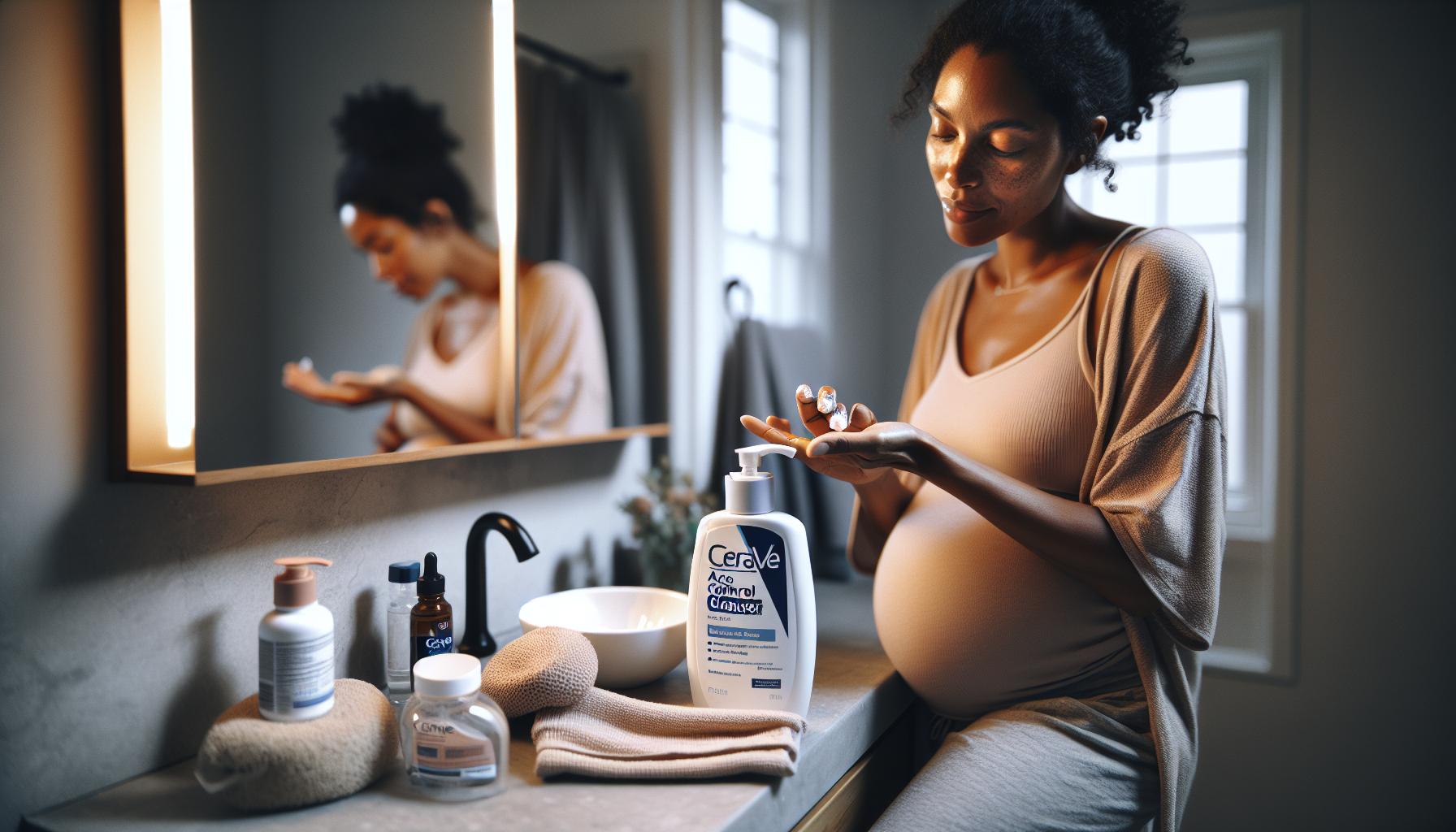
Understanding the Ingredients in CeraVe Acne Control Cleanser
Understanding what goes into the products we use on our skin is more important than ever, especially during pregnancy. CeraVe Acne Control Cleanser is designed to help manage breakouts, but it’s essential to break down its key ingredients to determine their safety and effectiveness during this sensitive time. This cleanser features salicylic acid, a common ingredient in acne treatment that works by exfoliating the skin and unclogging pores, which can significantly help reduce acne.
Generally, the concentration of salicylic acid in this formulation is around 2%, which is effective for treating acne. However, when it comes to pregnancy, a lower concentration and limited use are often recommended. Studies suggest that topical application of salicylic acid in small amounts is less likely to pose risks compared to oral ingestion, but caution is still advised. Always check if the product includes any other ingredients that may raise concerns, such as certain preservatives or fragrances that could irritate sensitive skin.
It’s also important to note the role of other ingredients in the cleanser, like ceramides, which help restore and maintain the skin’s natural barrier. This is particularly beneficial during pregnancy, when hormonal changes can lead to dryness and sensitivity. Alongside niacinamide, an anti-inflammatory that can calm the skin, these elements contribute to a balanced formulation that supports overall skin health while tackling acne.
As you consider incorporating CeraVe Acne Control Cleanser into your routine, remember to approach its use thoughtfully. Start with small amounts and observe how your skin reacts, particularly because hormonal fluctuations during pregnancy can alter your skin’s needs. Prioritizing awareness of the ingredients not only helps in understanding their benefits but also empowers you to make informed decisions about your skincare during this important time.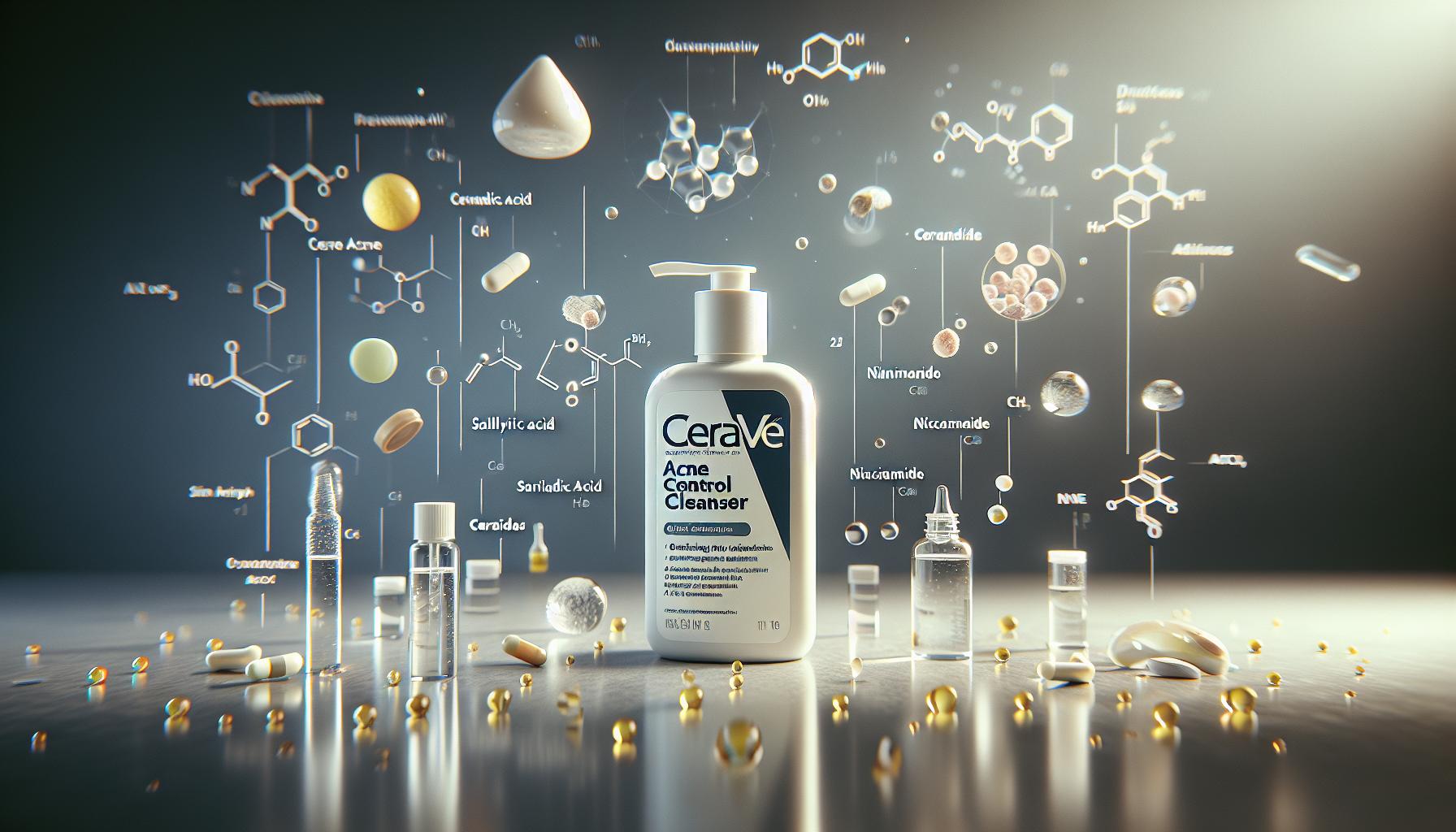
Is CeraVe Acne Control Cleanser Safe for Pregnant Women?
When considering skincare during pregnancy, safety takes center stage, especially with products like CeraVe Acne Control Cleanser, which contains active ingredients geared towards combating acne. The primary ingredient, salicylic acid, is known for its effectiveness in exfoliating the skin and preventing clogged pores, but its use during pregnancy is often met with caution. While salicylic acid can be beneficial in controlling breakouts, the general consensus is to limit its use to topical applications at low concentrations. The 2% formulation found in many over-the-counter products, including CeraVe, is considered relatively safe when used sparingly, but it’s vital to listen to your body and be aware of any changes in your skin’s reaction.
Many experts suggest that while topical salicylic acid is typically viewed as less risky compared to oral use, each pregnancy is unique. Some pregnant individuals may experience heightened skin sensitivity due to hormonal changes, making even familiar products react differently. Furthermore, CeraVe’s formulation includes beneficial ingredients like ceramides and niacinamide, which help to repair the skin barrier and soothe inflammation, offering an additional layer of protection that is especially useful during pregnancy when skin may feel dry or irritated. Ultimately, if you’re considering adding this cleanser to your routine, start with a patch test and use it a few times a week rather than daily to see how your skin responds.
Always remember, the decision to use any skin care product, including CeraVe Acne Control Cleanser, should involve consultation with your healthcare provider. They can provide personalized advice based on your health history and the specifics of your pregnancy, ensuring that any products you choose align with your overall wellness strategy.
Potential Risks and Concerns of Using Acne Products When Pregnant
When it comes to managing acne during pregnancy, understanding the ingredients in your skincare products is crucial. Many acne treatments contain ingredients that could pose risks to your developing baby, making it essential to be informed and cautious. Salicylic acid, a key component in CeraVe Acne Control Cleanser, is primarily recognized for its efficacy in exfoliating the skin and preventing breakouts. However, its use during pregnancy can be controversial. While topical application of low concentrations (typically around 1-2%) is generally viewed as less hazardous than oral use, there’s ongoing debate about its safety, especially regarding prolonged usage.
Hormonal changes during pregnancy can also heighten skin sensitivity, meaning products that once worked well for you may now cause irritation or adverse reactions. You might experience increased dryness or redness, making it essential to introduce any new product gradually. Patience is key; consider starting with the cleanser just a couple of times a week rather than daily, and closely monitor your skin’s response.
Moreover, it’s vital to recognize that individual responses can vary widely. Some may find that their skin clears up with the help of salicylic acid, while others may struggle with breakouts that escalate during pregnancy. Always listen to your body. If you notice any unusual reactions like rash or excessive dryness, it’s prudent to discontinue use and consult your healthcare provider.
Ultimately, while CeraVe Acne Control Cleanser may offer essential benefits, the potential risks warrant a careful approach. Pairing product use with guidance from a healthcare expert ensures you’re making informed choices that align with your overall wellness strategy during this significant time. Remember, maintaining skincare routines during pregnancy is not just about treating acne; it’s also about nurturing and protecting your skin’s health.
Expert Opinions on Pregnancy-Safe Skincare
When navigating the complexities of skincare during pregnancy, expert opinions can provide invaluable guidance. Dermatologists and skincare professionals often emphasize the importance of carefully selecting products to minimize potential risks while addressing common skin concerns like acne. Many experts agree that while some ingredients are off-limits, others remain effective and safe when used judiciously.
For instance, topical salicylic acid, found in CeraVe Acne Control Cleanser, is typically considered safe in low concentrations (under 2%) when applied as a face wash. However, the general recommendation is to limit its use and to monitor for any adverse reactions. Experts frequently advise pregnant individuals to start with a patch test or to apply the product less frequently, such as a few times a week, to gauge the skin’s response.
Another key takeaway is the need for a holistic approach to skincare during this time. Many professionals suggest incorporating nourishing, hydrating products alongside acne treatments to support the skin barrier, which can become compromised amid hormonal changes. Gentle cleansers, fragrance-free moisturizers, and products rich in ceramides and hyaluronic acid are often recommended as they can enhance skin health without increasing irritation.
Ultimately, consulting with a healthcare provider or dermatologist before incorporating any new products into your routine is essential. They can offer personalized advice based on your specific skin type and symptoms. Remember, each person’s skin is unique, and what works for one may not work for another. Prioritizing safety while managing your skincare routine can lead to a more enjoyable pregnancy experience.
Alternatives to CeraVe for Pregnant Individuals
When it comes to skincare during pregnancy, finding products that balance effectiveness with safety is crucial. If you’re considering alternatives to CeraVe Acne Control Cleanser, it’s important to explore options that are both gentle and suitable for pregnant individuals. The goal is to manage acne without introducing potentially harmful ingredients.
A great alternative is the La Roche-Posay Effaclar Purifying Foaming Gel. This cleanser is specifically formulated for oily and acne-prone skin, yet it’s mild enough for sensitive skin. It’s free of sulfates and contains gentle cleansing agents that effectively remove impurities without stripping the skin of its natural moisture. This is particularly beneficial during pregnancy when hormonal changes can lead to increased sensitivity.
Another excellent choice is Burt’s Bees Natural Acne Solutions Purifying Gel Cleanser. This product features ingredients like willow bark extract, which provides a natural form of salicylic acid. It’s effective in controlling breakouts while being made with 99% natural origin ingredients. As always, even with natural products, it’s wise to do a patch test first to ensure your skin reacts positively.
For those who appreciate multitasking products, consider Neutrogena Hydro Boost Water Gel Cleanser. While not specifically for acne, it hydrates dry skin thanks to its hyaluronic acid content. Keeping your skin hydrated can help mitigate some of the dryness that comes from both hormonal changes and acne treatments.
Finally, always be mindful of your skin’s needs. If you experience irritation or if your acne worsens, it may be time to consult your healthcare provider or dermatologist for personalized recommendations. Remember, each pregnancy is unique, and what works wonders for one may not suit another.
Best Practices for Acne Management During Pregnancy
Managing acne during pregnancy can feel overwhelming, especially when hormones fluctuate and typical skincare products might no longer be safe. The good news is that with a few thoughtful strategies, you can maintain a healthy complexion without compromising safety for you and your baby.
Start with a gentle cleanser: Opt for a sulfate-free formula to avoid irritation. Cleansing twice daily with lukewarm water helps remove excess oil and impurities without stripping the skin’s natural barrier. If you’re considering CeraVe Acne Control Cleanser, be sure to check its ingredients and consult with your healthcare provider for individualized advice.
Hydration is key: Keeping your skin moisturized can be incredibly effective in managing acne. Look for non-comedogenic moisturizers that are free from heavy oils and fragrances. Products containing hyaluronic acid can offer hydration without clogging pores. Applying a lightweight moisturizer after cleansing helps keep your skin balanced and reduces the likelihood of breakouts.
Adjust your diet: Nutrition plays a vital role in skin health. Incorporating an abundance of fruits and vegetables, healthy fats (like omega-3s), and staying hydrated can help support your skin during pregnancy. Reducing sugar and dairy intake may also keep acne flare-ups at bay for some individuals.
Be mindful of makeup: If you wear makeup, it’s crucial to choose products labeled non-comedogenic to prevent pore blockage. Ensuring you thoroughly remove makeup at the end of the day will help keep your skin clear. Consider using a micellar water or gentle makeup remover, followed by your regular cleanser.
Finally, patience and communication are paramount. Skin changes can take time to stabilize after pregnancy as hormone levels fluctuate. Regularly check in with a dermatologist or healthcare provider regarding your skincare regimen-this can help adjust your routine as needed and ensure that any products, including CeraVe, are safe for you during this pivotal time.
Signs You Should Avoid Certain Skincare Products While Pregnant
Determining which skincare products to use during pregnancy can feel daunting, especially with so much advice available. It’s crucial to be aware of signs that indicate certain products may not be suitable for your changing skin. If you experience any of the following, it might be time to reevaluate the skincare products in your routine.
One major sign is an increase in skin sensitivity or irritation. If you find that your skin is reacting negatively to products that were once well-tolerated, such as experiencing redness, itching, or a burning sensation after application, it’s best to stop using those products immediately. Pregnancy hormones can alter your skin’s tolerance, so look for gentle, fragrance-free alternatives that are specifically formulated for sensitive skin.
Another indicator is the presence of adverse skin conditions, such as eczema or rosacea. If these conditions flare up or worsen, reconsider any active ingredients in your current products, particularly those known to cause irritation or have harsh effects, such as retinoids or certain acids. Instead, stick with moisturizers and cleansers that are designed to soothe and restore the skin barrier.
Observe your skin’s overall condition; if you notice unusual breakouts or worsening acne despite using targeted treatments like CeraVe Acne Control Cleanser, it may be a sign that the product isn’t working for you anymore. Instead of doubling down on more aggressive treatments, consider consulting with a dermatologist to find safer, pregnancy-friendly options. Remember, your skin needs extra love and care during this time.
Lastly, if you have any questions or concerns about specific ingredients or brands, don’t hesitate to check in with your healthcare provider. Their guidance is invaluable, especially in navigating the complexities of skincare during pregnancy. Always prioritize safety and listen to your body’s signals-your skin and your baby will thank you.
How to Build a Safe Skincare Routine While Expecting
Planning a skincare routine during pregnancy can feel like a puzzle-one with countless pieces that need the right fit to create a picture of health and beauty. It’s essential to focus on gentle, safe products that can address your skin concerns without introducing risks to your developing baby. The key lies in prioritizing products that include safe ingredients and are free from harmful additives.
Start with a gentle cleanser, such as a creamy or hydrating formula, that helps remove impurities without stripping your skin of its natural moisture. For instance, a product like CeraVe’s Hydrating Cleanser can be an excellent option, offering cleansing without harsh surfactants. When washing your face, use warm water, and apply a dime-sized amount of product to damp skin with gentle circular motions for about thirty seconds, then rinse thoroughly.
Next, moisturizing is crucial. Look for a moisturizer that contains hydrating ingredients like hyaluronic acid, ceramides, and glycerin. These components help to maintain your skin barrier, which can be particularly helpful as hormonal changes may lead to dryness or irritation. Applying your moisturizer twice daily can support skin health and combat the dryness often experienced during pregnancy.
Sun protection is another non-negotiable step in any skincare routine. Choose a broad-spectrum sunscreen with SPF 30 or higher. Lightweight, mineral-based sunscreens (like those with zinc oxide or titanium dioxide) are generally considered safer and effective during pregnancy. Make sure to reapply every two hours, especially if you’re spending time outdoors.
Lastly, if you have specific skin concerns like acne, consult with a healthcare provider or dermatologist about pregnancy-safe options. They can help you navigate various treatments while ensuring you maintain a safe skincare routine tailored to your needs.
By focusing on gentle, effective products and prioritizing skin health every step of the way, you can build a caring skincare routine that celebrates your body’s changes while keeping you feeling confident and radiant throughout your pregnancy.
Testimonials: Real Experiences with CeraVe During Pregnancy
Navigating skincare during pregnancy can feel daunting, especially for those dealing with acne. Many expectant parents turn to CeraVe’s offerings, specifically the Acne Control Cleanser, hoping for a solution without compromising safety. Real experiences from fellow users often provide invaluable insights.
One user, Sarah, mentioned that she started using the CeraVe Acne Control Cleanser in her second trimester after consulting her dermatologist. She appreciated how the product effectively cleared up her breakouts without irritating her sensitive skin. “I was so relieved to find a product that worked without causing any redness or dryness,” she shared. Her routine included using the cleanser once daily, followed by a light moisturizer. This method kept her skin hydrated while helping to manage her acne.
Another mom-to-be, Marcus, highlighted the importance of ingredient awareness. He noted, “I read reviews about the salicylic acid in the cleanser, which concerned me at first. But after speaking to my doctor, I learned that in this formulation and amount, it was considered safe for my skin during pregnancy.” He saw significant improvement within just a few weeks, stating that his skin felt more balanced and less oily.
However, it’s not all glowing feedback. Some users have reported varying experiences, with a few noting mild irritation. Jenna, for instance, shared, “It worked wonders for my breakouts, but I did have to stop because it made my skin a bit flaky.” This highlights the importance of individual skin sensitivity and the necessity of tailoring routines to personal reactions.
Testimonials like these underscore that while CeraVe products, particularly the Acne Control Cleanser, can offer relief during pregnancy, it’s crucial to approach them mindfully. Each person’s skin is unique; what works wonders for one might not for another. Always listen to your skin and consult with healthcare professionals to find the safest and most effective approach for your skincare needs during this special time.
The Importance of Consulting a Healthcare Provider Before Use
Navigating skincare choices during pregnancy can be particularly challenging, especially when you’re looking for effective solutions to acne. This is where the crucial step of consulting a healthcare provider comes into play. Not only do doctors have a deep understanding of the ingredients in over-the-counter products, but they can also assess individual health circumstances and provide personalized advice that safety-conscious consumers crave.
Pregnancy can bring about unique skin changes due to hormonal fluctuations, affecting how products work or how skin reacts. For instance, your favorite cleanser before pregnancy may not work the same way afterward. By engaging with a healthcare professional, you can discuss any ingredient concerns, such as salicylic acid, which is often found in acne products. While many dermatologists consider this ingredient safe in low concentrations, your doctor will confirm whether it’s appropriate for your specific skin type and pregnancy condition, allowing you to make informed choices.
Additionally, discussing your entire skincare routine with your healthcare provider offers a broader perspective on safety and effectiveness. It’s not just about one product; it’s about how all the elements of your routine interact during this pivotal time. This holistic approach can help prevent potential reactions and ensure that both you and your baby remain safe while managing skin concerns.
Incorporating this professional advice into your skincare strategy not only boosts your confidence in your choices but also empowers you to speak up when you feel uncertain. Always remember, prioritizing safety and understanding is key-after all, your well-being and that of your baby depend on it.
Frequently Asked Questions
Q: Is CeraVe Acne Control Cleanser safe during pregnancy?
A: Yes, CeraVe Acne Control Cleanser is generally considered safe for use during pregnancy due to its formulation, which is free from harmful ingredients. However, always consult with a healthcare provider before starting any new skincare products while expecting for personalized advice.
Q: What ingredients should I avoid in skincare during pregnancy?
A: Pregnant women should avoid products containing salicylic acid, retinoids, benzoyl peroxide, and certain essential oils. Always check ingredient labels carefully to ensure safety throughout your pregnancy.
Q: How does the CeraVe Acne Control Cleanser help with acne?
A: CeraVe Acne Control Cleanser helps combat acne through its key ingredients, such as salicylic acid, which unclogs pores and reduces breakouts. It also contains ceramides that support the skin’s barrier function, promoting healthy skin.
Q: Can pregnancy hormones affect acne treatment effectiveness?
A: Yes, hormonal changes during pregnancy can increase oil production and lead to acne flare-ups, making it challenging for some treatments to maintain effectiveness. Always consult with a dermatologist for tailored recommendations.
Q: Are there pregnancy-safe alternatives to CeraVe Acne Control Cleanser?
A: Yes, pregnancy-safe alternatives may include gentle cleansers with soothing ingredients like aloe vera or chamomile. Look for products labeled as pregnancy-safe, or consult your healthcare provider for specific recommendations.
Q: How can I manage acne naturally during pregnancy?
A: Managing acne naturally during pregnancy can involve a consistent skincare routine, staying hydrated, eating a balanced diet, and using non-comedogenic products. Regular gentle cleansing can also help control breakouts.
Q: Should I stop using all acne products while pregnant?
A: Not necessarily. While some products may be unsafe, many are designed for pregnancy use. It’s crucial to consult a healthcare provider to identify which products can be safely included in your routine.
Q: What should I do if I have a severe acne outbreak during pregnancy?
A: If experiencing severe acne during pregnancy, consider consulting a dermatologist. They can recommend safe and effective treatment options tailored to your skin type and condition while ensuring the health of you and your baby.
Insights and Conclusions
In conclusion, if you’re wondering about using CeraVe Acne Control Cleanser during pregnancy, remember that understanding your skincare options is key to maintaining your skin’s health. While this cleanser can effectively tackle acne, it’s essential to consult with your healthcare provider to ensure it aligns with your individual needs. As the journey through pregnancy can be filled with uncertainties, addressing your skincare concerns can help you feel more confident and comfortable.
For more insights on safe skincare practices during pregnancy, explore our guide on “Top Ingredients to Avoid,” or learn about hydrating products that support your skin’s barrier. Don’t forget, staying informed is crucial-consider subscribing to our newsletter for ongoing tips tailored to your skincare journey. Your skin deserves the best, and we’re here to support you every step of the way! Share your thoughts or questions in the comments below, and let’s continue this conversation on achieving healthy, glowing skin together.
Get our latest guides, news, and insights highlighted in your Google Search & AI Overviews.