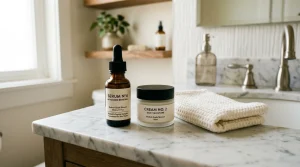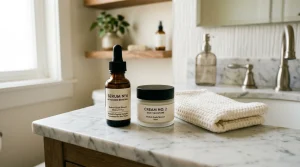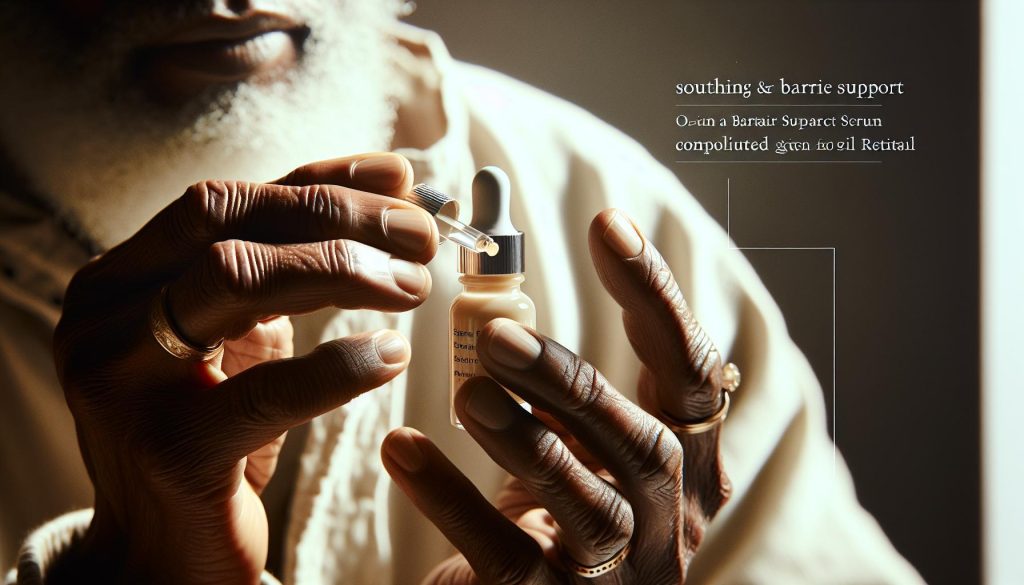
Navigating the world of skincare can feel overwhelming, especially when blending powerful ingredients like retinol with soothing serums. Many people turn to retinol for its remarkable benefits in addressing fine lines and uneven skin tone, yet worry about potential irritation and skin barrier disruption. This is where the soothing and barrier support serums come into play. These products can enhance your skincare routine by calming irritation and fortifying your skin barrier, but can they be used alongside retinol? Understanding the best ways to incorporate these serums into your regimen is crucial for achieving healthy, balanced skin. Let’s explore how to maximize the benefits of both without compromising your skin’s health.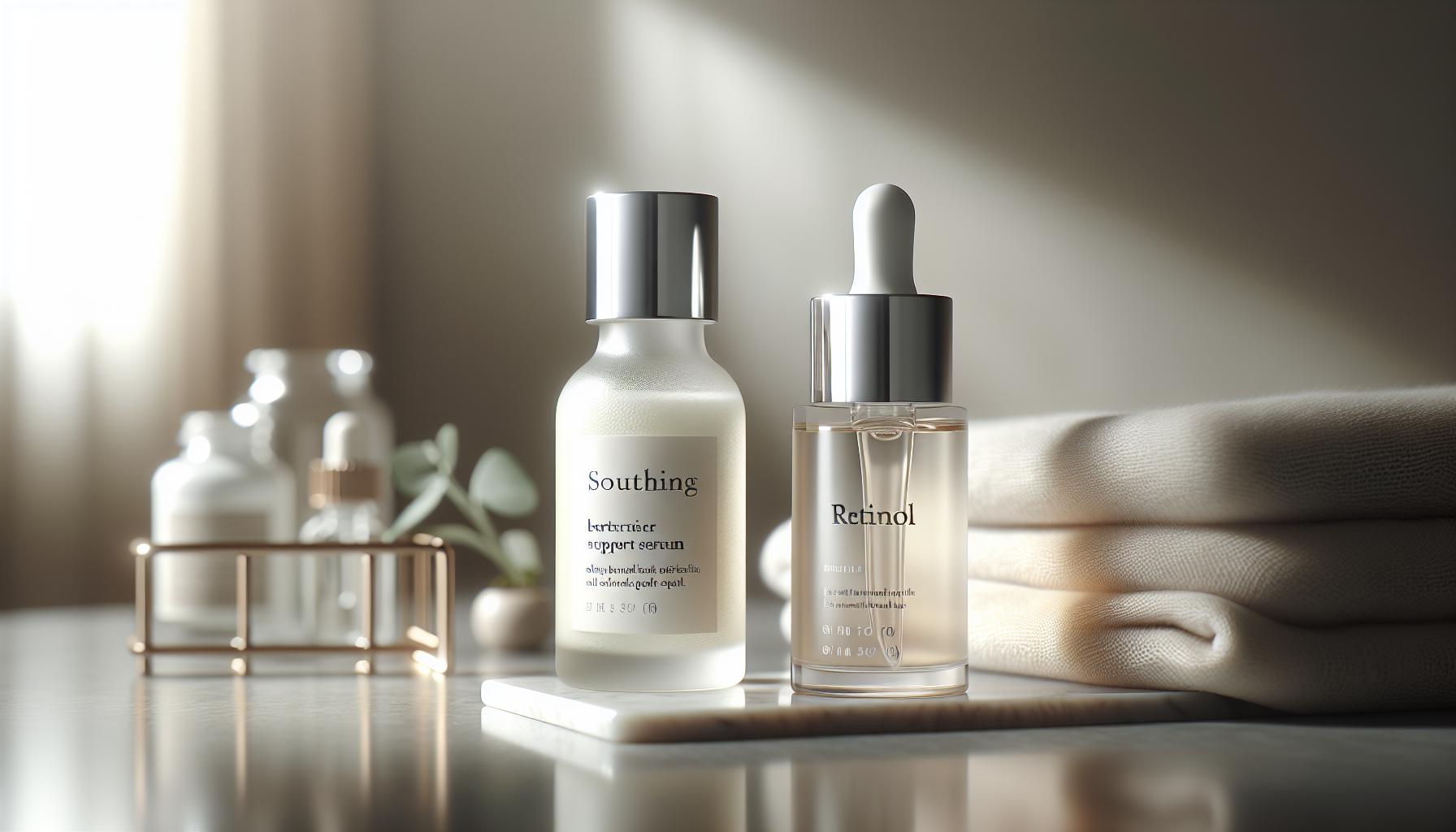
Can Soothing & Barrier Support Serum Complement Retinol?
Incorporating a soothing and barrier support serum into your skincare routine can significantly enhance the results of using retinol, especially for those with sensitive skin. Retinol is known for its powerful ability to promote cell turnover, reduce signs of aging, and improve skin texture. However, it can also be irritating, leading to dryness and redness. This is where soothing serums come into play, acting as a protective buffer to help minimize these side effects.
Soothing serums, often containing ingredients like chamomile, aloe vera, or niacinamide, can provide immediate relief from the irritation associated with retinol application. By reinforcing the skin’s barrier, these serums help to lock in moisture and create a more hydrated environment, allowing the skin to better tolerate retinol without excessive redness or peeling. A well-formulated soothing serum can balance the potential drying effects of retinol, leading to a smoother and more luminous complexion over time.
When using them together, it’s crucial to apply the soothing serum strategically. A common approach is to layer the serum after retinol to allow the active ingredients to work effectively while ensuring hydration. This technique not only shields the skin but also enhances the overall efficacy of your skincare regimen. Additionally, incorporating a soothing serum into your nightly routine can provide your skin with the respite it needs as it undergoes the revitalizing process initiated by retinol.
By combining retinol with a soothing and barrier support serum, you create a harmonious skincare routine that maximizes the benefits of each product while minimizing discomfort-helping you achieve radiant, healthy skin without the unwanted side effects.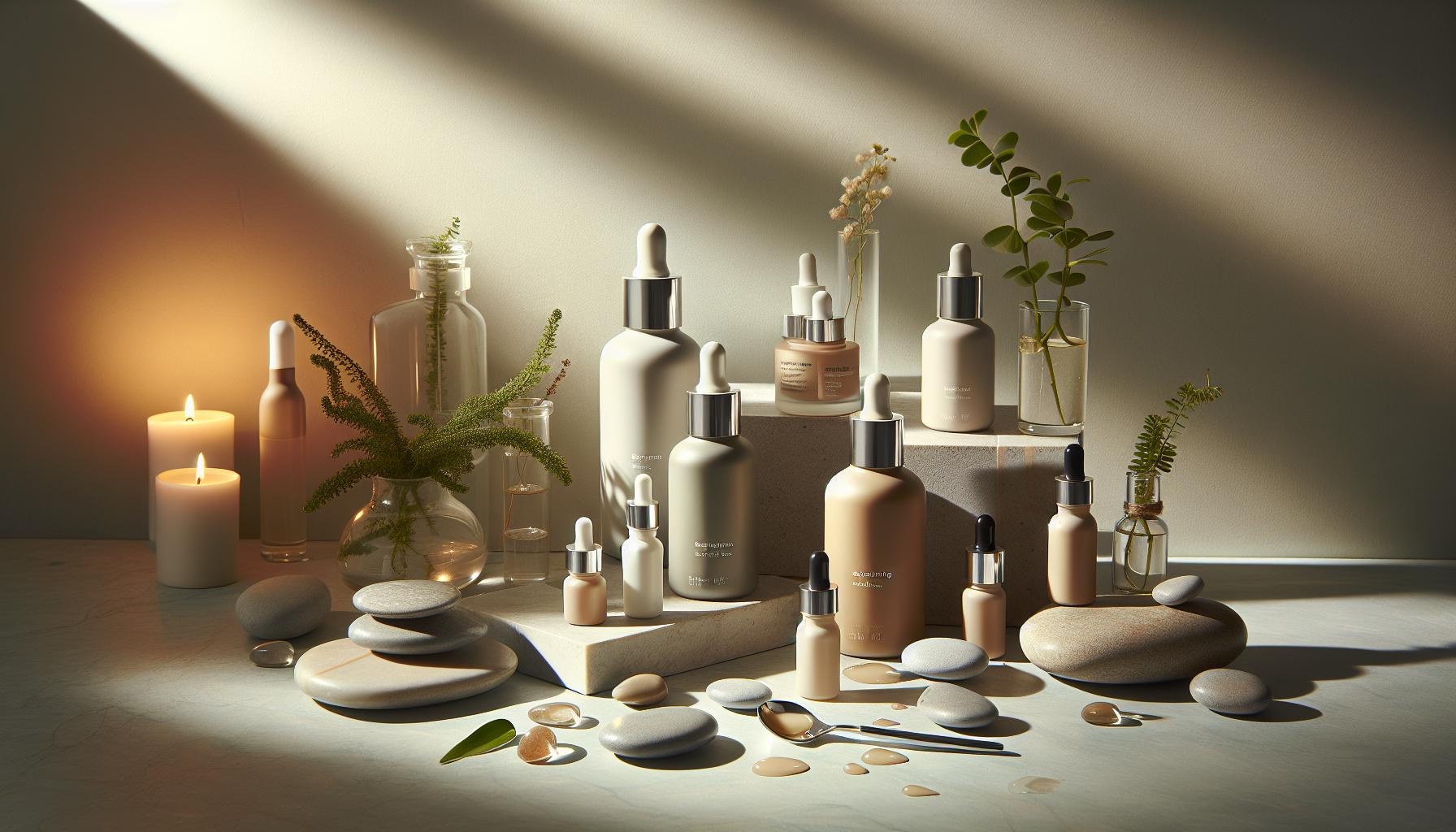
Understanding the Benefits of Soothing Serums
Incorporating a soothing serum into your skincare routine can be a game-changer, especially when using potent ingredients like retinol. Many people experience irritation, redness, or dryness when they first introduce retinol. Soothing serums can provide immediate relief and help balance your skin’s response, enabling you to enjoy the anti-aging benefits of retinol without the discomfort.
Soothing serums usually contain gentle, hydrating ingredients such as chamomile, aloe vera, and niacinamide. These ingredients work together to calm inflammation and enhance skin hydration. For instance, niacinamide is known for its ability to boost the skin’s barrier function while also reducing visible redness, making it an ideal partner to retinol. When applied after retinol, these non-irritating ingredients can help stave off the dryness and irritation that often accompany retinol use, providing a more comfortable experience.
Using a soothing serum strategically can amplify the benefits of your skincare routine. It’s beneficial to apply the soothing serum after the retinol has been absorbed into the skin. This way, the soothing serum acts as a hydrating layer that locks in moisture while still allowing the retinol to perform its magic. In practice, you might apply a pea-sized amount of retinol, wait about 15 minutes, and then follow up with a soothing serum, making sure to focus on dry or irritated areas. Regularly incorporating soothing serums can lead to smoother, more radiant skin over time while minimizing the side effects that deter many from using retinol.
Ultimately, using a soothing serum in tandem with retinol not only improves your skin’s health but also makes your skincare routine feel more enjoyable. Don’t hesitate to explore different formulations to find what works best for your skin type, and remember that your journey toward radiant skin is about finding the right balance.
How Retinol Works and Its Effects on Skin
Retinol, a derivative of vitamin A, is widely celebrated for its remarkable ability to transform skin texture and tone. It works by increasing cell turnover, which means it helps your skin shed dead cells and promotes the growth of new, healthier ones. This process not only diminishes the appearance of fine lines and wrinkles but also helps combat issues like acne and hyperpigmentation. For many, retinol serves as a cornerstone of an effective anti-aging regimen, offering a plethora of benefits in a relatively small package.
When you introduce retinol into your routine, you’re effectively prompting your skin to work overtime. For instance, studies show that incorporating retinol can enhance collagen production, leading to firmer, plumper skin over time. However, with this powerful transformation comes a common challenge: sensitivity. Many individuals experience initial irritation, redness, or dryness as their skin adjusts to this potent ingredient. This makes it crucial to have a supportive skincare routine in place, especially with soothing serums that can help mitigate these side effects.
One effective approach is to combine retinol with soothing ingredients that focus on nourishment and hydration. Ingredients such as niacinamide, aloe vera, and chamomile can play a significant role in calming the skin while allowing retinol to perform its magic. For example, niacinamide not only enhances the skin barrier but also reduces inflammation, making it a perfect partner to counteract the potential redness caused by retinol. This complementary pairing allows for a smoother transition into using retinol, enabling you to reap its benefits without the discomfort typically experienced during the initial phase.
Incorporating these soothing elements into your routine can lead to remarkable results. Imagine applying your retinol treatment, feeling an initial tingle perhaps, but then following it up with a lightweight, hydrating serum that envelops your skin in comfort. Over time, as your skin adjusts and strengthens, you’ll likely find that the irritation subsides, allowing you to fully enjoy the anti-aging benefits of retinol. By being attentive to your skin’s reactions and pairing retinol strategically with soothing serums, you can establish an effective, balanced routine that promotes healthy, radiant skin.
Can Soothing Ingredients Mitigate Retinol Redness?
Many people who start using retinol experience varying degrees of irritation, primarily redness and dryness. This is a common response as your skin adjusts to this potent active ingredient. However, the good news is that incorporating soothing ingredients can significantly help mitigate these side effects, allowing you to enjoy the remarkable benefits of retinol without the discomfort often associated with its initial use.
Soothing ingredients such as niacinamide, aloe vera, and chamomile can work wonders when paired with retinol. Niacinamide is particularly beneficial because it strengthens the skin barrier, reducing inflammation and redness. Studies have shown that this ingredient can improve skin texture and tone while soothing the irritation caused by retinol. If you’re experiencing dryness, aloe vera can provide immediate relief. Its hydrating and anti-inflammatory properties can calm your skin and create a protective layer, which is essential when using exfoliating agents like retinol.
When applying these soothing serums, timing is crucial. It’s often recommended to apply retinol first-allowing it to absorb for about 20-30 minutes-before layering a soothing serum. This method not only maximizes the efficacy of the retinol but also ensures that the soothing ingredients can effectively calm any initial irritation. For instance, after patting your face dry following cleansing, apply a pea-sized amount of retinol. After the waiting period, you can follow it up with a soothing serum that includes ingredients like hyaluronic acid, which hydrates, or green tea extract, known for its antioxidant properties.
In short, integrating soothing ingredients into your skincare routine when using retinol is not just helpful; it’s transformative. Not only can these calming components protect against redness and irritation, but they also create a balanced regimen that allows your skin to thrive during its adjustment to retinol. Prioritizing your skin’s comfort will help sustain a long-term relationship with this incredible ingredient, empowering you to achieve and maintain healthy, radiant skin.
Best Practices for Using Retinol with Serums
Using retinol can be a game-changer for your skincare routine, but pairing it with the right soothing serums can enhance the benefits while minimizing irritation-a win-win for your skin! As retinol promotes cell turnover and fights signs of aging, it often comes with side effects like dryness and redness. So, how can you navigate this territory effectively? Let’s explore some best practices for combining retinol with soothing and barrier support serums.
First and foremost, timing matters. It’s generally recommended to apply retinol as part of your nighttime routine, allowing its active ingredients to work without interference from sunlight. After cleansing your face, use a pea-sized amount of retinol, applying it to dry skin. This helps to ensure the retinol penetrates deeply and effectively. Wait for about 20-30 minutes to let your skin absorb the retinol fully before applying a soothing serum.
Next, choose ingredients in your soothing serum that complement the effects of retinol. Look for components like hyaluronic acid for hydration, niacinamide for skin barrier support, and aloe vera to calm irritation. These ingredients work synergistically with retinol, helping to soothe any redness or dryness. For instance, niacinamide not only mitigates irritation but can also improve skin texture, making it a perfect ally alongside retinol.
Remember to incorporate moisturizing steps in your routine. After layering your soothing serum, follow up with a lightweight moisturizer to lock in hydration. This will create an additional barrier that can further protect your skin from potential dryness associated with retinol usage.
Lastly, be patient with your skin. If you’re new to retinol, consider a gradual introduction-start with using it every third night before increasing the frequency. Monitor how your skin reacts, and adjust accordingly. If irritation persists, take a break or consult with a dermatologist to tailor a routine that works for you. By following these practices, you can enjoy the powerful benefits of retinol while keeping your skin comfortable and healthy, paving the way for a radiant complexion.
Layering Techniques: When to Apply Each Product
When it comes to maximizing the benefits of both retinol and soothing serums, the order in which you apply these products can significantly influence their effectiveness. The goal is to allow the retinol to penetrate deeply into the skin while also providing a layer of hydration and support from the soothing serum.
Start your nighttime routine by cleansing your face thoroughly. This step is crucial because a clean canvas allows your active ingredients to work their magic without interference from dirt, oil, or leftover makeup. After cleansing, apply your retinol-a pea-sized amount is usually sufficient. Gently spread it across your dry skin, focusing on areas where you notice fine lines or uneven texture. It’s important to apply retinol to dry skin since moisture can increase its absorption rate, potentially leading to more irritation.
After giving the retinol about 20 to 30 minutes to absorb, it’s time for the soothing serum. This waiting period is essential as it prevents the two products from mixing and ensures that the retinol has the best chance to penetrate the skin layers effectively. When you apply your soothing serum, consider ingredients like niacinamide or hyaluronic acid, which not only hydrate but also help to calm any irritation that may arise from the retinol. Use a few drops of the serum, applying it gently with your fingertips in an upward motion for best results.
Finally, don’t skip moisturizer! After the soothing serum has settled into your skin, follow up with a lightweight, hydrating moisturizer. This final step locks in moisture and creates a barrier, helping to combat any dryness or redness that retinol can sometimes cause. This layered approach-retinol followed by a soothing serum and finished with moisturizer-can help provide powerful anti-aging benefits while maintaining your skin’s hydration and comfort.
By establishing this effective layering technique, you can truly harness the power of both retinol and soothing serums, paving the way for a radiant and youthful complexion without unnecessary irritation.
Potential Interactions Between Ingredients
In the world of skincare, understanding the interactions between your products can make all the difference in achieving a well-balanced regimen. When considering the combination of retinol with soothing and barrier support serums, it’s crucial to recognize both their complementary properties and potential challenges. Retinol, a powerful ingredient known for its anti-aging benefits, can sometimes lead to dryness or irritation, particularly for those with sensitive skin. This is where soothing serums come in, aiming to mitigate potential side effects and enhance your overall skin health.
When layering products like retinol and soothing serums, ingredient compatibility should be top of mind. Certain soothing ingredients-like niacinamide and hyaluronic acid-not only hydrate but also promote a calm and balanced complexion, making them excellent companions for retinol. Niacinamide can enhance the skin’s barrier function and reduce inflammation, while hyaluronic acid attracts moisture, providing a refreshing relief for dry skin. This dynamic duo can help combat the redness or peeling often associated with retinol use, allowing you to reap the benefits of both without overwhelming your skin.
However, not all soothing serums are created equal, and some may contain ingredients that could potentially conflict with retinol. For example, products rich in alpha hydroxy acids (AHAs) or beta hydroxy acids (BHAs) may heighten irritation when used alongside retinol. This is particularly true if you’re already using retinol regularly. For optimal results, choose soothing serums that are specifically formulated to coexist with retinol, and always patch test a new product if you’re uncertain.
Practicing patience and attentiveness to your skin’s reactions is key. If your skin experiences irritation after layering retinol and a soothing serum, try using them on alternate nights to assess how your skin responds to each ingredient individually. By building a tailored routine where you observe how your skin handles product interactions, you can enjoy the benefits of both soothing hydration and powerful anti-aging properties without unnecessary discomfort. Remember, a well-thought-out approach not only maximizes efficacy but also prioritizes skin health, helping you achieve that coveted radiant glow.
Identifying Your Skin Type for Optimal Results
Understanding your skin type is a game changer in achieving optimal results with both retinol and soothing serums. Each skin type has unique characteristics that can influence how your skin reacts to different products. By identifying your skin type, you can tailor your skincare routine to ensure that you maximize the benefits while minimizing potential irritation.
There are generally four main skin types: oily, dry, combination, and sensitive. Oily skin tends to produce excess sebum, leading to a shiny appearance and larger pores. If this is your type, using a lightweight retinol paired with oil-free soothing serums can help maintain balance without exacerbating oiliness. Dry skin, conversely, often feels tight or rough and may show more signs of aging. For this skin type, incorporating a rich, creamy soothing serum with hydrating ingredients like hyaluronic acid or squalane can provide essential moisture and alleviate potential dryness from retinol use.
Combination skin presents a unique challenge, as areas may be oily while others feel dry. For those with this skin type, it’s crucial to focus on different products for different areas or to look for serums that are versatile enough to address multiple concerns. Lastly, those with sensitive skin should be especially cautious with retinol, as it can lead to irritation or redness. Choosing a calming serum formulated with ingredients like chamomile or calendula can provide a buffer against retinol-induced irritation, allowing you to enjoy the benefits of both products without significant discomfort.
Recognizing these differences in skin type helps you select the right products and adjust your routines accordingly. Remember, it’s an ongoing process-monitoring how your skin responds over time will guide you in making the best choices for your unique needs. Don’t hesitate to experiment and consult with a skincare professional if you’re uncertain about what might work best for you. By being mindful of your skin’s hydration levels and overall resilience, you can create a routine that celebrates your skin rather than complicates it.
Success Stories: Users Share Their Experiences
In the world of skincare, many have found success with the harmonious combination of soothing serums and retinol. Users across various skin types have shared transformative experiences that highlight the benefits of this pairing. For example, a user with sensitive skin noted significant improvement in their complexion by integrating a calming serum enriched with calendula into their nightly routine with retinol. They stressed that the soothing ingredient helped counteract initial redness, allowing them to use retinol without the discomfort they once dreaded.
Another individual, who had battled dry skin for years, discovered that pairing their retinol with a rich, hydrating serum made all the difference. They applied a dime-sized amount of their soothing serum right after retinol, resulting in a smoother application process and decreased flakiness the following day. This layering technique not only kept their skin hydrated but also enhanced the absorption of retinol, maximizing its benefits.
A community of skincare enthusiasts on social media has also discussed the transformative effects of this combination. Many emphasize the importance of patience and consistent application. One post highlighted a user who documented their 12-week journey: after starting with a gentle retinol and soothing serum, they raved about the remarkably refined texture of their skin and reduction in fine lines. They encouraged others to prioritize listening to their skin and adjusting product use based on its needs; sometimes that meant taking a night off from retinol if irritation occurred.
Ultimately, these stories reflect a shared understanding: when used wisely and thoughtfully, soothing serums can significantly enhance the benefits of retinol. If you’re considering this dual approach, don’t hesitate to experiment with different formulations to find what works best for you. Your skincare journey doesn’t have to be daunting; with the right products and a little patience, your skin could flourish in ways you never thought possible.
Expert Tips for Sensitive Skin Using Retinol
When it comes to using retinol, especially for those with sensitive skin, the approach you take can make all the difference in your experience and results. Retinol is celebrated for its anti-aging and skin-clearing benefits, but it can also cause dryness, redness, or irritation, particularly during the initial weeks of use. However, incorporating a soothing and barrier support serum into your skincare routine can help mitigate these side effects, allowing you to enjoy the advantages of retinol without compromising comfort.
One of the best strategies is to start with a low concentration of retinol, particularly if you’re new to it. This allows your skin to gradually acclimate to the ingredient. Consider using retinol every third night and observing how your skin reacts. This is where a soothing serum can be your best ally. Look for serums with ingredients like *ceramides*, *hyaluronic acid*, or *aloe vera*, which help restore moisture and reinforce your skin barrier. For example, applying a calming serum immediately after your retinol can create a protective layer that minimizes irritation and promotes hydration.
Timing and Application
When it comes to application, it’s important to layer products correctly. After cleansing your face, wait a few minutes before applying retinol. This waiting period allows your skin to dry thoroughly, reducing the risk of irritation. Apply a pea-sized amount of retinol using gentle, upward motions, avoiding sensitive areas like the eyes and corners of the mouth. Follow this with your soothing serum within a few minutes to lock in moisture. The combination not only helps your skin feel more comfortable but also enhances the absorption of retinol, maximizing its effectiveness.
Listen to Your Skin
Everyone’s skin is unique, so monitoring how your skin responds is crucial. If you experience persistent redness or flaking, consider scaling back your retinol use to every few nights or even mixing your retinol with the soothing serum to dilute its potency temporarily. Gradually increasing the frequency can help your skin adjust without overwhelming it. Don’t forget that patience is key; improvements may take time, but many users report significant changes in skin texture and clarity after consistent use supplemented with soothing ingredients.
Remember, using retinol effectively doesn’t mean you have to sacrifice comfort. By being mindful of how you layer your skincare and choosing the right soothing products, you can enjoy the benefits of retinol while maintaining the health of your sensitive skin. With this approach, you may find your fear of irritation fading as your skin thrives under a balanced routine.
Common Mistakes to Avoid with This Combination
In the journey to achieve radiant skin, mistakes can often derail even the best intentions. When combining retinol with soothing and barrier support serums, several common missteps can lead to discomfort or diminish the effectiveness of your skincare routine. Recognizing these pitfalls is crucial for maximizing results while maintaining skin health.
One frequent error is diving into daily retinol usage without allowing your skin to adjust. Starting with a low concentration and gradually increasing frequency is essential, especially for beginners. Instead of slathering retinol every night from the get-go, consider applying it just two to three times a week initially. This approach lets your skin acclimate and helps you gauge any reactions. Pairing this with a soothing serum containing ingredients like hyaluronic acid or aloe vera after using retinol can provide immediate relief and hydration.
Another mistake is improperly layering products. It may be tempting to mix everything together, but application order matters. Always apply retinol to clean, dry skin first, waiting a few minutes before following up with your soothing serum. This timing allows your skin to absorb the retinol effectively without the risk of dilution or irritation from other products. Avoid applying the soothing serum on top of wet skin, as this can create a barrier against the retinol, reducing its efficacy.
Overlooking skin reactions can also hinder progress. People often push through discomfort, thinking that sensitivity is a normal part of the process. However, listening to your skin is paramount. If you notice persistent redness or peeling, it may be a sign to reduce usage. Mixing your retinol with the soothing serum for a gentle application can be a beneficial strategy. Taking small steps and adjusting based on your skin’s responses will help maintain a healthy balance and encourage better results over time.
To summarize, avoid rushing into retinol use, mismanaging product layering, and ignoring your skin’s feedback. By being mindful of these common mistakes, you can streamline your skincare routine and harness the full potential of both retinol and soothing serums for a healthier, more radiant complexion.
Selecting the Right Soothing Serum for Your Routine
Selecting the right soothing serum can significantly enhance your skincare routine, especially when incorporating potent ingredients like retinol. A good soothing serum not only hydrates the skin but also provides a calming effect, making your skin feel more comfortable as it adjusts to retinol use. When searching for the ideal product, consider ingredients known for their calming and barrier-supporting properties.
Look for serums that contain hyaluronic acid; this powerful humectant draws moisture into the skin, providing an immediate boost of hydration. It helps counteract the dryness often associated with retinol. Aloe vera is another ingredient to consider, known for its soothing properties and ability to reduce redness. If your skin tends to be sensitive, serums with chamomile or green tea extract can further help to calm irritation while promoting overall skin health.
When thinking about texture, find a serum that suits your skin type. For oily or combination skin, a lightweight gel or serum that absorbs quickly is ideal. Conversely, if your skin is dry or dehydrated, a richer, creamier serum may provide better nourishment. There are serums available in stick forms, such as the Plump Retinol Smoothing Serum Stick, which can be easily applied wherever needed for a quick relief boost, especially after using retinol at night[1].
As you explore your options, always patch-test new products to ensure they work well with your skin and don’t cause irritation. This simple step can save you from future discomfort. Remember, skincare is about building a regimen that suits your unique needs, and a well-chosen soothing serum can play a pivotal role in your journey towards healthier, glowing skin.
Frequently Asked Questions
Q: Can I use a soothing serum with retinol?
A: Yes, you can use a soothing serum with retinol. Combining these products can enhance your skincare routine by providing hydration and minimizing retinol’s irritation effects. It’s best to apply the soothing serum after retinol application to help calm your skin.
Q: What are the benefits of combining soothing serums with retinol?
A: Using a soothing serum with retinol can mitigate dryness and redness caused by retinol. Soothing serums often contain ingredients like hyaluronic acid or aloe vera, which hydrate and protect the skin barrier, allowing for a more comfortable retinol experience.
Q: How can I reduce irritation when using retinol and a soothing serum?
A: To reduce irritation, apply a soothing serum immediately after retinol. Start with a lower retinol concentration or use it every other night. Additionally, ensure your skin is completely dry before applying retinol to minimize sensitivity.
Q: When should I apply my soothing serum in relation to retinol?
A: Always apply retinol first, allowing it to absorb for about 20 minutes, then layer your soothing serum to lock in moisture. This sequence maximizes retinol’s benefits while providing comfort and hydration.
Q: Are there specific soothing ingredients that work well with retinol?
A: Yes, look for soothing ingredients like chamomile, calendula, or niacinamide in your serum. These components help reduce inflammation and redness, making the overall skincare routine more effective and less irritating.
Q: Can I use a soothing serum every day with retinol?
A: Absolutely! Incorporating a soothing serum daily, even when using retinol, can improve your skin’s hydration and soothe potentially irritated areas. Just watch how your skin reacts, and adjust frequency as needed.
Q: What should I avoid when using retinol and a soothing serum together?
A: Avoid combining retinol with other potent active ingredients like AHAs or BHAs in the same routine, as this might increase irritation. Instead, alternate their use, or consult a dermatologist for tailored advice based on your skin type.
Q: Is it safe to use retinol on sensitive skin with a soothing serum?
A: Yes, it’s safe, but start gradually. Introduce retinol slowly, maybe once or twice a week, while using a soothing serum daily to ensure your skin doesn’t react negatively. Monitoring your skin’s response is key.
In Summary
Now that we’ve explored how to safely combine the Soothing & Barrier Support Serum with Retinol, remember that nourishing your skin while promoting cell turnover is key to achieving that radiant glow. If you have lingering questions or want to personalize your routine, don’t hesitate to check out our related guides on layering skincare products and the best practices for using retinol.
Act now! Ensure your skin gets the pampering it deserves by trying this serum today. Additionally, consider signing up for our newsletter to receive exclusive tips and product recommendations that will further enhance your skincare journey. Your path to healthier skin starts with informed choices-embrace it and share your experiences in the comments! Together, let’s decode the world of skincare and find what works best for you.
Get our latest guides, news, and insights highlighted in your Google Search & AI Overviews.