Finding the right CPAP mask can significantly improve your sleep quality and overall health. Did you know that more than 80% of CPAP users struggle to find a comfortable fit? This often leads to frustration and reduced adherence to therapy. Whether you’re new to CPAP therapy or just looking to enhance your experience, understanding the different types of masks and their features is essential. In “CPAP Mask Reviews: Find Your Perfect Fit Tonight,” we’ll guide you through the best options available, addressing common concerns like comfort, noise levels, and ease of use. By the end, you’ll be well-equipped to make an informed choice that fits your needs and lifestyle, ensuring a restful night’s sleep. Let’s dive in!
Choosing the Right CPAP Mask for You
Choosing the right CPAP mask can feel overwhelming, but it doesn’t have to be. With various types and styles available, understanding your options can help you find the most comfortable fit for a restful night’s sleep. A well-chosen mask not only enhances comfort but also ensures the effectiveness of your CPAP therapy.
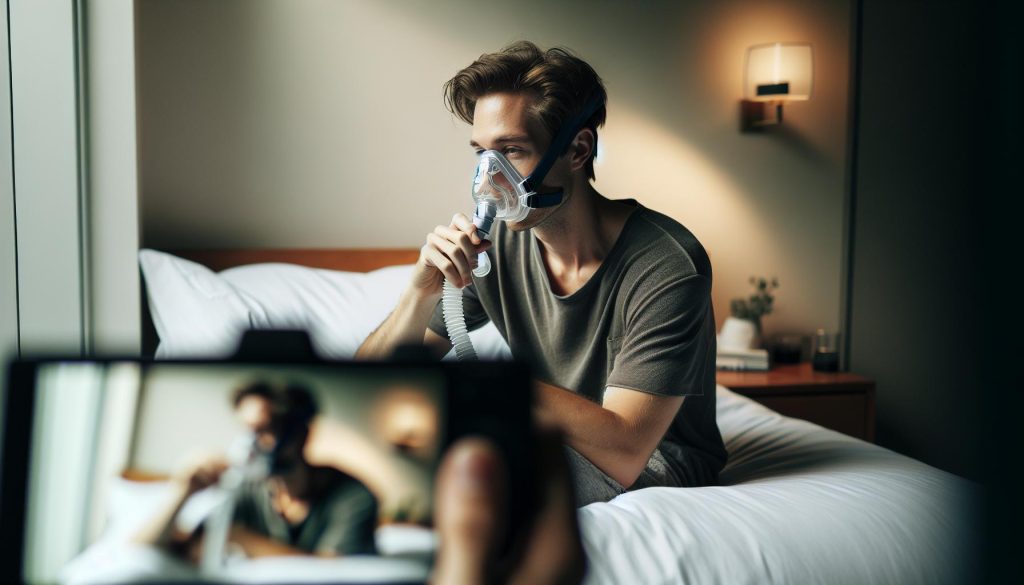
To start, consider the three main types of CPAP masks: full face masks, nasal masks, and nasal pillows. Full face masks cover both your mouth and nose, making them ideal for those who breathe through their mouth during sleep or require high-pressure settings. Nasal masks fit over your nose and provide a less intrusive option for many users, while nasal pillows rest at the base of your nostrils, offering a minimal design that some users find more comfortable and less restrictive.
When selecting a mask, keep in mind essential features such as the mask’s material, size options, and headgear adjustability. Look for breathable materials to reduce irritation, and ensure the mask has enough cushion to create a good seal without causing discomfort. Testing different sizes can be crucial-some manufacturers offer sizing guides to pinpoint the best fit, helping you and your healthcare provider assess your needs more accurately.
Lastly, don’t hesitate to ask for a trial period if available. Trying out different masks can give you a better sense of what works best for your sleep style and preferences. Remember, the goal is to find a mask that not only feels good but also supports your therapy effectively. Embracing this journey of trial and adjustment will lead you to a more restorative sleep experience.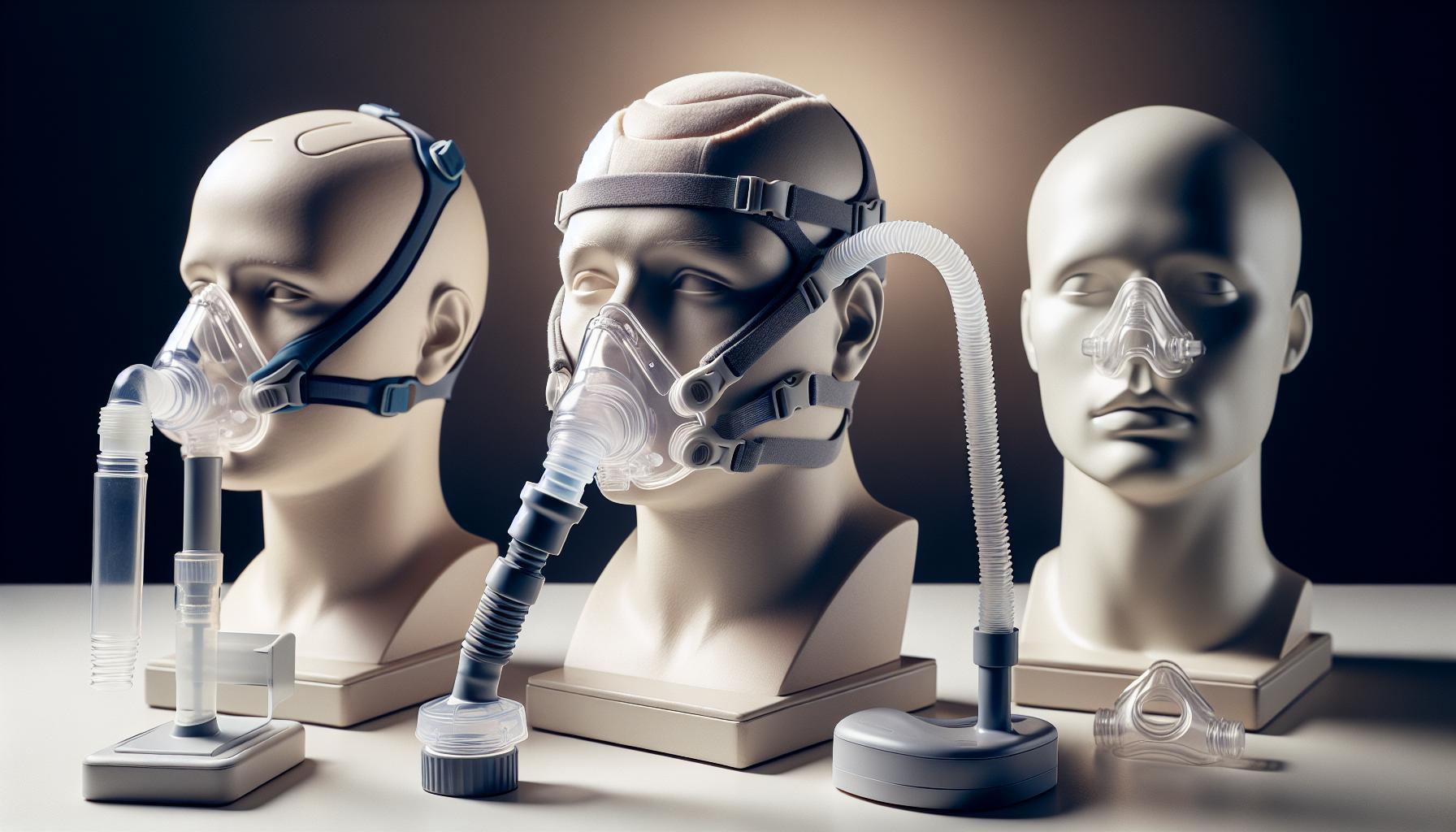
Understanding Different CPAP Mask Types
Choosing the right CPAP mask can significantly impact your comfort and therapy effectiveness, and understanding the various types available is the first step in making an informed decision. Each mask is designed to suit different sleeping habits and preferences, and familiarizing yourself with these options can lead you to the perfect fit for your needs.
One of the primary types is the full face mask, which covers both your mouth and nose. This option is particularly beneficial for individuals who tend to breathe through their mouth while sleeping or who require higher pressure settings during therapy. If you’re a restless sleeper or frequently change positions, this style may offer the coverage and stability you need to maintain effective airflow throughout the night.
On the other hand, nasal masks are designed to fit over your nose only. They provide a less intrusive alternative that many find comfortable, especially if you naturally breathe through your nose. This type is generally lighter and allows for greater peripheral vision, making it a great choice if you prefer a more open feel during sleep. Additionally, many users find nasal masks suitable for lower pressure settings, while others appreciate the variety of cushion materials available for a personalized experience.
Finally, nasal pillows sit at the base of your nostrils, offering a minimalistic design. This option is often favored for its lightweight and unobtrusive nature, making it well-suited for side sleepers. Because they have less surface area than full face or nasal masks, nasal pillows can be particularly comfortable for those who may feel claustrophobic or restricted while sleeping.
When considering which mask type might work best for you, think about how you typically sleep, your comfort preferences, and any specific needs related to your CPAP therapy. Trying on various styles can be instrumental in making a decision, so don’t hesitate to explore your options thoroughly. Finding the right mask can not only enhance your comfort but also bolster the effectiveness of your sleep apnea treatment.
Essential Features to Look for in a CPAP Mask
Choosing a CPAP mask isn’t just about selecting a type; it’s about finding a mask that seamlessly integrates into your nightly routine. The right mask can transform your experience from one of discomfort to a peaceful night’s sleep. As you begin your search, there are several essential features to consider that can greatly enhance your comfort and ensure your therapy is effective.
One key feature to look for is adjustability. Masks with adjustable headgear allow you to find that perfect fit without excessive pressure on your face, which can lead to soreness or irritation. Look for masks that offer multiple adjustment points; this will help you tailor the mask to your unique facial structure. Additionally, consider how easily the headgear can be put on and taken off, especially if you’re groggy before sleep.
Comfortable cushioning is another crucial aspect. Many masks come with different types of cushion materials, such as gel or foam. Soft, breathable cushions can prevent skin irritation and offer a more pleasant wearing experience. If you are prone to skin issues or pressure sores, opting for a mask with a softer, hypoallergenic material can make a significant difference. Additionally, check if the mask has a minimal contact design, which can help distribute pressure more evenly and improve overall comfort.
The size and fit of the mask also play an important role. A poorly fitting mask can lead to air leaks, which may disrupt your therapy and sleep quality. Be sure to check for masks that come in a variety of sizes and include fitting guides to help you choose the right one. Many brands even offer sample sizes or kits that allow you to try them on at home to find the best fit.
Finally, consider the mask’s noise level. A quieter mask can contribute to a more restful sleeping environment for both you and your partner. Look for models that emphasize quiet operation, often highlighted in user reviews or product specifications.
In summary, focus on adjustability, cushioning material, size options, and noise level when selecting your CPAP mask. Taking the time to find a mask that aligns with your specific needs can significantly improve your comfort and experience with CPAP therapy. Being proactive in this step shows your commitment to not just your treatment but also to the quality of your sleep.
How to Measure for the Perfect Fit
To achieve the best possible experience with your CPAP therapy, finding the right mask fit is essential. A well-fitted CPAP mask can enhance comfort, reduce air leaks, and improve overall efficacy of your treatment. While shopping for a mask, it’s not just about the type but also ensuring it fits snugly against your face without causing discomfort.
One effective method to measure for a perfect fit involves using a measuring tape or a ruler. Start by identifying the area of your face that the mask will cover, typically from the bridge of your nose down to your chin. Measure this distance and record the measurement. Next, measure the distance from the bridge of your nose to the area just above your upper lip; this will help determine the right size in relation to your facial features. Many brands offer sizing charts that correlate these measurements to specific mask sizes.
When you’re ready to try on masks, don’t be shy about testing a few different styles and sizes. Pay attention to how the mask feels against your skin. It should be snug but not painfully tight. Adjust the headgear accordingly while ensuring that the cushion sits comfortably on your face without gaps. If possible, practice lying down briefly with the mask on to simulate how it will feel during actual use. This step can help you identify any pressure points or discomfort that may arise when you’re trying to fall asleep.
Lastly, remember that your face may change over time due to factors like weight fluctuations or aging. Regularly re-evaluating your mask fit is crucial for maintaining an optimal CPAP therapy experience. A good rule of thumb is to check your fit every six months or after any significant changes in your routine or body. This proactive approach will help you continue to enjoy the benefits of a well-fitted CPAP mask, fostering comfort and improving your sleep quality.
By taking the time to measure properly and test different options, you’ll set yourself up for a more effective and enjoyable CPAP experience. After all, the goal is to achieve restful sleep and better health, so don’t hesitate to seek out the perfect fit that aligns with your unique needs.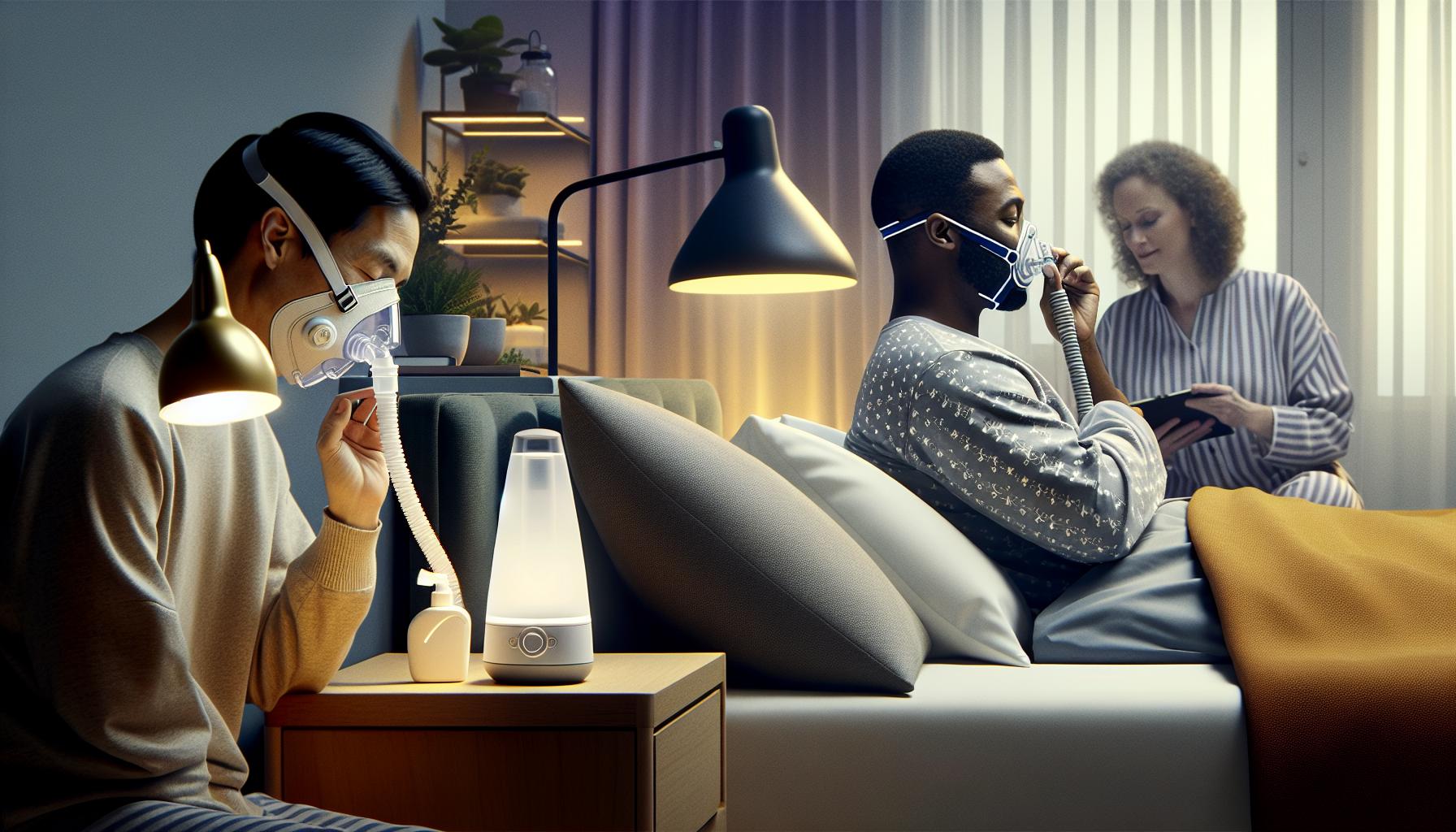
Overcoming Common CPAP Mask Problems
Adjusting to a CPAP mask can feel daunting, but many users experience common challenges that can be managed with the right strategies. Let’s tackle these issues head-on to help you enjoy a restful night’s sleep and get the most out of your therapy.
One prevalent concern is discomfort from the mask. If you’re finding your mask too tight or not fitting properly, first check the headgear adjustments. It should be snug, but not painfully so. Sometimes, switching to a mask with different padding can alleviate pressure points. Additionally, consider trying a different style; nasal pillows, for example, might feel more comfortable if you find a full-face mask claustrophobic. Remember, a mask that feels like it’s pinching or causing irritation might need to be sized differently.
Another frequent issue is air leaks, which can disrupt sleep quality. If you notice air escaping, it might be due to a poor fit or an incorrectly positioned mask. Make sure you are placing the mask correctly on your face before securing it. Lying back in your sleeping position can sometimes change how the mask fits; adjusting it while in this position can minimize leaks. If leaks persist, applying a thin layer of mask sealant gel on the edges might help create a tighter seal without increasing discomfort.
Dryness and irritation in the nose and throat are also common complaints. To combat this, consider using a humidifier with your CPAP machine to add moisture to the air you breathe. This can significantly enhance comfort, especially in dry environments. Moreover, using nasal saline sprays before bed can help keep your nasal passages moist, providing added relief.
Lastly, adapting to wearing the mask can take time. It’s normal to feel a bit anxious at first. Practice wearing the mask while awake in short intervals to acclimatize yourself to the sensation. Gradually increase the duration as you become more comfortable. Many users find it helpful to focus on their breathing or listen to calming music during this transition period.
In summary, common issues with CPAP masks, such as discomfort, air leaks, dryness, and adjustment challenges, can often be effectively managed. With the right techniques and a little patience, you’ll be well on your way to finding your ideal mask setup, making CPAP therapy a friend rather than a foe.
Top-Rated CPAP Masks Reviewed for Comfort
Choosing the right CPAP mask is essential for a successful sleep therapy experience. With various styles and features available, finding one that feels comfortable and secure can make a significant difference in your overall well-being. Here are some of the top-rated CPAP masks that users find particularly cozy, along with insights on what to consider when making your choice.
One standout in the world of CPAP masks is the ResMed AirFit P10, which is celebrated for its lightweight design and minimalism. This nasal pillow mask is designed for those who prefer a less obtrusive feel while sleeping. Users appreciate how quiet it is, allowing for a restful night without the noise of airflow disrupting their sleep. Its easy-to-adjust headgear makes it user-friendly, ensuring a snug fit without the discomfort of bulkier options.
Another highly recommended mask is the Phillips Respironics DreamWear, which features a unique design that allows you to sleep in multiple positions without compromising comfort. It’s often described as feeling nearly invisible on the face, thanks to its innovative structure that channels airflow through a frame rather than directly at your nostrils. Users have noted how this design simultaneously reduces pressure points and leaks, leading to a calming sleep experience.
For those who prefer full-face coverage, the Fisher & Paykel Simplus mask has received positive feedback for its comfort and effectiveness. It comes with a dual-layer cushion that adapts to facial contours, enhancing seal and providing comfort all night long. The easy-to-use headgear and quick-release clips make it simpler to take on and off, which is particularly helpful for those who may need to get up during the night.
When selecting a mask, it’s important to consider your specific needs, such as whether you sleep on your side or back, your sensitivity to pressure points, and any nasal conditions that may affect your comfort. Trying on different styles is crucial; many suppliers offer a fitting service to help you find the perfect match. Remember, comfort is key to compliance with your CPAP therapy, so take your time exploring options.
In summary, top-rated CPAP masks like the ResMed AirFit P10, Phillips Respironics DreamWear, and Fisher & Paykel Simplus each provide unique benefits tailored to different preferences. By focusing on comfort, fit, and design, you can find the CPAP mask that helps you embrace your sleep therapy fully, leading to restful nights and energized days.
User Tips for Adjusting to a New CPAP Mask
Adjusting to a new CPAP mask can feel daunting, but with the right strategies, the transition can become smoother and more comfortable. Remember, you’re not alone-many people experience some challenges when starting with a new mask. It’s essential to allow yourself some time to adapt while actively working to alleviate any discomfort or issues that arise.
One effective tip is to start using your mask during short periods while awake. This could be while watching TV or reading a book. By gradually exposing yourself to the sensation of wearing the mask in a relaxing setting, you can become more accustomed to it without the pressure of needing to sleep immediately. Focus on breathing normally with the mask and adjusting the straps until it feels just right-not too tight, as you want to avoid discomfort, but snug enough to prevent leaks.
Consider developing a nightly routine that incorporates your CPAP therapy. Before bed, spend a few moments familiarizing yourself with your mask and equipment. Check your mask fit each night to ensure it’s comfortable and secure. If you find any areas uncomfortable, adjust the headgear or try using soft liners, which can provide a barrier between your skin and the mask, reducing friction and irritation.
Another critical aspect is maintaining open communication with your healthcare provider. If you encounter persistent issues like excessive noise, leaks, or irritation, don’t hesitate to reach out. They can offer personalized adjustments or even suggest alternative mask types that might better suit your needs. Remember, the goal is to make CPAP therapy a seamless part of your nightly routine, ultimately leading to better sleep and health.
Lastly, share your experiences with others in support groups or online forums. Hearing how others have succeeded in overcoming similar challenges can provide insights and encouragement. Plus, learning about different perspectives might help you find a solution that works specifically for you.
In summary, take your adjustment period step-by-step, incorporate your mask into daily life gradually, communicate with healthcare providers about any issues, and lean on community support for motivation and solutions. Adjusting to a new CPAP mask isn’t just about compliance; it’s about enhancing your overall well-being, so embrace the journey!
Maintenance and Care for Your CPAP Mask
Taking care of your CPAP mask is essential for both your health and comfort during therapy. Regular maintenance not only extends the life of your equipment but also ensures that you get the most effective use from your CPAP therapy. Did you know that a clean mask can help reduce skin irritation and maximize airflow? Proper care will help you breathe easier and sleep better, so let’s dive into some straightforward maintenance tips.
One vital aspect of mask maintenance is daily cleaning. Each morning, remove the mask, disassemble it, and rinse the cushion and frame under warm, soapy water. A mild dish soap is often sufficient. This routine helps to eliminate oils, dirt, and bacteria that can accumulate overnight. After rinsing, let the components air dry thoroughly before reassembling them to prevent mold and mildew growth. This daily habit can seem tedious at first, but it quickly becomes a manageable part of your morning routine.
In addition to daily cleaning, it’s crucial to perform a deeper clean weekly. This process involves soaking the mask parts in a mixture of warm water and mild soap for about 30 minutes. This soak loosens any stubborn debris, making it easier to clean. Rinse thoroughly afterward and allow everything to air dry completely. In doing this, you can help ensure that your mask remains hygienic, and you can significantly enhance your comfort at night.
Also, regularly inspect your mask for any signs of wear and tear. Over time, masks can develop cracks or become less effective due to silicone degradation. If you notice any damage, such as a compromised cushion or headgear, it’s time to replace those parts. Most manufacturers recommend changing your mask every 3 to 6 months, so keep a timeline to help you remember!
Finally, don’t overlook the importance of keeping your CPAP device clean as well, which includes the hose and water chamber if you use a humidifier. Cleaning these components will prevent buildup that can affect the performance of your therapy.
In summary, maintaining your CPAP mask and other equipment is a straightforward process that involves daily cleaning, weekly deep cleans, and routine inspections for wear. Incorporating these practices into your life can lead to a more comfortable and effective CPAP experience, ensuring you wake up feeling rested and ready to tackle your day.
Exploring the Benefits of CPAP Therapy
Living with sleep apnea can feel overwhelming, but CPAP therapy has become a beacon of hope for many. Research shows that continuous positive airway pressure (CPAP) therapy significantly improves the quality of life for those diagnosed with obstructive sleep apnea (OSA). By maintaining an open airway during sleep, CPAP therapy not only restores regular breathing patterns but also helps to alleviate numerous health issues associated with sleep apnea.
One of the primary benefits of using CPAP therapy is enhanced sleep quality. Users often report fewer disturbances throughout the night, leading to more restorative sleep cycles. This improvement in sleep can result in greater daytime alertness, increased productivity, and a markedly better mood. In fact, studies indicate that patients using CPAP experience a boost in cognitive function, reducing fatigue-related errors and enhancing mental clarity.
Moreover, CPAP therapy can have profound impacts on overall health. By mitigating the risks associated with sleep apnea, such as high blood pressure, stroke, and heart disease, patients can enjoy a greater sense of well-being. Reports suggest that consistent CPAP use can lower blood pressure and improve cardiovascular outcomes, meaning that a well-fitted mask is not just a comfort issue; it could be life-saving.
In addition to physical health benefits, CPAP therapy can also foster emotional and mental wellness. Many users express a renewed sense of control over their health and an improvement in relationships that may have been strained by fatigue and irritability caused by untreated sleep apnea. Users often share stories of how therapy has allowed them to reclaim their social lives and engage more meaningfully with family and friends, restoring their emotional connections.
Embracing CPAP therapy may seem daunting at first, but understanding the substantial advantages it brings can provide motivation to begin and maintain this life-enhancing treatment. Properly fitted equipment, like a well-selected CPAP mask, becomes a crucial component in experiencing the full benefits of therapy. Taking the time to explore your options and finding the right fit for you can lead to a significantly improved quality of life.
Addressing Sleep Apnea: When to Consult a Doctor
Recognizing the signs of sleep apnea is crucial for taking control of your health and well-being. If you frequently experience loud snoring, episodes of gasping or choking during sleep, or significant daytime fatigue, it might be time to consult a healthcare professional. Sleep apnea can significantly impact not just your sleep quality, but also your overall health, potentially leading to serious conditions like heart disease and stroke if left untreated.
When considering whether to seek help, pay attention to both the symptoms and their effects on your daily life. If your sleep is consistently disrupted, leading to irritability, concentration issues, or difficulty performing at work or home, these are strong indicators that a consultation is warranted. Healthcare professionals can conduct a sleep study, often referred to as polysomnography, to monitor your sleep patterns and determine if you have sleep apnea.
Additionally, don’t hesitate to voice any concerns you may have about finding the right CPAP mask or adjusting to CPAP therapy. A supportive doctor can provide guidance tailored to your needs, ensuring you understand what to expect with CPAP treatment and how it can improve your sleep quality and overall health. They can also recommend specific types of masks that might be more suitable for your sleeping style or facial structure, emphasizing the importance of comfort and fit in successful therapy.
Ultimately, if you suspect that you may have sleep apnea, reaching out to a healthcare professional can be a significant first step toward finding relief and improving your quality of life. By taking this proactive approach, you can ensure that you are not only addressing immediate concerns but also actively participating in a long-term solution for better sleep.
Upgrading Your CPAP Experience with Accessories
Enhancing your CPAP experience goes beyond just choosing the right mask; it involves selecting the right accessories that can transform your nightly routine into a much more comfortable and effective process. Picture this: the right pillow, a humidifier, or even a mask cleaner, each plays a crucial role in not only improving your comfort but also in ensuring that your CPAP therapy delivers optimal results. It’s about creating an environment that supports restful sleep while enhancing the functionality of your CPAP machine.
One essential accessory to consider is a heated humidifier, which can add moisture to the air you breathe, reducing dryness and irritation in your nasal passages. This is particularly beneficial during colder months or if you sleep in a drier environment. When using a humidifier, ensure it’s properly maintained-change the water daily and clean it regularly-to avoid any buildup of bacteria or mold.
Furthermore, specialized CPAP pillows are designed to accommodate the mask and prevent any discomfort throughout the night. They often come with contours that fit the shape of the head and neck, minimizing pressure points and allowing for better alignment of your spine. Using one of these pillows can significantly enhance your comfort, especially for side sleepers who may struggle with traditional pillows.
Another valuable accessory is the CPAP mask wipes or cleansers. Regular cleaning of your mask not only extends its lifespan but also ensures hygienic use, preventing skin irritations and respiratory infections. Look for wipes that are free from harsh chemicals and specifically meant for CPAP equipment, as they effectively remove oils and residues without damaging the mask material.
Lastly, consider investing in a travel case for your CPAP machine. If you travel frequently, having a sturdy, protective bag can make transporting your equipment much more manageable and keep everything organized. Some cases even come with compartments for your accessories, ensuring you have everything you need on the go.
By thoughtfully selecting these accessories, you can create a more supportive and effective CPAP experience, leading to better sleep quality and an overall improvement in your well-being. Remember, your journey with CPAP therapy is personal and unique; the right tools can make all the difference.
Q&A
Q: What factors should I consider when choosing a CPAP mask?
A: When choosing a CPAP mask, consider your sleep position, comfort level, and whether you prefer a full-face, nasal, or nasal pillow mask. Additionally, evaluate features like adjustability, cushion material, and ease of cleaning. These aspects are crucial for ensuring compliance with therapy and a good night’s sleep.
Q: How do I know which size CPAP mask is right for me?
A: To determine the right CPAP mask size, measure the distance from the bridge of your nose to just below your lower lip and the width of your face at its widest point. Use these measurements to refer to the manufacturer’s sizing chart, ensuring a snug yet comfortable fit for maximum effectiveness.
Q: What are the benefits of using a CPAP mask with humidification?
A: A CPAP mask with humidification can help prevent dry mouth, throat irritation, and nasal congestion that often accompany therapy. Humidification moisturizes the air, making it more comfortable to breathe and enhancing overall sleep quality, especially in dry environments.
Q: How can I troubleshoot common CPAP mask issues?
A: Common CPAP mask issues include air leaks, discomfort, and skin irritation. To troubleshoot, ensure proper fitting by adjusting straps and testing airflow. Applying a mask liner can enhance comfort and minimize skin irritation. If problems persist, consider trying a different type of mask.
Q: What is the difference between nasal masks and full-face masks?
A: Nasal masks cover only the nose, suitable for users who breathe primarily through their nose, while full-face masks address both nose and mouth breathing. Choose nasal masks for comfort and lighter weight, but opt for full-face masks if you often breathe through your mouth or have nasal congestion.
Q: When should I replace my CPAP mask?
A: Replace your CPAP mask every 3 to 6 months or sooner if you notice signs of wear, such as tears, stiffness, or significant buildup of debris. Regular replacement is essential for maintaining hygiene and ensuring an effective seal for optimal therapy.
Q: How does the type of CPAP mask affect sleep quality?
A: The type of CPAP mask can significantly impact sleep quality. A well-fitted, comfortable mask minimizes disruptions, ensuring consistent airflow throughout the night. Conversely, an ill-fitting mask may cause discomfort, leading to frequent wake-ups and noncompliance with therapy.
Q: What are the top-rated CPAP masks for comfort?
A: Some of the top-rated CPAP masks for comfort include the ResMed AirFit N20 for its soft cushion, the Philips Respironics DreamWear for its versatile design, and the F&P Eson 2 for its minimalistic feel. Each offers unique features catering to different preferences, so it’s important to find what fits you best.
Final Thoughts
Finding the right CPAP mask can feel overwhelming, but remember, it’s crucial for your sleep health and overall well-being. By choosing the best fit for your needs, you can significantly enhance your comfort and compliance with therapy. Don’t wait-start your journey to better sleep tonight!
For additional insights, check out our guides on “CPAP Cleaning and Maintenance Tips” and “Understanding Your CPAP Machine Settings.” If you still have questions or want personalized recommendations, consider subscribing to our newsletter for the latest tips and product updates delivered right to your inbox. Your perfect sleep solution is just a click away!
Join the conversation! Share your thoughts and experiences in the comments below; your input could help others in making their CPAP journey easier. Together, let’s take the steps necessary to improve our sleep health.
Get our latest guides, news, and insights highlighted in your Google Search & AI Overviews.