When we think of ancient Egypt, images of majestic pyramids and vibrant hieroglyphics often come to mind. But did you know that beauty rituals were equally important to their culture, even among children? In Ancient Egypt, makeup wasn’t just for adults-kids also engaged in these practices, reflecting a blend of social status, protection, and aesthetic expression. This curiosity fuels our understanding of how makeup played a role in their daily lives and rituals. As we explore the historical significance of childhood beauty routines in ancient Egypt, we’ll uncover how these customs shaped notions of beauty, self-care, and identity that resonate even today. Join me on this fascinating journey to discover the colorful past of youthful adornment!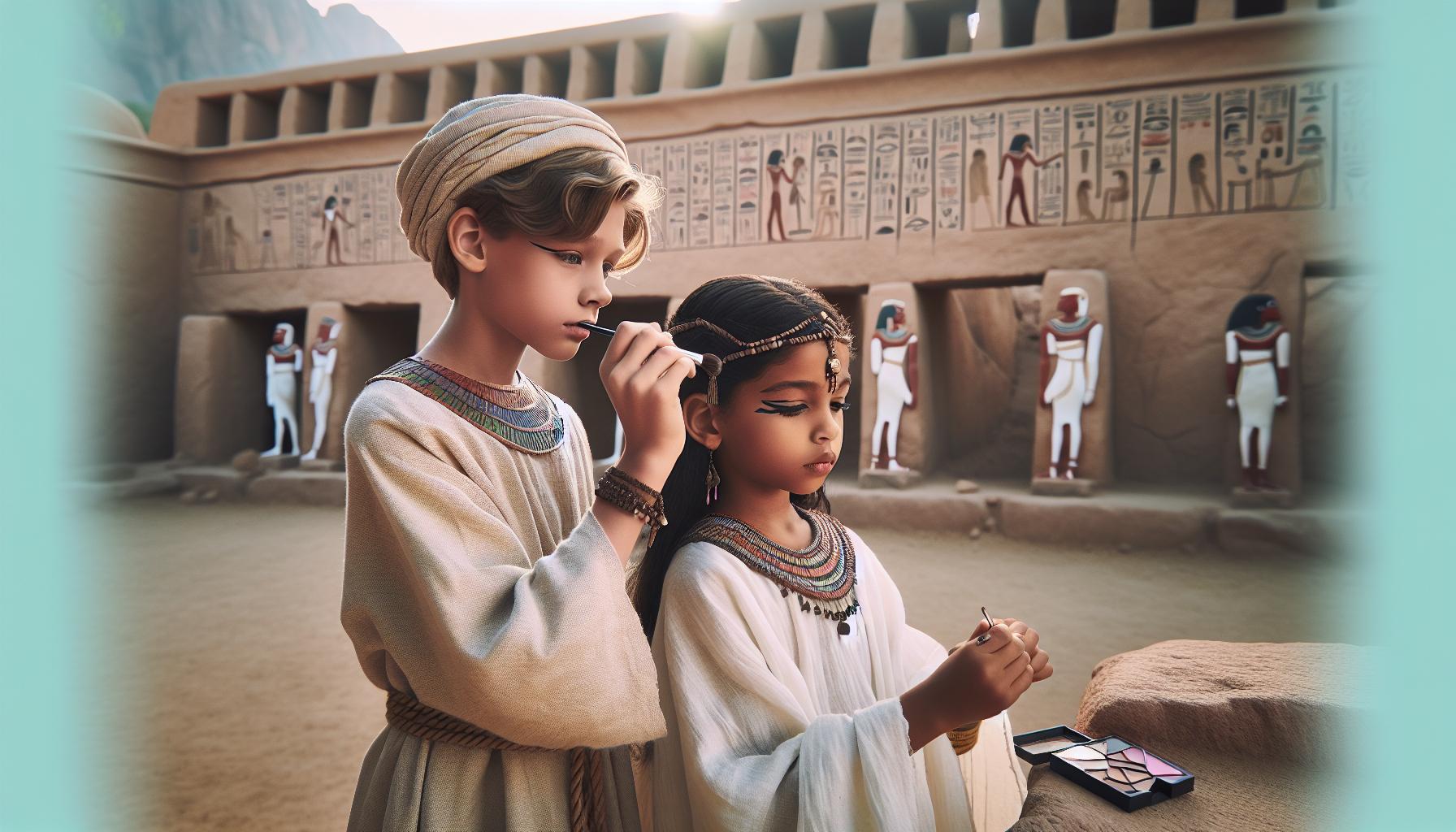
Did Children Use Makeup in Ancient Egypt? Unveiling the Truth
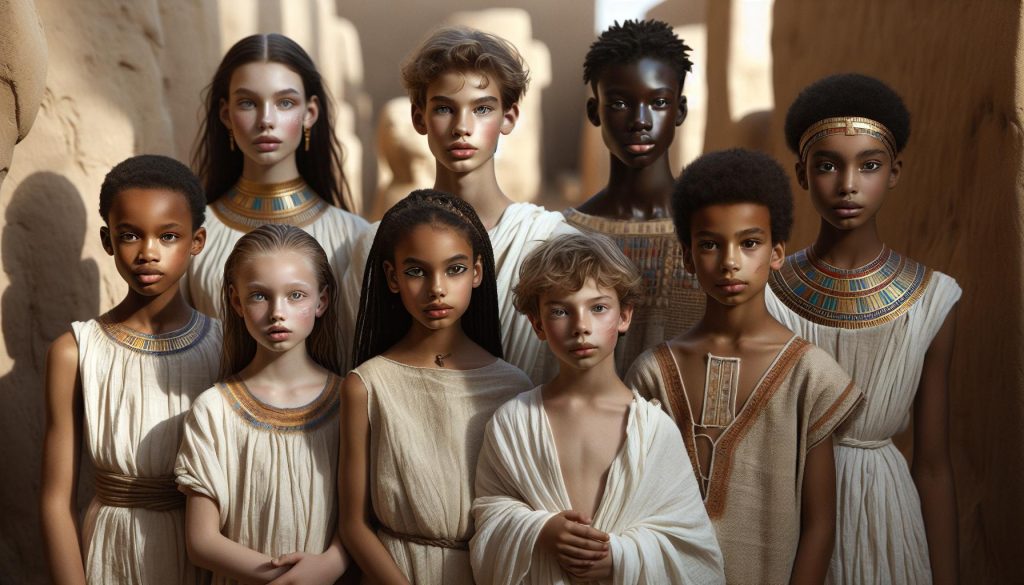
In ancient Egypt, the notion of beauty was deeply ingrained in cultural practices, and this extended to children as well. Historical evidence suggests that kids did, in fact, use makeup, although perhaps not as extensively or in the same manner as adults. Makeup was seen not only as a means of enhancing appearance but also as a protective measure against the harsh elements of the environment and even believed to have magical properties. For instance, kohl, a common eye makeup composed primarily of lead sulfide, was applied to both children and adults to ward off the evil eye and protect the eyes from sun glare.
Children, especially those from affluent families, often participated in the ritualistic aspects of beauty that were prominent in their society. It was common to see them adorned with simple applications of kohl around their eyes, perhaps with less emphasis on intricate designs compared to adult practices. This early exposure was not only about aesthetics but also served to instill cultural values and practices surrounding beauty and health. While much of this practice was influenced by adult trends, the underlying motivations were part of the societal fabric of ancient Egyptian life.
Moreover, the application of makeup among children also had social implications. It signified status and family wealth, establishing early lessons in the cultural significance of beauty. Given that ancient Egyptians held strong beliefs in the afterlife, some cosmetics were believed to be crucial in ensuring beauty in the next world as well, demonstrating how entrenched these practices were in their overall worldview. Just as adults adopted beauty enhancements, children mirrored these actions, indicating the importance of continuity in cultural traditions.
The Cultural Significance of Makeup in Ancient Egypt
In ancient Egyptian culture, beauty and appearance were not merely reflections of individuality; they were deeply woven into the societal fabric and spiritual beliefs of the time. Makeup, particularly for children, signified more than aesthetic enhancement-it was a vital element of cultural identity and religious practice. From an early age, children were introduced to the art of makeup application, which served to instill a sense of pride and belonging within their community. This practice was believed to protect both their physical appearance and their spiritual well-being.
Children, especially those from wealthy families, would often wear makeup like kohl, which was used to darken the eyelids. This wasn’t just for beauty; it was believed to guard against evil spirits and the harsh sun, ultimately symbolizing health and protection. Such practices of adornment were common ritualistic elements, underscoring the importance of beauty rituals in daily life and reinforcing familial and societal status. The application of makeup also held an educational aspect; it was a way for younger generations to learn the values of their culture and the significance placed on aesthetics.
Moreover, makeup application among children highlighted social hierarchies. In a society where wealth was often displayed through elaborate adornments and rituals, cosmetics played an essential role. Wearing makeup was akin to wearing a badge of honor, representing family lineage and wealth. This early initiation into beauty traditions prepared children for their roles in society and signified their place in the social hierarchy.
The profound cultural significance of makeup in ancient Egypt extended into beliefs about the afterlife, where it was thought that retaining one’s beauty was crucial in the journey beyond life. Thus, makeup wasn’t just an everyday necessity but a sacred component of ancient Egyptian life that framed their interactions with the world and their understanding of existence itself. Ultimately, these practices reflect a rich tapestry of belief and tradition, illustrating how beauty standards have long been an integral part of human culture.
Types of Makeup Used by Kids in Ancient Egypt
In the vibrant world of ancient Egypt, makeup was not just a beauty tool but a vital aspect of daily life, even for children. Young Egyptians were often seen adorned with eye makeup, which played a crucial role in their cultural identity and social status. One of the most popular cosmetics was kohl, a black powder made from galena (lead sulfide), used primarily to line the eyes. This darkening agent was thought to protect the eyes from the glaring sun and ward off evil spirits, enhancing both beauty and health.
Aside from kohl, children frequently used malachite, a green mineral, to create a unique eye shadow. This stunning green hue not only was aesthetically pleasing but also symbolized fertility and rebirth, tying beauty to deeper spiritual beliefs. Additionally, red ochre was commonly applied to the cheeks and lips, giving a warm blush that signified vitality. The colors not only enhanced appearance but also reflected the natural pigments available in their surroundings, showcasing the resourcefulness of ancient Egyptian society.
Another interesting aspect of ancient Egyptian makeup included the use of fragrances derived from oils and flower extracts, which children might wear to smell appealing. This practice was believed to help connect them with the divine and enhance their overall well-being. Additionally, the simplicity of application methods-often done by family members teaching the younger generation-further cemented the cultural practices associated with beauty from a young age.
In conclusion, the types of makeup used by children in ancient Egypt were not merely for aesthetic reasons; they served as a means of cultural expression, protection, and even spiritual connection. This early exposure to makeup practices exemplified how integral beauty was within their society, preparing children not just for social interactions but also for their roles in the wider community and religious life.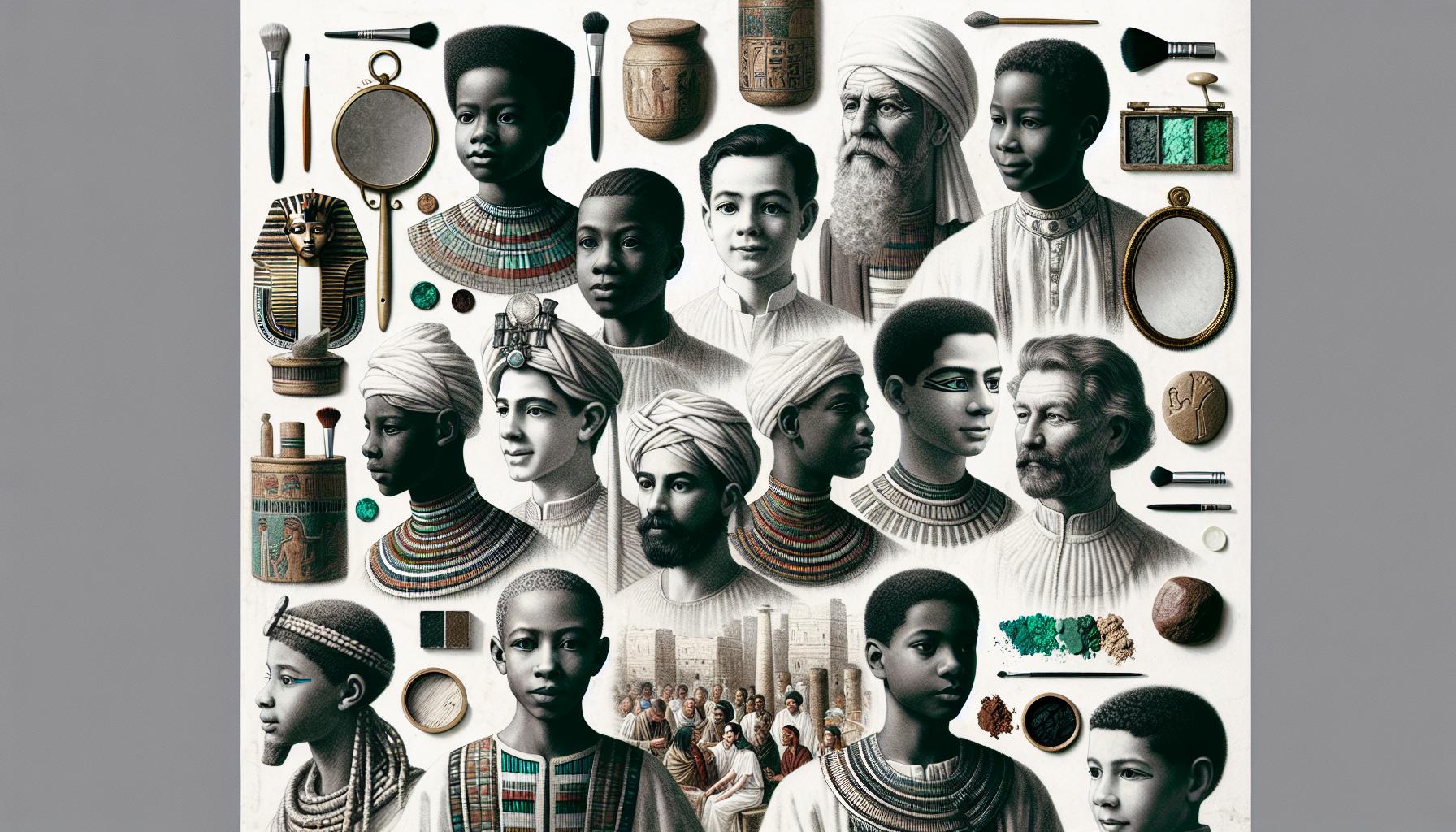
Materials and Ingredients in Ancient Egyptian Cosmetics
In ancient Egypt, the materials and ingredients used for cosmetics were as diverse as they were fascinating, reflecting the culture’s intricate relationship with beauty and protection. Children, just like adults, utilized these natural materials for various cosmetic purposes, which often held deeper meanings beyond mere aesthetics.
One of the most significant ingredients was kohl, a black powder composed primarily of galena (lead sulfide). This was not only used to enhance the eyes but also believed to provide protection from the harsh desert sun and evil spirits. Applying kohl was often a rite of passage for young Egyptians, symbolizing their entry into the world of beauty and self-expression.
Another popular cosmetic was malachite, a green mineral crushed into powder for use as an eye shadow. The vibrant green hue symbolized renewal and fertility in ancient Egyptian culture, closely tying beauty with spiritual significance. Meanwhile, red ochre was commonly applied to the cheeks and lips, providing a lively flush. This natural pigment, derived from clay, was easily accessible and showcased the Egyptians’ ability to turn their environment into tools for beauty.
In addition to coloring agents, ancient Egyptians incorporated fragrances into their makeup routine, derived from natural oils and floral extracts. These not only enhanced personal scent but were believed to elevate one’s divine connection and overall well-being. Young boys and girls alike would wear these delightful fragrances, often passed down through generations, making fragrance a popular family tradition.
The simplicity of these materials illustrates how ancient Egyptians loved to beautify themselves using accessible resources. This practice provided a sense of community and continuity, as family members would teach the younger generation how to apply makeup using these safe, natural products. In essence, the use of these materials represented not just beauty standards but also cultural heritage, shaping how ancient Egyptians, including their children, were seen and understood within their society.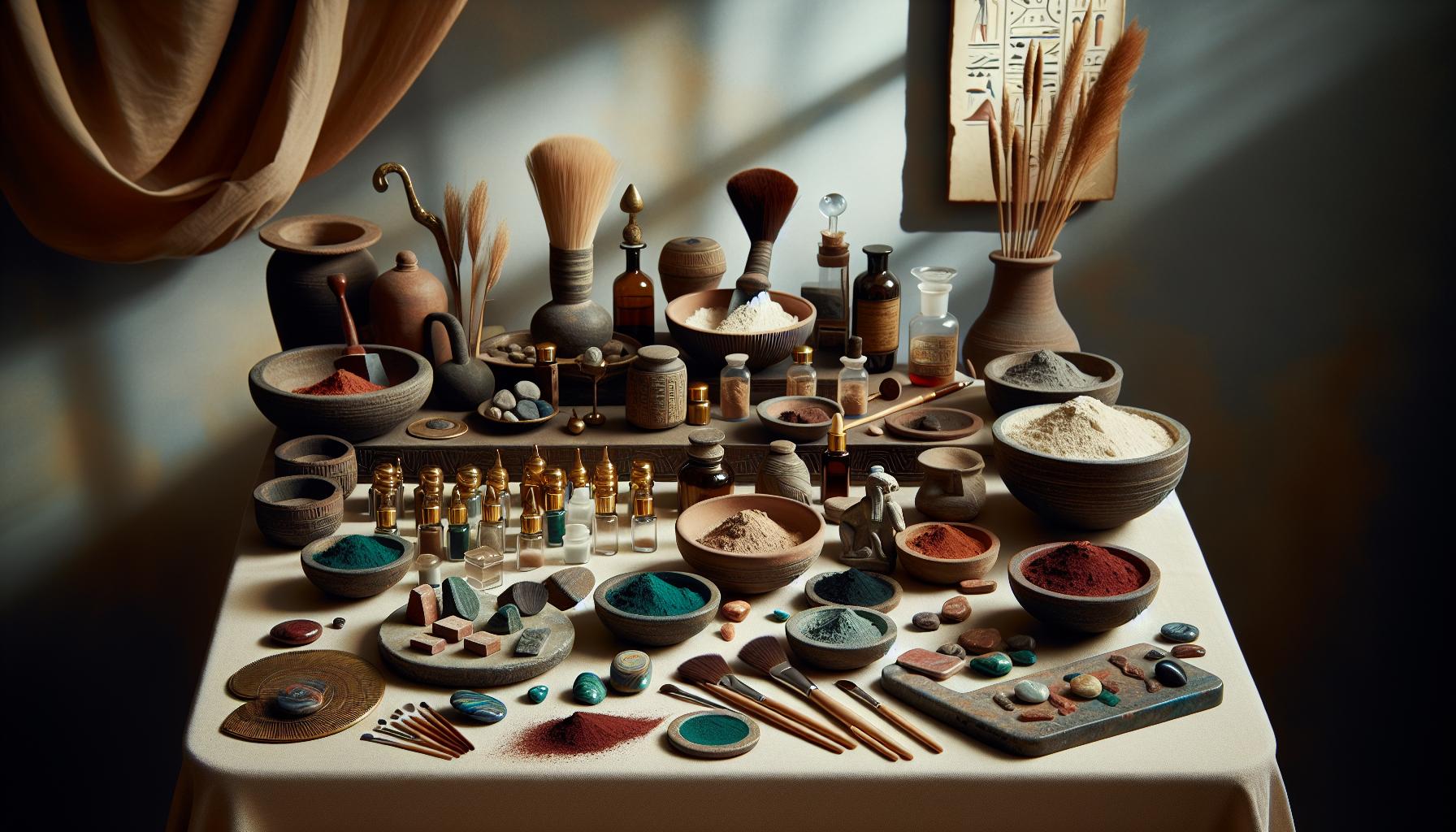
Makeup Application Techniques Used by Young Egyptians
In ancient Egypt, the art of makeup application was not merely a creative endeavor but a cherished tradition that even young children participated in. This wasn’t just about aesthetics; it was about identity, cultural significance, and preparation for social roles. Understanding how these young Egyptians applied their makeup provides valuable insights into their everyday lives and values.
Children often began their makeup journey by learning from family members, making the application process a communal and educational activity. To apply kohl, the most popular eye makeup, they would use a small stick or tool to carefully line their eyes. This practice was typically initiated at a young age-some as early as four or five years old-symbolizing the beginning of their journey into adulthood and self-expression. It was common to mix the kohl with oils to make it easier to apply and to enhance its staying power against the Egyptian sun.
Steps for Applying Ancient Egyptian Makeup
When it came to the actual makeup application, young Egyptians followed a few straightforward techniques:
- Preparation: Before applying kohl or malachite, children typically washed their face with water to create a clean canvas.
- Eye Makeup: With a steady hand, they would dip a stick or their fingers into kohl and glide it along the upper and lower lash lines, often extending it slightly beyond the outer corners for that characteristic almond shape.
- Eye Shadow: For those using malachite, crushed powder was gently patted onto the eyelids using their fingertips or a small brush, allowing the vibrant green to stand out against their skin.
- Cheeks and Lips: To add color on their cheeks and lips, they might dab a small amount of red ochre and blend it with their fingers for a natural flush. The practice was less about bold statements and more about subtle enhancement.
The sense of accomplishment and pride was palpable for children learning these techniques, as they were not simply applying makeup, but embracing a significant aspect of their cultural identity. Applying fragrance was also an important step-children often used scented oils, which were not only pleasing to the senses but believed to connect them to the divine.
In a society where beauty was closely linked to health and spirituality, the techniques employed by young Egyptians in their makeup rituals were a blend of art and tradition. This early exposure to beauty practices would later influence their adult lives, reinforcing the importance of aesthetics, community, and cultural expression. Through these techniques, we can appreciate how ancient Egyptians understood the concept of beauty as a fundamental aspect of their daily lives, a practice very much alive and evolving even in modern society.
Historical Evidence and Archaeological Findings
The use of makeup in ancient Egypt, especially among children, is well-documented through various . Artifacts, tomb paintings, and literary references shed light on the practices and significance of cosmetics in daily life. For instance, many tomb murals depict children with distinctive eye makeup, resembling the practices observed in adult society. These depictions serve as a visual testament to the cultural importance placed on beauty and self-expression from a young age.
Archaeological excavations have unearthed a variety of cosmetic containers, tools, and remnants of actual cosmetics. For instance, small jars made from alabaster or pottery often contained kohl, a dark mineral used for eye makeup, and were sometimes found in children’s tombs. This discovery suggests that the practice was not merely a vanity project but tied deeply to ritual and cultural identity, as these items were believed to accompany the deceased into the afterlife.
Additionally, some ancient texts reference the preparation and application of cosmetics, providing insights into the techniques used by the youth. Descriptions of how kohl was mixed with oils and applied highlight a tradition that involved careful artistry, reminiscent of modern beauty practices. The evidence indicates that these early experiences with makeup were integral to socialization, allowing children to absorb cultural norms regarding appearance and identity.
In summary, the historical and archaeological records affirm that the practice of using makeup among children in ancient Egypt was significant. They not only show how beauty was valued in society but also illustrate the transmission of cultural practices across generations, reinforcing community bonds and individual identity through the art of makeup application.
Comparative Insights: Kids’ Makeup in Other Ancient Cultures
The practice of children wearing makeup is not limited to ancient Egypt; similar customs can be observed in various other ancient cultures, each reflecting unique beliefs and social norms. In ancient Greece, for instance, children were adorned with simple cosmetics that mirrored the ideals of beauty prevalent in their society. Young girls often used a rudimentary form of white lead to lighten their skin, emphasizing the Greek preference for pallor as a sign of wealth and leisure. By the time they reached adolescence, the application of oils mixed with natural pigment became more sophisticated, as beauty was considered essential in forming advantageous social connections.
Moving further east, ancient China also cultivated a culture of beauty among its youth. Children, especially girls, began using face powders made from rice and other natural ingredients at a young age. By emphasizing their delicate features, youths were prepared for a society that placed great importance on feminine beauty and grace. The use of colorful pigments derived from plants for theatrical performances was common, especially among those in theatrical schools, and these early experiences laid the groundwork for future beauty practices.
The Mesopotamians had a different approach, where both boys and girls engaged with cosmetics. Eye cosmetics like kohl were popular, and children often mimicked the adults’ use of these products to signify maturity. Makeup in this context was seen as a protection against the harsh sun and the “evil eye,” showing how beauty rituals intertwined with spiritual beliefs.
By examining these various historical contexts, it becomes clear that the significance of cosmetic use among children extended beyond mere aesthetics. Whether for social standing, cultural expression, or protective purposes, makeup was a fundamental part of upbringing in many ancient cultures. This shared thread highlights how societies across the globe have valued beauty and self-expression, setting important foundations for contemporary beauty standards today.
Myths and Misconceptions about Ancient Egyptian Makeup
Ancient Egyptian makeup has often been surrounded by a veil of myths and misconceptions, particularly concerning its use among children. Many people might believe that makeup was strictly a luxury for the upper classes or solely for adult women, but that’s not entirely accurate. In reality, makeup held essential cultural significance for young Egyptians as well. It wasn’t just about aesthetics; it also carried protective properties and was intertwined with spiritual beliefs, reflecting a society that valued beauty from a young age.
One common myth is that children primarily used makeup to enhance their beauty or conform to adult norms of attractiveness. However, ancient Egyptians believed that makeup, particularly eye paint made from kohl, offered protection against the harsh sun and the potential evil spirits. This practical application is often overlooked when discussing its use among youth. Children would wear kohl not just to look good but as a shield-much like adults who wore it in daily life.
Another misconception is that all ancient Egyptian makeup was made from toxic substances. While it’s true that some makeup contained harmful ingredients, many formulations were natural and derived from minerals, plants, and oils. For instance, ground malachite and ochre were popular choices, providing vibrant colors without the health concerns associated with more modern cosmetics. This myth highlights the importance of understanding the context and benefits of ancient practices rather than merely judging them through a contemporary lens.
Furthermore, there’s a belief that makeup was used only during special occasions or by specific social groups. In truth, many Egyptian families likely introduced their children to makeup in their daily routines, similar to how parents today might encourage their children to explore beauty products for fun. This early exposure would have normalized makeup as part of daily life, blending practicality with cultural rites.
Ultimately, recognizing these myths and misconceptions helps us appreciate the multifaceted role makeup played in ancient Egyptian society, especially for children. Makeup was not merely an adult preoccupation; it was a vital part of cultural identity, social practices, and even childhood education, demonstrating how deeply ingrained beauty and protection were in their everyday lives.
The Influence of Ancient Egyptian Beauty Standards Today
The enduring influence of ancient Egyptian beauty standards can be seen in today’s beauty and skincare practices, highlighting how aesthetics have evolved yet remain rooted in historical customs. For many, the concept of beauty transcends mere appearance; it embodies ideals of health, protection, and cultural significance-principles deeply embedded in the rituals of ancient Egypt. The practices surrounding makeup in this ancient civilization have laid a foundation that resonates even now, particularly in how societies perceive beauty and identity.
One of the most notable aspects of ancient Egyptian makeup was its dual purpose-it wasn’t just about looking good. Children who wore kohl, for example, were not only following cultural practices but also gaining protection against the sun and potential threats from evil spirits. This protective value still holds relevance today; many modern cosmetic products, particularly sunscreens and skincare items infused with protective properties, echo this historical sentiment. Brands frequently market products that combine beauty with functional benefits, such as UV protection or anti-aging properties, which speaks to the lingering influence of ancient values.
Another fascinating point is how the vibrant colors and styles used by ancient Egyptians have inspired contemporary trends. The bold use of eye makeup, especially eyeliner and eyeshadow, continues to thrive across cultures. Think of today’s cat-eye look or colorful eyeshadows reminiscent of the stunning hues favored by ancient Egyptians. When consumers opt for bold eye makeup, they are unconsciously linking themselves to this rich historical tradition, embodying the same confidence and creativity that young Egyptians once displayed.
Furthermore, the societal importance placed on beauty in ancient Egyptian culture is reflected in the modern beauty industry’s approach to inclusivity and representation. Today’s brands recognize the diverse definitions of beauty, much as the Egyptians did through their varied use of cosmetics enhanced by local resources. This acknowledgment invites individuals from different backgrounds to embrace their unique beauty, mirroring how beauty was cherished in ancient Egypt as a vital part of identity and social interaction.
Interestingly, while our understanding of beauty has become more complex, the desire to express oneself through makeup remains unchanged. For children today, wearing makeup can serve similar functions: from playful self-expression to a way of embracing cultural roots and traditions. The rituals surrounding beauty practices, whether they’re new or ancient, are essential in fostering confidence and community, illustrating that the relevance of ancient Egyptian beauty standards continues to permeate modern life. This enduring legacy is a testament to the profound impact that historical practices have on our contemporary grooming and beauty landscapes.
How Ancient Egyptian Makeup Tells Us About Their Society
In ancient Egypt, makeup was far more than a tool for enhancing beauty; it served as a cultural artifact that revealed insights about their societal values and daily life. The widespread use of cosmetics among both adults and children reflects a civilization that placed great emphasis on aesthetics, health, and spiritual beliefs. It’s fascinating to consider how something as simple as makeup can provide us with a window into the norms, practices, and aspirations of an entire society.
Children in ancient Egypt often wore kohl around their eyes, not only for decorative purposes but also for its believed protective qualities against the evil eye and harsh sunlight. This practice indicates that even at a young age, Egyptians were taught the importance of beauty and protection, intertwining their aesthetic choices with health and spirituality. The presence of makeup in children’s lives reflected the social expectation to adhere to beauty standards set by the society, demonstrating how values were instilled from a young age.
Additionally, the materials and ingredients used in ancient Egyptian cosmetics tell us a lot about their trade networks and access to resources. For instance, the use of malachite and other minerals for green eyeshadow illustrates not only an appreciation for vibrant colors but also indicates a complex economy where various goods were traded. This suggests a level of sophistication in society, as they valued aesthetics and environmental resources. The cosmetics also played a role in reinforcing social hierarchies, as the use of certain materials or styles may have been restricted to specific social classes or roles.
Ultimately, the cosmetic practices of ancient Egyptians point to a society that celebrated beauty, connected it to health and spirituality, and built communal identity around these ideals. Their makeup rituals can be seen as a form of communication, conveying status, beliefs, and values not only to the individuals wearing it but also to the wider community. Understanding these practices helps illuminate the fascinating ways in which beauty standards have evolved and continue to influence not just individual identity but broader social cohesion.
Lessons from Ancient Egyptian Makeup for Modern Day Use
In ancient Egypt, makeup was an integral part of daily life, reflecting values that still resonate today. The ancient Egyptians believed that cosmetics served a protective role beyond mere beautification. This idea can inspire modern practices, encouraging us to view beauty rituals not just as superficial applications but as forms of self-care that enhance our confidence and wellness.
When contemplating the lessons from ancient Egyptian makeup, one of the most remarkable aspects is their emphasis on natural materials. Ingredients like kohl and malachite were readily available and endowed with symbolic significance. For today’s beauty enthusiasts, this serves as a poignant reminder to seek out products made from natural and ethical ingredients. Not only does this help the environment, but it also often results in cosmetics that are gentler on the skin. Always check the ingredient list for natural options like plant-based oils or minerals that provide both aesthetic appeal and skin health benefits.
The application techniques of ancient Egyptians can also inform modern beauty routines. For example, the use of kohl was not only for creating a striking look but was believed to protect the eyes from the harsh sun. Today, we can adopt similar strategies by choosing cosmetics that include SPF or antioxidant properties. Moreover, the practice of layering products, as ancient Egyptians did, can enhance both the longevity and effectiveness of our makeup. Start with a lightweight primer, followed by foundation, and then finish with a setting spray to lock everything in place.
Finally, the communal aspect of beauty in ancient Egypt highlights the importance of sharing and learning from others. Beauty practices were often shared among friends and family, creating bonds and traditions. In modern times, consider making makeup application a shared experience. Host makeup nights, gather tips from friends, or even explore beauty influences from various cultures. This not only broadens your perspective but nurtures meaningful connections through a shared appreciation of beauty.
By embracing these ancient lessons, we not only enrich our beauty routines but also deepen our connection to the cultural significance of our choices. When you approach makeup with purpose, combining self-care with the rich history behind it, you create a beauty regimen that is not only effective but also meaningful.
Faq
Q: Did children in ancient Egypt wear makeup?
A: Yes, children in ancient Egypt did wear makeup, though typically less than adults. It was often applied for aesthetic purposes and to showcase family status. Light use of kohl around their eyes was common, reflecting the cultural significance of beauty and health during that time.
Q: What types of makeup did young Egyptians use?
A: Young Egyptians primarily used kohl for eye makeup to enhance their eyes and ward off the evil eye. Additionally, some used natural pigments for face and body decoration. The makeup emphasized beauty and often had spiritual connotations, linking it to their societal beliefs.
Q: Why was makeup important for children in ancient Egypt?
A: Makeup in ancient Egypt was important for children as it symbolized health and beauty. It contributed to their social identity and was a way to instill the values and customs of their culture from a young age. The use of makeup also served protective and aesthetic functions.
Q: What materials were used in ancient Egyptian makeup for kids?
A: Ancient Egyptian makeup for children was made from natural materials like kohl (a form of galena or soot), malachite for green eye shadow, and ochre pigments for skin tone enhancement. These ingredients were chosen for their availability and effectiveness, reflecting their environmental resources.
Q: How did children apply makeup in ancient Egypt?
A: Children applied makeup using simple tools like wooden sticks or fingers to apply kohl around their eyes. Application was a communal activity, often involving family members, which further reinforced social bonds and cultural practices surrounding beauty.
Q: What was the cultural significance of makeup for kids in ancient Egypt?
A: The cultural significance of makeup for kids in ancient Egypt extended beyond aesthetics. It represented social status, family wealth, and was often linked to religious practices. By wearing makeup, children participated in cultural rituals and learned societal norms regarding beauty.
Q: How does ancient Egyptian makeup differ from modern children’s makeup?
A: Ancient Egyptian makeup was primarily functional, focusing on health and spiritual protection, while modern children’s makeup is often more oriented towards self-expression and creativity. Additionally, ancient makeup used natural materials, whereas today’s products include synthetic ingredients with a focus on safety and variety.
Q: Are there myths about children’s use of makeup in ancient Egypt?
A: Yes, one common myth is that makeup was solely for adults in ancient Egypt. In reality, children also participated in this practice, which reflects the society’s broader beliefs about beauty and protection. This misconception stems from a general focus on adult customs in historical narratives.
In Retrospect
Exploring how kids adorned themselves with makeup in Ancient Egypt reveals fascinating insights into their culture and societal norms. It’s clear that these practices were part of daily life, not just for beauty but also for protection and identity. If you’re eager to learn more about other captivating beauty rituals from history, check out our article on “The Evolution of Beauty Standards Through the Ages” and “Ancient Beauty Secrets from Civilizations Worldwide.”
Now that you’re armed with this knowledge, why not share your thoughts? Leave a comment below-I’d love to hear what you think. And if you found this information enlightening, please share it with friends who might enjoy it as well! For ongoing tips and updates on all things beauty and wellness, consider signing up for our newsletter. Keep exploring, and let’s keep the conversation going about the fascinating world of beauty across time and cultures!
Get our latest guides, news, and insights highlighted in your Google Search & AI Overviews.