
Have you ever wondered about the right order to apply your skincare products? Using toner before or after cleanser can significantly impact your skin’s health. Many people don’t realize that applying these products in the wrong sequence can lead to clogged pores or reduced effectiveness. By understanding the correct order and benefits of each step, you can enhance your routine and achieve that radiant glow you desire. In this article, we’ll dive deep into the topic, sharing expert insights and actionable tips that will help you master your skincare regimen. Let’s explore how the order of application matters and why it’s a game-changer for your skin!
Understanding Skin Care Basics: What is a Toner?
Toners often raise eyebrows, and many people wonder if they truly need one in their skincare routine. These products play a crucial role in preparing your skin for the next steps in your regimen. A toner is a liquid formulation that can help cleanse impurities, balance the skin’s pH, and enhance the absorption of subsequent products. By incorporating a toner, you can create a smoother canvas for serums and moisturizers, ensuring they penetrate better and work more effectively.
When choosing a toner, consider its main ingredients and their benefits. For example, toners containing salicylic acid are great for combating acne, while those with hyaluronic acid can provide a welcome hydration boost. A good toner not only addresses your skin concerns but also refreshes and preps your skin after cleansing, making it feel clean and revitalized. If you have oily or combination skin, a toner can effectively help unclog pores and minimize their appearance, contributing to a clearer complexion.
As you explore the concept of toners, remember that they should complement your cleanser rather than replace it. Using a toner after cleansing can help tighten pores and reduce the appearance of blemishes, setting the stage for a well-rounded skincare routine. Whether you’re dealing with dryness, excessive oil, or uneven skin tone, the right toner can be your secret weapon for achieving healthier, more radiant skin.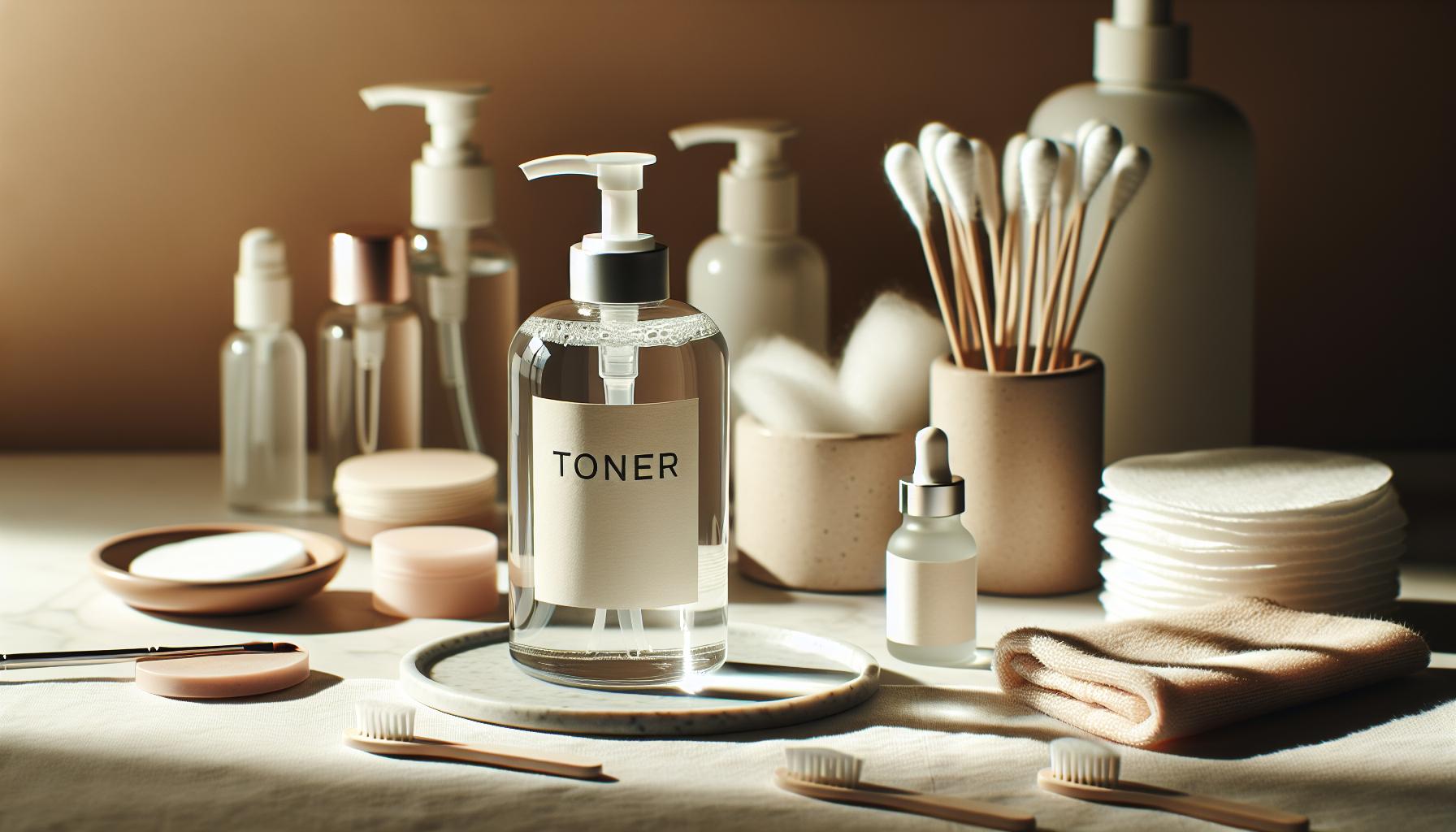
The Essential Role of a Cleanser in Your Routine
To achieve truly radiant skin, starting with an effective cleanser is key. Cleansers are your first line of defense against dirt, oil, and impurities that accumulate throughout the day, and they lay the groundwork for all subsequent steps in your skincare routine. Think of cleansing as the essential step that prepares your skin to absorb the benefits of products that follow, including toners, serums, and moisturizers.
A good cleansing routine removes makeup, pollutants, and excess oil, promoting a clean slate for your skin. This initial step is vital because, without properly cleaning your skin, even the most luxurious serums and toners can become less effective. Cleansers come in various forms-gel, foam, cream, or micellar water-so it’s important to choose one that aligns with your skin type. For example, a gel cleanser works well for oily skin, while a cream-based option is ideal for those with dry or sensitive skin.
In addition to removing impurities, cleansers help to maintain your skin’s natural moisture balance. It’s essential to use a gentle formula that doesn’t strip your skin of its protective barrier. Look for cleansers with hydrating ingredients like glycerin or aloe vera, which ensure your skin feels fresh and nourished post-wash. Remember, a consistent cleansing routine is a simple yet powerful way to enhance your skin health and prepare it for the benefits of using toner and other skincare products.
By appreciating the role of cleansing, you can set the right tone-pun intended-for the rest of your skincare routine, leading to a healthier, more vibrant complexion.
Toner Before or After Cleanser: The Expert Opinion
Using toner in your skincare routine can sometimes spark confusion, especially regarding whether it should be applied before or after a cleanser. The consensus among skincare experts underscores a simple truth: cleansing should always come first. This is because the primary purpose of a cleanser is to remove impurities, excess oil, and any leftover makeup, giving your skin a clean slate. Only after this step can toner effectively fulfill its role in the routine.
Toners are designed to refine pores, balance your skin’s pH, and prep it for the next steps in your regimen-think serums and moisturizers. If you apply toner before cleansing, you’re essentially wasting the toner as it will be stripped away with the cleanser. The right sequence ensures that the active ingredients in your toner can penetrate the skin more effectively. For instance, applying a hydrating toner can boost your skin’s moisture level, enhancing the absorption of the subsequent products.
Moreover, while many toners have astringent properties that can help control oil and reduce the appearance of pores, they’re most effective when applied to a clean surface. For example, using a toner infused with witch hazel or rosewater immediately after cleansing allows it to refresh and soothe your skin, addressing any irritation and minimizing pores without interference from residual makeup or dirt.
In summary, always remember to cleanse first. This not only maximizes the benefits of your toner but also sets the stage for your products to work wonders on your skin, leading to a healthier, more radiant complexion.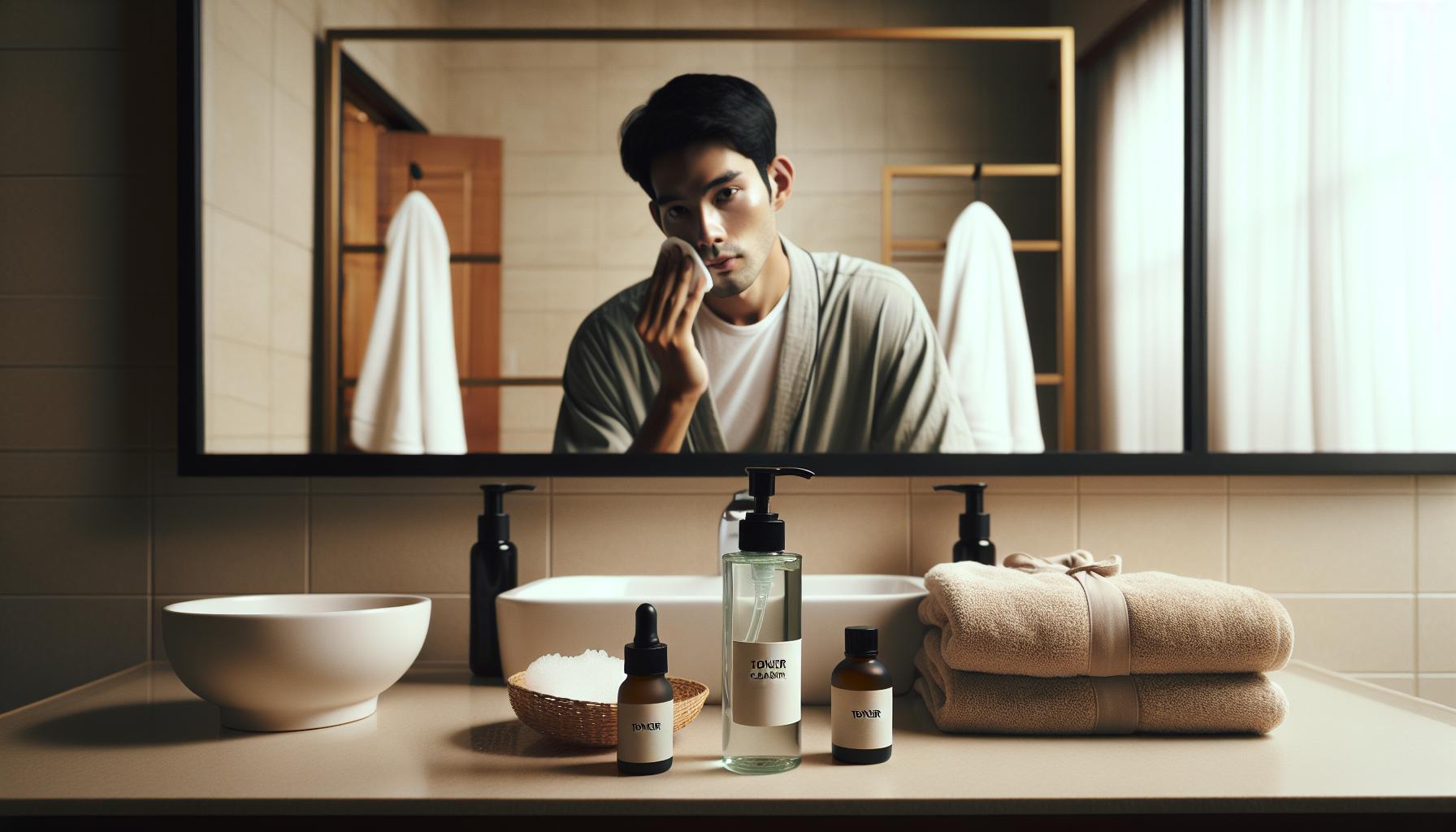
Common Misconceptions: Where Did the Confusion Start?
Confusion surrounding the use of toner often stems from a mix of outdated practices and misinformation. Many people grew up hearing different skincare routines from friends, family, or even through beauty marketing, which can lead to uncertainty about whether toner should be used before or after cleansing. In some cases, toners were historically formulated as a primary cleaning agent, leading individuals to believe they should apply it first, much like a liquid exfoliant. This misconception still lingers today, despite a shift in how we understand toner’s function in a skincare routine.
A further complication arises from the marketing of toners. With labels touting benefits like “clarifying” or “purifying,” consumers may assume toners serve as standalone cleaners. However, the modern definition of a toner is more about balancing the skin and preparing it to absorb other products rather than serving as a washing agent. This misunderstanding can lead to individuals using toner incorrectly, often skipping the crucial cleansing step that allows toner to work optimally.
Additionally, trends in skincare can mislead consumers. For instance, the popularity of the Korean skincare routine has introduced various multi-step approaches, confusing the sequential purpose of products. Some might see influencers applying toner with a cotton pad before washing their face and replicate this step without understanding its origin and function. Therefore, it’s essential to approach skincare with a clear understanding of each product’s purpose, revealing that applying toner after cleansing-the right order-maximizes benefits without negating the product’s efficacy.
Finally, the diversity of skin types and products available can leave consumers overwhelmed. With so many toners claiming unique properties-like astringent, hydrating, or soothing-it can be challenging to understand how and when to use them. The key takeaway is that educating oneself and following the established order of applying toner after cleanser unlocks the full spectrum of benefits each product offers, making your skincare routine effective and enjoyable.
How to Effectively Layer Your Skin Care Products
To achieve radiant, healthy skin, how you layer your skincare products can make all the difference. The order in which you apply your products matters significantly, as it determines how effectively your skin absorbs them. Starting with a clean slate is crucial, which is why the cleansing step always comes first. After cleansing, the next step is to use toner, which prepares your skin for subsequent products by restoring pH balance and removing any lingering impurities.
After applying toner, you can begin layering treatment products such as serums. For best results, follow this simple order: start with water-based products (like hydrating serums), followed by thicker, oil-based treatments. This helps your skin absorb the lighter formulas first. If you have specific concerns-say, acne or pigmentation-apply targeted treatments before moving on to moisturizers. To seal in hydration, finish off your routine with a moisturizer that suits your skin type, ensuring it locks in the benefits of all the products used before.
When layering, it’s also important to allow each product to absorb fully before moving to the next. This typically takes about 1-2 minutes-enough time to let your skin absorb the goodness without feeling overloaded. A handy tip for those with oily skin is to opt for lightweight gels or serums that hydrate without adding extra oil. Alternatively, individuals with dry skin may benefit from creamier moisturizers that provide added nourishment.
In summary, thoughtful layering not only maximizes the efficacy of your skincare routine but also transforms your application into a rejuvenating ritual. By following the right sequence-cleanse, tone, treat, and moisturize-you’ll pave the way for healthier skin, ready to face the day confidently.
The Benefits of Using Toner in Your Routine
Using a toner in your skincare routine can transform your approach to skin health by enhancing the effectiveness of your other products. This often-overlooked step not only refreshes the skin but also offers practical benefits that contribute to a more balanced complexion.
One of the primary roles of toner is to restore your skin’s pH balance after cleansing. Many cleansers, especially foaming types, can strip the skin of its natural acidity, leaving it more susceptible to irritation and dryness. A good toner helps to quickly return your skin to its ideal state, acting as a barrier against environmental stressors. Additionally, toners can remove any leftover traces of makeup and impurities that may have lingered post-cleansing, ensuring your skin is perfectly prepared for the next steps in your routine.
Another key benefit is that toners can improve the absorption of subsequent products, such as serums and moisturizers. By prepping the skin with a toner, you create a hydrated base that allows these treatments to penetrate more deeply and work more effectively. For instance, if you’re using a hydrating serum, applying it on slightly damp skin (after toner) can amplify its benefits, maximizing hydration and nourishment.
Moreover, different types of toners are available to cater to various skin concerns. Whether you’re dealing with dryness, oiliness, or sensitivity, there’s likely a toner formulated to meet your needs. For instance, an alcohol-free toner with soothing ingredients like aloe vera can benefit sensitive skin, while an exfoliating toner containing ingredients like salicylic acid can help those with acne-prone skin.
In summary, incorporating a toner into your skincare regimen not only enhances your routine’s effectiveness but also nurtures your skin with the balance and hydration it craves. By understanding its benefits, you’re better equipped to make informed choices that align with your skin’s needs, ensuring you enjoy a healthy, radiant complexion.
Choosing the Right Cleanser and Toner for Your Skin Type
is essential for achieving and maintaining a healthy complexion. A personalized approach can make all the difference in how your skin reacts to products and how effectively they work. Let’s break it down to help you find the best match for your unique skin concerns.
Start by identifying your skin type, which generally falls into one of four categories: oily, dry, combination, or sensitive. For oily skin, look for a cleanser that contains salicylic acid or benzoyl peroxide to help unclog pores and control excess oil. Pair it with a toner that contains witch hazel or tea tree oil, which can tighten pores and reduce shine. On the other hand, if you have dry skin, opt for cream-based cleansers that contain hydrating ingredients like glycerin or shea butter. A hydrating toner, perhaps infused with rose water or aloe vera, can help lock in moisture.
When selecting products for combination skin, balance is key. Choose a gentler foaming cleanser that cleanses without overdrying, and a toner containing both exfoliating and moisturizing properties-a product with alpha hydroxy acids (AHAs) can promote cell turnover while maintaining hydration. For those with sensitive skin, focus on fragrance-free, hypoallergenic options. A gentle, non-foaming cleanser, along with an alcohol-free toner with soothing ingredients like chamomile or cucumber, can help minimize irritation.
No matter your skin type, always remember that the order of application matters. Using a cleanser correctly removes dirt and impurities, allowing toner to work its magic by refining and prepping your skin for subsequent treatments. By selecting the right products that suit your skin’s specific needs, you set the foundation for a glowing and revitalized complexion.
In summary, understanding the intricate relationship between your cleanser and toner based on your skin type can greatly enhance your skincare routine. By aligning your choices with your skin’s unique characteristics, you’ll foster a regimen that not only cleanses but also nourishes, paving the way for truly radiant skin.
Timing Matters: When to Use Toner and Cleanser
Using toner correctly can elevate your skincare game significantly, but many people still wonder: should toner be applied before or after cleanser? To clear the air, the order does matter and plays a crucial role in your skin’s health. Cleanser should always come first in your routine. This step is essential because cleansers remove dirt, makeup, and excess oils that accumulate on your skin throughout the day. By starting with a cleanse, you prepare your skin to better absorb the benefits of the toner that follows.
After cleansing, applying toner enhances the effects of your skincare routine. Toner acts as a bridge between cleansing and moisturizing, effectively prepping the skin for the next steps in your regimen. It not only tightens pores and removes any leftover impurities but also restores the skin’s natural pH balance disrupted during cleansing. This makes your skin more receptive to serums and lotions that follow. For example, if you cleanse your face and then apply a hydrating toner, your subsequent moisturizer will penetrate deeper, providing optimal hydration.
To maximize the benefits, use your toner immediately after cleansing while your skin is still slightly damp. This can help lock in moisture and amplify the soothing effects of the toner. Simply pour a small amount onto a cotton pad or your palms and gently press it into your skin, covering all areas evenly. If you have specific skin concerns, choose a toner with active ingredients that address those issues-like exfoliating acids for oiliness or antioxidants for redness.
In conclusion, remember the sequence: cleanse first, then tone. This straightforward approach will ensure your skin is clean, balanced, and ready for the targeted treatments that will help you achieve that healthy, radiant glow.
Exploring Different Toner Types: A Quick Guide
Understanding the array of toner types available can be daunting, but knowing which one suits your skin can significantly enhance your routine. Toners can typically be classified into several categories based on their primary ingredient and their intended results. Here’s a quick overview of the most common types:
Hydrating Toners
These toners are focused on adding moisture back into the skin. They often contain ingredients like hyaluronic acid, glycerin, or aloe vera, which help to soothe and hydrate. Ideal for those with dry or sensitive skin, hydrating toners can be applied directly after cleansing to prep the skin for better absorption of moisturizers and serums.
Exfoliating Toners
Exfoliating toners usually feature acids such as alpha hydroxy acids (AHAs) or beta hydroxy acids (BHAs) that help to slough off dead skin cells and improve skin texture. They’re perfect for oily or acne-prone skin, as these ingredients can unclog pores and reduce blemishes. Just remember to start slow with these to avoid over-exfoliation-using them a few times a week is often enough to start seeing benefits.
Clarifying Toners
Designed to remove excess oil and impurities, clarifying toners typically contain astringent ingredients like witch hazel or tea tree oil. These are particularly beneficial for those with combination or oily skin types, as they can help minimize shine and prevent breakouts. When using clarifying toners, ensure to follow with a suitable moisturizer to replenish lost moisture.
Balancing Toners
These toners aim to restore the skin’s natural pH after cleansing. They are often alcohol-free and suitable for all skin types, especially sensitive skin. Ingredients like rose water or chamomile extract are common and great for calming irritation and providing a refreshing finish.
When selecting a toner, always consider your specific skin needs. For instance, if you struggle with frequent breakouts, an exfoliating toner may offer the results you’re looking for. Conversely, if your skin feels tight and dry after cleansing, a hydrating toner could make a world of difference.
Ultimately, exploring different toner types can be an exciting step on your skincare journey. Don’t hesitate to test out a few to find the one that resonates with your skin’s unique needs. Remember, your skin is your canvas, and finding the perfect toner can enhance not just your routine but also your overall skin health.
Advanced Techniques: Tweaking Your Routine for Maximum Benefits
When it comes to optimizing your skincare routine, the order of application can significantly influence your results, especially regarding the use of toner and cleanser. Imagine your skin as a canvas; how you prep it can determine how beautifully your artwork comes to life. Using toner correctly involves considering not only the sequence but also the techniques to enhance absorption and effectiveness of subsequent products.
To make the most of your toner, apply it immediately after cleansing while your skin is still slightly damp. This approach allows your toner to hydrate and prep your skin for better absorption of serums and moisturizers to follow. Use a cotton pad or your hands for application-if you opt for your hands, pat a small amount (about a dime-sized) directly onto your skin in gentle, upward motions. This simple act not only boosts hydration but also helps in pushing the product deeper into the skin layers.
Experimenting with your layering technique can yield remarkable benefits. For instance, if you’re using an exfoliating toner, consider applying it with a cotton pad for precise and even distribution. Start by using it 2-3 times a week to gauge your skin’s tolerance to the active ingredients. As your skin adjusts, you may increase usage. On the other hand, if you’re using a hydrating toner, feel free to apply multiple layers by gently pressing the product into your skin. This technique, often referred to as “7 Skin Method,” can enhance hydration and give your skin that coveted dewy glow.
Tracking your skin’s reactions is key. Begin with a consistent routine for a few weeks and take notes on how your skin responds. Are there days when it feels especially dry, or do you notice any irritation? Adjust your application frequency or the type of toner accordingly. Remember, skincare is personal and what works wonders for one person may not for another; being in tune with your skin is vital for creating a routine that feels good and yields results. By tweaking your routine thoughtfully, you unlock your skin’s potential, ensuring each product works harmoniously to enhance your natural beauty.
Real-Life Experiences: User Tips and Tricks for Toner Use
There’s a wealth of user experiences that can enhance your understanding of toner application in your skincare routine, particularly its role before or after cleanser. Many enthusiasts emphasize that toner serves as a bridge between cleansing and moisturizing, elevating the efficacy of your routine. One widely shared tip is to always apply toner immediately after cleansing. Users report that this approach helps to lock in moisture and prepares the skin to absorb serums and moisturizers more effectively. For instance, one user noted that using a hydrating toner straight after cleansing allowed their moisturizer to soak in better, resulting in noticeably plumper skin.
Another common practice among skincare aficionados is to personalize the method of application. While some prefer using a cotton pad to swipe the toner across their face for even coverage, others enjoy the gentle, hands-on approach. One effective tactic shared by a user involves the “7 Skin Method,” where they layer a hydrating toner multiple times, gently patting it into their skin. This method, particularly popular in Korean beauty routines, claims to enhance hydration significantly, with users expressing awe at how radiant their skin looks after just a few days of consistent application.
It’s also essential to heed your skin’s responses. Many individuals start with a low-frequency application-about two to three times a week-and pay attention to how their skin reacts before increasing usage. A user recounted how they initially experienced a mild breakout after using an exfoliating toner daily, but once they adjusted to every other day, their skin balanced out beautifully.
Lastly, don’t shy away from experimentation. Different toners cater to various skin concerns, and finding the right match can lead to impressive results. Community members often share their journey of trial and error, discovering which ingredients, whether exfoliating acids for oily skin or hydrating botanicals for dry skin, worked best for them. By tracking your progress and tweaking your routine based on feedback from your skin, you will pave the way for a glowing and vibrant complexion.
In summary, leveraging personal experiences-whether it’s the timing of toner application or the method used-can provide valuable insights for your routine. The conversation around toners continues to evolve, so staying curious and adaptable is key to achieving the best results.
Frequently Asked Questions
Q: Do you need to use toner every day?
A: Using toner every day can benefit most skin types, particularly oily or acne-prone skin. It helps refine pores and improve texture. However, if you have sensitive skin, consider using it every other day or choosing a gentler toner to avoid irritation.
Q: Can you use toner without cleansing first?
A: While it’s best to cleanse your skin before applying toner, using toner without cleansing can still provide some benefits, such as refreshing the skin. However, it won’t remove dirt or makeup effectively, so cleansing should remain your first step in any skincare routine.
Q: What type of toner should I use for dry skin?
A: For dry skin, look for a hydrating toner that contains soothing ingredients like glycerin, hyaluronic acid, or aloe vera. These will add moisture and help maintain your skin’s barrier without stripping away essential oils.
Q: What are the benefits of using toner before serum?
A: Using toner before your serum can enhance the absorption of active ingredients. Toners help prep the skin by removing any residual dirt and balancing pH levels, allowing serums to penetrate deeper and work more effectively.
Q: How do I choose the right toner for my skin type?
A: To choose the right toner, first identify your skin type: oily, dry, combination, or sensitive. Look for toners based on specific needs; for example, salicylic acid for oily skin, glycerin for dry skin, or calming botanicals for sensitive skin to target those concerns effectively.
Q: Is it necessary to apply toner with a cotton pad?
A: While using a cotton pad to apply toner is traditional and can help remove dead skin cells, you can also apply it directly with your hands for a more hydrating effect. Choose whichever method feels best for your skin and routine.
Q: What should I do if my toner causes irritation?
A: If your toner causes irritation, stop using it immediately and assess its ingredients. Avoid toners with alcohol or strong astringents. Consider switching to a gentler, alcohol-free option or consult with a dermatologist to find suitable products for your skin type.
Q: Can toner help with acne?
A: Yes, toner can help with acne, especially those containing salicylic acid or witch hazel, which target excess oil and minimize breakouts. Incorporating toner into your routine can prevent future acne while balancing your skin’s overall appearance.
Concluding Remarks
Now that you understand the crucial order of using toner and cleanser, it’s time to take action! Remember, applying toner after cleansing helps to balance your skin, remove any residual impurities, and prep it for better absorption of subsequent products. If you still have questions or want to dive deeper into skincare routines, check out our detailed guides on “The Best Skincare Routine for Your Skin Type” and “How to Choose the Right Toner for Your Skin Concerns.”
Don’t forget to share your own skincare experiences in the comments below! Exploring skincare doesn’t stop here; join our newsletter for more tips, insights, and exclusive content tailored to your beauty journey. Let’s continue to enhance your routine for a glowing complexion-your skin will thank you!