When it comes to managing oily or acne-prone skin, the ingredients in your cleanser can make all the difference. Many people wonder whether CeraVe Foaming Cleanser contains salicylic acid, a well-known powerhouse that helps to unclog pores and reduce breakouts. Understanding the formulation can help you choose the right product for your skincare routine, especially if you’re seeking effective yet gentle cleansing solutions. In this article, we’ll dive into the details of CeraVe Foaming Cleanser, exploring its ingredients and how they align with your skincare goals. Curious to learn if this popular cleanser is the right fit for you? Keep reading!
Does CeraVe Foaming Cleanser Contain Salicylic Acid?
CeraVe offers a range of cleansers designed to accommodate various skin types, but the CeraVe Foaming Cleanser itself does not contain salicylic acid. Instead, it’s formulated with a combination of essential ceramides, hyaluronic acid, and niacinamide, making it excellent for gently removing dirt and excess oil without disrupting the skin’s natural barrier. This foaming cleanser is designed primarily for normal to oily skin and focuses on hydrating while effectively cleansing, showcasing a milder approach to skincare.
For those seeking the benefits of salicylic acid-an effective beta hydroxy acid (BHA) known for its ability to exfoliate and help with acne-CeraVe provides specific products that do feature this key ingredient. For example, the CeraVe Renewing SA Cleanser incorporates salicylic acid and is better suited for individuals looking to address concerns such as oiliness, enlarged pores, or acne breakouts. If your primary goal is to leverage salicylic acid as part of your routine, seeking out products specifically labeled as containing it would be beneficial.
In summary, while the CeraVe Foaming Cleanser is a fantastic option for regular cleansing and hydration, it is not the right choice for those specifically looking for salicylic acid. Always check the ingredient list for each product to ensure it aligns with your skin care needs.
Understanding Salicylic Acid and Its Benefits
Salicylic acid is a powerhouse ingredient widely recognized for its remarkable ability to address common skincare concerns, particularly acne. As a beta hydroxy acid (BHA), it penetrates deeper into the pores than most other exfoliators, helping to dissolve the bonds that hold dead skin cells together. This unique action not only aids in the removal of excess oil and debris but also prevents the formation of blackheads and whiteheads, making it a staple for those with oily or acne-prone skin.
In addition to its exfoliating properties, salicylic acid boasts anti-inflammatory benefits that can soothe irritated skin. This is especially beneficial for individuals experiencing active acne breakouts, as it helps reduce redness and swelling. Regularly incorporating salicylic acid into your skincare routine can lead to a clearer complexion over time, as it encourages cellular turnover and helps keep pores clear.
For anyone considering whether salicylic acid is right for their skin, it’s important to note that it’s generally suitable for most skin types, particularly oily and combination skin. However, those with sensitive skin should approach it with caution. Starting with a lower concentration and gradually increasing usage can help your skin acclimate while minimizing potential irritation.
Ultimately, understanding the benefits of salicylic acid can empower you to make informed choices about your skincare products. Whether you’re already familiar with this ingredient or are just discovering its potential, integrating it thoughtfully into your regimen-especially if you struggle with acne-can significantly enhance your skincare journey.
Key Ingredients in CeraVe Foaming Cleanser
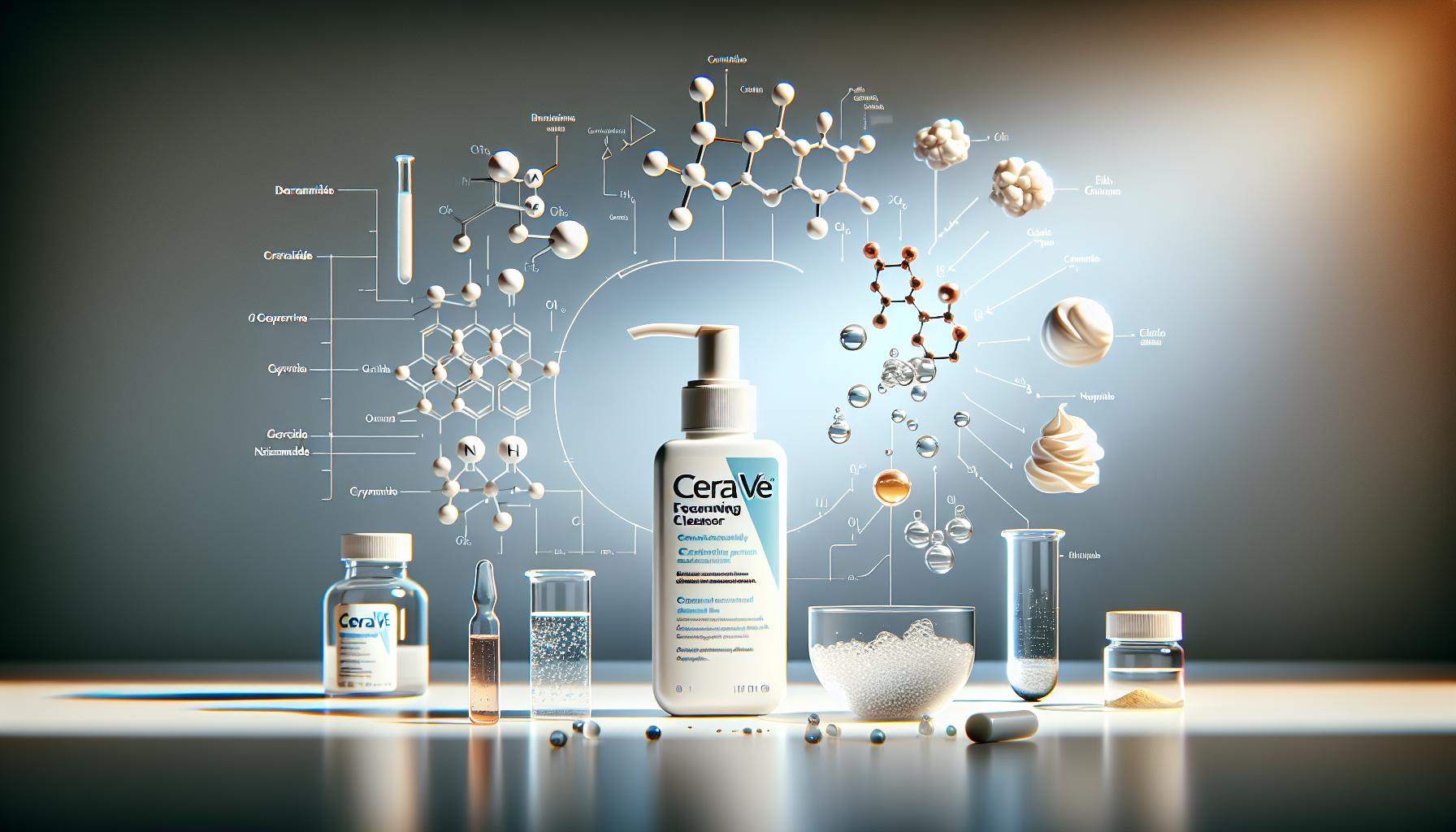
The CeraVe Foaming Cleanser is a favorite among skincare enthusiasts for its ability to cleanse without stripping the skin. While many users are looking for specific active ingredients, it’s important to dig into what this product actually contains.
The include three essential ceramides-Ceramide 1, Ceramide 3, and Ceramide 6-II. These are crucial for restoring and maintaining the skin’s natural barrier. Ceramides help lock in moisture and protect against environmental damage, making them perfect for keeping your skin hydrated and healthy. In addition to ceramides, the formula features hyaluronic acid, which attracts water to the skin, providing an extra layer of hydration. This ingredient is particularly beneficial for anyone experiencing dryness or tightness after cleansing.
Importantly, CeraVe Foaming Cleanser does not contain salicylic acid, which is a common ingredient sought after for acne treatment. Instead, it’s designed for normal to oily skin types and is effective at removing excess oil and impurities without causing irritation. The foaming action helps to create a satisfying lather that leaves the skin feeling refreshed.
For those prone to acne, the gentle formulation helps prevent over-drying, allowing the skin to maintain its natural moisture. The absence of salicylic acid means that while the cleanser is great for everyday use, those specifically looking for targeted acne treatment may consider pairing it with other products that contain salicylic acid for enhanced effectiveness. If you’re keen on incorporating salicylic acid into your routine, consider combining this cleanser with a treatment product designed for acne. By understanding these key ingredients and how they work together, you can make an informed decision that aligns with your skincare goals.
How CeraVe Foaming Cleanser Helps Acne-Prone Skin
Acne-prone skin often requires a delicate balance of thorough cleansing and gentle hydration, and CeraVe Foaming Cleanser offers just that. While it doesn’t contain salicylic acid, which is specifically known for targeting acne, its formulation is designed to support the skin’s condition effectively. This cleanser includes three essential ceramides and hyaluronic acid, which are vital for maintaining moisture and promoting a healthy skin barrier.
For those dealing with acne, maintaining hydration is crucial. Many acne treatments can strip the skin of its natural oils, leading to dryness and irritation. CeraVe Foaming Cleanser addresses this concern head-on. By integrating ceramides, it helps restore the skin’s protective barrier, which is especially important when using other acne-targeting products that may dry out the skin. A well-hydrated skin barrier can effectively fend off environmental stressors that exacerbate acne, ultimately resulting in fewer breakouts.
The foaming action of the cleanser helps efficiently remove excess oil and impurities, a common culprit in acne formation. When using CeraVe Foaming Cleanser, applying a dime-sized amount to damp skin with gentle circular motions for about 30 seconds can facilitate thorough cleaning without causing irritation. This approach ensures that you are cleansing deeply enough to clear the pores yet doing so in a way that doesn’t compromise your skin’s natural moisture.
While this cleanser is beneficial for daily use in managing acne-prone skin, pairing it with a targeted treatment containing salicylic acid may enhance your results. Combining the gentle cleanse from CeraVe with a spot treatment or serum can create a more robust skincare routine tailored to combat acne effectively. In summary, while CeraVe Foaming Cleanser does not contain salicylic acid, it’s a fantastic foundational product for those with acne-prone skin, especially when used alongside targeted treatments.
Is Salicylic Acid Right for Your Skin Type?

Finding the right skincare ingredients can feel overwhelming, especially when you have specific skin concerns like acne or oiliness. Salicylic acid is a popular acne treatment known for its ability to penetrate deep into pores, helping to clear out buildup and prevent breakouts. But how do you know if it’s the right choice for your skin type?
If you have oily or acne-prone skin, incorporating salicylic acid into your routine can be beneficial. It works by exfoliating the inside of the pores, which helps reduce inflammation and prevent clogged pores that can lead to blemishes. Those with combination skin can also benefit from salicylic acid, but it’s important to monitor how your skin responds, especially in drier areas.
On the flip side, if your skin is sensitive or dry, salicylic acid may cause irritation or excessive dryness. In these cases, it might be wise to start with a lower concentration or use it sparingly, paired with a rich moisturizer to combat any potential dryness. Individuals with normal skin often find that salicylic acid helps maintain clarity without over-drying, but again, monitoring your skin’s reaction is key.
Ultimately, knowing your skin type and its specific needs will guide you in determining whether salicylic acid is a good fit. If you’re unsure, consider consulting with a dermatologist. They can provide personalized recommendations based on your concerns and help you build a regimen that effectively addresses your skin’s requirements. Experimenting carefully and listening to your skin will help you achieve the best results.
Differences Between CeraVe Foaming Cleanser and Other Cleansers
When it comes to facial cleansers, not all products are created equal, and understanding these differences can help you make the best choice for your skincare routine. CeraVe Foaming Cleanser is particularly designed for those with normal to oily skin, effectively removing dirt and makeup without stripping the skin of its natural moisture. Unlike many traditional cleansers that can leave your skin feeling tight or dry, CeraVe’s formula includes essential ceramides that help maintain the skin barrier, making it suitable for those who worry about dryness and irritation.
In contrast, many other cleansers, especially those aimed at acne-prone skin, often contain harsher ingredients like alcohol or sulfates. These can cleanse well but may disrupt the skin’s delicate balance, leading to excess oil production and further breakouts. If you compare CeraVe’s gentle formulation to these harsher alternatives, you’ll see that it provides a balanced approach-cleansing without compromising hydration.
For those seeking specific acne-fighting ingredients, products containing salicylic acid can be effective but are not always balanced like CeraVe Foaming Cleanser. While salicylic acid penetrates deep into the pores and helps reduce acne, it can also exfoliate the skin’s outer layer, which may not suit everyone. CeraVe focuses on a hydrating and restorative approach, allowing it to cleanse without over-exfoliating. This is especially beneficial for individuals who experience sensitivity or irritation from more aggressive skincare products.
Ultimately, your choice will depend on your skin type and personal preferences. If you’re drawn to the gentle, hydrating formulas, CeraVe’s offerings stand out as a versatile choice. However, if you’re specifically looking for acne treatment, exploring alternatives with salicylic acid might be warranted. Understanding these nuances can empower you to choose the best cleanser for your unique skincare needs.
User Reviews: Is It Effective for Acne Treatment?
Many users turn to CeraVe’s cleansers in their quest for clearer skin, but an essential question arises: does it effectively treat acne? The reviews tell a compelling story, filled with diverse experiences and insights from real people.
CeraVe Foaming Cleanser is often praised for its gentle yet thorough cleansing ability, which many find refreshing. Users commonly report feeling that their skin is clean without the stripped sensation often caused by harsher products. This balance allows individuals with acne-prone skin to maintain their skin barrier while effectively removing excess oil and impurities. For example, one user noted noticeable improvements in their skin texture after consistent use, highlighting how it managed to clear small breakouts without causing new ones.
However, it’s important to be realistic. While some users experience significant improvements, others find that this cleanser alone isn’t enough to tackle severe acne. Reviewers often suggest pairing the foaming cleanser with other targeted treatments – particularly those containing salicylic acid or benzoyl peroxide – for better results. This approach recognizes that while CeraVe’s formulation is beneficial, it may not deliver the same acne-fighting power as products specifically designed with aggressive active ingredients.
To ensure you’re making the most of the CeraVe Foaming Cleanser for acne treatment, consider incorporating a consistent routine. Use it as a first step in your skincare regimen, following with targeted treatments and a suitable moisturizer. The combination often leads to clearer, healthier skin. Feedback shows that those who regularly stick to this regimen see the best results, emphasizing the importance of patience and consistency in skincare.
Ultimately, personal experiences may vary, but CeraVe Foaming Cleanser garners substantial praise for being a reliable choice for acne-prone skin when used thoughtfully. Whether it’s your sole cleanser or part of a larger routine, it seems to deliver benefits worth exploring on your acne-fighting journey.
Best Practices for Using CeraVe Foaming Cleanser
Using CeraVe Foaming Cleanser efficiently can significantly enhance your skincare routine, especially for those dealing with acne-prone skin. While this gentle formula does not contain salicylic acid, it provides a thorough cleanse that can help prepare your skin for additional treatments. To maximize the benefits, follow these best practices.
Start by wetting your face with lukewarm water. This temperature helps to open up your pores, making it easier for the cleanser to remove impurities. Next, dispense a dime-sized amount of the foaming cleanser into your hands. Gently rub your hands together to create a lather before applying it to your face in circular motions. Focus on areas prone to breakouts, such as the forehead, chin, and cheeks. Spend about 30 seconds massaging the product into your skin. This not only helps to cleanse but also enhances blood circulation, promoting healthier skin.
After thoroughly cleansing, rinse your face with lukewarm water and gently pat it dry with a soft towel-avoid rubbing, as this can irritate the skin. Follow up with a suitable toner or treatment product. If you’re looking to incorporate salicylic acid into your routine, consider using a toner or spot treatment that targets blemishes after cleansing. This layered approach can be particularly effective for managing acne without compromising your skin barrier.
Lastly, consistency is key. Make it a habit to use the foaming cleanser morning and night, but listen to your skin. If you notice any irritation, try reducing the frequency. A daily routine, combined with periodical assessments of your skin’s response, will lead you to the best results. With these practices, you’ll be well on your way to clearer, more balanced skin.
Alternatives to Consider If You Need Salicylic Acid
If you’re in the market for salicylic acid but are using CeraVe Foaming Cleanser, which doesn’t include this key ingredient, there are plenty of alternatives that can effectively target acne and oily skin. Salicylic acid is renowned for its ability to penetrate pores and exfoliate from within, making it a staple in acne treatments. Here are some excellent options to consider.
One popular choice is the CeraVe Renewing SA Cleanser, which incorporates 2% salicylic acid along with ceramides to help maintain your skin’s barrier. This cleanser not only exfoliates but also hydrates, making it suitable for those who experience dryness from harsher treatments. For a deeper cleanse, consider Paula’s Choice CLEAR Pore Normalizing Cleanser. This gentle formula not only cleanses but also works to unclog pores and prevent future breakouts while being mild enough for everyday use.
Another effective alternative is the Neutrogena Oil-Free Acne Wash, which contains salicylic acid in a gel formula that lathers well. It’s particularly beneficial for those with oily skin types, ensuring that excess oil is managed without excessive drying. If you prefer a more natural approach, Burt’s Bees Natural Acne Solutions Purifying Gel Cleanser offers salicylic acid derived from willow bark, providing a gentler option that resonates with fans of clean beauty.
When incorporating salicylic acid into your routine, it’s important to start slowly. Introduce a new product just a couple of times per week to gauge your skin’s sensitivity, especially if you’re transitioning from a gentler product like CeraVe Foaming Cleanser. Over time, as your skin adjusts, you can increase the frequency to suit your skin’s needs.
Ultimately, aligning your choice with your skin’s unique requirements is crucial. Whether you opt for a gel, foam, or cream, ensuring that the product also supports hydration and is free from additional irritants will help you achieve clearer, healthier skin.
Common Myths About CeraVe and Salicylic Acid
Many people are unsure about the relationship between CeraVe products and salicylic acid, leading to several common misconceptions. One prevalent myth is that all CeraVe cleansers contain salicylic acid, which isn’t the case. For instance, the CeraVe Foaming Cleanser does not include this ingredient, making it less effective for those specifically targeting acne. Instead, you might find that the CeraVe Renewing SA Cleanser is the go-to option if you want salicylic acid in your routine, as it offers 2% of this powerful acne-fighting ingredient.
Another misconception is that salicylic acid will make your skin overly dry or irritated. In fact, when formulated properly, as seen in products like CeraVe’s SA Cleanser, it can help exfoliate while also hydrating the skin due to its incorporation of ceramides. It’s crucial to choose products that balance exfoliation with moisturizing properties to avoid the drying effects often associated with acne treatments.
Lastly, some believe that using salicylic acid means they should ditch their existing skincare products or routines entirely. This isn’t necessary! Salicylic acid can be incorporated gradually. Start by using it a few times a week alongside your favorite moisturizer, and adjust based on how your skin responds. Rather than overhauling your routine, think of it as a synergistic addition that enhances your skincare efforts.
By addressing these myths, you empower yourself to make informed decisions about your skincare, ensuring you choose the right products suited to your specific needs.
Q&A
Q: Does CeraVe Foaming Cleanser contain salicylic acid?
A: No, CeraVe Foaming Cleanser does not contain salicylic acid. Instead, it features ingredients like ceramides and hyaluronic acid that help hydrate and maintain the skin’s barrier. For acne treatment, consider CeraVe Renewing SA Cleanser, which does have salicylic acid.
Q: What is the difference between CeraVe Foaming Cleanser and CeraVe Renewing SA Cleanser?
A: The main difference is that CeraVe Foaming Cleanser focuses on gentle cleansing with hydrating ingredients, while CeraVe Renewing SA Cleanser contains salicylic acid to target acne and exfoliate the skin. Choose based on your specific skincare needs.
Q: How does salicylic acid benefit the skin?
A: Salicylic acid is a beta hydroxy acid (BHA) that helps exfoliate dead skin cells, unclog pores, and reduce acne breakouts. It promotes clearer skin by keeping pores clear and reducing inflammation.
Q: Can I use CeraVe Foaming Cleanser if I have acne-prone skin?
A: Yes, CeraVe Foaming Cleanser is suitable for acne-prone skin as it cleanses without stripping moisture. However, consider pairing it with a salicylic acid product for better acne management, such as the CeraVe Renewing SA Cleanser.
Q: How often should I use CeraVe Foaming Cleanser?
A: For best results, use CeraVe Foaming Cleanser twice daily-once in the morning and once at night. This will help remove impurities and keep your skin clean without over-drying.
Q: Are there potential side effects of using salicylic acid with CeraVe products?
A: Generally, CeraVe products are well-tolerated. However, using multiple products with salicylic acid can lead to dryness or irritation. Start with one product and gradually introduce others as your skin adjusts.
Q: What are some alternatives to CeraVe Foaming Cleanser for oily skin?
A: Alternatives to consider include Neutrogena Oil-Free Acne Wash and La Roche-Posay Effaclar Purifying Foaming Gel, both designed to manage oil and prevent breakouts. Each offers different benefits, so choose one based on your skin’s specific requirements.
Q: Should I moisturize after using CeraVe Foaming Cleanser?
A: Yes, always follow cleansing with a moisturizer to ensure hydration. CeraVe’s moisturizing products contain essential ceramides and hyaluronic acid to replenish moisture and support the skin barrier, making them ideal after cleansing.
Wrapping Up
In summary, CeraVe Foaming Cleanser does not contain salicylic acid, making it a gentle option for those with normal to oily skin types who seek a thorough yet non-irritating cleanse. It’s a perfect choice to help maintain your skin’s natural barrier without over-drying-ideal for daily use. If you’re looking to address acne concerns, consider exploring other products with salicylic acid, such as CeraVe’s Acne Foaming Cream Cleanser.
Don’t miss out on unlocking your best skin! Check out our guide on CeraVe’s full range of cleansers for more tailored suggestions that fit your skin’s unique needs. Plus, subscribing to our newsletter gives you access to exclusive skincare tips and product recommendations right in your inbox. Remember, skincare is a journey-feel free to leave your questions or comments below! We’re here to support you every step of the way.