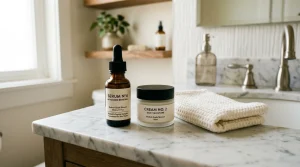
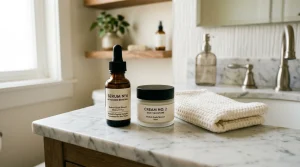
Razor burn is a common irritation that can leave your skin feeling raw and uncomfortable after shaving, affecting anyone from beginners to seasoned pros. The right lotion can make a world of difference in soothing your skin and helping it recover. By understanding the ingredients that provide relief, such as moisturizing agents and anti-inflammatories, you can choose a product that not only calms those angry red bumps but also boosts hydration and promotes healing. In this article, we’ll explore how lotion can be a game-changer in your post-shaving routine, what features to look for, and how to apply it effectively for the best results. Let’s dive into the world of lotions and find out how to keep your skin smooth, hydrated, and irritation-free!
Does Lotion Help with Razor Burn? Understanding the Basics
Experiencing razor burn can be an uncomfortable and frustrating issue for many, but understanding whether lotion can help alleviate this condition is crucial. Razor burn, often characterized by red bumps, irritation, and inflammation, occurs when the skin is irritated during or after shaving. This irritation can arise from several factors, including dull blades, improper shaving techniques, or using a shaving cream that doesn’t suit your skin type.
Using lotion after shaving plays a significant role in soothing and healing irritated skin. Lotions keep the skin moisturized, which can prevent dryness and further irritation. When applied correctly, lotions can provide a protective barrier that locks in moisture, helping to heal any micro-abrasions caused by the razor. Additionally, products designed specifically for post-shave care often contain soothing ingredients, like aloe vera, chamomile, and anti-inflammatory agents, which can help reduce redness and discomfort.
It’s important to choose the right type of lotion for your skin’s needs. Not all lotions are created equal; some may contain fragrances or alcohol that could exacerbate irritation instead of soothing it. Therefore, looking for hypoallergenic formulas that are free of harsh chemicals can make a noticeable difference in how your skin reacts post-shaving. Understanding these basics can empower you to make informed decisions that lead to smoother, more comfortable shaving experiences. Remember, caring for your skin after shaving is just as important as the shaving process itself!
The Science Behind Razor Burn and Skin Irritation
Razor burn is a common nuisance that can affect anyone who shaves, and understanding the underlying biology of skin irritation helps in choosing the right remedies, like lotions, for relief. When shaving, the sharp blade can disrupt the skin’s protective barrier, leading to micro-abrasions. This process not only irritates the skin but can also cause inflammation, resulting in the signature red bumps and discomfort we recognize as razor burn.
At the cellular level, when the skin is agitated, it activates inflammatory pathways. This response triggers the release of substances that increase blood flow to the area, causing swelling and a red appearance. Additionally, factors such as sensitive skin types, hormonal fluctuations, or even poor shaving techniques can exacerbate this reaction. It’s essential to recognize that the skin’s resilience varies from person to person; what works for one may not suit another.
To help counteract this irritation, using a high-quality lotion can be incredibly beneficial. Moisturizing ingredients in lotions can replenish the skin, restore its barrier function, and provide necessary hydration. As a result, applying lotion post-shave not only aids in healing the skin but can also create a soothing effect that calms immediate discomfort. Specifically, look for lotions with hydrating components like glycerin and hyaluronic acid, as these attract moisture to the skin, along with calming agents like aloe vera and chamomile that can reduce inflammation.
Incorporating a restorative lotion into your post-shave routine is not just about relief; it’s about fostering overall skin health. Consistently moisturizing can prevent razor burn from occurring in the first place, as hydrated skin is less prone to irritation. A step as simple as massaging a gentle lotion onto freshly shaved skin can make a noticeable difference, providing both immediate comfort and long-term care.
How Lotion Soothes and Heals Razor Burn
The discomfort of razor burn can often overshadow the satisfaction of a fresh shave, but using the right lotion can make a world of difference. While razor burn is primarily caused by the irritation from blade friction, a well-chosen lotion has the power to soothe inflammation, provide hydration, and support skin repair. When you apply lotion after shaving, you’re not just moisturizing; you’re actively aiding your skin’s recovery process.
Lotions that include calming agents like aloe vera or chamomile can help reduce the redness and swelling associated with razor burn. These ingredients work by calming the skin’s inflammatory response, allowing it to heal more efficiently. Additionally, lotions containing glycerin and hyaluronic acid provide hydration by drawing water into the skin, which is vital after the stress of shaving. This replenishes moisture lost during the shaving process, preventing the skin from becoming dry or flaky.
Application plays a crucial role in maximizing the benefits of lotion. For best results, apply a dime-sized amount of lotion to damp skin immediately after shaving. Use gentle, circular motions for about thirty seconds to ensure even coverage and absorption. This not only enhances the soothing effects but also promotes blood circulation, which can accelerate healing.
Overall, incorporating a high-quality lotion into your post-shave routine is a simple yet effective strategy for managing razor burn. It not only provides immediate relief but also contributes to your skin’s long-term health. Making this small adjustment may turn your post-shave routine into a pampering ritual rather than a painful necessity.
Choosing the Right Lotion: Key Ingredients to Look For
Selecting the right lotion can significantly enhance your post-shave experience, particularly if you’re prone to razor burn. Look for lotions that contain soothing and healing ingredients. These can help ease discomfort, reduce inflammation, and promote a quicker recovery. Here’s what to keep in mind when choosing a lotion for razor burn relief.
First, calming agents are crucial. Ingredients like aloe vera and chamomile are fantastic choices due to their natural anti-inflammatory properties. Aloe vera, for instance, not only soothes the skin but also hydrates it, making it ideal for combating the dryness that often accompanies razor burn. Chamomile, renowned for its calming effects, can alleviate redness and irritation, helping your skin to heal.
Next, prioritize moisturizing components. Look for lotions infused with glycerin or hyaluronic acid. These ingredients attract moisture to the skin, providing essential hydration after the mild trauma of shaving. For instance, glycerin is a humectant that pulls water from the air into your skin, while hyaluronic acid binds a remarkable amount of moisture – making both excellent for restoring hydration and preventing that dry, tight feeling.
Lastly, check for additional beneficial elements like menthol or tea tree oil. While menthol offers a cooling sensation that can help distract from your skin’s irritation and provide relief, tea tree oil possesses natural antiseptic properties that can prevent infection and promote healing in case of micro-cuts.
Remember, the key is to avoid lotions with artificial fragrances or alcohol, as they can exacerbate irritation. Always do a patch test first to ensure that any new product you try won’t further irritate your skin. Keeping an eye on these specific ingredients will empower you to choose wisely and make your post-shaving routine a soothing and enjoyable ritual.
Top Types of Lotions for Razor Burn Relief
When dealing with razor burn, the type of lotion you choose can make a significant difference in your recovery. The right products not only alleviate discomfort but also reinforce your skin’s natural barrier, helping to restore hydration and calm inflammation. Here are some of the best types of lotions you should consider to ease those post-shave woes.
Gentle, Fragrance-Free Lotions
One of your best bets is to go for lotions that are specifically labeled as *fragrance-free*. Fragrances can irritate sensitive skin, especially after shaving when your skin is already vulnerable. Products like CeraVe Daily Moisturizing Lotion or Eucerin Advanced Repair Lotion are great examples. They provide ample hydration without the risk of aggravating your skin.
Lotions with Aloe Vera
Aloe vera is a well-known ally for soothing irritated skin. Its natural properties help reduce redness and promote healing. Look for lotions that contain a high percentage of aloe vera, as it can provide immediate relief and hydration. Brands like Barnängen or a simple pure aloe vera gel can be effective choices that rejuvenate and calm your skin.
Shea Butter Enriched Creams
Shea butter is famous for its rich, moisturizing qualities and is a wonderful ingredient to look for. It helps seal in moisture, which is crucial when dealing with dryness associated with razor burn. Lotions that feature shea butter, such as L’Occitane Shea Butter Ultra Rich Cream, can help provide long-lasting hydration while softening the skin.
Cooling and Calming Formulas
Additionally, lotions with menthol or calendula are popular for their soothing effects. Menthol offers a cooling sensation that can distract you from discomfort while calming down irritation. Calendula, on the other hand, has healing properties that can promote skin recovery. Look for products like Biore Ice Clean Foaming Cleanser or those with added botanicals for that refreshing relief.
Try these types of lotions to see which works best for your skin. Remember to apply them gently, using clean hands, and avoid any harsh scrubbing. A little care can significantly enhance your post-shaving experience and keep irritation at bay.
Application Tips for Maximum Comfort After Shaving
To ensure a smooth transition from shave to skincare, proper application of lotion is key to maximizing comfort and soothing any irritation. After shaving, your skin can be vulnerable and sensitive, so it’s crucial to treat it with care. Start by rinsing your face with cool water to close the pores and calm the skin. Then gently pat your skin dry with a clean towel-avoid rubbing as that can exacerbate irritation.
Once your skin is slightly damp, it’s time for the lotion. Take a dime-sized amount of lotion and warm it between your palms. This warms the product and helps it spread more easily. Using gentle, circular motions, apply the lotion to the affected areas. Focus on areas with redness or discomfort and massage it in for about 30 seconds. This not only promotes absorption but also increases blood flow, which can help in the healing process.
Key Techniques for Effective Application
- Use Clean Hands: Always ensure your hands are clean before application to prevent introducing bacteria to freshly shaved skin.
- Avoid Overloading: A little goes a long way; too much lotion can feel greasy and may clog pores.
- Follow Up with a Sealant: For added protection, consider layering a gentle moisturizer or balm over the lotion. This can trap moisture and provide a barrier against environmental irritants.
Applying lotion is just as much about technique as it is about the product itself. By being mindful of how you apply the lotion, you can not only alleviate razor burn but also foster long-term skin health. Consistency is key here; make it a habit to apply lotion after every shave, and your skin will thank you for it in the long run. Always listen to your skin’s response and adjust accordingly-if any product causes further irritation, it’s best to switch to something more suitable.
Natural Remedies vs. Commercial Lotions: What Works Best?
When it comes to alleviating razor burn, many people find themselves torn between natural remedies and commercial lotions. Both have their merits, but understanding which can provide the best relief depends on your specific skin type and sensitivities. Natural remedies, like aloe vera or coconut oil, are popular for their soothing properties. They often contain fewer additives and potential irritants, making them a gentle choice for those with sensitive skin. Aloe vera, for instance, has long been celebrated for its ability to hydrate and cool the skin, offering immediate relief to inflamed areas.
On the flip side, commercial lotions are formulated with specific ingredients designed to target skin irritation effectively. Many products on the market incorporate elements like hyaluronic acid, which helps to lock in moisture, and niacinamide, known for its anti-inflammatory properties. These ingredients can accelerate the healing process and provide more profound hydration compared to some natural options. However, it’s essential to choose products free from alcohol and synthetic fragrances, as these can exacerbate irritation.
Ultimately, the best choice depends on your personal preferences and skin reactions. If your skin is highly reactive, starting with natural remedies may be wise. However, feel free to explore commercial options if you’re looking for targeted relief and faster results. Testing a small area first can also help you gauge how your skin responds without risking widespread irritation. By being mindful of your skin’s unique needs, you can find the right balance between natural and commercial methods for soothing razor burn.
Common Mistakes to Avoid When Treating Razor Burn
Certain habits and choices can inadvertently worsen razor burn, making it crucial to avoid common pitfalls when treating this irritation. Perhaps the most prevalent mistake is failing to properly hydrate and soothe the skin before applying lotion. Many people think that any lotion will suffice, but applying it to dry or freshly shaved skin can lead to further irritation. Instead, it’s best to apply lotion to damp skin to help lock in moisture. For optimal results, gently massage a dime-sized amount of lotion into the affected areas using soft, circular motions for about 30 seconds. This method not only improves absorption but also gives the skin a moment to breathe.
Another common error is selecting the wrong type of lotion. Many commercial products contain alcohol or fragrances that can be harsh on freshly shaved skin, leading to increased irritation and discomfort. Make sure to choose lotions that are specifically labeled for sensitive skin or that contain soothing ingredients such as aloe vera, chamomile, or calendula. These components help calm down inflammation and provide relief rather than aggravating the issue. It can be beneficial to read labels and do a patch test on a small area before full application.
Moreover, overusing products is a frequent misstep. People may believe that applying more lotion will hasten the healing process, but this isn’t necessarily true. In fact, layering too many products can confuse your skin and lead to clogging pores, which can exacerbate irritation. Stick to a simple routine: cleanse, apply a soothing lotion once or twice a day, and observe how your skin reacts. If irritation persists, consider consulting a dermatologist rather than continuing to pile on various treatments.
Lastly, ignoring the skin’s response is a big mistake. Everyone’s skin reacts differently, so if a particular lotion or ingredient causes stinging or increases irritation, discontinue its use immediately. Keep track of what works for you and what doesn’t by jotting down your experiences in a journal or notes app. This practice can be invaluable in pinpointing effective treatments and customizing your skincare routine to best meet your skin’s needs. By being mindful of these common mistakes, you can better navigate the relief process and keep razor burn at bay.
DIY Lotion Recipes for Soothing Razor Burn
Making your own soothing lotion for razor burn can be an empowering way to address skin irritation with natural ingredients that you can trust. Not only can DIY lotions provide much-needed relief, but they also allow you to customize the formulation to your specific skin needs. Here are some simple, effective recipes that you can easily whip up at home.
One popular recipe combines shea butter and coconut oil, both excellent for their moisturizing and anti-inflammatory properties. To make this lotion, melt 1/2 cup of shea butter and 1/4 cup of coconut oil together in a double boiler. Once melted, let the mixture cool slightly before adding a few drops of essential oils like lavender or chamomile, known for their calming effects on irritated skin. Stir well, then let it set in the fridge for about 30 minutes until it solidifies. When ready, scoop out a small amount and apply it to the affected areas, massaging gently.
Another fantastic option is an aloe vera and oatmeal lotion, perfect for soothing razor burn. Start by blending 1 cup of aloe vera gel with 1/4 cup of finely ground oatmeal until smooth. To enhance hydration, you can add a tablespoon of honey, which is also antibacterial. This gentle mixture can be stored in a clean jar in the refrigerator and used as needed. Its cooling effect from the aloe vera can offer immediate relief, while the oatmeal helps to calm inflammation.
You might also like to try a basic olive oil and beeswax blend, which creates a protective barrier on the skin. For this recipe, melt 1/4 cup of beeswax with 1/2 cup of olive oil over low heat. Once combined, let it cool slightly, then add 10 drops of tea tree oil, known for its antibacterial properties. Pour this mixture into a jar and allow it to set. This blend not only replenishes moisture but also helps prevent further irritation.
Feel free to experiment with these recipes by adjusting the ingredients to what works best for your skin. Always test a small amount on your skin first to ensure no adverse reactions occur. Making your own soothing lotion can be a satisfying way to pamper your skin while effectively combating razor burn.
When to Seek Professional Help for Severe Razor Burn
Experiencing severe razor burn can be frustrating and painful, leaving you to wonder when your DIY remedies or store-bought lotions aren’t enough. It’s important to recognize when it’s time to seek professional help. If your razor burn persists for more than a few days and doesn’t improve with over-the-counter treatments, it’s a sign that you may need the expertise of a dermatologist.
Look for symptoms such as extreme redness, swelling, or blistering that reoccur after each shaving session. These may indicate an infection or an allergic reaction to products you’re using. If your skin begins to develop a fever, or if the discomfort escalates to a point where it affects your daily activities, these are urgent signs that you should consult a professional. They can prescribe medicated ointments or recommend specific treatments tailored for your skin type.
Additionally, if you have a history of skin conditions like eczema or psoriasis, severe razor burn could exacerbate these issues, making it crucial to consult a healthcare provider for appropriate care. A dermatologist will help you get to the underlying cause of the razor burn, considering factors like shaving technique, product choice, and skin sensitivity, and can provide guidance on better practices to prevent its recurrence.
Don’t hesitate to prioritize your skin health. Recognizing when to seek assistance is a key step in promoting healing and maintaining comfort in your shaving routine. If you ever feel uncertain, it’s always better to err on the side of caution; your skin will thank you for it!
Maintaining Healthy Skin to Prevent Razor Burn
To keep razor burn at bay, embracing a proactive skincare routine is essential. Many people underestimate the impact of pre- and post-shave care, but by prioritizing skin health, you can significantly reduce irritation and discomfort. Start by ensuring your skin is well-hydrated; dry skin is more susceptible to nicks and irritation. Regularly using a moisturizer can help maintain skin’s elasticity and barrier function, making it more resilient to shaving.
Another vital aspect of preventing razor burn is your shaving technique. Always use a clean, sharp razor to minimize tugging and pulling on hairs. Opt for a high-quality shaving cream or gel that provides ample lubrication. This reduces friction between the blade and your skin, allowing for a smoother glide. It’s generally advised to shave in the direction of hair growth to prevent irritation, especially on sensitive areas.
Additionally, consider incorporating gentle exfoliation into your routine a couple of times a week. This helps remove dead skin cells that can clog pores and contribute to razor bumps. Look for options with mild exfoliants, like alpha hydroxy acids (AHAs) or natural options like oatmeal, which can soothe the skin while promoting cell turnover.
Finally, don’t ignore the benefits of a balanced diet and adequate hydration. Foods rich in antioxidants, vitamins, and healthy fats can improve overall skin health, reducing the likelihood of irritation from shaving. Drinking plenty of water keeps your skin hydrated from within, making it less prone to the aftereffects of shaving. By following these steps, you’ll set the foundation for comfortable, smooth shaving experiences that keep razor burn at bay.
Faq
Q: How does lotion help soothe razor burn?
A: Lotion helps soothe razor burn by providing hydration and creating a protective barrier on the skin. Ingredients like aloe vera and chamomile can calm irritation and reduce redness, promoting faster healing. Applying lotion immediately after shaving can significantly enhance comfort and skin recovery.
Q: What are the best ingredients in lotion for razor burn relief?
A: Look for lotions containing soothing agents like aloe vera, shea butter, and witch hazel. These ingredients help reduce inflammation and hydrate the skin, making them ideal for treating razor burn. Check the “Choosing the Right Lotion: Key Ingredients to Look For” section for more details.
Q: Can using lotion prevent razor burn?
A: Yes, using lotion can help prevent razor burn by moisturizing the skin and providing a protective layer during shaving. A good practice is to apply lotion daily to keep skin hydrated and resilient, minimizing the chances of irritation post-shave.
Q: How should I apply lotion for the best results after shaving?
A: For maximum effectiveness, apply a dime-sized amount of lotion to damp skin using gentle circular motions. This method ensures even distribution and deeper absorption, helping to soothe the skin and reduce irritation effectively.
Q: Are natural lotions better for razor burn compared to commercial products?
A: Natural lotions can be beneficial for razor burn, as they often contain fewer irritants and chemical additives. However, commercial lotions with proven soothing ingredients may also provide quick relief. The best choice will depend on your skin type and sensitivity.
Q: When should I start applying lotion after shaving to treat razor burn?
A: Apply lotion immediately after shaving to treat razor burn effectively. This helps lock in moisture and begins the soothing process right away. If discomfort persists, you may reapply throughout the day as needed.
Q: What types of lotion should I avoid if I have sensitive skin prone to razor burn?
A: Avoid lotions with heavy fragrances, alcohol, or synthetic ingredients, as these can irritate sensitive skin. Stick to hypoallergenic and fragrance-free formulations specifically designed for sensitive skin types.
Q: How often should I use lotion to manage and prevent razor burn?
A: To manage and prevent razor burn, use lotion daily, especially after shaving. Depending on your skin’s moisture needs and sensitivity levels, you may also apply it once or twice throughout the day for extra hydration and relief.
The Way Forward
In conclusion, choosing the right lotion can significantly alleviate razor burn, providing much-needed relief and healing properties for irritated skin. Remember, look for ingredients like aloe vera, chamomile, and hyaluronic acid to ensure hydration and comfort. If you haven’t already, consider trying a specialized aftershave lotion tailored to your skin type for even better results.
Would you like to dive deeper? Explore our tips on how to prevent razor burn or discover our favorite grooming products to keep your skin looking its best. Don’t hesitate to subscribe to our newsletter for the latest updates and exclusive deals, or leave a comment below sharing your favorite products or personal experiences with razor burn relief! Let’s make grooming a painless experience together.
Get our latest guides, news, and insights highlighted in your Google Search & AI Overviews.