Razor bumps can be an uncomfortable and often frustrating experience for many, leaving your skin irritated and inflamed. Did you know that using Vaseline might actually help soothe and reduce these pesky bumps? This multifunctional product not only locks in moisture but also creates a protective barrier that can calm redness and irritation. In this article, we’ll explore the effectiveness of Vaseline for treating razor bumps, along with practical application tips to get the best results. If you’re looking for a simple, accessible solution to improve your shaving routine, keep reading to discover how Vaseline can be a game-changer for your skin!
Does Vaseline Help with Razor Bumps? Understanding the Basics
Razor bumps can be an uncomfortable and frustrating consequence of shaving, often making the skin appear bumpy and inflamed. These bumps occur when hair grows back into the skin after shaving, leading to irritation, redness, and even infections. Understanding their origins is crucial for finding effective remedies, including the potential benefits of common household products like Vaseline.
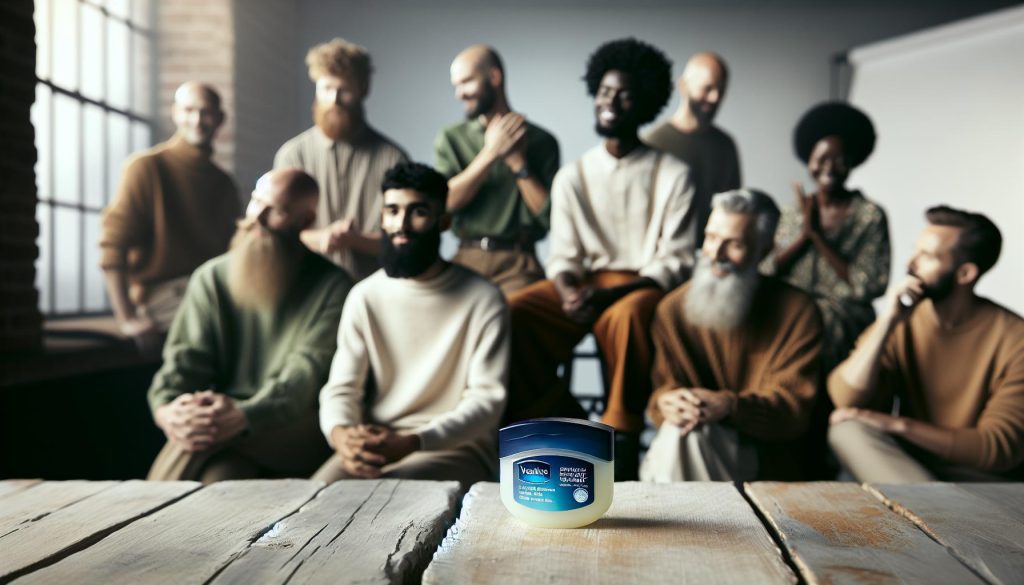
Vaseline, or petroleum jelly, is widely known for its moisturizing properties. When applied to freshly shaved skin, it creates a protective barrier that can help lock in moisture and prevent dryness. This barrier may also provide some relief from the irritation caused by razors and prevent further damage to the skin, potentially reducing the likelihood of razor bumps. However, while it can serve to soothe and protect, it’s essential to use it correctly to maximize its effectiveness.
Applying Vaseline can be simple: after shaving, wait until your skin has cooled down to avoid trapping heat and moisture. Then, take a small amount-about a dime-sized dollop- and gently massage it into your skin in circular motions. This helps to ensure even distribution and optimal absorption. It’s best to use this product after your regular aftershave routine, as its thick consistency isn’t ideal for use on top of other products. While Vaseline can provide temporary relief, it may not address the underlying causes of razor bumps, which can vary from person to person.
What Are Razor Bumps and Why They Occur
Razor bumps, those pesky little irritations that can appear after shaving, occur primarily due to ingrown hairs. When you shave, especially if you’re cutting hair too closely, the sharp edges of the hair can grow back into the skin instead of outward. This misdirection triggers an inflammatory response as the body recognizes the ingrown hair as an irritant. You might notice redness, swelling, and even small pustules around the affected areas, which can be itchy and uncomfortable.
Several factors contribute to the development of razor bumps. The sharpness of your razor, the angle of your shave, and your technique all play significant roles. Shaving against the grain or using a dull blade can exacerbate the problem, as they increase the chances of hair being cut at an angle that encourages it to curl back into the skin. Additionally, individuals with curly or coarse hair types are generally more prone to experiencing razor bumps due to the natural tendency of their hair to curl as it grows.
Preventing razor bumps starts with understanding your specific hair type and choosing the right shaving methods. Using a lubricant like shaving cream can create a smooth surface that helps the razor glide while minimizing irritation. Ironically, whereas you might feel tempted to shave more often to manage the bumps, doing so prematurely can worsen the situation, leading to more irritation and potential scarring.
It’s vital to acknowledge that razor bumps are not just a matter of cosmetic concern-they can lead to more severe issues, like infections if left untreated. By recognizing them as an indication that something in your shaving routine needs adjustment, you can not only enhance your comfort but also maintain smoother skin over time. Implementing preventive measures and exploring soothing treatments like Vaseline may prove beneficial to keep razor bumps at bay, ultimately leading to a more enjoyable shaving experience.
How Vaseline May Reduce Razor Bumps
Vaseline can be a surprisingly effective ally in the battle against razor bumps, particularly because of its moisturizing and protective properties. When applied after shaving, it helps to create a barrier on the skin that can lock in moisture, reducing dryness and irritation. This protective barrier is essential, as it minimizes the risk of hair getting trapped under the skin, a primary cause of those annoying bumps.
The occlusive nature of Vaseline helps prevent environmental irritants from aggravating freshly shaved skin, allowing it to heal more effectively. When applied to areas prone to razor bumps, it can soothe redness and inflammation, making the overall shaving experience more comfortable. A thin layer is usually sufficient; applying a dime-sized amount to the affected area can significantly reduce discomfort.
Using Vaseline on damp skin is particularly beneficial. After shaving, gently blot your skin dry and then apply the Vaseline using gentle circular motions. This method not only ensures even distribution but also helps seal in moisture from any residual water on your skin. Aim for consistent use after every shave to maintain skin health and reduce the frequency of razor bumps.
In essence, incorporating Vaseline into your post-shave routine might not just alleviate existing bumps but also help prevent new ones from forming. This simple, cost-effective solution can lead to a smoother, irritation-free experience, allowing you to enjoy a close shave without the gory aftermath of razor bumps.
Real User Experiences: Vaseline for Razor Bumps
While many beauty enthusiasts and grooming aficionados swear by the wonders of Vaseline for alleviating razor bumps, real user experiences can provide invaluable insight into its effectiveness. Numerous individuals have shared their journeys with post-shaving irritation, often expressing surprise at how a simple product like Vaseline transformed their skincare routine.
One user recounted their struggle with painful bumps after every shave, leading to frustration and a collection of various creams and balms that ultimately fell short. Upon discovering Vaseline, they decided to give it a try. “I was skeptical at first-how could something so basic work?” they shared. However, after applying a dime-sized amount directly to damp skin right after shaving, they reported noticeable changes: reduced redness and a significant decrease in the occurrence of bumps. This user emphasized the importance of using it on freshly shaved skin, reiterating that it created a protective barrier that allowed their skin to heal and stay moisturized.
Another user highlighted the soothing relief Vaseline provided after they adopted a new shaving technique that inadvertently caused irritation. They noted, “I always thought my skin was just sensitive. But after using Vaseline, I realized it wasn’t just me-it was the products I was using!” They shared that switching to Vaseline after shaving not only reduced bumps but also minimized the stinging sensation that often accompanied other products. This illustrates that Vaseline can serve as a gentle alternative that tackles irritation without harsh chemicals.
While experiences may vary, many users agree that consistency is key. Regularly applying Vaseline after shaving, particularly to areas prone to bumps-like the neck and underarms-has led to lasting improvements. Feedback from different individuals highlights a common theme: Vaseline’s occlusive properties are genuinely effective for many in keeping their skin healthy and bump-free.
In essence, firsthand accounts reveal that incorporating Vaseline into your post-shave routine can be both straightforward and highly beneficial, promoting smoother skin and reducing post-shave irritation. If razor bumps have been a recurring issue for you, consider trying Vaseline as a protective and soothing remedy, much as countless others have found it to be in their personal grooming journeys.
Best Application Techniques for Maximum Effectiveness
Applying Vaseline correctly can make a world of difference when it comes to reducing razor bumps. For starters, using it immediately after shaving is crucial; this is when your skin is most vulnerable and in need of protection. To ensure maximum effectiveness, here are some practical tips to keep in mind.
Start by shaving gently with a clean razor to minimize irritation. Once you’re done, rinse your skin with cool water to soothe it. Next, while your skin is still damp, take a dime-sized amount of Vaseline and warm it up between your fingertips. This helps to make the application smoother and more absorbent. Using gentle circular motions, apply the Vaseline to the areas where you experience razor bumps, taking care to cover the entire affected area. Focus on problem spots like the neck and underarms, as these are often the most prone to irritation. Spend about 30 seconds massaging it in, allowing it to form a protective barrier over your skin.
For those who might find Vaseline too thick or greasy, consider diluting it with a few drops of a calming essential oil, like lavender or tea tree oil. This not only maintains its occlusive properties but also introduces additional soothing benefits that can help reduce redness and inflammation. Always perform a patch test when trying a new combination to ensure your skin doesn’t react negatively.
Lastly, be consistent with your application. Make it a part of your post-shaving routine, reapplying as needed throughout the day, especially in the first 24 hours post-shave. This diligence can help your skin heal faster and avoid future bumps. Remember, finding the right method may take a little experimentation, but with the right techniques, you can achieve that smooth, bump-free skin you desire.
Alternatives to Vaseline for Soothing Razor Bumps
For those seeking , there are several effective options that can provide relief without the heavy, greasy feel that some find unappealing. It’s all about choosing the right product that suits your skin type and soothing needs, while still maintaining a barrier to protect the skin from further irritation.
A popular choice is aloe vera gel, known for its soothing properties. It has anti-inflammatory effects that can calm inflamed skin and reduce redness. After shaving, simply apply a thin layer of pure aloe vera gel to the affected areas and let it absorb fully. This can not only hydrate the skin but also promote healing.
Another great option is witch hazel, which is renowned for its astringent and anti-inflammatory qualities. Applying a witch hazel toner with a cotton pad can help reduce irritation and redness associated with razor bumps. Look for products that are alcohol-free to avoid dryness and irritation.
Tea tree oil is another strong contender thanks to its natural antibacterial properties. If you choose to use it, it’s best to dilute a few drops of tea tree oil with a carrier oil (like coconut or jojoba oil) before application. This combination can aid in reducing inflammation and preventing infection.
For those who prefer a more traditional approach, a soothing oatmeal paste can work wonders. Mix colloidal oatmeal with a bit of water to create a thick paste, and apply it to the irritated areas. Oatmeal is known for its skin-soothing properties, making it a great option for calming razor bumps.
Lastly, consider incorporating a post-shave balm that contains ingredients like chamomile or calendula, known for their soothing effects. These gentle formulations can provide hydration and relief without clogging pores or causing additional irritation.
Remember, the key is to gently cleanse the area before applying any product, and test a small patch of skin first with any new treatment to ensure it doesn’t cause further irritation. By exploring these alternatives, you may find a solution that is not only effective but also more comfortable for your skin needs.
Post-Shaving Care Routine to Prevent Razor Bumps
After shaving, taking a moment to care for your skin can greatly reduce the risk of razor bumps. These annoying bumps occur when hair follicles become inflamed or irritated, usually due to improper shaving techniques or products. Establishing a dedicated post-shaving routine can make a world of difference in maintaining smooth skin.
Begin by rinsing your face with cool water to close the pores. This helps minimize irritation and prepares your skin for application of soothing products. Next, gently pat your skin dry with a clean towel-avoid rubbing, as this can further irritate the skin.
Once your skin is prepped, consider applying a calming post-shave balm. Look for products with ingredients like aloe vera, chamomile, or calendula, all known for their ability to soothe and hydrate the skin. You can easily apply a dime-sized amount of product to damp skin using gentle circular motions, ensuring that the balm absorbs thoroughly. This not only hydrates but also creates a protective layer against future irritation.
Moisturizing is key. Whether you choose Vaseline because it seals in moisture or opt for a creamier lotion, keeping your skin hydrated will help reduce the likelihood of razor bumps. If you prefer Vaseline, a thin layer can work effectively, but it’s best used as part of a broader routine that includes calming ingredients. Remember, patience is essential; give your skin time to recover after shaving, and stay consistent with your routine for the best results.
Incorporating these simple steps into your shaving regimen can enhance your overall skin health and minimize the chances of razor bumps forming. By taking the time to care for your skin post-shave, you’ll feel more confident and comfortable in your own skin.
When to Consult a Dermatologist for Razor Bumps
When you’re dealing with the dreaded razor bumps, knowing when to seek professional help can be just as important as your post-shaving routine. While most cases of razor bumps can be managed at home, certain signs indicate it might be time to consult a dermatologist.
If your razor bumps persist for more than a few days despite proper care, or if they worsen over time, it’s a good idea to seek professional advice. Chronic irritation can lead to further complications, such as infections or scarring, which are best handled by a skincare expert. Additionally, if you experience significant pain, swelling, or pus-filled lesions, these symptoms may suggest an infection rather than typical razor bumps. A dermatologist can provide treatments that go beyond over-the-counter remedies, including prescription medications or specialized procedures to promote healing.
It’s also wise to visit a dermatologist if you have a history of skin sensitivity or conditions like eczema or psoriasis. These pre-existing issues can complicate matters when it comes to razor bumps, requiring tailored solutions. A dermatologist can help you develop a skincare regimen that not only addresses your razor bumps but also considers your unique skin type and concerns.
In summary, while some discomfort after shaving is normal, don’t hesitate to consult a dermatologist if you notice persistent, painful, or worsening symptoms. Knowing when to ask for help ensures you can navigate grooming challenges with confidence and maintain your skin’s health.
Lifestyle Tips to Reduce Razor Bumps Risk
To effectively reduce the risk of razor bumps, adopting simple lifestyle changes can make a significant difference in your grooming routine. Razor bumps occur when hair grows back into the skin after shaving, leading to irritation and inflammation. Here are several practical tips to help keep your skin smooth and bump-free.
Start by ensuring your skin is always well-hydrated and cared for. Moisturizing regularly can keep your skin supple, which may help prevent hair from curling back into the follicles. Look for a good moisturizer that contains soothing ingredients like aloe vera or hyaluronic acid. Applying this after showering locks in moisture when your pores are open, providing maximum hydration.
Choose the Right Tools
Using the right shaving tools is crucial. Opt for a sharp, clean razor that can glide effortlessly over your skin. Dull blades can tug at the hair rather than cut it cleanly, leading to irritation. Remember to replace your razor blades regularly-typically after 5-7 uses-to prevent pulling and discomfort.
Shave Smart
Technique matters! Always shave in the direction of hair growth, rather than against it. This approach significantly reduces the chances of hair curling back into the skin. Additionally, consider using a pre-shave oil or gentle exfoliator before shaving. Exfoliating helps to remove dead skin cells that can trap hairs, allowing for a smoother shave.
Aftercare Counts
Post-shaving care is just as important. After shaving, use a soothing aftershave or a cooling balm that contains ingredients like chamomile or witch hazel, which can help to calm irritated skin. Avoid products with alcohol, as they can dry out and irritate the skin further.
By integrating these lifestyle tips into your personal care routine, you can significantly reduce the likelihood of experiencing razor bumps. Each small adjustment can lead to smoother shaves and healthier skin, paving the way for a more confident you.
Common Myths About Vaseline and Razor Bumps
Despite its popularity, there are several myths surrounding the use of Vaseline for razor bumps that can lead to confusion. One common belief is that Vaseline can completely prevent razor bumps. While it does create a protective barrier and provides some level of moisture, it doesn’t address the root causes of razor bumps-such as improper shaving techniques or the hair’s natural growth pattern. Using Vaseline as a sole remedy might make you feel better, but it shouldn’t be relied upon when you’re trying to tackle frequent occurrences of razor bumps effectively.
Another prevalent myth is that applying Vaseline directly to freshly shaved skin will soothe any irritation. However, it’s essential to allow your skin to breathe after shaving. Immediately slathering on a heavy product like Vaseline can trap heat and moisture, potentially worsening irritation instead of alleviating it. Instead, wait a few minutes after shaving to let your skin settle, then apply a thin layer if you desire the moisture boost.
Many people also think that Vaseline is universally safe for all skin types. While it’s generally well-tolerated, those with oily or acne-prone skin may find that Vaseline exacerbates breakouts or clogged pores. It’s crucial to listen to your skin; if you notice increased irritation or blemishes, consider switching to lighter moisturizers that won’t suffocate your skin.
Lastly, some assume that Vaseline can replace other skincare products like moisturizers or post-shaving balms. While it can add a layer of hydration, it shouldn’t serve as a primary treatment. Using Vaseline doesn’t replace the need for proper exfoliation and soothing ingredients, such as aloe vera or witch hazel, which can help calm and protect the skin after shaving. It’s best to incorporate Vaseline into a broader post-shaving routine rather than depending on it exclusively for razor bump prevention.
Combining Vaseline with Other Treatments: What Works?
Combining different treatments can be a game changer in the battle against razor bumps. While Vaseline serves as a protective barrier and keeps the skin moisturized, it works best in tandem with other soothing and anti-inflammatory ingredients. Think of it as the cozy blanket that wraps around a more robust and targeted treatment underneath. By layering products wisely, you can maximize their benefits while effectively tackling the uncomfortable irritation that often accompanies shaving.
One effective approach is to use a gentle exfoliating product before applying Vaseline. Exfoliating helps to remove dead skin cells that can trap hairs and contribute to bumps. Look for chemical exfoliants containing salicylic acid or glycolic acid, which can help unclog pores and facilitate smoother hair growth. After your post-shave routine, apply a thin layer of Vaseline to lock in moisture and create a barrier against environmental irritants. This not only hydrates your skin but also prevents further irritation while allowing the exfoliant to continue doing its job.
Another excellent combination is applying aloe vera gel under a light layer of Vaseline. Aloe vera is well-known for its soothing properties and can reduce redness and inflammation significantly. The idea is to let the aloe penetrate the skin first. Apply the aloe in a thin layer, allowing it to absorb for a few minutes, then seal it in with a small amount of Vaseline. This strategy works especially well for sensitive skin types or after particularly close shaves when your skin might be more reactive.
For those who prefer a more medicinal approach, incorporating over-the-counter hydrocortisone cream can also provide relief from razor bumps. After shaving and cleansing, apply a small amount of hydrocortisone cream to the affected area, followed by Vaseline. This combo can help reduce inflammation and soothe itching, especially if you tend to experience discomfort post-shave. Just remember, hydrocortisone should not be used excessively, so reserve it for those days when your skin needs extra care.
Incorporating these strategies into your grooming routine can lead to noticeable improvements in the health of your skin and a significant reduction in razor bumps. By combining Vaseline with these treatments-always taking care to observe your skin’s unique responses-you can create a personalized regimen that targets issues effectively while fostering a healthier complexion.
Expert Recommendations on Razor Bump Prevention
To effectively minimize the occurrence of razor bumps, adopting a holistic approach to grooming is key. Start with the right tools; using a sharp, high-quality razor can make a significant difference. A dull blade tends to tug at hairs rather than cut them cleanly, leading to irritation and ingrown hairs. Additionally, consider switching to a single-blade safety razor. These razors can provide a closer shave with less irritation than multi-blade options.
Before shaving, always prepare your skin. Warm up the area with water to open pores, which helps soften hair and make shaving easier. Applying a pre-shave oil or gel can create a protective barrier, reducing friction and helping your razor glide smoothly over your skin. Look for products that contain natural oils, as they can offer moisturizing benefits while also helping to cut down on irritation.
During the actual shave, use short, gentle strokes and do not press down too hard. Let the weight of the razor do the work. Rinse the blade frequently to prevent buildup of hair and shaving cream, as a clogged blade can cause more irritation and uneven shaving. After shaving, rinse again with cool water to close the pores-a crucial step that can help minimize irritation.
Post-shave care is just as important as pre-shave preparation. After patting your skin dry, apply a soothing aftershave balm or lotion. Products containing aloe vera or chamomile are excellent options as they reduce redness and soothe the skin. Following this with a thin layer of Vaseline can help lock in moisture and create a barrier that protects the skin from environmental irritants.
To enhance your routine, consider routine exfoliation. Gentle exfoliation a couple of times a week can help prevent dead skin cells from trapping hairs and leading to bumps. Look for exfoliating scrubs with fine granules or chemical exfoliants with ingredients like salicylic or glycolic acid to help keep your skin smooth.
Remember, if razor bumps persist or worsen, consult with a dermatologist. They can advise on specialized treatments or products that may be more effective for your skin type. With the right tools, techniques, and products, you can enjoy smoother skin and significantly reduce the likelihood of razor bumps.
Frequently Asked Questions
Q: How does Vaseline help reduce razor bumps?
A: Vaseline can help reduce razor bumps by moisturizing the skin and creating a protective barrier. This can prevent irritation and allow the skin to heal. Applying a thin layer post-shaving helps lock in moisture and may soothe inflammation, thereby reducing the appearance of bumps.
Q: Can Vaseline be used before shaving to prevent razor bumps?
A: While Vaseline is primarily used after shaving to soothe skin, applying a small amount before shaving can help provide lubrication and prevent tugging on hair. However, it may lead to clogged pores, so it’s essential to use it sparingly and follow with proper cleansing.
Q: Is it safe to use Vaseline on sensitive skin for razor bumps?
A: Yes, Vaseline is generally safe for sensitive skin. Its hypoallergenic properties make it a suitable option for soothing irritation from razor bumps. Always perform a patch test first to ensure no allergic reaction occurs, especially if you have extremely sensitive skin.
Q: How often should I apply Vaseline to manage razor bumps?
A: You can apply Vaseline 1 to 2 times daily on affected areas to soothe razor bumps. After shaving, applying it helps maintain moisture and may accelerate healing. Ensure the skin is clean before application for best results.
Q: Are there any alternatives to Vaseline for treating razor bumps?
A: Yes, alternatives include aloe vera gel, tea tree oil, and over-the-counter hydrocortisone cream. These options can also soothe irritated skin and reduce inflammation without the heaviness of petroleum jelly. Consider your skin type before choosing a product.
Q: Can using Vaseline worsen my razor bumps condition?
A: It is unlikely that Vaseline will worsen razor bumps. However, excessive application can lead to clogged pores in sensitive areas, potentially causing breakouts. Use a thin layer and monitor your skin’s response for the best results.
Q: What are the best practices for using Vaseline on razor bumps?
A: For best results, apply a dime-sized amount of Vaseline to clean, dry skin using gentle circular motions. This should be done 1-2 times daily, especially after shaving. Avoid areas with active acne to prevent clogged pores.
Q: When should I seek medical advice for razor bumps?
A: Consult a dermatologist if razor bumps persist despite at-home treatments like Vaseline. If you experience severe redness, swelling, or signs of infection, professional advice is crucial to begin effective treatment and prevent complications.
Final Thoughts
In summary, Vaseline can be a helpful ally in managing and soothing razor bumps, thanks to its moisturizing and protective properties. By applying a small amount to affected areas, you can not only hydrate your skin but also create a barrier that helps prevent irritation. For best results, remember to apply it after shaving and allow it to absorb properly.
As you continue your grooming journey, don’t miss our related guides on alleviating razor burn and post-shave skincare routines that can enhance your overall experience. Have questions or shared experiences with Vaseline and razor bumps? We encourage you to leave a comment below; your insights could benefit others in the community!
Ready to explore more? Sign up for our newsletter for the latest tips, or check out our product recommendations to find the perfect grooming solutions tailored to your needs. Remember, smooth, healthy skin is just a few steps away, so take action today!
Expert Guide: Does Vaseline Help With Razor Burn
When researching does vaseline help with razor burn, following structured best practices and expert recommendations is essential for achieving optimal grooming, style, and personal care outcomes. Implementing evidence-based methods protects your skin barrier and extends product longevity.
Essential Tips & Key Recommendations:
- Optimal Preparation: Always prepare the target area with proper cleansing, gentle hydration, or targeted skin conditioning before applying active products or styling techniques.
- Application Technique: Use light, controlled pressure and align with your natural skin contours and hair growth patterns to prevent friction and irritation.
- Post-Application Care: Lock in results with nourishing, non-comedogenic moisturizers or protective barriers to maintain balance and hydration.
- Sanitization & Tool Maintenance: Clean and dry all grooming accessories and applicators immediately after use, storing them in a cool, well-ventilated space.
Frequently Asked Questions:
Q: What is the most critical guideline regarding does vaseline help with razor burn?
A: Prioritize gentle, consistent care using high-grade, hypoallergenic products and sanitized equipment tailored to your personal routine.
Get our latest guides, news, and insights highlighted in your Google Search & AI Overviews.