Have you ever found yourself fumbling with a dive mask, anxious about visibility underwater? A quality dive mask can transform your underwater experience, providing clear vision and comfort, essential for enjoying the beauty of marine life.
In “Dive Mask Review: Clear Vision Underwater,” we’ll explore some of the top dive masks on the market, breaking down their features, benefits, and how they cater to your needs, whether you’re a beginner or a seasoned diver. A clear view beneath the waves not only enhances your overall experience but also ensures your safety while exploring. Stick around as we guide you through essential aspects to consider when selecting the perfect dive mask, arming you with knowledge to make an informed choice. Dive in with us to discover how the right mask can open up a world of underwater adventure!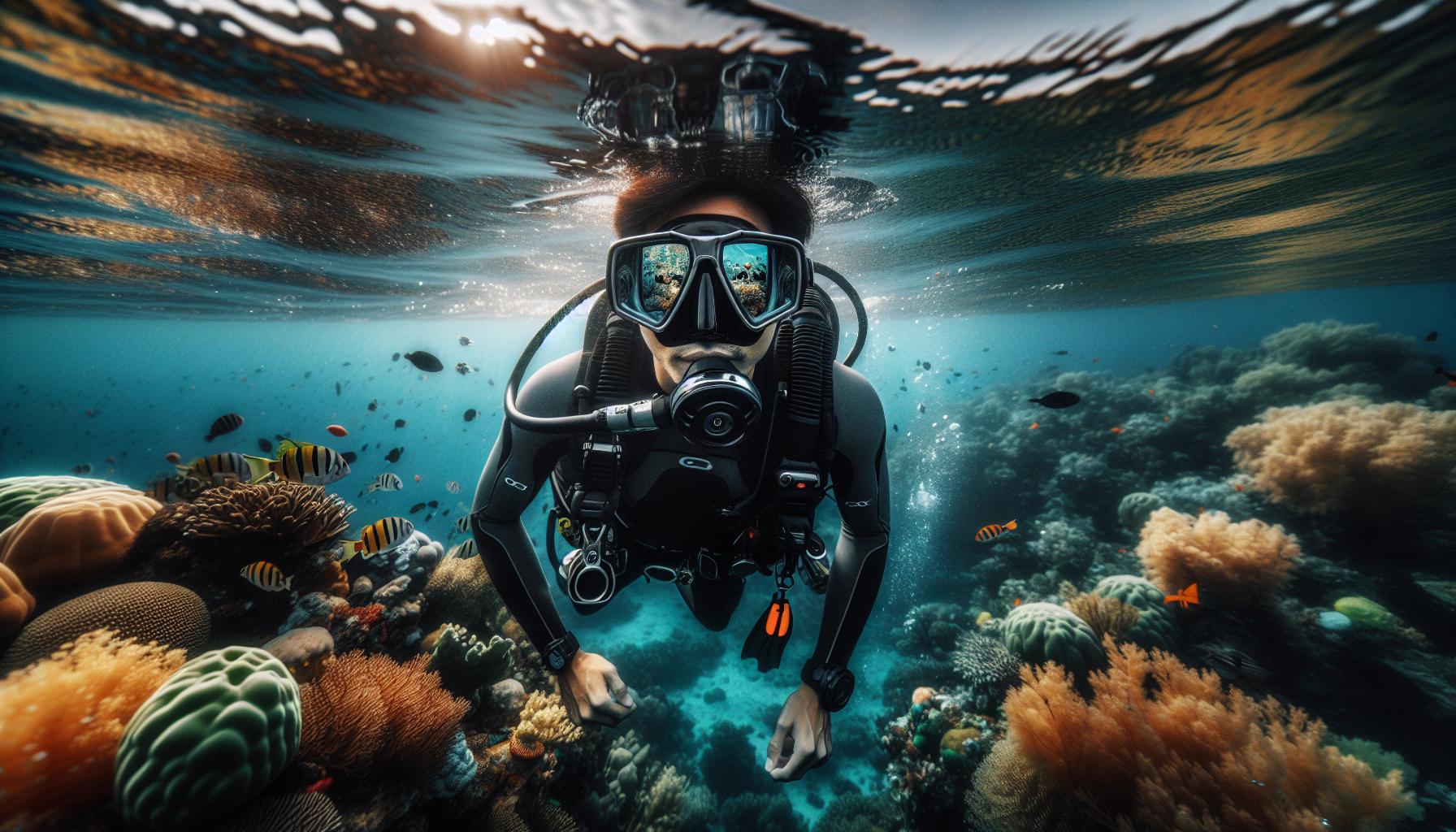
Choosing the Right Dive Mask for Crystal Clear Vision
Choosing the right dive mask can transform your underwater adventure, ensuring you have crystal clear vision while exploring aquatic wonders. A well-fitted and designed mask allows you to see the vibrant marine life without distortion, making your dive not only safer but also more enjoyable. When you’re weighing your options, consider the differences in frame design, lens quality, and fit, as these factors collectively influence your overall experience.
Begin by recognizing the importance of fit. A mask that fits well will create a seal around your face, preventing water from leaking in during your dive. It’s essential to try on different styles and sizes, as everyone’s facial structure is unique. Pay attention to how the silicone skirt of the mask sits against your skin; it should feel comfortable and snug without being overly tight. Comfort is paramount-should you feel any pressure points, try a different model.
In addition to fit, lens quality plays a crucial role in visibility. Single-pane lenses might be lighter and less expensive but can limit your field of view. Double-pane lenses not only provide a broader view but also offer better thermal protection against the cold water. Moreover, consider masks with anti-fog capabilities or the option to add prescription lenses if you wear glasses. These factors will dramatically enhance your underwater viewing experience, giving you the clarity you desire.
Lastly, don’t overlook the frame design. A low-volume mask decreases air space, which can be advantageous for freedivers or those who want to feel less pressure from the water. Masks with a wide field of vision make it easier to spot marine life, ensuring you don’t miss a thing during your dive. Choosing the right dive mask isn’t just about aesthetics; it’s about maximizing your adventure. Remember, with the right equipment, you can focus on the wonders beneath the surface rather than worrying about your gear.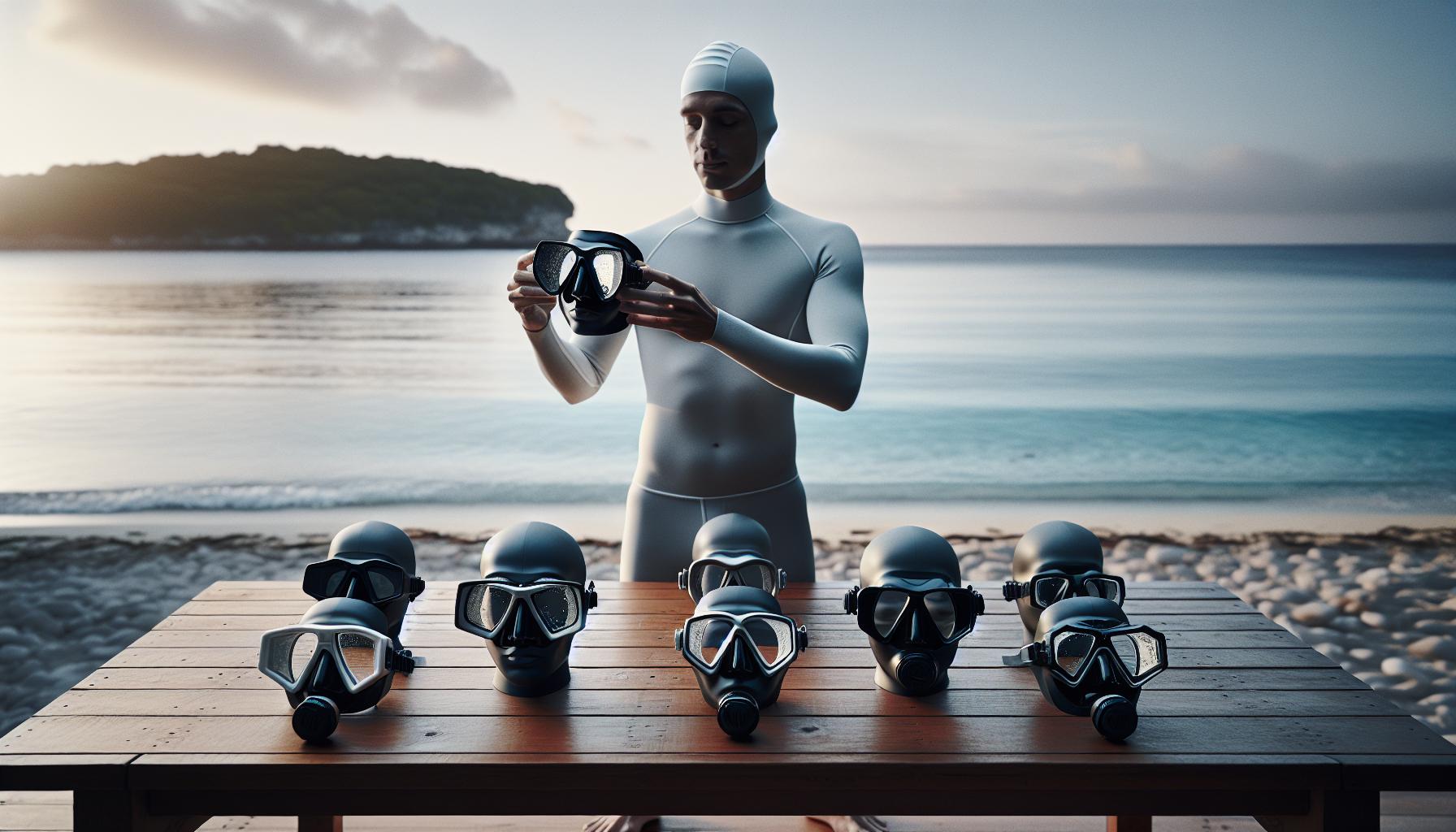
Key Features to Look For in a Dive Mask
Selecting the perfect dive mask isn’t just about comfort; it significantly impacts your underwater experience. The right features can make the difference between a captivating underwater adventure and a frustrating one filled with discomfort. When shopping for a dive mask, consider a few key characteristics to ensure clarity, comfort, and durability.
Start by focusing on the fit and seal of the mask. A well-fitted mask should create a snug seal around your face without pinching or leaving marks. Use the “suck test” before purchasing: place the mask on your face and inhale sharply through your nose; if it stays in place without support, it’s likely a good fit. Next, look for a silicone skirt, as it molds better to your facial contours compared to rubber. This not only enhances comfort but also prevents pesky leaks that can interrupt your diving experience.
An essential aspect to examine is the lens quality. You’ll generally find masks with single or double lenses. While single lenses might weigh less, they can restrict your field of vision. Double lenses offer a wider angle and usually come with better thermal protection. For those needing vision correction, some masks allow for prescription lenses, providing both clarity and comfort. Always choose tempered glass lenses over plastic; they are more resistant to scratches and impacts, ensuring your view remains unobstructed.
Another crucial feature is the frame design. Low-volume masks are ideal for freediving, where less air space means reduced pressure and easier clearing. Meanwhile, masks with a broader lens angle contribute to a greater field of view, allowing you to take in more of the vivid marine life around you. Finally, don’t underestimate the importance of accessories. Look for masks that come with attachments for GoPros or those that offer anti-fog coatings to enhance your overall diving experience.
By prioritizing these features, you’ll not only feel confident in your choice but also ensure each underwater journey is as magical as it can be. With the right dive mask, you’re equipped to immerse yourself fully in the wonders of the underwater world.
Top Dive Mask Brands for Every Budget
Selecting the right dive mask can make all the difference in your underwater adventures, and fortunately, there’s a wealth of options available to suit every budget. Whether you’re a beginner looking to test the waters or a seasoned diver ready to invest in high-quality gear, there’s a brand that can meet your needs.
For those on a tighter budget, Cressi and Aqua Lung offer reliable dive masks that don’t skimp on quality. Cressi’s F1, for example, is lightweight and features a silicone skirt for a comfortable fit, all at an affordable price. Meanwhile, Aqua Lung’s Phantom mask is known for its excellent visibility and low volume, ideal for beginners and experienced divers alike.
If you’re ready to spend a bit more, Mares and Zeagle are standout choices. Mares masks, like the Viper, not only provide a snug fit but also come equipped with a wide field of vision, enhancing your underwater experience. Zeagle’s dive masks are known for their sturdy construction and innovative designs, accommodating various face shapes comfortably.
For those willing to invest in top-tier gear, brands such as Scubapro and Oceanic should be at the top of your list. Scubapro’s Spectra mask is highly praised for its panoramic view and advanced anti-fog technology, ensuring crystal-clear vision throughout your dive. Similarly, Oceanic’s Pure mask, designed with a sleek profile and excellent visibility, is a great option for divers seeking performance and style.
Ultimately, your choice should align with your specific diving needs and personal comfort. Always consider factors like fit, lens design, and additional features as you explore different brands. Investing in a quality dive mask not only increases your comfort but also enhances your overall diving experience, allowing you to fully enjoy the underwater world.
How to Properly Fit Your Dive Mask
Finding the perfect fit for your dive mask is crucial for an enjoyable underwater experience. A well-fitted mask not only provides clear vision but also prevents leaks, ensuring you can focus on exploring the beauty of the ocean without distraction. Here’s how to ensure your dive mask fits snugly and comfortably.
To start, place the dive mask over your face without using the strap. Inhale gently through your nose to create a seal. If the mask stays in place without falling off, that’s a good sign it’s a potential fit. Be sure to check that there’s no excessive pressure on your face; it should feel comfortable without pinching. Next, adjust the strap to a comfortable position-secure but not so tight that it causes discomfort or headaches. It’s essential to avoid any gaps between your face and the mask’s skirt, as this can lead to water leakage.
Key Areas to Examine for Fit
When fitting your dive mask, pay attention to three crucial areas:
- Forehead: The upper part of the mask should rest comfortably against your forehead without leaving excessive marks. If the mask sits too high or low, it might not seal properly.
- Cheeks: The mask’s skirt should sit flat against the cheeks. If you can feel air escaping when you inhale, you’re likely dealing with a poor fit.
- Nose: Ensure the nose pocket adequately accommodates your nose. You should have enough room without restriction but not so much that the mask shifts during your dive.
Lastly, once you’re in the water, do a quick check by pressing down on the top of the mask. If the seal holds and you feel no water entering, you’re good to go. Keep in mind, over time, the silicone skirt may wear out, so it’s wise to occasionally reassess the fit, especially if you’re using an older mask.
By focusing on these fitting tips, you can ensure your dive mask not only offers crystal-clear vision underwater but also enhances your overall diving experience-allowing you to fully immerse yourself in the underwater world.
Maintaining Your Dive Mask for Longevity
Taking care of your dive mask is just as essential as selecting the right one. Just like any gear that faces the harsh underwater environment, regular maintenance extends the life of your mask and ensures that you enjoy crystal-clear vision on every dive. A few simple practices can prevent fogging, scratches, and general wear that would compromise your diving experience.
Begin with thorough rinsing. After every dive, rinse your mask in fresh water to wash away salt, sand, or debris. Salt can cause deterioration over time, while sand can scratch the lenses. Make this a habit to ensure that your mask remains in top shape. Avoid using hot water, as it can warp the silicone skirt, leading to a poor fit and potential leaks.
Next, consider using a mask pouch or case when not in use. This adds an extra layer of protection from scratches and prevents the silicone from deforming. When storing your mask, always keep it in an area away from direct sunlight or high temperatures, which can also degrade materials. Ideally, keep it in a cool, dry place and out of the reach of sharp objects that might puncture or scratch it.
Dealing with Fogging
To combat annoying fogging during dives, take the time to treat your mask with anti-fog solutions. You can purchase these commercially, or create a simple DIY solution using a small drop of dish soap mixed with water. Apply it to the inside of the lenses and rinse lightly. Avoid wiping the surfaces with your fingers or cloths, as this can leave oils and residue that contribute to fogging.
Lastly, inspect your mask regularly. Check for tears in the skirt, scratches on the lenses, or any deterioration in the strap. These issues may not seem significant but addressing them early can save you money on repairs or replacements. If you notice any damage, it’s often best to replace the mask rather than risk it during a dive.
By following these straightforward maintenance tips, you ensure your dive mask remains a reliable companion for many underwater adventures. You’ll be confident in its performance, allowing you to focus on the wonders below the surface.
Common Dive Mask Issues and Solutions
Diving with a mask that fogs up, leaks, or fits poorly can quickly turn an exciting underwater adventure into a frustrating experience. Fortunately, many common issues with dive masks have clear solutions that can help you enjoy those breathtaking views below the surface without interruption. Here are some common challenges divers face and practical tips to address them.
One prevalent issue is mask fogging, which can obscure your vision at the most critical moments. To combat this, consider a dual approach: use anti-fog solutions or apply a homemade remedy. A simple DIY trick involves applying a small drop of dish soap on the inside of the mask lenses and rinsing it lightly. This creates a thin layer that helps reduce fogging. If fogging persists, try rinsing your mask just before diving; sometimes, a little moisture helps keep the lenses clear.
Another frequent issue is leaks caused by improper fit or damage to the silicone skirt. To ensure a snug fit, always adjust the straps before a dive, using the ‘snug but comfortable’ standard-too tight may cause discomfort, while too loose will allow water in. If leaks occur during your dive, try tilting your head to the side to let water escape and adjust your mask on the go, pressing it closer to your face. If you’ve consistently experienced leaks, inspect the silicone for tears or warping; a compromised mask should be replaced rather than risk an uncomfortable dive.
Lastly, scratches and wear on the lenses can significantly impact visibility. Regularly inspect your mask for scratches and clean it properly after use. Always rinse it gently; avoid abrasive materials when cleaning. If heavy scratches develop, consider a replacement, as their distracting nature could detract from an otherwise enriching experience. For minor scratches, some divers find that specific polishing compounds can minimize their visibility, though caution is advised to avoid further damage.
Addressing these common issues proactively will ensure that your dive mask remains a reliable partner in exploring the beauty of the underwater world. By implementing these simple maintenance habits and solutions, you can focus on enjoying your dives without the worry of diminished visibility or unexpected leaks.
Understanding Different Lens Types
The type of lenses in your dive mask can dramatically affect the clarity and quality of your underwater experience. Understanding the different lens types available can help you make the best choice for your diving needs, ensuring that each dive is as enjoyable and safe as possible.
One of the key factors in lens selection is whether to go with single or dual lenses. Single-lens masks offer a wider field of vision, which can be particularly advantageous for avoiding underwater obstacles. They also have fewer seams, potentially reducing the chances of leaks. On the other hand, dual-lens masks typically allow for easier prescription insertions, catering well to divers who require corrective lenses.
Another important consideration is the type of glass used in the lenses. Most high-quality dive masks use tempered glass, which is more durable and resistant to scratches than plastic alternatives. This added durability means your mask will last longer and maintain clear vision. For those looking for the best clarity and light transmission, high-quality optical glass can be an excellent investment, though it may come at a higher price point.
Additionally, consider the color of the lenses. Clear lenses provide the best visibility in bright conditions, but they may not block UV rays. Polarized lenses are great for reducing glare from the sun, making them an excellent choice for surface snorkeling. For those diving in deeper water or in low-light conditions, tinted lenses can enhance contrast and filter out some of the light, helping you see marine life more clearly.
Finally, keep in mind the fogging issue that can arise with any lens type. While this isn’t directly related to the lens material, some masks come with an anti-fog treatment that can assist in keeping your vision unobstructed as you explore underwater. Always check for these features as they can improve your overall diving experience.
By understanding the nuances between different lens types, you’ll be better equipped to select a dive mask that not only suits your aesthetic preferences but also enhances your underwater vision and safety.
The Importance of Anti-Fog Coatings
Foggy lenses can quickly ruin an otherwise perfect dive, transforming a world of vibrant coral and marine life into a blurry underwater haze. This is where anti-fog coatings come into play, acting as a crucial feature for divers seeking to maintain crystal-clear vision beneath the waves. With breath condensation, temperature changes, and water splashes, fogging is a common nuisance that can obstruct your view and diminish the joy of exploring the underwater realm. Investing in a mask equipped with an anti-fog treatment allows you to focus on the stunning environment around you rather than constantly clearing your vision.
Many masks come pre-treated with anti-fog solutions, which work by creating a thin layer that minimizes moisture buildup. These coatings are particularly beneficial because they maintain visibility even in changing temperatures. For example, as you descend into cooler water after a warm surface dive, a well-treated mask will help prevent the lens from fogging due to the sudden temperature drop. However, you should also consider the longevity of these coatings; over time, they may wear off after repeated use and cleaning. It’s wise to understand how to care for your mask properly and to reapply anti-fog solutions as needed.
Another option for maintaining clear lenses is using DIY anti-fog solutions, such as a light smear of dish soap or specialized anti-fog sprays. To use soap, apply a small amount to the inside of the lens, spread it evenly, and rinse gently-it’s a simple trick that can go a long way. Remember, though; it’s essential to do this sparingly and to test your mask filtration method prior to your dive to ensure it doesn’t create unwanted streaks.
Ultimately, anti-fog coatings and treatments not only enhance your diving experience by providing clear vision but also contribute to safety by allowing you to respond swiftly to underwater hazards. By choosing a dive mask with effective anti-fog properties or supplementing with additional treatments, you’ll safeguard against one of the most common distractions that can disrupt your adventures below the surface.
Enhancing Your Underwater Experience with Accessories
Enhancing your underwater experience goes beyond simply choosing the right dive mask-it’s about the accessories that elevate your adventures beneath the surface. Just like a painter needs the right tools to create a masterpiece, divers can enhance their experience with a variety of smart additions that improve comfort, visibility, and safety. Here are some essential accessories to consider that can make your shifts underwater not only clearer but also more enjoyable.
One of the most beneficial accessories is a snorkel designed to complement your dive mask. A high-quality snorkel allows you to breathe comfortably while floating at the surface, conserving energy before you plunge deeper. Look for features like a splash guard, which prevents water from entering the snorkel, and a purge valve for easy clearing. This way, you can spend more time marveling at underwater vistas rather than wrestling with your gear.
Dive lights are another must-have, especially for night dives or explorations of dark caves and caverns. A compact, waterproof dive light illuminates otherwise hidden marine life and enhances your ability to see intricate details on coral formations. Aim for a light that has adjustable brightness settings and long battery life, ensuring you won’t miss a moment of your underwater adventure. For extra convenience, consider using a light that can be mounted onto your mask, freeing your hands for other tasks.
Don’t overlook the impact of dive accessories like dive computers or depth gauges. These small devices play a vital role in tracking your dive profile, ensuring you manage your time and depth efficiently. A dive computer provides real-time feedback on your current dive conditions, helping to prevent decompression sickness. Many models also include features such as air consumption tracking and dive logging, which can enhance your overall diving proficiency.
Lastly, consider using a dive bag with compartments specifically designed to protect your gear. A well-structured bag not only simplifies transportation but also helps to keep your mask and accessories organized, ensuring everything is easy to access and in top condition. Look for one with padded sections for sensitive equipment and mesh areas for wet items.
In summary, the right accessories can transform your dive experience, making it safer and more enjoyable. Invest in tools that enhance visibility, comfort, and safety, and you’ll be well-equipped to explore the beauty that lies beneath the waves. Your underwater journey will not only be clearer but also richer with the right enhancements.
Diving Safety Tips for Beginners
As you prepare to dive into the stunning underwater world, safety should be your top priority. Understanding how to use your dive mask effectively can significantly enhance your experience and keep you free from accidents. Here are some essential safety tips that every beginner should consider before embarking on their underwater adventures.
First and foremost, always dive with a buddy. Having a partner not only enhances your safety but also makes the experience more enjoyable. In emergencies, they can assist you, and you can support each other with gear checks. Make it a habit to establish clear communication signals to use underwater; this will ensure you’re both on the same page regarding your dive objectives and safety.
Another critical aspect is to ensure your dive mask fits properly. A well-fitted mask is essential for maintaining a seal that prevents water from entering. Practice equalizing the pressure in your mask by holding your nose and gently blowing as you descend. This technique, known as “mask equalization,” helps prevent discomfort from pressure changes and keeps your vision crystal clear. If your mask starts to fog up or water leaks in, don’t panic; calmly clear it by gently lifting the mask and breathing out through your nose.
Moreover, familiarize yourself with basic dive safety protocols. Before diving, check to ensure your tank is full, your gear is in good condition, and your dive plan is set. Consider completing an entry-level dive training course, like a PADI or SSI certification, to build your confidence. These courses teach essential skills, including how to handle emergencies underwater, which is invaluable knowledge for any new diver.
Lastly, always respect the dive site’s conditions and wildlife. Pay attention to current conditions such as tides and visibility, and avoid touching marine life or disturbing their habitats. This not only keeps you safe but also preserves the beauty of the ocean for future divers. In summary, prioritize safety through preparation, communication, and respect for the marine environment, and you’ll ensure not only an enjoyable dive but also a responsible approach to this spectacular sport.
Customer Reviews: Real Experiences with Dive Masks
Many divers believe that finding the perfect dive mask can make or break their underwater experience. Reviews from fellow divers often provide insights that guide newcomers in making the right choice. Below are some common themes and experiences shared by users who have found their ideal masks, shedding light on what to look for and what to avoid.
One diver shared, “I absolutely love my XYZ Dive Mask! The silicone skirt provides a perfect seal, which kept the water out even on my longest dives.” Many users highlight how the mask’s fit and comfort level are crucial. A properly fitting mask should feel snug but not overly tight; it should create a seal without causing discomfort during extended use. Users recommend trying on multiple styles and sizes before purchasing, as everyone’s face shape is different.
Fogging is a common issue reported by divers. One reviewer suggested pre-treating the lenses with a baby shampoo solution before each dive. “This simple hack has worked wonders! My mask stayed clear for the entire dive, allowing me to enjoy the view without interruptions,” they noted. Anti-fog coatings are an option, but personal techniques often yield great results too.
Several reviews also emphasize the durability of materials. A diver praised their ABC Dive Mask for its ruggedness: “I’ve dropped it, knocked it against rocks, and it still looks brand new! It’s crucial to invest in a mask that can withstand the rigors of diving.” This feedback points to the importance of choosing masks made from high-quality materials that not only feel good but are also built to last, ensuring peace of mind while exploring underwater.
Lastly, customer experiences often highlight how divers feel about visibility. “Nothing beats the clarity of my ClearView Mask. I can see every detail in vibrant colors, which enhances the entire diving experience!” Such testimonials demonstrate that features like lens type and design significantly affect visibility underwater, reinforcing the need to choose wisely based on individual preferences and diving environments.
In summary, real user experiences not only provide practical advice on finding and maintaining the ideal dive mask but also help to demystify the selection process, making it easier for newcomers to navigate their options with confidence.
Expert Recommendations: Our Top Picks for 2023
Finding the right dive mask can truly elevate your underwater adventures, giving you both comfort and clarity. In 2023, the market is brimming with options that cater to various preferences and budgets, so it’s vital to know what’s worth your investment. Here are some top picks, based on performance, comfort, and user feedback.
The Cressi F1 stands out with its high-quality silicone skirt that provides an outstanding seal. Divers appreciate its low-profile design, which minimizes drag and enhances visibility. Users consistently praise its wide field of view, making it perfect for both recreational and serious divers.
For those on a budget, the Aqua Lung Micromask offers exceptional value without skimping on quality. This mask is praised for its compact size, allowing easy packing without sacrificing comfort or clarity. It features a unique lens design that provides excellent peripheral vision, essential for spotting marine life as you dive.
If you prefer an upgrade, consider the TUSA M-1001 Freedom HD. This mask employs advanced hypoallergenic silicone and a Tri-Material design that creates an optimal fit for nearly any face shape. The design ensures minimal fogging, and the high-definition lens grants outstanding underwater clarity. It’s a favorite among experienced divers who appreciate quality craftsmanship.
Lastly, for a fresher aesthetic, the Scubapro Spectra offers a sleek look with a wide variety of colors. Beyond its style, it boasts an innovative silicone skirt and an advanced anti-fog coating that enhances clarity and reduces maintenance hassle. This model is well-regarded for balancing fashion and function perfectly.
When choosing, remember that what works for one diver may not work for another. Ideally, try on several masks to find which offers the best fit and comfort for your unique face shape. This personal touch can make a significant difference in how much you enjoy your dives!
Q&A
Q: What should I look for when buying a dive mask?
A: When purchasing a dive mask, prioritize fit, visibility, and comfort. Look for masks with a snug silicone skirt, tempered glass lenses for durability, and a low volume design for better underwater vision. Features like adjustable straps and anti-fog coatings are also important for a pleasant experience. For more details, refer to our section on choosing the right dive mask.
Q: How do I prevent my dive mask from fogging up?
A: To prevent fogging, apply an anti-fog solution or a thin layer of dish soap to the inside of your mask before diving. Rinse it lightly and avoid touching the inside surface. Regular maintenance and cleaning between dives can also help keep your mask clear. You can reference our article on the importance of anti-fog coatings for further insight.
Q: How often should I replace my dive mask?
A: It’s advisable to replace your dive mask every 3-5 years, depending on usage and wear. Inspect the silicone skirt for cracks and check the lenses for scratches. Regular maintenance can extend its lifespan, but any significant damage means it’s time for a replacement.
Q: What are the benefits of using a low-volume dive mask?
A: Low-volume dive masks allow for less air volume, making clearing water easier and improving overall visibility underwater. They also provide a more streamlined design, reducing drag when swimming. This feature is especially beneficial for advanced divers or those looking to enhance their underwater experience.
Q: Can I use a regular swim mask for diving?
A: It’s not recommended to use a regular swim mask for scuba diving because they may not provide the necessary watertight seal and pressure equalization required at depth. Dive masks are specifically designed with thicker lenses and a better fit to accommodate pressure changes. For more information, see our discussion on diving safety tips.
Q: How do I properly fit my dive mask to avoid leaks?
A: To properly fit your dive mask, place it on your face without strapping it on and inhale gently through your nose. If it holds tight without air leaking in, it’s a good fit. Adjust the straps to ensure comfort without excessive tightness. Check our section on how to properly fit your dive mask for additional tips.
Q: What is the difference between single and double lens dive masks?
A: Single lens dive masks offer a wider field of view with fewer visual obstructions, while double lens masks allow for prescription lenses. Your choice depends on personal preferences, visual needs, and comfort. Explore our section on understanding different lens types for further clarification.
Q: Do I need a special dive mask for snorkeling?
A: While a regular dive mask can work for snorkeling, choosing a mask that provides a comfortable fit and a wide field of vision enhances the experience. Look for features like a splash guard or dry top. Check out our article on enhancing your underwater experience with accessories for recommendations.
In Summary
Ready to elevate your underwater adventures? Our “Dive Mask Review: Clear Vision Underwater” has highlighted the essential features to look for, ensuring you make an informed choice. Remember, investing in a quality dive mask is crucial for enhancing your visibility and comfort below the surface. If you still have questions or need further guidance, don’t hesitate to dive deeper into our related articles on choosing the right snorkeling gear and underwater safety tips.
Feeling inspired? Don’t miss out-subscribe to our newsletter for the latest insights on diving equipment and techniques, or check out our product recommendations for the best dive masks currently available. Your clear vision underwater awaits, so explore more and get ready to make waves on your next adventure! Share your thoughts in the comments below; we love hearing from fellow enthusiasts!