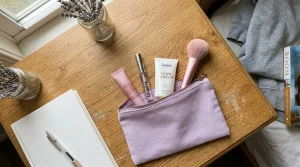
For many kids, dance classes are a fun and creative outlet, but the question of whether they need to wear makeup can add an extra layer of stress for parents and young dancers alike. While some studios may encourage makeup for performances to enhance visibility and expression, others may prioritize natural looks for everyday classes. Understanding studio requirements around makeup not only helps ease anxieties but also empowers children to shine confidently on stage or in class. In this article, we’ll explore the different perspectives on makeup use in dance, addressing common concerns and providing practical tips for parents navigating this issue. Whether you’re looking to adhere to studio norms or simply want to ensure your child feels comfortable, we’ve got you covered. Let’s dive in!
Do Dance Studios Require Makeup for Kids?
Many dance studios do have requirements regarding makeup for young dancers, often depending on the type of performance and the studio’s specific policies. It’s common for studios to expect dancers to wear makeup during performances to enhance their features under stage lights, which can be quite dim. The goal is to ensure that each dancer appears expressive and vibrant while on stage. However, it’s important to note that each studio may have its own guidelines. Some may enforce a makeup policy strictly, while others may leave it to the discretion of parents and dancers.
In many cases, studios will provide detailed guidance on what types of makeup are appropriate. Typical recommendations may include products such as foundation to even out skin tone, blush for a healthy glow, and eyeliner or mascara to accentuate the eyes. The emphasis is usually on accomplishing a polished look that allows dancers to appear confident and expressive during their performances. It’s crucial to communicate with your child’s dance studio to understand their specific expectations and to ensure that you’re complying with any guidelines they have in place.
Ultimately, the decision about whether to require makeup often comes down to the studio’s philosophy on performance presentation, as well as the age of the dancers. For younger children, studios might adopt a more relaxed approach, focusing on comfort and the enjoyment of dance rather than strict adherence to makeup norms. Always check with your local studio for their policy and to better prepare your child for what to expect during performances.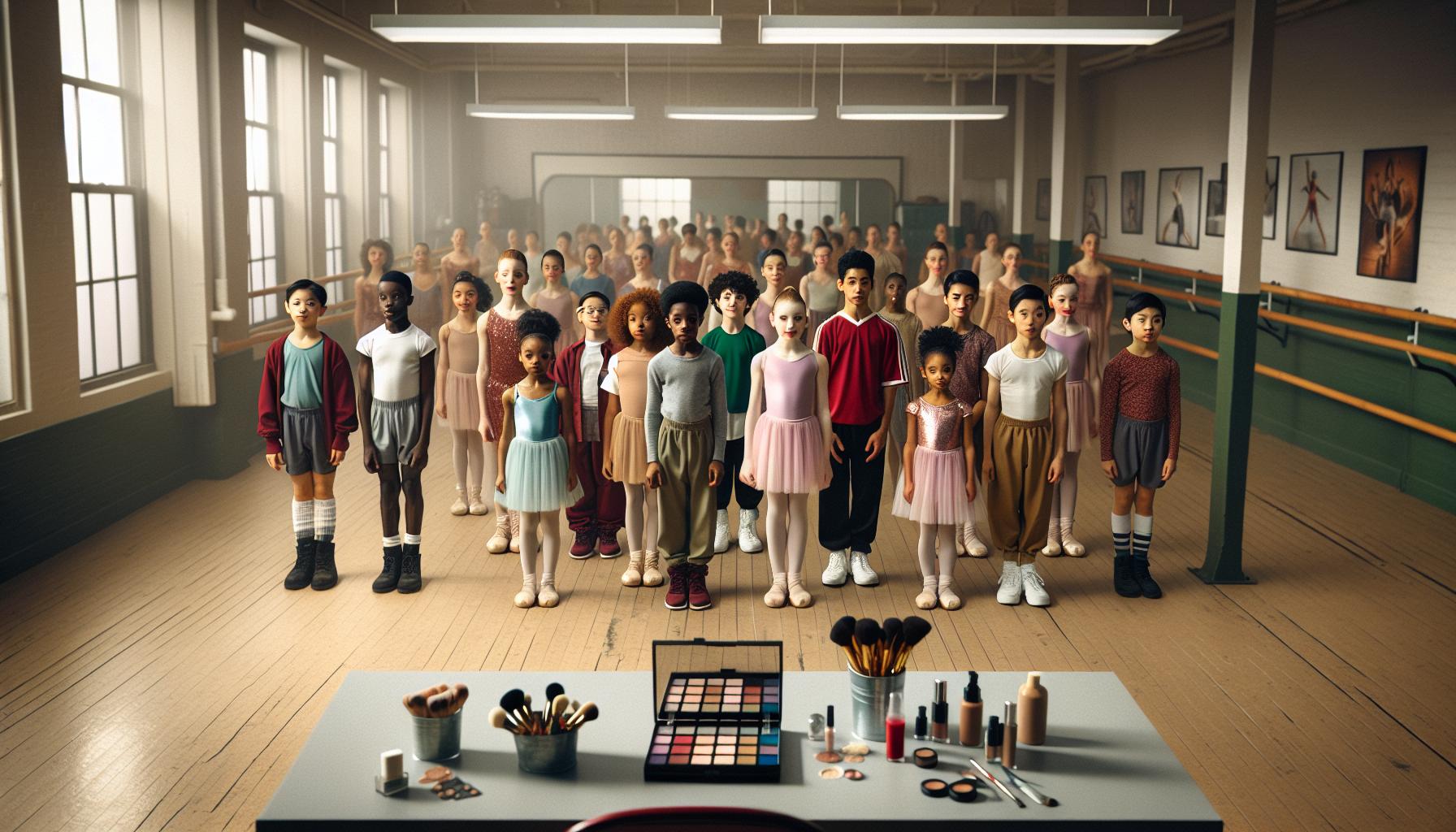
Understanding Makeup Requirements in Dance Classes
It’s important to understand that makeup requirements in dance classes can vary widely from one studio to another. Many studios implement specific guidelines to ensure dancers look their best on stage, especially under the bright, often harsh lighting that can wash out facial features. The main objective of requiring makeup is to enhance visibility and expression, making sure each dancer can be seen clearly by the audience.
Studios typically recommend specific makeup products aimed at achieving a polished and vibrant appearance. Commonly suggested items include a lightweight foundation or tinted moisturizer to create an even skin tone, a subtle blush to add color to the cheeks, and eye makeup like eyeliner and mascara to define the eyes. Some studios may even have brand-specific recommendations or a list of approved products to help parents make informed choices. This guidance is especially beneficial for novice users, as it demystifies the process and helps you select items that align with school policies.
However, it’s crucial for parents to communicate with dance instructors to clarify these requirements. Some studios offer flexibility, allowing younger dancers to wear minimal or no makeup, focusing instead on comfort and enjoyment rather than strict adherence to appearance. Involving your child in the decision-making process empowers them and ensures they feel comfortable and confident in their performance. Always remember, the goal is to support their love for dance, rather than adding undue pressure related to appearance.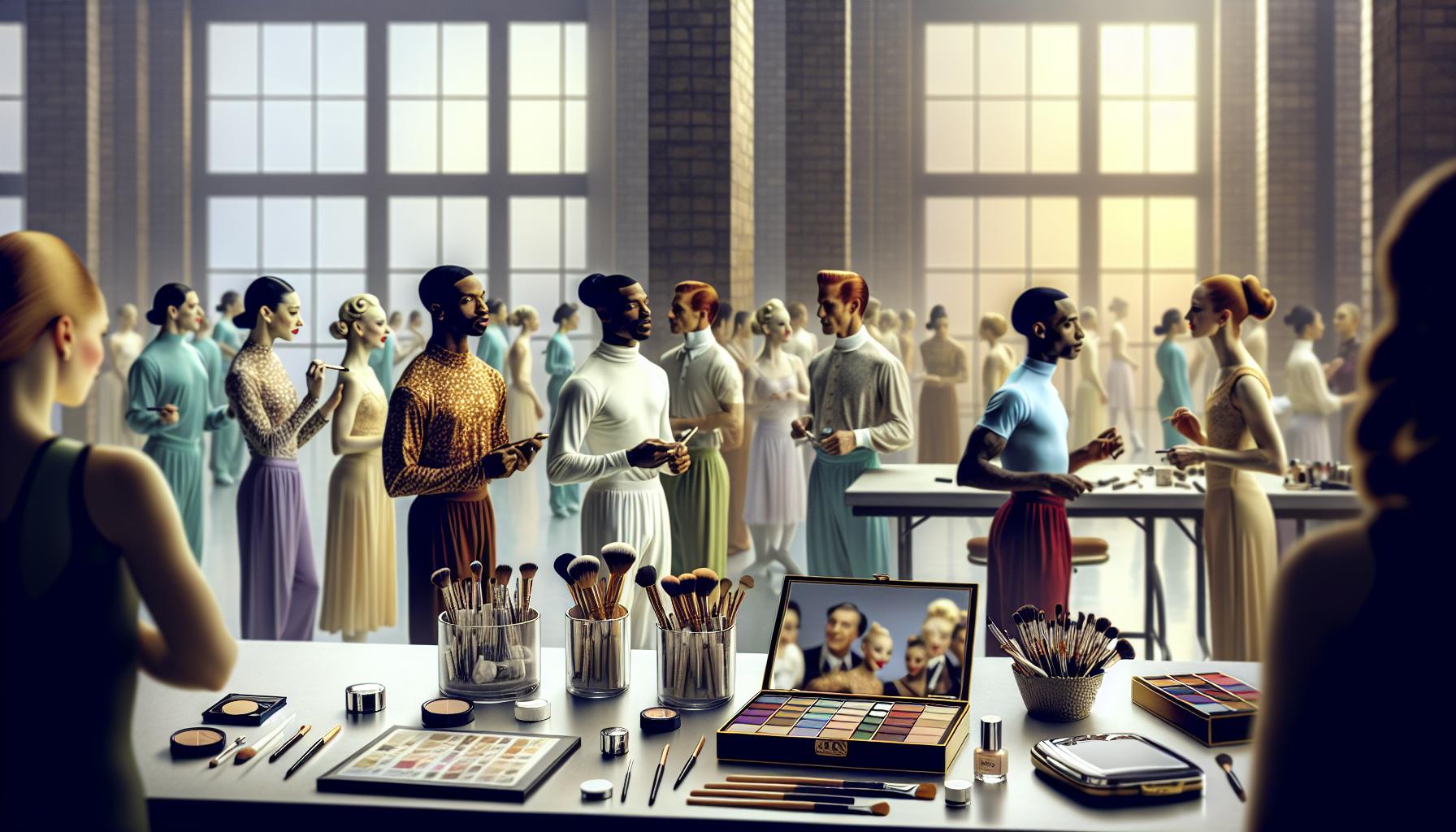
Benefits of Wearing Makeup for Young Dancers
Wearing makeup can significantly boost young dancers’ performances, offering them not just an enhanced appearance but also increased confidence. When step onto the stage, dancers under bright lights can easily have their features washed out, making it difficult for the audience and judges to see their expressions and movements. Applying makeup helps accentuate facial features, enhancing visibility and helping performers convey emotions effectively. This visibility is vital in dance, where the storytelling aspect is as important as the choreography itself.
Moreover, makeup can be a fun and empowering experience for young dancers. Engaging in the process allows them to embrace creativity and express their individuality, which can be particularly enjoyable before performances. Kids often look forward to getting ready together with friends, creating a sense of camaraderie and shared excitement that enhances their overall experience. This social element transforms what might seem like a chore into a cherished ritual that builds team spirit.
Additionally, wearing makeup can contribute to a dancer’s self-confidence. Feeling polished and put-together before stepping onto the stage can alleviate performance anxiety. When children believe they look their best, they are often more inclined to embrace their movements and express themselves freely. In this context, makeup serves as a powerful tool, allowing them to feel proud of their appearance and focus entirely on their performance without distraction.
In summary, the rules and recommendations regarding makeup in dance studios are not just about aesthetics; they can significantly impact how young dancers present themselves and feel on stage. Whether it’s helping to accentuate their features or providing a confidence boost, makeup plays a meaningful role in the dance experience.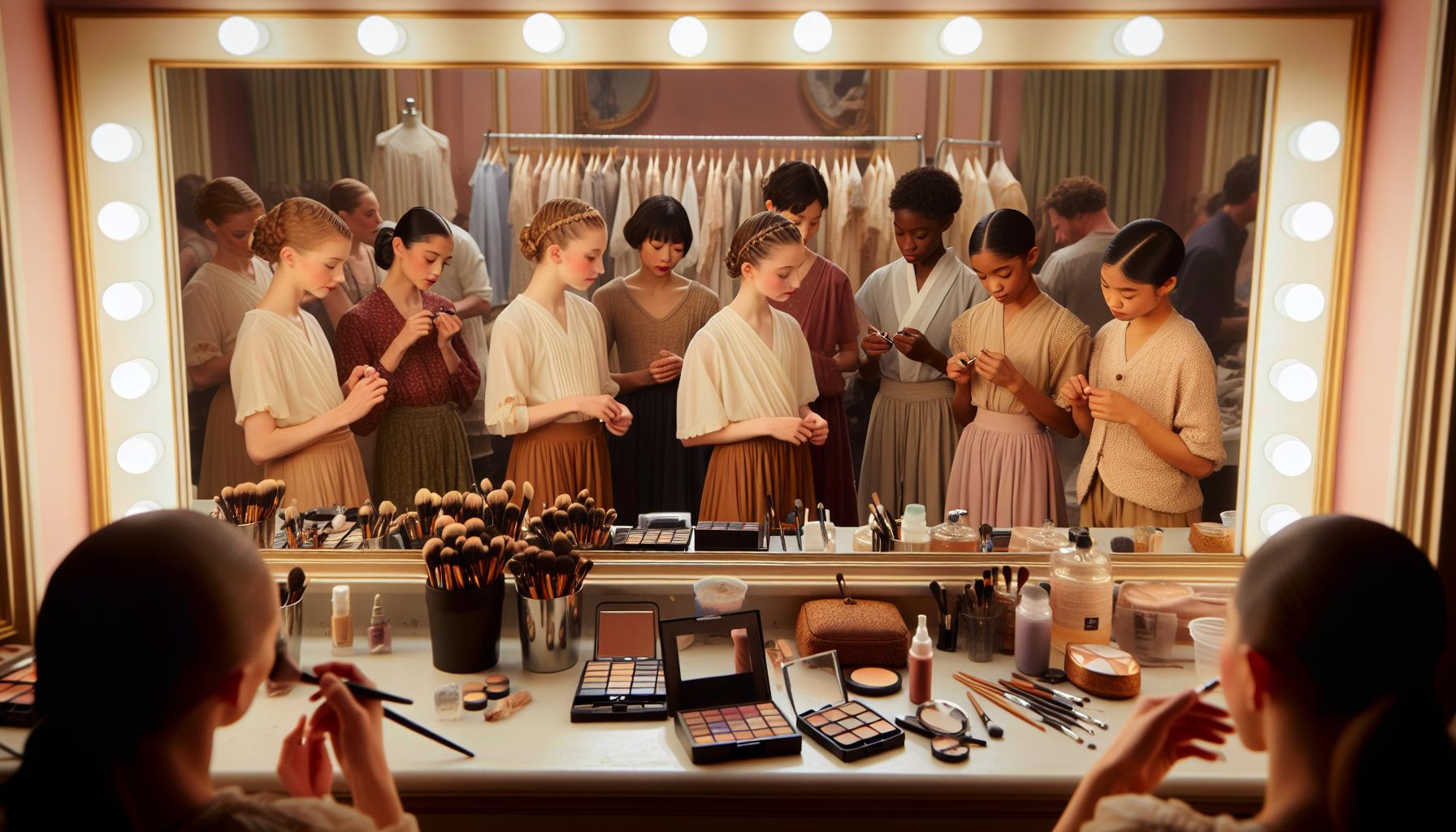
Common Concerns About Makeup for Kids in Dance
For many parents, the topic of makeup in dance can stir up a variety of concerns. One of the most pressing issues is whether makeup is actually necessary for young dancers or if it can compromise their youthful appearance. While studios often emphasize the importance of makeup for performances, especially under bright stage lights, it’s essential to navigate these requirements thoughtfully.
First and foremost, the idea of makeup may trigger worries about its appropriateness for young children. Parents may question if applying makeup could detract from a child’s natural beauty or send the wrong message about self-image. To ease this concern, consider the fact that stage makeup is typically designed to be subtle, enhancing features rather than masking them. The key is to use age-appropriate products and techniques that allow kids to feel comfortable and confident. For example, opting for a light tinted moisturizer instead of heavy foundation can ensure that the makeup blends naturally with the child’s skin.
Another prevalent concern revolves around skin sensitivity. Many children have delicate skin that can react negatively to certain cosmetic products. To address this, choose hypoallergenic, non-comedogenic makeup designed specifically for sensitive skin. It’s also a good practice to conduct patch tests with new products ahead of performances. This proactive approach can help prevent any unwanted irritation, allowing dancers to focus on their performance rather than discomfort.
Lastly, the pressure to conform to studio makeup standards can lead to anxiety for both dancers and parents. Some dance studios may have strict guidelines regarding the type and amount of makeup required. In these instances, open communication with instructors about any concerns is vital. Discussing alternatives, like using lighter shades or less product, may lead to a compromise that respects both the studio’s requirements and the child’s well-being.
To summarize, the journey into makeup can be a positive experience when handled with care. Focus on age-appropriate options, prioritize sensitive skin, and maintain open dialogue with dance instructors to ensure that makeup enhances, rather than detracts from, a child’s natural charm and confidence on stage.
Makeup Tips for Young Dancers: What You Should Know
While the idea of makeup can be daunting for young dancers and their parents, a few simple tips can make the process smooth and enjoyable. Understanding how to apply makeup correctly not only helps enhance a child’s performance but also boosts their confidence on stage. Here’s what you should keep in mind.
Using age-appropriate products is critical. For younger dancers, you can start with something as simple as a tinted moisturizer instead of foundation. This allows their natural beauty to shine through without the heavy coverage. When applying makeup, it’s all about enhancing their features rather than masking them. A light application of blush and a dab of lip balm can give a healthy glow without looking overwhelming.
Skin sensitivity is another important factor. Many children have sensitive skin that reacts negatively to certain makeup types. To avoid any issues, stick to hypoallergenic and non-comedogenic formulas that are specifically designed for kids. Always perform a patch test ahead of performances; applying a small amount of product to the inside of the wrist can help identify any potential reactions. If irritation occurs, switch to a more gentle option or skip that particular product.
When it comes to specific application techniques, less is often more. For eye makeup, consider using soft, neutral colors that won’t overpower their features. If using mascara, look for a light, washable formula to avoid discomfort when it comes time for removal. Aim for a fresh, natural look that can easily be achieved in about 10-15 minutes. This allows the kids to feel confident without taking away too much time from practice or fun.
Lastly, it’s beneficial for kids to practice their makeup routine ahead of time. This helps alleviate any anxiety about getting ready before performances. Create a fun makeup session at home a few days before the big day, letting them experiment with application while you guide them through each step. This not only makes the experience enjoyable but also fosters a sense of independence and creativity.
In summary, keeping makeup for young dancers simple, sensitive to their skin, and fun will ensure they’re ready to shine on stage while feeling comfortable and confident.
Alternatives to Traditional Dance Makeup for Kids
In today’s dance world, many studios are beginning to embrace more versatile and kid-friendly approaches to performance makeup. Traditional makeup can often feel overwhelming, particularly for young dancers who may have sensitive skin or just prefer a more natural look. Fortunately, there are plenty of alternatives that maintain a polished appearance on stage while adhering to the comfort and preferences of the dancers.
One popular option is the use of tinted moisturizers or BB creams instead of heavier foundations. These products provide light coverage while also hydrating the skin, allowing children’s natural beauty to shine through. Similarly, cream blushes can be a wonderful alternative to powder blush, as they’re easier to apply and blend, creating a fresh and natural flush. For eyes, consider using clear mascara or a light coating of tinted lip balm in place of more intense eye products. This can help to enhance features without the need for elaborate eye makeup that might feel daunting for younger performers.
Another approach to consider is the incorporation of face stickers or temporary tattoos designed specifically for dancers. These can add fun designs to their faces without the stress of application and removal associated with traditional makeup. Not only are they easy to apply, but they also wash off easily, making them a great choice for kids who might be apprehensive about the makeup routine.
Focusing on Skin Health
It’s important to always prioritize skin health, especially when choosing alternative products. Opt for hypoallergenic, non-comedogenic options that are gentle on the skin. Some brands even offer makeup specifically designed for children, ensuring safety and comfort during long rehearsals and performances. Always perform a patch test before applying any new product, even the ones marketed for kids, to prevent unexpected reactions.
Incorporating alternatives to traditional dance makeup can not only alleviate pressure from young dancers but also encourage them to express themselves in a way that feels authentic. By opting for lighter, more playful approaches to getting ready, children can enjoy the experience and feel confident on stage while remaining true to themselves.
How to Choose Age-Appropriate Makeup for Kids
Choosing the right makeup for kids, especially in the context of dance, can feel overwhelming. However, understanding what constitutes age-appropriate options is crucial for ensuring both safety and comfort. A good rule of thumb is to prioritize products that are specifically formulated for younger skin, which tends to be more sensitive. This means looking for hypoallergenic, fragrance-free, and non-comedogenic products-those that won’t clog pores as they sweat while dancing.
When considering makeup, think about the performance context. For instance, stage lights can wash out a child’s features, so a little enhancement with lightweight makeup can help them stand out. Start with a gentle tinted moisturizer or a BB cream, which offers minimal coverage for a more natural look while hydrating the skin. These are great alternatives to heavier foundations, which can feel suffocating or lead to breakouts. When it comes to color products, opt for cream blush or lip balm in playful colors that can be easily blended and are simpler for children to apply themselves.
Another effective way to ease kids into the makeup routine is through fun, non-traditional options such as face stickers. Safe for skin and playful, these can add a splash of creativity without the fuss of traditional makeup application. Always encourage your child to express their personality while ensuring any product used is age-appropriate and easy to remove after performances. Simple, gentle products will not only enhance their appearance on stage but also maintain their skin’s health, keeping the experience fun and exciting rather than a chore.
Local Dance Studio Policies: What to Ask
When choosing a dance studio for your child, one of the crucial aspects to clarify is their stance on makeup requirements. Policies can vary widely between studios, and knowing what to ask can make all the difference in ensuring a positive experience for both dancers and parents alike.
Start by asking the studio whether makeup is mandatory for performances. Some studios may have a strict policy requiring dancers to wear makeup for on-stage events, while others may leave the decision up to the parent or dancer. If makeup is required, inquire about the specific types and styles that align with their guidelines. This information can help you find suitable products and styles ahead of time, eliminating last-minute stress.
It’s also helpful to understand the reasoning behind the makeup policies. Some studios may emphasize that makeup enhances visibility under bright stage lights, making the performance more polished. If this is the case, asking for tips on applying makeup appropriately for different age groups can ease concerns about what’s suitable for your child. Don’t hesitate to ask if the studio provides any workshops or resources for parents and children to learn about age-appropriate makeup.
Additionally, consider discussing how the studio addresses sensitive skin issues. Given that many young dancers may have different skin types, it’s essential to know if they recommend hypoallergenic or specialty products. Last but not least, ask about their protocols for makeup removal after performances. Guidance on safe and effective removal can help maintain your child’s skin health, ensuring that the emphasis on aesthetics doesn’t overshadow their well-being.
By preparing these questions, you’ll gain clarity on makeup requirements and practices, leading to a smoother dance journey for your child.
Advice from Dance Teachers on Makeup Practices
While navigating the world of dance, understanding the nuances of makeup practices can greatly enhance your child’s experience on stage. Dance teachers often emphasize that makeup is not just about aesthetics; it serves a functional purpose, especially under bright stage lights. Many instructors recommend specific looks that help ensure young dancers are seen clearly by the audience, adding a touch of professionalism to their performances.
Teachers often suggest starting with a light foundation or tinted moisturizer to create an even skin tone. This base helps to hide any blemishes while retaining a natural look. For younger dancers, using products labeled as gentle and suitable for sensitive skin can be crucial. Teachers usually encourage parents to look for hypoallergenic options that don’t irritate delicate skin. Moreover, a translucent powder can help set the foundation, preventing shine and making sure the makeup holds up through the performance.
Adding a bit of color to the cheeks with a subtle blush can bring life to a dancer’s face under stage lighting. Teachers frequently remind parents that while it’s important for the makeup to be visible, it should still look age-appropriate. For eyes, a simple application of eyeliner and mascara can emphasize the eyes without overwhelming them; many educators recommend using waterproof products to withstand any sweat or tears that might occur during an emotional performance.
Finally, don’t forget about the lips! A tinted lip balm or a slightly brighter lip color can complete the look and ensure your child’s smile is visible to the audience. Teachers often stress the importance of practice when it comes to makeup application. Setting aside a few evenings before performances to let your child experiment with different looks can not only build their confidence but also make them feel more prepared. By adopting these practices, you’ll not only ease concerns about makeup but also support your young dancer in feeling empowered and ready to shine on stage.
Parent Experiences: Navigating Makeup in Dance Studios
Navigating the world of makeup in dance studios can feel like a maze for many parents, but understanding the common experiences of others can help ease the journey. Many parents find themselves in a whirlwind of emotions when faced with the question of makeup for their young dancers. It’s important to note that while some studios have specific requirements regarding makeup, the way it’s approached often varies widely. Many parents report that the pressure can feel overwhelming, especially during recitals or competitions where stage presence is crucial.
For instance, Jane, a mother of a six-year-old dancer, shared her initial shock when her studio recommended makeup for the first recital. She found solace in connecting with other parents who were equally bewildered. They formed a group to share tips on application techniques that were both age-appropriate and easy to manage. This collaborative effort allowed them to learn what products worked best for little ones, such as gentle, hypoallergenic brands that wouldn’t irritate young skin.
One of the key conversations among parents revolves around the balance of looking polished while keeping it age-appropriate. Some dancers, like 8-year-old Mia, feel empowered when they wear a little blush and lip gloss, as it enhances their performance. Mia’s mom explains that for her daughter, these small touches not only helped with visibility on stage but also significantly boosted her confidence. Conversely, other parents express concerns about potential pressure their kids might face to wear makeup, stressing the importance of ensuring it’s a fun and positive experience rather than an obligation.
Ultimately, the discussions around makeup in dance studios highlight a need for clarity and support. Parents should feel encouraged to reach out to instructors for specific guidelines and share their thoughts about what feels right for their children. It’s also a good idea to practice makeup application at home. By treating the makeup routine as a playful pre-show ritual rather than a chore, families can create cherished memories that further enrich the dance experience. Remember, the goal isn’t just about adhering to studio requirements but also about fostering a joyful environment where young dancers can express themselves while feeling confident on stage.
Preparing Your Child for Makeup Routines in Dance
Preparing your child for the makeup routines associated with dance can be an exciting bonding experience, turning what might feel like a chore into a fun ritual. Many parents initially worry about how their kids will respond to makeup and what products are appropriate. However, with a little guidance and practice, you can help your child feel comfortable and confident with the process.
Start by involving your child in the selection of makeup products. Look for non-toxic, hypoallergenic options that are specifically designed for kids, ensuring that the ingredients are gentle on their sensitive skin. Brands like Jovy offer makeup that is both fun and safe, allowing kids to express their creativity without exposing them to harsh chemicals. Show your child how to choose colors that complement their skin tone and consider practicing different looks together at home. This not only helps them understand what feels good but also makes them excited about using makeup.
Establish a routine leading up to performances. Schedule time for makeup applications so it doesn’t feel rushed or stressful on the day of a recital. You might consider creating a checklist of what needs to be done, from cleansing their face beforehand to applying each product in a specific order. For instance, start with a light moisturizer, followed by a soothing foundation or tinted moisturizer, a touch of blush, and a swipe of lip gloss. Explain the purpose of each step; for example, “We use blush to bring warmth to your cheeks so you look vibrant on stage!”
Finally, encourage your child to practice the process several times before the big day. This not only builds their confidence in applying the makeup but also gives you both a good opportunity to adjust any techniques or products that may not work as well. Remember, the goal is to create a fun, pressure-free environment where your child can feel empowered. Embrace the experience as a chance to bond and celebrate their hard work in dance, making it a joyful part of their performance routine.
The Impact of Makeup on Performance and Confidence
Makeup can play a surprisingly influential role in how young dancers perform and feel on stage. Many dance studios emphasize the importance of makeup to enhance a dancer’s features under bright stage lights, ensuring they remain visible and vibrant to the audience. This practice can unwittingly foster a sense of professionalism and seriousness about their art, helping young performers embrace their characters and elevate their confidence.
When children wear makeup, it can serve as a transformative tool. Just as actors put on costumes to embody a role, makeup allows dancers to present themselves more fully as performers. For instance, a little color on the cheeks or a swipe of lip gloss can boost a child’s self-esteem, making them feel as though they are stepping into a different persona. This psychological lift can translate into their performance, allowing them to express themselves more freely and move with greater assurance.
However, it’s essential to strike a balance. Some children may feel uncomfortable with makeup, leading to anxiety rather than empowerment. Involve your child in the process of selecting age-appropriate products that they feel comfortable wearing, emphasizing that the focus is on enhancing their natural beauty rather than masking it. Simple techniques like applying a light foundation or using a tinted lip balm can make a noticebable difference without overwhelming them.
Ultimately, the key is to create an enjoyable and pressure-free experience around makeup in the context of dance. By treating makeup application as a fun ritual rather than a chore, and by celebrating the results together, you can help cultivate a positive outlook that enhances your child’s performance and overall confidence. Whether they’re rehearsing in the studio or stepping onto the stage, feeling good about their appearance can fuel their enjoyment and success in dance.
Frequently asked questions
Q: Do kids in dance classes need to wear makeup?
A: Many dance studios encourage or require makeup for performances to enhance visibility on stage. However, for regular classes, makeup is generally not mandatory. Check with your specific studio’s guidelines to know their requirements for both classes and shows.
Q: What types of makeup are appropriate for kids in dance?
A: Appropriate makeup for kids in dance should be age-appropriate and non-toxic. Light foundation or concealer, natural blush, and subtle lip color are ideal. Always prioritize products labeled as safe for children to avoid harsh chemicals.
Q: At what age should kids start wearing makeup for dance?
A: Kids can begin wearing light makeup around the age of 6 or 7, aligning with their first performances. However, this can vary based on studio policies and individual comfort levels. Always consult your dance instructor for tailored guidance.
Q: How can I ensure my child’s makeup is safe during dance?
A: To ensure safety, choose makeup labeled as hypoallergenic and free from harmful substances. Encourage your child to do a patch test prior to use to check for allergic reactions. Always remove makeup after practice or performances to maintain skin health.
Q: What should I ask my child’s dance studio about makeup requirements?
A: Ask your child’s dance studio about their policies on makeup for classes and performances. Inquire about which products are recommended, the necessity of applying makeup for recitals, and if there are specific guidelines for different age groups.
Q: Can we use alternative makeup for dance performances?
A: Yes, alternatives like face paint or mineral makeup can be used for performances if they are suitable for the skin. Always verify with the dance studio to ensure these options meet their guidelines and contribute positively to performance visibility.
Q: How can I help my child prepare for wearing makeup in dance?
A: Start by having fun practice sessions at home where your child can see how to apply makeup. Explain the purpose of makeup in performance and encourage them to express their feelings about wearing it. This will make the experience more comfortable and enjoyable.
Q: What are the common concerns about kids and makeup in dance?
A: Common concerns include skin sensitivity, age appropriateness, and the pressure some kids may feel to conform. Address these by choosing gentle, suitable products and encouraging open discussions with your child about their comfort and preferences in makeup use.
Final Thoughts
In conclusion, while makeup in dance for kids can enhance stage presence, it’s essential to balance this with their comfort and personal preferences. Remember, every studio has its own requirements, so don’t hesitate to chat with your child’s dance instructor to clarify what’s expected. If your little dancer isn’t keen on wearing makeup, that’s perfectly okay! Consider exploring other ways to support their confidence on stage. For more insights, check out our articles on “Dancewear Essentials for Young Dancers” and “Boosting Confidence in Young Performers.”
Ready to dive deeper? Sign up for our newsletter to stay updated on the latest in dance tips and trends! Share your thoughts below-have you found creative solutions for makeup in dance? Your experiences could help other parents facing the same decisions. Keep exploring, and let’s navigate this journey together!
Get our latest guides, news, and insights highlighted in your Google Search & AI Overviews.