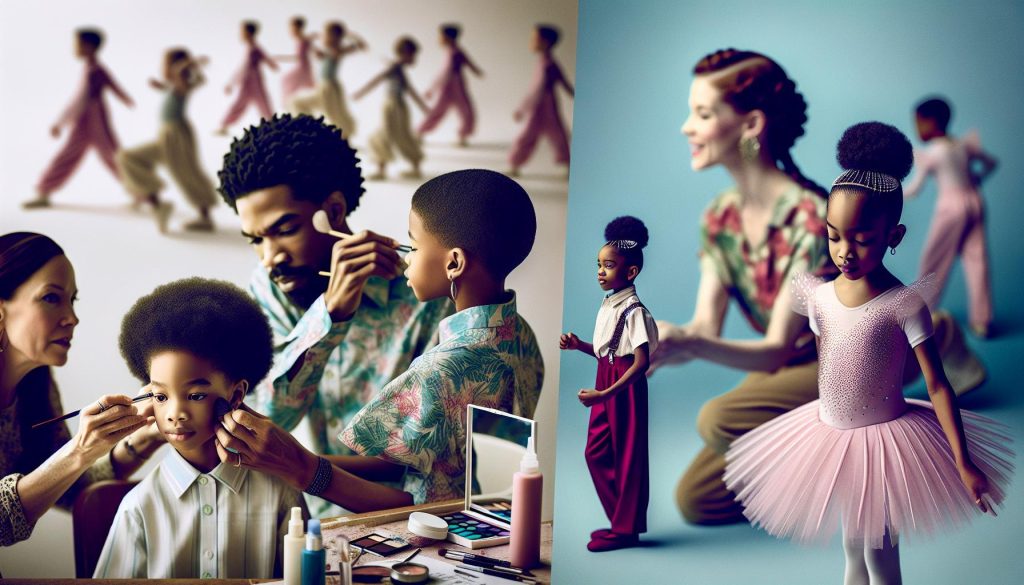
Preparing your child for a dance recital can be an exciting yet daunting task, especially when it comes to makeup. Did you know that stage makeup is specifically designed to look vibrant and enhance features under bright stage lights? In this guide, we’ll walk you through how to do kid makeup that’s stage-ready, ensuring your little performer feels confident and beautiful. Whether you’re a first-time parent or a seasoned pro, you might have questions about which products to use and how to apply them effectively. From foundation to glittery eyeshadow, this step-by-step approach will make the process easy and enjoyable. Let’s dive into the essentials and discover how to create stunning looks that will shine on stage!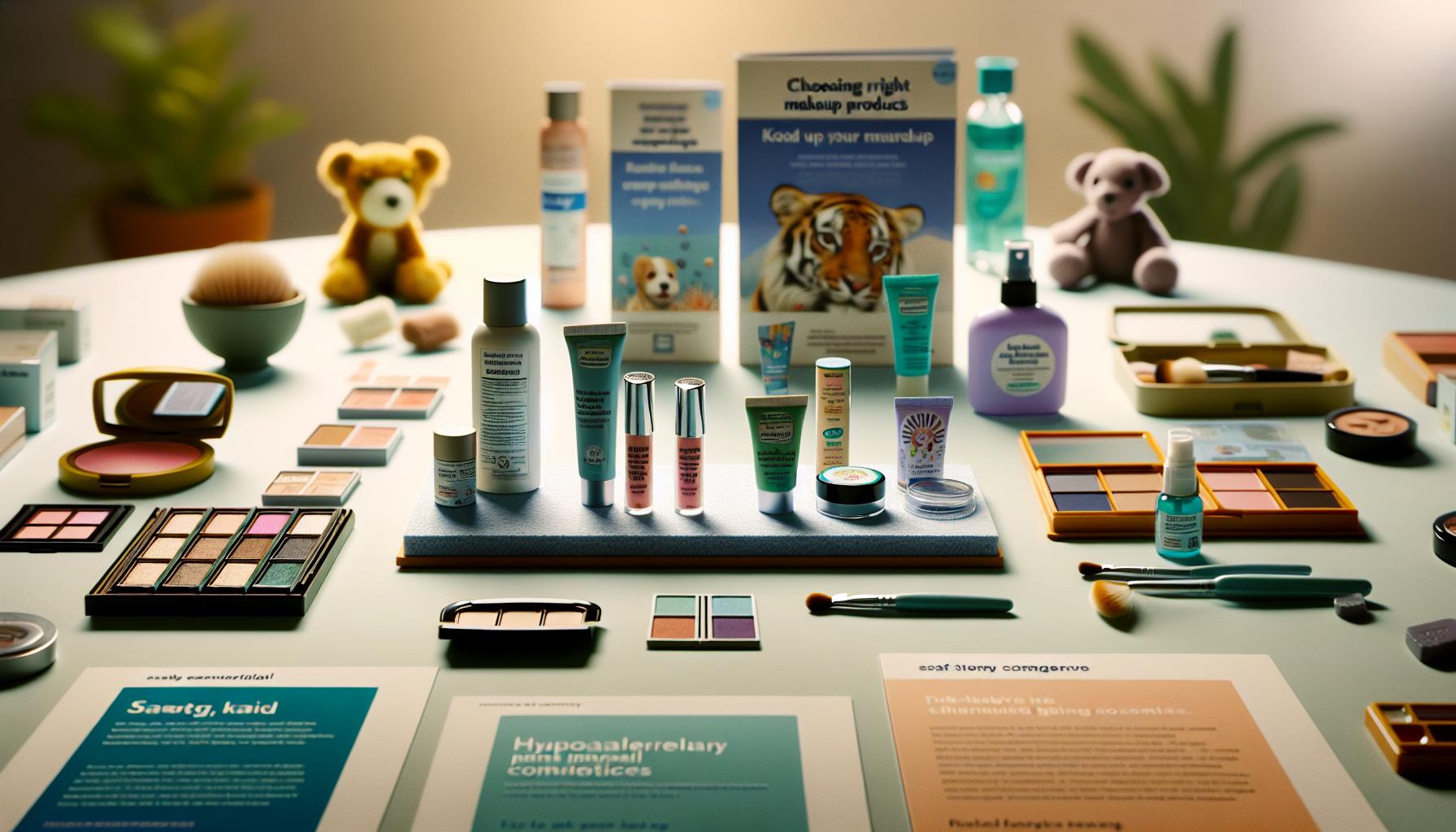
Choosing the Right Makeup Products for Kids
can feel daunting, especially when preparing for a dance recital. Understanding which items are not only effective but also safe for young skin is essential. Products specifically designed for children are formulated to be gentle and non-irritating, reducing the risk of breakouts or allergic reactions. Look for makeup labeled as hypoallergenic and fragrance-free, as these are less likely to irritate sensitive skin.
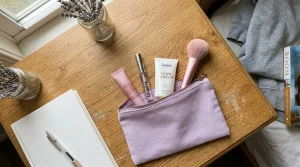
When selecting products, consider the performance aspects required for the stage. Foundation or tinted moisturizer should provide even coverage without feeling heavy. Cream blush is ideal since it’s easy to blend and gives a natural look. For eyes, waterproof mascara can withstand the sweat and emotions of a performance, ensuring your child looks their best until the final curtain. Face paint can be a fun addition to create specific characters or dramatic looks, but always opt for brands that are washable and safe for facial application.
Here are some essential categories to focus on for a successful makeup kit:
- Face: Tinted moisturizers or lightweight foundations
- Blush: Cream or powder in soft shades
- Eyes: Waterproof mascara and eyeliner, neutral eye shadow palettes
- Lips: Tinted lip balm or lip gloss for a natural sheen
Remember, less is often more when it comes to kids. A simple, bright look can be stunning on stage without overwhelming their youthful features. Opting for multi-use products can also simplify the process and minimize the number of items you need to carry. Lastly, always test makeup on a small area of the skin before application to ensure there are no reactions, allowing your child to shine confidently during their performance.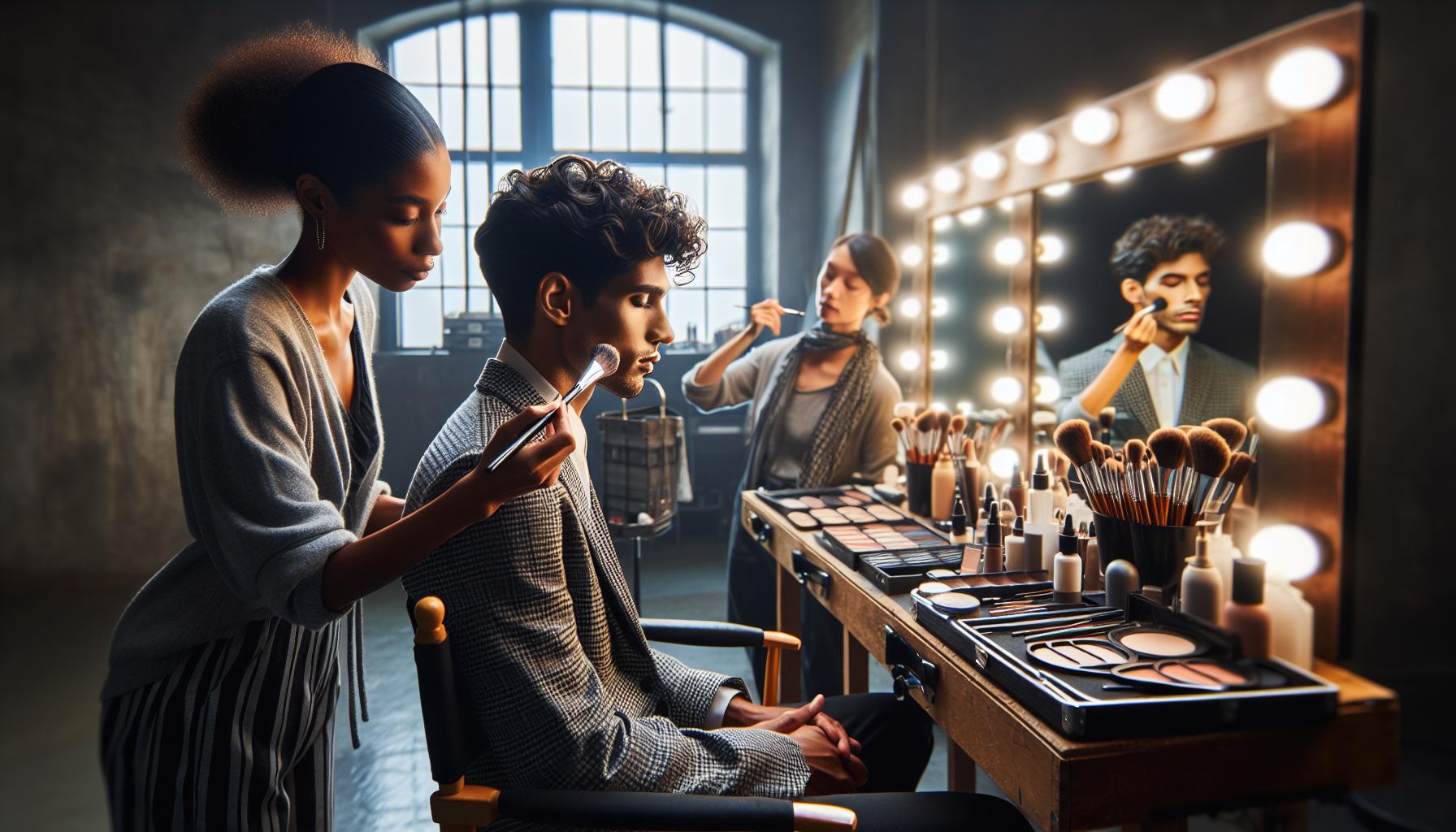
Essential Tips for Stage-Ready Makeup Application
When it comes to applying makeup for a dance recital, the goal is to enhance your child’s features in a way that stands out under the bright stage lights while still looking natural and age-appropriate. A well-executed makeup application not only boosts confidence but also helps achieve the desired visual effects that will capture the audience’s attention.
Start with a clean canvas. Cleanse your child’s face with a gentle cleanser suitable for their skin type and apply a lightweight moisturizer to keep the skin hydrated. This step is crucial, as hydrated skin allows makeup to apply more smoothly. After moisturizing, let it absorb for a few minutes before moving on to foundation. Choose a tinted moisturizer or lightweight foundation that provides coverage without feeling heavy. Remember, a little goes a long way-aim for a dime-sized amount and apply it with a makeup sponge using gentle, dabbing motions for an even finish.
To create a natural flush, select a cream blush for its easy blendability. Apply it to the apples of the cheeks and blend upwards toward the temples. This technique mimics the natural flush achieved from physical activity, which can look beautiful on stage. Next, for the eyes, opt for waterproof mascara and neutral eyeshadow shades. Apply a light base color across the eyelids, then deepen the crease with a slightly darker shade. This adds dimension to the eyes without overwhelming their youthful appearance. Finish the eye look with a coat of waterproof mascara to prevent smudging during performances.
Lips should look fresh and vibrant yet remain age-appropriate. A tinted lip balm or sheer lip gloss is perfect for providing color without the heaviness of traditional lipstick. For a bit of fun and flair, consider adding some face gems or temporary tattoos that can enhance your child’s character or the overall look of the performance.
Lastly, remember to set the makeup with a translucent powder, especially in areas prone to shine, like the T-zone. This will help the makeup last through the duration of the recital. A light dusting is all it takes-too much powder can create a cakey appearance. Encourage your child to practice smiling and moving their face while makeup is applied, ensuring that everything looks great when they take the stage!
In summary, successful stage-ready makeup for kids is about balance-enhancing features without masking their natural beauty. Focus on quality products, light applications, and age-appropriate techniques for a look that your child will love and feel confident in as they shine on stage.
Step-by-Step Guide to Kid-Friendly Makeup Techniques
Creating a delightful makeup experience for your child can be enjoyable and rewarding, especially when preparing for a dance recital. Following a structured approach can help you ensure that the end result enhances their natural beauty while remaining age-appropriate. Here’s how to execute kid-friendly makeup techniques that are both effective and fun.
Start with a clean base. Begin by gently cleansing your child’s face with a mild soap-free cleanser suited for their skin type. This step helps remove dirt and oils that could interfere with makeup application. After cleansing, apply a light moisturizer-opt for one formulated for sensitive skin-to keep their skin hydrated. Allow the moisturizer to sink in for about 5 minutes before proceeding. This helps create a smooth canvas for makeup application.
For foundation, less is more. Instead of heavy foundation, consider using a tinted moisturizer or a BB cream to even out the skin tone while allowing their natural skin to show through. Use a makeup sponge to apply a small amount-a dime-sized dollop should suffice-starting in the center of the face and blending outward for a natural finish. This technique helps avoid an overdone look that can be unflattering under stage lights.
Now, let’s focus on adding some color. Choose a cream blush for a fresh, youthful glow. Lightly apply it to the apples of their cheeks and gently blend it upwards toward the temples. This mimics a natural flush and will look beautiful on stage. For the eyes, use a neutral eyeshadow palette. Apply a lighter shade all over the lid, then add a slightly darker shade to the crease, blending well to avoid harsh lines. Finish with waterproof mascara to enhance their lashes without worry about smudging during performances.
Finally, for the lips, stick to a tinted lip balm or a sheer gloss, which offers color and shine without overwhelming their youthful look. This keeps the overall aesthetic soft and age-appropriate. If your child is comfortable, you can add fun elements like face gems or stickers that align with their outfit or dance theme. Always remember to set the makeup with translucent powder to help everything last longer; just a light dusting in shiny areas will do.
By employing these simple yet effective techniques, you can help your child shine on stage while ensuring their makeup is appropriate and not too heavy. A little practice and patience can turn the process into a memorable bonding experience, filled with giggles and excitement about their performance.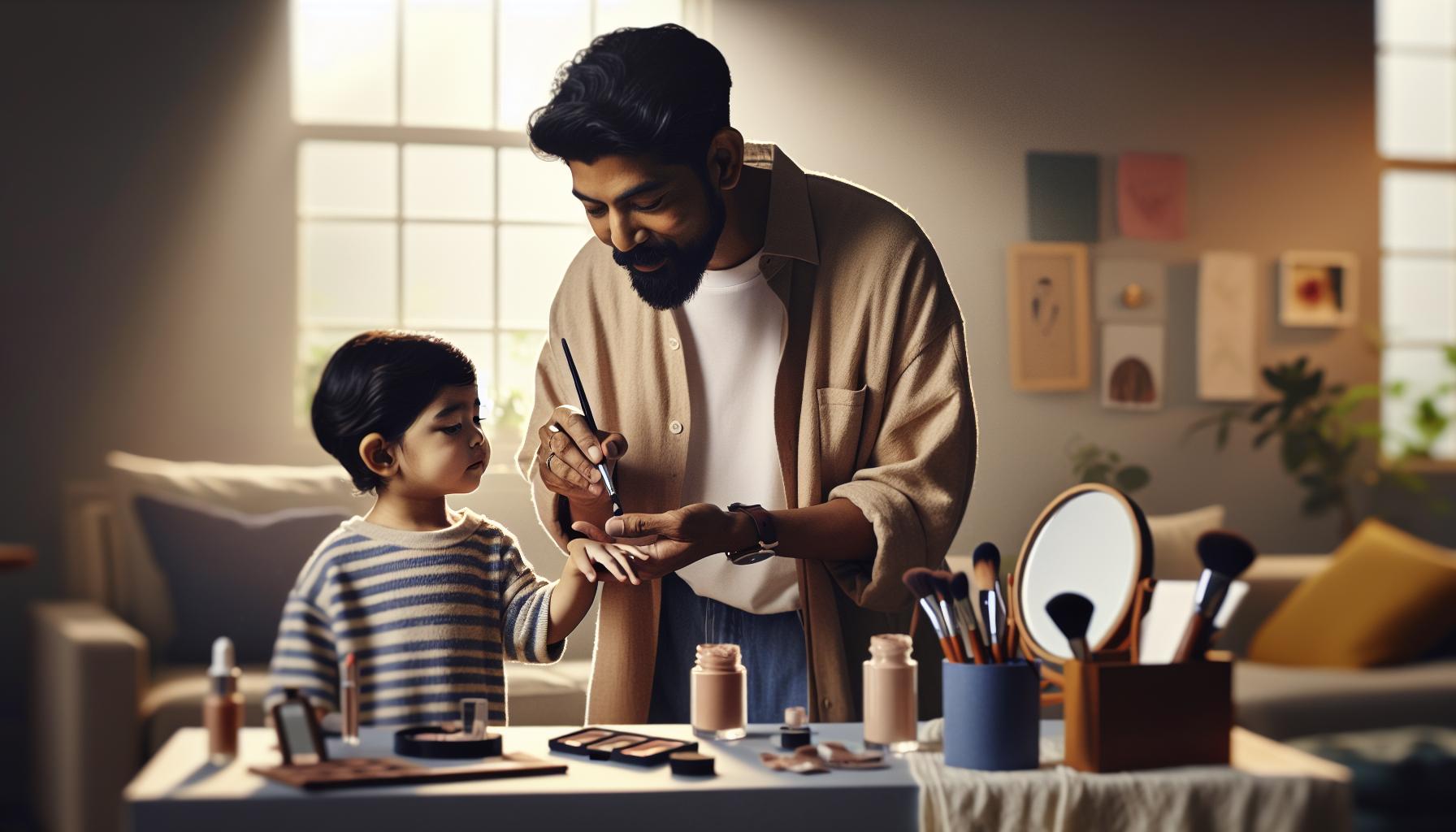
Making Makeup Fun: Engaging Your Child in the Process
Creating a fun and engaging makeup experience for your child can transform the typical pre-recital routine into something truly special. By involving your child in the process, you not only boost their excitement but also help build their confidence, ensuring they feel as beautiful as they perform. Here are some creative strategies to make the makeup application enjoyable and memorable.
Start by turning the makeup session into a mini salon experience. Set up a cozy space with all the necessary products and tools laid out. Play some upbeat music or let your child pick a favorite playlist to create a lively atmosphere. You might even want to incorporate themed makeup ideas based on their dance number-this gives them a sense of ownership in their look and makes the process feel personal. Consider using mirrors that allow them to see their reflection, encouraging them to share their thoughts on colors or styles as you apply.
Another way to engage your child is through storytelling. Explain that makeup for a dance recital is like putting on a character-each step is part of the transformation process. For example, while applying blush, you might say, “Let’s add some rosy cheeks to give you that ballet fairy feel!” By framing makeup application as part of a fun narrative, you are making it relatable and imaginative, which can alleviate any apprehension they may have about wearing makeup.
You can also incorporate learning moments into the process. Teach them simple makeup techniques as you go along, such as how to blend eyeshadow or the right way to apply lip color. Explain why you choose certain products, like waterproof mascara for performances, emphasizing that these choices help their beautiful look last throughout their dances. This not only empowers them with knowledge but also fosters their creativity and independence.
Lastly, allow your child to make decisions throughout the makeup process. Whether it’s choosing between two lip colors or selecting fun accessories like sparkly face gems, their input makes the experience collaborative. This builds excitement and reinforces their confidence as they prepare to take the stage. Remember to celebrate the final look with a mini photo shoot-snap pictures to capture the moment before they step onto the stage, creating lasting memories that both of you will cherish.
Involving your child in this joyful process can turn makeup application into an enjoyable bonding time, filled with laughter and little moments of creativity. The key is to embrace the fun and treat it as an exciting adventure!
Highlighting Features: What to Emphasize for the Stage
To create a captivating stage presence for your child during a dance recital, it’s essential to highlight features that will shine under the bright stage lights. Focus on enhancing the natural beauty of their features while ensuring that the makeup style aligns with the theme of their performance. Here’s how to emphasize specific areas while keeping the overall look stage-ready.
First, consider the eyes, which are often the focal point of any performance. Bright and expressive eyes can convey emotion and energy even from a distance. Use colorful eyeshadow that complements their costume, and don’t shy away from layering a couple of shades to create depth. A common technique is to apply a lighter shade on the eyelid and a slightly darker tone in the crease to give the illusion of larger eyes. Adding a dotted line of eyeliner along the upper lash line can also define their eyes, making them pop. Remember, waterproof formulas are crucial to withstand any tears or sweat during the performance.
Next, focus on the cheeks and lips for a balanced and engaging look. Peachy or rosy blush can bring warmth and vitality to their complexion, and should be applied onto the apples of their cheeks, blending slightly upwards towards the temples for a natural flush. For lips, choose a vibrant but kid-friendly shade, such as a soft pink or a fruity gloss that suits the theme. You can apply a lip liner to prevent feathering, but keep in mind that the goal is to achieve a look that feels comfortable and age-appropriate while still making an impact on stage.
Additionally, don’t overlook the importance of highlighting the brow area. Well-defined brows frame the face and enhance the eyes, which is particularly important in a performance setting. Use a brow pencil or powder to fill in any sparse areas, following the natural shape of your child’s brows. This will ensure they look polished without feeling overdone.
Lastly, a touch of highlighter on the cheekbones, brow bones, and the bridge of the nose can create a dewy glow that catches light beautifully, giving your child an enchanting look that draws the audience’s attention.
By thoughtfully emphasizing these features, you not only enhance your child’s natural beauty but also create a look that will shine bright on stage, helping them feel confident and ready to perform their best.
Top Mistakes to Avoid When Doing Kid Makeup
Many parents have found themselves in a dilemma when it comes to putting makeup on their kids for a dance recital. While the idea is to help your child look fabulous on stage, there are common pitfalls that can dampen the experience or even lead to discomfort for your little one. Let’s explore some of the crucial mistakes to avoid to ensure the makeup application is enjoyable and effective.
One major misstep is using products not specifically designed for children. Standard adult makeup can contain harsh chemicals or ingredients that may irritate a child’s sensitive skin. Always opt for kid-friendly makeup products, specifically formulated to be gentle and safe. Look for labels indicating hypoallergenic formulations, and when in doubt, consider conducting a patch test before the big day.
Another common error is over-application. It’s easy to get carried away, especially when trying to create a dramatic look for the stage. However, heavy layers not only can look unflattering but can also feel uncomfortable for your child. Instead, aim for a natural, breathable look. A light foundation or tinted moisturizer combined with a touch of blush can be stunning without feeling heavy, allowing your child to move and express themselves freely.
Skipping Skin Preparation
A well-prepped canvas is crucial for any makeup application, yet many skip this step. Make sure to cleanse and moisturize your child’s skin before applying makeup. A quick and gentle wash followed by a light moisturizer will provide a smooth base and help the makeup stay in place longer. For a fun touch, let your child pick a fun moisturizer with a pleasant scent to make the process more engaging!
Finally, not considering the stage lighting can lead to disastrous results. Stage lights often wash out colors, making it essential to apply slightly more vibrant shades to ensure your child’s features are visible from a distance. Instead of standard blush or lip colors, opt for brighter or more pigmented options that she’ll love to wear while still looking great on stage.
By avoiding these common mistakes, you can ensure a pleasant makeup experience that not only enhances your child’s performance but also keeps them comfortable and happy as they shine under the spotlight!
Makeup for Different Dance Styles: What to Consider
When applying makeup for different dance styles, it’s crucial to consider how each genre influences the overall look and feel your child will convey on stage. Different dance forms-like ballet, jazz, tap, and hip-hop-demand distinct approaches to makeup application, as well as varying colors and styles to suit the performance’s mood and energy.
In ballet, for instance, the emphasis is on a soft, graceful appearance. A light application of foundation with a delicate pink blush can impart that quintessential ballet blossom. Use neutral eyeshadows with subtle sparkle and finish with a soft pink lip gloss. These choices ensure your child looks ethereal and elegant, while also feeling comfortable and natural on stage.
Jazz and tap dance, on the other hand, allow for more vibrant colors and a bolder makeup look. Brightly colored eyeshadows, thicker eyeliner, and enhanced lip colors should fill your makeup kit. For instance, a vibrant red lipstick can make a strong statement and stand out well under stage lights. A pop of glitter on the eyes can add that extra sparkle for tap performances, ensuring your child shines with energy while maintaining a playful edge.
Hip-hop style requires an entirely different approach, focusing on edginess and individuality. Here, you might want to experiment with darker shades and more graphic lines. A bold lip in a deep berry or even black, combined with striking eyeshadow or fun face gems, helps capture the dance’s urban essence. Additionally, consider incorporating makeup that allows for expressive freedom-after all, hip-hop is about confidence and attitude.
Finally, regardless of the dance style, always remember to prioritize comfort and skin safety. Use age-appropriate, hypoallergenic products that won’t irritate delicate skin, and always encourage your child to express their personality through their makeup. By considering the specific requirements for each dance genre, you can make makeup a fun and integral part of the recital experience that complements their performance beautifully.
Long-Lasting Makeup: Tricks for a Full Performance Day
For a successful day of performances, ensuring that your child’s makeup lasts from the moment they step onto the stage until the final curtain call is essential. Kids are energetic and full of life, which can easily lead to makeup smudging or fading. To help you achieve a long-lasting look, here are some tried-and-true strategies.
Start with a solid base: primer is your best friend. This product creates a smooth canvas on the skin and helps makeup adhere better. Choose a lightweight, hypoallergenic primer specifically formulated for sensitive skin. Apply it gently across your child’s face using clean fingers or a sponge, focusing on areas that tend to get oily, like the forehead and nose.
Next, opt for waterproof makeup products. Using a waterproof foundation will significantly enhance durability. If your child has a little extra shine from sweat or excitement, a matte setting powder can help control oil throughout the performance. Remember to set the foundation with a translucent powder, dusted lightly with a fluffy brush, to ensure even coverage without looking cakey.
Another key aspect is layering: rather than applying a hefty amount of color in one go, build up the makeup slowly. For instance, start with a light layer of eyeshadow and gradually add more for intensity, allowing each layer to dry before adding the next. The same applies to eyeliner and mascara-consider using a waterproof formula to prevent smudging, especially if your kid dances hip-hop or more energetic styles.
Finally, don’t forget the finishing touches. A makeup setting spray designed for long wear can lock everything in and create a protective barrier. Spray it about 6-8 inches away from your child’s face with their eyes closed to avoid any irritation. This step will help stabilize the makeup and can keep it looking fresh throughout the performance.
By preparing the skin properly, choosing the right products, and applying them strategically, you can ensure your child’s makeup stays flawless as they shine on stage.
Removing Kid Makeup: Safe and Gentle Solutions
After a long day of dancing and performing, safely removing your child’s makeup is just as crucial as applying it. Kids have sensitive skin that requires gentle handling to prevent irritation or damage. To make this process both effective and pleasant, here are some thoughtful strategies you can implement.
Start with a good quality makeup remover designed for sensitive skin. Look for products labeled as gentle, hypoallergenic, and fragrance-free, as these will minimize the risk of adverse reactions. A cleansing oil or a cream-based remover can be particularly effective for breaking down the waterproof makeup typically used for performances. Apply a small amount-about the size of a quarter-onto a cotton pad, and gently press it against your child’s skin for a few seconds to help dissolve the makeup before wiping it away. This approach allows for easier removal while being kind to their delicate skin.
Wash the Face Thoroughly
After the primary makeup removal, wash your child’s face with a mild cleanser to ensure all residue is gone. Choose a pH-balanced cleanser to maintain the skin’s natural barrier. Apply a dime-sized amount of cleanser to damp skin and use gentle, circular motions for about 30 seconds. This step not only cleanses but also helps refresh the skin after hours of makeup wear. Make sure to encourage your child to participate in this process, especially if they’re older, as it empowers them to take care of their own skin.
Moisturize After Cleaning
Following cleansing, applying a soothing moisturizer can help restore hydration and calm any potential irritation. Opt for products rich in natural ingredients, such as aloe vera or chamomile, which are known for their calming properties. A gentle, lightweight moisturizer is ideal, especially if your child’s skin tends to be oily or acne-prone. Help them apply it by taking a small amount and gently massaging it into the skin.
Incorporating these simple yet effective strategies into your makeup removal routine can transform a potentially daunting task into a nurturing experience. Remember, caring for their skin after a performance is just as important as the makeup application, and your child will appreciate the gentle care in their post-performance routine.
Understanding Stage Lighting: How It Affects Makeup Choices
Stage lighting can dramatically transform the way makeup looks on your child’s face during a dance recital. Did you know that what appears flawless under normal lighting can end up looking washed out or harsh under bright stage lights? Understanding how different lighting conditions influence makeup choices is essential for achieving that perfect stage-ready look.
When applying makeup for performances, consider the type of lighting used in the venue. Bright, overhead lights can wash out lighter shades, while colored spotlights may change the appearance of certain hues. To counteract this, use bold and vibrant colors that can stand up against intense lighting. For instance, bright blush and lip colors can add the necessary pop to ensure your child stands out on stage.
Finding the Right Products
Opt for matte finishes whenever possible, as they tend to photograph better and resist reflecting too much light. Products labeled as stage or performance makeup are specifically designed to withstand bright lights and usually have increased pigmentation. This ensures that the color remains vivid throughout the performance.
It’s also wise to set the makeup with a light dusting of translucent powder, helping to absorb excess shine and creating a more polished look. For eye makeup, using waterproof formulas can prevent smudging from sweat or tears, allowing your child to dance freely without worrying about touch-ups during the show.
Test Under Similar Conditions
If possible, try to test the makeup under similar lighting conditions before the big day. This allows you to see how the makeup holds up and make any necessary adjustments. Pay attention to how colors blend and which shadows deepen under the stage lights. This experimentation will give you confidence that your chosen look will shine bright and strong when it’s time to perform.
By keeping these techniques in mind, you can empower your child with a makeup look that not only enhances their features but also stands out beautifully on stage, giving them the confidence they need to dazzle in their performance.
Creating a Pre-Recital Makeup Checklist for Parents
Creating a makeup checklist for your child’s dance recital can make the process smoother and more enjoyable. With so many elements to consider, having a clear plan helps alleviate stress and ensures that nothing is overlooked on the big day. Here’s a practical checklist to guide you through.
Start by gathering all your makeup products and tools. You’ll want to include:
- Foundation or Tinted Moisturizer: Choose a stage-appropriate formula that matches your child’s skin tone.
- Blush: Opt for a bright and bold color to ensure it stands out under stage lighting.
- Eyeshadow: Bring a palette with vibrant shades; consider including shimmer for added effect.
- Eyeliner and Mascara: Waterproof options are best, as they’ll resist smudging during performances.
- Lip Color: Use a long-lasting, bold shade to complement the overall look.
- Setting Powder or Spray: This helps keep everything in place, especially under bright lights.
- Makeup Brushes and Tools: A variety of brushes for application, as well as tools like sponges and eyelash curlers.
- Makeup Remover Wipes: Essential for easy removal after the recital.
Next, it’s super helpful to have a timeline for the day of the recital. Consider these steps:
Pre-Recital Makeup Application Timeline
- 2-3 Hours Before: Set up a calm space for makeup application to relax your child.
- 90 Minutes Before: Start with foundation, then move to blush and eyeshadow, focusing on bold colors.
- 30 Minutes Before: Finish with eyeliner, mascara, and lip color, then set the makeup with powder or spray.
- 15 Minutes Before: Do a final check and touch-up, ensuring everything looks stage-ready.
Lastly, consider addressing the emotional aspect of getting ready. Dance recitals can be exciting yet nerve-wracking for kids. Make it fun! Play their favorite music and perhaps have a little practice session together. This not only distracts them from any pre-performance jitters but also instills confidence in their look: they’ll feel beautiful and ready to shine on stage!
By having this checklist at hand, you can ensure that your child shines bright during their performance while also creating a memorable pre-recital experience.
Inspiration from Professional Dance Makeup Looks
Captivating stage makeup can transform a child’s performance, making them feel special and confident while reflecting the character they portray. Professional dancers often inspire makeup trends that are effective, stylish, and age-appropriate. One popular look for dance recitals is the classic “doll face” makeup, featuring rosy cheeks, defined eyes, and a bold lip. This look not only enhances a child’s features but is designed to be long-lasting, tackling the inevitable performance jitters and sweat.
For a more contemporary twist, consider looks inspired by popular dance styles or characters. For instance, a sparkling, fairy-themed makeup can include pastel colors, glitter eyeshadow, and light-colored lip gloss, creating an ethereal presence. Alternatively, a samba or hip-hop performance might call for vibrant colors like electric blue or neon pink, accented with fun accessories like stick-on gems. These styles allow for plenty of creativity, helping your child express their personality.
Special techniques used by professionals can also be adapted for young performers. For instance, using setting sprays or powders is essential in ensuring that makeup stays in place during extensive routines. Waterproof products for eyes and lips guard against smudging, which is a vital consideration for energetic performances. It’s also beneficial to practice applying these looks a few times before the recital day to build comfort and ensure the makeup application is swift and smooth.
Ultimately, the goal is to create an inspiring look that makes your child feel beautiful and ready to shine on stage. Watching performances or tutorials featuring professional dancers can provide additional insights and ideas, ensuring the makeup complements the entire dance experience while promoting the joy of artistic expression.
Q&A
Q: What makeup products are safe for kids to use for a dance recital?
A: For a dance recital, opt for hypoallergenic, water-based makeup designed for sensitive skin. Products like cream blushes, kid-friendly eyeshadow, and tinted lip balm are ideal. Always perform a patch test before application to ensure there are no reactions. Refer to the section on “Choosing the Right Makeup Products for Kids” for more details.
Q: How can I create a stage-ready makeup look for my child?
A: To create a stage-ready look, apply makeup that enhances visibility in bright lights. Use brighter eyeshadows and blushes, and don’t forget a setting spray to ensure long-lasting wear. For specific techniques, check out the “Essential Tips for Stage-Ready Makeup Application” section.
Q: How do I make kid makeup removal easy after a recital?
A: Use a gentle makeup remover specifically for kids, such as micellar water, to easily take off makeup after a performance. Follow up with a mild cleanser to ensure the skin is clean. See the section on “Removing Kid Makeup: Safe and Gentle Solutions” for detailed methods.
Q: What are the best tips for keeping kid makeup in place during a performance?
A: To keep makeup in place during performances, use setting sprays and powders, and opt for long-wear products. Additionally, avoid heavy creams that may melt under stage lights. For more on this, check the “Long-Lasting Makeup: Tricks for a Full Performance Day” section.
Q: How can I engage my child in the makeup process for their recital?
A: Make the makeup process fun by allowing your child to choose colors and styles. Use playful language and involve them in simple steps like applying lip gloss or choosing sparkly accessories. For more ideas, refer to the section on “Making Makeup Fun: Engaging Your Child in the Process.”
Q: What should I do if my child has a reaction to makeup used for a recital?
A: If your child experiences a reaction, immediately remove the makeup and wash the area with soap and water. Apply a soothing cream if necessary, and consult a pediatrician for any persistent issues. This topic is crucial for parents; referrals can be found in the section on “Top Mistakes to Avoid When Doing Kid Makeup.”
Q: How does stage lighting affect makeup choices for my child?
A: Stage lighting can wash out colors, so it’s important to use more vibrant and heavier application than normal. Invest in products that reflect well under bright lights. This subject is further explored under “Understanding Stage Lighting: How It Affects Makeup Choices.”
Q: What makeup styles are suitable for different types of dance performances?
A: Different dance styles may require varying makeup looks. For ballet, soft and elegant is key; for hip-hop, bold and colorful works best. Check out the “Makeup for Different Dance Styles: What to Consider” section for tailored advice.
Wrapping Up
As you prepare your little star for their dance recital, remember that the right makeup can truly enhance their performance on stage. With the simple tips and techniques we’ve shared in this guide, you’re now equipped to create a stunning look that will dazzle both judges and audience alike. Don’t wait until the last minute-practice these styles ahead of time to ensure both you and your child feel confident and ready!
If you’re looking for more related tips, check out our articles on “Essential Dance Accessories for a Flawless Performance” and “How to Choose the Best Stage Costumes for Kids.” These resources will round out your prep and help you tackle any last-minute concerns. For even more insights, sign up for our newsletter-we promise to keep you updated with the best beauty hacks and tips to ensure your child shines on stage!
Share your experiences or any additional questions in the comments below; we love hearing from you and supporting your journey in making every recital memorable. Let’s keep making magic together-your child’s spectacular performance awaits!
How to Put Makeup on a Toddler for Recital: Quick & Gentle Guide
Learning how to put makeup on a toddler for recital requires balancing stage visibility with gentle skin safety and toddler patience. Bright auditorium spotlights can wash out tiny facial features, but toddlers will not sit still for elaborate routines. The key is a simple, 3-minute application using hypoallergenic, non-irritating products.
Stage-Ready Toddler Recital Routine in Under 3 Minutes:
- Skip Heavy Foundation: A toddler’s natural skin is flawless. Never apply liquid foundation; use only a light moisturizer or mineral sunscreen base.
- Rosy Cheeks: Smile with your toddler and dab a soft cream blush on the apples of their cheeks, blending outward toward the hairline.
- Subtle Eye Definition: Avoid liquid eyeliners or mascaras that can poke or sting. Instead, dust a soft neutral brown eyeshadow across the lid with a fluffy brush.
- Hydrating Berry Lip Tint: Apply a long-lasting tinted lip balm or satin lipstick in a berry or rosy shade to make their smile pop under the stage lights.
- Tear-Free Post-Show Removal: Immediately after the performance, use alcohol-free baby micellar wipes followed by a soothing bedtime moisturizer.
Get our latest guides, news, and insights highlighted in your Google Search & AI Overviews.