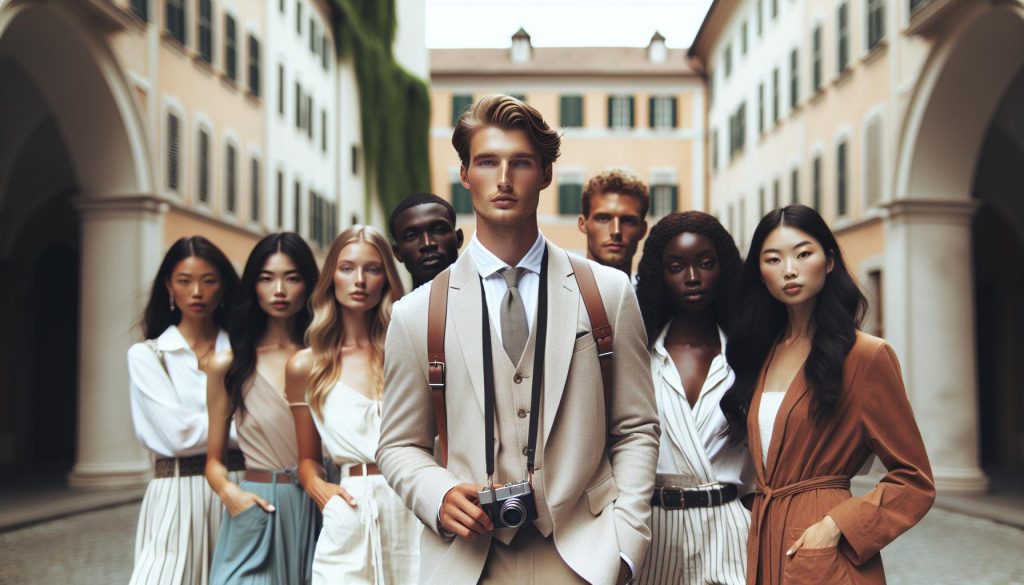
Choosing the right skin color for your attire can dramatically enhance your appearance and boost your confidence. Did you know that wearing the wrong hue can wash you out or make you look fatigued? Understanding how to select colors that complement your natural skin tone is essential for projecting the best version of yourself. Whether you’re aiming for a polished look for a job interview or a stylish outfit for a night out, the right skin tone choice can make all the difference. As you navigate through this guide, you’ll discover simple strategies to identify your unique skin undertones and select colors that will make you shine. Get ready to impress without the hassle!
Choosing Colors That Flatter Your Skin Tone
Choosing the right colors to flatter your skin tone can transform your appearance and boost your confidence. Wearing colors that complement your natural complexion can enhance your features, create a radiant look, and even improve your mood. A good starting point is to determine your skin’s undertone-whether it’s warm, cool, or neutral. This understanding will guide you in selecting shades that elevate your overall style.
To identify your undertone, consider the color of your veins. If they appear blue or purple, you likely have a cool undertone, making colors like blues, purples, and greens ideal for you. If your veins are more green, you probably have a warm undertone, favoring earthy tones such as oranges, yellows, and browns. Those with neutral undertones are lucky, as they can wear a broad spectrum of shades, including both warm and cool colors.
When selecting colors for your wardrobe, think about how specific shades make you feel. For instance, reds can evoke passion and energy, while pastels can lend a soft, approachable vibe. A simple yet effective method to see which colors work best is to hold fabric swatches up to your face in natural light. This way, you can assess which hues brighten your skin and make your eyes pop while keeping in mind that colors that flatter should make your skin glow rather than wash it out.
Consider incorporating a mix of staple colors along with a few statement shades in your wardrobe. Neutrals like black, white, and gray serve as a solid foundation, while pops of color can elevate your outfits and bring excitement to your style. Accessorizing with colorful items, such as scarves or ties, allows for experimentation without overhauling your entire wardrobe. Maintaining a fine balance will not only give you a coordinated look but will also provide room for creativity and personal expression in your fashion choices.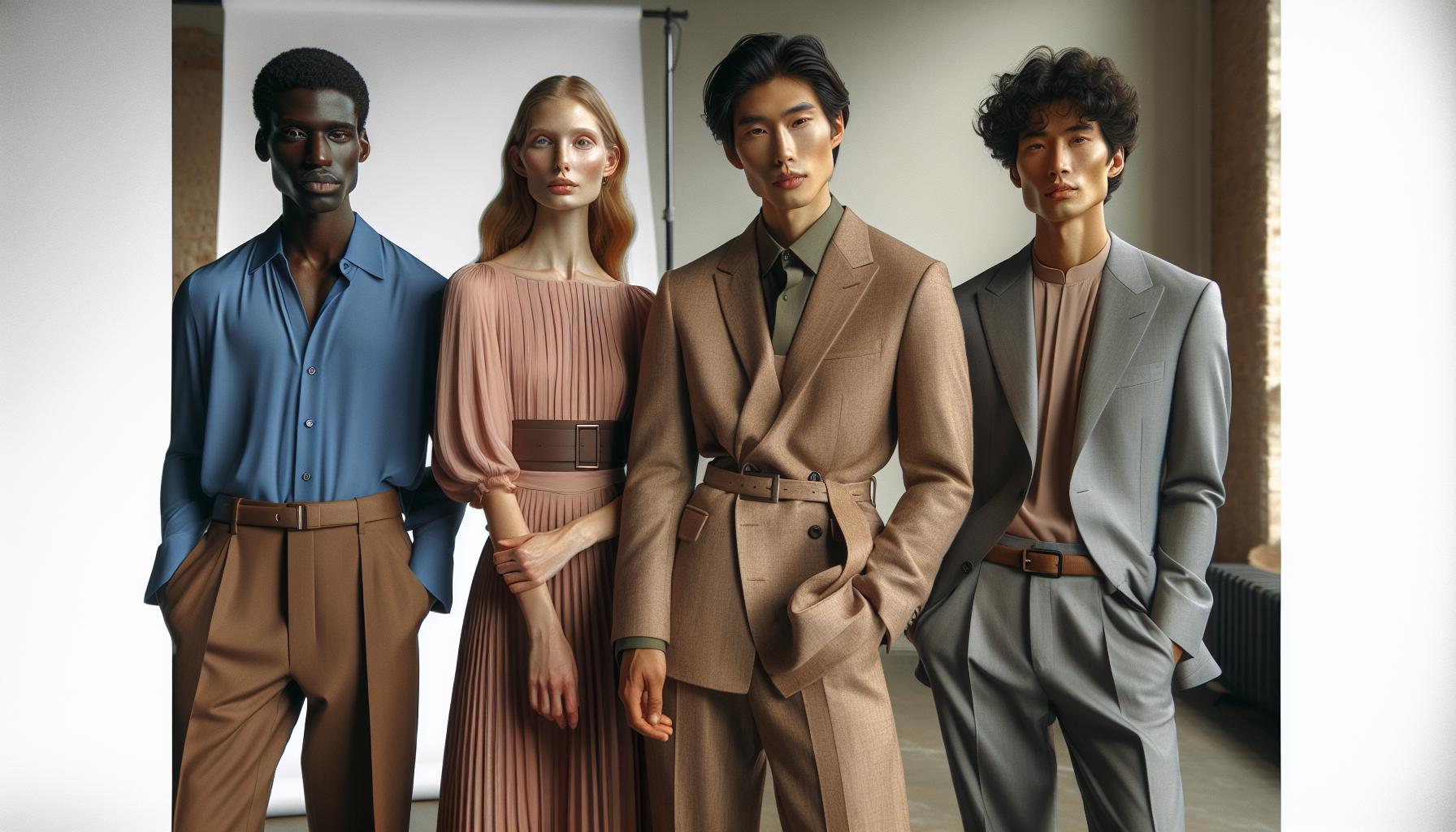
Understanding Color Theory for Fashion
Understanding color theory is essential when it comes to fashion, as it allows you to leverage the psychological impact of colors and their interactions to achieve a cohesive and appealing look. Colors can evoke emotions and convey messages, making it important to select shades that not only flatter your skin tone but also resonate with your personal style and the impression you wish to make.
Basic Color Relationships
To master color selection, start by familiarizing yourself with the color wheel. The wheel is divided into primary, secondary, and tertiary colors. Primary colors-red, blue, and yellow-combine to create secondary colors-green, orange, and purple. Understanding these relationships helps you create harmonious and complementary outfits. For example, pairing complementary colors (those opposite each other on the wheel) like blue and orange can create a vibrant contrast, while analogous colors (next to each other) like blue, green, and teal produce a serene, cohesive look.
Warm vs. Cool Colors
Colors can also be classified as warm or cool. Warm colors, such as yellows, oranges, and reds, often evoke feelings of energy and warmth, making them great for creating a lively appearance. Cool colors, like blues, greens, and purples, tend to be calming and can convey professionalism or tranquility. By determining your skin’s undertone-whether warm, cool, or neutral-you can select colors that not only suit your complexion but also enhance your overall vibe. For example, if you have a warm undertone, earthy shades such as terracotta or olive can elevate your look.
Utilizing Color Psychology
Incorporating color psychology into your wardrobe allows you to communicate specific messages through your attire. For instance, wearing red may evoke feelings of confidence and passion, while blue instills a sense of calm and trustworthiness. Think about the context of where you’re going. If it’s a job interview, wearing shades of blue or gray can reflect professionalism, while a bold red dress could be perfect for an evening out, suggesting excitement and confidence.
In essence, understanding color theory arms you with the knowledge to make choices that truly reflect your personality and intentions, enhancing your ability to impress with your fashion selections. Experiment with various shades and combinations to discover what makes you feel most empowered and aligned with your personal aesthetic, remembering that fashion should be a fun and expressive journey.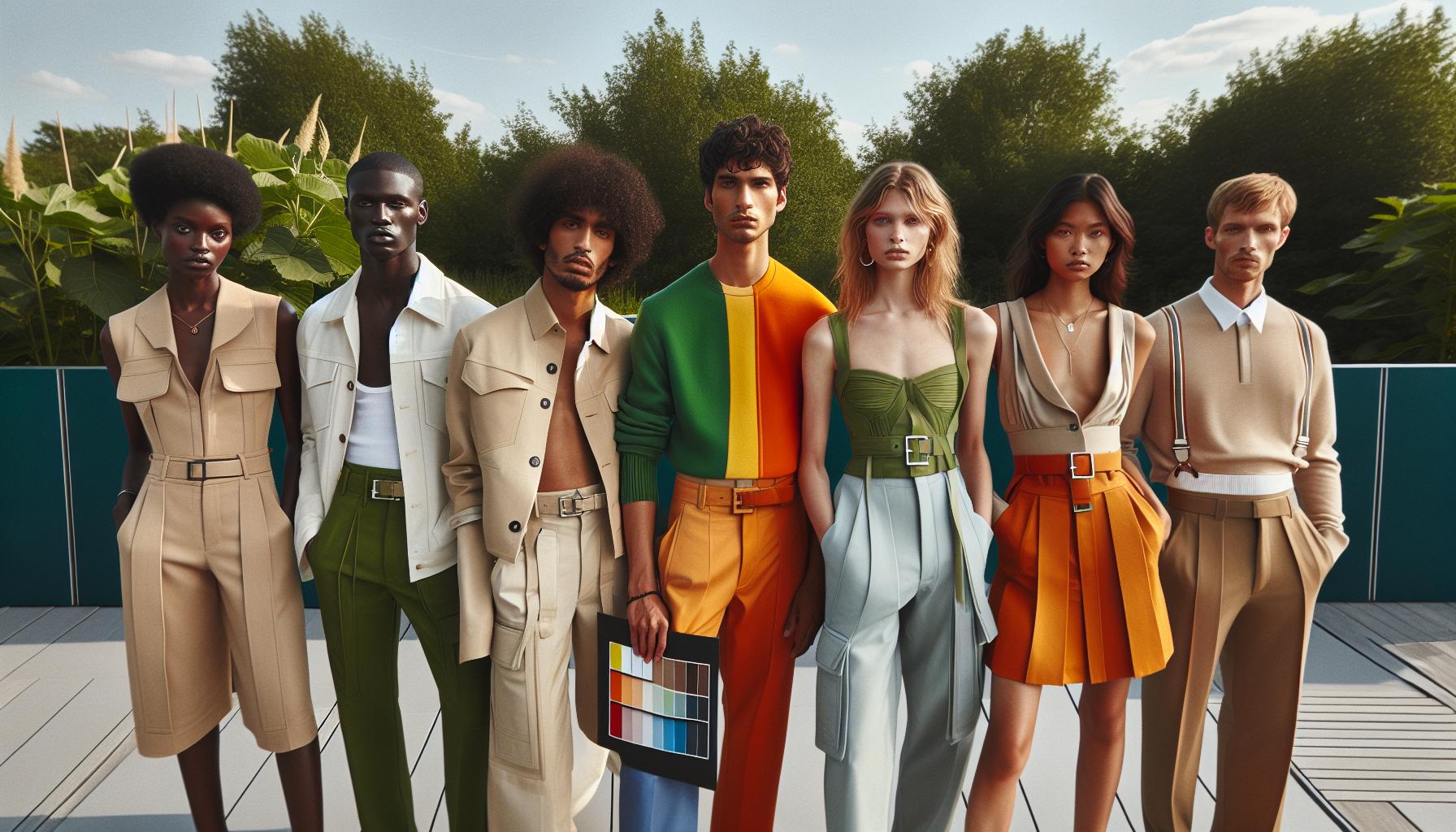
The Best Colors for Different Skin Undertones
Understanding the colors that best complement your skin undertone is a game changer in the realm of fashion. It not only enhances your natural beauty but empowers you to express your personality through your wardrobe. Knowing whether your undertone is warm, cool, or neutral lays the foundation for choosing colors that make you glow rather than wash you out.
Identifying Your Skin Undertone
Begin by determining your skin undertone, which is the subtle hue beneath the surface of your skin. Warm undertones often have a golden, peachy, or yellow tint, while cool undertones lean towards pink, red, or blue shades. Neutral undertones contain a mix of both warm and cool tones. To identify your undertone, consider these simple methods:
- Vein Test: Look at the veins on your wrist. If they appear greenish, you likely have warm undertones. If they look bluish, you’re probably cool-toned. If you can’t tell, you may have neutral undertones.
- Jewelry Test: Silver jewelry typically complements cool undertones best, while gold flatters warm skin tones. If both look good on you, you might be neutral.
- White Sheet Test: Hold a pure white sheet against your face. If your skin appears yellow or golden, you have warm undertones; if it looks pink, you’re cool-toned. If you see both, you might be neutral.
Colors for Warm Undertones
Once you identify your warm undertones, lean into colors that will enhance your natural glow. Rich warm colors, such as:
- Earthy tones: Olive green, terracotta, orange, and mustard are fantastic choices that resonate well with warm undertones.
- Warm reds and pinks: Coral and peach can brighten your complexion and add a youthful glow.
- Golden neutrals: Creamy whites, beiges, and warm browns can serve as perfect base colors for your outfits.
Colors for Cool Undertones
For those with cool undertones, opt for colors that highlight your natural undertone. These shades include:
- Jewel tones: Rich blues, emerald greens, and purples bring out the best in cool skin tones.
- Cool reds and pinks: Berry tones and fuchsia can create a stunning contrast that enhances your features.
- Silvery neutrals: Cool greys, crisp white, and cool taupe balance beautifully against your skin.
Colors for Neutral Undertones
If you’re lucky enough to have neutral undertones, you’re in a wonderful position to wear a wide array of colors. Your best bets include:
- Soft pastels: Colors like blush pink, lavender, and baby blue can harmonize with your versatile undertone.
- Universal colors: Certain shades like teal, wine, and muted versions of warm and cool tones can work wonders for you.
Finding the right colors for your specific undertone can significantly uplift your style and confidence. Remember, fashion is all about experimentation-don’t hesitate to try different shades and combinations until you discover what truly resonates with you. With this knowledge, you’re now equipped to assemble a wardrobe that not only impresses but makes you feel radiant every time you step out.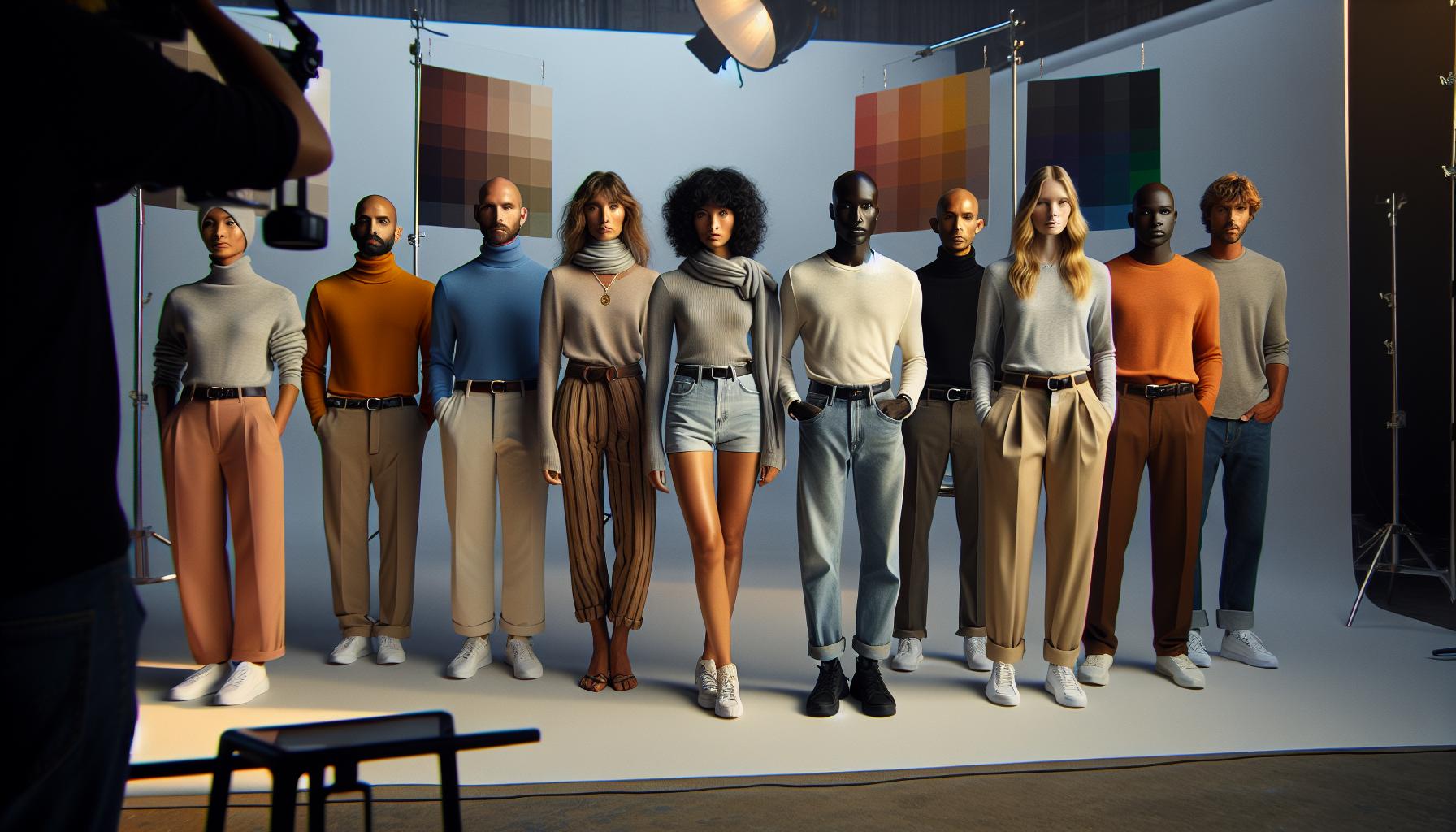
How to Test Colors Against Your Skin
To truly enhance your fashion game, testing colors against your skin is an essential step that can transform the way you choose outfits. A color that may look vibrant on a hanger can clash against your skin and diminish your natural radiance if not chosen carefully. Understanding how to evaluate colors enables you to curate a wardrobe that not only complements your appearance but also boosts your confidence.
Begin by gathering a selection of clothing items or fabric swatches in different colors. Natural light is your best friend for this exercise, so find a well-lit area, preferably near a window. Stand in front of a mirror and hold the colors close to your face, observing how each shade affects your overall look. Take note of your complexion – do certain colors make your skin appear more luminous, while others seem to drain your vibrancy? Pay attention to how prevalent redness, dullness, or shadows appear when paired with specific shades.
Consider performing the “Color Drapping” technique, which involves draping scarves or pieces of fabric around your shoulders. As you do this, notice whether your eyes look brighter or if any unnecessary blemishes become apparent. A good rule of thumb is that flattering colors will give your skin a healthy glow, while less flattering colors can create a washed-out appearance. You can also take photos of yourself in various colors; sometimes, the camera reveals more than what your eye might catch in the mirror.
Lastly, don’t hesitate to experiment. If a color is traditionally outside your comfort zone, try it on anyway! Challenge preconceived notions; you might discover a new favorite hue. Remember that even layering with other tones or accessorizing can change how a base color interacts with your skin. Ultimately, trust your instincts and be patient with the process. Fashion is about self-expression, and finding your palette takes practice. Educate yourself on color psychology to understand how hues resonate with your mood and persona, thus making your wardrobe a more authentic reflection of who you are.
Creating a Balanced Wardrobe with Diverse Colors
Creating a wardrobe that showcases a diverse array of colors is not just about aesthetics; it’s about expressing your individuality and boosting your confidence. A well-balanced wardrobe includes a mix of hues that not only complement your skin tone but also suit various occasions and moods. This approach ensures you’re ready for anything life throws your way while feeling your best.
To begin, understand the color wheel. Familiarize yourself with the basic principles, such as primary, secondary, and tertiary colors, and how they interact. For example, complementary colors-those opposite each other on the color wheel-can create dynamic looks, while analogous colors, situated next to each other, produce a more harmonious effect. By recognizing these relationships, you can choose colors that enhance your overall style.
Next, incorporate a variety of shades into your wardrobe that cater to different skin tones. For those with warm undertones, colors like peach, coral, and yellow can be flattering. Cooler undertones might shine in shades such as blue, purple, and emerald green. Think about organizing your wardrobe into categories based on these color families; this method not only simplifies your get-ready routine but also helps you visualize potential outfit combinations.
Another effective strategy is to experiment with neutral colors as a foundation. Neutrals like black, white, gray, and beige can be the backbone of your wardrobe, allowing you to introduce pops of color through accessories or statement pieces. This not only provides a balanced look but also extends the versatility of your outfits. Consider this: a basic black dress can easily transition from day to night with the right colorful accessories, making it a timeless staple.
Lastly, don’t shy away from bold color choices. Embrace the idea of mixing unexpected hues together-this can lead to fresh outfits you may have never considered. When trying new colors, create outfits using items already in your wardrobe to see which combinations resonate with your style. For instance, pairing a vibrant teal top with classic denim can create a chic, effortless look that’s sure to stand out.
In summary, building a balanced wardrobe with diverse colors isn’t just a task; it’s a personal journey. By embracing the color wheel, categorizing shades that flatter you, incorporating versatile neutrals, and daring to mix bold colors, you’ll craft a wardrobe that not only reflects your personality but also empowers you every time you get dressed.
Dressing for Different Occasions: Color Tips
To make an unforgettable impression, your choice of color in your outfits should align not only with your skin tone but also suit the occasion. Different settings call for distinct color palettes that can enhance your confidence and ensure you stand out for all the right reasons. Here are some tailored tips to help you navigate color choices for various events, whether it’s a casual outing, board meeting, or special celebration.
At a formal event like a wedding or gala, opting for rich and elegant colors can make a statement. Deep navy, burgundy, and forest green are not only timeless but also work beautifully with most skin tones. If you have warmer undertones, shades like deep gold or plum can add warmth to your look. For those with cooler undertones, choosing colors like sapphire or amethyst can create a stunning contrast, ensuring you glow in photographs.
In a professional setting, such as an interview or business meeting, aim for subtle and sophisticated colors. Neutrals like charcoal gray, navy, and beige convey professionalism but can also be personalized with your favorite pop of color-like a vibrant tie or a statement blouse. These colors promote a sense of trust and reliability. Pairing a classic black suit with a soft pastel shirt can strike the right balance between formal and approachable.
During a casual outing, feel free to embrace a more playful color palette. Bright colors such as mint green, coral, and sunny yellow can lift your spirits while showcasing your personality. If you have a light or fair skin tone, pastel shades can beautifully complement your complexion. Meanwhile, deeper tones like teal or burnt orange can resonate beautifully with medium to dark skin tones. Mixing and matching these colors with denim or white can keep your look fresh and exciting.
Finally, for evening events, don’t shy away from bold, dramatic colors. Think rich reds, striking blacks, and metallics that catch the light beautifully. These colors can help you feel powerful and confident as the night unfolds. Experiment with textures like sequins or satin to add dimension to your outfit, and consider accessories that can tie your look together, such as a statement necklace or bold heels.
By understanding how to select colors based on the occasion, you not only showcase your style but also boost your confidence, allowing you to impress effortlessly. Remember, it’s not just about the colors you wear-it’s about how they make you feel. Embrace your unique style and let your wardrobe reflect your personality across all occasions.
Seasonal Color Palettes: What Works Best?
When it comes to seasonal dressing, understanding which colors resonate best with the different times of the year can elevate not only your style but also your confidence. Each season brings a distinct palette that complements the shifting environment and, importantly, enhances our skin tones. By aligning your wardrobe with seasonal colors, you can create outfits that are both relevant and flattering, allowing you to truly impress.
In spring, think of pastels and soft hues that reflect the blooming nature around us. Soft pinks, baby blues, and mint greens add a fresh vibe. If you have a warm undertone, buttery yellows can offer warmth, while those with cooler undertones may shine in lilacs and soft grays. Spring is the perfect time to experiment with lighter fabrics and mix in fun patterns, enhancing those soft colors with florals or delicate stripes.
Summer invites vibrancy and boldness. Bright colors like coral, turquoise, and sunny yellow not only reflect the sunshine but also complement tanned skin beautifully. When selecting your outfits, don’t shy away from vivid shades; they can uplift your mood and make you feel more energetic. Fabrics like linen and cotton in these colors can keep you cool and stylish. Consider pairing these bright shades with neutral basics to avoid overwhelming your look.
As leaves turn to golds and reds in autumn, so should your wardrobe. This season calls for earthy tones such as burnt orange, burgundy, and olive green. These rich colors add depth and warmth, which can enhance your natural complexion. Opt for layering, incorporating cozy knits and textured materials like suede or wool. Accessories like scarves in warm tones can complete your look, making it inviting and seasonally appropriate.
Entering winter, embrace dark hues and jewel tones. Deep blues, emerald greens, and rich purples provide a dramatic contrast against the backdrop of the season. Whites and grays can also serve as excellent neutrals to balance these richer colors. Fabrics like cashmere and heavier wool not only keep you warm but also elevate any outfit, conveying sophistication during the holiday season. When accessorizing, think about metallics that can add sparkle and complement the deep colors beautifully.
Ultimately, understanding seasonal color palettes allows you to curate a wardrobe that not only suits the times of year but also flatters your skin tone. By incorporating these colors, you can confidently dress to impress, no matter the season. Your personal style becomes a dynamic expression of your personality and how you want to feel in each moment. Remember, it’s all about feeling good in what you wear, so don’t hesitate to play with colors and find what resonates with you the most!
Accessorizing: How Color Complements Your Outfit
Incorporating color accents into your outfit can elevate your overall look and reflect your personal style, all while complementing your unique skin tone. Accessories are not just add-ons; they play a vital role in tying your outfit together, enhancing your features, and making a statement. When you choose the right colors for your accessories, they can brighten your complexion, enhance your outfit, and boost your confidence.
Effective accessorizing begins with understanding the color wheel. Complementary colors, those located opposite each other on the wheel, can create striking contrasts that draw attention. For instance, if you’re wearing a top in soft blue, consider yellow or orange accessories to create a vibrant visual appeal. On the other hand, analogous colors-those next to each other on the wheel, like blue and green-offer a more harmonious look. Use these combinations to reflect your mood or the occasion.
Choosing the Right Accessory Colors
When selecting colors for your accessories, keep your skin tone in mind. Here are some practical tips:
- Warm Undertones: If your skin has warm undertones, opt for accessories in earthy tones like coral, gold, and warm reds. These colors enhance your natural warmth and create a welcoming vibe.
- Cool Undertones: For those with cool undertones, accessories in silver, blue, and jewel tones like emerald green or deep purple will complement your skin beautifully and add a touch of elegance.
- Neutral Undertones: Individuals with neutral undertones can play with an expansive range but may find themselves gravitating toward both warm and cool shades, making colors like lavender or teal versatile options.
Incorporating these color principles into your accessories can create visually striking outfits. For example, if wearing a neutral outfit, vibrant colored accessories can become the focal point, drawing attention and creating a balanced look. Don’t overlook details like bags, belts, and shoes; these can either accentuate or detract from your overall ensemble.
Finally, remember that fabric and texture also influence how colors appear. A shiny fabric reflects light differently than a matte one, which can change how the color interacts with your skin tone. Metallic accessories, for example, can add a sparks of energy to an outfit while fitting seamlessly into both casual and formal looks. Don’t hesitate to mix textures and colors; layering accessories like bracelets and rings can create dimension and intrigue in your appearance.
By thoughtfully selecting how color is reflected in your accessories, you can transform even the simplest outfits into right ensemble that showcases your individuality. Accenting with color isn’t just about style; it’s also about feeling empowered in your choices. Happy accessorizing!
Finding Your Signature Color Style
Finding your perfect color style is more than just choosing what looks good on you; it’s about discovering a palette that resonates with who you are. The right colors can enhance your natural beauty, reflect your personality, and boost your confidence in any situation. To start, consider what colors make you feel most comfortable and happy. Often, these are the shades you gravitate toward in your closet or when shopping.
Identify Your Color Preferences
Begin by gathering inspiration from various sources. Browse fashion magazines, social media, or even nature. Notice the colors that catch your eye. You can also conduct a wardrobe audit-set aside a few items you love and examine their colors. Are they warm hues like reds and yellows, or cool tones such as blues and greens? This process can reveal patterns that guide you towards your signature style.
Understand the Impact of Colors on Your Mood
Colors not only affect how others perceive you but also how you feel about yourself. Wearing colors that complement your skin tone and enhance your features can create a sense of harmony and confidence. For instance, if you feel energized in bright colors, they might be an excellent choice for your signature look. Conversely, if you prefer softer, muted tones, incorporate those into your wardrobe for a more understated yet chic appearance.
Experiment with Different Color Combinations
Don’t hesitate to explore color combinations that might be outside your usual choices. Try mixing and matching colors to see what feels best. For example, pair a bold blue top with neutral shades, or use accessories to introduce unexpected colors into your outfit. This experimentation can lead you to discover unique combinations that define your personal style.
Keep It Balanced and Versatile
While , consider creating a versatile wardrobe that allows for easy mixing and matching. Choose a few staple colors that complement each other, ensuring that every piece you buy can work in various combinations. This strategy not only saves time when getting dressed but also minimizes the risk of feeling overwhelmed with too many choices.
In conclusion, remember that is a personal journey. It’s about discovering what resonates with you while being open to change and evolution. Trust your instincts, incorporate feedback from others if it feels right, and most importantly, enjoy the process of defining your unique aesthetic. Happy styling!
Making Bold Color Choices Without Fear
Bold colors can be a game-changer in your wardrobe, transforming your overall look and boosting your confidence. Many shy away from bright, striking hues for fear of clashing or standing out too much, but embracing vivid color can be your key to making a statement. Understanding how to integrate these colors effectively can make all the difference.
Start by identifying the bold colors that resonate with you. Whether it’s a vibrant red that makes you feel powerful or a lively turquoise that brings joy, these colors can be the highlight of your outfit. To test your comfort level, introduce bold shades gradually. Combine a standout piece, like a bright blazer or a statement dress, with neutral bottoms or accessories. This approach allows you to play with color while maintaining balance, ensuring you feel comfortable yet stylish.
Another effective strategy is to create color blocks in your outfit. Pair a bold top with equally striking bottoms, such as a royal blue shirt with mustard yellow trousers. This technique creates visual interest and showcases your adventurous spirit. If you’re unsure, start with accessories-a striking handbag or a pair of shoes can add a pop of color without overwhelming your look.
Lastly, remember that confidence is the best accessory. When wearing bold colors, hold your head high and walk with assurance. Your enthusiasm will radiate and draw positive attention. The ultimate goal is to enjoy the process of experimenting and discovering what makes you feel uniquely beautiful. So go ahead, introduce those eye-catching colors into your wardrobe and enjoy the attention they bring!
The Impact of Fabric and Texture on Color
The way color interacts with different fabrics and textures can significantly influence your overall appearance and how colors reflect on your skin. When selecting your wardrobe, consider that not all materials display colors the same way. For instance, a bold red cotton shirt may appear completely different from the same shade in a silk fabric. Listeners will resonate with the vibrancy of colors on smooth textures; silk and satin can enhance hues, making them look richer and more luminous, while rough fabrics might dull them down.
When dressing to impress, it’s vital to evaluate the lightness or heaviness of the fabric. Lighter fabrics, such as chiffon or linen, tend to create a softer, airier look that can complement pastel colors beautifully. On the other hand, heavier fabrics like wool or denim can often bring out deeper jewel tones, which can be especially flattering for those with darker skin tones. Understanding the weave and weight can help you choose fabrics that will interplay harmoniously with your chosen colors, making your outfit cohesive and intentional.
Texture also plays a role in adding depth to your clothing ensemble. Layering different textures, such as pairing a velvet top with a sleek leather skirt, can create visual interest and enhance the color effect without overwhelming your look. Consider incorporating textures like lace, corduroy, or knits to soften or strengthen certain colors. This layered approach can ensure that your outfit stands out and remains polished.
To assist in your fabric selections, here are a few practical tips:
- Choose fabrics that reflect your colors: Lighter fabrics for bright shades and heavier textures for deeper tones.
- Mix textures: Combine smooth fabrics with textured ones to avoid a flat look.
- Feel the fabric: Always choose materials that feel comfortable to wear against your skin, as this confidence will show in your demeanor.
- Test under different lights: Colors can change in natural versus artificial light, so check your outfit in various settings.
By understanding how fabric and texture impact color, you can make choices that flatter your skin tone and elevate your overall style, ensuring you’re dressed to impress with every outfit.
Quick Tips for Color Coordination in Your Outfits
Finding the right colors to coordinate your outfits can dramatically enhance your personal style and boost your confidence. A well-coordinated outfit not only looks intentional but also reflects your personality and can flatter your skin tone when done thoughtfully. Here are some straightforward tips that can help you master the art of color coordination effortlessly.
Start by identifying your color palette. Check if you lean towards warm, cool, or neutral undertones in your skin. Generally, if you have warm undertones, earthy shades like oranges, yellows, and warm reds will complement your complexion. Conversely, cooler undertones shine in jewel tones like blues, purples, and pinks. A simple way to test this is by looking at the veins on your wrist: greenish veins often indicate warm undertones, while bluish veins suggest cool undertones. Once you’ve identified your undertone, you can easily incorporate colors that complement your natural palette.
Next, embrace the 60-30-10 rule for a harmonious look. This rule recommends that 60% of your outfit should be a dominant color (often a neutral), 30% should be a secondary color, and 10% should be an accent color. For instance, pair a navy blazer (60%) with a light grey blouse (30%), adding a vibrant yellow scarf (10%) to make your outfit pop. This method helps create visual interest without overwhelming your look.
When choosing accessories, consider how they can tie your outfit together. Accessories like belts, bags, and jewelry can serve as great tools for integrating colors. If you’re wearing a mostly neutral outfit, a bold handbag or pair of shoes in a striking color can serve as a conversation starter. Remember that you can also mix textures and patterns, but be mindful to keep at least one of the colors in common to maintain cohesion.
Finally, don’t hesitate to experiment! Sometimes, the most exciting combinations come from trying something unexpected. Use apps or tools available online, such as color palette generators, to help visualize your combinations. These resources can guide you in selecting hues that align beautifully, taking the guesswork out of the process.
By understanding your skin tone, applying the 60-30-10 color ratio, coordinating your accessories, and stepping outside your comfort zone, you can develop a knack for color coordination that makes dressing up a delightful experience. Remember, the key is to have fun and express yourself with confidence!
Faq
Q: How do I choose the right color for my dress based on my skin tone?
A: To choose the right color for your dress, first identify your skin tone-warm, cool, or neutral. Warm tones typically pair well with earthy colors, while cool tones shine in jewel tones. Neutrals can wear both categories. Experiment to see which shades make your skin glow! This relates to our section on “Choosing Colors That Flatter Your Skin Tone.”
Q: What are the best colors to wear for an evening event?
A: For evening events, consider deep colors like navy, burgundy, or emerald green, which are sophisticated and elegant. Additionally, rich textures like satin or velvet can enhance the overall look. This aligns with tips in “Dressing for Different Occasions: Color Tips.”
Q: How can I test colors before I buy a dress?
A: Test colors by holding fabric swatches or garments next to your face and observing how they affect your complexion. Lighting matters-try natural light to get an accurate sense of the color’s effect. More suggestions can be found in “How to Test Colors Against Your Skin.”
Q: What should I wear to complement my olive skin tone?
A: Olive skin tones look great in both warm and cool colors. Opt for shades like coral, mustard, or jewel tones like teal. Avoid overly muted colors, as they may wash you out. See more on this in “The Best Colors for Different Skin Undertones.”
Q: Are there seasonal colors that suit every skin tone?
A: Yes, while certain colors vary by skin tone, shades like navy or rich burgundy work well across the board. In lighter palettes, soft pastels can also appeal to various undertones. This is discussed further in our section on “Seasonal Color Palettes: What Works Best?”
Q: How does the fabric of a dress affect color choice?
A: The fabric can enhance or mute colors. For instance, shiny fabrics like silk may make bright colors pop, while matte materials like cotton can soften them. This interplay is mentioned in “The Impact of Fabric and Texture on Color.”
Q: What accessories should I choose based on my dress color?
A: When accessorizing, opt for complementary colors to your dress to create harmony. For instance, if your dress is a bold hue, select neutral accessories to balance the look. Recommendations are detailed in “Accessorizing: How Color Complements Your Outfit.”
Q: How do I find my signature color style?
A: To find your signature color style, explore different shades that resonate with your personality and skin tone. Keep a few standout pieces and gradually build a wardrobe around them, ensuring variety and balance. For more insights, refer to “Finding Your Signature Color Style.”
The Way Forward
Now that you know how to pick the perfect skin color for your outfits, it’s time to put this knowledge into action and dress to impress! Don’t wait-experiment with your wardrobe today and see how the right colors can transform your look and boost your confidence. If you’re still uncertain about what shades suit you best, check out our guide on “Finding Your Color Palette” and our tips for “Accessorizing to Enhance Your Outfit.”
Remember, fashion is a journey, and trying new things is part of the fun. Share your thoughts or outfit photos in the comments below-we’d love to see your style evolution! For more personalized advice, consider signing up for our newsletter to receive exclusive tips on grooming and style, or explore our product recommendations that complement your fashion choices perfectly. Embrace your uniqueness and get ready to shine!
Get our latest guides, news, and insights highlighted in your Google Search & AI Overviews.