As children grow and develop their identities, the question of when to introduce makeup becomes increasingly relevant for many families. Starting to explore cosmetics can empower young ones, helping them express themselves creatively and build confidence. However, concerns about age appropriateness, peer influence, and skin health often arise. This guide navigates these complexities, offering insights into the right age to begin and tips for safe application. Whether you’re a parent looking to understand the best timing or a young person eager to try makeup, this guide promises to provide practical advice and support to ensure a positive experience. Let’s dive in and discover how to approach this exciting milestone with care and confidence!
When is the Right Age for Kids to Start Wearing Makeup?
Starting to explore makeup can be an exciting milestone for children as they begin to express their individuality and creativity. While the right age to start wearing makeup varies from child to child, many parents find that age twelve to fourteen is often a sweet spot for introducing simple, age-appropriate products. During these years, kids are often entering their teenage years, a time when peer influence and self-image begin to weigh heavily on their social experiences.
It’s important to consider developmental readiness rather than a specific age. If your child shows interest in makeup, look for signs that they are mature enough to handle its use. This includes understanding the concept of personal grooming, being able to follow simple instructions, and demonstrating a level of responsibility-like cleaning up after themselves. Parents or guardians can start by allowing their child to experiment with light makeup at home, such as lip gloss or a subtle blush. This approach not only fosters creativity but also opens up conversations about beauty standards, self-esteem, and societal influences.
When introducing makeup, focus on simplicity and fun. Products like tinted lip balms, blushes, or a swipe of mascara can help them feel special without overwhelming them with heavy products that may not be suitable. Establishing a positive and supportive environment will encourage them to view makeup as a way to express themselves rather than a necessity to fit in. Engaging with them in this exploration can also strengthen your relationship, allowing for discussions on self-image and the importance of natural beauty.
Ultimately, there’s no universal age, so tuning into your child’s emotional maturity and personal interest is key. This thoughtful approach ensures that their first experiences with makeup are positive, empowering, and rooted in good communication about beauty standards and self-expression.
Understanding Child Development Stages and Makeup
Starting to explore the world of makeup can be a thrilling journey for kids, as it serves as a gateway for self-expression and creativity. Understanding the developmental stages of children is crucial when considering when and how to introduce makeup. Most kids begin framing their identity around the ages of 11 to 14, a period often marked by heightened interest in personal grooming and appearance. However, the right time to introduce makeup isn’t just about age; it hinges on emotional maturity and individual readiness.
Developmentally, children around this age may begin to notice their peers using makeup and may feel inspired to try it themselves. It’s essential for parents to recognize signs of readiness, such as a desire for personal grooming or an interest in aesthetics. If your child expresses curiosity, consider starting with fun and age-appropriate products. For instance, tinted lip balms, light blushes, or even face glitter can be excellent introductory items that avoid overwhelming them with complex techniques.
To foster healthy attitudes towards makeup, it’s beneficial to initiate conversations about its role in self-image. Discuss how makeup can enhance features while also reinforcing the idea that beauty comes in many forms and is deeply personal. Engaging in this dialogue not only builds trust but also lays the groundwork for a healthy relationship with beauty as a whole.
By cultivating a safe and supportive atmosphere, you can encourage your child to explore makeup as a form of expression rather than an obligation to conform. This approach can empower them, making their first experiences enjoyable and enriching, while also embedding valuable lessons about self-acceptance and authenticity.
The Pros and Cons of Kids Wearing Makeup
The decision for kids to start wearing makeup is often filled with both excitement and ambivalence. It offers an empowering opportunity for self-expression and creativity, yet it can also bring up concerns regarding self-image and societal pressures. Understanding the pros and cons can help parents navigate this nuanced terrain while supporting their child’s interests and emotional maturity.
One of the significant benefits of allowing kids to wear makeup is enhanced self-esteem. When kids express themselves through makeup, it can boost their confidence, helping them feel more comfortable in their skin. For instance, a simple swipe of tinted lip balm or a dab of blush can brighten their appearance and mood, encouraging them to embrace their uniqueness. Additionally, makeup can be a fun, creative outlet, transforming self-care into an enjoyable activity rather than a stress-inducing one.
On the flip side, there are concerns that can arise from introducing makeup too early. One major downside is the potential for developing unrealistic beauty standards. Kids may feel pressured to conform to societal norms or emulate the glamorous images they see in media, which can lead to anxiety about their appearance. Moreover, the use of makeup might mask underlying insecurities rather than promote positive self-acceptance. Parents should be vigilant, encouraging open dialogues about beauty, self-worth, and the nuances of appearance.
To help kids navigate these complexities, it’s recommended to emphasize the importance of moderation and to foster an environment where makeup is viewed as a form of fun and creativity rather than a necessity. Setting clear boundaries and offering guidelines can help ensure that the experience remains positive. For instance, introducing light, age-appropriate products and encouraging kids to explore different shades without feeling the need to “perfect” their look can be a great start.
In summary, while makeup can enhance self-expression and confidence, it’s important to be mindful of the potential pressures and insecurities it may introduce. By maintaining open communication and providing thoughtful guidance, parents can help their children cultivate a healthy relationship with beauty and self-expression.
Recommended Makeup Products for Beginners
To embark on the delightful journey of makeup, selecting the right products can make all the difference. Starting with makeup that is both fun and age-appropriate helps create a positive experience for beginners. Here are a few suggested products that are easy to use and perfect for young aspiring makeup enthusiasts.
Essentials for a Beginner Makeup Kit
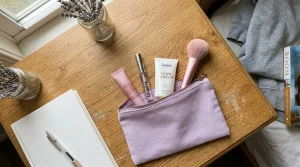
- Tinted Lip Balm: A tinted lip balm is a great first step for kids interested in color without the commitment of traditional lipsticks. Look for brands that offer natural, moisturizing formulas. These provide a hint of color while keeping lips hydrated.
- Lightweight Foundation or Tinted Moisturizer: For kids who want a little coverage, a lightweight foundation or tinted moisturizer can even out skin tone without feeling heavy. Ensure the product is non-comedogenic, which means it won’t clog pores.
- Cream Blush: Cream blush blends seamlessly into the skin and can be applied with fingers for an easy application. A soft pink or peach shade can mimic a natural flush and is perfect for adding a subtle glow.
- Neutral Eyeshadow Palette: A palette featuring neutral tones allows for versatile looks, from subtle day makeup to slightly more vibrant evening options. Choose formulas that are easy to blend and don’t require much experience to work with.
- Clear Mascara: For those interested in enhancing their lashes without heavy makeup, clear mascara can add a neat finish. It defines the lashes gently without the intensity of colored mascara.
- Makeup Remover Wipes: Teaching kids to remove makeup properly is crucial. Makeup remover wipes are quick and easy, making cleanup simple and encouraging good habits.
Why These Products?
Choosing products designed for beginners helps build confidence. Tinted balms and lightweight foundations offer flexibility without overwhelming young faces with heavy makeup. Cream products like blush are more forgiving and easier to apply than powders. Neutral eyeshadows are versatile, allowing for creativity with minimal fuss. Clear mascara offers a subtly polished look without the concerns that come with more dramatic eye makeup.
Key Takeaways
By starting with these beginner-friendly products, kids can learn how to express themselves through makeup in a safe and enjoyable way. Encouraging experimentation with these items can foster a healthy relationship with beauty, allowing self-expression while keeping the process fun and age-appropriate.
Guidelines for Safe and Appropriate Makeup Use
Starting the journey into makeup can be both exciting and daunting for kids and their parents. To ensure this experience is positive and safe, it’s essential to establish clear guidelines that prioritize skin health and self-expression. Here are some practical strategies for navigating makeup use with young ones.
One of the first steps is to choose age-appropriate products. Focus on gentle, non-irritating makeup designed for sensitive skin. Look for labels indicating “hypoallergenic” or “non-comedogenic,” which means they are less likely to cause skin reactions or block pores. Encourage your child to use makeup sparingly-this could mean emphasizing products designed for a natural look, such as tinted balms and light foundations.
Teaching proper hygiene is crucial. Before applying any makeup, ensure that hands are washed thoroughly to avoid transferring bacteria to the face. It’s also important to demonstrate how to remove makeup properly at the end of the day. Use gentle makeup removers or wipes and emphasize that leaving makeup on overnight can lead to skin issues such as breakouts.
Setting boundaries around makeup use can help maintain a healthy perspective. Discuss and establish rules about when and where makeup can be worn-such as during special events or playdates. This helps kids understand that makeup is a fun tool for expression but doesn’t need to be an everyday necessity.
Lastly, have open conversations about societal pressures and beauty standards. Emphasize that makeup can be a form of self-expression, not a requirement for beauty. Encourage your child to embrace their natural look and use makeup to enhance their features rather than mask them. By fostering a supportive and understanding environment, kids can develop a healthy attitude toward beauty and makeup.
By following these guidelines, you can help your child navigate the world of makeup safely and joyfully, laying the foundation for a positive relationship with beauty.
Tips for Teaching Kids How to Apply Makeup
Starting to explore the world of makeup can be a fun rite of passage for kids, but teaching them how to apply it correctly can make all the difference. A nurturing and structured approach will not only enhance their skills but also empower them to express themselves confidently.
Begin by choosing the right products for your child’s skin type and age. Look for beginner-friendly, gentle formulations that won’t irritate sensitive skin, such as sheer tints, tinted lip balms, and light blushes. Products labeled as “non-comedogenic” are ideal as they won’t clog pores, keeping skin clear. Introduce them to the concept of “less is more,” explaining that a natural look often feels more comfortable and is easier to achieve.
Incorporate hands-on practice sessions where you guide them through each step. For instance, you might say, “Let’s start with a small dab of foundation. Apply it to your forehead, cheeks, and chin, then blend it outward with your fingers or a makeup sponge.” Demonstrate techniques like using a light touch for blending or dabbing instead of smearing for a more polished finish. Engage them by encouraging questions or sharing tips throughout the process.
Show them the importance of hygiene by emphasizing the need for clean brushes and tools. Before makeup application, ensure they wash their hands to minimize the risk of transferring bacteria to their face. Teach them to clean brushes regularly with a gentle soap or brush cleaner-this not only keeps their products effective but protects their skin from potential irritants.
Lastly, foster an understanding of makeup application as a form of self-expression rather than a necessity. Discuss the various purposes makeup can serve, such as enhancing features, experimenting with colors, or having fun during special occasions. By encouraging creativity and self-exploration, you’ll help cultivate a healthy, positive attitude toward beauty that they can carry with them as they grow.
Handling Societal Pressures Around Makeup
Navigating the world of makeup can be especially challenging for kids, as they often feel the weight of societal expectations and peer pressure. The rise of social media and the influence of beauty trends can create a strong desire to conform to certain beauty standards, making it crucial for parents to provide guidance. The goal is to empower children to feel confident in their appearance without compromising their self-esteem or authenticity.
The first step in handling these societal pressures is open communication. Create a safe space for your child to express how they feel about makeup and beauty norms. Asking questions like, “What do you think about makeup?” or “Why do you want to wear it?” can help you understand their motivations. Encourage them to share their thoughts on what they see in media and among friends. This dialogue not only helps them digest the information they encounter but also enables you to instill values around self-acceptance and individuality.
Additionally, emphasize that makeup is a form of self-expression rather than a necessity. Discuss the idea that beauty comes in many forms and that makeup can be fun, but it doesn’t define them. For instance, you can share stories or examples of people who embrace their natural look, highlighting the beauty in diversity. Reinforcing that everyone has unique features and that these are to be celebrated can help combat insecurities that arise from societal standards.
Lastly, set realistic expectations about makeup and appearance. Teach them the importance of self-care and confidence that comes from within. Share the concept of “less is more” when it comes to makeup, and demonstrate that confidence shines brighter than any product. Remember, encouraging a healthy perspective on beauty will not only help your child navigate societal pressures but also inspire them to cultivate their own identity and style, enabling them to embrace who they are without compromise.
How to Start a Positive Conversation About Makeup
Starting a conversation about makeup with kids can be an empowering experience, fostering confidence and self-expression. Approach the topic gently to create an open dialogue where your child feels comfortable sharing their thoughts and feelings. Begin by asking simple questions like, “What do you like about makeup?” This encourages them to explore their curiosity without feeling pressured.
It’s essential to frame makeup as a tool for creativity rather than a requirement for beauty. Use examples from everyday life, such as how makeup artists transform looks for theater or television shows. You might say, “Makeup can be a fun way to express yourself, just like wearing a costume for a play.” This comparison helps them see makeup in a playful light and emphasizes that it’s about personal expression.
Incorporating real-life scenarios can also be informative. For example, if your child admires a character from a favorite show, discuss how makeup helps create that character’s persona. You can ask, “What do you think makeup adds to that character’s story?” This not only illustrates the artistic aspect of makeup but also opens up discussions on identity and representation.
Lastly, set a positive tone by sharing your own experiences with makeup. Talk about how you approached it as a teen or young adult, including any lessons learned along the way. Encourage your child to see makeup as an exciting opportunity for exploration, rather than something to be ashamed of. Reinforcing that makeup can be fun and personal allows them to feel empowered to make choices that reflect who they are, while also understanding the importance of balance and moderation in its use.
Understanding the Role of Makeup in Self-Expression
Makeup can be an incredible medium for self-expression, especially for kids navigating their formative years. Engaging with makeup allows children to explore their creativity, boost confidence, and develop their unique identities. It’s important to communicate that makeup is not just about enhancing appearance but can act as a form of art and personal storytelling. For instance, a child might use colorful eyeliner to reflect their mood or a playful lip gloss as a nod to their favorite character from a beloved show.
One of the most empowering aspects of makeup is its versatility. Children can experiment with different styles, from subtle looks that serve as a first introduction to bolder applications that let them fully embrace their imaginative sides. Discussing these aspects openly can foster a healthy attitude toward beauty and personal choices. For example, encourage them to think about makeup like dressing up for Halloween-something fun and temporary, where the focus is on channeling creativity rather than meeting societal standards.
It’s also essential to address the societal implications tied to makeup. Teach kids to appreciate beauty in all its forms-natural, glamorous, and everything in between. While makeup can empower, it’s crucial to reinforce the message that their self-worth doesn’t hinge on how they look or how others perceive them. Highlight stories of diverse beauty and self-acceptance, perhaps through media, literature, or role models, to reflect this inclusive perspective.
Ultimately, the role of makeup in self-expression should be approached with openness and positivity. Facilitate discussions where children feel comfortable expressing their views on beauty, identity, and societal influences. This dialogue will not only help them navigate their experiences with makeup but also build a foundation of self-confidence and acceptance that extends beyond the realm of cosmetics.
Parental Controls: Setting Boundaries for Makeup Use
It’s essential to establish boundaries around makeup use to safeguard your child’s well-being while allowing them the freedom to express themselves. Setting these guidelines helps ensure a positive experience with makeup, presenting it as a fun and creative outlet rather than an obligation or performance dictated by societal pressures.
Start by having an open conversation with your child about their interest in makeup. Ask questions like, “What do you find exciting about wearing makeup?” and “What looks are you interested in trying?” This dialogue will help you gauge their understanding of makeup and its purpose, allowing for a more informed discussion about appropriate usage.
When establishing rules, consider factors such as age, occasion, and the type of products to use. For younger children, limit makeup to special events, like dress-up parties or family gatherings. As they grow older, you might introduce more flexibility. Use a system of trust where they can gradually earn the privilege to wear makeup daily, starting with simple items like lip balm or cheek tint.
- Set Age-Appropriate Guidelines: For instance, younger kids might be encouraged to use just lip gloss or nail polish.
- Involve Them in Choosing Products: Encourage your child to select beginner-friendly products that are safe and easy to apply.
- Discuss Occasions: Help them understand when and where it might be appropriate to wear makeup, reinforcing that it’s not necessary for everyday activities.
Lastly, actively monitor the types of products being used. Introduce them to makeup that prioritizes skin health, such as non-toxic, hypoallergenic brands that avoid harsh chemicals. Establishing a designated space for their makeup collection can also help you keep track of what they have and use. Remember, these boundaries are in place not to stifle creativity but to nurture it safely and healthily.
In conclusion, by fostering transparent communication and setting thoughtful guidelines, you can empower your child to explore makeup in a way that enhances their self-expression and confidence, while also instilling values around self-worth and personal choice.
Encouraging Healthy Attitudes Toward Beauty and Appearance
Understanding the relationship between beauty norms and healthy self-image begins with honest conversations. Kids are often bombarded by societal standards of beauty through media and peer influences, which can create pressure to conform. Acknowledging these influences is the first step in cultivating a positive attitude. As a parent, discussing the images and trends your child encounters can provide context and help them differentiate between reality and unrealistic ideals.
To encourage a healthy perspective on beauty, emphasize the importance of inner qualities over physical appearance. Remind your child that makeup is a tool for self-expression, not a requirement for acceptance or self-worth. Engage in discussions about diversity in beauty, celebrating different skin tones, body types, and styles. This openness will make them feel secure in their individuality and teach them that real beauty comes from confidence and authenticity.
Positive reinforcement is key. Compliment efforts in creativity and self-expression rather than focusing solely on looks when they wear makeup. For instance, if they try a new look, comment on the creativity behind their choices instead of just how it looks. This approach not only builds confidence but also fosters a loving environment where they feel free to explore their identity, understanding that beauty is multifaceted and personal.
Lastly, model healthy habits and attitudes yourself. Share your own experiences, including times when you felt pressured or uncertain about beauty standards. By normalizing these feelings, you help your child see that everyone struggles with self-image at times, and that’s perfectly okay. Your guidance can empower them to cultivate a discerning attitude towards beauty, allowing them to navigate the complexities of societal pressures with confidence and grace.
Frequently Asked Questions
Q: At what age can kids start wearing makeup safely?
A: While the ideal age varies, many parents find that around 12 years old is a suitable time for kids to start experimenting with light makeup. It’s important to consider maturity and interest, as well as to introduce safe products and teach proper application techniques to ensure a positive experience.
Q: How can I introduce makeup to my child?
A: Begin by having an open conversation about makeup and its purpose. Encourage your child to express their interest and perhaps involve them in choosing age-appropriate products. Start with basic items like tinted lip balm or light mascara to keep it simple and fun.
Q: What are some age-appropriate makeup products for children?
A: Age-appropriate products include lip gloss, clear or tinted lip balm, and gentle, hypoallergenic face powders. These products are easy to apply and not overwhelming. Check the labels for safety and choose options specifically designed for young skin.
Q: How can I ensure my child uses makeup safely?
A: Teach your child about skin care before applying makeup, including cleansing and moisturizing. Discuss the importance of avoiding sharing makeup and checking expiration dates. Supervising the first few applications can also help them learn the correct techniques.
Q: What should I say if my child faces peer pressure regarding makeup?
A: Encourage open dialogue about their feelings and experiences with peer pressure. Reassure them that makeup is a personal choice and it’s perfectly fine to wait. Help them explore alternative ways to express themselves that don’t involve makeup, fostering confidence in their natural beauty.
Q: How can I foster a healthy attitude toward beauty in my child?
A: Promote positive body image by focusing on inner qualities rather than appearance. Encourage self-expression through various outlets, not just makeup. Discuss media portrayals of beauty and remind them that real beauty comes in many forms, reinforcing self-acceptance and confidence.
Q: Are there any guidelines for how much makeup kids should wear?
A: It’s best to start with minimal makeup, such as a light application of tinted moisturizer or lip balm. As they grow, gradually allow them to experiment with more products if they express interest. Establishing boundaries can help ensure they develop healthy habits and self-regulation.
Q: What conversations should I have with my child about makeup?
A: Discuss the reasons behind wearing makeup, focusing on self-expression and creativity rather than simply fitting in. Talk about personal preferences, the importance of feeling comfortable, and the effects of societal beauty standards. This will help them form a balanced perspective on makeup use.
In Conclusion
As you navigate the journey of introducing makeup to your child, remember that the right timing is essential to their confidence and self-expression. Understanding your child’s readiness, coupled with open conversations about makeup’s role-whether for fun or a special occasion-will empower them. If you have lingering questions, don’t hesitate to explore our articles on ages and stages of beauty and the best makeup products for young beginners.
Now is the perfect time to engage with your child’s interests! Download our free guide on age-appropriate makeup tips and join our newsletter for more insights-your next step toward becoming a confident parent in this exciting phase is just a click away. Share your thoughts and experiences in the comments below; we love hearing from you! Remember, makeup can be a wonderful tool for creativity and self-exploration, so embrace it together.
Get our latest guides, news, and insights highlighted in your Google Search & AI Overviews.