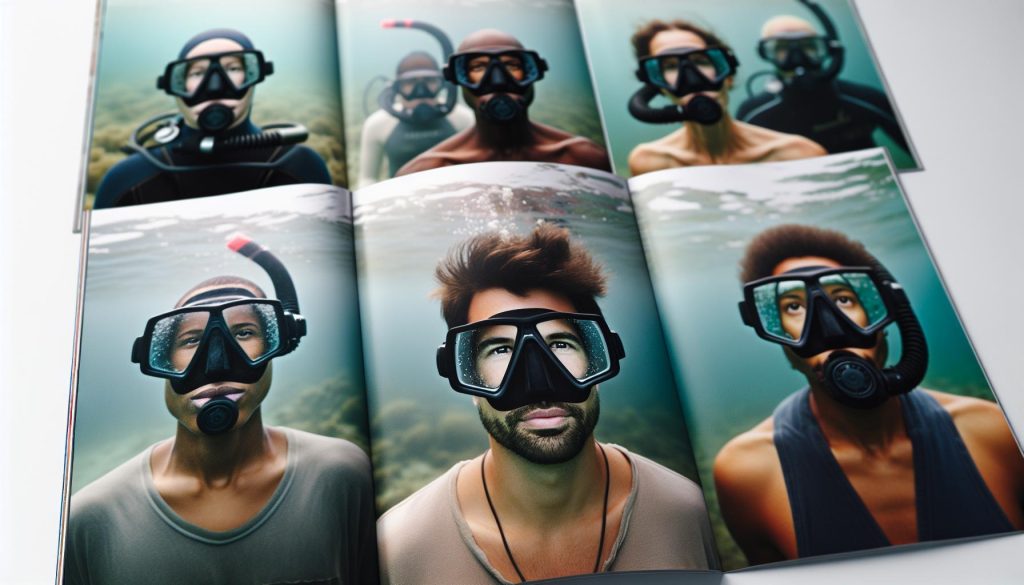
Imagine exploring vibrant coral reefs while breathing effortlessly underwater. Full face diving masks have become a game changer for both novice and experienced divers, allowing for a more immersive experience. In this comprehensive review, we’ll dive into the features and benefits of these innovative masks, addressing common concerns about comfort, visibility, and security. Whether you’re planning a snorkeling trip or a deeper dive, understanding how to choose the right mask will enhance your underwater adventures. Join us as we explore the best options on the market, ensuring you can breathe easy while enjoying the beauty beneath the sea.
Choosing the Right Full Face Diving Mask for Your Adventure
Choosing a full face diving mask can significantly enhance your underwater experience, making it more enjoyable and comfortable. It’s not just about having a piece of gear; it’s about ensuring that you can breathe easily while absorbing the beauty of marine life without worrying about your equipment. Whether you’re a recreational snorkeler or planning a deep-sea dive, the right mask is essential for a successful adventure.
When selecting a full face mask, consider the types of diving you plan to do. If you’ll only be on the surface, look for a mask with a wide viewing angle and good ventilation to prevent fogging. For deeper dives, opt for models that feature a pressure equalization system and are made from durable materials to withstand greater depths.
Don’t forget to factor in the importance of fit. A well-fitting mask not only makes your dive more comfortable but also reduces the risk of water leaking in. Look for adjustable straps and silicone skirts that conform to your face shape. A seal that is too loose can lead to discomfort, while a tight mask can restrict breathing and create fatigue.
Another critical aspect is compatibility with diving equipment. Ensure that the mask can accommodate a communication device if you plan on talking to a dive buddy or using it for commercial diving. Features like integrated communication systems can also enhance safety by allowing divers to maintain contact with each other and with surface personnel throughout the dive.
Ultimately, choosing the right full face diving mask involves balancing comfort, fit, and functionality to create a seamless underwater experience. Take your time evaluating different models and options that suit your unique needs, making your aquatic adventures both safe and enjoyable.
Top Features to Look For in a Full Face Mask
Choosing a full face diving mask can dramatically transform your underwater experience, but with so many options, knowing which features to prioritize is essential. To help you make an informed decision, consider these key elements that will enhance your comfort and safety while exploring the depths.
Breathability and Ventilation
Look for a mask that offers excellent breathability. A good full face mask should have an efficient airflow system to prevent fogging and allow you to breathe comfortably. Masks with separate channels for inhaling and exhaling air can help in this regard, ensuring that your exhaled air doesn’t mix with the air you’re breathing in. This separation is crucial for maintaining a clear field of vision, especially during longer dives.
Comfortable Fit
A snug yet comfortable fit is critical for a successful dive. When assessing a mask, check for adjustable straps that can accommodate different face shapes and sizes. Soft silicone skirts are also a plus-these conform to your face, creating a reliable seal that keeps water out without causing discomfort. Remember, a good seal is vital: over time, a poorly fitting mask can lead to fatigue and distraction as you constantly adjust it or address leaks.
Visibility
The ability to see clearly underwater enhances your diving experience significantly. Opt for masks with a wide viewing angle and minimal frame. A clear, panoramic visor can provide a more immersive experience by allowing you to take in your surroundings without obstructions. Furthermore, look for scratch-resistant materials to maintain clarity over time, as diving can expose gear to various abrasive surfaces.
Integration with Gear
Finally, compatibility with your other diving equipment is essential. If you plan to use a communication system, ensure the mask can accommodate the necessary devices. Some models come with integrated communication features, which can be invaluable for safety and coordination, especially in deeper dives or when diving with a buddy.
By focusing on these crucial features-breathability, a comfortable fit, visibility, and gear integration-you’ll be better equipped to choose a full face diving mask that suits your needs and enhances your adventures beneath the waves. Enjoy your dives, and remember that the right gear can make all the difference!
Breathability and Comfort: Key Considerations
A key aspect of enjoying your underwater adventures is ensuring your full face diving mask provides optimal breathability and comfort. A well-designed mask allows you to explore the depths without distractions, improving not only your experience but also your safety. The right mask should enhance airflow and minimize discomfort, so you can focus on the vibrant marine life surrounding you.
Airflow and Ventilation
When selecting a full face mask, prioritize those with effective airflow systems. Look for models featuring separate channels for inhalation and exhalation. This design innovation prevents your exhaled air from mixing with the fresh air you breathe in, reducing the chance of fogging and enhancing your visibility. A mask that incorporates a one-way valve can also help maintain optimal airflow, keeping your breathing comfortable throughout your dive.
Fit and Comfort
A snug fit is crucial for both comfort and performance. Consider masks that come with adjustable straps, offering the flexibility needed to accommodate different face shapes. The material of the mask’s skirt-generally made from soft silicone-is vital as it conforms to your face, creating an effective seal without discomfort. For many, the right fit minimizes distractions and fatigue, allowing for longer, more enjoyable dives.
Design Features to Enhance Comfort
Look for additional features that can significantly impact your diving experience. Masks with soft padding around the edges can enhance comfort, especially during extended use. Also, consider the overall weight of the mask; a lighter option can reduce strain on your neck and face. For added versatility, some masks are compatible with communication devices, which are invaluable for safety during group dives.
By focusing on these critical aspects of breathability and comfort, you’ll set yourself up for a more pleasurable and stress-free diving experience. Make sure to choose a mask that suits your unique needs, as the right fit and functionality will allow you to breathe easy while exploring the wonders beneath the surface.
How to Properly Fit Your Full Face Mask
To ensure a comfortable and secure fit with your full face diving mask, it’s essential to follow a few straightforward steps. A properly fitted mask enhances your experience by preventing water leaks and minimizing discomfort, allowing you to focus on the wonders of the underwater world without distraction. Here’s how to guarantee that your mask hugs your face perfectly.
Begin by putting on the mask and adjusting the straps. It’s helpful to pull the straps back over your head, starting with the top strap, followed by the side straps. Adjust each strap gradually while paying close attention to how the mask sits on your face. You should feel it creating a seal without feeling overly tight. Make sure that the mask sits flat against your face and that the skirt, which is usually made from silicone, conforms comfortably to your skin.
Testing for Fit
Once the mask is in place, perform a simple fit test. Take a deep breath through your nose to create a suction effect. If the mask stays secure without any air escaping, you’re on the right track. If it feels loose or you hear air escaping, adjust the straps again, focusing on achieving a tighter fit around the cheek and forehead areas. It’s crucial that your mask maintains contact without pinching or pressuring sensitive areas of your face.
Final Adjustments
After achieving an initial fitting, take the time to make final adjustments. Ensure the bottom of the mask skirt rests evenly along your chin and jawline, avoiding excessive creasing or gaps. If the mask has a detachable visor, check that it fits snugly and does not wobble. Everyone’s face shape is unique, so don’t hesitate to tweak the adjustments until you find that sweet spot that feels just right.
Lastly, remember to check your mask periodically during dives. Sudden changes in pressure or activities can shift your mask, requiring a quick adjustment. By taking the time to ensure a proper fit, you’ll significantly enhance your diving experience, allowing you to enjoy your underwater adventures with ease and confidence.
Comparison: Full Face Masks vs. Traditional Masks
When diving enthusiasts ponder their gear, a pivotal decision lies between full face masks and traditional masks. Both serve the essential function of enabling clear underwater vision, but they come with distinct advantages and drawbacks that can significantly impact your diving experience.
Full face diving masks cover the entire face, offering the benefit of a built-in communication system and the ability to breathe through both the nose and mouth. This design not only enhances comfort, especially during longer dives or when you’re using specialized equipment, but it also allows for a more natural breathing experience. Additionally, the facial coverage protects against cold water and reduces the risk of jaw fatigue that might occur with traditional masks during extended use.
In contrast, traditional dive masks, which cover only the eyes and nose, are typically simpler and less cumbersome. They offer a lower-profile design, making them ideal for those who prefer a straightforward diving experience. Visibility is often less obstructed compared to larger full face masks, which can be an advantage in certain environments. However, traditional masks require you to exhale through your nose to equalize pressure and can lead to jaw fatigue during prolonged use.
Ultimately, the choice boils down to personal preference and diving style. If you’re planning technical dives that require clear communication, or if you’re seeking maximal comfort in colder waters, a full face mask may be the way to go. However, if you enjoy a more traditional diving experience with a lighter, less complex setup, a traditional mask could suit your needs just fine. Assess your diving goals, comfort level, and the specific conditions you’ll be exploring to find the mask that fits you best.
Best Full Face Diving Masks for Beginners
When starting your diving journey, choosing the right gear can make all the difference. For beginners, full face diving masks present an exciting option, allowing for easier breathing and enhanced comfort while exploring underwater. Unlike traditional masks, which require practice to fit and use correctly, full face masks are designed for a more user-friendly experience, enabling new divers to focus more on enjoying their time in the water.
One excellent choice for those just beginning is the Wildhorn Seaview 180. This mask offers a 180-degree panoramic view, reducing the feeling of claustrophobia while providing a stunning underwater perspective. Its adjustable straps ensure a secure fit, which is essential for comfort and effectiveness. Plus, its built-in anti-fog technology helps maintain clear vision even during longer dives. The mask is also equipped with a dry-top system that prevents water from entering through the snorkel, allowing beginners to breathe easy and gain confidence without the worry of swallowing seawater.
Another great option is the Snorkel Set by Kradan, which includes a full face mask and snorkeling gear tailored for beginners. This set features an easy-to-use design that incorporates breathing through the nose and mouth seamlessly. The adjustable straps and silicone skirt provide a snug yet comfortable fit. It’s particularly noted for its lightweight construction, making it ideal for those who may be diving for extended periods.
For budget-conscious divers, the ZEEPORTE A1 Full Face Snorkel Mask offers impressive features at a lower price point. Its simple design and wide visibility make it approachable for newbies, and the one-size-fits-all concept reduces the guesswork when selecting a mask. It includes a quick-release buckle system for effortless adjustments, and the anti-fog technology allows for distraction-free views of the underwater world.
When investing in a full face diving mask, beginners should prioritize comfort, ease of use, and safety features. The masks mentioned above not only cater to these needs but also lay the groundwork for a positive diving experience. Embrace the adventure underwater and enjoy the freedom of breathing more naturally while experiencing the beauty of aquatic life!
Advanced Full Face Masks for Experienced Divers
When diving into the deeper realms of underwater exploration, experienced divers often look for advanced full face masks that not only enhance comfort but also elevate their diving experience. These masks are designed with features that cater to more demanding conditions and offer functionalities that ensure optimal performance.
One of the key attributes to consider in advanced full face masks is pressure equalization. Many high-end models come equipped with built-in systems that allow divers to equalize pressure without removing the mask. This is particularly useful for dives that take you deeper, where pressure changes can be pronounced. For example, masks like the Aqua Lung Aquaflex offer a unique pressure equalization feature that simplifies the process, allowing divers to focus on their surroundings rather than their gear.
Enhanced Communication Systems
Another highlight of advanced masks is the integration of communication systems. These masks come with intercom options where divers can communicate with teammates without the need for hand signals or gestures. The Poseidon Se7en is a fantastic example, featuring a built-in communication module that allows clear two-way conversations in real-time. This not only enhances safety but also enriches the exploration experience, allowing for shared discoveries and immediate feedback on dive conditions.
Safety Features and Reliability
Safety cannot be overlooked when it comes to selecting a full face mask. Look for masks with multiple air circulation channels which can help in preventing CO2 buildup. For instance, the Scubapro Full Face Mask provides dual airways ensuring that you always breathe fresh air, significantly reducing the chance of hypoxia during long dives. Additionally, consider masks made from durable materials that withstand marine conditions, as these can last for many dives without compromising performance.
Lastly, while comfort remains a priority, adjustability should also be emphasized. Masks with customizable straps and silicone skirts help fit various face shapes while providing a leak-proof seal. Brands like Mares have incorporated ergonomic designs with their Mares Horizon, allowing for prolonged use without discomfort.
Whether you’re planning a deep dive or engaging in extended reef explorations, investing in an advanced full face mask tailored to the experienced diver can significantly enhance your underwater experience. From innovative features to safety and comfort, these masks allow you to focus on the beauty of the ocean while feeling secure and in control.
Care and Maintenance Tips for Longevity
Maintaining your full face diving mask is essential not only for prolonging its life but also for ensuring your safety underwater. A little care goes a long way in preserving the integrity of your mask and keeping it in optimal condition for all your underwater adventures.
Start with rinsing your mask with fresh water immediately after each dive. This simple step removes salt, sand, and other debris that can cause wear over time. Avoid using hot water, as it can warp the silicone and damage the mask. Allow it to air dry completely in a shaded area to prevent discoloration and degradation from UV exposure.
Cleaning your mask is another crucial aspect of its maintenance. Use a gentle, non-abrasive cleaner specifically designed for diving equipment. Regularly inspect the silicone skirt and lens for any scratches or tears, as these can affect the mask’s seal and overall performance. If you notice any damage, consider replacing these components rather than risking a malfunction during your dives.
When storing your mask, make sure it’s kept in a protective case to prevent impacts or scratches. Avoid leaving the mask in your car or other places where it could be exposed to extreme temperatures, which could compromise the materials. If your mask has a purge valve, ensure it functions properly; a malfunctioning valve can hinder your ability to clear water from the mask while underwater.
Additionally, familiarize yourself with the manufacturer’s specific care guidelines, as different brands and models may have unique requirements. By incorporating these practices into your routine, you not only enhance the longevity of your mask but also enjoy safer and more comfortable diving experiences. Remember, a well-maintained mask is your key to exploring the underwater world effortlessly!
Common Issues with Full Face Diving Masks
Diving with a full face mask can revolutionize your underwater experience, but it’s essential to be aware of potential issues that can arise. Understanding these common problems can help you enjoy your adventures without unnecessary hiccups.
One of the most frequent complaints among users is fogging, a phenomenon where the lens of the mask becomes clouded, obscuring vision. To prevent this, you can apply anti-fog solutions specifically designed for diving gear. In a pinch, spitting on the lens and rinsing it with water can also create a temporary barrier against fogging.
Another issue is leakage, which can occur if the mask isn’t fitted correctly or if the silicone skirt is damaged. Ensure that your mask fits snugly against your face without excessive pressure. Testing the fit by inhaling while wearing it can help; if you can maintain the mask’s position without air escaping, you have a good seal. Checking for tears or deformities in the silicone is also essential before each dive.
Breathing resistance is another concern you might encounter. A poorly designed mask can make it harder to breathe comfortably. Look for models with wider breathing channels. If you find yourself gasping or struggling, consider upgrading to a more breathable option, particularly if you plan to dive regularly.
Finally, equipment weight and bulkiness can be challenging for divers, especially beginners. While a full face mask offers numerous advantages, its additional weight compared to traditional masks might feel cumbersome. Familiarizing yourself with equalizing and adjusting the mask in the water can help mitigate discomfort.
Staying aware of these issues not only prepares you better but can also enhance your diving confidence and enjoyment. With the right knowledge and precautions, you can dive deeper and explore the underwater world easier.
User Reviews: Real Experiences with Full Face Masks
When exploring the underwater world, users often share a mix of excitement and caution regarding their experiences with full face diving masks. One common sentiment among them is the enhanced comfort and freedom of breath that these masks provide compared to traditional models. Many users appreciate the ability to breathe naturally through both their nose and mouth. This feature not only reduces anxiety, particularly for new divers, but also allows for a more relaxed swimming experience.
However, not all experiences are flawless. A significant concern raised by divers is the challenge of finding the right fit. Many users recommend trying masks on before purchasing, as a poor fit can lead to leaks or discomfort, which can drastically affect your underwater adventure. For instance, a user might share that their first dive was marred by a leaky seal, leading to frustration and distraction from the beauty of the environment. Learning to adjust the mask properly before a dive can prevent these common pitfalls.
Multiple divers have noted the importance of anti-fog solutions as well. Some have found success using dedicated anti-fog sprays or wipes, while others swear by the classic spitting method. One diver shared how they always apply a thin film of anti-fog before heading underwater, which allows them to enjoy clear visibility throughout their dive. This simple yet effective tip can significantly enhance the experience for those heading into waters where clarity is crucial.
Finally, users have varying viewpoints on the weight and bulkiness of full face masks. While beginner divers may find them cumbersome initially, many report that they get used to the extra weight over time. Experienced divers often remark that the trade-off is worth it for the enhanced functionality and safety features these masks offer, especially when venturing into deeper waters or tricky conditions. Ultimately, these insights not only illuminate the personal experiences of divers but also serve as a guide for others to make informed decisions when selecting a full face mask for their adventures.
Safety Precautions When Using Full Face Masks
When you’re gearing up to explore the depths of the ocean with a full face diving mask, understanding safety precautions is crucial for both your enjoyment and well-being. These masks allow you to breathe comfortably through your nose and mouth, making it easier to relax while submerged. However, without proper precautions, even the most advanced mask can lead to mishaps.
Firstly, ensuring a proper fit is paramount. A well-fitted mask should create a watertight seal around your face, preventing leaks that can cause discomfort or panic. Before your dive, take the time to adjust the straps and test the fit by inhaling gently. If the mask stays in place, you’re likely good to go. Remember, if you feel any significant pressure points or discomfort, it’s essential to make adjustments or consider a different size.
Stay vigilant about your surroundings and dive depth. Full face masks typically come with built-in safety features, like purge valves that allow for easy clearing of water, but they won’t replace the need for awareness. As you descend, monitor your air supply closely and avoid going deeper than your comfort level. Many divers recommend using a buddy system-dive with a friend to keep each other in check and ready to assist if something goes awry.
In addition, be cautious about fogging. Although many masks have anti-fog coatings, applying a thin layer of anti-fog spray or a diluted baby shampoo solution can provide an extra layer of protection. It’s a simple preventive measure that can drastically improve visibility during your dive, enhancing both safety and enjoyment.
Lastly, familiarize yourself with emergency procedures associated with your full face mask. Understand how to remove the mask underwater and practice emergency drills in a controlled environment before your diving adventure. This preparation can build your confidence, ensuring that you feel safe and secure, even in unexpected situations.
By following these tips, you can fully enjoy your underwater exploration while minimizing risks, making your diving experience both exhilarating and safe. Remember, preparation is your best friend when it comes to diving!
Innovative Technology in Full Face Diving Masks
With advancements in design and technology, full face diving masks are transforming underwater exploration, making it more accessible and enjoyable for divers of all levels. These innovations allow for unparalleled comfort and functionality, ensuring that you can focus on the vibrant marine life around you rather than fiddling with your equipment.
One of the most notable innovations is the built-in communication system. Many modern masks feature integrated radio technology that allows divers to communicate with their buddies without the need for hand signals. This technology enhances safety and coordination during dives, especially in challenging conditions. Imagine being able to discuss the stunning sights you see or alert your dive partner to any issues without needing to surface.
Another significant advancement is the introduction of advanced anti-fog systems. Traditional anti-fog solutions often wear off during dives. New full face masks come equipped with dual-layer lens systems or special coatings that maintain clarity throughout your dive. These features greatly enhance visibility, allowing you to appreciate the intricate details of your underwater environment without the frustration of fogged-up visors.
Furthermore, advancements in materials have led to lighter, more durable masks. With products made from high-grade silicone and polycarbonate, comfort and longevity are significantly enhanced, providing a snug fit that adapts to various face shapes while resisting scratches and impacts. A mask that fits well and stands up to the rigors of diving can be a game-changer, intensifying your overall experience.
As you consider your options, keep in mind that these innovative features are designed not just for convenience but for safety and enjoyment. Investing in a modern full face diving mask can elevate your underwater experience, allowing you to breathe easy and fully immerse yourself in the wonders of the deep.
Faq
Q: What is a full face diving mask and how does it differ from traditional masks?
A: A full face diving mask covers the entire face, allowing divers to breathe through their nose and mouth. Unlike traditional masks, which only cover the eyes and nose, full face masks provide better visibility, equalization, and comfort. This design enhances overall diving experiences by improving air circulation and minimizing water ingress.
Q: How do I find the right size for my full face diving mask?
A: To find the right size, measure your face by taking key measurements from the bridge of your nose to your chin and across the cheekbones. Most manufacturers offer sizing charts to guide you in selecting the best fit. A properly fitting mask should create a seal without excessive pressure or discomfort.
Q: Are full face diving masks suitable for beginners?
A: Yes, many full face diving masks are user-friendly and suitable for beginners. They enhance comfort and ease of breathing, making the diving experience more enjoyable. Look for beginner-friendly models that offer good visibility and fit, as discussed in the “Best Full Face Diving Masks for Beginners” section of our article.
Q: What safety features should I look for in a full face diving mask?
A: Key safety features include a reliable sealing mechanism, quick-release buckles, and an anti-fog coating. Additionally, check for safety ratings or certifications that ensure high-quality materials and performance. Always prioritize masks that have undergone rigorous testing to prevent leaks and provide optimal visibility.
Q: How can I maintain my full face diving mask for longevity?
A: To maintain your mask, rinse it with fresh water after each dive and avoid using harsh chemicals. Store it in a cool, dry place away from direct sunlight. For detailed care instructions, refer to the “Care and Maintenance Tips for Longevity” section in our main article.
Q: Can I use a full face diving mask with prescription lenses?
A: Yes, many full face diving masks can accommodate prescription lenses. Some models allow for the installation of optically correct lenses, ensuring clear vision while diving. Always check product specifications and consider consulting with a diving professional for customization options.
Q: What are common issues people face with full face diving masks?
A: Common issues include fogging, fit problems, and difficulty clearing water. To mitigate fogging, apply an anti-fog solution before diving. For fit issues, ensure proper sizing and adjustments. Refer to the “Common Issues with Full Face Diving Masks” section for more troubleshooting tips.
Q: How do I clear water from my full face diving mask if it floods?
A: To clear a flooded full face diving mask, relax and breathe steadily as you tilt your head back slightly. Use the purge valve, if available, or gently push the mask away from your face while exhaling. Practice this technique in a safe environment to ensure proficiency before your dives.
To Wrap It Up
As you dive into the world of full face diving masks, remember to prioritize comfort and visibility for an enjoyable underwater experience. If you found our reviews helpful, consider exploring our related articles on “Top Scuba Diving Equipment for Beginners” and “How to Choose the Right Snorkeling Gear,” which can further enhance your adventures. Now is the perfect time to make your purchase-don’t miss out on the opportunity to explore underwater beauty with ease.
Have questions or experiences to share? We’d love to hear from you in the comments below! Your insights could help fellow diving enthusiasts make informed choices. For more tips and resources, be sure to subscribe to our newsletter for the latest updates and exclusive content. Now go ahead, take the plunge, and enjoy your underwater journey with confidence!
Get our latest guides, news, and insights highlighted in your Google Search & AI Overviews.