Have you ever experienced that uncomfortable, burning sensation after shaving, leaving you wondering how long it will stick around? Razor burn is a common issue that many face, regardless of their experience level with grooming. Knowing how long razor burn lasts and what to expect during the healing process can help you manage discomfort and avoid future irritation. In this article, we’ll break down the timeline for razor burn recovery, offering practical tips to soothe your skin and ensure your grooming routine remains a pleasurable experience. Understanding these insights not only aids in immediate relief but empowers you to adopt healthier shaving habits moving forward. Let’s dive into the details!
Understanding Razor Burn: Causes and Symptoms
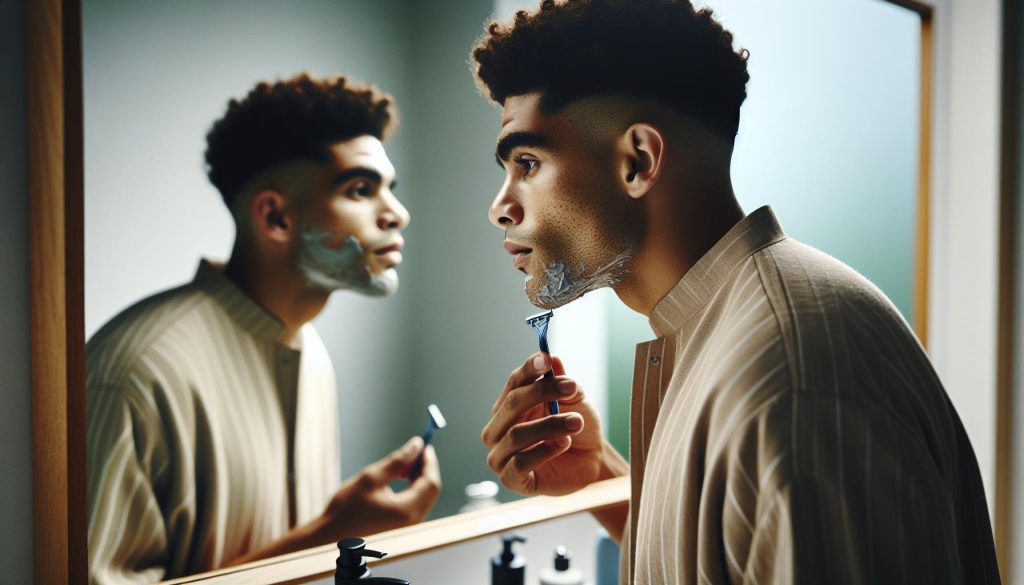
Razor burn is a common yet uncomfortable consequence of shaving that can leave your skin feeling irritated. Understanding the causes and symptoms is the first step toward managing this pesky problem effectively. Razor burn typically occurs when the hair is cut too close, irritating the skin. This can be exacerbated by factors such as dull blades, lack of proper lubrication, or shaving against the grain. It can affect anyone, but those with sensitive skin and curly hair are especially vulnerable.
When you experience razor burn, you may notice symptoms such as redness, itching, and small red bumps on the skin’s surface. These can feel similar to a rash and may be accompanied by a burning sensation. In some cases, the bumps can develop into ingrown hairs, which adds to the discomfort. If you’ve ever wondered why your skin reacts this way after shaving, it’s largely due to the trauma caused by the razor scraping the skin, combined with bacteria and other irritants in the environment.
Identifying these symptoms early can help you implement remedies effectively. Signs of razor burn can appear shortly after shaving and might persist for several days. The key is to treat the symptoms with care and to adapt your shaving routine to minimize future occurrences. By becoming aware of how your skin responds, you’re on the right path to finding immediate relief and preventing razor burn altogether in your grooming routine.
How Long Does Razor Burn Typically Last?
Razor burn can be frustrating, but understanding its typical duration can help you manage expectations and plan your post-shave routine effectively. Generally, the irritation and discomfort associated with razor burn can last from a few hours to several days, depending on various factors such as skin type, the severity of the burn, and your shaving techniques. For most people, symptoms tend to peak within the first 24 hours after shaving and then gradually diminish.
On average, you might notice that mild cases of razor burn resolve within 1 to 3 days with proper care. This involves using soothing lotions or gels that contain ingredients like aloe vera or chamomile, which can significantly speed up recovery. However, more severe cases might take a bit longer, particularly if ingrown hairs or more significant skin irritation develops. In such situations, expect healing to take anywhere from 3 to 7 days. Incorporating gentle exfoliation during this period can promote healing while also preventing future occurrences.
If you find that your razor burn is persistent or worsens after a week, it might be an indication of underlying issues, such as an allergic reaction to products used during shaving or skin that is especially sensitive. In these cases, re-evaluating your shaving routine and products can make a critical difference, paving the way for improved skin resilience over time. Remember, the key to a quicker recovery is addressing the irritation as soon as it appears, so don’t hesitate to implement soothing remedies early on.
Timeline for Healing Razor Burn: Day by Day
The healing process of razor burn can vary, but understanding what to expect can help ease your worries and guide your self-care routine. The day you shave is typically when the irritation begins-a tingling sensation or reddened patches can appear immediately, often peaking within 24 hours. This is your skin’s inflammatory response to the trauma of shaving.
Day 1: Immediate Aftermath
On the first day, keep an eye on your skin. You might experience redness, burning, or a prickly feeling, especially in areas with coarse hair or sensitive skin. Applying a cool compress for 10 to 15 minutes at a time can soothe the initial sting and help reduce swelling. If you choose to apply any soothing products, look for ones containing aloe vera or calamine lotion, as they can provide instant relief.
Day 2-3: The Peak of Discomfort
During the second and third days, this discomfort may continue to intensify, as irritation can linger and sometimes lead to more pronounced symptoms, such as small bumps indicating possible ingrown hairs. At this stage, it’s crucial to avoid any further shaving or irritation to the area. Gentle exfoliation using a mild scrub or a soft washcloth can help prevent these bumps from worsening by unplugging pores without aggravating sensitive skin.
Day 4-7: Recovery Phase
By the end of the first week, most mild cases of razor burn will begin to resolve. You might notice fading redness and a decrease in sensitivity if you have properly addressed the irritation from the start. Continue using calming ointments and consider incorporating a fragrance-free, hydrating lotion to restore moisture to your skin. If you observe that symptoms persist or worsen by day seven, it may be a sign that your skin requires more care or that you might have developed an infection.
Summary
In summary, while mild razor burn can be resolved in 1 to 3 days, more severe cases might take up to a week to heal fully. Keep your skin hydrated and avoid additional irritation to ensure a smoother recovery. If the irritation does not subside after this period, consider consulting a skincare professional for tailored advice and treatment. Remember, every shaving experience is a learning opportunity, and with time, you’ll find what works best for your unique skin needs.
Effective Home Remedies for Immediate Relief
To alleviate the discomfort of razor burn quickly, there are several effective home remedies that can provide immediate relief. These solutions are not only easy to find but also simple to apply, making them perfect for anyone dealing with irritation post-shave.
First and foremost, cold compresses can be a game-changer. By applying a clean, cold washcloth or ice pack wrapped in a thin towel to the affected area for about 10-15 minutes, you can significantly reduce redness and swelling. This cool treatment works by constricting blood vessels and calming the skin’s surface.
Another excellent option is aloe vera. Known for its soothing properties, pure aloe vera gel can be applied generously to the irritated skin. It not only hydrates but also helps to reduce inflammation, allowing your skin to heal more swiftly. For maximum effect, apply a thin layer twice a day, especially after shaving.
You might also consider using coconut oil. This natural moisturizer is rich in fatty acids and has antibacterial properties that can promote healing while keeping the skin hydrated. Gently massage a small amount into the razor-burned area, letting it absorb fully to create a protective barrier on your skin.
For those who prefer something versatile, oatmeal baths provide immense soothing relief. Simply take a cup of finely ground oatmeal and mix it into a warm bath. Soak for 15-20 minutes to help calm inflammation and hydrate the skin. This remedy is particularly useful if you’ve experienced razor burn in sensitive areas.
Lastly, green tea bags can be surprisingly effective. After steeping and cooling used tea bags in the refrigerator, place them on the affected areas for about 10-20 minutes. The tannins in green tea help reduce both inflammation and irritation.
By integrating these home remedies into your self-care routine, you can quickly manage razor burn and get back to enjoying smooth skin without discomfort.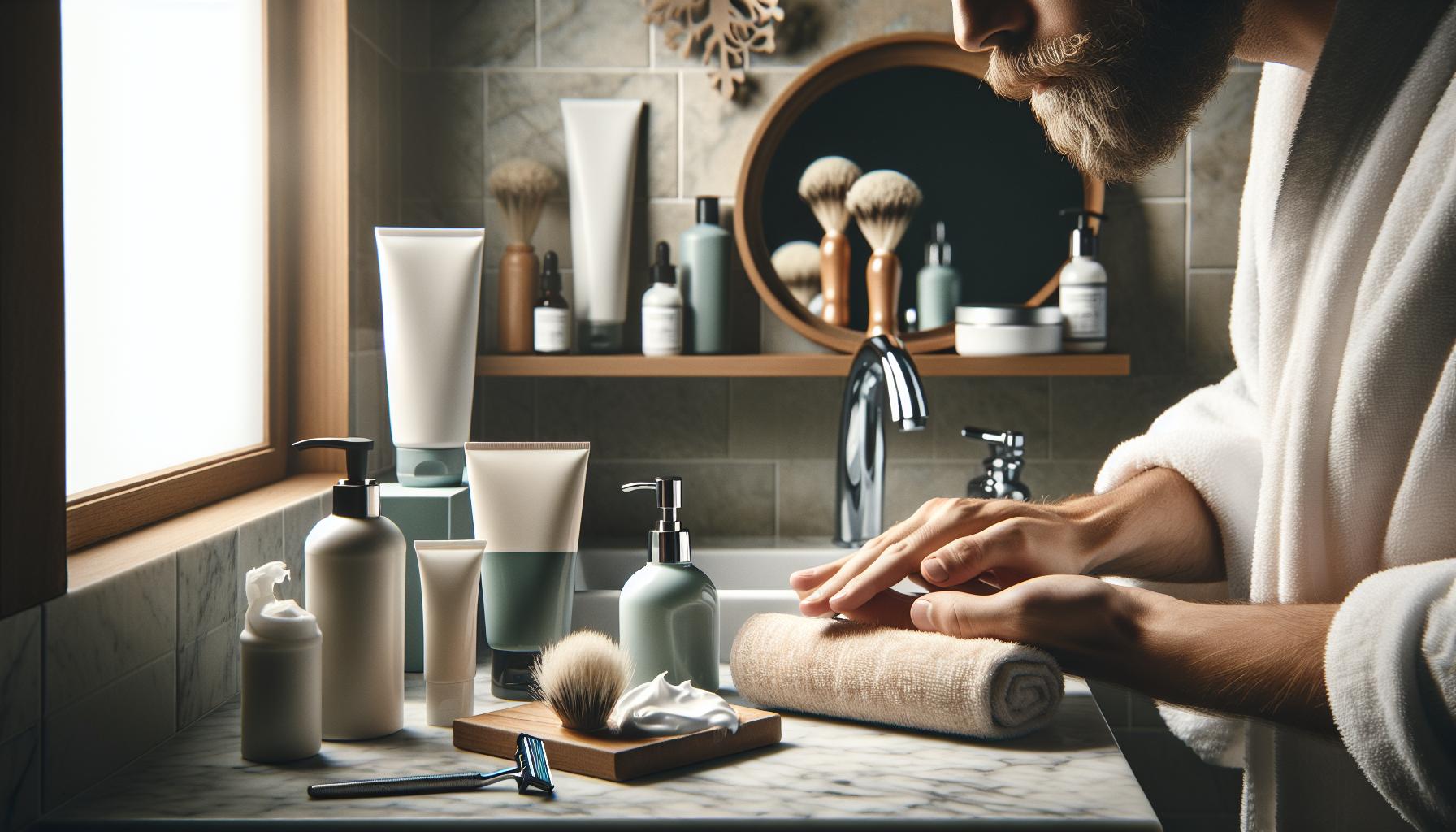
Preventing Razor Burn: Best Practices and Tips
To keep your skin smooth and irritation-free, it’s essential to adopt practices that prevent razor burn before it even starts. Understanding the nuances of your shaving routine can mean the difference between a comfortable shave and the discomfort of razor burn. Here are some effective strategies to help you achieve the best outcomes during and after shaving.
Pay attention to your shaving technique. Always start with a thorough cleanse using a gentle, hydrating face wash to remove dirt and oils. This primes your skin for a smoother shave. After cleansing, consider using a high-quality pre-shave oil-it creates a barrier that reduces friction between the razor and your skin. It’s best to let the oil sit for a few minutes before applying shaving cream, which should be rich and moisturizing. Aim for creams or gels that are free of alcohol and parabens, as harsh ingredients can exacerbate irritation.
When it comes to your razor, using a sharp blade is crucial. Dull blades tug at the skin rather than glide smoothly, leading to irritation. Replace your razor blade regularly-ideally after five to seven uses. If you notice any tugging or pulling during your shave, it’s time for a new blade. Also, consider using a multi-blade razor cautiously; while they can offer a close shave, they may also increase the risk of ingrown hairs and irritation for some skin types.
In terms of shaving direction, consider shaving with the grain (the way your hair grows) rather than against it, especially if you have sensitive skin. This reduces the risk of cuts and irritation. Don’t forget to rinse your blade frequently in warm water during shaving to keep it clean and free from buildup.
Finally, after shaving, treat your skin kindly. Rinse with cool water to close the pores and apply a soothing aftershave balm or moisturizer right away. Look for products containing ingredients like chamomile or witch hazel, which are known for their calming properties. Moisturizing is vital-apply a good quality hydrating lotion or oil to combat dryness and promote healing.
By adopting these preventative measures, you can significantly reduce your risk of razor burn, paving the way for a more comfortable grooming experience. Remember, each person’s skin is unique, so it may take some experimentation to find the routine that works best for you.
The Role of Skin Type in Razor Burn Severity
Understanding how your unique skin type can influence razor burn severity is crucial for achieving a comfortable shave. People with sensitive skin often experience more significant irritation due to weaker skin barriers and heightened responsiveness to environmental factors. This means that even minor shaving missteps can lead to noticeable discomfort. Conversely, individuals with oily or resilient skin might find that they can manage occasional razor burn more easily, as their skin can typically bounce back faster.
The type of hair you’re shaving also matters. Coarser hair types can cause more friction, increasing the likelihood of irritation, especially if the shave isn’t executed with the right technique or products. If you have fine hair, you might find that while you experience less tugging, you may still have issues with ingrown hairs, particularly if you shave against the grain. Understanding these dynamics empowers you to tailor your shaving routine accordingly.
To mitigate razor burn based on your skin type, start by selecting products that cater to your specific needs. Use a moisturizing pre-shave oil or cream that provides extra hydration and a smoother surface for the razor. For those with sensitive skin, look for hypoallergenic options that are free from fragrances and alcohol, as these ingredients can exacerbate irritation. After shaving, applying a soothing balm that contains anti-inflammatory ingredients like aloe vera or calendula can significantly reduce the effects of razor burn and speed up recovery.
Ultimately, knowing your skin type and how it interacts with your shaving routine can be the key to preventing and addressing razor burn effectively. Personal trials with different products and techniques may be necessary, but these adjustments can lead to a more comfortable and enjoyable grooming experience.
When to Seek Professional Help for Razor Burn
Experiencing razor burn can be frustrating and painful, but understanding when to seek professional help can make a significant difference in your recovery. If the irritation persists beyond a few days or worsens instead of improving, it might be time to consult a dermatologist or healthcare provider. Razor burn, while common, can sometimes lead to complications that require professional attention.
You should consider getting help if you notice any of the following symptoms:
- Severe Redness and Swelling: If your skin remains intensely red and swollen for more than three days, or if the area feels warm to the touch, it may indicate an infection.
- Pus or Drainage: The presence of yellowish pus or any other unusual discharge signals an infection that warrants immediate medical attention.
- Blistering: If you develop blisters or open sores due to severe irritation, it’s essential to avoid further irritation and seek treatment to prevent infection.
- Persistent Pain: Pain that does not improve with over-the-counter remedies or that interferes with daily activities is a strong indicator that you should see a professional.
- Long-lasting Symptoms: If razor burn symptoms last longer than a week without improvement, it’s wise to consult a dermatologist for treatment options.
In some cases, an underlying skin condition could be exacerbating your razor burn. Conditions such as eczema or folliculitis can mimic or worsen the symptoms of razor burn. A professional can provide a proper diagnosis and treatment plan tailored to your specific needs, which may include medicated creams or prescription treatments.
Remember, you don’t have to handle this alone. Seeking help is a proactive step towards healthier skin and more comfortable shaving. With the right support, you can find effective solutions to not only heal current irritation but also prevent future occurrences.
Exploring Products to Soothe Razor Burn
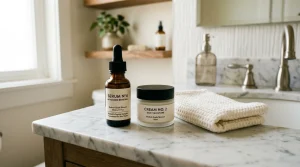
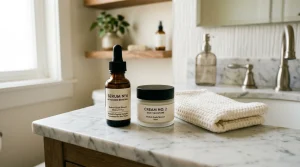
For anyone dealing with the discomfort of razor burn, selecting the right products can make a world of difference. There are several soothing solutions available that can help mitigate irritation and promote healing, allowing your skin to recover more swiftly. Look for items that prioritize hydration and inflammation reduction, such as aloe vera gel, witch hazel, or calming balms that contain ingredients like chamomile or calendula. These natural solutions not only soothe the skin but also provide essential moisture to prevent further dryness, which can exacerbate irritation.
When choosing a product, consider formulations that are free from alcohol and harsh fragrances, as these can irritate sensitive skin. For instance, aloe vera gel is a fan-favorite due to its cooling properties and is effective when applied generously over the affected area. Simply take a small amount and gently massage it into the skin, letting it absorb naturally for maximum benefit. Alternatively, witch hazel, known for its astringent properties, can help reduce inflammation. It can be applied using a cotton pad to gently dab the irritated area without any need for excessive rubbing.
If you’re dealing with particularly stubborn razor burn, you might want to explore anti-inflammatory creams that are rich in ceramides and hyaluronic acid. These ingredients work together to restore the skin’s barrier and provide deep hydration. Look for products labeled as therapeutic or specifically designed for post-shaving care. Applying a small, pea-sized amount onto affected areas can provide relief and enhance healing. It’s best to use these products immediately after shaving or as soon as you notice symptoms for optimal results.
Lastly, consider creating a post-shave routine that incorporates these soothing products consistently. After shaving, cleanse your skin with a gentle, hydrating cleanser, apply your chosen soothing product, and follow up with a lightweight moisturizer to lock in moisture. For ongoing prevention, products with niacinamide can help improve skin resilience over time, making them a smart addition to your grooming arsenal. Regular use helps keep your skin calm and balanced, effectively reducing the likelihood of future razor burn episodes.
By tailoring your post-shave care with these products, you can nurture your skin back to health, ensuring a smooth and comfortable shaving experience going forward.
Addressing Razor Burn in Sensitive Areas
Razor burn can be particularly distressing when it occurs in sensitive areas, such as the bikini line, underarms, or face. These regions often have thinner skin that’s more prone to irritation, making it crucial to handle them with care. Recognizing how to address razor burn effectively in these delicate spots not only alleviates discomfort but also promotes faster healing.
One effective strategy is to approach shaving with a gentle touch and the right tools. Opt for a sharp, clean razor to minimize tugging at the skin, which can further inflame areas that are already sensitive. Using a high-quality shaving cream or gel that provides ample lubrication is essential. Look for products infused with soothing ingredients like oatmeal or aloe to help calm the skin during shaving. After shaving, allow the skin to cool before applying any treatments, as heat can exacerbate irritation.
In terms of treatment for razor burn, consider applying natural remedies that soothe and hydrate the skin. A thin layer of aloe vera gel can be a lifesaver. Known for its anti-inflammatory properties, it cools the area and aids in healing. Simply apply a generous amount directly to the burned skin and gently massage it in. For those with particularly sensitive skin, creating a small mixture of coconut oil and tea tree oil can also be beneficial. Coconut oil moisturizes, while tea tree oil serves as a natural antibacterial agent. Mix a few drops of tea tree oil with a teaspoon of coconut oil, and apply this blend carefully to the affected area.
Another practical approach is to avoid tight clothing after shaving sensitive areas, as friction can lead to further irritation. Loose-fitting garments made from breathable fabrics can help prevent additional discomfort. Also, consider incorporating a calming lotion or anti-inflammatory cream into your post-shaving routine. Look for creams that contain ceramides for barrier repair or hyaluronic acid for hydration, applying them immediately after washing-this helps lock in moisture and support healing.
Summary measures to remember include using a sharp razor, opting for gentle products, and avoiding tight clothing post-shaving to help maintain comfort in sensitive areas. Addressing razor burn proactively with these methods can vastly improve your experience, ensuring a smoother and more comfortable shave moving forward.
Post-Shaving Routine to Minimize Razor Burn
After a close shave, your skin can be vulnerable, but a thoughtful post-shaving routine can significantly reduce the risk of razor burn and promote a quicker recovery. Keeping your skin hydrated and calm is crucial, so let’s explore some practical steps to help soothe any irritation you might feel right after shaving.
First, consider rinsing your skin with cool water post-shaving to help close the pores and reduce inflammation. This cooling down process not only feels refreshing but also diminishes redness. After patting your skin dry gently with a soft towel, it’s time to apply a soothing product. Opt for an aftershave balm or gel enriched with ingredients like aloe vera, witch hazel, or chamomile. These ingredients are known for their anti-inflammatory and moisturizing properties, which can calm irritated skin. A dime-sized amount should be sufficient; apply it in gentle, circular motions, ensuring even coverage.
Avoid using products that contain alcohol or heavy fragrances immediately after shaving, as these can exacerbate irritation and dryness. Instead, look for fragrance-free moisturizers that contain hyaluronic acid for hydration and ceramides for barrier repair. Apply these creams ideally within a few minutes after shaving while your skin is still slightly damp, helping to lock in moisture.
Finally, be mindful of what you wear post-shave. Loose-fitting clothes made from cotton or breathable fabrics are preferable to avoid friction against recently shaved skin. If you’re shaving areas like the underarms or bikini line, allowing your skin some time to breathe before putting on tighter clothing can prevent further irritation.
By incorporating these steps into your post-shaving routine, you can minimize discomfort, encourage healing, and maintain the healthy appearance of your skin. Remember, consistency is key to building a regimen that works for you, so don’t hesitate to experiment with products and techniques until you find the perfect fit for your skin type.
Common Myths About Razor Burn Debunked
Razor burn can often feel like an unavoidable consequence of shaving, leading to myths that perpetuate confusion and frustration. One common misconception is that razor burn only occurs with straight razors. In reality, any shaving method-whether using safety razors, cartridges, or electric shavers-can result in razor burn if proper techniques are not followed. Understanding that the technique, pressure applied, and pre-shave preparation are more critical than the type of razor can help ease the anxiety around this issue.
Another prevalent myth is that shaving against the grain is always necessary for a close shave. While this might sound tempting, it can significantly increase the likelihood of irritation and razor burn. Instead, it’s safer to shave in the direction of hair growth. For those who desire a closer shave, consider using multiple passes with light pressure instead of directly going against the hair direction. This approach minimizes trauma to the skin and promotes a smoother experience.
Many believe that razor burn will only last a few days, but the duration can vary significantly depending on skin sensitivity and the methods used for shaving. For some, razor burn may linger for just a day or two, while for others, redness and irritation can persist for a week or longer. Understanding this variability helps set realistic expectations and encourages individuals to follow proper post-shave care routines to promote swift healing.
Lastly, there’s a misconception that all skin types react to shaving in the same way. This is far from accurate, as factors like skin type, sensitivity, and individual grooming products all play essential roles in determining the severity of razor burn. Those with sensitive skin may find that they react more dramatically to certain products or techniques, making it crucial to tailor shaving and skin-care routines to their unique needs for the best outcomes.
By dispelling these myths, individuals can approach shaving with a more informed perspective, leading to healthier skin and a more pleasant shaving experience. Celebration of personal grooming practices that prioritize technique and skin health is key to avoiding the discomfort that razor burn can cause.
Lifestyle Changes to Improve Skin Resilience
Incorporating healthy lifestyle choices can significantly improve your skin’s resilience and help prevent razor burn. One of the key approaches is to ensure your skin remains well-hydrated. Drinking plenty of water throughout the day not only keeps your body hydrated but also helps maintain skin elasticity and barrier function. Aim for at least eight 8-ounce glasses of water daily, and consider adjusting your intake based on activity levels and climate conditions.
Additionally, nourishing your skin from the inside out can make a substantial difference. Including foods rich in vitamins A, C, and E, as well as omega-3 fatty acids, can enhance your skin’s ability to recover from irritation. Think leafy greens, berries, nuts, and fatty fish. For example, incorporating salmon or walnuts into your meals provides healthy fats that bolster skin health. Supplementing with a daily multivitamin can also help fill any nutritional gaps.
Another critical lifestyle change involves practicing stress management techniques. Stress can exacerbate skin conditions, including irritation from shaving. Engaging in mindfulness practices such as meditation, yoga, or even simple breathing exercises can significantly lower stress levels. Setting aside just 10-15 minutes a day for these activities can promote skin healing and overall well-being.
Regular exfoliation is beneficial too-aim for gentle exfoliation 1-2 times per week. This helps to remove dead skin cells that can clog pores and lead to irritation. Try using a mild scrub or a chemical exfoliant containing alpha or beta hydroxy acids, which are effective yet gentle ways to keep your skin smooth and less prone to razor burn.
Finally, always prioritize sun protection. Applying a broad-spectrum sunscreen with at least SPF 30 daily can prevent skin damage that could make your skin more sensitive during shaving. By taking these actionable steps, you not only prepare your skin for smoother shaves but also enhance its overall resilience, leading to less irritation and more comfortable grooming experiences.
Faq
Q: How can I tell if I have razor burn?
A: Razor burn typically appears as red, irritated skin and can be itchy or painful. Look for small bumps or a rash in the shaved area. If the discomfort lasts longer than a few hours, it’s likely razor burn. For a detailed understanding, check the “Understanding Razor Burn: Causes and Symptoms” section.
Q: Can razor burn get worse over time?
A: Yes, razor burn can worsen if the skin remains irritated and is continuously subjected to shaving. Inadequate healing time between shaves can lead to increased redness, swelling, and even infection. Learn more about timelines in the “Timeline for Healing Razor Burn” section.
Q: What are common misconceptions about razor burn?
A: A common myth is that razor burn only occurs with cheap razors. However, it can happen with any razor if not used correctly or if the skin is not properly prepared. For more myths debunked, refer to the “Common Myths About Razor Burn Debunked” section.
Q: How can I minimize the pain of razor burn?
A: To alleviate razor burn pain, apply a cooling gel or aloe vera to the affected area and avoid any further shaving until the skin heals. Gentle, moisturizing skincare products can also help. For immediate relief tips, check the “Effective Home Remedies for Immediate Relief” section.
Q: Why is my razor burn lasting longer than usual?
A: Prolonged razor burn can result from factors like sensitive skin, improper shaving technique, or using old blades. Skin type and condition also play a significant role. For tips on managing sensitivity, see “The Role of Skin Type in Razor Burn Severity.”
Q: What does razor burn look like on different skin types?
A: Razor burn can appear differently on various skin types. On lighter skin, it often looks red and inflamed, while on darker skin, it may show as dark spots or patches. Understanding your skin’s reaction can help in managing razor burn. More information can be found in “Addressing Razor Burn in Sensitive Areas.”
Q: Can I prevent razor burn with specific products?
A: Yes, using pre-shave oils, moisturizing shaving creams, and post-shave balms designed for sensitive skin can significantly reduce the risk of razor burn. Explore product recommendations in the “Exploring Products to Soothe Razor Burn” section for effective choices.
Q: When is it essential to seek professional help for razor burn?
A: If razor burn persists beyond a few days, worsens, or shows signs of infection (like pus or increased pain), seek professional advice. It’s crucial to address severe cases early. For guidance on when to consult a professional, visit the “When to Seek Professional Help for Razor Burn” section.
Wrapping Up
Now that you understand how long razor burn can last and what healing timelines to expect, remember that taking immediate steps for comfort and care is essential. Don’t let irritation ruin your grooming routine; the sooner you address it, the quicker you’ll feel relief. For more tips on preventing skin irritation, check out our guides on sensitive skin shaving techniques and aftercare solutions.
Ready to take the next step? Explore our recommended skincare products designed specifically to soothe razor burn and promote healing. If you have more questions or want to share your experiences, please leave a comment below-we love hearing from you! Don’t forget to subscribe to our newsletter for the latest in grooming tips and products that cater to your needs.
Keep your skin healthy and your grooming routine smooth. Your journey towards optimal shaving has just begun, so stay connected for more insights and support!
Get our latest guides, news, and insights highlighted in your Google Search & AI Overviews.