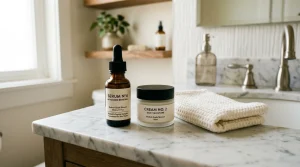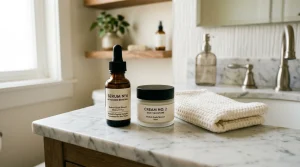
Did you know that the way you apply your cleanser can make a significant difference in your skin’s health? Many people underestimate the importance of this step in their skincare routine, often rushing through it or applying products incorrectly. Properly applying your cleanser not only removes dirt and makeup but can also enhance absorption of subsequent skincare products, leading to better overall results.
In this guide, we will explore how to apply cleanser correctly for maximum impact, addressing common concerns like skin type and product choice. Whether you’re struggling with dryness, oiliness, or breakouts, understanding the right techniques can help you achieve that fresh, glowing complexion you desire. Get ready to transform your cleansing routine into an effective self-care ritual that caters to your skin’s unique needs. Let’s dive in and uncover the secrets to radiant skin!
Understanding Your Skin Type for Cleanser Selection

To achieve healthy, glowing skin, selecting the right cleanser for your specific skin type is essential. Not all skin types are created equal; what works for one person may not be suitable for another. By understanding your skin type and its unique needs, you can choose a cleanser that enhances your skincare routine rather than complicates it.
Different skin types include oily, dry, combination, and sensitive. If you have oily skin, look for cleansers with ingredients like salicylic acid or tea tree oil that help reduce excess oil and prevent breakouts. For dry skin, opt for creamy or hydrating cleansers that contain soothing ingredients such as glycerin or hyaluronic acid, helping to replenish moisture without stripping away essential oils. Those with combination skin may benefit from gel-based cleansers that maintain balance without aggravating either the dry or oily areas. Lastly, if you identify as having sensitive skin, gentle, fragrance-free formulations with calming ingredients like aloe vera or chamomile are your best bet.
Testing is also crucial. If you’re unsure about your skin type, consider consulting a dermatologist who can provide personalized guidance. You can also perform a simple test: after cleansing, observe how your skin feels over several hours. Does it feel tight and flaky (indicative of dryness), oily, or just right? This self-awareness can dramatically improve how effectively you choose your cleanser, leading to optimal skincare results. Remember, understanding your skin type isn’t just about preferences; it’s about customizing your routine for maximum efficacy.
Key Ingredients to Look for in Cleansers

To choose the right cleanser, pay attention to the key ingredients listed on the label. Understanding what those ingredients do can transform your cleansing routine, ensuring you get maximum results tailored to your skin type. For instance, if you’re tackling breakouts, look for products containing salicylic acid or benzoyl peroxide. Salicylic acid penetrates pores to dissolve dead skin cells and excess oil, making it an ideal choice for oily and acne-prone skin. On the other hand, benzoyl peroxide has antibacterial properties that can help reduce acne-causing bacteria.
If your skin leans towards dry or sensitive, prioritize ingredients that nurture and hydrate. Look for glycerin and hyaluronic acid, which are incredible moisturizers that draw water into the skin, helping to prevent that tight, parched feeling after cleansing. Additionally, aloe vera and chamomile can provide soothing benefits, reducing irritation and calming redness. These ingredients are especially beneficial for those with sensitivity, as they help cleanse effectively without stripping the skin of its natural moisture.
It’s also useful to consider cleansers that incorporate natural oils such as jojoba or grapeseed oil. These oils can help remove makeup and impurities while also nourishing the skin, giving you a clean, hydrated feel post-wash. If you prefer a more natural approach, cleansers labeled as sulfate-free can be gentler on the skin, ensuring that you avoid harsh foaming agents that sometimes lead to dryness.
Lastly, always check for any additional beneficial ingredients like vitamin E or antioxidants that can help protect the skin from environmental stressors during the cleansing process. By focusing on these critical components, you’ll be well-equipped to choose a cleanser that effectively supports your skin’s health and looks its best.
Correct Techniques for Applying Cleanser
Applying cleanser correctly can make a significant difference in the health and appearance of your skin. Contrary to what some may think, slapping on cleanser and rinsing it off isn’t sufficient. The technique you use can enhance the effectiveness of the product, ensuring that dirt, oil, and impurities are removed while preventing irritation.
Start with a damp face to allow the cleanser to glide on smoothly. Use about a dime-sized amount of your product, and distribute it evenly across your fingertips. Then, gently massage the cleanser onto your skin using small, circular motions. Take your time-aim for about 30 seconds of massaging. This not only helps to lift away grime but also stimulates blood circulation for a fresh, healthy look. For areas that need extra attention, like the nose and forehead, you can focus a bit more, but be gentle to avoid harsh rubbing.
It’s important to remember the sequence of application as well. Begin with your forehead, moving down to your cheeks, chin, and jawline, and then work your way out towards the temples. This technique ensures that you cover each area thoroughly. Post-application, rinse your face with lukewarm water to wash away all traces of the cleanser without stripping your skin of its natural oils. After rinsing, gently pat your face dry with a clean towel-avoid rubbing, which can cause irritation.
By employing these techniques, you’re setting the stage for your skincare routine to be more effective. With consistent practice, cleansing can become an enjoyable ritual rather than just another chore in your day. Taking these few extra moments for proper application can greatly elevate the performance of your skincare products, leading to a clearer, more radiant complexion over time.
Timing: When to Cleanse for Optimal Skin Health

Establishing a cleansing routine that fits seamlessly into your day can significantly enhance your skin’s health. When deciding when to cleanse, routine is key. Most skincare experts recommend cleansing your face at least twice daily: once in the morning to remove excess oil and impurities that accumulate overnight, and once in the evening to remove makeup, pollutants, and oil that have built up throughout the day.
In the morning, your skin may feel slightly oily from the natural oils your skin produces overnight. Cleansing helps to refresh your skin and prepares it for the application of skincare products such as moisturizers and sunscreens, which are crucial for protecting your skin during the day. This ritual can also serve as a gentle wake-up call, allowing you to start your day feeling fresh and invigorated.
In the evening, cleansing becomes a way to remove the stresses and impurities of the day, including makeup, environmental pollution, and dead skin cells. A thorough cleanse in the evening helps to prevent clogged pores and breakouts, ensuring your skin breathes and rejuvenates overnight. If you’re engaged in outdoor activities or have a particularly oily skin type, consider adding a mid-day cleanse to your routine to maintain optimal skin health.
To maximize the benefits of your cleansing routine, consider factors such as exercise and environment. Post-workout, a quick cleanse can help remove sweat and dirt, while in polluted urban areas, you might benefit from an extra evening cleanse. Listening to your skin’s needs is essential, as some days may require a gentler approach or additional cleansing.
Ultimately, timing is about creating a rhythm that works for you, promoting overall skin vitality and maintaining a clear complexion. Adopting these cleansing habits can make a noticeable difference in your skin’s appearance and health.
The Role of Water Temperature in Cleansing
The temperature of the water you use for cleansing your skin can significantly influence how effective your routine is. Many people may not give this detail much thought, but the right water temperature can enhance the cleansing process, making your products work more efficiently and leaving your skin feeling refreshed and revitalized.
Using warm water is generally the best choice for most skin types. It helps to open up pores, allowing dirt, oil, and impurities to be washed away more effectively. When using your cleanser, a good approach is to splash your face with warm water first to prepare your skin. Aim for a comfortable temperature-not hot enough to cause irritation or redness, typically around skin temperature or slightly warmer.
After applying your cleanser, gently massage it into your skin using circular motions for about 30 seconds. This technique helps to dissolve makeup and stubborn impurities deeply lodged in your pores. Rinse thoroughly with lukewarm water to ensure all traces of the cleanser are removed. This is important because leftover product can lead to clogged pores and breakouts. For those with sensitive or dry skin, consider finishing with a splash of cool water to help close the pores and lock in moisture.
In summary, the right water temperature plays a pivotal role in your cleansing routine. Remember to start with warm water to loosen impurities, use gentle circular motions while cleansing, and finish with a cool rinse to soothe and close your pores. Being mindful of this simple aspect of your skincare can lead to healthier, more radiant skin over time.
Common Mistakes When Using Cleanser
When it comes to cleansing your skin, many people unknowingly fall into common traps that can undermine their skincare efforts. One prevalent mistake is using the wrong cleanser for your skin type. For example, if you have dry skin, a harsh foaming cleanser can strip away essential oils, leading to irritation and increased dryness. On the flip side, if you have oily or acne-prone skin, using a heavy cream or oil-based cleanser can exacerbate breakouts. Always aim for a formula that aligns with your specific skin needs to maintain a healthy balance.
Another frequent oversight is inadequate cleansing time. Rushing through your cleansing routine may leave behind grime, makeup, and dirt. Allocate at least 30 seconds to massage the cleanser into your skin using gentle circular motions. This simple act not only ensures thorough cleansing but also stimulates circulation, giving your skin a more radiant appearance. Don’t hesitate to take your time; proper cleansing is a foundational step that sets the tone for the rest of your skincare routine.
Many also overlook the importance of rinsing thoroughly. Leaving residue from your cleanser can lead to clogged pores and breakouts. Always rinse with lukewarm water to ensure that all product is removed, then finish off with a splash of cool water to tighten pores. Lastly, using a washcloth or exfoliating tool can sometimes be too abrasive for the skin. Instead, opt for your fingers to gently apply and remove the cleanser, as this minimizes the risk of irritation while still being effective.
By avoiding these common mistakes, you can enhance your cleansing routine and promote healthier skin. Remember, the goal is to cleanse effectively without causing additional irritation or imbalance, paving the way for your other skincare products to work more efficiently. Simple adjustments can lead to significant improvements in your skin’s overall health and appearance.
How to Customize Your Cleansing Routine
When it comes to personal care, customizing your cleansing routine can significantly enhance the effectiveness of your skincare efforts. Just like a favorite recipe, tailoring your approach to your personal skin type and lifestyle can make all the difference in achieving that coveted healthy glow. Understanding your unique needs is the first step in creating a routine that works specifically for you.
Identify Your Skin Type
Understanding whether your skin is oily, dry, combination, or sensitive is crucial in choosing the right cleanser. For instance, if you have dry skin, look for cream-based cleansers that offer hydration without stripping natural oils. Conversely, if your skin leans oily or is acne-prone, opt for gel or foaming cleansers that help remove excess sebum without overly drying your skin. Conducting a simple test-like observing how your skin feels after cleansing-can assist you in identifying your skin type.
Incorporate Seasonal Adjustments
Your skin’s needs can fluctuate with the seasons. In winter, colder weather can lead to dryness, so incorporating a hydrating cleanser can be beneficial. During the hot, humid summer months, a lightweight gel cleanser may be more effective in managing oil and sweat. Pay attention to how your skin reacts to environmental changes and adjust your product choices accordingly.
Consider Your Daily Activities
Tailor your cleansing frequency and product choice based on your daily routine. For those exercising regularly, more frequent cleansing may be necessary to remove sweat and impurities, whereas individuals with sedentary lifestyles may find that cleansing once in the evening is sufficient. Moreover, if you wear makeup, consider using a double-cleansing method-first with an oil-based cleanser to dissolve makeup followed by a water-based cleanser to remove any residual dirt.
Experiment and Monitor Results
Don’t hesitate to experiment with different products and techniques until you find a routine that your skin enjoys. Keep a journal or notes on how your skin responds to various cleansers or application methods over time. If you experience irritation, redness, or breakouts, it may be a sign that a product or frequency isn’t fitting well with your skin’s needs. Listen to your skin-it’s your best guide.
Incorporating these insights into your cleansing routine can elevate your skincare game, helping you not only achieve clean skin but also maintain its health and vitality. Remember, the key is to remain adaptable and attentive to your skin’s evolving requirements.
Enhancing Cleanser Efficacy with Tools
Using the right tools can significantly enhance the effectiveness of your cleansing routine. Incorporating simple, yet effective, aids can elevate your skin’s health while ensuring that your cleanser works its magic. One of the most popular tools is a facial cleansing brush, which can provide a deeper clean than manual washing alone. These brushes use soft bristles or silicone bristles that exfoliate the skin, removing dead skin cells and promoting circulation. For beginners, a gentle model that offers sensitivity settings can make all the difference. Aim to use it for about 30 seconds, allowing the brush to glide over your face in a circular motion for optimal results.
Another tool to consider is a cleansing cloth or muslin cloth, which aids in both cleansing and gentle exfoliation. After applying your cleanser, you can use the damp cloth to wipe away impurities effectively. This method not only enhances the cleansing process but also helps to soften the skin. It’s an easily accessible option that doesn’t require any batteries or charging, making it perfect for everyday use.
For those who enjoy a little luxury in their skincare routine, a sonic cleansing device can also be a fantastic choice. These devices use high-frequency vibrations to cleanse the skin deeply while providing a massage effect. Users often report that their skin feels noticeably cleaner and smoother after just one use. However, it’s important to introduce such devices gradually to prevent overstimulation of your skin.
Lastly, consider using a gentle facial sponge, such as a konjac sponge, which is made from natural konjac fibers. It provides a mild exfoliation while cleansing, making it perfect for sensitive skin types. Just wet the sponge, apply your cleanser, and use it in gentle circular motions-your skin will thank you.
Remember, while these tools can boost your cleansing ritual, it’s essential to listen to your skin’s needs. If irritation occurs, you may want to reduce the frequency of use or choose a gentler option. Whether you go for a brush, cloth, or sponge, integrating these tools into your cleansing routine can help ensure that your cleanser performs at its best, leaving you with fresh, vibrant skin.
Daily vs. Weekly Cleansing: What You Need to Know
Daily cleansing is a crucial part of any skincare routine, serving as the foundation for healthy, radiant skin. Engaging in a consistent daily cleansing practice helps to remove dirt, oil, and makeup, preventing clogged pores and breakouts. For most people, cleansing twice a day-once in the morning and once before bed-is ideal. Mornings often require a quick refresh, while evenings are essential for removing the day’s buildup. Using a gentle cleanser in these routines ensures your skin stays clean without stripping away its natural moisture.
In contrast, weekly cleansing can take on a different role, focusing on deeper exfoliation or targeted treatments depending on your skin’s needs. Weekly exfoliating cleansers or masks can help eliminate dead skin cells and reveal a brighter complexion. If your skin is sensitive or prone to irritation, these treatments should be used sparingly. Opt for gentle formulas and pay attention to how your skin reacts; you may find that once a week is all it requires to maintain a healthy balance.
It’s also important to tailor your cleansing frequency to your lifestyle and skin type. For instance, if you exercise frequently or wear heavy makeup, you might benefit from additional cleansing in the evenings. Conversely, if you have dry or sensitive skin, you might prefer to reduce your cleansing sessions to avoid irritation. Listening to your skin and adjusting accordingly can ensure you maintain both cleanliness and comfort.
In summary, balancing daily and weekly cleansing is key to achieving and maintaining healthy skin. Prioritize daily routines for basic upkeep, while incorporating weekly treatments to enhance your skincare results. This two-tiered approach allows you to adapt to your personal needs and lifestyle, ensuring your skincare remains effective and enjoyable.
The Importance of Follow-Up Products After Cleansing
After cleansing, the next step in your skincare routine is crucial for locking in moisture and benefitting from your hard work. Many people underestimate the power of follow-up products, believing that their cleanser is enough on its own. However, using products like toners, serums, and moisturizers can significantly enhance your skin’s health and appearance. Cleansing removes dirt and impurities but can also strip essential oils. This is where follow-up products come into play, helping restore balance and promoting healthy skin.
Why Use Follow-Up Products?
Follow-up products help rehydrate your skin and can target specific concerns such as dryness, dullness, or aging. For instance, a hydrating toner can help prep your skin for subsequent products, making them more effective. If you apply a serum afterward, it can penetrate deeper into clean skin, delivering concentrated actives precisely where they’re needed. It’s like giving your skin a second chance to absorb nutrients!
Key Ingredients to Look For
When choosing follow-up products, look for ingredients tailored to your skin’s needs. If hydration is your goal, consider hyaluronic acid or glycerin, both of which are excellent hydrators. For those dealing with aging or uneven skin tone, vitamin C and retinol can work wonders. Always read the labels and select products free from irritants like alcohol or fragrances, especially if your skin is sensitive.
Application Techniques
Applying follow-up products correctly is just as important as selecting the right ones. For example, apply a toner using a cotton pad or your fingertips, gently pressing it into the skin rather than dragging it across. This allows for optimal absorption. When applying serums, a few drops are all you need; use your fingertips to massage the product into your face in an upward motion, encouraging circulation and product penetration. Finish with a moisturizer to seal in all those beneficial ingredients, ensuring your skin stays hydrated throughout the day or night.
The right follow-up products can greatly enhance your skincare routine, reinforcing the effects of your cleansing and promoting overall skin health. By selecting targeted ingredients and applying them properly, you can address specific concerns and achieve the radiant, healthy skin you desire.
Signs You’re Using the Wrong Cleanser
Using the right cleanser is essential for achieving healthy skin, but sometimes it can be challenging to know if you’ve made the right choice. If your skin feels tight, looks red, or is reacting unexpectedly, it might be time to reassess your cleanser. Here are key signs that you may be using a cleanser that isn’t suitable for your skin.
One of the first indicators is excessive dryness or tightness after cleansing. If your skin feels parched and uncomfortable, it’s likely that your cleanser is too harsh. Cleansers containing sulfate or alcohol can strip natural oils, leaving the skin unbalanced. Aim for a gentle, hydrating formula that maintains your skin’s moisture barrier.
Conversely, if your skin feels oily or looks shiny just a few hours after cleansing, your cleanser might not be adequately addressing oil control. It’s essential to find a formulation that balances oil without completely drying out your skin. Gel-based cleansers are often effective in removing excess oil without over-drying.
Another critical sign to look out for is breakouts or irritation. If you notice new blemishes or increased redness after introducing a new cleanser, it could be due to irritating ingredients or poor skin compatibility. Parabens, fragrances, and synthetic dyes could exacerbate sensitivity, so seeking out products that are fragrance-free and specifically formulated for your skin type is a wise choice.
Lastly, keep an eye out for dullness or uneven skin tone. If your skin appears lackluster or you’re not seeing the expected benefits from your cleanser, it may be time to explore options with exfoliating acids like glycolic or salicylic acid, which help slough away dead skin cells and promote a brighter complexion.
Key Takeaways
- Excessive dryness or tightness: Indicates a cleanser is too harsh.
- Oily skin shortly after cleansing: Suggests the cleanser isn’t effectively managing oil levels.
- Breakouts or irritation: Points to potential irritants in the formula.
- Dull complexion: May benefit from exfoliating ingredients for a refreshed look.
By being attentive to these signs, you can make informed decisions about your skincare and ensure your cleansing routine supports your overall skin health effectively.
Expert Tips for Gentle Cleansing on Sensitive Skin
Sensitive skin requires an extra layer of care during cleansing to avoid irritation and maintain balance. Choosing the right cleanser is only part of the equation; how you apply it is equally critical. Start by selecting a gentle, sulfate-free cleanser that’s designed specifically for sensitive skin types. Look for calming ingredients like aloe vera or chamomile to soothe while cleansing, as they can help reduce redness and inflammation.
When it’s time to cleanse, ensure your hands are clean before touching your face. Use lukewarm water to moisten your skin; hot water can strip natural oils, aggravating sensitivity. Squeeze a dime-sized amount of your chosen cleanser onto your fingertips. Instead of scrubbing, use gentle circular motions to massage the cleanser into your skin for about 30 seconds. This approach not only cleans but also promotes circulation without overwhelming your skin. Always remember to rinse thoroughly, as any residue can lead to irritation.
Dry your face with a soft, clean towel by gently patting-avoid rubbing or harsh movements that can cause friction. After cleansing, follow with a hydrating toner or serum to help restore moisture. This step is crucial for sensitive skin, as it can replenish hydration lost during cleansing. Keep an eye out for alcohol-free products that won’t further dry or irritate your skin.
Lastly, listen to your skin. If you notice any tingling, redness, or discomfort after using a product, it may be an indication that it’s not suitable for you. Adjust your routine accordingly, and don’t hesitate to consult with a dermatologist if you’re unsure. With thoughtfulness and care in your cleansing routine, you can maintain a healthy, glowing complexion while protecting sensitive skin.
Frequently Asked Questions
Q: What is the best way to apply a cleanser?
A: The best way to apply a cleanser is to start with damp skin. Use a dime-sized amount, apply it with gentle circular motions for about 30 seconds, and focus on areas that need extra attention. This helps ensure effective cleansing without irritating the skin.
Q: How often should I cleanse my face for best results?
A: For most skin types, cleansing twice daily-once in the morning and once before bed-provides optimal results. This routine helps remove dirt and oils effectively, but adjust based on your skin’s needs, especially if you have sensitive or dry skin.
Q: Should I use my fingers or a tool to apply cleanser?
A: Both methods can be effective. Fingers allow for a gentle touch, while tools like cleansing brushes can enhance exfoliation. If you opt for a tool, use it gently for no more than a minute to avoid irritation.
Q: Is it okay to cleanse my face in the shower?
A: Yes, cleansing in the shower can be convenient, but avoid hot water, which can strip natural oils. Use lukewarm water and gently cleanse your face after your body, allowing for optimal hydration from the steam.
Q: Can I leave cleanser on my face for a few minutes?
A: Most cleansers are designed for quick application. Leaving it on can cause irritation. However, if using a specific product like a cleansing mask, follow the instructions for that product for best results.
Q: What should I do if my cleanser doesn’t remove makeup effectively?
A: If your cleanser struggles with makeup removal, consider a double cleansing method. Start with an oil-based cleanser to dissolve makeup, followed by your regular cleanser to clean the skin thoroughly.
Q: Why is it important to follow up with a moisturizer after cleansing?
A: Following up with a moisturizer after cleansing is vital to restore hydration. Cleansers can strip moisture, so a good moisturizer rebalances your skin, helping it retain moisture and maintain its barrier function.
Q: How can I tell if I’m using the right cleanser for my skin type?
A: If your skin feels tight, dry, or irritated after cleansing, you may be using the wrong product. Check for key ingredients suitable for your skin type, as mentioned in our section on understanding your skin type for cleanser selection.
In Summary
Now that you’ve mastered the technique for applying cleanser correctly, you’re on your way to achieving that radiant complexion you’ve always wanted! Remember, consistent application using the right amount of product can make all the difference. If you have any questions or need further assistance, don’t hesitate to explore our related articles on “Choosing the Right Cleanser for Your Skin Type” and “The Ultimate Guide to Building Your Skincare Routine.”
Take action today-give your skin the love it deserves by following these tips. And don’t forget to subscribe to our newsletter for more expert advice and exclusive content tailored to help you shine inside and out. Your skin will thank you! Feel free to share your thoughts in the comments; we love hearing from our community. Keep exploring, and enjoy the journey to healthier, happier skin!
Get our latest guides, news, and insights highlighted in your Google Search & AI Overviews.