Have you ever found yourself staring at an array of lipstick shades, wishing you could combine them to create something uniquely yours? Mixing and matching lipstick colors is not just a fun experiment; it’s a great way to express your individuality and enhance your overall look. With the right techniques, you can customize shades that perfectly suit your skin tone, mood, and occasion. In this guide, we’ll explore simple yet effective methods to blend colors and achieve that perfect lip hue. Whether you’re a novice or a makeup aficionado, you’ll discover actionable tips to elevate your lipstick game. So, if you’ve ever felt overwhelmed by the options or unsure how to create your custom shade, keep reading! You’ll soon gain the confidence to mix, match, and shine!
Understanding Lipstick Color Theory for Perfect Blends
Unlocking the secrets of color theory can transform your lipstick game, allowing you to create stunning custom shades that flatter your unique style. Understanding how different colors interact can be the key to designing blends that bring out the best in your complexion. At its core, color theory revolves around the color wheel, which categorizes colors in relation to one another. Primary colors-red, blue, and yellow-combine to form secondary colors, while tertiary colors result from mixing primary and secondary shades. This foundational knowledge will empower you to experiment boldly.
When blending lipstick, consider the concepts of complementary, analogous, and contrasting colors. Complementary colors, located directly opposite on the color wheel (like red and green), can create vibrant contrasts that pop. Analogous colors, which sit next to each other (such as red, orange, and pink), typically blend harmoniously, producing softer, more subtle shades. Finally, contrasting colors, which are not direct opposites, provide interesting combinations without overwhelming the look. For example, pairing a bold berry lipstick with a soft peach gloss can yield a fresh, unique shade that is both eye-catching and wearable.
This understanding will guide you as you experiment with mixing shades. Start simple, using a clean palette and a lip brush. Begin by combining small amounts of different lip colors, applying the mixes directly to your lips to assess their effect. Remember, lighting can dramatically change how a color appears, so checking in natural light helps reveal the true result of your blend. Most importantly, don’t be afraid to make mistakes-mixing colors should be a fun, creative process that evolves your makeup artistry!
By internalizing these principles, you’ll start seeing color combinations in a new light, broadening your lipstick arsenal. Whether you’re crafting a signature hue or just looking to freshen your look, understanding color theory will elevate your ability to blend beautifully and express your individuality through makeup.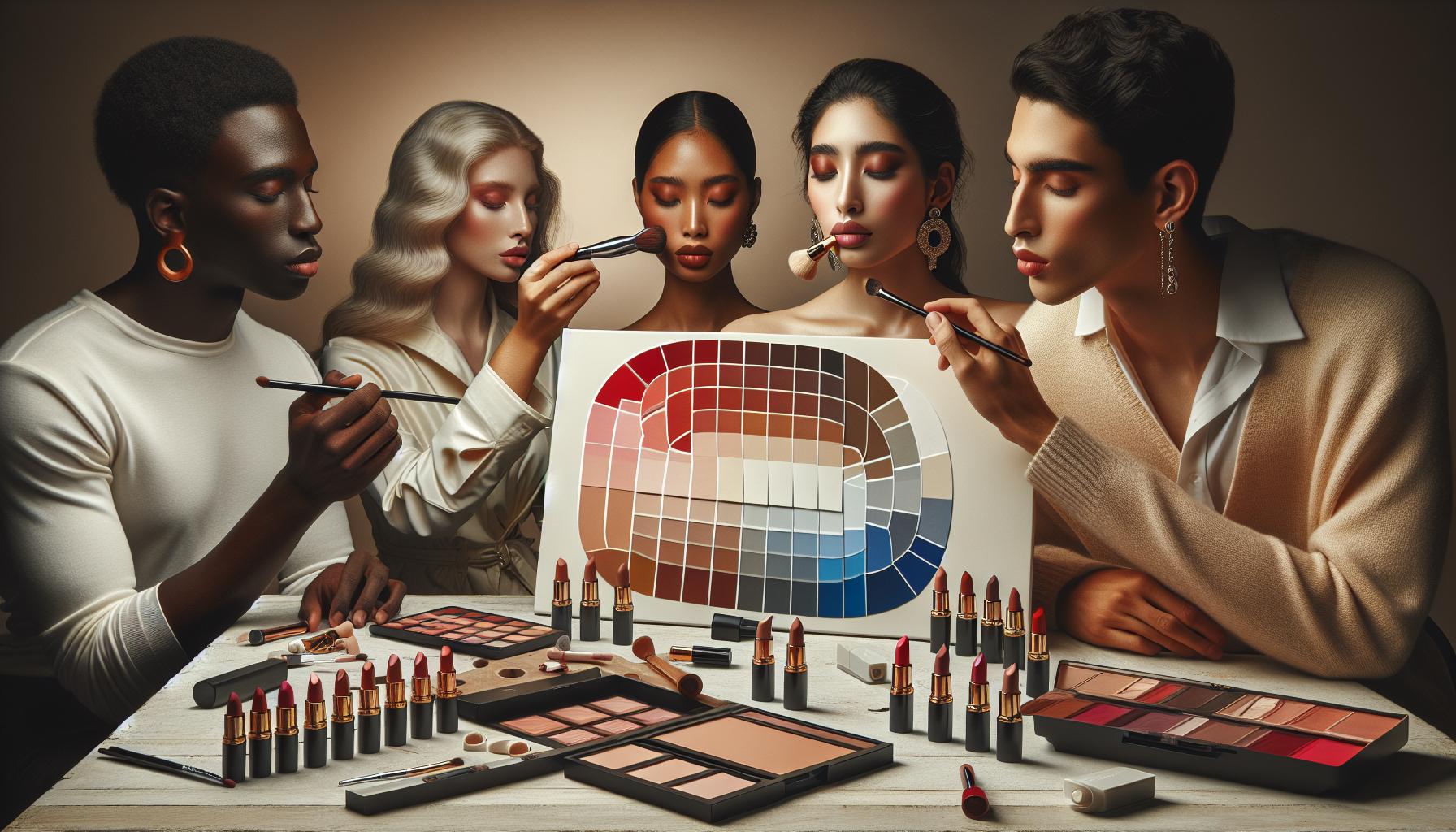
The Essential Tools for Mixing Lipstick Shades
When it comes to crafting your own custom lipstick shades, having the right tools is essential to ensure a smooth and enjoyable blending experience. Whether you’re a seasoned makeup enthusiast or just starting out, investing in some basic supplies can elevate your lipstick mixing game dramatically.
Start with a clean, smooth surface to mix your colors. A dedicated makeup palette or even a small piece of plastic (like a clean compact mirror) will do just fine. Having a flat area helps achieve even blends. Next, you’ll need a variety of lip colors to experiment with. Consider gathering both liquid and cream lipsticks, as different formulas can yield unique results when mixed.
To apply and blend your colors, a lip brush is a must-have. A small, tapered brush allows for precise application and blending, making it easier to experiment with small amounts of product. Additionally, keep a few cotton swabs on hand for easy cleanup and adjustments. If you want to take it a step further, having a small spatula can help scoop and mix products without contamination.
Don’t forget about tools for texture experimentation! Try including lip glosses, balms, and even a sheer highlighter to create diverse finishes. For example, mixing a matte lipstick with a glossy gloss can give you a beautiful dimension. And remember, lighting is key; work in natural light to see the true colors and depths of your mixes. Embrace these tools as your companions in the creative journey of custom lipstick blending, and don’t hesitate to let your personality shine through every unique shade you create.
Step-by-Step Guide to Creating Custom Lipstick Colors
Creating your own custom lipstick colors can be an exciting way to express your unique style and ensure that your makeup routine feels personal and tailored to you. The process may seem daunting at first, but with a few straightforward steps, you’ll be able to mix and match lipstick shades like a pro.
Start by gathering your supplies. You’ll need a clean mixing surface, such as a dedicated makeup palette or a small piece of plastic, along with a variety of lip colors-both liquid and cream formulas work well. It’s also crucial to have a precise lip brush for application and blending. This brush will help you to mix small amounts of product at a time, ensuring you can adjust as needed without wasting materials.
Once your tools are ready, choose the base shade you want to work with. For example, if you have a vibrant red lipstick and want to create a more subdued pink, begin by applying a small amount of the red to your palette. Gradually mix in a lighter shade, such as a nude or white, starting with a small quantity-perhaps a pea-sized amount. It’s always easier to add more color than to take it away, so don’t rush this part. Use your lip brush to mix thoroughly until the shades are combined evenly, and feel free to add more of either color until you reach your desired hue.
After mixing, it’s time to test your new custom shade. Apply a small amount to your lips. If it isn’t quite right, don’t hesitate to tweak the mix-add more of the original colors in small increments until you achieve a blend you love. Remember that the lighting can change how colors appear, so it’s useful to check your look in natural light to see how it translates. Once you find the perfect color, make sure to take notes on the ratios you used for future reference.
If you’re feeling adventurous, consider experimenting with different textures and finishes. For instance, mixing a matte color with a gloss can create a beautiful dimension. Whichever mix you decide on, take it step by step and enjoy the creative process-custom lipstick is all about having fun and showcasing your personality!
How to Choose Complementary and Contrasting Shades
Understanding how to select complementary and contrasting shades can elevate your custom lipstick game, making your looks more dynamic and unique. When blending shades, complementary colors are those that sit opposite each other on the color wheel. Using these shades together creates a striking contrast, enhancing each other’s vibrancy. For instance, pairing a warm orange with a cool blue can result in an eye-catching mix that draws attention.
To identify your complementary shades, start with a basic color wheel. If you’re mixing a red lipstick, try incorporating a green (the complementary color) to either deepen the shade toward a berry tone or mute it into a more sophisticated mauve. Mixing a small amount of green into your red can soften the intensity and add depth, creating a rich, custom shade that stands out beautifully.
On the other hand, contrasting shades are those that aren’t necessarily opposites but still maintain a distinct difference. For example, blending a bright fuchsia with a darker plum offers a grounding effect, balancing the boldness of the fuchsia while still providing visual interest. This technique works well for creating gradients on the lips, appearing multi-dimensional and full of life.
A practical tip as you explore these colors: always start with small amounts and gradually increase until you find the perfect balance. Keep a note of the ratios you used so you can recreate your favorite blends. Don’t forget about the finish; combining a glossy hue with a matte one can add an exciting texture to your look, ensuring it’s not just the color that pops but also the way it reflects light. Embrace experimentation-mixing and matching is about showcasing your personality, so have fun discovering what amplifies your style!
Experimenting with Texture: Matte, Glossy, and more
Experimenting with different finishes can transform your lipstick game by adding depth and dimension to your looks. Whether you’re drawn to the classic allure of matte, the eye-catching vibrancy of glossy, or the innovative charm of satin and metallic, understanding how each texture influences your overall appearance is crucial. Each finish not only alters the perception of color but can also highlight or soften the shapes and contours of your lips, enhancing your chosen custom shades.
For a standout look, consider layering different textures. Imagine a rich matte red base, which provides a sophisticated foundation, topped with a glossy coral hue at the center of your lips. This combination achieves a multidimensional effect that draws attention and creates the illusion of fuller lips. When applying, focus the gloss in the center and blend it outward. Starting with the matte will ensure that the gloss adheres well, while the contrast will make the color pop, making your lips appear vibrant and plump.
Another approach is to play with a satin finish that offers something in between matte and glossy. Satin lipsticks can provide an elegant sheen without the high shine of gloss, making them ideal for daytime looks. Pairing a satin peach with a bold matte burgundy, for example, can create a beautiful gradient effect that gives your lips a fresh yet sophisticated vibe. To achieve a seamless blend, use your fingertip to lightly tap the colors together, creating a smooth transition that appears effortlessly styled.
Finally, don’t shy away from experimenting with unexpected textures like metallics or sheers. A metallic lipstick layered over a matte shade can give you a stunning evening look with just a hint of glamour. Remember, the beauty of mixing textures lies not only in the color itself but also in how the light interacts with it. Embrace the excitement of trying various combinations; after all, makeup is an art, and your lips are the canvas!
Color Mixing Techniques: Layering vs. Blending
Understanding how to mix lipsticks effectively can elevate your makeup game, allowing you to create shades that are uniquely yours. Two primary techniques stand out in the world of lipstick customization: layering and blending. Each technique has its benefits and can be employed in various ways to achieve the desired look, depending on your preferences and creativity.
When you layer lipsticks, you’re effectively adding one shade on top of another. This method works wonderfully when you want to create a rich, multi-dimensional look. For example, start with a nude matte base and layer a berry gloss in the center of your lips for a lush pop of color. The key is to apply the base color first, give it a moment to set, and then gently dab on the top layer, focusing on the center. This technique not only enhances the visual depth of your lips but also allows for a play on textures, ensuring that the gloss adheres well to the matte surface beneath.
On the flip side, blending involves mixing two or more shades together to create a seamless gradient or new color entirely. This technique is perfect for achieving a soft look or when you want to ensure that the colors melt into each other gracefully. For instance, you might begin with a soft pink and then blend in a deeper rose shade at the edges to create a flattering ombre effect. Using your fingertip or a lip brush, use gentle circular motions to swirl the shades together, ensuring there are no harsh lines. This approach is great for those who love a more natural, effortless finish, as it allows for smooth transitions and a fresh appearance.
In summary, both layering and blending have distinct advantages and can be adapted to suit your style. If you’re looking for bold, striking lips, layering is your go-to. For a softer, more blended appearance, make blending your preferred technique. Try both methods and see what works best for your makeup ethos, knowing that experimenting is a key part of discovering your unique lip looks!
Common Mistakes When Mixing Lipstick Shades
Mixing lipstick shades can be a fun way to express your individual style, but there are common pitfalls that can turn the excitement into frustration. One of the biggest mistakes is not testing the colors on your lips before committing to a combination. Swatching on your hand may not accurately reflect how the colors will look once applied to your lips. Colors can change when they interact with your skin’s natural tone, making it essential to do a proper check.
Another frequent error is failing to consider the undertones of each shade. Mixing a warm-toned lipstick with a cool-toned one can lead to muddy results. Instead, pay attention to the undertones in the colors you’re working with. If you’re uncertain, look for shades with similar undertones-either both warm or both cool-to ensure a more harmonious blend. Yet another mistake is to underestimate the power of texture. A matte lipstick over a glossy one may not adhere well, leading to an uneven application. Always think about the finish you aim to achieve-layering a glossy top coat over a matte base often yields a stunning result.
Many newcomers to mixing also overlook the importance of balance; for example, using too much of a bold color can overpower the chosen base shade. Start by adding a small amount of the bold hue, gradually building up until you reach your desired intensity. It’s easier to add color than to take it away!
Lastly, don’t forget to keep your tools clean. Brushes or fingers used in mixing should be hygienic to avoid transferring bacteria, which can lead to skin irritation. Stick to a few versatile lip brushes that are easy to clean for the best results.
By keeping these tips in mind, you’ll be well-equipped to create beautiful, custom lip shades that enhance your beauty and build your confidence. Embrace the process, and remember that experimentation is part of the fun!
Tips for Long-Lasting Custom Lipstick Applications
To achieve a long-lasting and beautiful custom lipstick application, preparation and technique play crucial roles. First, consider starting with a well-moisturized base. Apply a hydrating lip balm or a lip primer before your lipstick to create a smooth canvas. This not only helps the lip color glide on more easily but also prevents it from drying out and fading prematurely. Look for products that contain nourishing ingredients like shea butter or vitamin E to keep your lips soft and plump.
Once your lips are prepped, it’s essential to layer your custom color effectively. Apply your mixed lipstick with a lip brush for precision and control, which allows for more even application compared to using straight from the tube. After your initial application, dab a little translucent powder over your lips to set the color. This technique, called ‘baking’ your lipstick, will ensure that it stays put for hours. To further enhance longevity, apply a second layer of your custom shade after the powder, which helps seal in the color.
Don’t forget to define your lips for a polished look. Using a lip liner can help prevent feathering and enhance the custom shade’s staying power. Choose a liner that closely matches your lipstick’s base color or is slightly darker for added depth. Outline your lips and fill in the entire area with the liner before applying your custom lipstick. This creates a barrier that holds your lipstick in place while also intensifying the overall color.
Finally, throughout the day, keep your lips looking fresh by carrying a small product for touch-ups. A small pot of your custom shade, or a tinted lip balm that complements it, can quickly refresh your look. If you begin to notice fading, pop into the bathroom for a quick reapplication, dabbing rather than swiping to keep the layers intact without disrupting the initial application.
By following these simple yet effective steps, you ensure that your custom lipstick stays vibrant and beautiful all day long, freeing you to focus on enjoying your day rather than worrying about reapplication.
Building Your Personalized Lipstick Palette
Building a customized lipstick palette is not only about choosing colors you love; it’s about empowering yourself to express your personal style. By curating a selection of lip shades that reflect your unique personality, you can effortlessly elevate any look. Start by identifying the undertones that best compliment your skin, as this will be the foundation for creating your perfect palette.
Choosing the Right Shades
First, gather a range of lip products in various hues. Consider including a mix of nudes, pinks, reds, and deep shades, as well as different finishes like matte, glossy, and metallic. When selecting shades, choose a combination of lighter and darker options to achieve versatility throughout the seasons. A classic nude can be paired with bold eyes for a balanced look, while a vibrant red can turn up the glam factor for a night out.
Experiment with Mixing
Once you have your base colors, it’s time to experiment with mixing. Start by layering different shades on the back of your hand to see how they interact. For a subtle change, mix clear gloss with your favorite bold lipstick to create a softer version that’s perfect for daytime. If you find a color you love but want to tweak it-perhaps making it warmer or cooler-try adding a small dot of orange or blue to the mix. This method allows you to discover unique shades that are all your own without needing to invest in a whole new collection.
Maintain Balance in Your Palette
As you build your personalized palette, remember to maintain a balance. Having a few versatile shades ensures that you will always have something to match your outfits. A good rule of thumb is to keep at least one shade in each tonal family: from light to dark and warm to cool. This will arm you with the tools needed to face any occasion, whether it’s a job interview, a casual outing, or a glamorous event.
Storing and Organizing Your Palette
Finally, consider how you’ll store and organize your lipstick collection. A small, clear acrylic organizer can help keep your palette visible and easily accessible. Labeling compartments can also remind you of your favorite mixes and the occasion for which they were designed. Regularly rotate your collection to keep it fresh and exciting, ensuring you continually adapt to your evolving style.
With practice and a little creativity, building a personalized lipstick palette can be a fun adventure that boosts your confidence and self-expression. Embrace the process and let your lips tell your unique story!
How to Adjust Shades for Different Skin Tones
Adjusting lipstick shades to suit different skin tones is an essential skill that can transform your look. Understanding your undertones-the subtle hues beneath your skin’s surface-can help you effortlessly choose shades that enhance your natural beauty. Generally, skin tones are categorized into three main undertones: warm, cool, and neutral. Identifying where you fit can guide you in selecting lipstick colors that complement your complexion beautifully.
For those with warm undertones, think of shades that are based on the sun: warm reds, peaches, corals, and most nude shades with a golden base work wonderfully. These colors not only harmonize with your skin but also add a lively glow. If you’re unsure, a simple test is to check the vein color on your wrist. Greenish veins typically indicate a warm tone.
On the other hand, individuals with cool undertones shine in shades that reflect the coolness of twilight: think of blue-based reds, pinks, and plums. These shades can evoke a fresh and vibrant vibe, enhancing the inherent coolness in your complexion. If your veins appear bluish or purplish, you’re likely leaning toward the cool side and should opt for these tones when mixing and matching your lip colors.
Neutral undertones offer a bit more versatility, as you can play around with both warm and cool shades. The magic lies in striking a balance-choose lipsticks that have a mix of both bases or go for mauves and soft rose colors that provide a flattering middle ground. Ultimately, experimenting with different hues will help you find what feels best and resonates with your personal style.
Remember, the key to success in adjusting shades is not only knowing your undertone but also being willing to experiment. Don’t be afraid to blend; a little mixing can lead to the perfect custom shade that feels uniquely yours! Embrace your journey into color; it’s the personal touches that will make your lipstick palette truly special.
Inspiring Custom Lipstick Looks for Every Occasion
Creating custom lipstick looks for various occasions allows you to express your unique style and confidence. Whether you’re aiming for a bold statement at a party or a subtle enhancement for a business meeting, the right lipstick can elevate your entire outfit. Here are some inspiring ideas to help you craft the perfect lipstick shade for any event.
For a casual brunch with friends, consider mixing a soft peach nude that complements a sun-kissed, relaxed vibe. Use a matte base and add a touch of a light coral gloss to create dimension. This blend is not only fresh but also enhances your natural beauty, making it suitable for daytime wear. For a more playful look, you can add a hint of bright pink in the center of your lips for a pop of color.
When preparing for a romantic dinner or date night, deeper shades can create an alluring effect. A classic red is always a great choice, but why not personalize it? Start with a red base and mix in a drop of berry to soften the color and make it unique to you. To ensure longevity, use a lip liner that matches your custom shade to define your lips before applying it. This technique not only helps with staying power but also gives your lips a fuller appearance.
For a professional setting, a nude or muted mauve can exude sophistication and confidence. Mix a base nude with a touch of brown for a more grounded tone. This versatile shade works well with a variety of outfits, from tailored suits to chic blouses. A satin finish can keep the look polished, while applying a light moisturizer underneath will ensure your lips stay hydrated throughout the day.
If you’re heading to a festive celebration, lively shades can add a cheerful touch. Try a vibrant fuchsia mixed with a bit of orange for a fun, eye-catching color. Apply it with a bold hand, and don’t be afraid to layer! Finish with a glossy topcoat to ensure your lips shine as bright as your personality.
The key takeaway here is that your custom lipstick should reflect not just the occasion but also how you want to feel. Play around with different shades and finishes to find what resonates with you, and most importantly, have fun while doing it! Embrace the creative process in mixing and matching, and let your personality shine through every custom look you create.
Embracing Your Unique Style: Confidence in Color Mixing
Mixing and matching lipstick colors is not just about the end result; it’s an art that allows you to express your individuality and boost your confidence. It’s important to embrace the unique shades that resonate with your personal style. Every person has their own color story, influenced by factors like skin tone, personal taste, and even mood. Understanding how to create custom shades and accentuate your features can lead to a greater sense of empowerment and creativity.
To begin, consider the colors that make you feel the best. Do you gravitate towards warm, vibrant hues, or do cooler, muted colors feel more like you? Start by experimenting with color mixing at home. A simple method is to take a basic lipstick and mix it with a small bit of another shade on the back of your hand. This allows you to see how colors can interact and what new shades can emerge from combinations you might not have considered. Don’t be shy about making mistakes! Sometimes, the most unexpected mixes can yield stunning results that enhance your natural beauty.
Another key aspect is to think about the finish of your lipstick. From matte to glossy, each texture can dramatically alter the perception of color. For instance, a bold matte red can convey sophistication, while a sheer gloss can feel fresh and playful. Mixing textures can also help create a unique look; try layering a matte base with a glossy top coat for a look that changes throughout the day.
When you’re ready to step out, remember that makeup is a reflection of your identity. Don’t hesitate to play with vibrant colors for special occasions, and keep softer shades for everyday wear. Make your lipstick choices a point of conversation-a way to connect with others, share tips, and inspire confidence both in yourself and those around you. Embrace your journey in color mixing, knowing that each look you create tells your story and celebrates your individuality. The joy of customizing your look translates into a powerful statement of self-love and acceptance, and that’s what ultimately will reflect the most on your smile.
Frequently asked questions
Q: How can I create custom lipstick shades at home?
A: To create custom lipstick shades at home, start with a base lipstick and mix in complementary or contrasting colors. Use a clean spatula to blend small amounts on a mixing palette. Experiment with textures by combining matte and gloss lipsticks for unique finishes. For more detailed guidance, refer to the section on color mixing techniques.
Q: What are the basic color theories for mixing lipsticks?
A: Basic color theories for mixing lipsticks include understanding primary, secondary, and tertiary colors. Primary colors (red, blue, yellow) can be mixed to create secondary shades (green, orange, purple). Use this knowledge to identify how combining different hues can achieve your desired shade, as discussed in the article’s color theory section.
Q: How do I find the right undertone for my custom lipstick shade?
A: To find the right undertone for your custom lipstick shade, consider your skin tone. Cool undertones pair well with pinks and berries, while warm undertones suit corals and oranges. Test the colors on a swatch before applying to your lips for a better match. Check the skin tone adjustment section for more tips.
Q: Can I mix different lipstick formulas?
A: Yes, you can mix different lipstick formulas, such as matte and cream finishes, to achieve unique textures and appearances. Start with a base formula and add small amounts of the second type until you reach your desired effect. For more on experimenting with texture, refer to the appropriate article section.
Q: What’s the best way to layer lipstick for a custom look?
A: The best way to layer lipstick for a custom look is to start with a base color and then add a complementary or contrasting shade on top. Allow each layer to dry slightly before applying the next. This method enhances depth and richness. More layering techniques can be explored in the guide provided in the article.
Q: How can I ensure my mixed lipstick lasts all day?
A: To ensure your mixed lipstick lasts all day, start with a smooth base by exfoliating your lips first. Use a lip primer before applying your custom shade and consider setting it with a translucent powder. Adding a topcoat can also help lock in the color. Check the tips for long-lasting applications for further advice.
Q: How can I adjust my lipstick color for different occasions?
A: Adjust your lipstick color for different occasions by mixing lighter or more neutral tones for daytime looks and bolder shades for evenings. Consider the setting and attire-balance your lipstick with your overall makeup. For inspiring looks for various occasions, refer to the corresponding section in the article.
Q: What mistakes should I avoid when mixing lipstick shades?
A: Common mistakes to avoid when mixing lipstick shades include using too many colors in one mix, which can create a muddy tone, and not testing on the lips before finalizing the shade. Always blend and test small amounts to refine your custom look. More pitfalls to watch out for are detailed in the common mistakes section.
To Conclude
Now that you’ve mastered the art of mixing and matching lipstick colors for custom shades, it’s time to experiment! Remember, the right lip color can elevate your entire look, so don’t hesitate to play with different combinations and find what truly suits you. If you’re looking for more inspiration, check out our guides on the Best Lip Colors for Your Skin Tone and Essential Lip Care Tips that will help you take your lip game to the next level.
Feeling a little overwhelmed? That’s completely normal! Start with two or three favorite shades, blend them together, and gradually expand your palette. Also, consider signing up for our newsletter for exclusive tips and tutorials straight to your inbox. You’re just one mix away from discovering your new signature look! Keep exploring, and don’t forget to share your custom shade creations in the comments below. Happy mixing!
Get our latest guides, news, and insights highlighted in your Google Search & AI Overviews.