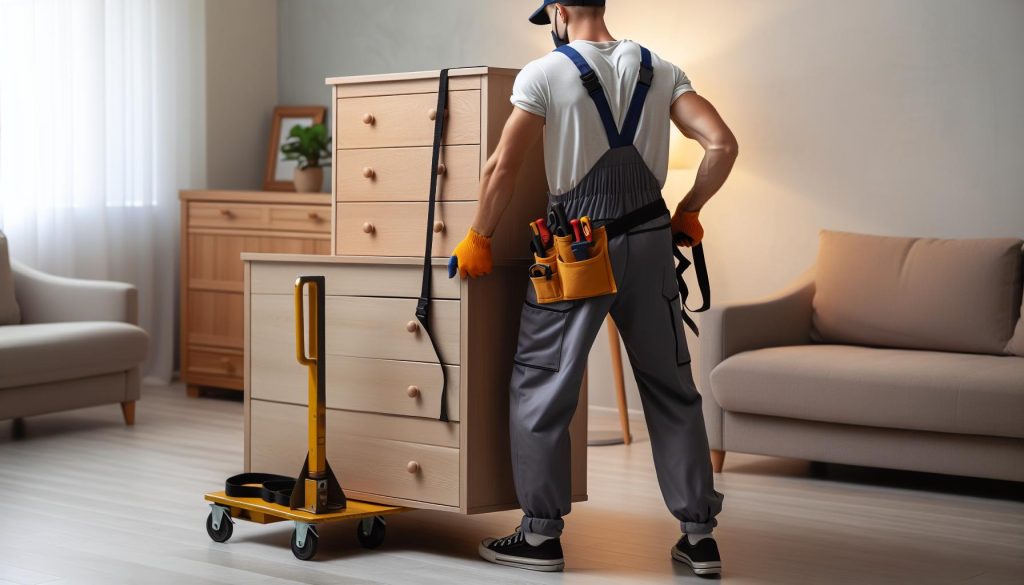
Moving a dresser can feel daunting, especially if you’re doing it alone. Did you know that improper lifting can lead to injuries that sideline you for days? Whether you’re rearranging your bedroom or moving to a new place, knowing how to safely pick up and transport a dresser is crucial. This guide will walk you through practical and safe techniques to make the process smoother and easier. You’ll learn not only how to lift correctly but also tricks to maneuver tight spaces and avoid damage to your furniture. Empower yourself with the skills to tackle this task confidently and efficiently, turning what could be a stressful situation into a manageable one. Let’s dive into the best methods for lifting and moving a dresser safely!
How to Assess Your Dresser’s Weight and Size
To ensure a successful move, it’s essential to assess the weight and size of your dresser effectively. Many underestimate this step, but understanding these factors can significantly enhance your safety and efficiency during the process. A typical dresser can weigh anywhere from 50 to 150 pounds, depending on its size, materials, and design. It’s crucial to know how heavy it is before attempting to lift it, as this will inform not only your approach but also whether you need assistance.
Start by measuring the dresser’s dimensions: height, width, and depth. Use a measuring tape to get accurate figures, as this will help you gauge whether it will fit through doorways or into your vehicle. Once you have the dimensions, a good rule of thumb for estimating weight is: a standard wooden dresser (which is often heavier) averages about 10-15 pounds per cubic foot of space it occupies. For example, a dresser measuring 5 feet tall, 3 feet wide, and 2 feet deep holds about 30 cubic feet of volume, potentially weighing between 300 to 450 pounds-but keep in mind that this is a rough estimate and will vary with specific designs and materials.
After gauging both the weight and size, it’s advisable to do a quick stability assessment. Give the dresser a gentle shake; if it feels wobbly or unstable, consider removing any contents inside before moving it. This not only lightens the load but also reduces the risk of spillage or damage during transit. Preparing ahead with this knowledge allows you to move forward confidently and safely when lifting and transporting your dresser.
Essential Tools for Safe Moving
When it comes to moving a dresser by yourself, having the right tools is essential for ensuring a safe and efficient process. Without the appropriate equipment, you risk injury or damage to your furniture and surroundings. By equipping yourself with a few crucial items, you can significantly ease the burden of lifting and maneuvering this typically heavy piece of furniture.
Start with a reliable set of moving straps. These are designed to distribute the weight more evenly across your body, allowing for a more comfortable lift. A pair of lifting straps can help you lift heavier items by attaching around the furniture and enabling your legs and core to do the heavy lifting instead of your back. Additionally, furniture sliders are fantastic for moving the dresser across floors without causing scratches or damage. Simply place them under each corner of the dresser to glide it smoothly, which is particularly useful on hardwood or tile surfaces.
Another invaluable tool is a dolly (or hand truck). This wheeled platform makes it easier to transport heavier items over long distances, particularly if you’re navigating through hallways or between floors. If you’re dealing with stairs, consider using stair crawlers, which are attachments that can be fitted to dolly wheels. This allows for safer and easier maneuverability on stairs, taking much of the strain off your body.
Lastly, don’t overlook the importance of protective gear. Wearing sturdy gloves can enhance your grip and protect your hands from sharp edges or splinters, while a back support belt can provide additional stability during lifting. By using these tools, not only do you protect your dresser during the move, but you also safeguard your own body from unnecessary strain or injury.
Incorporating these essential tools into your moving process can transform what might seem like a daunting task into a manageable endeavor, allowing you to focus on the excitement of setting up your new space rather than the stress of moving.
Preparing Your Path for a Smooth Move
Preparing your moving path is crucial to ensure a seamless transition when relocating your dresser. A straight, clear route can significantly reduce the risk of accidents and make the lifting and maneuvering process much more manageable. Before you even think about lifting your dresser, take a few minutes to survey your surroundings.
First, eliminate any obstacles that might impede your movement. This includes small furniture pieces, decorative items, or even loose rugs that could cause you to trip. Spend some time clearing a path from the room holding the dresser to your destination, whether that’s another room or outside. You want to create a path that feels wide enough and free of clutter, allowing you to navigate without needing to twist awkwardly or sidestep.
Next, consider your doorways, hallways, and stairs. Measure the dimensions of your dresser, and compare them to the sizes of these spaces. If your dresser has trouble fitting through doorways, you might need to temporarily remove the door or take off the dresser’s legs, if possible. Clear any narrow hallways by moving other furniture or adjusting any wall decor that could get in the way. When it comes to stairs, ensure you have enough room to maneuver safely. If your dresser is too large to handle alone, think about using a dolly or asking a friend for help.
Lastly, turn on lights in dimly lit hallways or rooms to enhance visibility. This simple step can help you spot any potential issues before you start moving. Taking the time to prepare your path not only minimizes risks but also allows you to move with greater confidence and efficiency. With everything set, you’re ready to lift your dresser safely and smoothly!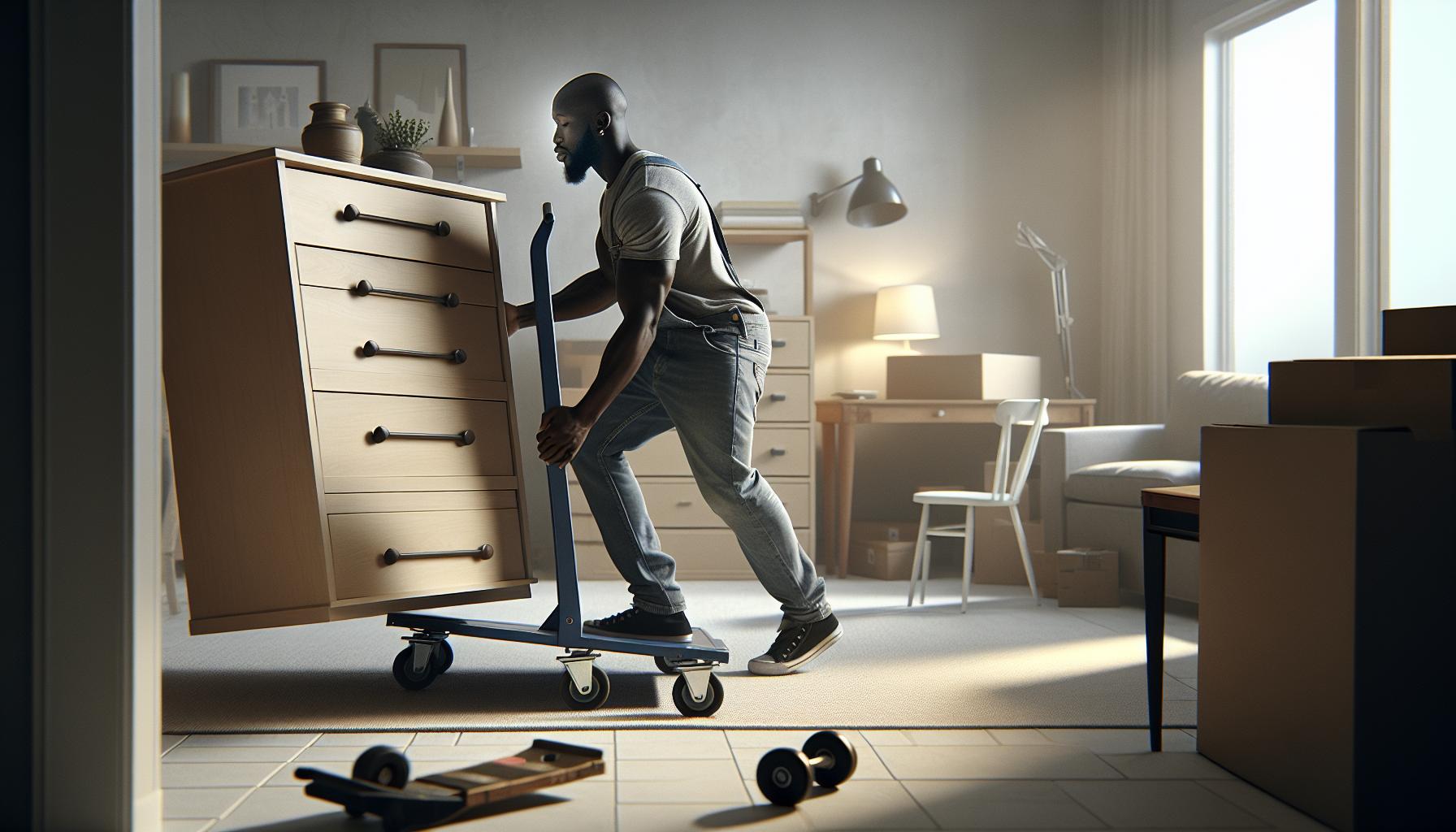
Step-by-Step Method to Lift a Dresser Alone
Lifting a dresser alone can feel like a daunting task, but with the right technique, you can do it safely and efficiently. Preparation is key; before you head into the lift, take a moment to assess your approach. Start by standing close to the dresser with your feet shoulder-width apart for balance. Bend at your knees rather than your waist, keeping your back straight. This stance not only protects your back but also leverages your legs’ strength, giving you the power you’ll need to lift the piece.
Next, grasp the dresser firmly-ideally, you should grab it from a lower position to maintain stability. Use two hands, with a firm grip on either side. Once you’re ready, take a deep breath to steady yourself and engage your core muscles, which helps protect your spine during the lift. As you begin to lift, do so smoothly by pushing up with your legs while keeping your back straight. Avoid jerking movements; instead, lift steadily to maintain control.
Once the dresser is lifted to waist height, make sure to keep it close to your body. This reduces the strain on your arms and back. If you need to turn, do so by pivoting your feet rather than twisting your torso, which can strain your back. Maintain your focus and move decisively, stopping only when necessary to ensure you remain balanced.
Finally, when placing the dresser down, reverse the lift process. Squat down, keeping your back straight, and gently lower the dresser to its new location. Be patient and mindful throughout this process to avoid accidents. If at any point the dresser feels unmanageable, don’t hesitate to stop and reassess your strategy. Remember, safety always comes first, and there’s no harm in recognizing your limits.
Using Leverage Techniques for Easier Lifting
When it comes to lifting heavy furniture like a dresser, understanding and utilizing leverage techniques can significantly ease the process and reduce the risk of injuries. Leverage is all about using a mechanical advantage to enhance your lifting power without requiring undue strain on your body. Simple adjustments to how you position yourself and the dresser can make a world of difference.
A key technique involves positioning the dresser for optimal lifting leverage. If possible, tilt the dresser slightly by pushing it toward your body, using your legs to create a stronger angle. This allows you to distribute the weight more evenly as you lift. Additionally, using a sturdy strap or a lifting brace can help you manage larger or bulkier pieces by redistributing the weight and making it easier to lift. Always aim to lift with your legs-not your back-by squatting down rather than bending over, ensuring you maintain a straight back for improved posture.
Another useful tactic is creating a fulcrum point. If you have a small wooden board or a sturdy flat object, place one end under the dresser while you lift the other end. This acts like a lever, allowing you to lift the dresser with less effort. As you raise one end, secure it and then lower the other end gradually. This method can be particularly effective if you are navigating stairs or uneven surfaces, where traditional lifting methods might not be as effective.
Finally, when lifting, always remember to keep the piece close to your body. Not only does this reduce the strain on your arms and back, but it effectively utilizes your body’s natural leverage, helping you to lift more safely. If at any point you feel uncomfortable or unsure about the weight, don’t hesitate to pause and reassess your approach. Better to take the time to do it safely than to risk injury or damage to your furniture. By mastering these leverage techniques, you’ll not only lift with ease but also protect your body during the process.
Tips for Maneuvering Tight Spaces
When it comes to navigating tight spaces with a dresser, preparation and technique can make all the difference. Whether you’re moving your dresser through a narrow hallway or squeezing it into a compact bedroom, a few strategic approaches can help ensure a smooth process and prevent damage to both the furniture and your surroundings.
One effective tip is to remove any drawers before attempting to maneuver the dresser. Heavy and full drawers can significantly increase the weight and bulkiness of the piece, making it harder to manage. By taking them out, you not only lighten the load but also make the dresser easier to fit into tight spaces. If you’re worried about losing your belongings, stack the drawers in a secure area or even temporarily use closet or floor space to hold them.
While moving, consider angling the dresser to fit through doorways and corners more easily. Tilting the dresser slightly (ideally backward towards your body) can help reduce its profile and allow it to pass through narrow gaps. Take your time with this-do not rush the process, as a steady hand can help you navigate tricky turns and avoid potential damage.
Another vital strategy involves using your body as a guide to steady the dresser as you move. Keep the dresser close to your core when pivoting or turning, allowing you to use your strength and leverage efficiently. If possible, take advantage of walls and furniture as additional support. For instance, gently resting the back of the dresser against a wall can provide temporary stability while you adjust your grip or position.
In some cases, a pair of furniture sliders can be invaluable, especially if you need to shift the dresser across a smooth surface once you’ve navigated tight areas. These handy tools reduce friction and make it easier to move heavy furniture without risking your floors or your back.
By employing these techniques, moving a dresser in tight spaces becomes a more manageable task. Always stay mindful of your movements, keep a clear path ahead, and don’t hesitate to ask for assistance if you encounter challenges. Visualizing your route can also help-take a moment to assess your space and plan the best way forward before you start moving.
Protecting Your Dresser During the Move
To ensure your dresser remains in pristine condition throughout the moving process, taking the right precautions is essential. Protecting your furniture goes beyond mere aesthetics; it’s about preserving its functionality and longevity. By using simple materials and strategies, you can prevent scratches, dents, and other damages that might occur during transport.
Start by disassembling any removable parts, such as mirrors or detachable legs. This reduces overall weight and makes it easier to maneuver through tight spaces. Wrap these parts separately in bubble wrap or moving blankets to keep them safe from bumps. You can also use painter’s tape to secure the bubble wrap in place, ensuring that it doesn’t shift during transport.
Next, cover the entire dresser with a thick moving blanket. This barrier provides cushioning against accidental knocks and scrapes. If you have any delicate surfaces, such as painted finishes, consider adding an extra layer of protection, like cardboard or an old blanket, beneath the moving blanket. Always secure the blanket with straps or packing tape to keep it snugly in place.
If your dresser is particularly heavy or unwieldy, use furniture sliders under the legs. These tools help glide the dresser over floors, reducing friction and making the entire process smoother. Also, keep your route clear of obstacles; a few minutes spent tidying up can save you from unnecessary scrapes on the walls or furniture.
Lastly, if you’re navigating stairs, be extra cautious. Use the buddy system if possible-having someone on the other side can help stabilize the dresser as you both ascend or descend. If you feel any undue resistance, don’t hesitate to reassess your grip or the angle at which you’re moving the dresser.
By implementing these protective measures, you’ll ensure that your dresser emerges from the move unscathed and ready to function beautifully in its new home.
Safely Navigating Stairs with a Dresser
Navigating stairs with a dresser can be one of the most challenging aspects of moving furniture. The combination of a heavy and awkward shape with the complexity of stairs increases the risk of injury and damage. However, with the right techniques and preparations, it can be done with relative ease and safety.
Start by considering the weight and size of your dresser. If it feels overwhelming, it’s wise to enlist a friend to give you an extra set of hands. Using a buddy system is not just about physical help-having someone to assist can provide a sense of security and help stabilize the dresser while moving. Position your helper at the bottom of the stairs; they can push from the bottom while you pull from the top. This teamwork can help center the load and maintain balance.
Before you tackle the staircase, ensure that the path is clear of any obstacles, such as shoes, bags, or other furniture that could cause you to trip. If possible, remove any decorative items or loose parts from the dresser that could be damaged or fall off during the move. It’s also a good idea to protect the stairs by laying down a blanket or a piece of cardboard, which can help both protect your dresser and reduce friction as you move.
When lifting the dresser, lean forward slightly and use your legs to do the heavy lifting rather than straining your back. Grab the dresser firmly, keeping your feet shoulder-width apart for stability. As you ascend, pivot the dresser from your hips while maintaining a straight back. If your dresser is particularly bulky, you might need to tilt it to fit through the stairwell. If you reach a point where you encounter resistance, stop and reassess: it’s better to take a moment to adjust than to force your way through and risk injury.
Remember, patience is key. It’s perfectly normal to feel challenged when moving heavy items, and there’s no shame in asking for help if needed. By taking these steps into consideration, you can safely navigate stairs with your dresser and ensure both your safety and the piece’s integrity during the move.
What to Do If You Get Stuck
Moving can be stressful, and finding yourself stuck while trying to lift a dresser can heighten that anxiety. It’s crucial to stay calm and assess the situation before acting impulsively. Remember, it’s completely normal to encounter challenges when moving heavy furniture solo.
First, take a deep breath and consider why you might be stuck. Is the dresser caught on something? Are you struggling with balance? If the dresser is wedged in a tight space or caught on an obstruction, do not force it. Instead, gently set the dresser down in a stable position, if you haven’t already, and take a moment to reassess the path you need to take. Check for obstacles and see if there’s an alternative route. Sometimes, a slight adjustment in angle or repositioning the dresser can give you the clearance you need to continue.
If your arms are feeling taxed or your grip is slipping, it’s important to prioritize safety over persistence. Set the dresser down and take a moment to rest. Grab a drink of water and shake out your arms to avoid strain injuries. If you’re still unsure how to proceed, consider using a moving dolly or sliders to ease the load, if available. These tools can provide the mechanical advantage needed to shift the furniture more easily without risking injury.
Lastly, there’s no shame in asking for help if you’re feeling overwhelmed. Whether it’s a friend, neighbor, or professional moving service, having an extra set of hands can make all the difference. Remember, teamwork not only improves safety but can also lighten the emotional load of moving. Don’t hesitate to reach out when you need assistance; it’s a wise approach to ensure your safety and the integrity of your dresser.
When to Ask for Help in Moving
Moving heavy furniture like a dresser can be a daunting task, and knowing when to ask for help is crucial to both your safety and the integrity of the furniture. If you find yourself sweating and straining at the prospect of lifting or maneuvering a dresser alone, it’s a clear sign to reach out for assistance. There’s no shame in admitting you can’t do it all by yourself-moving is a team effort, and help is often just a call away.
Here are some key situations when you should consider asking for help:
- Increased Weight or Size: If your dresser feels heavier than expected or if it’s larger than you anticipated, don’t hesitate to get an extra set of hands. Choose friends or family members who are willing and able to assist, as this will not only make the job easier but also safer.
- Tight Spaces: Maneuvering through narrow doorways, hallways, or stairs can be tricky. If you’re unable to find a clear path or if you’re worried about damaging walls or corners, call for help to safely navigate these challenges.
- Heightened Risk of Injury: If you start to feel fatigued, dizzy, or if your grip on the dresser begins to slip, pause and ask for help. Listen to your body; it’s better to ask for assistance than to risk injury.
- Equipment Failures: If you’re relying on tools like moving dollies or straps, and something goes wrong, don’t hesitate to seek help. An extra pair of hands can make all the difference in these situations.
Building a support network of friends or even hiring professional movers can significantly reduce the stress of moving. They can help strategize the best approach to lift and carry your dresser while also creating a lighter atmosphere during what can often be a challenging day. Remember, it’s not just about lifting the furniture-it’s about ensuring everyone involved stays safe and your belongings remain undamaged. Always prioritize safety, and don’t hesitate to surround yourself with the extra support you need.
Preventing Injury While Lifting Heavy Furniture
Moving heavy furniture, such as a dresser, can be a risky endeavor. Understanding how to safeguard yourself from injury during the lifting process is essential. The right techniques not only help you avoid physical strain but also ensure you can successfully manage the move without any accidents.
Start by assessing your environment and your own physical condition before lifting your dresser. Make sure you have a clear path, free from obstructions, that will allow you to maneuver safely. If the dresser feels excessively heavy or awkward, reconsider your plan-sometimes it’s wiser to ask for help rather than risk injuring yourself. Utilize equipment designed for moving, such as hand trucks or dollies, which can significantly reduce the physical burden on your body.
When lifting the dresser, always remember to use your legs, not your back. Stand close to the dresser and bend your knees while keeping your back straight. Engage your core as you lift by pushing through your legs. This technique helps distribute the weight more evenly and decreases the likelihood of back injuries. Avoid twisting your body while lifting, as this can place unnecessary strain on your joints. Instead, shift your feet to turn your body in the direction you need to go.
Lastly, pay careful attention to your body’s signals. If you feel pain, fatigue, or discomfort during the move, it’s essential to stop and reassess. Taking breaks as needed not only enhances your stamina but also minimizes the risk of serious injury. Remember, safety should always come first; it’s better to take a moment to regroup than to push yourself and potentially end up with an injury. Your health is worth more than any piece of furniture.
Post-Move: Setting Up Your Dresser Properly
After successfully moving your dresser, taking the time to set it up properly in your new space can significantly enhance both functionality and aesthetic appeal. Proper arrangement not only makes your dresser more visually pleasing but also ensures that it remains practical for daily use.
Begin by selecting the right location for your dresser. Choose a spot that is easily accessible yet complements your room layout. Consider factors such as proximity to your wardrobe, lighting, and how the dresser interacts with other furniture pieces. If your dresser features a mirror, positioning it near a light source can enhance its utility and your overall grooming experience.
Once you’ve identified the ideal spot, level your dresser if necessary. Uneven surfaces can lead to wobbly furniture that poses a risk of tipping over. Use furniture coasters or small wedges to adjust the feet as needed. This step is crucial, especially if you’re placing decorative items on top.
Next, organize the contents of your dresser mindfully. Start with the largest or heaviest items at the bottom drawers to create a stable base. For example, bulky sweaters or denim can go in the lower drawers, while lighter items, such as undergarments or accessories, are best suited for the top drawers. This arrangement not only maximizes space but also minimizes strain when opening drawers.
Lastly, take a moment to decorate the top surface to make it feel personal and inviting. Adding elements like a small plant, a framed photo, or some decorative boxes can elevate your room’s aesthetic while providing additional storage solutions. Just ensure that these items do not overwhelm the space, maintaining a sense of balance.
In summary, the right setup can transform your dresser into a functional and stylish piece that enhances your home. Choose the perfect spot, ensure it’s level, organize your items effectively, and consider adding decorative touches to make it truly yours. Happy decorating!
Q&A
Q: What is the best way to lift a heavy dresser without assistance?
A: To lift a heavy dresser alone, use your legs to lift, keep the dresser close to your body, and maintain a straight back. Engage core muscles for stability and distribute weight evenly. Consider using furniture moving straps for added leverage and control when lifting.
Q: How can I avoid injury while moving a dresser alone?
A: To avoid injury, warm up your muscles before moving, maintain proper posture, and lift with your legs, not your back. Take breaks if needed and don’t hesitate to ask for help if the dresser feels too heavy. Wearing supportive shoes also helps prevent slips.
Q: What tools can assist in moving a dresser by myself?
A: Essential tools for moving a dresser alone include furniture sliders, moving straps, a dolly, and padding for protection. Sliders help glide the dresser across floors, while straps distribute weight. A dolly makes transporting easier on flat surfaces.
Q: How should I prepare my space before moving a dresser?
A: Clear the path of any obstacles to ensure a smooth move. Remove rugs, furniture, and other items that could be tripping hazards. Use adequate lighting to guide your path and mark areas where you plan to place the dresser after moving it.
Q: Can I move a dresser up stairs by myself?
A: Yes, but it requires careful technique. Invest in a stair dolly, or if you’re lifting by hand, tilt the dresser at an angle and step up one stair at a time. Always ensure you have a firm grip and use your legs to push upwards.
Q: What are the signs I should call for help when moving a dresser?
A: If you feel strain or pain while lifting, the dresser feels unstable, or you’re unsure about your ability to control its weight, it’s best to call for help. Prioritizing safety is crucial, especially if the dresser is bulky or in an awkward space.
Q: How do I secure a dresser during transport to prevent damage?
A: Secure a dresser by wrapping it in moving blankets or bubble wrap. Use tape for tight wrapping, but avoid putting tape directly on the furniture. Secure it in place in your vehicle with straps to prevent shifting during transit.
Q: What is the best technique for maneuvering a dresser through tight spaces?
A: To maneuver a dresser through tight spaces, tilt it slightly and rotate it as needed. Consider removing the drawers to reduce weight and bulk. Use slow, controlled movements to guide the dresser without forcing it against walls or door frames.
Insights and Conclusions
Congratulations on learning how to safely pick up a dresser alone! Remember, the key techniques we discussed not only ensure your safety but also protect your furniture from damage. If you’re still feeling unsure about any steps or want to dive deeper into moving and lifting techniques, check out our related guides on best moving equipment and packing large furniture for more comprehensive tips.
Now that you’re equipped with these techniques, why not take action? Gather your supplies and tackle that dresser today-there’s no time like the present to put your new skills to the test. And if you found this guide helpful, consider signing up for our newsletter to receive more practical tips straight to your inbox!
We value your insights-drop your thoughts in the comments and share your own experiences or questions. Your journey in handling home projects starts here, and we’re excited to support you every step of the way!
Get our latest guides, news, and insights highlighted in your Google Search & AI Overviews.