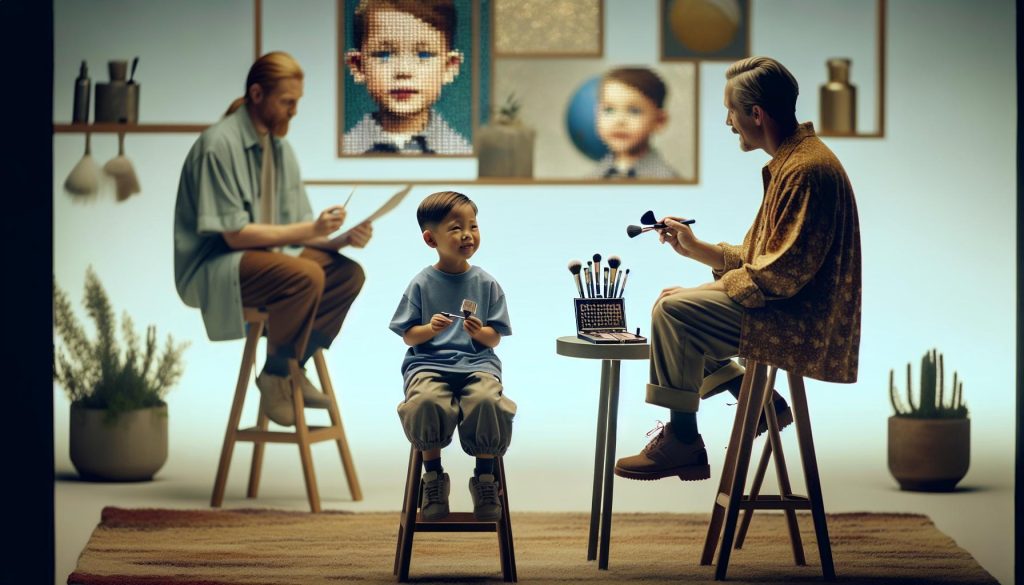
In today’s digital age, the topic of children wearing makeup has sparked considerable conversation. Many parents wonder, “How young is too young?” with the rise of social media and influencers showcasing glamorous looks at an early age. Understanding when and how to introduce makeup to your child can be challenging yet essential. Children may wish to experiment with makeup for various reasons, from expressing their creativity to emulating their favorite characters.
As you navigate this sensitive subject, it’s vital to balance self-expression with healthy boundaries. Knowing the age norms and societal pressures will empower you to guide your child effectively. This article will explore current trends, the psychology behind makeup for kids, and practical tips for parents, ensuring you feel informed and confident in supporting your child’s interests while maintaining a positive self-image. Together, let’s delve into how to approach this significant aspect of growing up, so you can foster confidence and individuality in your children.
How Young Are Children Wearing Makeup Today?
Children are starting to explore the world of makeup earlier than ever, with many using cosmetics as young as 5 or 6 years old. This trend is influenced by various factors, including social media, celebrity culture, and availability of age-appropriate products. As peers and influencers showcase makeup routines on platforms like TikTok and Instagram, young children often feel inspired to experiment themselves, mimicking the looks they admire.
The types of makeup children gravitate towards tend to be playful and colorful. Items like lip gloss, nail polish, and face glitter are popular choices, allowing little ones to express their creativity without overwhelming complexity. Brands are also responding to this trend by offering specially designed makeup kits for children, which emphasize fun over sophistication and prioritize safe ingredients.
Additionally, the push towards self-expression through makeup underscores broader cultural changes. Many parents and guardians view makeup as a form of art and a means for their children to experiment with identity. While some may raise concerns about the implications of early makeup use, others appreciate that it can foster confidence and individuality in their kids.
In navigating makeup in today’s context, it’s essential to promote balance and ensure that children understand the purpose and appropriateness of makeup artistic expression. Encouraging open dialogues about makeup and its impact can help cultivate a healthy relationship with beauty and self-image from a young age.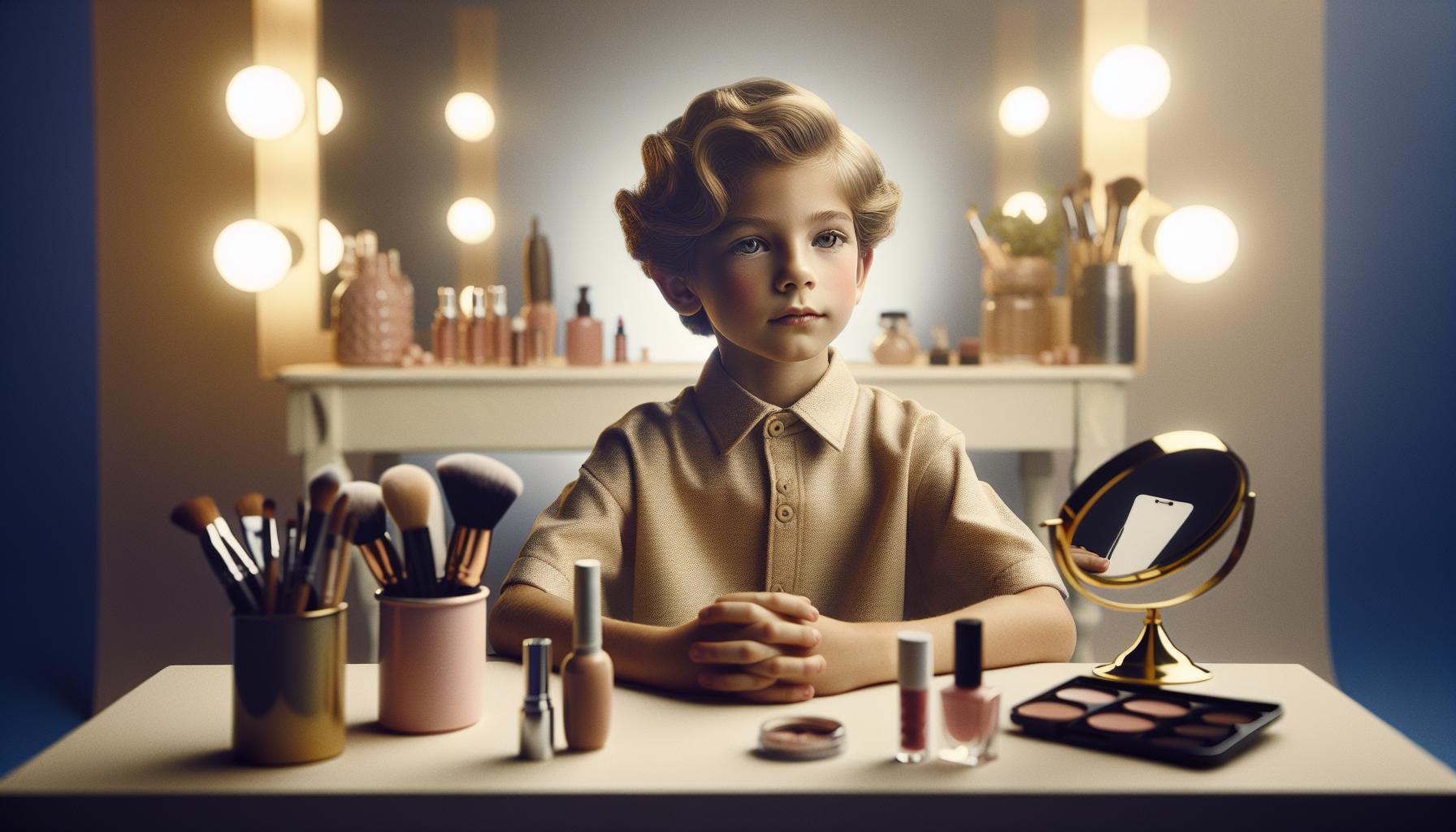
The Rise of Makeup Among Young Children
Children are diving into the world of makeup at increasingly younger ages, with many starting to experiment with cosmetics as early as 5 or 6 years old. This shift is a notable cultural phenomenon, largely driven by the influence of social media platforms where makeup tutorials and beauty challenges are prevalent. Young kids often look up to influencers and celebrities showcasing fun and colorful looks, leading them to mimic these styles in their own way. The accessibility of age-appropriate makeup products designed for children further propels this trend, making it easier for them to engage with cosmetics safely.
Makeup for young children typically includes playful items like lip gloss, face glitter, and fun nail polishes. These products are not just about looking pretty; they serve as tools for creativity and self-expression. Brands are tailoring their offerings to suit this demographic, focusing on bright colors and gentle, safe ingredients. This approach allows children to enjoy makeup as a means of artistic exploration without delving into the more complex or adult-oriented makeup routines that can be overwhelming.
Additionally, makeup is often viewed by parents and guardians as a harmless form of artistic play rather than something to be strictly regulated. Many appreciate the opportunity for their children to express their individuality and build confidence through their makeup choices. In this environment, it’s crucial for families to maintain open discussions about makeup use, emphasizing its role in self-expression while also ensuring kids understand the concepts of moderation and appropriateness. By fostering these conversations, parents can help their children develop a healthy relationship with beauty and self-image from the earliest stages of their exploration.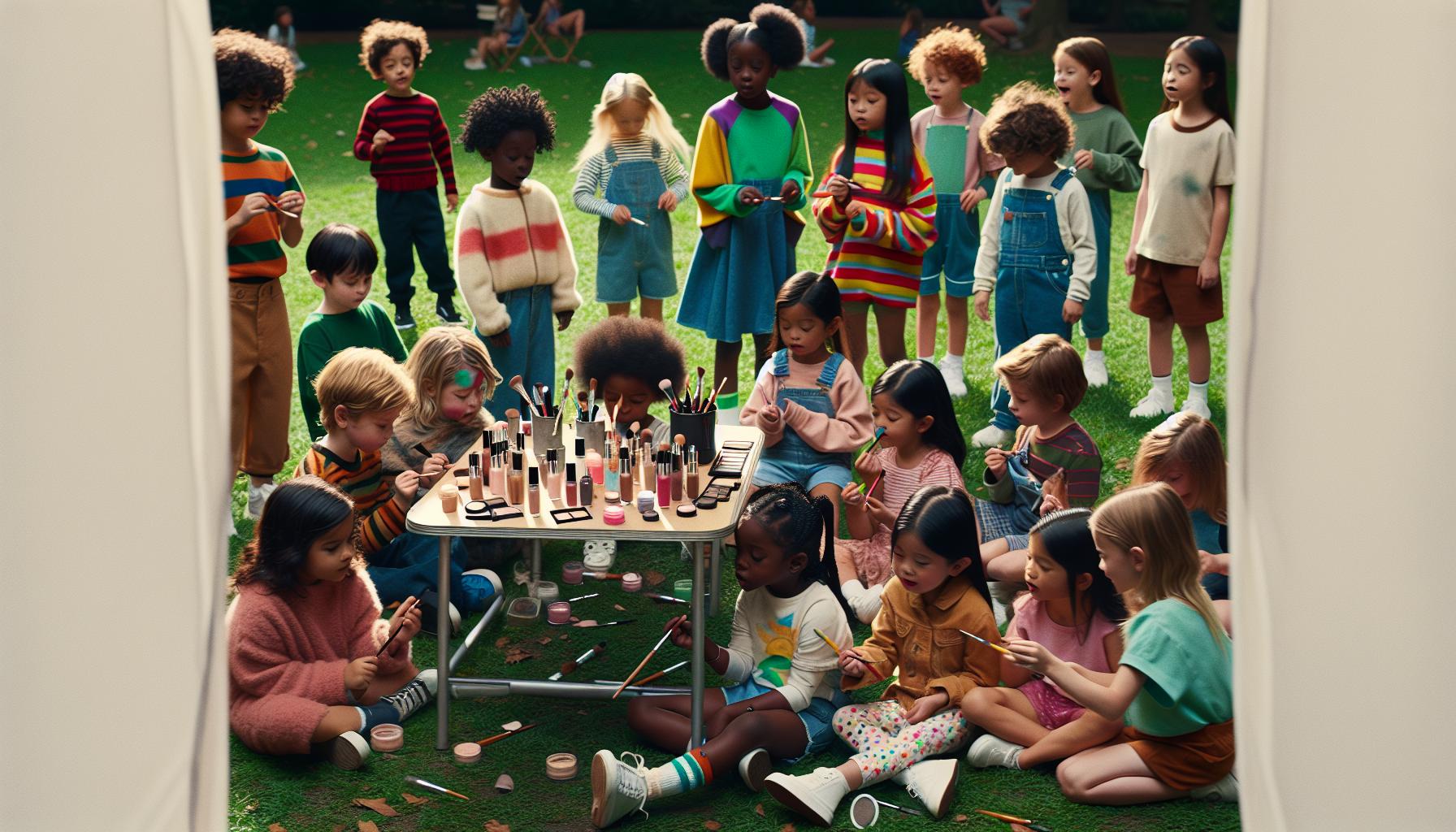
Understanding the Reasons Behind Early Makeup Use
Young children are increasingly drawn to makeup, many starting to explore this colorful world as early as five or six years old. This phenomenon isn’t just about wanting to look pretty; it captures a blend of creativity, social learning, and the simple joy of play. Understanding the myriad reasons behind this early use reveals a landscape of cultural influence, social interaction, and personal expression.
One significant factor is the rise of social media, where vibrant makeup tutorials and beauty challenges capture the imagination of young viewers. Kids see their favorite influencers experimenting with bold colors and creative styles, igniting a desire to mimic these looks. This exposure shapes their perceptions of beauty and self-expression, enticing them to participate in the same playful activities. Additionally, the availability of specially designed, safe makeup products for children enhances this lure, allowing parents to feel comfortable giving their kids the freedom to explore.
Moreover, many parents perceive makeup as a harmless form of creative play. Children often engage in these activities as a way to express their individuality and boost their confidence. When parents support this exploration, it can lead to positive self-image and artistic skills. Open conversations about the purpose of makeup-as a tool for fun rather than a necessity-are essential. Encouraging kids to experiment within safe boundaries fosters a healthy relationship with beauty and self-expression.
In essence, the reasons behind early makeup use among children are multifaceted, intertwining social influences and personal creativity. As children delve into this world, it’s crucial for families to provide guidance that emphasizes the joyful aspects of makeup while promoting self-acceptance and artistic expression. By nurturing these values, parents can help their children navigate the colorful yet complex realm of makeup in a healthy way.
What Types of Makeup Are Children Wearing?
Young children today are experimenting with a wide array of makeup products that cater specifically to their age group. One of the most popular choices is colorful face paints, which can turn an ordinary playdate into a vibrant fantasy. Kids often love to mimic their favorite characters-think fairy wings, superhero masks, or animal faces-making these products a fun way to unleash creativity without the intensity of traditional makeup.
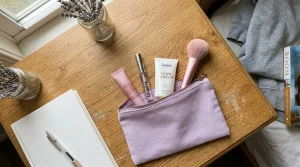
Another prevalent option is kid-friendly makeup kits that include lip gloss, blush, and eye shadows in playful colors. These products are usually formulated with safe, non-toxic ingredients that parents can feel good about, often featuring adorable packaging that appeals to children. Many kits come with tools like applicators and brushes designed for little hands, encouraging independence and the joy of self-expression.
Temporary tattoos and glitter gels have also become trendy among younger makeup users. These additions allow children to decorate their faces or arms without the permanence of traditional makeup and provide a stimulating, sensory-rich experience. As they apply these products, they engage with their artistic side, mixing colors and styles to create unique expressions.
Finally, nail polishes specifically designed for kids, which often come in water-based formulations that wash off easily, allow for playful experimentation with color on fingers and toes. These polishes often boast fun scents and glitter, adding to their appeal as a tool for creative expression.
To summarize, the types of makeup children are wearing today emphasize creativity, self-expression, and safety. As kids navigate their early experiences with makeup, the focus remains on fun and exploration, with products that support their imaginative play while ensuring parents can be comfortable with their choices.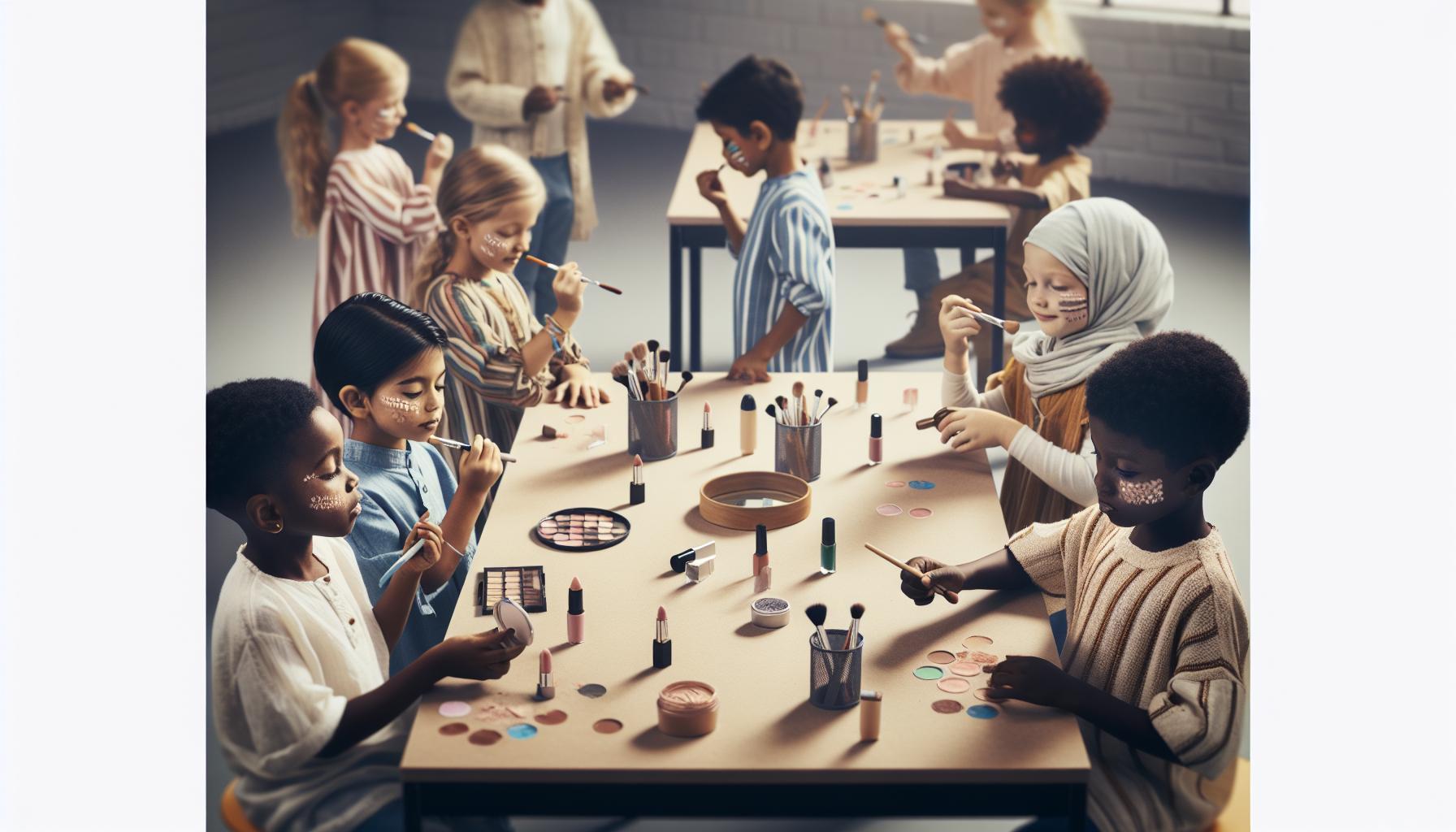
Parental Perspectives on Kids and Makeup
Navigating the world of kids and makeup can be a complex journey for parents, especially as more children start experimenting with cosmetic products at a younger age. Understanding the nuances of this trend can help parents strike a balance between encouraging creativity and ensuring safety. Many parents feel caught between wanting to allow their children the freedom to express themselves and fearing potential societal pressures or exposure to adult beauty standards.
One common perspective among parents is the importance of context. Many view makeup as a fun and harmless way for children to engage in imaginative play-especially when it involves products designed specifically for kids with safe, non-toxic ingredients. Parents often find joy in seeing their children excited about creating joyful faces for playdates or parties. By establishing rules around when and where makeup can be used, such as special occasions or crafting time at home, parents can foster creativity while keeping the experience lighthearted.
However, some parents express concerns about makeup becoming a tool for validation rather than self-expression. They emphasize the need for open conversations with their children about body image, self-worth, and the true intent behind using makeup. This dialogue is essential in helping children understand that makeup should be for fun, not a necessity. Providing age-appropriate guidance and discussing the reasons behind their makeup use can empower children to make informed choices.
In terms of product selection, many parents recommend starting with fun, washable options like lip gloss and glitter gels that can be easily removed with soap and water. Investing in quality products often translates to safer choices; therefore, reading labels and opting for brands that prioritize kids’ safety can help parents feel more at ease. Additionally, encouraging a routine of cleansing the face after makeup use teaches kids to value skin health, aligning fun with responsibility.
Ultimately, parental perspectives on makeup should prioritize fostering a supportive environment where kids can enjoy self-expression without the weight of societal expectations. By modeling balanced attitudes toward beauty, parents can empower the next generation to use makeup as an enjoyable tool for creativity rather than a necessity for acceptance.
The Impact of Social Media on Makeup Trends
In today’s digital age, social media plays a transformative role in shaping how young children perceive and engage with makeup. Platforms like Instagram, TikTok, and YouTube are not just for adults; they are colorful arenas where children are quickly exposed to beauty trends and makeup techniques, influencing their desire to experiment with cosmetics at younger ages than ever before. Kids can easily find age-appropriate tutorials, inspiring content, and even challenges that normalize makeup application, often leading them to ask for their own products to recreate trending looks.
Children often look up to influencers and beauty gurus who showcase creative makeup styles. This visibility can create a dual-edge effect: while it encourages creativity and self-expression, it also places undue emphasis on appearance and adherence to beauty standards. Be aware that children may imitate these trends without fully understanding the implications. For instance, they might see a glittery eye makeup tutorial and want to replicate it for a school event, primarily to fit in with peers who are similarly influenced.
One practical approach for parents navigating this social media landscape is to foster dialogues about the content their children consume. Discussing the difference between fun, creative expression and the potentially unrealistic standards set by influencers can empower kids to discern what’s enjoyable and what might be harmful. Encourage them to view makeup as a form of art rather than a requirement for beauty. Regular check-ins about their experiences with social media can also provide parents with insights into their children’s motivations and concerns surrounding makeup.
It’s also essential to set healthy boundaries. Parents might consider curating a list of makeup tutorials or influencers that align with their values and provide practical, age-appropriate makeup tips. Look for content that emphasizes fun, creativity, and self-acceptance rather than perfection. By guiding children towards positive representations in the beauty world and ensuring they understand the context behind social media trends, parents can help cultivate a balanced outlook on makeup use.
Ultimately, social media is a powerful tool, and with intentional usage, it can foster a healthy relationship with beauty that prioritizes creative expression over conformity. This approach not only keeps the experience lighthearted but also instills a sense of self-confidence and understanding in young makeup enthusiasts.
Safety Considerations for Young Makeup Users
To ensure a safe and enjoyable makeup experience for young users, it’s essential to approach makeup with care and understanding. With children’s skin being more sensitive and prone to irritation than adults’, safety becomes paramount. Here’s how to create a safer makeup routine for young ones:
Start with quality products. Opt for cosmetics specifically formulated for children, which typically contain fewer harsh chemicals and allergens. Brands like *Mimi & Margo* or *The Crayon Case* offer kid-friendly ranges that prioritize safety. Always check for hypoallergenic labels and avoid products containing potentially harmful ingredients such as parabens, phthalates, and synthetic fragrances. Reading ingredient lists carefully can prevent skin reactions and adverse effects.
Establish Good Hygiene Practices
Hygiene plays a crucial role in makeup application. Teach children the importance of washing their hands before touching their face or applying any product. Keeping brushes and applicators clean minimizes the risk of bacteria transfer, which can lead to breakouts or infections. Regularly wash brushes with mild soap and water, and encourage young makeup users to avoid sharing products with friends to prevent cross-contamination.
Monitor Application Techniques
Guiding children on the right application techniques can enhance their experience and safety. Encourage gentle application with fingertips or sponge applicators rather than brushes, which can be too harsh on delicate skin. For products like lip gloss or tinted balm, teach them how to apply a small amount to start and blend it gently. A rule of thumb is to use a dime-sized amount of product for areas like the face or eyelids, reducing the risk of over-application or mess.
Be Aware of Potential Allergies
Keep an eye out for any signs of allergic reactions, such as redness, itching, or swelling. It’s a good idea to conduct a patch test before using any new product-apply a small amount on a discreet area of skin and wait 24 hours to see if there’s any negative response. This simple step can save a lot of discomfort and concern later.
By following these guidelines, children can enjoy the fun of makeup while minimizing risks and fostering positive habits. Remember, the goal is to promote creativity and self-expression in a safe manner, ensuring that the experience remains enjoyable and confidence-boosting.
Age-Appropriate Makeup Techniques for Beginners
Many kids are drawn to the world of makeup at younger ages than ever before, with some starting even in their early elementary school years. To cultivate a positive and enjoyable experience, introducing age-appropriate makeup techniques is essential. This approach encourages creativity without overwhelming children or compromising their skin health.
Start Simple with Tints and Glosses
For beginners, the best introductions to makeup are often light and playful. Consider starting with tinted lip balms or glosses that provide a splash of color while keeping lips hydrated. These products are forgiving and easy to apply. Encourage them to use a small amount-just a dab is enough to enhance their natural glow. Show them how to add a bit to their fingertips and blend it softly onto their lips. This method builds their confidence in application without the worry of heavy makeup.
Gentle Touch with Color
When experimenting with color, show them how to apply light, shimmery eyeshadows using your fingertip. Having them use their fingers instead of brushes can be easier and more fun, plus it gives them the freedom to blend without pressure. Start with soft, neutral shades like beige or soft pinks. Explain that the goal is to enhance, not mask, their natural beauty. A fingertip application means they’ll build color slowly-this avoids the overwhelming feeling of too much makeup.
Incorporating Fun Accessories
Offering playful accessories can elevate the makeup experience without making it feel serious. Consider introducing fun items such as sparkly hair clips or colorful nail polish. A clear, water-based polish can be both a safe and enjoyable first nail product. Pair it with a short tutorial on how to apply it carefully, perhaps with a small dry erase board where they can practice their technique first. This method can help them feel accomplished and excited about their creativity.
Encouragement and Supervision
Most importantly, be there for guidance and support. Encourage kids to express themselves, but emphasize the joy of exploration rather than perfection. Make it a fun activity that can be done together during playdates or special occasions. Remind them that makeup is just one way to express who they are and that there’s no rush to master techniques. Reinforcing these values ensures a positive association with makeup use as they grow.
By following these age-appropriate techniques, you help them cultivate a healthy relationship with makeup, fostering creativity and self-expression while ensuring their safety and comfort.
Navigating Peer Pressure Around Makeup
The influence of peer pressure on children’s makeup use can be significant, especially in a world where social media amplifies trends and beauty ideals. Many children may feel compelled to wear makeup to fit in with friends or emulate influencers they see online. This can create a delicate balance between encouraging self-expression and managing the pressures that come with wanting to be accepted by peers.
To help children navigate these challenges, open lines of communication are essential. Encourage open discussions about feelings around makeup and why they want to wear it. Questions like “What do you think wearing makeup says about you?” can prompt deeper reflections on self-identity and self-esteem. This not only provides insight into their motivations but also fosters confidence in their choices.
When children express a desire to wear makeup due to peer pressure, you can guide them towards age-appropriate options that reflect their individuality rather than conforming to trends. For example, suggest using makeup to enhance features rather than mask them, emphasizing a natural look that can be fun and playful rather than heavy and commercialized. Helping them understand that it’s perfectly fine to say “no” to wearing makeup if they’re uncomfortable can empower them to make decisions that align with their values.
Lastly, ensure that your child knows makeup is not a requirement for social acceptance. Highlight stories of individuals who embrace their natural beauty or have thrived without succumbing to peer influence. By cultivating a strong sense of self-worth and individuality, children can better withstand external pressures, making informed choices about makeup that reflect their true selves.
In summary, successful navigation of peer pressure surrounding makeup involves fostering open communication, guiding choices toward appropriate and expressive options, and instilling a solid sense of self-worth. With these tools, children can confidently embrace their beauty-inside and out-while managing societal expectations.
Tips for Parents: Encouraging Healthy Makeup Habits
As children increasingly express interest in makeup at young ages, fostering healthy habits around this newfound fascination becomes essential for their self-esteem and personal expression. Many parents may feel uncertain about how to approach this topic, but with thoughtful guidance, you can help set the stage for positive experiences in makeup use.
To start, open communication is key. Encourage discussions about why your child wants to wear makeup. This could range from curiosity about colors and textures to the desire to imitate peers or influencers. Ask questions like, “What do you enjoy about makeup?” or “How does it make you feel?” This allows children to articulate their motivations, which can guide how you respond. Emphasize that makeup can be fun but isn’t a necessity for their beauty or confidence.
When it comes to choices, focus on age-appropriate products. Offer options that enhance natural features rather than alter them heavily. For instance, tinted lip balm can provide a splash of color without feeling overwhelming, while light blush can give a healthy glow. Aim for products that are easy to apply, safe, and suitable for their skin type. You might introduce a “makeup playdate” where kids can experiment with fun and safe products under supervision, allowing them to learn application techniques without pressure.
Moreover, it’s important to set boundaries and practices for safe makeup use. Teach your child about skin health, emphasizing the importance of removing makeup before bedtime to prevent breakouts and other skin issues. Consider establishing a routine: “After we play with makeup, let’s wash our faces together.” This not only instills practical habits but also becomes a bonding time.
Finally, model a balanced perspective toward beauty. Share stories of individuals who express themselves confidently without relying solely on makeup. Highlight the beauty of authenticity and self-love. This encouragement can empower your child to explore their identity and style while reinforcing that their worth is not determined by appearance.
In summary, nurturing healthy makeup habits involves open discussions, providing suitable product options, ensuring safety practices, and modeling a balanced view of beauty. By cultivating a supportive environment, you can help your child confidently navigate their makeup journey.
Cultural Differences in Children’s Makeup Trends
In various cultures around the world, children’s makeup trends are influenced by social norms, traditions, and even local media exposure. For instance, in East Asian countries like South Korea, young children (particularly girls) may start experimenting with makeup as part of a broader beauty culture that emphasizes skincare from a young age. Here, it’s not unusual for kids to wear light cosmetic products like tinted moisturizers or lip gloss during family gatherings or celebrations, often seen as a fun way to express themselves while adhering to beauty standards that parents themselves embody.
In contrast, in some Western cultures, children’s use of makeup can be a topic of debate. Many parents advocate for minimal makeup that emphasizes fun, such as face painting or colorful eye shadows meant for play rather than typical cosmetic use. Some communities encourage creative expression through makeup, especially during events like Halloween where children can explore their imaginations. On the other hand, concerns about the sexualization of young girls often lead to movements advocating against makeup for children. Here, conversations revolve around protecting children’s innocence and promoting self-confidence independent of physical appearance.
Additionally, regional contexts can greatly shape the approach to makeup among children. For example, in certain South Asian countries, cultural celebrations such as Diwali involve body art, including traditional makeup and the application of henna. These practices allow children to engage in beauty rituals tied to familial heritage, usually under parental supervision, creating a space of shared experiences that also respects cultural roots.
It’s essential for parents to recognize these cultural differences and the values they convey about beauty and self-expression. Open discussions about the meanings behind makeup within various cultural contexts can help children appreciate diversity while also nurturing their understanding of when and how it’s appropriate to use makeup. By fostering a dialogue about these various perspectives, parents can empower their children to form their own identities in a supportive environment.
Future Trends: The Evolution of Young Makeup Use
In a world that’s ever-evolving, the landscape of children’s makeup use is also experiencing significant changes. As social media platforms flourish and beauty influencers dominate the digital space, young children are increasingly exposed to makeup trends at earlier ages. This transformation is not just about applying products; it’s a reflection of broader cultural shifts in how beauty and self-expression are perceived. Statistically, around 45% of children aged 5-12 have reported wanting to wear makeup, indicating a burgeoning interest that goes beyond mere experimentation.
As we look towards the future, it’s vital to focus on what this means for young makeup users. Innovation in products targeted specifically for children is on the rise, emphasizing safer, non-toxic ingredients and age-appropriate designs. Brands are creating playful, lightweight formulations that encourage creativity without the heaviness often associated with adult makeup. Parents can expect to see more options that allow kids to express themselves while ensuring their skin remains healthy and protected.
Social media’s impact cannot be understated. Platforms like TikTok and Instagram serve as both inspiration and instruction for young children, who often emulate popular trends shown by influencers. This dynamic leads to an environment where children may feel pressured to conform to certain looks or styles. Therefore, fostering a strong foundation for self-acceptance and creativity in young minds is paramount. Parents can help by discussing the images their children are exposed to and emphasizing that makeup can be a fun tool rather than a requirement for beauty.
Moreover, as awareness of safety considerations increases, more parents are advocating for transparency in the makeup industry, demanding that brands disclose ingredients and promote product safety. As regulations tighten, we can anticipate that brands will prioritize children’s health, creating products that are free from harmful chemicals.
In summary, the future of young makeup use appears bright, characterized by innovation and a growing awareness of safety. By fostering open communication about beauty norms and encouraging safe self-expression, parents can guide children toward a healthy relationship with makeup, allowing them to explore their creativity while feeling secure in their uniqueness.
Frequently Asked Questions
Q: What age do children typically start wearing makeup today?
A: Children generally start experimenting with makeup between the ages of 6 and 10, although some may begin as early as 5. This early usage often reflects societal trends, peer influence, and exposure through social media.
Q: Why are children interested in wearing makeup at such a young age?
A: Young children are drawn to makeup due to its association with play, creativity, and self-expression. They may see older siblings, friends, or influencers using it, which encourages them to mimic and explore beauty practices.
Q: What types of makeup are most popular among young children?
A: Young children often favor products like lip gloss, colorful nail polish, and face paint. These items are generally lightweight, easy to apply, and designed for fun, making them suitable for kids.
Q: How can parents manage their children’s makeup use?
A: Parents can set clear boundaries regarding makeup use by encouraging age-appropriate products and establishing specific occasions for application, like playtime or special events. Open discussions about beauty and self-image can also help.
Q: Are there safety considerations for children using makeup?
A: Yes, safety is crucial. Parents should choose hypoallergenic and non-toxic products to prevent allergic reactions. Additionally, teaching children proper hygiene practices, like removing makeup before bed, is essential for skin health.
Q: How do social media trends influence young children’s makeup habits?
A: Social media platforms, especially TikTok and Instagram, heavily influence makeup trends among young children by showcasing tutorials, challenges, and beauty hacks. This exposure often leads to increased interest and participation in makeup.
Q: Should children wear makeup to school?
A: Policies on makeup in schools vary widely. Some schools allow light makeup while others discourage any use. Parents should check school guidelines and discuss appropriate choices with their children.
Q: What advice do experts give about children wearing makeup early on?
A: Experts often recommend moderation and encourage parents to focus on makeup as a form of self-expression rather than a necessity. It’s essential to foster healthy self-esteem and body image, emphasizing that beauty is not solely defined by appearance.
Key Takeaways
As we explore the evolving landscape of children’s makeup use, it’s clear that many factors influence when kids start experimenting with beauty products. Understanding these trends can empower you as a parent or caregiver to engage in open conversations about beauty, confidence, and self-expression. If you’re curious about the right products for different age groups or how to approach makeup discussions with young ones, check out our guides on “Top Safe Makeup Products for Kids” and “How to Talk to Kids About Beauty Norms.”
Don’t forget to subscribe to our newsletter for the latest tips and advice tailored just for you! By staying informed, you can ensure that your child’s journey into makeup is both fun and age-appropriate. Your voice matters-share your thoughts in the comments below, or let us know how your family navigates these choices. Remember, you’re not alone on this journey, and together we can empower the next generation with knowledge and confidence!
Get our latest guides, news, and insights highlighted in your Google Search & AI Overviews.