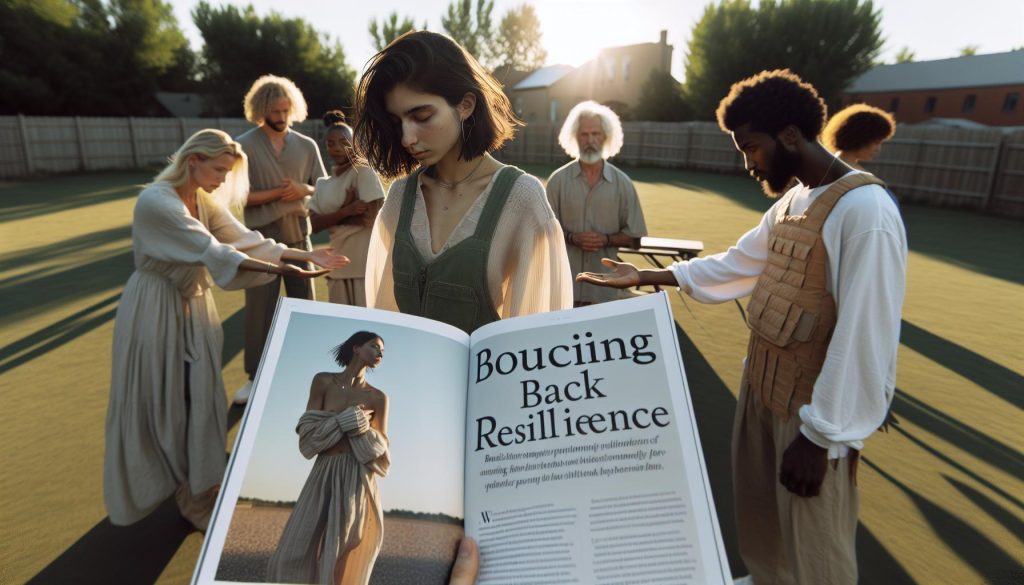
In a world filled with challenges, the ability to bounce back from adversity is more essential than ever. “Never Let Anyone Get You Down – Bounce Back With Resilience” dives into the transformative power of resilience, helping you cultivate strength in the face of obstacles. Whether dealing with personal setbacks, workplace stress, or everyday disappointments, resilience equips you with the tools to rise again, more robust than before. Have you ever felt overwhelmed by life’s curveballs? You’re not alone. Many of us struggle with feelings of defeat and uncertainty. This guide is designed for everyone who wishes to reclaim their power, offering practical strategies and insights to help you navigate life’s ups and downs with grace and confidence. As you read on, you’ll discover how to harness resilience to turn challenges into opportunities for growth, propelling you toward a brighter future.
Bounce Back: Understanding Resilience in Difficult Times
In challenging times, resilience is not merely about enduring hardships; it’s about bouncing back with strength and newfound insight. Imagine resilience as a muscle that can be developed through practice. When faced with adversity, our ability to respond can shape our future experiences. Resilient individuals often view setbacks as opportunities for growth rather than insurmountable obstacles. This mindset shift allows them to navigate difficulties with a sense of purpose and direction.
Understanding resilience involves recognizing the factors that enhance our capacity to recover. These include fostering strong personal connections, prioritizing self-care, and cultivating a positive outlook even in the face of difficulties. For instance, during stressful times, take a moment to gather your thoughts and reframe negative situations into learning experiences. This approach acts as a stabilizing force, helping you maintain clarity and focus amidst chaos.
An important aspect of resilience is practicing self-compassion. Accepting that it’s okay to feel overwhelmed can decrease self-criticism and promote a healthier outlook. Engaging in self-care activities-like exercising, meditating, or spending time with loved ones-can fortify your resilience, providing the emotional resources necessary to tackle challenges head-on. As you begin to understand and implement these tools, you’ll find that every setback can become a stepping stone toward a stronger version of yourself.
The Power of Positive Thinking: Shifting Your Mindset
In the face of adversity, harnessing the power of positive thinking can profoundly influence your ability to bounce back. Research shows that our mindset shapes how we react to challenges. When you shift your thinking from focusing on limitations to recognizing potential opportunities, you create a mental landscape that fosters resilience. This doesn’t mean ignoring difficulties; instead, it involves framing them as stepping stones toward growth.
The first step in reshaping your mindset is awareness of negative self-talk. Often, we aren’t even conscious of how harsh we can be on ourselves. Consider keeping a journal to document these thoughts when they arise. When you write them down, challenge their validity. Ask yourself: Is this thought truly accurate? or What would I say to a friend in this situation? This practice not only helps you identify negative patterns but also allows you to replace them with more constructive affirmations.
Another practical strategy involves visualization techniques. Spend a few minutes each day imagining your ideal outcome in challenging situations. For instance, if you’re preparing for a difficult presentation, visualize yourself speaking confidently and receiving positive reactions from your audience. This mental rehearsal can significantly bolster your confidence and create a sense of calm, preparing you to face real-life challenges with a positive and proactive attitude.
Daily Affirmations for Positive Thinking
Incorporate daily affirmations into your routine to reinforce a positive outlook. Here are a few examples to get you started:
- “I am capable of handling whatever comes my way.”
- “Every challenge I face is an opportunity for growth.”
- “I choose to see the potential in every situation.”
Repeat these affirmations each morning or whenever you feel self-doubt creeping in. Over time, they can help shift your perspective and cultivate a mindset that embraces possibilities rather than limitations.
Surrounding Yourself with Positivity
Remember that your environment plays a significant role in shaping your mindset. Surround yourself with positive influences-whether that’s supportive friends, uplifting books, or motivational podcasts. Engaging with optimistic energy can help reinforce your resilient mindset and inspire you to maintain a hopeful outlook.
By embracing the power of positive thinking and taking actionable steps to shift your mindset, you not only prepare yourself to overcome immediate challenges but also lay a strong foundation for future resilience. Every thought, affirmation, and visualization brings you closer to an empowered self that can face life’s ups and downs with grace and strength.
Practical Strategies to Build Resilience
Building resilience is like developing a muscle: it requires consistent effort, the right techniques, and a willingness to adapt to challenges. When faced with setbacks or difficulties, you can take actionable steps to strengthen your resilience and bounce back more effectively. Here are several practical strategies to help you cultivate resilience in your daily life.
One effective approach is to embrace a growth mindset. This means viewing challenges as opportunities for personal development instead of insurmountable obstacles. To foster this mindset, start reflecting on past challenges you’ve overcome. Write them down in a journal, noting what you learned and how you’ve grown as a result. This practice not only helps you recognize your strengths but also provides a blueprint for handling future adversities.
Another powerful strategy is to set realistic goals. Break down larger tasks into smaller, manageable steps. For instance, if you’re facing a daunting project, divide it into phases and set specific deadlines for each section. This helps lessen feelings of overwhelm and gives you a sense of accomplishment as you check off each item. Remember to celebrate your progress, no matter how small; each step forward reinforces your capability and fuels your resilience.
Developing a strong support network is crucial for resilience. Surround yourself with positive, encouraging individuals who uplift you. Invest time in nurturing these relationships by spending quality time together, sharing experiences, and being there for one another. If you’re ever facing challenges, leaning on your support system can provide not only comfort but also practical advice and different perspectives.
Lastly, incorporate self-care routines into your daily life. Simple practices such as regular physical activity, proper nutrition, and adequate sleep are foundational for mental resilience. For example, aim for at least 30 minutes of exercise most days of the week and prioritize restorative activities like reading, meditation, or spending time in nature. These habits enhance not only your mood but also your overall ability to cope with stress.
By applying these strategies, you’re equipping yourself with essential tools to navigate life’s ups and downs with greater ease. Resilience is an ongoing practice, and with dedication, it can become a natural part of your mindset.
Emotional Toolkit: Managing Stress and Anxiety
Managing stress and anxiety is essential for maintaining emotional well-being and resilience. Did you know that breathing exercises can dramatically reduce feelings of stress in just a few minutes? Simple techniques can help you regain control and find calm amid chaos. By utilizing an emotional toolkit, you can effectively navigate life’s ups and downs, ensuring that stress and anxiety don’t derail your progress.
One effective method for managing stress is through the practice of mindfulness. Mindfulness involves being present in the moment and observing your thoughts and feelings without judgment. Start with short, focused sessions: find a quiet space, close your eyes, and concentrate on your breath for five minutes. As thoughts arise, acknowledge them and gently guide your focus back to your breathing. This practice helps ground you, reduces anxiety levels, and fosters a sense of calm which can be vital during challenging times.
Another fantastic strategy in your toolkit is journaling. Taking a few minutes each day to write about your feelings can provide a safe outlet for stress. Start by jotting down three things that made you anxious or stressed that day and then counter them with three positives or things you are grateful for. Not only does this practice help clarify your thoughts, but it also allows you to shift your focus toward the good in your life, reinforcing resilience.
Additionally, establishing a routine involving physical activity can work wonders for your mental health. Aim for at least 30 minutes of exercise, whether it’s a brisk walk, yoga session, or any activity you enjoy. Exercise releases endorphins, which are natural mood lifters that can help combat feelings of stress and anxiety. If you’re new to exercise, consider starting with ten-minute bursts of activity throughout the day, gradually building up your stamina.
Finally, don’t underestimate the importance of social connections. Engage with friends, family, or support groups who can provide a listening ear. Discussing your feelings or simply enjoying the company of others can minimize feelings of isolation and enhance your resilience. Remember, reaching out for help is a sign of strength, not weakness.
Incorporating these techniques into your daily routine can significantly enhance your emotional toolkit, giving you the power to manage stress and anxiety more effectively. Focus on small, consistent practices and remember that every little step counts toward fostering resilience in your life.
Overcoming Setbacks: Real-Life Examples of Resilience
When faced with challenges, stories of resilience inspire and guide us through our own setbacks. Consider J.K. Rowling, who faced numerous rejections from publishers before finally bringing Harry Potter to life. Living on welfare and battling profound personal struggles, she didn’t let her circumstances define her. Instead, Rowling channeled her experiences into storytelling, ultimately creating a world that resonated with millions. Her journey illustrates that persistence and belief in oneself can lead to remarkable outcomes-showing us that failure might just be the pathway to success.
Another powerful example is Oprah Winfrey, who overcame a tumultuous childhood filled with adversity. Born into poverty, she faced numerous obstacles, yet she continually demonstrated resilience by transforming her pain into purpose. Winfrey used her experiences to connect with others and ultimately established a successful career in television. Her story emphasizes the importance of using personal experiences as motivation to cultivate resilience and achieve your dreams, reminding us that setbacks can serve as stepping stones rather than stumbling blocks.
How about Thomas Edison, whose famous quote, “I have not failed. I’ve just found 10,000 ways that won’t work,” perfectly captures the spirit of resilience. Before inventing the light bulb, Edison experienced countless failures that would deter even the most determined individuals. His unwavering dedication to experimentation and learning from his mistakes led to groundbreaking innovations. Edison’s example teaches us that viewing setbacks as opportunities for learning can fuel our journey towards success.
In these real-life examples, resilience isn’t just about bouncing back; it’s about growing stronger and more equipped to handle life’s challenges. By learning from these stories, we can shift our perspective and approach adversity with renewed hope. Embracing failures as part of the journey reminds us that resilience is a skill that can be developed, leading to growth and unexpected triumphs.
Building a Support System: The Role of Community
When life throws challenges your way, community can be your greatest ally in building resilience. Surrounding yourself with supportive individuals can make the difference between simply enduring tough times and actively thriving despite them. A strong support system provides not only comfort but also practical resources that can help you navigate through adversity. Whether you lean on family, friends, colleagues, or community groups, the ties you forge can serve as a foundation for resilience.
Having a network of supportive people around you can drastically improve your ability to bounce back. Seek out those who inspire you, challenge you, and accept you for who you are. These connections can be your sounding boards during difficult moments, offering perspective and encouragement. For example, joining a local hobby club or support group not only helps you develop new skills or interests but also introduces you to like-minded individuals who can empathize with your experiences. Sharing your struggles can lessen the burden and help you realize that you’re not alone in facing life’s hurdles.
Don’t underestimate the power of outreach, either. Volunteering in your local community can connect you with individuals and organizations that share your values and compassion. This can create a fulfilling cycle of giving and receiving; as you help others, you simultaneously build connections that offer support when you need it most. Plus, the act of helping others can significantly boost your mood and reinforce your sense of purpose.
In practical terms, consider establishing a “resilience circle” of trusted friends or family members. Set aside regular times to meet or call, where you can share your thoughts and feelings without judgment. Aim for candid, open dialogues where everyone feels valued. Additionally, leverage social media or online platforms to stay connected, especially if your support system is geographically dispersed. Building and nurturing these connections will help fortify your resilience, enabling you to face challenges with renewed strength and confidence.
Resilience in Action: Daily Habits for Strength
Resilience doesn’t just happen; it’s cultivated through consistent daily habits that strengthen our response to adversity. By incorporating specific practices into your routine, you can boost your mental fortitude and prepare yourself to face life’s challenges head-on. Here are some actionable habits you can adopt to build resilience and maintain strength in tough times.
- Practice Gratitude: Taking a moment each day to reflect on what you’re thankful for can shift your mindset and improve your overall outlook. Consider keeping a gratitude journal where you jot down three things you appreciate daily. Research shows that this practice can enhance your well-being and resilience.
- Establish a Routine: A consistent daily routine creates a sense of stability that can be particularly grounding during times of uncertainty. Include morning rituals, such as meditation or light exercise, to set a positive tone for the day. Structuring your day helps manage feelings of chaos and supports mental clarity.
- Engage in Physical Activity: Regular exercise is not only beneficial for physical health but also plays a vital role in building mental resilience. Aim for at least 30 minutes of moderate exercise most days. Whether it’s a brisk walk, a yoga session, or a dance class, find activities you enjoy to make it easier to stick with them.
- Mindfulness and Meditation: Incorporate mindfulness practices into your daily life. Taking just 5-10 minutes to meditate can significantly reduce stress and enhance your ability to cope with challenges. Use guided meditation apps or online resources if you’re new to the practice. Learning to remain present can help you navigate uncertainty more gracefully.
- Limit Negative Influences: Be mindful of the media you consume, including social media. Surround yourself with positivity and inspiration. Curate your feeds by following accounts that uplift you and provide support, rather than those that amplify stress and negativity. This conscious curation can play a significant role in your emotional resilience.
- Foster Connections: Make it a point to reach out to friends or family members regularly. Whether it’s a quick text, a phone call, or meeting for coffee, nurturing these relationships is crucial. Social interactions can lift your spirits and remind you that you’re not alone in your struggles.
- Embrace Lifelong Learning: Engage with new ideas and skills to keep your mind active and adaptive. Whether it’s reading a book, taking an online course, or tackling a new hobby, exploring new fields can not only distract you from stressors but also empower you with knowledge and confidence to face challenges.
Building resilience is about reinforcing a mindset and establishing routines that encourage strength when faced with setbacks. By integrating these daily habits into your life, you’re not just preparing for difficult times; you’re also enhancing your overall well-being and ability to thrive. Remember, resilience is a journey, not a destination, and small, consistent efforts can make a substantial difference.
Navigating Change: Embracing Uncertainty with Grace
Change is often met with resistance, but embracing uncertainty can be a powerful path to resilience. Life’s unexpected twists can feel daunting, evoking anxiety and self-doubt. However, viewing these changes as opportunities for growth not only eases discomfort but also fosters a greater sense of control and adaptability in our lives. Recognizing that adaptation is part of the human experience can help us navigate through uncertainty with grace.
One effective way to cultivate a positive response to change is to practice acceptance. This means acknowledging your feelings about a situation without judgment. Rather than fighting or denying your emotions, try to sit with them. For instance, if you’re facing a job loss or a relationship change, take a moment to allow yourself to process how you feel. Journaling can be an excellent tool here-write down your thoughts and emotions. This not only brings clarity but also helps in identifying actionable next steps.
Additionally, setting small, manageable goals during periods of change can anchor you in a new routine, minimizing feelings of chaos. Start by identifying one aspect of your life you can control-like committing to a daily walk or dedicating time to a hobby you’ve neglected. These small victories can provide a sense of achievement and build confidence to tackle larger life transitions. Surrounding yourself with supportive friends or family who uplift you during turbulent times can also create a positive feedback loop that reinforces your resilience.
Adopting a growth mindset is another crucial strategy. Instead of viewing challenges as signs of failure, try to see them as stepping stones to personal development. For example, if you’re adapting to a new work environment, focus on the skills you’re acquiring rather than what you’re leaving behind. This shift in perspective makes navigating uncertainty not just bearable but deeply enriching, turning potential setbacks into platforms for growth.
In summary, embracing change can lead to wonderful transformations. By accepting your feelings, setting achievable goals, and maintaining a growth mindset, you can navigate the tides of uncertainty with confidence and grace. These practices not only help you bounce back but also empower you to thrive amidst life’s inevitable changes.
The Science Behind Resilience: Insights from Research
The understanding of resilience is deeply rooted in scientific research, illuminating how certain behaviors and mindsets can help individuals effectively navigate life’s challenges. Studies have shown that resilience is not an inherent trait, but rather a set of skills that can be cultivated through practice and awareness. For instance, resilience entails a combination of psychological factors, including emotional regulation, problem-solving skills, and social support networks.
One compelling aspect of resilience research highlights the significance of positive relationships. According to the American Psychological Association, strong connections with family, friends, and community can provide valuable support during difficult times. These relationships foster a sense of belonging and can dramatically enhance one’s ability to cope with stress. Furthermore, individuals who perceive themselves as part of a supportive community are more likely to engage in healthy coping strategies and have better mental health outcomes.
Research also indicates that maintaining a growth mindset-a concept popularized by psychologist Carol Dweck-plays a crucial role in resilience. People with a growth mindset view failures and setbacks as opportunities for learning and growth rather than as insurmountable obstacles. This perspective encourages persistence and adaptability, allowing individuals to bounce back from adversity more effectively. For instance, a student who struggles with a challenging subject may benefit from acknowledging their difficulties while seeking help, thus reinforcing their ability to improve over time.
Moreover, incorporating practices like mindfulness has been shown to enhance resilience. Mindfulness promotes present-moment awareness and fosters acceptance of experiences, reducing anxiety and emotional overwhelm. Research suggests that regular mindfulness practice can help mitigate the effects of stress and improve mental well-being. Embracing mindfulness exercises, such as focused breathing or guided meditation, can significantly bolster one’s resilience toolkit, empowering individuals to face challenges with a calm and grounded approach.
In summary, the science of resilience reveals that it is a skill that can be developed through intentional habits and a supportive environment. By nurturing relationships, adopting a growth mindset, and practicing mindfulness, anyone can enhance their resilience and effectively tackle life’s inevitable difficulties.
Cultivating Gratitude: A Resilience Booster
Recognizing the impact of gratitude on resilience can be a powerful turning point in navigating life’s challenges. Studies consistently show that cultivating a grateful mindset not only enhances emotional well-being but also fortifies our ability to bounce back from adversity. When we focus on what we appreciate, it shifts our perspective, helping to mitigate stress and anxiety. This practice encourages us to resonate with positive experiences, making it easier to face setbacks with strength and determination.
To effectively cultivate gratitude, start by incorporating small daily habits. Keep a gratitude journal and write down three things you are thankful for each day. This could be as simple as a friendly conversation or a moment of peace in your hectic day. Research has indicated that regular journal entry not only boosts mood but also provides a reservoir of positive thoughts to draw upon during tougher times. Reflect on these moments when doubt or fear creeps in; they can serve as a reminder of your capabilities and the good surrounding you.
Additionally, consider expressing your gratitude to others. A heartfelt thank-you note or a quick text to a friend can foster positive relationships and strengthen your support network. This not only benefits you but also uplifts those around you, creating a ripple effect of positivity. Engaging in acts of kindness, even small ones, can further reinforce your sense of gratitude and interconnectedness, essential elements for building resilience.
Lastly, try to integrate gratitude into your routine. Set aside a few moments each evening to reflect on the day. What went well? Where did you experience joy or learning? By actively engaging in this reflective practice, you create a mental habit that continually nurtures resilience and empowers you to approach future challenges with a more robust, hopeful mindset. Through gratitude, you not only boost your resilience but also enrich your overall life experience.
Mindfulness Practices: Staying Present in Challenging Times
In times of stress and uncertainty, cultivating mindfulness can be a powerful tool for staying grounded and resilient. Mindfulness encourages us to focus on the present moment and fully engage with our thoughts, feelings, and environment. By practicing mindfulness, we can better navigate challenging situations, reduce anxiety, and cultivate a sense of peace within ourselves.
One of the simplest ways to begin is through mindful breathing. Take a few minutes each day to sit in a quiet space, close your eyes, and focus solely on your breath. Inhale deeply through your nose for a count of four, hold for a count of four, and exhale slowly through your mouth for a count of six. This practice not only calms the nervous system but also helps anchor your thoughts, preventing them from spiraling into worries about the past or future.
Another effective mindfulness practice is body scanning. Lie down comfortably and consciously relax each part of your body, starting from your toes and moving up to your head. Focus on how each segment feels-notice any tension or discomfort without judgment. This practice can enhance your awareness of physical sensations and create a deeper connection between your mind and body, helping to alleviate stress and promote emotional balance.
Incorporating mindfulness into everyday activities can also enhance your emotional resilience. Try to be fully present while engaging in routine tasks such as eating, walking, or even washing dishes. Notice the textures, sounds, and smells involved. This not only makes mundane tasks more enjoyable but also gives you a break from overwhelming thoughts.
Lastly, consider using mindfulness apps or guided meditation resources if you’re new to the practice. These tools offer structured guidance that can ease you into mindfulness, making it more approachable and effective. Just 10 minutes of daily practice can lead to meaningful changes in your mental well-being.
By integrating these mindfulness strategies into your life, you can cultivate a greater sense of peace and resilience, equipping yourself with the tools to handle whatever life throws your way.
Long-Term Growth: Turning Challenges into Opportunities
Embracing challenges can serve as a powerful catalyst for personal growth, transforming adversity into opportunities for improvement and development. Life is full of unexpected twists, and how we respond to these challenges can shape our future selves. By adopting a growth mindset, you not only rebound from setbacks but also harness them to foster resilience and greater self-awareness.
To turn challenges into opportunities, start by reframing your perspective on failure. Instead of viewing setbacks as defeats, consider them as learning experiences. For instance, if you find yourself struggling with a career-related obstacle, reflect on what this might teach you about your skills or your workplace dynamics. This shift in thinking allows you to extract valuable lessons and apply them moving forward. Keep a journal to document these experiences and insights; writing can clarify thoughts and help chart your progress over time.
Cultivating resilience also involves actively seeking opportunities for self-improvement. After facing a challenge, ask yourself, “What skills do I need to develop to handle this better next time?” Whether it’s taking a workshop to improve your professional skills or engaging in mindfulness practices to enhance emotional regulation, setting specific, achievable goals can propel your growth. Think of these as mini-adventures that pave the way for new strengths.
Additionally, share your experiences with others. Building a support system can not only provide emotional relief but also encourage accountability. Engaging in conversations about resilience and personal growth can empower you and your peers to pursue opportunities that might have otherwise seemed daunting. This communal approach helps normalize the challenges everyone faces and reinforces the idea that growth often follows struggle.
In summary, viewing challenges as stepping stones rather than stumbling blocks can significantly enhance your long-term growth. Embrace these moments, reflect on the lessons learned, seek out ways to improve, and connect with others on similar journeys. With time and intention, you’ll find that not only can you bounce back, but you can also advance toward new horizons filled with promise and potential.
Faq
Q: What are some effective ways to build resilience in my daily life?
A: Building resilience can be achieved through daily habits like practicing mindfulness, setting realistic goals, and developing a positive mindset. Integrating gratitude practices and nurturing supportive relationships can enhance your emotional toolkit, helping you navigate challenges more effectively. For more strategies, check out the section on “Practical Strategies to Build Resilience.”
Q: How can I shift my mindset to be more resilient during tough times?
A: To shift your mindset towards resilience, focus on positive affirmations and challenge negative thoughts. Embrace change as an opportunity for growth and practice self-compassion. Adopting these habits fosters mental flexibility, crucial for bouncing back from setbacks. Explore more in “The Power of Positive Thinking: Shifting Your Mindset.”
Q: When should I seek help to improve my resilience?
A: If you find that stress and setbacks are significantly affecting your well-being or daily functioning, it may be time to seek help. Professional support, like therapy or counseling, can provide tailored strategies to enhance your resilience. Remember, reaching out is a strength, not a weakness.
Q: What role does community play in developing resilience?
A: Community support is vital for resilience. Engaging with friends, family, or support groups provides emotional backing and actionable advice. Sharing experiences within a community fosters a sense of belonging and encourages collective coping strategies, strengthening resilience in each member.
Q: Can gratitude really improve my resilience? How?
A: Yes, practicing gratitude can significantly boost resilience. By focusing on the positives in your life, you cultivate optimism, which helps you cope with challenges. Simple exercises, like journaling daily about what you’re thankful for, can shift your perspective and fortify your emotional strength.
Q: How does emotional intelligence contribute to resilience?
A: Emotional intelligence enhances resilience by helping you recognize and manage your emotions effectively. Developing skills such as empathy, self-regulation, and social awareness allows you to navigate stress and setbacks with greater ease. This adaptive emotional skill set strengthens your ability to bounce back.
Q: What are some real-life examples of resilience in action?
A: Real-life resilience can be demonstrated through stories of individuals who have overcome adversity, such as those who have rebuilt their lives after loss or health challenges. These examples serve as powerful reminders of the strength of the human spirit and the potential for recovery, inspiring others on their resilience journey.
Q: How can mindfulness practices help build resilience?
A: Mindfulness practices, such as meditation or deep breathing, can enhance resilience by promoting emotional regulation and reducing stress. By staying present and observing your thoughts non-judgmentally, you can develop a clearer perspective on challenges, making it easier to adapt and respond positively.
Wrapping Up
As we wrap up “Never Let Anyone Get You Down – Bounce Back With Resilience,” remember that the journey to resilience is a continuous one filled with strategies that can truly empower you. By embracing these key takeaways, you can transform life’s challenges into opportunities for growth and renewal. Don’t wait-take charge today and start implementing these tactics!
For more insights, check out our articles on overcoming adversity and building self-confidence. And if you haven’t already, consider subscribing to our newsletter for the latest tips and resources that can support your resilience journey. Together, we can create a community where sharing experiences and knowledge leads to stronger, more empowered lives. Share your thoughts in the comments below-your experiences might inspire someone else to bounce back too!
Get our latest guides, news, and insights highlighted in your Google Search & AI Overviews.