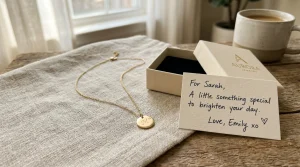
In a world where external opinions often drown out our inner voice, knowing your worth is crucial. The phrase “Never Let Anyone Make You Question Your Worth” serves as a powerful reminder to embrace your value, irrespective of others’ judgments. When you recognize and affirm your worth, you empower yourself to navigate life confidently, set boundaries, and pursue your goals without hesitation. This exploration isn’t just about self-acceptance; it’s about fostering resilience against self-doubt and cultivating a mindset that embraces your unique strengths. As we delve deeper into this topic, you’ll discover actionable strategies to reinforce your self-worth and transform how you perceive and express value in your life. Join us on this journey to reclaim your confidence and understand the incredible worth you inherently possess.
Never Let Anyone Make You Question Your Worth: Understanding Self-Worth
Understanding your self-worth is fundamental to leading a fulfilling life. Self-worth is your intrinsic belief in your own value, regardless of external achievements or how others perceive you. This inner conviction shields you from the negative opinions of others, reinforcing that you are deserving of respect and love just as you are. When you fully embrace your worth, it becomes easier to set boundaries, pursue your passions, and maintain healthier relationships.
Negative opinions can severely impact your self-perception, often leading you to question your value. It’s crucial to recognize that these judgments reflect the other person’s feelings, experiences, or biases rather than an objective truth about you. A helpful strategy is to actively challenge these thoughts; when someone’s comment makes you feel less than, pause and reframe that thought by reminding yourself of your strengths and past achievements. Keep a gratitude journal where you list daily affirmations about what makes you unique, which can considerably enhance your resilience against negativity.
Moreover, cultivating self-compassion is vital in this process. Treat yourself with the same kindness you would offer a friend. Understand that everyone has imperfections and flaws, and accepting this can diminish the power of negative feedback. By embracing your imperfections as part of your identity, you’ll nourish a deeper sense of self-acceptance that stands firm against external doubts. Recognizing your own value is not just an act of defiance against negativity; it is a celebration of the person you are and the journey you are on.
Recognizing Your Personal Value and Strengths
Understanding your true personal value and strengths is crucial for developing a healthy sense of self-worth. The first step is to take a few moments to reflect on your unique qualities. What skills do you possess? What are you passionate about? More importantly, how have these attributes positively affected your life and those around you? Recognizing these strengths can be empowering. Consider keeping a list of your talents, achievements, and positive characteristics. This not only serves as a reminder of what you bring to the table but also helps combat negative thoughts when they arise.
Next, it’s essential to practice self-awareness. Pay attention to the things that energize you and the compliments you receive from others. Sometimes, we may take our strengths for granted because they come naturally to us. For example, if friends often turn to you for sound advice, this not only indicates your ability to help others but also shows your empathetic nature-qualities that are invaluable in any environment. Don’t hesitate to ask trusted friends or family members for feedback on your strengths; their perspective can often shine a light on qualities you might overlook.
Additionally, it’s helpful to engage in personal development activities. Activities like journaling, setting goals, or even exploring new hobbies can enhance your understanding of your abilities. Consider exploring a new skill that excites you; this not only fosters growth but also reinforces the idea that you are capable of more than you think. Each new experience can reveal a facet of your character, helping you to build a robust picture of your self-worth.
Ultimately, acknowledging and embracing your personal value involves a blend of reflection, feedback, and ongoing growth. By surrounding yourself with positivity, engaging in self-discovery, and actively recognizing your accomplishments, you empower yourself to see your worth. Remember, it’s not about comparing yourself to others but celebrating the unique contribution you make to the world.
The Impact of Negative Opinions on Self-Perception
Negative opinions can significantly distort our self-perception, making it easy to lose sight of our inherent worth. Engaging with critical feedback-whether from others or our inner voice-can lead to a cycle of doubt that clouds our judgment about who we truly are. When someone expresses a negative view about us, it can feel all-consuming and may even echo in our minds long after the interaction. This struggle is universal; many of us have faced moments where we let the words of a few dictate how we see ourselves.
To combat this, it’s essential to understand that negative opinions often stem from the insecurities of others. When someone criticizes you, it may reflect their discomfort rather than any flaw in your character. Recognizing this difference can empower you to view criticism more objectively. Consider practicing the 10-second rule: pause and reflect before internalizing anything negative, allowing yourself to assess if it genuinely reflects your worth or if it’s simply external noise.
One practical approach to rebuilding self-perception is through affirmative self-talk. Make a conscious effort to counter negative thoughts with positive affirmations. For instance, if you catch yourself thinking, “I’m not good enough,” reframe it to “I am capable and have achieved many things.” Additionally, surrounding yourself with supportive individuals who uplift rather than undermine your confidence can make a significant difference. Relationships are critical; choose connections that enhance your self-image rather than detract from it.
Finally, documenting your accomplishments and strengths can serve as a powerful reminder of your value. Create a “brag journal” where you regularly write down achievements, positive feedback from others, and qualities you appreciate in yourself. This tangible list will be a source of motivation on tough days and a clear indication that your worth is not dictated by the negative opinions of others. Focus on nurturing your self-image and understanding that your value is inherent and not subject to external validation.
Strategies to Build and Maintain Self-Confidence
Building and maintaining self-confidence is essential for recognizing your worth and navigating life with a positive outlook. Confidence isn’t just a feeling; it’s a skill that can be nurtured and developed over time. By implementing specific strategies, you can foster a stronger sense of self and create a solid foundation for your personal value.
One effective method is to practice mindfulness. This involves being aware of your thoughts and feelings in the moment without judgment. Start each day with a few minutes of deep breathing or meditation. This not only centers your mind but also helps reduce anxiety that can disrupt your confidence. When your mind is clear, it’s easier to challenge self-doubt. Consider journaling after your mindfulness session, where you write down any negative thoughts you encountered and counter them with positive affirmations. For example, if you wrote, “I am not good enough,” replace it with, “I bring unique talents to the table.”
Another powerful strategy is setting achievable goals. Small, incremental goals build momentum and reinforce your self-worth. Aim to set daily or weekly targets that are realistic and specific, like organizing a part of your living space or learning a new skill. Celebrate your achievements, no matter their size. This practice not only boosts confidence but also reminds you of your capability and worth. For instance, if you accomplish your goal of exercising three times a week, reward yourself with a favorite treat or leisure activity.
Additionally, it’s important to surround yourself with supportive people. Your social circle can significantly influence your self-esteem. Engage with individuals who uplift and encourage you rather than those who diminish your confidence. If someone consistently makes you doubt yourself, consider reevaluating that relationship. A supportive community can serve as a reminder of your strengths and reinforce your self-worth when self-doubt creeps in.
Finally, integrating a routine of self-care can greatly enhance your self-confidence. Regularly engage in activities that make you feel good about yourself-be it exercising, pursuing a hobby, or simply enjoying nature. When you prioritize your well-being, you send a clear message to yourself that you are worthy of time and care.
By employing these strategies, you can cultivate a resilient self-confidence that will help you weather life’s uncertainties and affirm your inherent worth. Remember, confidence is not about being perfect; it’s about embracing your authentic self and taking proactive steps to nurture your value.
How to Set Healthy Boundaries in Relationships
Establishing healthy boundaries in your relationships is essential for honoring your worth and ensuring you are treated with respect. Many people find themselves in situations where they feel overwhelmed or taken for granted, often due to blurred lines in their interpersonal connections. By clearly articulating what is acceptable for you-and what isn’t-you can foster a more positive atmosphere in your relationships and reduce feelings of resentment or anxiety.
Start by assessing your needs and values. Take some time to reflect on situations that make you feel uncomfortable or disrespected. Once you identify specific scenarios, articulate these to yourself clearly. For example, if you feel drained after consistently being the one to reach out, it might be a sign that you need to express the need for equal effort in maintaining contact. This self-awareness will empower you to communicate your boundaries more effectively to others.
Communicating your boundaries can be challenging, but it is crucial for establishing mutual respect. Approach conversations with honesty and compassion. For instance, if a friend frequently interrupts you, express this by saying, “I value our conversations, but I feel unheard when I’m interrupted. Can we take turns speaking?” This approach maintains a positive tone while also being assertive. Remember, it’s okay to practice how you will deliver these messages; role-playing can help ease any anxiety you might feel about confrontation.
Another essential aspect of setting boundaries is consistency. Once you’ve communicated your limits, it’s important to hold firm. If someone crosses a boundary, gently remind them of your original conversation. You might say, “I mentioned before that this behavior makes me uncomfortable. I need to reiterate that it’s important for me that we respect those limits.” By being consistent, you not only reinforce your own worth but also teach others how to treat you.
Finally, recognize that boundary-setting is a continuous process. As you grow and change, so too may your boundaries. Constantly check in with yourself and listen to your feelings, adjusting your boundaries accordingly. Surrounding yourself with supportive individuals who respect your needs will also contribute to a healthier relational environment. Key takeaway? Setting healthy boundaries is not just about limiting behaviors; it is a vital practice that affirms your value and nurtures relationships that honor who you are.
The Role of Self-Compassion in Valuing Yourself
Self-compassion is an essential pillar of valuing yourself, acting as a soft cushion against the hard blows of self-doubt and criticism. When you practice self-compassion, you treat yourself with the same kindness and understanding you would offer a close friend in times of struggle. This approach nurtures a deep sense of worthiness and fosters resilience in the face of life’s inevitable challenges. Research shows that those with high levels of self-compassion experience greater emotional well-being and healthier relationships, making it a crucial element in your journey toward recognizing your inherent value.
To cultivate self-compassion, start by becoming aware of your inner dialogue. Are you often harsh or critical of your mistakes? Challenge those thoughts. Instead, try rephrasing your self-talk. For example, if you find yourself thinking, “I can’t believe I messed that up, I’m so useless,” switch to something gentler like, “It’s okay to make mistakes; I can learn and grow from this.” This shift not only soothes your emotional state but also reinforces your intrinsic worth.
Additionally, incorporate mindfulness into your self-compassion practice. By staying present and acknowledging your feelings without judgment, you create a safe space for self-acceptance. Consider taking a few moments each day to pause and reflect on your feelings. You might say to yourself, “I’m feeling overwhelmed right now, and that’s okay. Many people feel this way.” This validation is a powerful reminder that you are not alone in your experiences, bolstering your sense of belonging and self-worth.
To further enhance your self-compassion, engage in activities that make you feel good about yourself. These might include hobbies, exercise, or creative outlets that you enjoy. Taking time for self-care is not selfish; it’s a vital part of recognizing your value. Surround yourself with supportive people who uplift you and remind you of your worth on tough days. The more you practice self-compassion, the more natural it becomes, becoming a fundamental part of how you perceive yourself.
In summary, nurturing self-compassion is a transformative practice that helps you honor and appreciate your worth. By fostering a gentle inner dialogue, practicing mindfulness, and engaging in self-care, you can build a lasting foundation of self-worth that withstands external challenges. Remember, valuing yourself starts from within, and self-compassion is one of the most effective tools you have in that journey.
Practical Tips for Daily Affirmations and Positive Self-Talk
Practicing daily affirmations and positive self-talk is a powerful way to reinforce your self-worth and cultivate a more compassionate inner dialogue. Each day presents a fresh opportunity to counter negativity with affirmations that remind you of your inherent value. Research has demonstrated that regular positive affirmations can significantly impact your mental health and promote self-acceptance. By incorporating simple yet effective techniques into your daily routine, you can transform your mindset and embrace a more positive perspective.
Start by identifying a few key affirmations that resonate with you personally. These should be statements that reflect your strengths and values. For example, you might choose affirmations such as:
- “I am enough just as I am.”
- “I deserve love and respect from myself and others.”
- “I am capable of achieving my goals.”
Once you’ve chosen your affirmations, make it a habit to recite them daily. Consider integrating this practice into your morning routine. You could stand in front of the mirror while brushing your teeth and repeat your affirmations out loud, or write them down in a journal. Engaging with your affirmations visually or audibly can enhance their effectiveness, embedding them deeper into your mind.
Additionally, counter negative self-talk by developing a habit of awareness. Whenever you notice a critical thought creeping in-such as, “I can’t do anything right”-pause and consciously replace it with a positive statement. For instance, substitute it with, “I learn from my mistakes and grow stronger.” This practice helps in shifting your overall mindset towards positivity and resilience.
As you work on nurturing a positive self-dialogue, it’s also beneficial to create a “gratitude list.” Each evening, jot down three things you appreciate about yourself or your day. This not only reinforces positive thinking but also encourages you to recognize your accomplishments, no matter how small. Over time, these practices will train your mind to focus on affirming your self-worth rather than questioning it.
In summary, daily affirmations and positive self-talk are essential tools in knowing and enhancing your worth. By consciously integrating affirmations into your daily routine, practicing mindful replacement of negative thoughts, and reflecting on gratitude, you can create a supportive inner dialogue that empowers you and fosters resilience against external challenges.
Identifying and Prioritizing Your Goals and Passions
To truly embrace your worth, is essential. Engaging with what you love not only boosts your confidence but also provides a clearer sense of direction, allowing you to thrive in various aspects of life. When you invest time in understanding your goals, you craft a personal roadmap that aligns with your values, reminding you consistently of your capabilities and inherent value.
Begin by reflecting on activities that bring you joy or fulfill you. Make a list of hobbies, tasks, or professions that ignite a spark within you. Question yourself: What prompts excitement? What would I pursue if there were no limitations? This exercise can help clarify your passions and reveal goals that resonate with your true self. It’s important to honor these reflections, as they form the foundation for your aspirations and guide your choices moving forward.
Setting SMART Goals
Once you have identified your passions, structure your goals using the SMART criteria-Specific, Measurable, Achievable, Relevant, and Time-bound. This method ensures that your goals are clear and focused, significantly enhancing your chances of success. For example, instead of saying, “I want to be fit,” a SMART goal might be, “I will exercise for 30 minutes, three times a week for the next month.” Such specific intentions not only make your goals more tangible but also provide motivation and a sense of accomplishment as you track your progress.
Creating a Prioritized Action Plan
To further nurture your passions, develop an action plan that prioritizes your goals based on urgency and importance. Create a visual representation, such as a table or a list, categorizing your goals and the steps needed to achieve them. This can offer clarity and help break down your aspirations into manageable tasks. For example:
| Goal | Action Steps | Deadline |
|---|---|---|
| Start a blog | Research topics, register domain, draft first post | End of Month |
| Learn guitar | Find a local class, practice 15 minutes daily | 3 Months |
As you pursue these goals, remember to reassess and adjust your action plan regularly. Life is dynamic, and your passions may evolve, necessitating an iterative approach to your objectives. Celebrate your achievements, no matter how small, as they confirm your worth and potential. Engaging deeply with your passions not only validates your feelings of self-worth but also cultivates a fulfilling life trajectory that honors who you truly are.
Overcoming Comparison: Focus on Your Unique Journey
In a world overflowing with curated social media feeds and highlight reels of others’ lives, it’s all too easy to feel like we don’t measure up. This wave of comparison can ripple through our self-perception, leading us to doubt our worth. However, recognizing that everyone has their unique journey is vital in overcoming this feeling. The truth is, what you see in others rarely represents the entirety of their experience; it’s just a snapshot of a moment.
Start by actively shifting your focus inward. Instead of measuring your success against someone else’s achievements, create a personal benchmark based on your values and aspirations. Reflect on the specific qualities that define your path, such as resilience, creativity, or empathy. By embracing what makes you distinctive, you can cultivate a stronger sense of identity that isn’t swayed by external comparisons. This shift also involves practicing gratitude for your accomplishments, no matter how small, and celebrating your unique abilities.
Incorporating daily practices that promote self-acceptance can also be beneficial. For instance, keep a journal where you detail your achievements or positive qualities. Highlighting your journey allows you to appreciate your progress, fostering a more positive self-image. Additionally, consider curating your social media feeds to include content that inspires rather than compares-follow accounts that uplift and celebrate diversity in experiences and journeys.
Lastly, surround yourself with supportive individuals who reinforce your value. When your circle comprises people who see and celebrate your uniqueness, their positivity can counteract the negativity that comparison breeds. Engage in meaningful conversations that inspire and motivate you, steering clear of those that incite feelings of inadequacy. Remember, your journey is uniquely yours-embrace it, and let it shine without the shadow of comparison looming over you.
The Importance of Surrounding Yourself with Supportive People
Surrounding yourself with supportive people is one of the most impactful steps you can take in understanding and reinforcing your self-worth. Humans are inherently social beings, and the opinions and attitudes of those around us can heavily influence how we perceive ourselves. Supportive relationships nurture our self-esteem, challenge negative thinking, and encourage us to embrace our individuality.
Being around people who recognize your value fosters a safe environment where you can thrive. Consider choosing friends who celebrate your successes and uplift you during challenging times. These individuals offer not only emotional support but also constructive feedback that can help you grow. For example, a friend who acknowledges your hard work and encourages you to take on new challenges can help reinforce a positive self-image. On the other hand, relationships with people who constantly criticize or belittle your achievements can lead to self-doubt and diminished self-worth.
Creating a Positive Circle
To cultivate a supportive network, actively seek out relationships that promote positivity. Here are some practical tips to consider:
- Evaluate Your Relationships: Reflect on how each person in your life impacts your self-esteem. Are they encouraging or discouraging? Make an effort to distance yourself from those who drain your energy or undermine your confidence.
- Engage in Positive Activities: Join clubs or groups that align with your interests and values. This not only connects you with like-minded individuals but also reinforces your sense of belonging.
- Communicate Openly: Express your needs and feelings with your supportive circle. Let them know how their encouragement helps you, as this can strengthen your bond.
Cultivating supportive relationships is a two-way street. As you seek out uplifting individuals, also strive to be a source of support for others. Sharing the positivity can create a ripple effect, enriching your own experience while bolstering the self-worth of those around you.
Ultimately, surrounding yourself with people who affirm your value is essential for building a strong foundation of self-confidence. As you engage with those who uplift and celebrate you, you’ll find it easier to resist external pressures and negative comparisons, allowing your true worth to shine through.
Techniques for Resilience in the Face of Criticism
In a world where criticism often feels unavoidable, developing resilience can be your strongest asset. The ability to bounce back from negative feedback is not just about thickening your skin; it’s about cultivating a mindset that values your worth beyond external opinions. Recognizing that everyone faces criticism can normalize your experiences and empower you to respond constructively.
One effective strategy is to reframe criticism as feedback rather than a personal attack. For instance, when someone critiques your work, instead of spiraling into self-doubt, ask yourself what you can learn from their perspective. This shifts the focus from feeling hurt to seeking growth. Take a moment to analyze the feedback: is it constructive and valid? If so, integrate that into your self-improvement; if not, allow yourself to let it go. Remember, it’s crucial to discern which opinions deserve your attention and which do not reflect your true value.
Cultivating Self-Compassion
Self-compassion plays a vital role in building resilience against criticism. When facing negative comments, practice being kind to yourself. This might mean taking a break to engage in activities that nourish your spirit, like reading, meditating, or even enjoying a hobby. Affirmations can also be a powerful tool; for example, reminding yourself, “I am enough, just as I am,” reinforces your intrinsic value. Regularly practicing self-compassion helps create a buffer against the sting of criticism.
Building a Supportive Environment
Surrounding yourself with people who uplift and encourage you is equally important. When faced with criticism, a supportive friend can help contextualize the feedback and remind you of your strengths. Engage with those who encourage open dialogue and understanding. This network becomes your safety net, fostering an environment where criticism can be dissected and understood rather than feared.
In moments of criticism, remember to pause and breathe. Reflect on your achievements and the support network around you. By fostering resilience, you won’t just withstand criticism-you’ll emerge stronger and more self-assured. Recognizing and embracing your worth every day transforms how you respond to criticism, allowing your true value to shine through, regardless of external opinions.
Celebrating Small Wins: A Path to Greater Self-Worth
Recognizing and celebrating small wins can significantly enhance your sense of self-worth. Every small achievement, whether it’s completing a task, making a healthy choice, or receiving positive feedback, serves as a reminder of your capabilities and strengths. These moments, though they may seem minor, cumulatively contribute to a more profound recognition of your inherent value. By actively acknowledging these successes, you reinforce the belief that you matter and that your efforts are worthwhile.
To effectively celebrate these small victories, try keeping a “win journal.” Dedicate a notebook to jot down daily accomplishments, no matter how small. This can include anything from finishing a project you’ve been working on to taking time for self-care. Revisiting this journal can motivate you during tougher times, serving as a tangible reminder of what you have achieved and how far you’ve come. It encourages a positive outlook, which is essential for boosting self-esteem and internalizing your worth.
Implementing small rituals to honor these wins can also be rewarding. After achieving a goal, reward yourself with a small treat, whether it’s a favorite snack, a moment of relaxation, or an episode of that show you love. These rituals do not have to be grand; they just need to feel meaningful to you. Over time, these practices increase your self-awareness and appreciation for your abilities, leading to a stronger sense of self-worth.
Ultimately, celebrating small wins is about building a habit of positivity. By recognizing and appreciating your achievements, however insignificant they may seem, you cultivate a mindset of gratitude and confidence. This shift in perspective not only enhances your self-worth but also prepares you to tackle future challenges more resiliently. Remember, each step forward, no matter how small, is still progress and deserves acknowledgment.
Frequently Asked Questions
Q: How can I improve my self-worth?
A: To improve your self-worth, start by recognizing your strengths and achievements. Engage in daily affirmations, practice self-compassion, and surround yourself with positive influences. Setting and achieving small goals can also help reinforce your value. Consider reading more about these strategies in our section on “Strategies to Build and Maintain Self-Confidence.”
Q: What role does self-compassion play in valuing myself?
A: Self-compassion is essential for valuing yourself as it encourages you to treat yourself kindly during tough times. It helps combat negative self-talk and promotes a healthier self-image. Learn more about this topic in our section discussing “The Role of Self-Compassion in Valuing Yourself.”
Q: How do negative opinions impact self-worth?
A: Negative opinions can significantly undermine self-worth by fostering doubt and insecurity. To mitigate this, challenge these views with positive affirmations and seek support from those who value you. More insights can be found in our “The Impact of Negative Opinions on Self-Perception” section.
Q: What are some techniques for resilience against criticism?
A: Building resilience against criticism involves developing a strong sense of self and practicing emotional regulation. Techniques such as cognitive restructuring, mindfulness, and positive self-talk can enhance your ability to face criticism without losing confidence. Check our section on “Techniques for Resilience in the Face of Criticism” for further details.
Q: How can I set healthy boundaries in my relationships to enhance my self-worth?
A: Setting healthy boundaries means clearly communicating your limits and needs to others. This not only protects your time and energy but also reinforces your self-respect. Learn practical tips on establishing boundaries in our article’s section titled “How to Set Healthy Boundaries in Relationships.”
Q: Why is celebrating small wins important for self-worth?
A: Celebrating small wins boosts motivation and reinforces your sense of accomplishment. Acknowledging these moments creates a positive feedback loop, helping you feel more valued and confident. Dive deeper into this topic in our section on “Celebrating Small Wins: A Path to Greater Self-Worth.”
Q: How can daily affirmations improve my self-esteem?
A: Daily affirmations can significantly improve self-esteem by reinforcing positive beliefs about yourself. Repeating affirmations shifts your mindset from negativity to positivity, fostering a stronger sense of self-worth. For more actionable tips, refer to the section on “Practical Tips for Daily Affirmations and Positive Self-Talk.”
Q: What are some signs that I am undervaluing myself?
A: Signs of undervaluing yourself include frequent self-criticism, difficulty accepting compliments, and prioritizing others’ needs over your own. It’s essential to recognize these patterns and address them through mindful reflection and support from others. Explore these concepts in our section on “Recognizing Your Personal Value and Strengths.”
In Retrospect
Knowing your worth is a powerful step towards living a fulfilling life. Remember, you have the right to value yourself without hesitation, and embracing your unique strengths can lead to greater opportunities. If you’re ready to take actionable steps, consider checking out our articles on Building Self-Confidence and Overcoming Self-Doubt. These resources can provide you with additional strategies and encouragement on your journey.
Don’t let doubts linger-take the first step today! Share your thoughts in the comments below or reach out to our community for support. We’re here to uplift each other. For more insights, subscribe to our newsletter to stay updated on new tips and resources designed to empower you. Remember, you’re worthy of love, respect, and success. Keep shining bright!
Get our latest guides, news, and insights highlighted in your Google Search & AI Overviews.