Did you know that using a dull razor can lead to nicks, irritation, and an uneven shave? It’s a common concern for many, and understanding how often to change your razor can make a significant difference in your grooming routine. In this guide, we’ll explore the optimal replacement schedule to ensure your shaves are smooth, effective, and comfortable. By keeping your razor sharp, you not only enhance your shaving experience but also promote healthier skin. Whether you’re a seasoned shaver or just starting out, knowing when to replace your blades is essential for achieving the best results. Let’s dive into the details that will help you achieve that perfect shave, every time.
How Often Should You Change Your Razor? Understanding Lifespan
Switching out your razor blades regularly is key to achieving a smooth, irritation-free shave. Did you know that dull blades can cause nicks, cuts, and ingrown hairs? Understanding the lifespan of your razor blade not only promotes better skin health but also enhances your overall shaving experience.
Typically, for most people, changing your razor blade every 5 to 7 shaves is a good rule of thumb. However, factors like hair type, shaving frequency, and even the quality of the blade itself can influence this timeline. If you have coarse or thick hair, consider swapping blades more frequently, perhaps after every 3 to 5 uses. On the other hand, individuals with finer hair might find that their blades last longer without sacrificing comfort.
When assessing whether it’s time to change your blade, look out for clear signs such as tugging or pulling during the shave, discomfort, or visible signs of rust and dullness. Keeping an eye on these indicators can help you maintain a pleasant and effective shaving routine. Additionally, regularly replacing your blade will lead to a more precise shave, giving you the confidence that comes from knowing you’re putting your best face forward.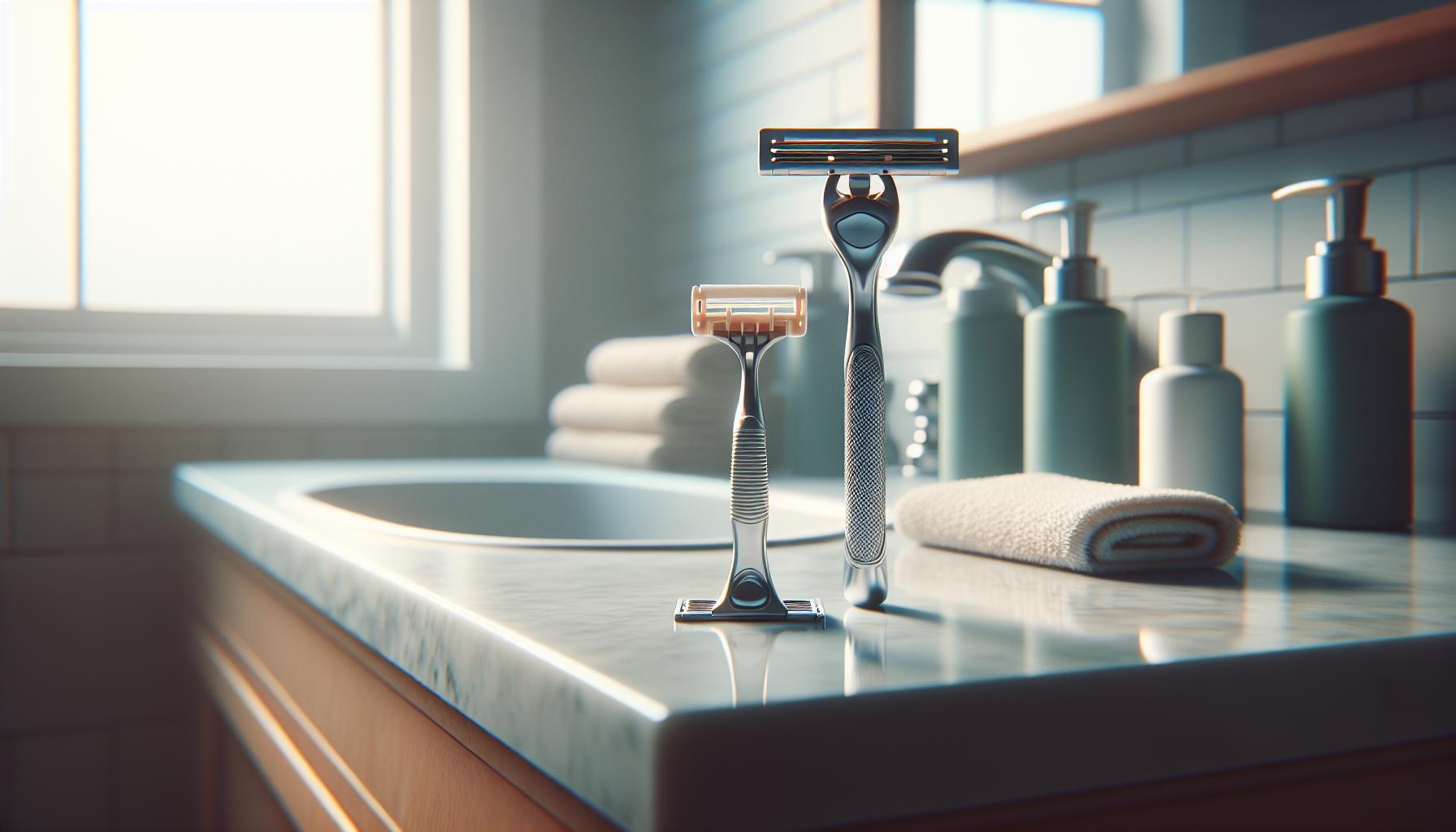
Signs Your Razor Needs Replacement
When it comes to shaving, recognizing the signals that your razor is past its prime can make all the difference in achieving a comfortable and effective shave. Ignoring these signs might lead to an unpleasant experience, not to mention potential skin irritation or injury. Here are some key indicators that it’s time to replace your razor or blade.
First and foremost, if you notice any tugging or pulling during your shave, it’s a clear sign that your blade is dull. A sharp blade glides smoothly across your skin, providing a close shave without resistance. If you find yourself applying extra pressure to cut through the hair, it’s best to swap out your blade. Similarly, if you experience discomfort or irritation, such as redness or razor burn, this may indicate that your blade isn’t sharp enough to do the job effectively.
Another telltale sign is visual deterioration of the blade itself. Check for any rust spots or discoloration; these imperfections not only affect performance but can also introduce harmful bacteria to your skin. Finally, if you’ve had a particularly long grooming session and feel like your results aren’t meeting your standards, consider it a hint to replace your equipment. The cost of a new blade is minimal compared to the investment in your skin’s health and comfort.
To ensure a seamless shaving experience, become attentive to these signs and make a habit of inspecting your razor regularly. Taking proactive steps to replace dull blades will lead to not only a better shave but also healthier skin in the long run. Remember, it’s always better to err on the side of caution and replace when in doubt!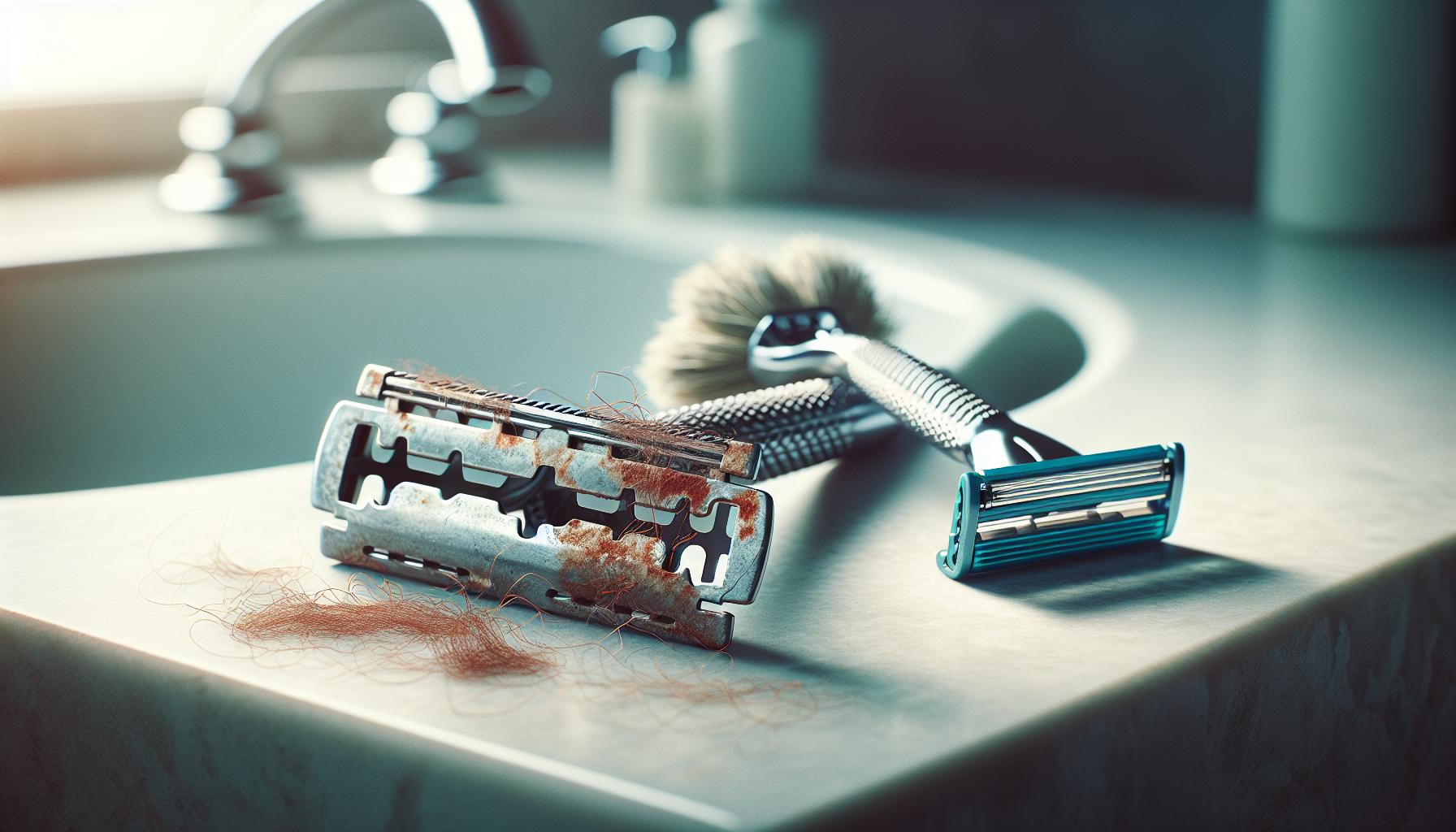
The Impact of Razor Quality on Longevity
Investing in a high-quality razor can dramatically enhance your shaving experience, both in terms of comfort and longevity. While it might be tempting to opt for cheaper options, understanding the distinction in quality can save you time, money, and irritation in the long run. Premium razors, whether cartridge or safety versions, often feature sharper blades made from more durable materials, which leads to a significant difference in performance.
Durability and Performance
When you invest in a quality razor, you’re choosing tools that withstand regular use without degrading quickly. For instance, a well-designed safety razor may last for years with proper maintenance, while budget razors often need blade replacements more frequently due to faster dulling. Razor blades made from high-carbon stainless steel or coated with ceramic tend to retain their sharpness longer, allowing for a closer and more comfortable shave.
Design and Comfort
Ergonomically designed handles on higher-end razors also contribute to a better shaving experience. A good grip enables better control, which can reduce the chance of nicks and cuts. Additionally, many quality razors have features such as pivoting heads that adjust to the contours of your face, helping to minimize irritation-especially on sensitive skin.
Cost vs. Value
While the upfront cost of a high-quality razor may seem daunting, consider the value it brings. Investing in quality results in less hassle from frequent replacements and minimizes skin issues linked to dull blades. For instance, a premium razor may have a higher initial cost but could end up being more economical over time because you’ll require fewer replacements and experience less skin irritation.
In summary, upgrading to a superior razor can lead to an enhanced shaving routine that not only lasts longer but also feels better on your skin. By selecting a razor that prioritizes quality, you’re not just making a purchase-you’re making an investment in comfort and care that pays dividends in the longer term.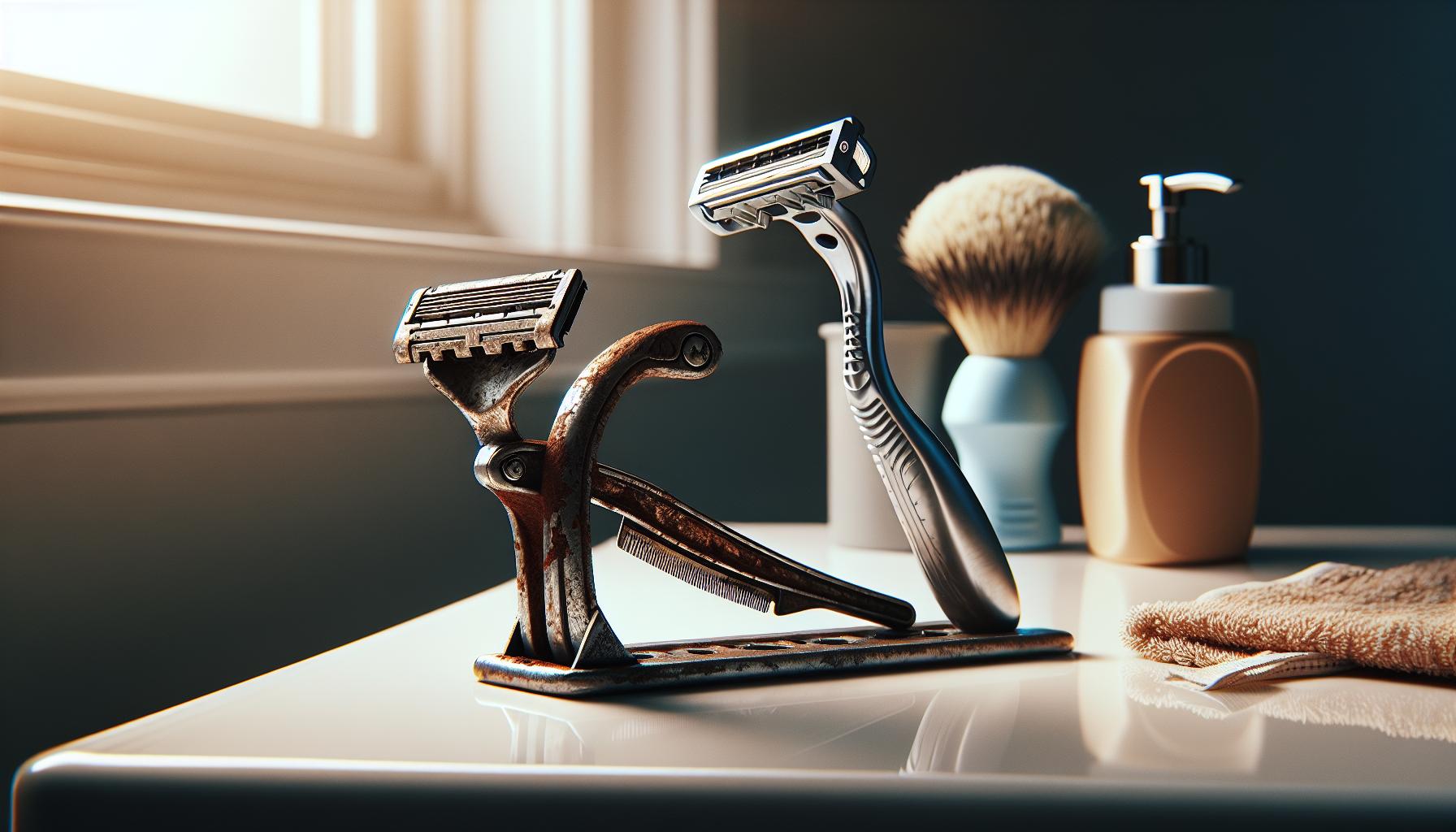
Guidelines for Different Hair Types and Skin Sensitivities
When it comes to shaving, various factors such as hair type and skin sensitivity play a crucial role in determining how often you should replace your razor. Understanding these factors helps you achieve a smoother, irritation-free shave while maximizing the lifespan of your blades.
Individuals with coarse or thick hair often find that their blades dull more quickly. If you’re in this category, you might want to change your razor blade after 4 to 5 shaves. On the other hand, those with finer hair may only need to replace their blades after 6 to 10 uses. Hair texture not only affects how easily the razor cuts but also impacts how quickly wear and tear occur.
In addition to hair type, skin sensitivity is pivotal. If you have sensitive skin, using a dull blade can lead to irritation, razor burn, or ingrown hairs. In such cases, consider a more frequent change, possibly after every 3 to 4 shaves. This ensures you’re using the sharpest edge possible, reducing the chance of nicks and scrapes that can disrupt your skin’s equilibrium. For those with normal skin, following a general guideline of changing the blade every 5 to 7 shaves is typically sufficient.
To sum it up, adjusting your razor replacement schedule based on your unique hair and skin conditions will lead to a more comfortable and effective shaving experience. Taking into account both the texture of your hair and your skin’s sensitivity is vital for maintaining healthy skin and achieving a close shave with minimal irritation.
The Science Behind Razor Blade Deterioration
When it comes to the longevity of your razor blades, understanding the science behind their deterioration can significantly enhance your shaving experience. Razor blades are crafted from stainless steel, a material that is inherently resistant to rust and corrosion. However, the sharpness of the blade diminishes over time due to several factors, including the nature of the hair being shaved, the shaving technique employed, and the conditions under which the blades are stored and used.
Every time you shave, the blade encounters resistance from the hair, which causes microscopic wear and tear. This is particularly true for individuals with coarse or thick hair, where the blade must exert more pressure to make a clean cut. As the blade dulls, your shave may become less effective, leading to potential irritation and the necessity for more passes over the same area, which can exacerbate skin problems. Individuals with sensitive skin might notice a heightened reaction to dull blades, experiencing more nicks or cuts, as a compromised edge can tug at the hair rather than cutting it smoothly.
Moreover, factors such as moisture and cleaning techniques can also play a crucial role in the deterioration of razor blades. After use, if blades are not dried properly, they may develop rust or lose their edge quicker due to oxidation. To prolong the life of your razor, it’s advisable to rinse blades thoroughly after each shave, pat them dry with a soft cloth, and store them in a dry area to minimize moisture exposure. Regular cleaning can prevent debris buildup and further preserve the blade’s integrity.
Understanding that a blade’s performance is a combination of physical wear and environmental exposure can empower you to adapt your shaving habits. Remember, investing in a quality razor or blade system might offer a better experience and longer-lasting edges, which ultimately leads to fewer replacements and a smoother shave. Take good care of your tools, and they will take care of you!
Optimal Replacement Schedule for Daily Shavers
For those who shave daily, establishing a replacement schedule for your razor blades is essential to achieving a comfortable and effective shave. Although individual needs may vary based on hair type and shaving habits, there are general guidelines you can follow to help maintain peak blade performance.
Daily shavers should typically consider replacing their razor blades every five to seven shaves. This timeframe allows for optimal sharpness while minimizing the risk of irritation and cuts. It’s essential to remain attentive to how your skin reacts during your shaving routine. If you start experiencing tugging, increased irritation, or uneven cuts, these are clear signs that it’s time for a new blade, even if it hasn’t reached the five-shave mark.
To make blade replacements easier, you can adopt a simple tracking system. Mark a calendar or use an app on your phone to note when you last changed your blade. Alternatively, if you have a rotation of blades, keep track of which ones you’ve used. This approach not only helps avoid dull blades but also reinforces the habit of regular replacements.
Keep in mind that the type of razor you use can also affect this schedule. For instance, multi-blade cartridges might need to be replaced less frequently than a single blade, but they can dull quicker if used against coarse hair. Regardless of the type of razor, the key is to pay attention to how it feels during use. Taking a proactive approach to blade replacement ultimately enhances your shaving experience, leading to smoother results and healthier skin in the long run.
When to Replace Your Razor for Occasional Use
Occasional shavers often encounter unique challenges when it comes to determining the right time to change their razor blades. Unlike daily users, whose shaving routines provide clear indicators of blade performance, those who shave infrequently might find themselves unsure about when to replace their blades. The key to maintaining an effective shave lies in understanding that even if a blade hasn’t been used repeatedly, its sharpness and hygiene can still deteriorate over time.
For occasional use, consider replacing your razor blade at least every two to four weeks, depending on how often you shave. If you’re using a disposable or cartridge razor, even a single use can impact its longevity due to factors like moisture and exposure to elements. If your razor begins to feel dull or you notice increased tugging during your shave, it’s definitely time for a change. Additionally, after a few months of sitting idle, rust or bacteria can accumulate, making it prudent to swap out your blade for hygiene reasons.
Signs It’s Time for a Change
Recognizing when to replace your razor blade can save you from discomfort and irritation. Here are some telltale signs to watch for:
- Tugging or pulling: If it feels like the blade is dragging against your skin, it’s a clear sign that it’s dull.
- Skin irritation: Increased redness or bumps post-shave often indicates a worn-out blade.
- Uneven shave: If your shave isn’t as smooth as it used to be, it’s time to evaluate your blade.
To extend your blade’s lifespan, store your razor in a dry location and avoid keeping it in a damp environment, as moisture can accelerate deterioration. Ultimately, trust your senses-when something feels off, it’s best to replace the blade for a smoother, more comfortable shaving experience. By staying attuned to how your razor feels and performs, even occasional shavers can enjoy a clean and effective shave without unnecessary risk.
How to Extend Your Razor’s Lifespan
To keep your razor in peak condition and extend its lifespan, a few simple practices can make a significant difference. One of the most crucial steps is ensuring that your razor is stored properly after each use. Moisture is the enemy of razor blades; it’s essential to rinse your razor thoroughly under hot water to remove any shaving cream, hair, or debris, and then gently shake off excess water. For optimal drying, consider storing your razor in a dry, ventilated area instead of a damp bathroom environment. A magnetic holder or a wall-mounted organizer can help keep it off surfaces where water might collect.
Additionally, consider investing in a blade guard or case for your razor. This not only protects the blades from damage but also helps keep them cleaner between uses. If you’re using a cartridge razor, periodically wiping the blades with a dry cloth can prevent residue buildup.
Another great tip is to alternate between razors if you have more than one. Using a different razor for a while allows each blade to rest and dry completely, further helping to prolong their sharpness. If you notice that your blades still feel dull despite your care, it might be time to explore high-quality razors with advanced materials designed to last longer, which can often be worth the initial investment.
Lastly, adopting a good shaving technique also contributes to the longevity of your razor. Using a quality shaving cream or gel will reduce friction and lessen wear on the blades. Always shave in the direction of hair growth to minimize irritation and extend blade life. By integrating these straightforward practices into your routine, you’ll not only enhance your shaving experience but also make your razors last significantly longer.
The Benefits of Upgrading Your Razor
Upgrading your razor can unlock a transformative shaving experience, turning what was once a mundane task into something much more enjoyable. Not only does a high-quality razor improve the precision of your shave, but it also helps to minimize skin irritation and discomfort, which is something we all desire. For instance, if you’ve been using a basic disposable razor, switching to a cartridge or safety razor can result in a noticeable difference in the closeness of your shave, yielding a smoother finish that lasts longer.
The Performance Boost
Modern razors often feature advanced technologies like multi-blade systems and lubricating strips that can provide a superior glide over the skin. These innovations help reduce the amount of pressure needed while shaving, which in turn lowers the risk of nicks and cuts. When considering an upgrade, look for razors with ergonomic handles as well; a comfortable grip provides better control, allowing you to maneuver in those tricky areas like under the chin or around the nose.
Economic Long-Term Benefits
While a higher initial investment might seem daunting, upgrading to a quality razor may save you money in the long run. Higher-quality blades tend to last longer and perform better, meaning you won’t need to replace them as frequently. Moreover, many premium razors offer replaceable cartridges, allowing you to maintain a high standard of shaving without the constant need for new entire units. This can decrease overall waste and even lead to more sustainable grooming habits.
Personalization for Your Needs
Every mustache, beard, and skin type is different, and upgrading allows you to select a razor that suits your specific needs. For example, those with sensitive skin might benefit from a safety razor, which often provides a gentler shave. In contrast, individuals who prefer a quick and efficient regimen might find that a multi-blade cartridge razor offers the speed they require. Customizing your shaving routine not only enhances comfort but also increases your overall satisfaction with the experience.
Conclusion
Ultimately, an upgraded razor is not just a tool; it is an investment in your grooming routine. With the right razor, you can enjoy a more effective and comfortable shave, minimize irritation, and even embrace more personalized grooming experiences. If you’ve been dealing with nicks, discomfort, or less-than-smooth results, it might be time to consider the significant advantages of making the switch. Your skin will thank you!
Eco-Friendly Options for Razor Disposal
When it comes to disposing of razors, many people overlook the environmental impact of their choices. With millions of razors ending up in landfills every year, it’s essential to consider eco-friendly disposal methods that can minimize your carbon footprint and contribute to a more sustainable grooming routine. Understanding how to responsibly manage your razor waste not only benefits the planet but also promotes thoughtful consumer habits.
One effective way to dispose of your razor is to utilize designated collection programs for used blades. Some companies offer blade recycling programs that allow you to send in your used razor blades for proper recycling. This ensures that the metal is repurposed while the plastic components are handled responsibly. Research local or national initiatives; you might find that brands you already use have sustainable options available.
If you prefer a more hands-on approach, you can create a blade bank at home. A blade bank is simply a container-like a small jar or a dedicated box-where you can safely store used razor blades. Once this container is full, check local guidelines to determine the best way to dispose of it, as many waste management facilities offer special pickup for hazardous materials like razor blades. This method not only keeps your space safe from sharp objects but also ensures that these items don’t pose a risk to sanitation workers.
For those using disposable razors, consider switching to reusable options. Safety razors, for instance, allow you to change only the blade while keeping the handle, significantly reducing waste. In addition, many eco-conscious brands focus on producing sustainable razors from biodegradable or recyclable materials. Evaluating your options can lead to more conscientious consumption, aligning your grooming routine with your values.
In summary, taking the time to explore can make a meaningful difference. By utilizing recycling programs, creating blade banks, or upgrading to reusable razors, you can help reduce environmental waste and lead a more sustainable grooming routine. Every small action counts, and your commitment to making responsible choices can inspire others to do the same.
Budgeting for Regular Razor Replacements
When it comes to grooming, budgeting for razor replacements is often overlooked yet profoundly crucial. For those who shave regularly, understanding the true cost of razors can make a significant difference in your monthly spending. A typical pack of cartridge razor heads might set you back anywhere from $10 to $30, depending on the brand and quality. If you replace your razor every two to six weeks, this expense can quickly add up, particularly if you’re using multiple blades or a higher-end brand.
To make your budgeting more effective, consider the following strategies:
- Calculate your shave frequency: Determine how often you shave and the average lifespan of your blades. For instance, if you shave daily and your blades last a week, you’ll need around four packs per month.
- Opt for bulk purchases: Buying replacement blades in bulk can provide significant savings. Many brands offer packs of 12 or 24, which often reduces the cost per blade compared to individual purchases.
- Explore alternative options: Safety razors, while requiring an upfront investment, can save you money over time since you only replace the blades, which are usually much cheaper than cartridge systems.
Beyond the immediate financial aspect, it’s worth considering the long-term investment in quality. Higher-quality razors often last longer and provide a better shave, reducing the need for frequent replacements and potentially lowering irritation, which can lead to less frequent shaving. So, while it might seem wise to save a few dollars now, investing in a good razor could enhance both your grooming experience and your wallet in the long run.
In summary, being mindful of your razor replacement costs and exploring cost-effective alternatives can lead to significant savings over time. Consider your personal habits and preferences, and adjust your budget accordingly to ensure that you’re not only saving money but also enjoying a great shaving experience.
Myth-Busting: Common Misconceptions About Razor Use
Many people hold onto their razors longer than they should, often believing a few misconceptions that can affect their grooming experience. One common myth is that if a razor still feels sharp, it’s good to use. However, the sharpness of the blade is just one aspect to consider. Over time, razor blades can accumulate bacteria and dullness that isn’t always detectable through touch alone. Using a blade that’s past its prime can lead to irritation, uncomfortable nicks, and an overall less effective shave.
Another misconception is that all razors are created equal, leading shoppers to underestimate the impact of quality. Cheaper razors may initially seem like a savvy financial choice, but they often require more frequent replacements and can result in poor shaving experiences. In contrast, investing in a higher-quality razor can yield better performance and longevity, ultimately saving you time and money in the long run.
It’s also a common belief that men and women should use different types of razors. While it’s true that hair growth can differ between genders, the best razor largely depends on individual skin types and hair textures. A sensitive skin razor may benefit anyone, regardless of gender, and there are unisex options available that cater to a variety of needs.
Finally, there’s a misconception that a razor should last indefinitely if you take care of it. While proper maintenance-like rinsing and drying your razor between uses-can extend its lifespan, it doesn’t make it immune to wear and tear. Regular replacements are necessary for optimal performance, generally recommended every five to seven shaves for disposable razors, and once every three to four weeks for cartridge razors, depending on usage.
In short, recognizing these myths can help you better manage your shaving routine, ensuring a comfortable, effective experience. Don’t hesitate to replace your razor when necessary, and feel empowered to choose the best tools for your unique grooming needs.
Q&A
Q: How do I know when my razor blade is dull?
A: You know your razor blade is dull when it causes tugging or pulling on the hair, leads to skin irritation, or requires multiple passes to achieve a close shave. Regularly check for these signs to ensure a smooth and comfortable shaving experience.
Q: Can using a dull razor cause skin irritation?
A: Yes, using a dull razor can cause skin irritation. A dull blade can tug at the hair instead of cutting it cleanly, leading to razor burn, nicks, and overall discomfort. To avoid irritation, replace your blade regularly based on your shaving frequency and hair type.
Q: How often should I change my razor if I shave every day?
A: If you shave every day, it’s best to change your razor blade every 5 to 7 shaves. Regularly replacing your blade helps maintain a close shave and minimizes skin irritation. Refer to the “Optimal Replacement Schedule for Daily Shavers” section in our article for detailed guidance.
Q: Is it better to replace a whole razor or just the blade?
A: Generally, it’s more economical to replace just the blade rather than the whole razor, especially if you are using a multi-blade system or double-edge razor that allows for interchangeable blades. This helps reduce waste and cost while maintaining optimal shaving performance.
Q: What happens if I don’t replace my razor on time?
A: Not replacing your razor on time can lead to various issues including increased skin irritation, cuts, and a less effective shave. A dull blade can make shaving more uncomfortable and may contribute to ingrown hairs, so timely replacements are essential for skin health.
Q: How can I tell if my razor is still good to use?
A: To determine if your razor is still good to use, check for signs of dullness such as pulling or tugging during shaving, rust on the blade, or signs of wear. If the shave feels rough or doesn’t get close despite proper technique, it may be time for a replacement.
Q: What should I do with my old razor blades?
A: Dispose of old razor blades safely by using a blade bank or a designated container to avoid injury. Many local recycling programs have specific instructions for disposing of used blades. Always ensure they are contained before throwing them away to keep them safe.
Q: Do different razor types require different replacement schedules?
A: Yes, different razor types, whether cartridge, safety, or straight razors, may have different replacement schedules. For instance, cartridge razors may need blade replacements after a few shaves, while safety razors can last longer depending on user technique. Check the sections on guidelines for different razors in the full article for specifics.
The Way Forward
To maintain an effective shaving routine, remember that changing your razor regularly is key to achieving a smooth shave and avoiding skin irritation. By sticking to the optimal replacement schedule we discussed, you’ll not only enhance your shaving experience but also safeguard your skin’s health. If you’re looking for high-quality razors or shaving accessories, check out our recommendations on the best razors for sensitive skin and essential grooming tips for flawless skin.
Now that you’re equipped with the knowledge to keep your shave sharp, why not take action right away? Dive deeper by exploring our articles on the best shaving techniques and how to choose the right shaving cream, so you’ll always have the tools you need for a successful grooming routine. If you have any thoughts or questions about your shaving practices, feel free to share them in the comments! Your feedback and experiences can help others on their shaving journey and keep our community thriving. Remember, a better shave is just a razor away!
Expert Guide: How Often Should I Change My Razor Blade
When researching how often should i change my razor blade, following structured best practices and expert recommendations is essential for achieving optimal grooming, style, and personal care outcomes. Implementing evidence-based methods protects your skin barrier and extends product longevity.
Essential Tips & Key Recommendations:
- Optimal Preparation: Always prepare the target area with proper cleansing, gentle hydration, or targeted skin conditioning before applying active products or styling techniques.
- Application Technique: Use light, controlled pressure and align with your natural skin contours and hair growth patterns to prevent friction and irritation.
- Post-Application Care: Lock in results with nourishing, non-comedogenic moisturizers or protective barriers to maintain balance and hydration.
- Sanitization & Tool Maintenance: Clean and dry all grooming accessories and applicators immediately after use, storing them in a cool, well-ventilated space.
Frequently Asked Questions:
Q: What is the most critical guideline regarding how often should i change my razor blade?
A: Prioritize gentle, consistent care using high-grade, hypoallergenic products and sanitized equipment tailored to your personal routine.
Get our latest guides, news, and insights highlighted in your Google Search & AI Overviews.