
Keeping your safety razor clean is essential for achieving that smooth, irritation-free shave you desire. Did you know that a well-maintained razor not only enhances your grooming experience but also extends the life of the blade? This means less frequent replacements and more money in your pocket! Many people struggle with understanding the best practices for razor maintenance, often leading to subpar shaves and skin irritation. Whether you’re a seasoned shaver or new to the game, this guide will provide you with actionable steps to keep your safety razor in peak condition. By the end, you’ll feel empowered to tackle this essential part of your grooming routine, ensuring optimal performance every time you step in front of the mirror. Ready to dive in? Let’s explore how to keep your safety razor clean and effective!
How a Clean Safety Razor Enhances Shaving Experience
A well-maintained safety razor can significantly elevate your shaving experience, transforming a daily chore into a moment of grooming pleasure. When your razor is clean and free of debris, each stroke glides more effortlessly across your skin, reducing the risk of nicks, cuts, and irritation. This is because a clean blade allows for sharper edge retention, meaning you can enjoy a closer shave without excessive pressure. Additionally, a hygienic razor helps prevent the buildup of bacteria and old shaving cream residue that can lead to skin problems, ensuring that every shave is not just effective but also safe.
Incorporating regular cleaning into your shaving routine can make a substantial difference. For instance, washing your razor after each use helps remove hair and product buildup, promoting blade longevity. This translates to an overall more enjoyable experience, as you won’t have to deal with the discomfort that comes from dull or clogged blades. Moreover, keeping your razor in top condition can also save you money in the long run, allowing you to get the most out of your investment in quality blades and equipment.
Ultimately, the key takeaway is that cleanliness goes hand in hand with performance. A clean safety razor not only enhances the quality of your shave but also contributes to better skin health, giving you a smoother, more comfortable experience. By prioritizing maintenance, you’re not only investing in your grooming routine but also treating yourself to the best possible results every time you shave.
Essential Tools for Effective Safety Razor Cleaning
To keep your safety razor performing at its best, having the right tools for cleaning is essential. Just like any other grooming equipment, your razor deserves the proper care to maintain its effectiveness and longevity. Fortunately, the tools you need to achieve a pristine shave are likely already within your reach.
Start with a soft-bristled toothbrush or a small cleaning brush specifically designed for razors. This will help you gently scrub away hair, shaving cream residue, and any stubborn buildup without damaging the delicate components of your razor. For areas that need deeper cleaning, a cotton swab can be incredibly helpful. It can reach those narrow crevices where dirt and grime tend to accumulate.
You should also have a shallow bowl or a sink filled with warm, soapy water ready for soaking your razor. A mild dish soap works well to break down oils and products that can cling to your blade and handle. If you want to take it a step further, consider having a disinfectant solution-like rubbing alcohol-on hand for sanitizing purposes. This ensures that your razor is not only clean but also free from bacteria that could irritate your skin during shaves.
Lastly, microfiber cloths or soft towels are invaluable for drying your razor without scratching the surface. After cleaning, it’s important to thoroughly dry your razor to prevent rust or corrosion, especially if your razor has metal components. By investing a little time in these essential tools and techniques, your safety razor will reward you with smooth, comfortable shaves for years to come.
Step-by-Step Guide to Cleaning Your Safety Razor
To achieve a smooth, effective shave using your safety razor, routine maintenance is key. Cleaning your razor not only enhances your shaving experience but also prolongs its life. Here’s a straightforward approach to ensure your safety razor remains in top condition.
Start by disassembling your safety razor. Carefully unlock the handle from the head, and gently remove the blade, taking care not to cut yourself. Next, rinse all components under warm water to remove any loose hair or shaving cream. For a deeper clean, fill a shallow bowl with warm, soapy water and let the parts soak for about 5-10 minutes. This step helps to break down any stubborn residue that may have built up.
After soaking, grab your soft-bristled toothbrush and gently scrub the razor parts. Pay special attention to the areas between the blade holder and the head, as well as the handle’s grooves where product can accumulate. If any areas are particularly grime-ridden, use a cotton swab to reach those tight spots. Once you feel satisfied with the cleaning, rinse each part again under warm running water.
To ensure your razor is completely clean, it’s a good idea to sanitize it after washing. Use rubbing alcohol on a microfiber cloth or apply a small amount directly to the metal parts. This will help eliminate any remaining bacteria and keep your razor hygienic. Lastly, carefully dry each component thoroughly with a soft towel to prevent rust or corrosion, then reassemble your razor.
By making a habit of cleaning your safety razor in this way, you not only maintain its performance but also ensure a more enjoyable shaving experience. Regular maintenance can make a world of difference; trust that your efforts will pay off in the form of smoother shaves and a longer-lasting tool.
Common Mistakes to Avoid When Cleaning
Cleaning your safety razor might seem straightforward, but there are some common pitfalls that can hinder your shaving experience and even damage your tool. To help you optimize your maintenance routine, let’s discuss a few mistakes to avoid that will ensure your safety razor stays in excellent condition for years to come.
First and foremost, many people underestimate the importance of disassembling the razor before cleaning. Skipping this step can lead to residue build-up in hard-to-reach areas, causing irritation during shaving and even corrosion over time. Always take a moment to carefully unscrew the handle from the head, remove the blade, and separate the components. This not only allows for a more thorough cleaning but also enables you to check for any damage or wear that may need attention.
Another frequent error is using abrasive cleaners or scrubbing pads. While it may seem logical to use something like steel wool on stubborn grime, this can scratch and damage the surface of your safety razor. Instead, opt for a soft-bristled toothbrush or a microfiber cloth to safely clean your razor without risking its finish. When it comes to washing, harsh chemicals should also be avoided; stick to warm water and a mild soap, which is gentle yet effective.
People often overlook the drying process as well. Leaving your razor damp can lead to rust or tarnishing, which diminishes its performance and lifespan. Make sure to dry each component thoroughly with a soft towel after washing. If you notice any spots of rust, gently scrub with a soft cloth dipped in a bit of oily lubricant. This not only removes rust but can also provide protective lubrication.
Finally, cleaning your safety razor too infrequently can lead to accumulated product build-up, reducing the effectiveness of your shave. A good rule of thumb is to clean it after every use or at least once a week depending on your shaving frequency. By maintaining consistent cleaning habits and avoiding these common mistakes, you will not only ensure a smoother shave but also extend the life of your safety razor significantly. Remember, a little care goes a long way!
How Often Should You Clean Your Safety Razor?
To achieve the best results with your safety razor, cleaning frequency plays a crucial role. Regular maintenance is essential not just for hygiene, but also for ensuring that your shaves remain smooth and irritation-free. Generally, the recommendation is to clean your safety razor after every use, but let’s break that down a bit further to suit your routine.
When you clean immediately after shaving, you prevent hair, soap, and skin oils from building up on the razor components. This practice helps maintain the razor’s performance and reduces the risk of irritation or tugging during your next shave. If daily cleaning feels daunting, aim for at least once a week-especially if you have a busy schedule. Just remember, the more frequently you clean, the better off your razor-and your skin-will be.
For those who tend to use more aggressive shaving products or shave frequently, be particularly vigilant. Cleaning after each use ensures that any residual shaving cream or gel-especially those containing oils-doesn’t accumulate and cause clogging. Not only will this enhance the effectiveness of your shaves, but it’ll also prolong the life of your razor.
In summary, prioritize cleaning your razor regularly. A quick rinse and wipe after every use, followed by a thorough weekly deep clean, will set you up for consistently great shaves while maintaining your razor’s longevity. Remember, a little attention goes a long way in grooming!
Deep Cleaning Techniques for Your Safety Razor
Maintaining your safety razor through deep cleaning is essential for optimal performance and longevity. Over time, residue from shaving creams, oils, and hair can accumulate in the nooks and crannies of your razor, affecting its efficiency and leading to skin irritation. Regular deep cleaning not only helps to eliminate this buildup, but it also enhances your overall shaving experience.
To kick off your deep cleaning routine, gather a few essential tools: a small bowl of warm water, mild dish soap or vinegar, a soft toothbrush or cleaning brush, and a lint-free cloth. The warm water helps to loosen any stubborn debris, while mild soap or vinegar acts as a gentle yet effective cleaning agent. Avoid harsh chemicals, as these can damage the finish of your razor.
Start by disassembling your safety razor, removing the blade and any detachable parts. Place the razor components in the bowl of warm water mixed with a few drops of soap or vinegar. Let them soak for about 5-10 minutes to loosen any grime. After soaking, use the toothbrush to gently scrub the components, paying close attention to the areas around the blade and the safety bar. Rinse each part under warm water to remove any remaining soap or debris, then dry them thoroughly with a lint-free cloth. This deep clean will help restore your razor to its optimum condition, ensuring smooth and enjoyable shaves every time.
Lastly, to reinforce this cleaning habit, consider implementing deep cleaning sessions every two to four weeks, depending on how frequently you use your razor. Regular deep cleaning not only prolongs the life of your razor but also ensures that each shave is as comfortable and effective as possible. Remember, a little extra care goes a long way in maintaining your grooming tools!
Maintaining Blade Sharpness for Optimal Performance
To achieve the best results and enjoy a smooth, irritation-free shave, maintaining the sharpness of your safety razor blade is crucial. A sharp blade provides a clean cut, reducing the need for multiple passes over the same area, which can lead to nicks and ingrown hairs. Understanding how to maintain blade sharpness not only improves your shaving experience but also maximizes the lifespan of your blades.
One practical approach to preserving blade sharpness is to store your razor properly when it’s not in use. After each shave, rinse the blade with warm water, ensuring that no shaving cream or hair residue remains. Pat it dry gently-even a small amount of moisture can lead to rust, which dulls the blade. Afterwards, store your safety razor in a dry place, away from humidity. Consider using a blade guard or case if available, as this will protect the edge from accidental knocks that can dull it.
Additionally, consider rotating between blades. If you’re using a multi-blade system, switch blades every couple of weeks or depending on usage. For someone who shaves daily, changing the blade every week may be ideal. For less frequent shavers, exchanging blades every two to three weeks can keep them in optimal shape. Always pay attention to how the razor feels during use-if it starts tugging or pulling, it’s a clear signal that it’s time for a change.
Lastly, some enthusiasts find value in honing techniques, like stropping the blade on a soft cloth or leather strop before each shave. Stropping helps realign the blade edge, making it sharper and improving its effectiveness. It’s a simple yet effective way to prolong the life of each blade and ensure your shaves remain comfortable and efficient.
By focusing on maintenance, from proper storage to timely replacements, you’ll enjoy cleaner and closer shaves while extending the life of your safety razor blades. Remember, a little mindfulness in your grooming routine can have a significant impact on your overall shaving experience!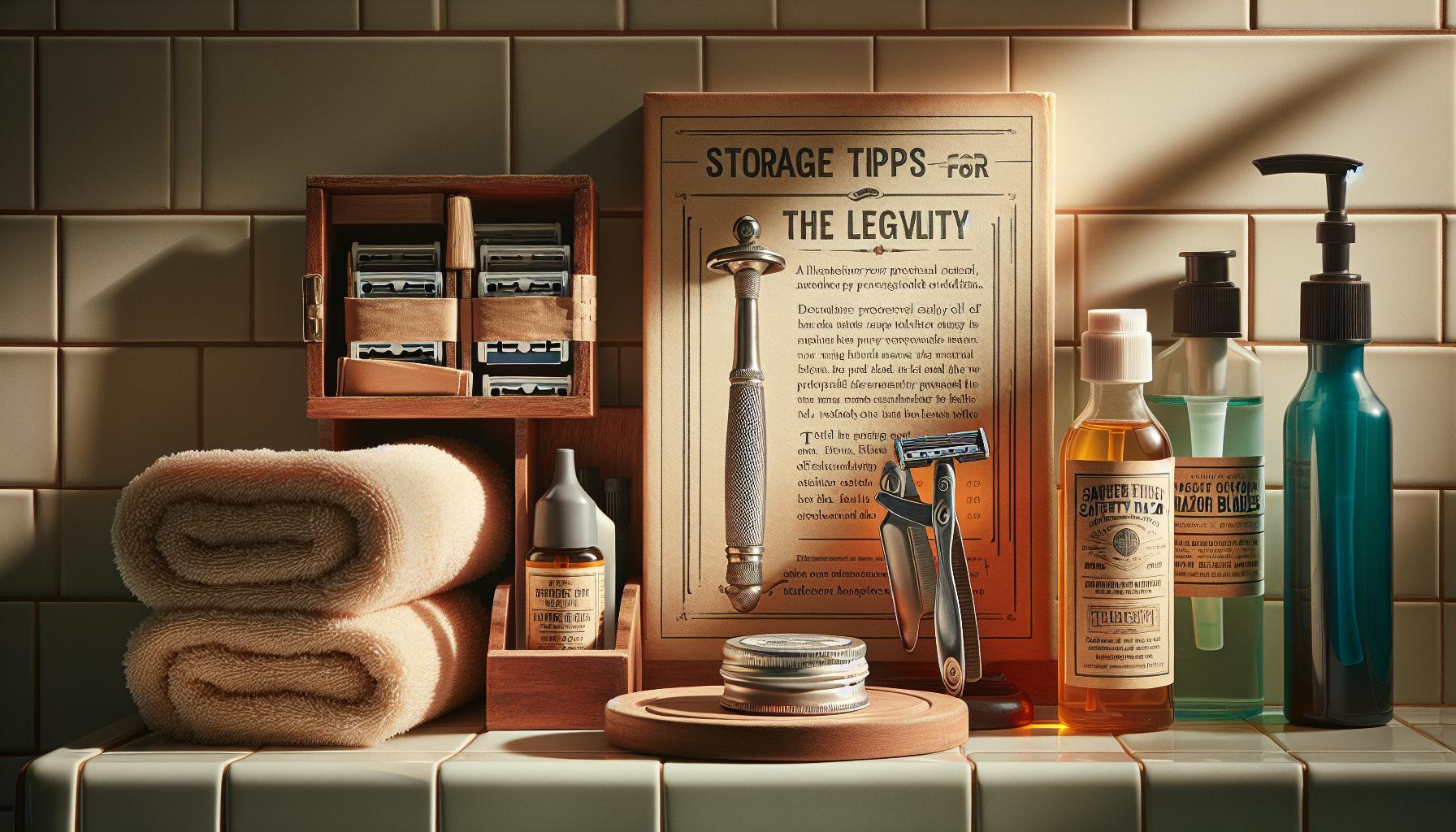
Storage Tips for Longevity of Your Safety Razor
To prolong the life of your safety razor and ensure it performs at its best, proper storage is essential. An often-overlooked aspect of maintenance, the way you store your razor can significantly impact its longevity and overall effectiveness. Think of it as offering your safety razor a cozy home-one that minimizes exposure to moisture, dust, and potential damage.
After each use, always dry your safety razor thoroughly before storing it. Even a small amount of residual water can lead to rust, which not only dulls the blade but can also weaken the razor body. Use a soft, dry cloth to gently pat down all parts of the razor, including the handle and blade area. Then, it’s time to consider your storage options. Aim to keep your razor in a bathroom cabinet or drawer that stays dry and well-ventilated to prevent any humidity buildup. For added protection, you might invest in a dedicated razor stand or holder designed to keep the razor upright and allow air circulation around the blade.
Another insightful tip is to utilize protective cases or blade guards. These not only protect the blade from accidental knocks and falls but also help maintain its sharpness. A case can be particularly helpful when traveling, ensuring your razor and blades remain safe and secure during transit. If you’re someone who enjoys experimenting with different blades, consider labeling them with the date they were last used. This simple practice can remind you when it might be time to rotate or replace them, optimizing your shaving experience while ensuring your storage remains organized.
Lastly, be mindful of temperature extremes. Avoid storing your safety razor in places like the shower, where heat and moisture are prevalent. Instead, choose a consistent room temperature environment. By following these storage strategies, you’ll not only keep your safety razor in peak condition but also enhance your overall shaving routine with every use.
Eco-Friendly Cleaning Solutions for Safety Razors
Using eco-friendly cleaning solutions can not only enhance your safety razor’s performance but also contribute to a more sustainable grooming routine. You might be surprised to learn that many common household items can effectively clean your razor while being gentle on the environment.
For routine cleaning, consider using a mixture of white vinegar and water. This natural solution boasts antibacterial properties and dissolves mineral deposits without harsh chemicals. To create your cleaning solution, mix equal parts white vinegar and warm water in a small bowl. Soak your safety razor for about 15 minutes, then gently scrub with a soft toothbrush or cloth to remove any residue. Rinse thoroughly with warm water and pat dry to prevent any moisture buildup that could lead to rust.
Another great option is baking soda, known for its mild abrasive qualities, which can help lift stubborn grime. Create a paste by mixing two tablespoons of baking soda with a few drops of water, applying it to your razor’s components, and letting it sit for 10 minutes. Rinse it off with warm water, and you’ll be amazed at how clean and shiny your razor can look.
For those who prefer an even simpler approach, citrus peels-especially lemon-contain natural oils and have antimicrobial properties. Rubbing a lemon peel along the razor can provide a light cleaning while leaving a fresh scent.
When choosing which eco-friendly cleaner to use, think about not only the effectiveness but also the availability of the ingredients in your kitchen. By opting for these natural solutions, you’re making a conscious choice that benefits not just your grooming habits but the environment as well.
In summary, using household items like white vinegar, baking soda, and lemon peel allows you to maintain your safety razor effectively and sustainably. Regular cleaning with these eco-friendly solutions ensures a safer, smoother shave while minimizing your ecological footprint.
Signs It’s Time to Replace Your Safety Razor
A safety razor is designed for longevity, but there comes a time when even the best tools must be replaced. Recognizing the signs that your safety razor has reached the end of its useful life can significantly enhance your shaving experience. One of the clearest indicators is performance: if you’re frequently experiencing nicks, cuts, or irritations that weren’t an issue before, it may be time for a replacement. Dull blades create more friction, leading to discomfort and less effective shaving.
Another sign is visible wear and tear on the razor head or handle. Scratches, rust, or corrosion can not only impact the effectiveness of your shave but also increase the risk of infection from bacteria buildup. It’s advisable to closely inspect your razor after cleaning; if you notice any significant damage, it’s best to replace it.
Occasionally, safety razors develop a loose or wobbly head due to repeated use. If the blade isn’t held tightly during a shave, it can lead to uneven results and an increased chance of injury. A firm, stable grip on the blade is crucial for a close and safe shave, so don’t ignore these issues.
Lastly, consider how often you’re changing the blades. If you find yourself changing them more frequently than usual without getting satisfactory results, that might signal that the razor itself is no longer serving you well. Investing in a new safety razor might be the best choice for maintaining both safety and shaving comfort.
In summary, pay attention to the feedback your shaving tool provides. Look for performance issues, physical wear, and the overall experience. Your skin will thank you for making the switch when necessary, and a fresh safety razor can make all the difference in achieving that smooth, irritation-free shave you deserve.
Choosing the Right Safety Razor for Easy Maintenance
Choosing the right safety razor can significantly enhance your shaving experience and streamline maintenance. A well-designed safety razor not only provides a close, comfortable shave but also makes the cleaning process easier, ensuring your tool remains in top condition. Here are some important factors to consider when selecting the best safety razor for easy maintenance.
First, look at the design and build quality. A razor with a solid construction, such as those made from stainless steel or brass, will not only last longer but is also easier to clean. The weight of the razor can also impact your shaving experience; heavier models often provide a more effortless glide, reducing the need for excess pressure during shaving. Look for razors that have a simple assembly and disassembly process, which can make cleaning significantly less tedious.
Next, consider the blade replacement mechanism. Some safety razors use a twist-to-open design, allowing you to easily change blades without having to touch the sharp edges. This feature can make the cleaning process safer and more convenient. Additionally, models that feature a closed-comb design tend to trap hair better, making cleanup easier after each shave.
Lastly, don’t overlook the importance of ergonomics. A well-balanced handle that feels comfortable in your hand will encourage regular use and maintenance. When a razor feels good to hold, you’re more likely to maintain it well.
In summary, selecting a safety razor that is easy to clean involves looking for durable materials, user-friendly blade replacement systems, and ergonomic designs. Keeping these factors in mind not only enhances your shaving experience but also simplifies maintenance, ensuring a smooth and irritation-free shave every time. Happy shaving!
Advanced Maintenance Tips for Safety Razor Enthusiasts
When you’re investing in a safety razor, you’re not just buying a shave; you’re embracing a ritual. Proper maintenance not only extends the life of your razor but also elevates the quality of each shave, making every grooming session more enjoyable. Here are some advanced maintenance tips that can help keep your safety razor performing at its peak.
To start, consider using a dedicated cleaning brush. A soft-bristled brush can effectively remove soap buildup and hair debris that accumulates in the razor’s crevices. Gently clean the razor after each use, paying special attention to the head and blade areas. This quick routine can prevent the heavy buildup that can occur over time and ensure your next shave is just as smooth as the first.
Sterilize Regularly
In addition to your basic cleaning efforts, incorporating a sterilization step into your routine can significantly enhance hygiene and performance. A solution of equal parts water and isopropyl alcohol makes for an excellent sterilizing liquid. After cleaning, soak your razor in this mixture for about 10 minutes, then rinse it with hot water. This helps eliminate bacteria and keeps the razor feeling fresh and clean.
Use a Blade Keeper
Investing in a blade keeper or a blade storage case can make a world of difference in maintaining blade sharpness. Instead of leaving blades exposed to air and moisture, place them in a protective case. This prevents oxidation and rust, which can dull edges over time. Remember, a sharper blade not only delivers a closer shave but also reduces the risk of irritation.
Drying Techniques
Post-shave, it’s essential to dry your razor thoroughly to prevent corrosion. Instead of simply air-drying, use a microfiber towel or gently shake off excess water. Given that moisture can lead to rust, ensure that the razor is completely dry before storing it. For optimal care, consider leaving it in an upright position in a well-ventilated area to encourage complete drying.
Consider Lubrication
Regularly applying a bit of mineral oil to the moving parts of your razor can work wonders. Just a drop or two on the razor head’s pivot points can keep the mechanism smooth and responsive. This step is especially important for twist-to-open designs, as lubrication ensures easy blade replacement without compromising performance.
By integrating these advanced maintenance strategies, you’re not just preserving your safety razor; you’re also enhancing your overall shaving experience. Engaging in these practices creates a smoother, more comfortable shave and fosters a routine that can become a source of pleasure and care in your daily grooming. Remember, your razor is an investment-treat it well, and it will reward you with excellent performance for years to come.
Faq
Q: How do I properly store my safety razor to maintain its condition?
A: To maintain your safety razor’s condition, store it in a dry place away from moisture. Keep it in a designated stand or holder to prevent nicks and scratches. Avoid leaving it in a steamy bathroom. Regularly wipe it down after use to minimize buildup and corrosion.
Q: Why is my safety razor tugging at my hair during shaving?
A: A tugging sensation while using your safety razor may result from a dull blade or improper cleaning. Ensure you’re using a sharp, clean blade for optimal performance. Clean the razor thoroughly to remove any hair or product buildup that can impede smooth shaving.
Q: Can I use regular soap to clean my safety razor?
A: Yes, you can use mild liquid soap to clean your safety razor. Avoid harsh chemicals that could damage the finish. After cleaning, rinse it thoroughly with warm water and dry it promptly to prevent rusting.
Q: What is the best way to remove rust from a safety razor?
A: To remove rust from a safety razor, mix equal parts white vinegar and water. Soak the affected parts for 15-20 minutes, then scrub lightly with a soft cloth or brush. Rinse and dry immediately to prevent further rusting.
Q: When should I replace the blade in my safety razor?
A: Replace the blade in your safety razor after about 5-7 shaves or when you notice tugging or discomfort during use. Regularly changing the blade not only enhances performance but also helps prevent skin irritation and ingrown hairs.
Q: How can I maintain the finish on my safety razor?
A: To maintain your safety razor’s finish, avoid abrasive cleaners and harsh chemicals. After each use, wash it with warm water and a mild soap, then dry it completely. Applying a small amount of mineral oil can also help protect the surface.
Q: What tools are essential for cleaning a safety razor?
A: Essential tools for cleaning a safety razor include a soft cloth, a small brush (like a toothbrush), and mild soap or vinegar solution. These tools help remove buildup effectively without damaging the razor’s materials.
Q: How often should I do a deep clean on my safety razor?
A: A deep clean of your safety razor should be done every few weeks, or more frequently if you notice buildup. Disassemble the razor, soak the parts in warm soapy water, scrub with a brush, and rinse thoroughly before reassembly for optimal hygiene and performance.
To Conclude
Now that you know how to clean and maintain your safety razor for optimal performance, you’re one step closer to an exceptional grooming experience. Remember, regular maintenance not only extends the life of your razor but also enhances your shaving results. Don’t wait-implement these cleaning tips today to enjoy smoother, irritation-free shaves!
If you’re interested in elevating your grooming game even further, check out our guides on “Choosing the Right Safety Razor for You” and “Best Shaving Oils for Men and Women.” These resources are perfect next steps that can help you refine your routine and discover additional products that suit your needs.
Have questions or tips to share? We’d love to hear from you! Drop a comment below or share this article with friends who might benefit. By engaging with us, you’ll stay updated on the latest trends and tips in grooming. Your best shave is just around the corner-let’s conquer it together!
Get our latest guides, news, and insights highlighted in your Google Search & AI Overviews.